



KL-11743
Based on 8 publication(s) in Google Scholar
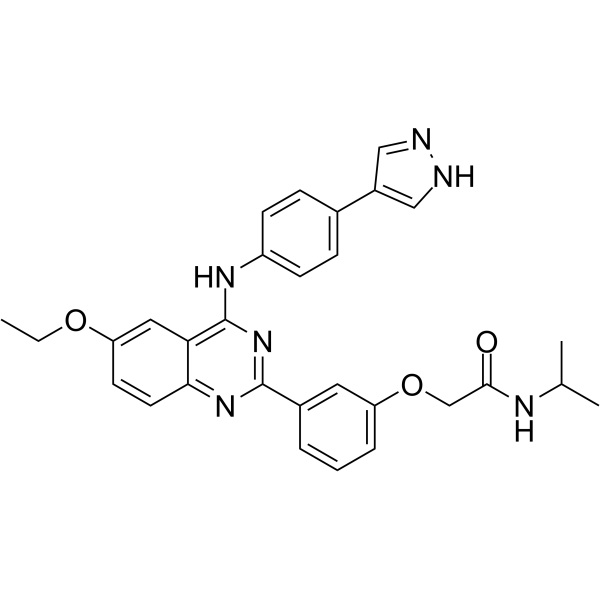
KL-11743 is a potent, orally active, and glucose-competitive inhibitor of the class I glucose transporters, with IC50s of 115, 137, 90, and 68 nM for GLUT1, GLUT2, GLUT3, and GLUT4, respectively. KL-11743 specifically blocks glucose metabolism. KL-11743 can synergize with electron transport inhibitors to induce cell death. In addition, KL-11743 can induce the formation of disulfide bonds in actin cytoskeletal proteins, leading to the occurrence of cellular disulfidptosis.
For research use only. We do not sell to patients.
- Purity : 99.40%
- CAS No.: 1369452-53-8
- Formula: C30H30N6O3
- Molecular Weight:522.60
-
Storage:Powder -20°C, 3 years , 4°C, 2 years ; In solvent -80°C, 6 months , -20°C, 1 month

To place orders, for customer services and technical support, please contact: MedChemExpress USA
Tel: 609-228-6898 E-mail: [email protected] [email protected]


-
 Biological Activity
-
Chemical Information
-
Solvent & Solubility
- Protocols
- Purity & Documentation
- References
-
 Help & FAQs


-
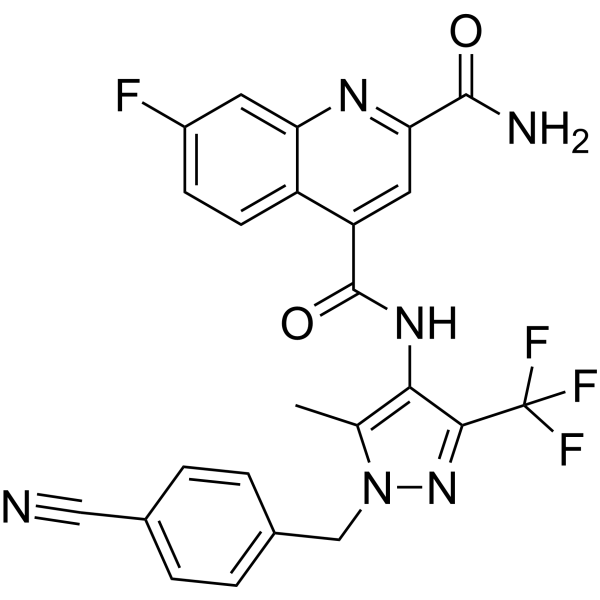
HY-100017
BAY-876GLUT1 Inhibitor -
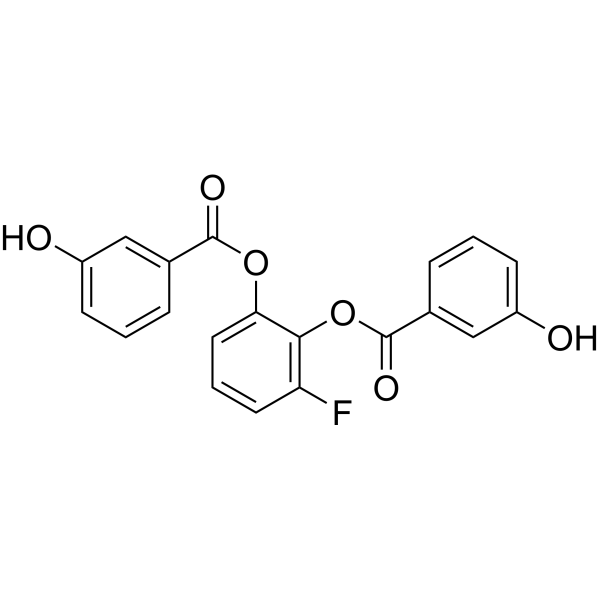
HY-19331
WZB117Glut1 Inhibitor -
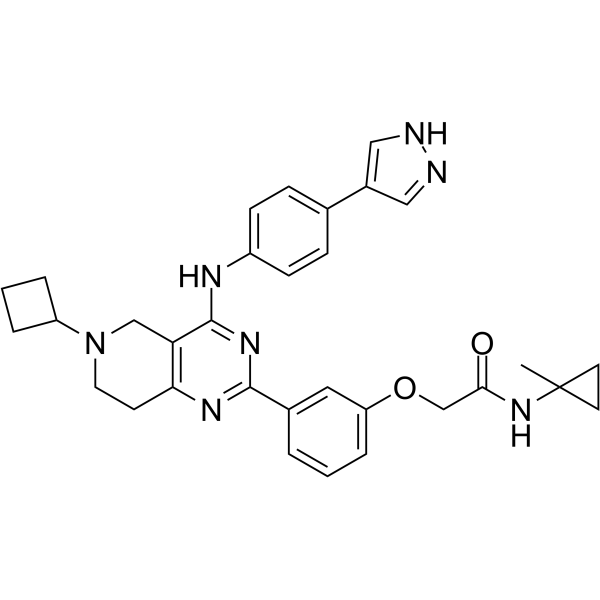
HY-139605
GLUT inhibitor-1GLUT1/GLUT3 Inhibitor -
HY-145963
DRB18GLUT Inhibitor -
HY-139047
SW157765GLUT8 Inhibitor -
HY-13418A
DorsomorphinAMPK Inhibitor -
HY-15409
EmpagliflozinSGLT2 Inhibitor -
HY-137677B
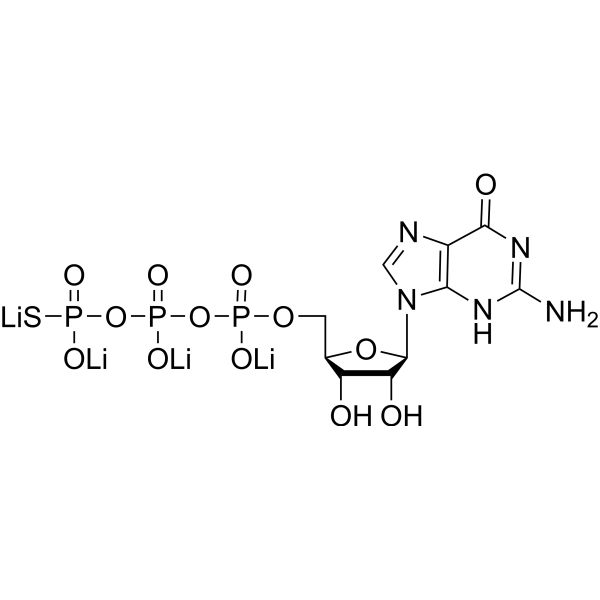
GTPγS tetralithiumG Proteins Activator -
HY-10219
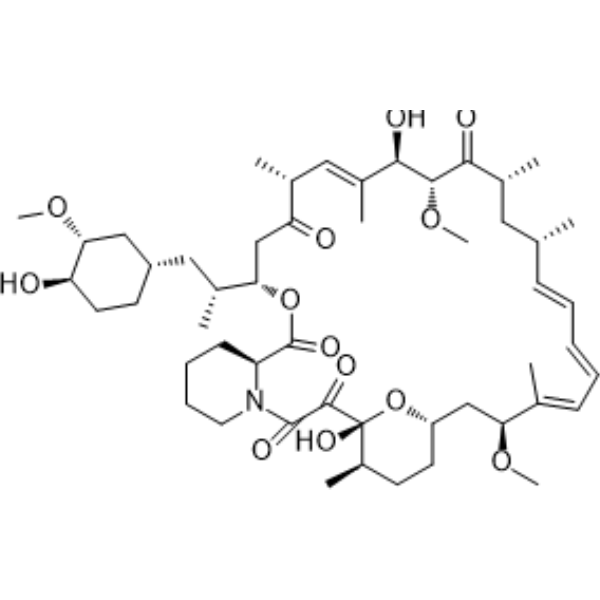
RapamycinmTOR Inhibitor -
HY-10431
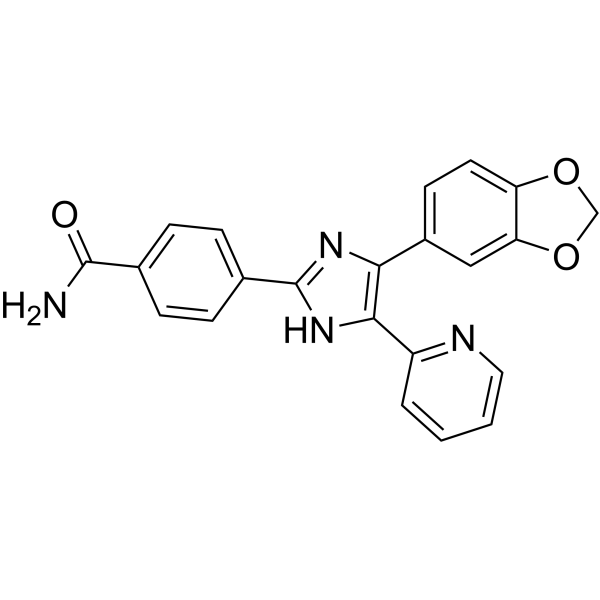
SB-431542TGF-β Receptor Kinase Inhibitor -
HY-13259
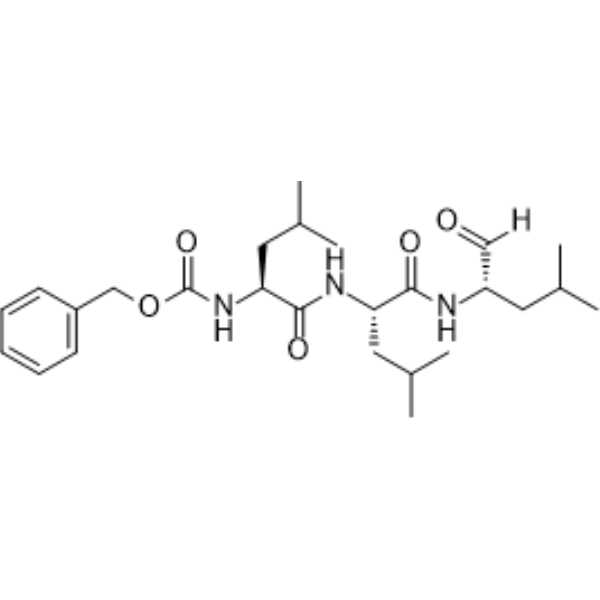
MG-132Proteasome Inhibitor -
HY-W011500
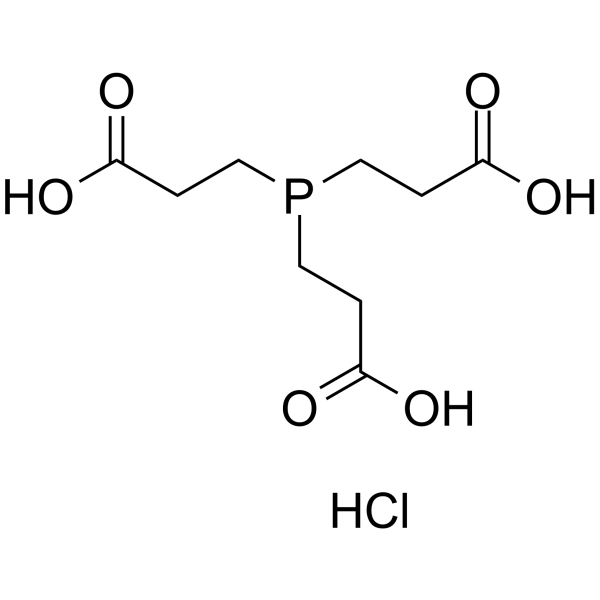
TCEP hydrochlorideNon-Thiol Reducing Agent
Publications Citing Use of MedChemExpress (MCE) KL-11743
More- Adv Sci (Weinh). 2025 Jul 25:e08556. [Abstract]
- Acta Biomater. 2025 Aug:202:463-475. [Abstract]
- Bioorg Chem. 2026 Feb:169:109437. [Abstract]
- Sci Rep. 2026 Jul 28;16(1):24140.
- Viruses. 2026 Mar 12;18(3):350. [Abstract]
- Vita. 2026 Aug 25.
- bioRxiv. 2026 Jun 12:2026.06.11.731694. [Abstract]
- Biomed Pharmacother. 2024 Jul:176:116837. [Abstract]
 Customer Validation & Images

-
IF
-
Cell Proliferation/Viability Assay
-
IF


Biological Activity
Description
IC50 & Target
[3]|
GLUT1 115 nM (IC50) |
GLUT2 137 nM (IC50) |
GLUT3 90 nM (IC50) |
GLUT4 68 nM (IC50) |
Cellular Effect
|
Cell Line

|
Type | Value | Description | References |
|---|---|---|---|---|
| HT-1080 | IC50 |
150 nM
Compound: 8
|
Inhibition of oligomycin-treated GLUT in human HT1080 cells assessed as reduction in ATP level measured after 90 mins by Celltiter-glo luminescent assay
Inhibition of oligomycin-treated GLUT in human HT1080 cells assessed as reduction in ATP level measured after 90 mins by Celltiter-glo luminescent assay
|
[PMID: 32282207] |
| HT-1080 | IC50 |
268 nM
Compound: 8
|
Inhibition of GLUT in oligomycin-treated human HT1080 cells assessed as reduction in ATP level measured after 90 mins in presence of 10 mM glucose by Celltiter-glo luminescent assay
Inhibition of GLUT in oligomycin-treated human HT1080 cells assessed as reduction in ATP level measured after 90 mins in presence of 10 mM glucose by Celltiter-glo luminescent assay
|
[PMID: 32282207] |
| HT-1080 | IC50 |
33 nM
Compound: 8
|
Inhibition of GLUT in oligomycin-treated human HT1080 cells assessed as reduction in ATP level measured after 90 mins in presence of 0.37 mM glucose by Celltiter-glo luminescent assay
Inhibition of GLUT in oligomycin-treated human HT1080 cells assessed as reduction in ATP level measured after 90 mins in presence of 0.37 mM glucose by Celltiter-glo luminescent assay
|
[PMID: 32282207] |
In Vitro
KL-11743 (compound 8) competes with glucose for binding to GLUT1, with IC50s of 33 nM and 268 nM at 0.37 mM and 10 mM glucose, respectively[1].
KL-11743 (39-10000 nM; 24-72 h) dose-dependently inhibits the growth of HT-1080 cells, with an IC50 of 677 nM[3].
KL-11743 inhibits the growth of KEAP1-mutant lung cancer cells with more potency compared to KEAP1-WT lung cancer cells[4].
KL-11743 (0.001-10 μM) induces a rapid increase in the phosphorylation of AMPK and acetyl-coenzyme A carboxylase in HT-1080 cells [3].
KL-11743 (2 μM) inhibits glucose uptake in 786-O cells. KL-11743 increases NADP+/NADPH in NCl-H226 cells. KL-11743 induces cell death in SLC7A11-high cancer cell lines (NCl-H226 and UMRC6 cells)[2].
KL-11743 (0.001-10 μM) inhibits both glucose consumption, lactate secretion, and 2DG transport in HT-1080 fibrosarcoma cells, with IC50s of 228, 234, and 87 nM, respectively, and fully inhibited glycolytic ATP production in oligomycin-treated cells with an IC50 of 127 nM[3].
MedChemExpress (MCE) has not independently confirmed the accuracy of these methods. They are for reference only. Further protocols information, click here.
-
Cell Line:HT-1080 cells
-
Concentration:39, 78, 156, 312, 625, 1250, 2500, 5000, 10000 nM
-
Incubation Time:24, 48, 72 hours
-
Result:Inhibited the growth of HT-1080 cells in a dose-dependent manner.
In Vivo
KL-11743 (30-100 mg/kg; a single p.o.) significantly elevates blood glucose levels and delays glucose clearance in mice challenged with 5 g/kg glucose[3].
KL-11743 significantly suppresses the growth of KEAP1 KO tumors[4].
Plasma levels of KL-11743 (100 mg/kg; i.p.) are maintained at inhibitory levels for most of the 24-hour dosing period[2].
KL-11743 (p.o) exhibits moderate oral between 30% and 15%, and favorable and dose-linear plasma exposure profile reaching concentrations of approximately 20 μM in mice (10-100 mg/kg) and rats (10-300 mg/kg)[3].
KL-11743 exhibits comparable half-lives ranging between 2.04 and 5.38 h in rats (10 mg/kg for i.v.; 10-300 mg/kg for p.o.), and 1.45-4.75 h in mice (10 mg/kg for i.v. and i.p.; 10-100 mg/kg for p.o.)[3].
MedChemExpress (MCE) has not independently confirmed the accuracy of these methods. They are for reference only.
-
Animal Model:4 to 6-week-old athymic nude mice (Foxn1nu/Foxn1nu) were injected with NCI-H226 cells 100 mg/kg[2]
-
Dosage:100 mg/kg
-
Administration:I.p. every two days for 5 weeks
-
Result:Inhibited the growth of tumors.
Exhibited extensive necrotic cell death.
Decreased PPP intermediate 6-phosphogluconate levels and increased NADP+/NADPH ratio.


Chemical Information
-
CAS No. 1369452-53-8
-
Appearance Solid
-
Molecular Weight 522.60
-
Formula C30H30N6O3
-
Color Light yellow to green yellow
-
SMILES
O=C(COC1=CC=CC(C2=NC(NC3=CC=C(C4=CNN=C4)C=C3)=C5C=C(OCC)C=CC5=N2)=C1)NC(C)C
-
Shipping
Room temperature in continental US; may vary elsewhere.
-
Storage
Powder -20°C 3 years 4°C 2 years In solvent -80°C 6 months -20°C 1 month


Publications (8)
-
Journal Impact Factor
-
Most Recent
-
Adv Sci (Weinh)
Glucose Deprivation-Induced Disulfidptosis via the SLC7A11-INF2 Axis: Pan-Cancer Prognostic Exploration and Therapeutic Validation. [Abstract]2025 Jul 25:e08556. PMID: 40709550
KL-11743 purchased from MedChemExpress. Usage Cited in: Adv Sci (Weinh). 2025 Jul 25:e08556. [Abstract]
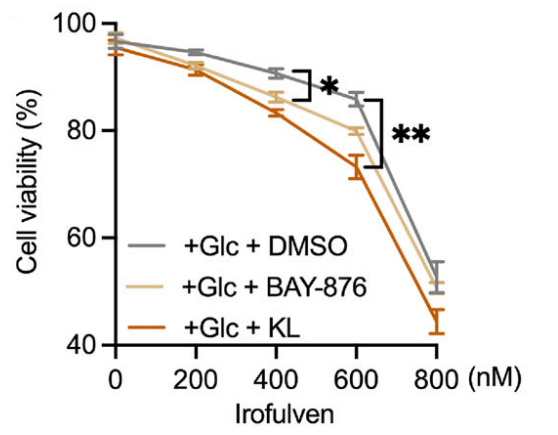
The cell viability of SKOV3 cells was evaluated following culture in the specified medium and treatment with DMSO, KL‐11743 (5 µm), or BAY‐876 (5 µm), in the presence or absence of varying concentrations of Irofulven for a duration of 24 h.
-
Acta Biomater
A tumor microenvironment-responsive nanocomposite for enhanced copper retention and hypoxia reversal to promote cuproptosis in tumor treatment. [Abstract]2025 Aug:202:463-475. PMID: 40618974 -
Bioorg Chem
A mitochondria-targeting glutathione fluorescent probe reveals distinct mitochondria-endoplasmic reticulum contact between disulfidptosis and ferroptosis. [Abstract]2026 Feb:169:109437. PMID: 41453306
KL-11743 purchased from MedChemExpress. Usage Cited in: Bioorg Chem. 2026 Feb:169:109437. [Abstract]
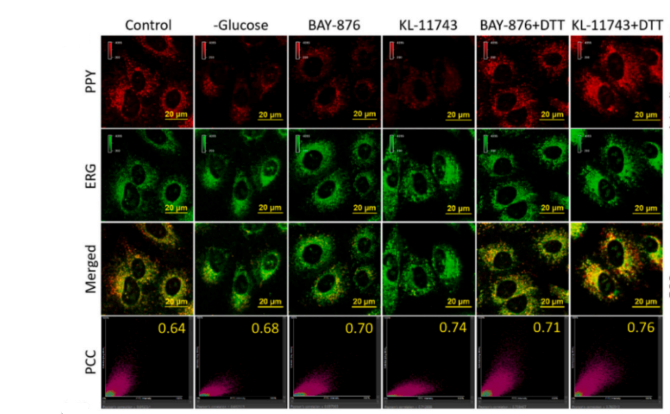
Fluorescence images of A549 cells cultured for 12 hours under the following conditions: untreated (control); glucose-free medium (-glucose); 20.0 μM BAY-876 (BAY-876); 2.0 μM KL-11743 (KL-11743); 20.0 μM BAY-876 and 200.0 μM DTT (BAY-876 + DTT); 2.0 μM KL-11743 and 200.0 μM DTT (KL-11743 + DTT).
-
-
Viruses
Identification of Oncolytic Avian Reovirus Receptors in B16-F10 Cells and the Signaling-Mediated Pathways Involved in Viral Entry. [Abstract]2026 Mar 12;18(3):350. PMID: 41902258 -
-
bioRxiv
Citrate Compartmentalization Controls Calcium-Dependent Cytokine Production in Effector T Cells. [Abstract]2026 Jun 12:2026.06.11.731694. PMID: 42327233 -
Biomed Pharmacother
PIEZO1 as a new target for hyperglycemic stress-induced neuropathic injury: The potential therapeutic role of bezafibrate. [Abstract]2024 Jul:176:116837. PMID: 38815290
KL-11743 purchased from MedChemExpress. Usage Cited in: Biomed Pharmacother. 2024 Jul:176:116837. [Abstract]
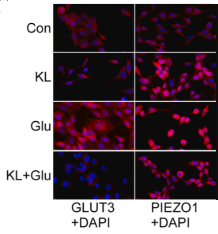
Pretreatment with 0.5 μM KL-11743 for 2 hours, followed by incubation with Glu for 24 hours, yielded representative immunofluorescence images of GLUT3 and PIEZO1.


Solvent & Solubility
In Vitro:
DMSO : 25 mg/mL (47.84 mM; ultrasonic and warming and heat to 60°C; Hygroscopic DMSO has a significant impact on the solubility of product, please use newly opened DMSO)
Please refer to the solubility information to select the appropriate solvent. Once prepared, please aliquot and store the solution to prevent product inactivation from repeated freeze-thaw cycles.
Storage method and period of stock solution: -80°C, 6 months; -20°C, 1 month. When stored at -80°C, please use it within 6 months. When stored at -20°C, please use it within 1 month.
Please refer to the solubility information to select the appropriate solvent. Once prepared, please aliquot and store the solution to prevent product inactivation from repeated freeze-thaw cycles.
Storage method and period of stock solution: -80°C, 6 months; -20°C, 1 month. When stored at -80°C, please use it within 6 months. When stored at -20°C, please use it within 1 month.
Concentration (start) × Volume (start) = Concentration (final) × Volume (final)
In Vivo:
Select the appropriate dissolution method based on your experimental animal and administration route.
- For the following dissolution methods, please ensure to first prepare a clear stock solution using an In Vitro approach and then sequentially add co-solvents:
- To ensure reliable experimental results, the clarified stock solution can be appropriately stored based on storage conditions. As for the working solution for In Vivo experiments, it is recommended to prepare freshly and use it on the same day.
- The percentages shown for the solvents indicate their volumetric ratio in the final prepared solution. If precipitation or phase separation occurs during preparation, heat and/or sonication can be used to aid dissolution.
For the following dissolution methods, please prepare the working solution directly:
It is recommended to prepare fresh solutions and use them promptly within a short period of time.
The percentages shown for the solvents indicate their volumetric ratio in the final prepared solution. If precipitation or phase separation occurs during preparation, heat and/or sonication can be used to aid dissolution.
Add each solvent one by one: 0.5% Methylcellulose/0.25% Tween-80 in Water
Solubility: 9.98 mg/mL (19.10 mM); Suspended solution; Need ultrasonic
In Vivo Dissolution Calculator
Please enter the basic information of animal experiments:
-
-
-
-
Recommended: Prepare an additional quantity of animals to account for potential losses during experiments.
Please enter your animal formula composition:
-
%DMSO +
Recommended: Keep the proportion of DMSO in working solution below 2% if your animal is weak.
-
%+
-
+%Tween-80 + +
-
%Saline +
The co-solvents required include: DMSO, . All of co-solvents are available by MedChemExpress (MCE). , Tween 80. All of co-solvents are available by MedChemExpress (MCE).
Working solution concentration: 0.22 mg/mL
Method for preparing stock solution: mg drug dissolved in μL DMSO. Stock solution concentration: mg/mL.
1. Take μL DMSO stock solution;
2. Add μL .
μL , mix evenly;
3. Then add μL Tween 80, mix evenly;
4. Then add μL
Please ensure that the stock solution in the first step is dissolved to a clear state, and add co-solvents in sequence. You can use ultrasonic heating (ultrasonic cleaner, recommended frequency 20-40 kHz), vortexing, etc. to assist dissolution.

Protocols
-
Cell Cytotoxicity Assay
Cytotoxicity assays are usually based on the assessment of cell membrane damage, which can also be indirectly detected by measuring cell viability. Detection methods include MTT assay, CKK-8 assay, LDH assay and ATP assay, etc.
-
Mammalian live/dead viability and cytotoxicity staining
Live/dead viability and cytotoxicity staining assays are based on the simultaneous detection of intracellular esterase activity in metabolically active (viable) cells and membrane integrity loss in non-viable cells. In commonly used dual-staining approaches, membrane-permeant fluorogenic substrates are converted by intracellular esterases into fluorescent products in live cells, while impermeant DNA-binding dyes selectively enter cells with compromised plasma membranes and label nucleic acids in dead or dying cells, enabling discrimination between viable and non-viable populations by fluorescence microscopy or flow cytometry.
-
Apoptosis Solutions
Apoptosis is a regulated, generally non-lytic cell-death pathway that removes unwanted, damaged, infected, or abnormal cells through coordinated morphological changes, caspase activation, DNA fragmentation, and membrane remodeling. The intrinsic apoptosis pathway is controlled mainly by mitochondrial outer membrane permeabilization, BCL-2 family proteins, cytochrome c release, apoptosome formation, caspase-9 activation, and downstream executioner caspase-3/7 activation. The extrinsic apoptosis pathway is initiated by death receptors such as Fas, TNFR, and TRAIL receptors, which recruit adaptor proteins and activate caspase-8 before engaging executioner caspases or mitochondrial amplification through BID cleavage. Apoptosis is linked to many phenotypes, including cancer cell killing, tissue homeostasis, immune regulation, neurodegeneration, infection response, and treatment-induced cytotoxicity; unresolved questions include how apoptosis interacts with necroptosis, pyroptosis, ferroptos
-
Phalloidin F-actin cytoskeleton staining
Phalloidin F-actin staining detects polymerized filamentous actin in fixed and permeabilized specimens by using fluorescent phalloidin or phalloidin-derived phallotoxins that bind actin filaments and generate a fluorescence microscopy readout corresponding to F-actin organization, including stress fibers, cortical actin, filament bundles, and tissue-specific actin networks. Phalloidin stabilizes F-actin by reducing actin subunit dissociation from filament ends, and fluorescent phallotoxins were established as tools for visualizing actin-containing structures in eukaryotic cells.


Purity & Documentation
-
Data Sheet (280 KB)
-
SDS (251 KB)
- English - EN (251 KB)
- Français - FR (251 KB)
- Deutsch - DE (251 KB)
- Norwegian - NO (251 KB)
- Español - ES (251 KB)
- Swedish - SV (251 KB)
- Italian - IT (251 KB)
- Korean - KR (251 KB)
- Portuguese - PT (251 KB)
-
Handling Instructions (2659 KB)
References
[1]. Liu KG, et, al. Discovery and Optimization of Glucose Uptake Inhibitors. J Med Chem. 2020 May 28;63(10):5201-5211. [Content Brief]
[2]. Liu X, et, al. Cystine transporter regulation of pentose phosphate pathway dependency and disulfide stress exposes a targetable metabolic vulnerability in cancer. Nat Cell Biol. 2020 Apr;22(4):476-486. [Content Brief]
[3]. Olszewski K, et, al. Inhibition of glucose transport synergizes with chemical or genetic disruption of mitochondrial metabolism and suppresses TCA cycle-deficient tumors. Cell Chem Biol. 2021 Oct 22;S2451-9456(21)00441-4. [Content Brief]
[4]. Koppula P, et, al. KEAP1 deficiency drives glucose dependency and sensitizes lung cancer cells and tumors to GLUT inhibition. iScience. 2021 May 25;24(6):102649. [Content Brief]


Complete Stock Solution Preparation Table
Please refer to the solubility information to select the appropriate solvent. Once prepared, please aliquot and store the solution to prevent product inactivation from repeated freeze-thaw cycles.
Storage method and period of stock solution: -80°C, 6 months; -20°C, 1 month. When stored at -80°C, please use it within 6 months. When stored at -20°C, please use it within 1 month.
| Optional Solvent | Concentration Solvent Mass | 1 mg | 5 mg | 10 mg | 25 mg |
|---|---|---|---|---|---|
| DMSO | 1 mM | 1.9135 mL | 9.5675 mL | 19.1351 mL | 47.8377 mL |
| 5 mM | 0.3827 mL | 1.9135 mL | 3.8270 mL | 9.5675 mL | |
| 10 mM | 0.1914 mL | 0.9568 mL | 1.9135 mL | 4.7838 mL | |
| 15 mM | 0.1276 mL | 0.6378 mL | 1.2757 mL | 3.1892 mL | |
| 20 mM | 0.0957 mL | 0.4784 mL | 0.9568 mL | 2.3919 mL | |
| 25 mM | 0.0765 mL | 0.3827 mL | 0.7654 mL | 1.9135 mL | |
| 30 mM | 0.0638 mL | 0.3189 mL | 0.6378 mL | 1.5946 mL | |
| 40 mM | 0.0478 mL | 0.2392 mL | 0.4784 mL | 1.1959 mL |


KL-11743 Related Classifications
HY-145597 Related Classifications
 Powered by Bioz