



BAY-876
Based on 63 publication(s) in Google Scholar
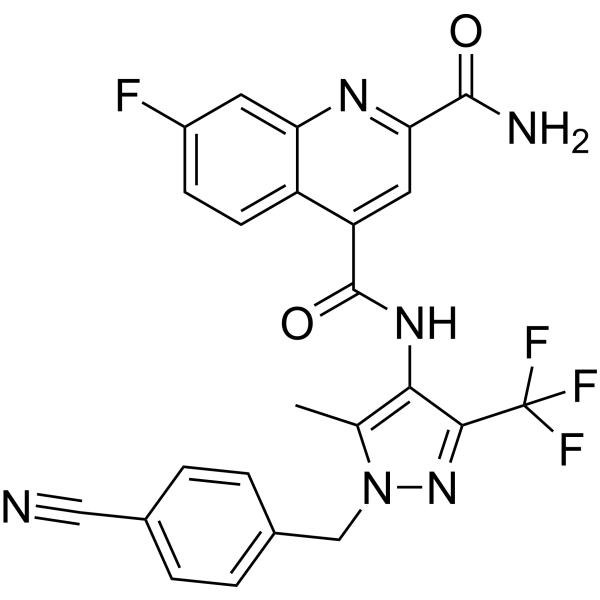
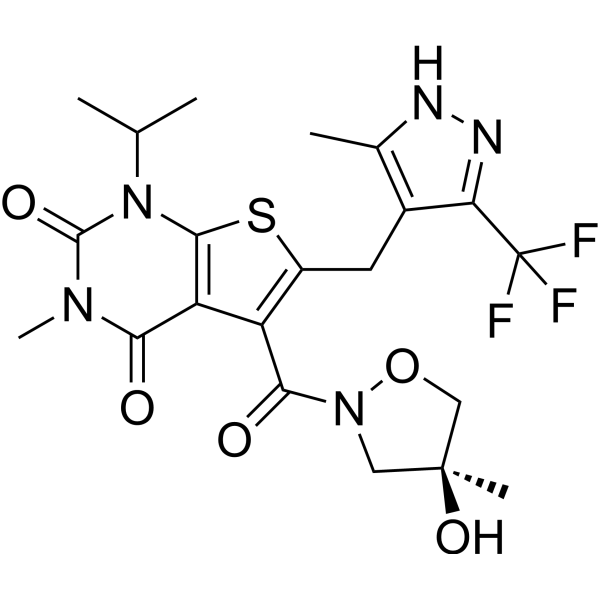
BAY-876, a chemical probe, is an orally active and selective glucose transporter 1 (GLUT1) inhibitor with an IC50 of 2 nM. BAY-876 is >130-fold more selective for GLUT1 than GLUT2, GLUT3, and GLUT4. BAY-876 is also a potent blocker of glycolytic metabolism and ovarian cancer growth. In addition, BAY-876 can induce the formation of disulfide bonds in actin cytoskeletal proteins, leading to the occurrence of cellular disulfidptosis.
연구목적의 판매만을 진행합니다. 환자를 대상으로 한 판매는 하지 않습니다.
- Purity : 99.67%
- CAS No.: 1799753-84-6
- 화학식: C24H16F4N6O2
- 분자량:496.42
-
보관:Powder -20°C, 3 years , 4°C, 2 years ; In solvent -80°C, 6 months , -20°C, 1 month

To place orders, for customer services and technical support, please contact: MedChemExpress USA
Tel: 609-228-6898 E-mail: [email protected] [email protected]


-
 Biological Activity
-
Chemical Information
-
용액&용해도
- Protocol
- 순도&문서
- References
-
 Help & FAQs


-
HY-19331
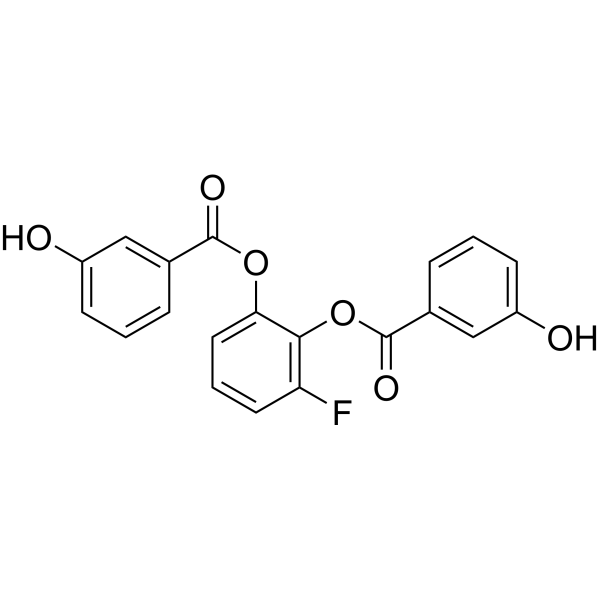
WZB117Glut1 Inhibitor -
HY-13966
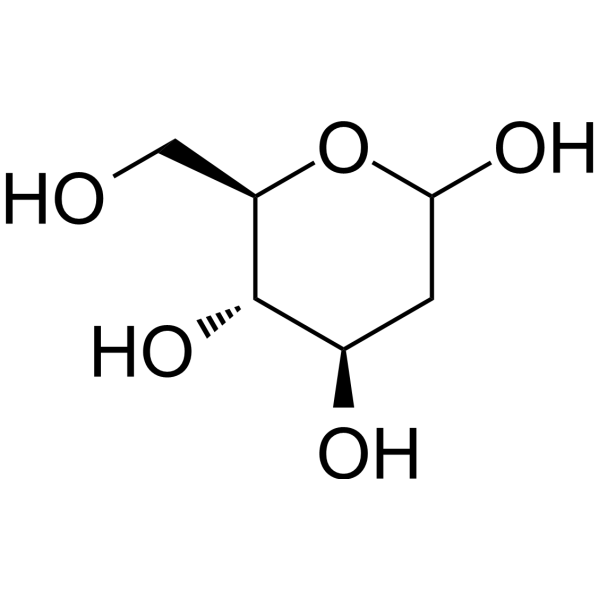
2-Deoxy-D-glucoseGlycolysis Inhibitor -
HY-145597
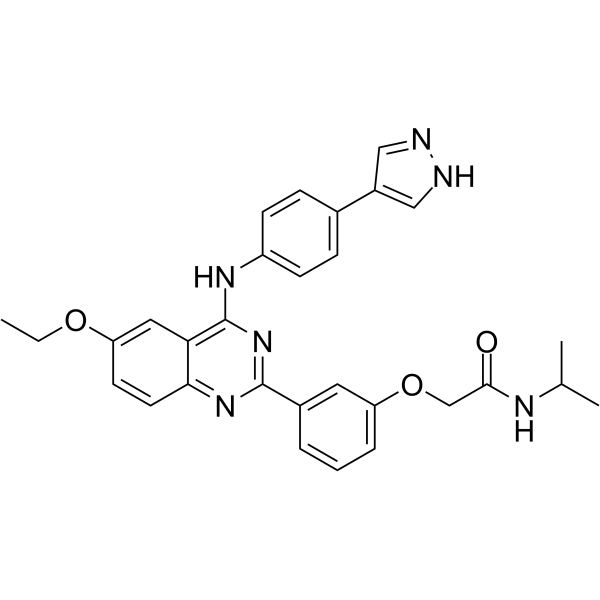
KL-11743GLUT1-4 Inhibitor -
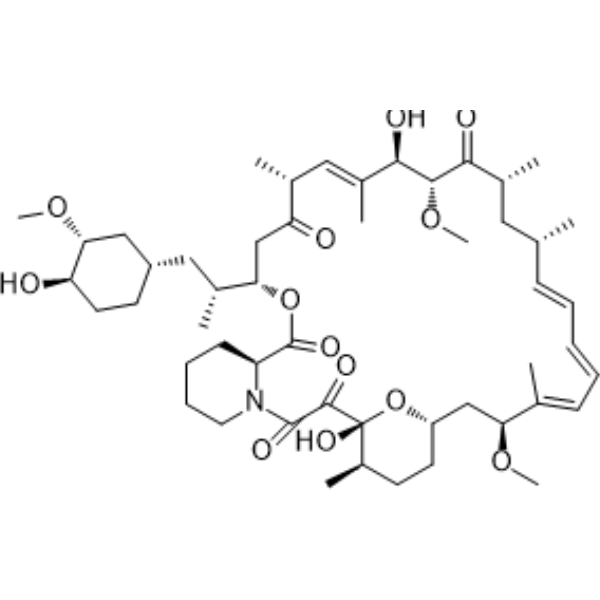
HY-10219
RapamycinmTOR Inhibitor -
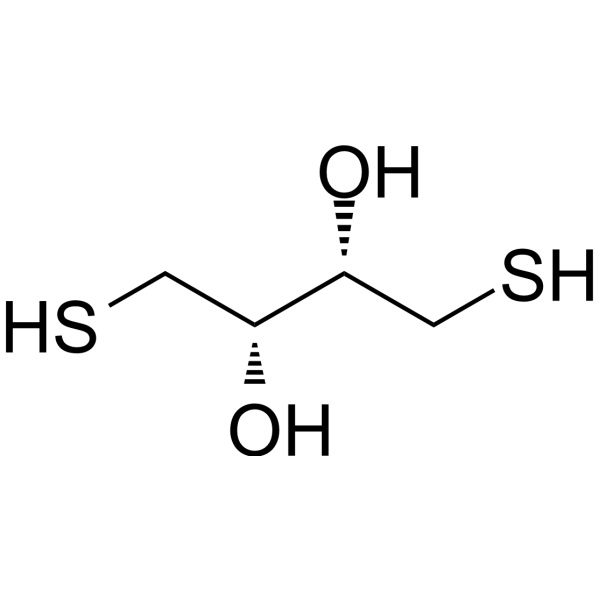
HY-15917
DL-DithiothreitolReducing Agent -
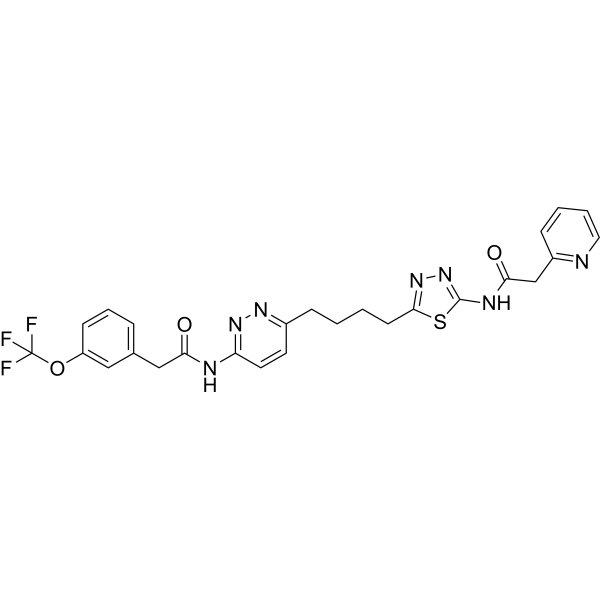
HY-12248
TelaglenastatGLS1 Inhibitor -
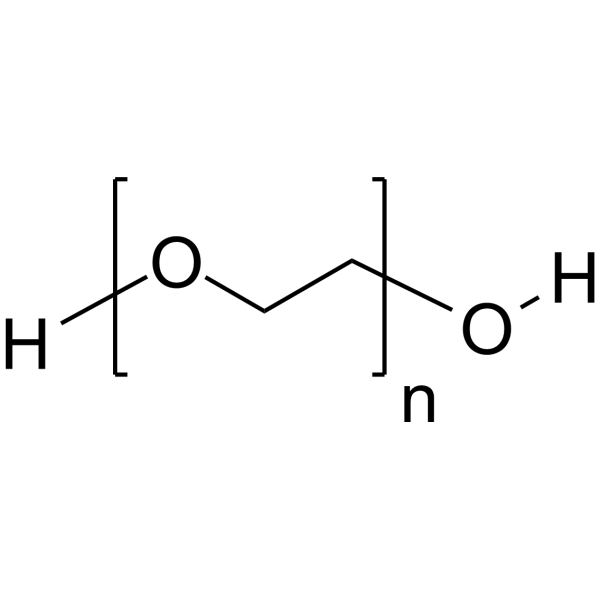
HY-Y0873
PEG300Neutral Polymer -
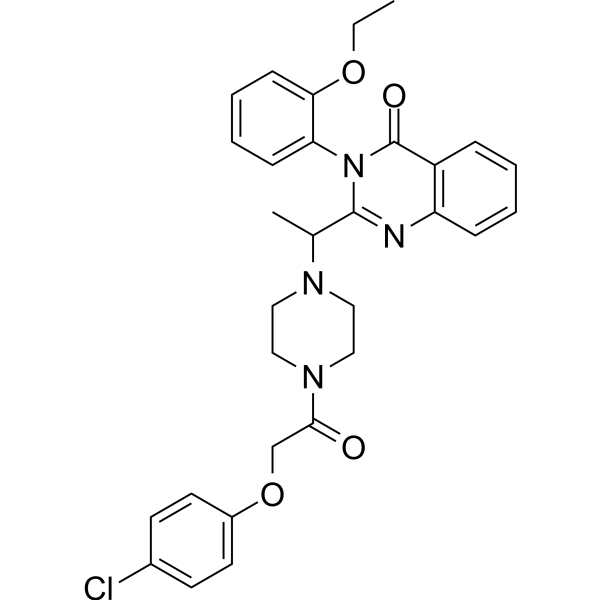
HY-15763
ErastinFerroptosis Inducer -
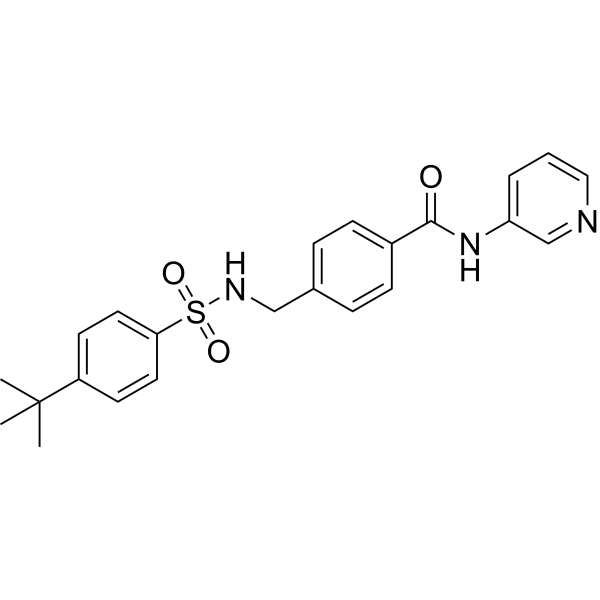
HY-18728
STF-31GLUT1 Inhibitor -
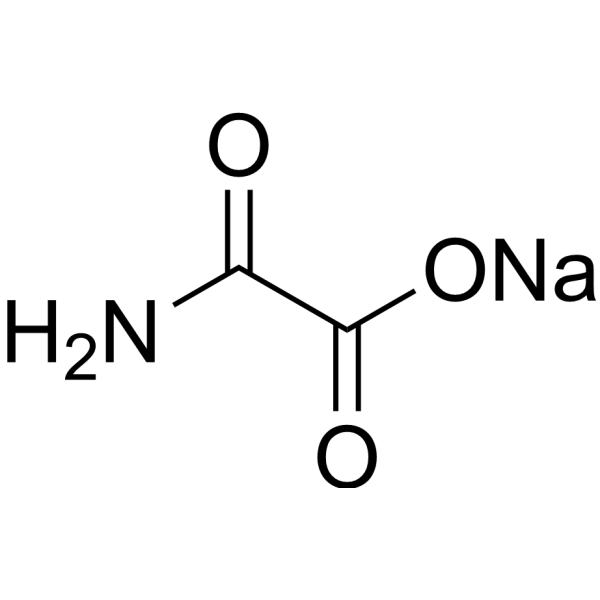
HY-W013032A
Oxamic acid sodiumLDH-A Inhibitor -
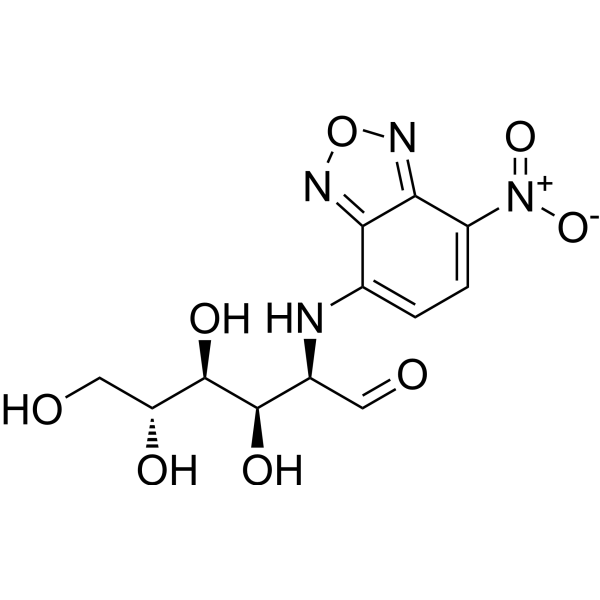
HY-116215
2-NBDGFluorescent Indicator -
HY-12750
AZD3965MCT1 Inhibitor
Publications Citing Use of MedChemExpress (MCE) BAY-876
More- Cancer Cell. 2025 May 12;43(5):937-954.e9. [Abstract]
- Nat Biomed Eng. 2025 Sep 2. [Abstract]
- J Extracell Vesicles. 2026 May;15(5):e70294. [Abstract]
- Nat Commun. 2026 Oct 1.
- Nat Commun. 2026 Mar 13. [Abstract]
- Nat Commun. 2026 Feb 12;17(1):1214. [Abstract]
- Nat Commun. 2024 Oct 19;15(1):9027. [Abstract]
- Nat Commun. 2024 Mar 20;15(1):2498. [Abstract]
- ACS Nano. 2026 Jun 9;20(22):16036-16056. [Abstract]
- J Adv Res. 2025 Mar 29:S2090-1232(25)00212-7. [Abstract]
- Redox Biol. 2024 May:71:103112. [Abstract]
- Redox Biol. 2021 Oct:46:102082. [Abstract]
- Mol Cell. 2026 Jan 8;86(1):150-165.e9. [Abstract]
- Nat Chem Biol. 2025 Aug 22. [Abstract]
- J Nanobiotechnology. 2026 Jun 10. [Abstract]
- Theranostics. 2024 May 27;14(8):3339-3357. [Abstract]
- Adv Sci (Weinh). 2025 Dec 22:e23478. [Abstract]
- Adv Sci (Weinh). 2025 Sep 15:e07283. [Abstract]
- Adv Sci (Weinh). 2024 Jul;11(28):e2307216. [Abstract]
- Adv Sci (Weinh). 2024 May;11(18):e2310163. [Abstract]
- MedComm (2020). 2022 Apr 22;3(2):e131. [Abstract]
- Research (Wash D C). 2026 Jul 3:9:1315. [Abstract]
- Chem Eng J. 2026 Apr 9;536:176067.
- Cell Death Dis. 2025 Dec 3. [Abstract]
- Cell Death Dis. 2025 Aug 7;16(1):595. [Abstract]
- Biosens Bioelectron. 2024 Jan 15:244:115820. [Abstract]
- Small. 2021 Sep;17(38):e2102695. [Abstract]
- Cell Commun Signal. 2025 May 9;23(1):219. [Abstract]
- Phytomedicine. 2025 Jul:142:156804. [Abstract]
- EBioMedicine. 2023 Feb:88:104444. [Abstract]
- Mater Today Bio. 2026 May 6:38:103195. [Abstract]
- J Hazard Mater. 2022 Feb 15;424(Pt C):127512. [Abstract]
- Cell Rep. 2025 Aug 21;44(9):116186. [Abstract]
- Anal Chem. 2025 May 6;97(17):9192-9201. [Abstract]
- Ecotoxicol Environ Saf. 2024 Feb:271:115994. [Abstract]
- Biochem Pharmacol. 2024 Jul:225:116294. [Abstract]
- Cell Biosci. 2024 Apr 16;14(1):48. [Abstract]
- Toxicology. 2022 Jun 15:475:153237. [Abstract]
- Bioorg Chem. 2026 Feb:169:109437. [Abstract]
- Sci Rep. 2026 Jul 28;16(1):24140.
- Sci Rep. 2025 Nov 17;15(1):40227. [Abstract]
- Cancers (Basel). 2022 Jan 11;14(2):345. [Abstract]
- Oncol Rep. 2026 Feb;55(2):37. [Abstract]
- Expert Opin Ther Pat. 2022 Apr;32(4):441-453. [Abstract]
- J Electroanal Chem. 2023 Sep 16, 117808.
- Biomedicines. 2026 Sep 21;14(9):2133.
- iScience. 2026 Jul 20;29(8):116561.
- Metabolites. 2026 Jun;16(6):434.
- Microbiol Spectr. 2025 Dec 11:e0245625. [Abstract]
- BMC Cancer. 2024 Nov 16;24(1):1415. [Abstract]
- J Biol Chem. 2024 May;300(5):107270. [Abstract]
- World Allergy Organ J. 2026 Jan 5;19(1):101158. [Abstract]
- Toxicol Appl Pharmacol. 2025 May 4:500:117371. [Abstract]
- J Diabetes Investig. 2025 Feb;16(2):187-203. [Abstract]
- Glycobiology. 2025 Dec 26:cwaf089. [Abstract]
- Mol Clin Oncol. 2024 Jan 18;20(3):21. [Abstract]
- University of Toronto. 2025.
- bioRxiv. 2025 April 23.
- bioRxiv. 2025 January 18.
- Res Sq. 2024 Nov 11.
- Biomed Pharmacother. 2023 Oct:166:115342. [Abstract]
- Research Square Preprint. 2022 Feb.
- Research Square Preprint. 2021 Oct.
 Customer Validation & Images

-
IF
-
IF
-
Flow Cytometry
-
Cell Proliferation/Viability Assay
-
Flow Cytometry


Biological Activity
제품 설명
IC50 & Target
[1]|
GLUT1 2 nM (IC50) |
GLUT2 10.08 μM (IC50) |
GLUT3 1.67 μM (IC50) |
GLUT4 0.29 μM (IC50) |
Cellular Effect
|
Cell Line

|
Type | Value | Description | References |
|---|---|---|---|---|
| DLD-1 | IC50 |
4809 nM
Compound: 6; BAY-876
|
Inhibition of GLUT3 in SLC2A1-deficient human DLD1 cells assessed as reduction in ATP level measured after 90 mins by Celltiter-glo luminescent assay
Inhibition of GLUT3 in SLC2A1-deficient human DLD1 cells assessed as reduction in ATP level measured after 90 mins by Celltiter-glo luminescent assay
|
[PMID: 32282207] |
| DLD-1 | IC50 |
50 nM
Compound: 6; BAY-876
|
Inhibition of GLUT1 in human wild-type DLD1 cells assessed as reduction in ATP level measured after 90 mins by Celltiter-glo luminescent assay
Inhibition of GLUT1 in human wild-type DLD1 cells assessed as reduction in ATP level measured after 90 mins by Celltiter-glo luminescent assay
|
[PMID: 32282207] |
| HEK293 | IC50 |
>10 μM
Compound: 118191391
|
Inhibition of the Glucose Transporter (GLUT3, SLC2A3) as assessed by a FRET based flow cytometry assay using a genetically-encoded biosensor for measuring free glucose (FLII12Pglu-700uDelta6) in HEK293 JumpIN TRex SLC2A3 WT-OE cells
Inhibition of the Glucose Transporter (GLUT3, SLC2A3) as assessed by a FRET based flow cytometry assay using a genetically-encoded biosensor for measuring free glucose (FLII12Pglu-700uDelta6) in HEK293 JumpIN TRex SLC2A3 WT-OE cells
|
10.5281/zenodo.7360656 |
| HEK293 | IC50 |
>10 μM
Compound: 118191391
|
Inhibition of the Glucose Transporter (GLUT2, SLC2A2) as assessed by a FRET based flow cytometry assay using a genetically-encoded biosensor for measuring free glucose (FLII12Pglu-700uDelta6) in HEK293 JumpIN TRex SLC2A2 WT-OE cells
Inhibition of the Glucose Transporter (GLUT2, SLC2A2) as assessed by a FRET based flow cytometry assay using a genetically-encoded biosensor for measuring free glucose (FLII12Pglu-700uDelta6) in HEK293 JumpIN TRex SLC2A2 WT-OE cells
|
10.5281/zenodo.7360664 |
| HEK293 | IC50 |
>10 μM
Compound: 118191391
|
Inhibition of the Glucose Transporter (GLUT3, SLC2A3) as assessed by a FRET based flow cytometry assay using a genetically-encoded biosensor for measuring free glucose (FLII12Pglu-700uDelta6) in HEK293 JumpIN TRex SLC2A3 WT-OE cells (PubChem AID: 1794827)
Inhibition of the Glucose Transporter (GLUT3, SLC2A3) as assessed by a FRET based flow cytometry assay using a genetically-encoded biosensor for measuring free glucose (FLII12Pglu-700uDelta6) in HEK293 JumpIN TRex SLC2A3 WT-OE cells (PubChem AID: 1794827)
|
10.5281/zenodo.7360656 |
| HEK293 | IC50 |
>10 μM
Compound: 118191391
|
Inhibition of the Glucose Transporter (GLUT2, SLC2A2) as assessed by a FRET based flow cytometry assay using a genetically-encoded biosensor for measuring free glucose (FLII12Pglu-700uDelta6) in HEK293 JumpIN TRex SLC2A2 WT-OE cells (PubChem AID: 1794829)
Inhibition of the Glucose Transporter (GLUT2, SLC2A2) as assessed by a FRET based flow cytometry assay using a genetically-encoded biosensor for measuring free glucose (FLII12Pglu-700uDelta6) in HEK293 JumpIN TRex SLC2A2 WT-OE cells (PubChem AID: 1794829)
|
10.5281/zenodo.7360664 |
| HEK293 | IC50 |
0.24 μM
Compound: 118191391
|
Inhibition of the Glucose Transporter (GLUT1, SLC2A1) as assessed by a FRET based flow cytometry assay using a genetically-encoded biosensor for measuring free glucose (FLII12Pglu-700uDelta6) in HEK293 JumpIN TRex SLC2A1 WT-OE cells
Inhibition of the Glucose Transporter (GLUT1, SLC2A1) as assessed by a FRET based flow cytometry assay using a genetically-encoded biosensor for measuring free glucose (FLII12Pglu-700uDelta6) in HEK293 JumpIN TRex SLC2A1 WT-OE cells
|
10.5281/zenodo.7360676 |
| HEK293 | IC50 |
0.24 μM
Compound: 118191391
|
Inhibition of the Glucose Transporter (GLUT1, SLC2A1) as assessed by a FRET based flow cytometry assay using a genetically-encoded biosensor for measuring free glucose (FLII12Pglu-700uDelta6) in HEK293 JumpIN TRex SLC2A1 WT-OE cells (PubChem AID: 1794830
Inhibition of the Glucose Transporter (GLUT1, SLC2A1) as assessed by a FRET based flow cytometry assay using a genetically-encoded biosensor for measuring free glucose (FLII12Pglu-700uDelta6) in HEK293 JumpIN TRex SLC2A1 WT-OE cells (PubChem AID: 1794830
|
10.5281/zenodo.7360676 |
| HEK293 | IC50 |
5.5 μM
Compound: 118191391
|
Inhibition of the Glucose Transporter (GLUT4, SLC2A4) as assessed by a FRET based flow cytometry assay using a genetically-encoded biosensor for measuring free glucose (FLII12Pglu-700uDelta6) in HEK293 JumpIN TRex SLC2A4 WT-OE cells
Inhibition of the Glucose Transporter (GLUT4, SLC2A4) as assessed by a FRET based flow cytometry assay using a genetically-encoded biosensor for measuring free glucose (FLII12Pglu-700uDelta6) in HEK293 JumpIN TRex SLC2A4 WT-OE cells
|
10.5281/zenodo.7360638 |
| HEK293 | IC50 |
5.5 μM
Compound: 118191391
|
Inhibition of the Glucose Transporter (GLUT4, SLC2A4) as assessed by a FRET based flow cytometry assay using a genetically-encoded biosensor for measuring free glucose (FLII12Pglu-700uDelta6) in HEK293 JumpIN TRex SLC2A4 WT-OE cells (PubChem AID: 1794828)
Inhibition of the Glucose Transporter (GLUT4, SLC2A4) as assessed by a FRET based flow cytometry assay using a genetically-encoded biosensor for measuring free glucose (FLII12Pglu-700uDelta6) in HEK293 JumpIN TRex SLC2A4 WT-OE cells (PubChem AID: 1794828)
|
10.5281/zenodo.7360638 |
| HEY | IC50 |
1002 nM
Compound: Chemical probe: BAY-876
|
Antiproliferative activity against human HEY cells assessed as reduction in cell viability after 72 hrs MTT assay
Antiproliferative activity against human HEY cells assessed as reduction in cell viability after 72 hrs MTT assay
|
[PMID: 30602670] |
| OVCAR-3 | IC50 |
60 nM
Compound: Chemical probe: BAY-876
|
Antiproliferative activity against human OVCAR-3 cells assessed as reduction in cell viability after 72 hrs by MTT assay
Antiproliferative activity against human OVCAR-3 cells assessed as reduction in cell viability after 72 hrs by MTT assay
|
[PMID: 30602670] |
| SK-OV-3 | IC50 |
188 nM
Compound: Chemical probe: BAY-876
|
Antiproliferative activity against human SK-OV-3 cells assessed as reduction in cell viability after 72 hrs MTT assay
Antiproliferative activity against human SK-OV-3 cells assessed as reduction in cell viability after 72 hrs MTT assay
|
[PMID: 30602670] |
In Vitro
BAY-876 (25-75 nM; 24 and 72 hours) has the growth-inhibitory effect and leads to a dose-dependent decrease in numbers of SKOV-3 and OVCAR-3 cells[2].
MedChemExpress (MCE) has not independently confirmed the accuracy of these methods. They are for reference only.
-
Cell Line:SKOV-3 and OVCAR-3 cells
-
Concentration:25, 50, 75 nM
-
Incubation Time:24 and 72 hours
-
Result:Led to a dose-dependent decrease in numbers of SKOV-3 and OVCAR-3 cells.
In Vivo
MedChemExpress (MCE) has not independently confirmed the accuracy of these methods. They are for reference only.
-
Animal Model:Female NOD-scid IL2rgnull (NSG) mice carrying SKOV-3 subcutaneous (s.c.) xenografts[2]
-
Dosage:1.5, 3, 4.5 mg/kg
-
Administration:Oral administration; daily; for 28 days
-
Result:Caused a clear dose-dependent inhibition of tumorigenicity.


Chemical Information
-
CAS No. 1799753-84-6
-
Appearance Solid
-
분자량 496.42
-
화학식 C24H16F4N6O2
-
Color White to off-white
-
SMILES
O=C(C1=NC2=CC(F)=CC=C2C(C(NC3=C(C)N(CC4=CC=C(C#N)C=C4)N=C3C(F)(F)F)=O)=C1)N
-
선적
Room temperature in continental US; may vary elsewhere.
-
보관
Powder -20°C 3 years 4°C 2 years In solvent -80°C 6 months -20°C 1 month


Publications (63)
-
Journal Impact Factor
-
Most Recent
-
Cancer Cell
2025 May 12;43(5):937-954.e9. PMID: 40054467 -
Nat Biomed Eng
Fluid shear stress activates a targetable mechano-metastatic cascade to promote medulloblastoma metastasis. [Abstract]2025 Sep 2. PMID: 40897897
BAY-876 purchased from MedChemExpress. Usage Cited in: Nat Biomed Eng. 2025 Sep 2. [Abstract]
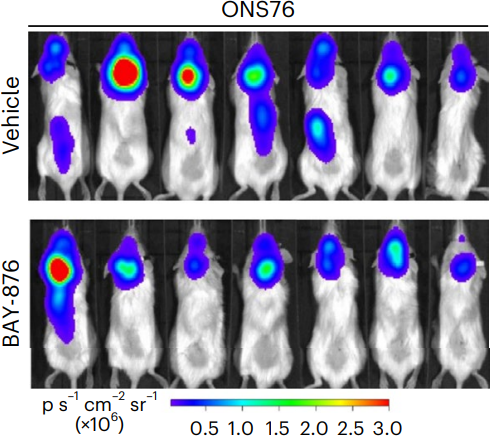
BLI reveals that BAY-876 (3.84 mg/kg; Intrathecally injected on days 3 and 7 post-xenograft) treatment decreases the incidence of MB metastasis in ONS76 intracisternal xenograft models. Images were taken 8 days post implantation.
BAY-876 purchased from MedChemExpress. Usage Cited in: Nat Biomed Eng. 2025 Sep 2. [Abstract]
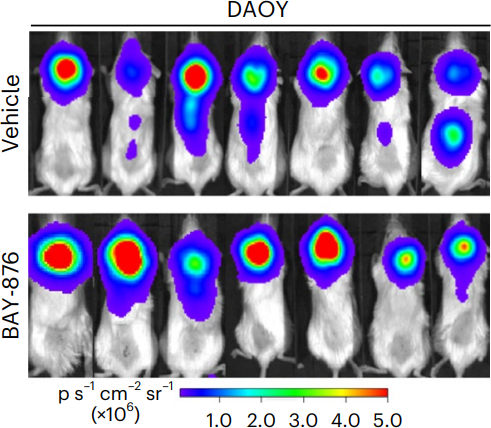
BLI reveals that BAY-876 (3.84 mg/kg; Intrathecally injected on days 3 and 7 post-xenograft) treatment decreases the incidence of MB metastasis in DAOY intracisternal xenograft models. Images were taken 8 days post implantation.
-
J Extracell Vesicles
Targeted Delivery of GLUT1 Inhibitor via Macrophage Nanovesicles for Pulmonary Arterial Hypertension Therapy. [Abstract]2026 May;15(5):e70294. PMID: 42139313 -
-
Nat Commun
2026 Mar 13. PMID: 41826320 -
Nat Commun
Human iPSC-based Modeling of Pulmonary Fibrosis Reveals p300/CBP Inhibition Suppresses Alveolar Transitional Cell State. [Abstract]2026 Feb 12;17(1):1214. PMID: 41680175 -
Nat Commun
Glucose metabolism controls monocyte homeostasis and migration but has no impact on atherosclerosis development in mice. [Abstract]2024 Oct 19;15(1):9027. PMID: 39424804
BAY-876 purchased from MedChemExpress. Usage Cited in: Nat Commun. 2024 Oct 19;15(1):9027. [Abstract]
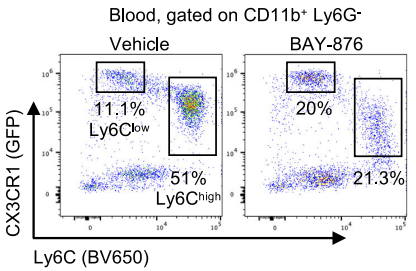
Quantification of blood Ly6Chigh and Ly6Clow monocytes from CX3CR1GFP mice treated with vehicle (n = 4) or 4.5 mg/kg/day BAY-876 (oral) for 4 days.
BAY-876 purchased from MedChemExpress. Usage Cited in: Nat Commun. 2024 Oct 19;15(1):9027. [Abstract]
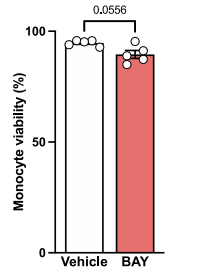
Quantification of blood Ly6Chigh monocyte viability after a 4-day treatment with vehicle (n = 4) or 4.5 mg/kg/day BAY-876 (oral) (n = 5) in C57BL6/J mice.
BAY-876 purchased from MedChemExpress. Usage Cited in: Nat Commun. 2024 Oct 19;15(1):9027. [Abstract]
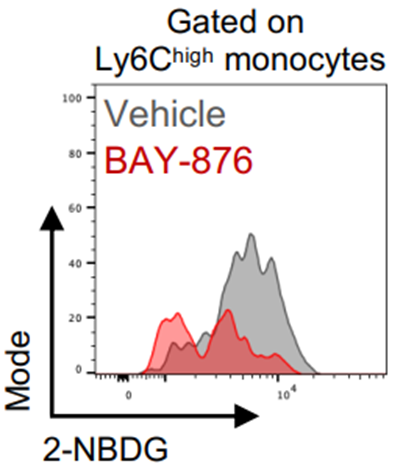
Representative histograms (left) and quantitative results (right) show the difference in 2-NBDG signal in monocytes after 4 days of treatment with the vector (n=4) or 4.5 mg/kg/day BAY-876 (n=2).
BAY-876 purchased from MedChemExpress. Usage Cited in: Nat Commun. 2024 Oct 19;15(1):9027. [Abstract]
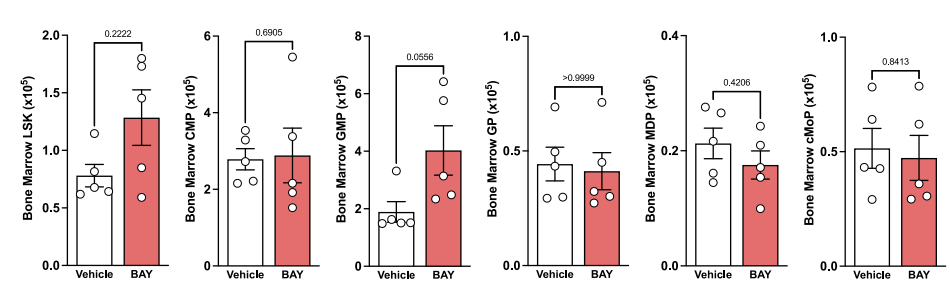
Quantification of bone marrow hematopoietic progenitors after acute vehicle or BAY-876 (4.5 mg/kg/day, oral) treatment.
BAY-876 purchased from MedChemExpress. Usage Cited in: Nat Commun. 2024 Oct 19;15(1):9027. [Abstract]
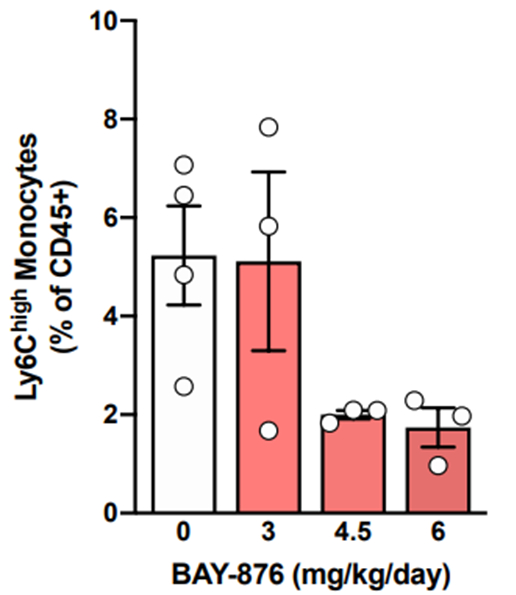
BAY-876 (0-6 mg/kg/day, oral) reduces monocyte count in a dose-dependent manner.
-
Nat Commun
Metabolic targeting of cancer associated fibroblasts overcomes T-cell exclusion and chemoresistance in soft-tissue sarcomas. [Abstract]2024 Mar 20;15(1):2498. PMID: 38509063 -
ACS Nano
Metabolic Reprogramming Nanoplatform for Broad-Spectrum Lactate Suppression to Reverse High Intensity Focused Ultrasound-Induced Immunosuppression in Hepatocellular Carcinoma Therapy. [Abstract]2026 Jun 9;20(22):16036-16056. PMID: 42212506 -
J Adv Res
Exploiting metabolic vulnerabilities through synergistic ferroptosis and disulfidptosis for breast cancer therapy. [Abstract]2025 Mar 29:S2090-1232(25)00212-7. PMID: 40164329 -
Redox Biol
Enteric coronavirus PDCoV evokes a non-Warburg effect by hijacking pyruvic acid as a metabolic hub. [Abstract]2024 May:71:103112. PMID: 38461791 -
Redox Biol
Pharmaceutical targeting of succinate dehydrogenase in fibroblasts controls bleomycin-induced lung fibrosis. [Abstract]2021 Oct:46:102082. PMID: 34343908 -
Mol Cell
Mitochondrial glutamine import sustains electron transport chain integrity independently of glutaminolysis in cancer. [Abstract]2026 Jan 8;86(1):150-165.e9. PMID: 41435838 -
Nat Chem Biol
2025 Aug 22. PMID: 40846998 -
J Nanobiotechnology
Dual metabolic intervention nanoplatform co-delivering BAY-876 and L-cystine for Wilms tumor therapy via disulfidptosis-associated cytoskeletal collapse. [Abstract]2026 Jun 10. PMID: 42271349 -
Theranostics
Energy competition remodels the metabolic glucose landscape of psoriatic epidermal cells. [Abstract]2024 May 27;14(8):3339-3357. PMID: 38855186 -
Adv Sci (Weinh)
Quantification of Single-Cell Cysteine Using an Electrochemical Nanosensor for Predicting Tumor Disulfidptosis Susceptibility. [Abstract]2025 Dec 22:e23478. PMID: 41431121 -
Adv Sci (Weinh)
Redox Cascade in Chicken Skeletal Muscle: SELENOT Suppression in Selenium Deficiency Triggers Disulfidptosis via mtROS-NADPH Dysregulation. [Abstract]2025 Sep 15:e07283. PMID: 40953299 -
Adv Sci (Weinh)
Histone H3K18 and Ezrin Lactylation Promote Renal Dysfunction in Sepsis-Associated Acute Kidney Injury. [Abstract]2024 Jul;11(28):e2307216. PMID: 38767134 -
Adv Sci (Weinh)
Metabolism/Immunity Dual-Regulation Thermogels Potentiating Immunotherapy of Glioblastoma Through Lactate-Excretion Inhibition and PD-1/PD-L1 Blockade. [Abstract]2024 May;11(18):e2310163. PMID: 38460167 -
MedComm (2020)
Deletion of Trp53 and Rb1 in Ctsk-expressing cells drives osteosarcoma progression by activating glucose metabolism and YAP signaling. [Abstract]2022 Apr 22;3(2):e131. PMID: 35615117 -
Research (Wash D C)
Small-Molecule Boron-10-Enriched Carriers with Exceptional Aqueous Solubility for Enhanced Boron Neutron Capture Therapy of Malignant Tumors. [Abstract]2026 Jul 3:9:1315. PMID: 42404354 -
-
Cell Death Dis
Super-enhancers mediates SLC7A11 via FOXA1 to regulate disulfidptosis in prostate cancer. [Abstract]2025 Dec 3. PMID: 41330917 -
Cell Death Dis
Activation of AKT via a dual mechanism enhances the susceptibility of melanoma cells to glucose deprivation. [Abstract]2025 Aug 7;16(1):595. PMID: 40774947 -
Biosens Bioelectron
Detection of glucose transporter 1 in living cells for assessment of tumor development and therapy using an electrochemical biosensor. [Abstract]2024 Jan 15:244:115820. PMID: 37952321 -
Small
The Sustainability of Energy Conversion Inhibition for Tumor Ferroptosis Therapy and Chemotherapy. [Abstract]2021 Sep;17(38):e2102695. PMID: 34350694 -
Cell Commun Signal
HIF-1α regulated GLUT1-mediated glycolysis enhances Treponema pallidum-induced cytokine responses. [Abstract]2025 May 9;23(1):219. PMID: 40346557 -
Phytomedicine
The cardiac glycoside periplocymarin sensitizes gastric cancer to ferroptosis via the ATP1A1-Src-YAP/TAZ-TFRC axis. [Abstract]2025 Jul:142:156804. PMID: 40311597 -
EBioMedicine
F. nucleatum facilitates oral squamous cell carcinoma progression via GLUT1-driven lactate production. [Abstract]2023 Feb:88:104444. PMID: 36709580 -
Mater Today Bio
Biomimetic nanomodulator reprograms glycolysis-driven immunosuppressive microenvironment to potentiate photothermal immunotherapy in cold tumors. [Abstract]2026 May 6:38:103195. PMID: 42199354 -
J Hazard Mater
Polychlorinated biphenyl quinone exposure promotes breast cancer aerobic glycolysis: An in vitro and in vivo examination. [Abstract]2022 Feb 15;424(Pt C):127512. PMID: 34736186 -
Cell Rep
TCF25 serves as a nutrient sensor to orchestrate metabolic adaptation and cell death by enhancing lysosomal acidification under glucose starvation. [Abstract]2025 Aug 21;44(9):116186. PMID: 40844875 -
Anal Chem
2025 May 6;97(17):9192-9201. PMID: 40289315 -
Ecotoxicol Environ Saf
Paracrine signaling of ferroptotic airway epithelium in crystalline silica-induced pulmonary fibrosis augments local fibroblast activation through glycolysis reprogramming. [Abstract]2024 Feb:271:115994. PMID: 38262094 -
Biochem Pharmacol
Dihydroartemisinin breaks the positive feedback loop of YAP1 and GLUT1-mediated aerobic glycolysis to boost the CD8+ effector T cells in hepatocellular carcinoma. [Abstract]2024 Jul:225:116294. PMID: 38754557 -
Cell Biosci
GLUT1-mediated microglial proinflammatory activation contributes to the development of stress-induced spatial learning and memory dysfunction in mice. [Abstract]2024 Apr 16;14(1):48. PMID: 38627830 -
Toxicology
Low-dose arsenic trioxide enhances membrane-GLUT1 expression and glucose uptake via AKT activation to support L-02 cell aberrant proliferation. [Abstract]2022 Jun 15:475:153237. PMID: 35714947 -
Bioorg Chem
A mitochondria-targeting glutathione fluorescent probe reveals distinct mitochondria-endoplasmic reticulum contact between disulfidptosis and ferroptosis. [Abstract]2026 Feb:169:109437. PMID: 41453306 -
-
Sci Rep
Enhancement of melanoma aggressiveness via p38-MAPK, HIF-1α pathways, and metabolic reprogramming induced by Candida albicans. [Abstract]2025 Nov 17;15(1):40227. PMID: 41249785 -
Cancers (Basel)
Glucose Limitation Sensitizes Cancer Cells to Selenite-Induced Cytotoxicity via SLC7A11-Mediated Redox Collapse. [Abstract]2022 Jan 11;14(2):345. PMID: 35053507 -
Oncol Rep
Exploring the role of disulfidptosis‑related signatures in immune microenvironment, prognosis and therapeutic strategies of cholangiocarcinoma. [Abstract]2026 Feb;55(2):37. PMID: 41480714 -
Expert Opin Ther Pat
2022 Apr;32(4):441-453. PMID: 35001793 -
-
-
-
-
Microbiol Spectr
D-glucose uptake inhibits bovine alphaherpesvirus 1 post-binding cell process entry via inhibition of PLC-γ1 signaling in a glucose transporter 1-independent manner. [Abstract]2025 Dec 11:e0245625. PMID: 41378898 -
BMC Cancer
Exploring the impact of mitochondrial-targeting anthelmintic agents with GLUT1 inhibitor BAY-876 on breast cancer cell metabolism. [Abstract]2024 Nov 16;24(1):1415. PMID: 39550554 -
J Biol Chem
2024 May;300(5):107270. PMID: 38599381 -
World Allergy Organ J
Increased glucose transporter 1 contributes to epithelial barrier dysfunction in allergic rhinitis. [Abstract]2026 Jan 5;19(1):101158. PMID: 41550680 -
Toxicol Appl Pharmacol
2025 May 4:500:117371. PMID: 40328338 -
J Diabetes Investig
2025 Feb;16(2):187-203. PMID: 39569837 -
Glycobiology
High glucose enhances lung cancer cell aggressiveness: The impacts of GLUT1, UAP1, UGP2, and N-linked Glycosylation. [Abstract]2025 Dec 26:cwaf089. PMID: 41452006 -
Mol Clin Oncol
Exploring the anticancer potential of hydrogen sulfide and BAY‑876 on clear cell renal cell carcinoma cells: Uncovering novel mutations in VHL and KDR genes among ccRCC patients. [Abstract]2024 Jan 18;20(3):21. PMID: 38332991 -
-
-
-
-
Biomed Pharmacother
Inhibition of mitochondrial fusion via SIRT1/PDK2/PARL axis breaks mitochondrial metabolic plasticity and sensitizes cancer cells to glucose restriction therapy. [Abstract]2023 Oct:166:115342. PMID: 37633053 -
-


용액&용해도
In Vitro:
DMSO : ≥ 100 mg/mL (201.44 mM; Hygroscopic DMSO has a significant impact on the solubility of product, please use newly opened DMSO)
* "≥" means soluble, but saturation unknown.
Please refer to the solubility information to select the appropriate solvent. Once prepared, please aliquot and store the solution to prevent product inactivation from repeated freeze-thaw cycles.
Storage method and period of stock solution: -80°C, 6 months; -20°C, 1 month. When stored at -80°C, please use it within 6 months. When stored at -20°C, please use it within 1 month.
Please refer to the solubility information to select the appropriate solvent. Once prepared, please aliquot and store the solution to prevent product inactivation from repeated freeze-thaw cycles.
Storage method and period of stock solution: -80°C, 6 months; -20°C, 1 month. When stored at -80°C, please use it within 6 months. When stored at -20°C, please use it within 1 month.
Concentration (start) × Volume (start) = Concentration (final) × Volume (final)
In Vivo:
Select the appropriate dissolution method based on your experimental animal and administration route.
- For the following dissolution methods, please ensure to first prepare a clear stock solution using an In Vitro approach and then sequentially add co-solvents:
- To ensure reliable experimental results, the clarified stock solution can be appropriately stored based on storage conditions. As for the working solution for In Vivo experiments, it is recommended to prepare freshly and use it on the same day.
- The percentages shown for the solvents indicate their volumetric ratio in the final prepared solution. If precipitation or phase separation occurs during preparation, heat and/or sonication can be used to aid dissolution.
In Vivo Dissolution Calculator
Please enter the basic information of animal experiments:
-
-
-
-
Recommended: Prepare an additional quantity of animals to account for potential losses during experiments.
Please enter your animal formula composition:
-
%DMSO +
Recommended: Keep the proportion of DMSO in working solution below 2% if your animal is weak.
-
%+
-
+%Tween-80 + +
-
%Saline +
The co-solvents required include: DMSO, . All of co-solvents are available by MedChemExpress (MCE). , Tween 80. All of co-solvents are available by MedChemExpress (MCE).
Working solution concentration: 0.22 mg/mL
Method for preparing stock solution: mg drug dissolved in μL DMSO. Stock solution concentration: mg/mL.
1. Take μL DMSO stock solution;
2. Add μL .
μL , mix evenly;
3. Then add μL Tween 80, mix evenly;
4. Then add μL
Please ensure that the stock solution in the first step is dissolved to a clear state, and add co-solvents in sequence. You can use ultrasonic heating (ultrasonic cleaner, recommended frequency 20-40 kHz), vortexing, etc. to assist dissolution.


순도&문서
-
Data Sheet (282 KB)
-
SDS (393 KB)
- English - EN (393 KB)
- Français - FR (393 KB)
- Deutsch - DE (393 KB)
- Norwegian - NO (393 KB)
- Español - ES (393 KB)
- Swedish - SV (393 KB)
- Italian - IT (393 KB)
- Korean - KR (393 KB)
- Portuguese - PT (393 KB)
-
Handling Instructions (2659 KB)
References
[1]. Siebeneicher H et al. Identification and Optimization of the First Highly Selective GLUT1 Inhibitor BAY-876. ChemMedChem. 2016 Aug 23. [Content Brief]
[2]. Ma Y, et al. Ovarian Cancer Relies on Glucose Transporter 1 to Fuel Glycolysis and Growth: Anti-Tumor Activity of BAY-876. Cancers (Basel). 2018 Dec 31;11(1). [Content Brief]
[3]. Zhang R, et al. Reductive cell death: the other side of the coin[J]. Cancer Gene Therapy, 2023, 30(7): 929-931. [Content Brief]


Complete Stock Solution Preparation Table
Please refer to the solubility information to select the appropriate solvent. Once prepared, please aliquot and store the solution to prevent product inactivation from repeated freeze-thaw cycles.
Storage method and period of stock solution: -80°C, 6 months; -20°C, 1 month. When stored at -80°C, please use it within 6 months. When stored at -20°C, please use it within 1 month.
| Optional Solvent | Concentration Solvent Mass | 1 mg | 5 mg | 10 mg | 25 mg |
|---|---|---|---|---|---|
| DMSO | 1 mM | 2.0144 mL | 10.0721 mL | 20.1442 mL | 50.3606 mL |
| 5 mM | 0.4029 mL | 2.0144 mL | 4.0288 mL | 10.0721 mL | |
| 10 mM | 0.2014 mL | 1.0072 mL | 2.0144 mL | 5.0361 mL | |
| 15 mM | 0.1343 mL | 0.6715 mL | 1.3429 mL | 3.3574 mL | |
| 20 mM | 0.1007 mL | 0.5036 mL | 1.0072 mL | 2.5180 mL | |
| 25 mM | 0.0806 mL | 0.4029 mL | 0.8058 mL | 2.0144 mL | |
| 30 mM | 0.0671 mL | 0.3357 mL | 0.6715 mL | 1.6787 mL | |
| 40 mM | 0.0504 mL | 0.2518 mL | 0.5036 mL | 1.2590 mL | |
| 50 mM | 0.0403 mL | 0.2014 mL | 0.4029 mL | 1.0072 mL | |
| 60 mM | 0.0336 mL | 0.1679 mL | 0.3357 mL | 0.8393 mL | |
| 80 mM | 0.0252 mL | 0.1259 mL | 0.2518 mL | 0.6295 mL | |
| 100 mM | 0.0201 mL | 0.1007 mL | 0.2014 mL | 0.5036 mL |


BAY-876 Related Classifications
HY-100017 Related Classifications
 Powered by Bioz