



SIRT6
SIRT6 is a nuclear NAD+-dependent sirtuin that functions as a deacetylase, deacylase, and mono-ADP-ribosyltransferase, thereby maintaining chromatin integrity, DNA repair capacity, telomere stability, and metabolic homeostasis[1][2]. Mechanistically, SIRT6 regulates multiple signaling and transcriptional programs involved in aging, cellular stress responses, glucose and lipid metabolism, inflammation, and genome maintenance, placing it at the intersection of epigenetic regulation and cellular adaptation[2][5][3]. Through its effects on DNA damage repair, chromosome maintenance, and metabolic control, SIRT6 contributes to the preservation of cellular function and resistance to age-associated dysfunction[5][3]. In disease contexts, altered SIRT6 activity has been linked to cancer, cardiovascular disease, diabetes, and neurodegenerative disorders, while experimental studies demonstrate that SIRT6 deficiency induces mitochondrial dysfunction, oxidative stress, and broad transcriptional changes associated with brain aging and neurodegeneration[2][4]. Compared with related sirtuin isoforms, SIRT6 is distinguished by its predominant chromatin-associated functions and its combined deacetylase, deacylase, and mono-ADP-ribosyltransferase activities that directly couple NAD+ sensing to epigenetic and genome-stability pathways[1][5]. For experimental applications, increasing attention has focused on small-molecule SIRT6 modulators, including both activators and inhibitors, which provide useful tools for mechanistic studies and evaluation of SIRT6-dependent pathways in aging, metabolism, cancer, and neurodegenerative disease models[2][6].
Références:
- [1]. Uniprotkb.
- [2]. Chen RR, et al. SIRT6 in health and diseases: From molecular mechanisms to therapeutic prospects. Pharmacol Res. 2025 Nov;221:107984. [Content Brief]
- [3]. SIRT6 gene information from NCBI.
- [4]. Smirnov D, et al. SIRT6 is a key regulator of mitochondrial function in the brain. Cell Death Dis. 2023 Jan 18;14(1):35. [Content Brief]
- [5]. Li Y, et al. SIRT6 Widely Regulates Aging, Immunity, and Cancer. Front Oncol. 2022;12:861334.
-
SIRT6 Produits associés (18)
Produits associés (18)

-
Anticorps (1)
- 1
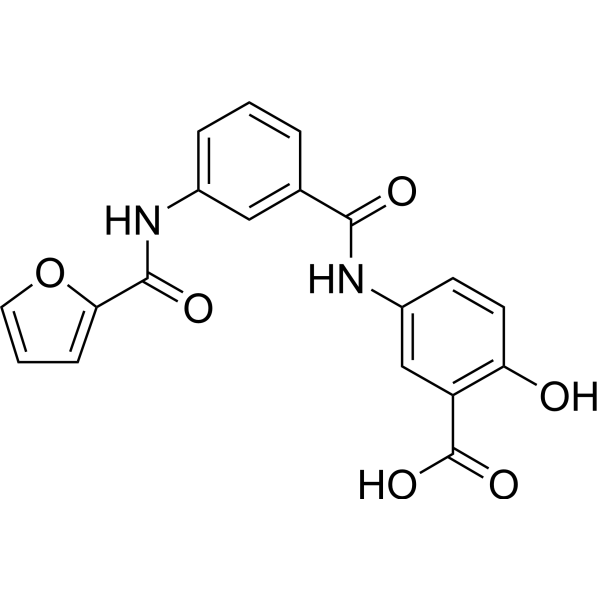
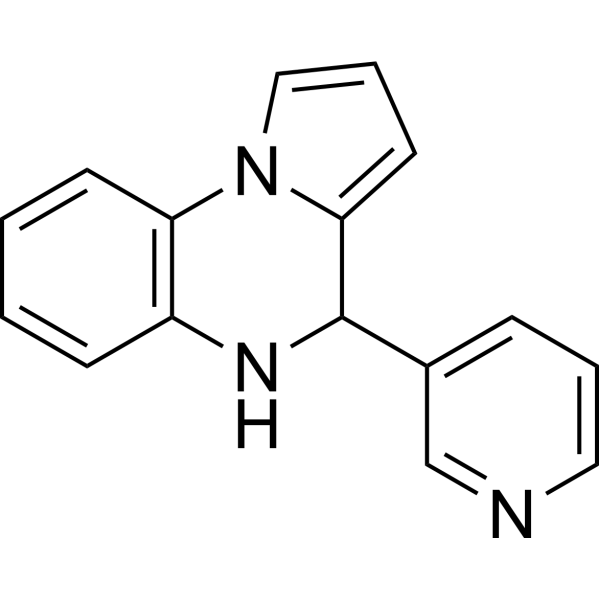
-
Geniposidic acid
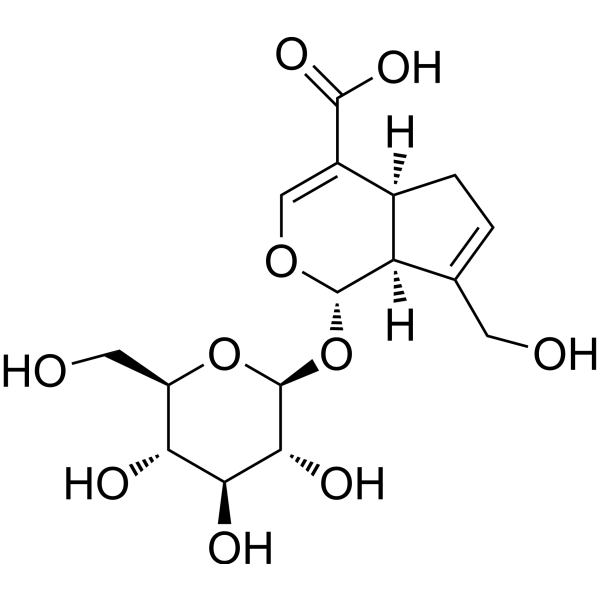 0 ImagesGeniposidic acid is an orally active FXR modulator and SIRT6 activator. Geniposidic acid binds to the Ser332 and His447 sites on the FXR ligand-binding domain, thereby driving nuclear translocation, coactivator recruitment, and transcription of downstream bile acid and cholesterol metabolism-related genes. Geniposidic acid improves metabolic dysfunction-related fatty liver disease by activating the SIRT6 signaling pathway. Geniposidic acid inhibits inflammation and modulates gut microbiota to alleviate colitis. Geniposidic acid can be used in research on drug-induced liver injury, inflammatory bowel disease, metabolic dysfunction-related fatty liver disease, and metabolic dysfunction-related steatohepatitis.

-
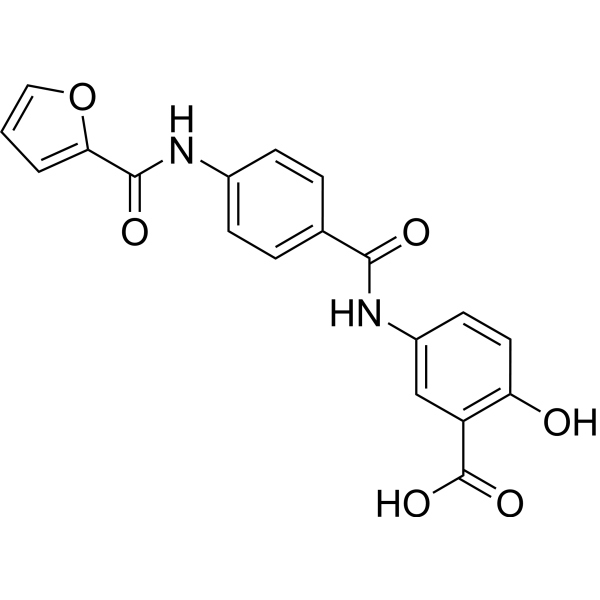
SIRT6 activator 12q
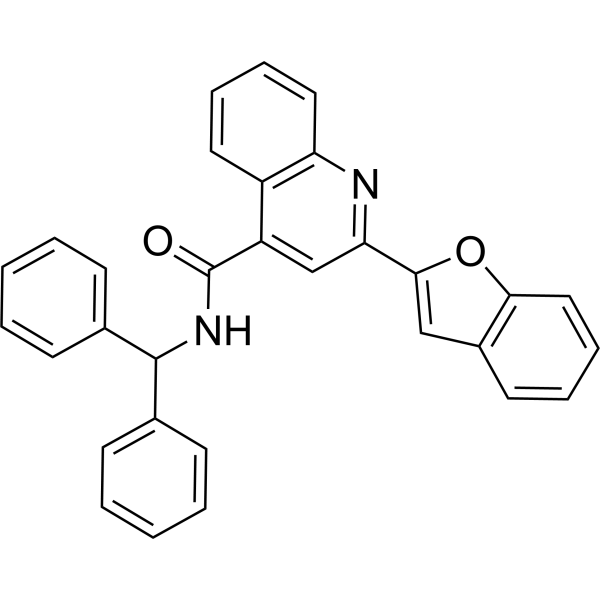 0 ImagesSIRT6 activator 12q is potent, selective and orally active SIRT6 activator with IC50 values of 171.20, >200, >200, >200, 0.58 μM for SIRT1, SIRT2, SIRT3, SIRT5, SIRT6, respectively. SIRT6 activator 12q inhibits cell growth and migration. SIRT6 activator 12q induces Apoptosis and cell cycle arrest at G2 phase. SIRT6 activator 12q shows anticancer activity.

-
MDL-811
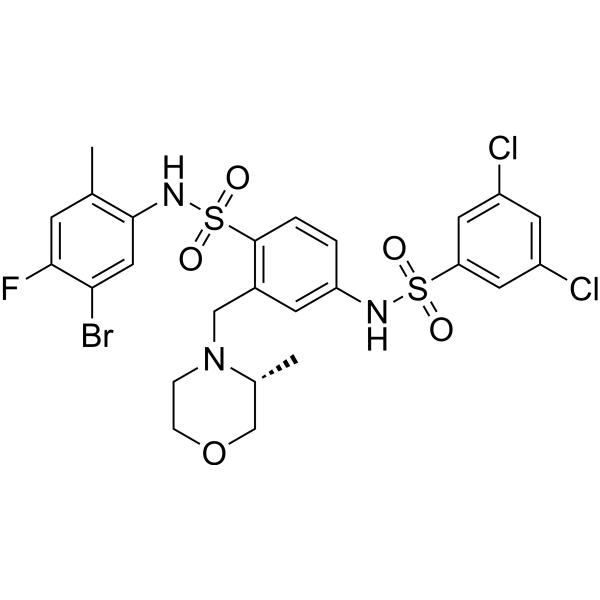 0 ImagesMDL-811 is a selective allosteric activator of SIRT6 with an EC50 of 5.7 μM. MDL-811 possesses anti-inflammatory, antitumor, and neuroprotective activities. MDL-811 can be used for the research of diseases such as colorectal cancer and ischemic stroke.
-
SIRT6-IN-6
 0 ImagesSIRT6-IN-6 (compound 6d) is a potent and selective SIRT6 inhibitor with an IC50 of 4.93 μM and a Ki of ~10 μM. SIRT6-IN-6 shows selectivity against other members of the HDAC family (SIRT1-3 and HDAC1-11). SIRT6-IN-6 significantly increases the level of glucose transporter GLUT-1, thereby reducing blood glucose in a mouse model of type 2 diabetes. SIRT6-IN-6 can be used for type 2 diabetes research.
-
SIRT6-IN-3
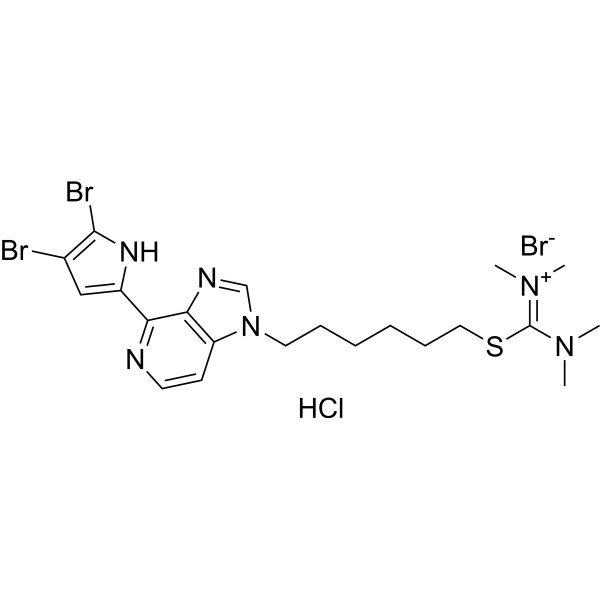 0 ImagesSIRT6-IN-3 (compound 8a) is a selective inhibitor of SIRT6 (IC50=7.49 μM). SIRT6-IN-3 inhibits pancreatic ductal adenocarcinoma (PDAC) cells proliferation and induces apoptosis. SIRT6-IN-3 increases the sensitivity of cancer cells to gemcitabine (HY-17026) via blocking the DNA damage repair pathway. SIRT6-IN-3 is used in pancreatic cancer research.
-
SZU-B6
 0 ImagesSZU-B6 is an orally active SIRT6 PROTAC degrader with DC50 values of 45 nM in SK-HEP-1 cells and 154 nM in Huh-7 cells, respectively. SZU-B6 mediates proteasome-dependent degradation of SIRT6 by recruiting the CRBN E3 ubiquitin ligase. SZU-B6 impairs DNA damage repair and promotes radiosensitization of cancer cells. SZU-B6 induces cell cycle arrest and apoptosis in cancer cells. SZU-B6 inhibits the proliferation of liver cancer cells. SZU-B6 suppresses the tumor growth of hepatocellular carcinoma and intrahepatic cholangiocarcinoma in mice. SZU-B6 can be used in research related to hepatocellular carcinoma and intrahepatic cholangiocarcinoma.
-
SIRT5 inhibitor 4
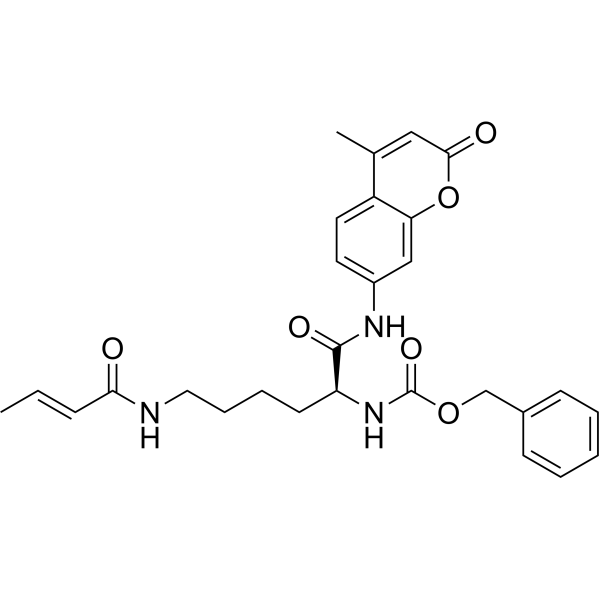
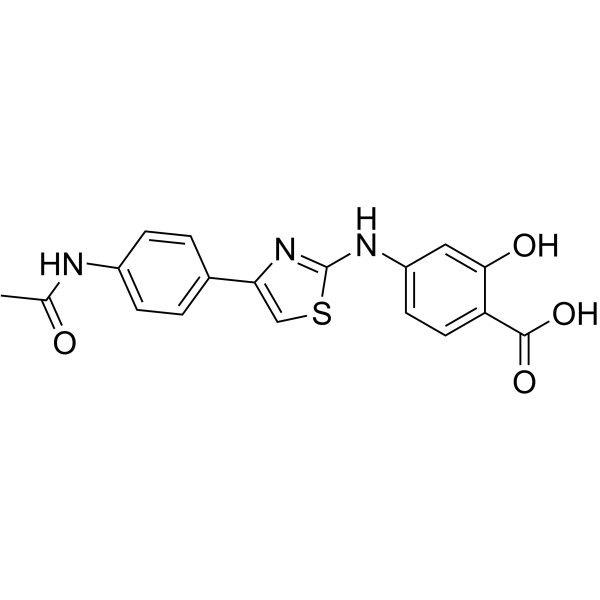 0 ImagesSIRT5 inhibitor 4 (compound 11) is a potent, selective SIRT5 inhibitor with IC50 values of 26.4 and >400μM for SIRT5 and other SIRT subtype, respectively.

-
SIRT6 activator 2
 0 ImagesCat. No.: HY-169159CAS No.: 2867630-96-2SIRT6 activator 2 (compound 31) is a sirtuin 6 activator with anti-lipid accumulation properties. SIRT6 activator 2 significantly downregulates LXR, SREBP-1c, and their target genes associated with lipogenesis, and can be used for research related to lipid metabolism-related diseases.
-
SIRT6 activator 3
 0 ImagesCat. No.: HY-182061SIRT6 activator 3 (Compound 24) is a SIRT6 activator with an EC50 of 5 μM. SIRT6 activator 3 exhibits histone deacetylation activity. SIRT6 activator 3 can be used in cancer research.
-
IMU-856
 0 ImagesCat. No.: HY-177878CAS No.: 2303528-97-2IMU-856 is an orally active and systemic action SIRT6 small molecule regulator. IMU-856 effectively and selectively inhibits the deacetylase activity of SIRT6, while increasing the protein level of SIRT6. IMU-856 can restore intestinal barrier function and can be used for research on celiac disease.
-
SIRT6-IN-4
 0 ImagesCat. No.: HY-170402CAS No.: 3075160-74-3SIRT6-IN-4 (Compound 10d) is a selective inhibitor for SIRT6 with an IC50 of 5.68 μM. SIRT6-IN-4 inhibits the proliferation of MCF-7 with an IC50 of 8.30 μM. SIRT6-IN-4 arrests the cell cycle at G2/M phase, inhibits thecell migration and invasion of MCF-7, and induces apoptosis. SIRT6-IN-4 exhibits antitumor efficacy in mouse models.
- 1




