



Caspase 9
Caspase 9 plays a central role in the mitochondrial, or intrinsic, apoptotic pathway, where cytochrome c release promotes apoptosome formation with Apaf-1 and procaspase-9[1]. Mechanistically, activated caspase 9 cleaves and activates effector caspases 3 and 7, linking mitochondrial dysfunction to proteolytic cell death execution[1][2]. In disease models, diminished Apaf-1 activity reduced cytochrome c-dependent caspase activation in ovarian cancer cell lines, while ischemic hippocampal neurons showed caspase 9 activation before neuronal death[2][3]. Compared with caspase 8 in the extrinsic pathway, caspase 9 primarily mediates the intrinsic route to caspase 3 activation in ischemic neurons and TNFR-mediated hepatocyte apoptosis[3][4]. For experimental applications, Apaf-1 ligands inhibited apoptosome-mediated procaspase-9 activation and reduced apoptotic phenotypes in mitochondrial apoptosis models[5].
Verweise:
- [1]. Allan LA, et al. Apoptosis and autophagy: Regulation of caspase-9 by phosphorylation. FEBS J. 2009 Nov;276(21):6063-73. [Content Brief]
- [2]. Wolf BB, et al. Defective cytochrome c-dependent caspase activation in ovarian cancer cell lines due to diminished or absent apoptotic protease activating factor-1 activity. J Biol Chem. 2001 Sep 7;276(36):34244-51. [Content Brief]
- [3]. Cao G, et al. Cloning and characterization of rat caspase-9: implications for a role in mediating caspase-3 activation and hippocampal cell death after transient cerebral ischemia. J Cereb Blood Flow Metab. 2002 May;22(5):534-46. [Content Brief]
- [4]. Imao M, et al. Differential caspase-9-dependent signaling pathway between tumor necrosis factor receptor- and Fas-mediated hepatocyte apoptosis in mice. Liver Int. 2006 Feb;26(1):137-46. [Content Brief]
- [5]. Malet G, et al. Small molecule inhibitors of Apaf-1-related caspase- 3/-9 activation that control mitochondrial-dependent apoptosis. Cell Death Differ. 2006 Sep;13(9):1523-32. [Content Brief]
-
Caspase 9 Verwandte Produkte (205)
Verwandte Produkte (205)

-
Antibodies (2)
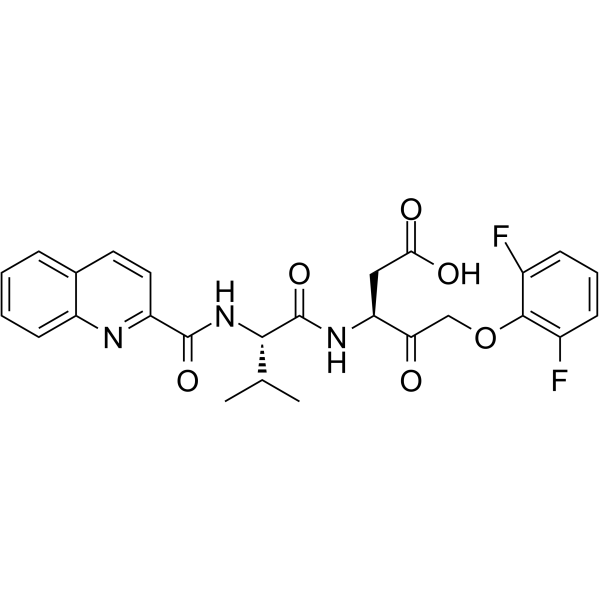
-
Oxidopamine hydrobromide
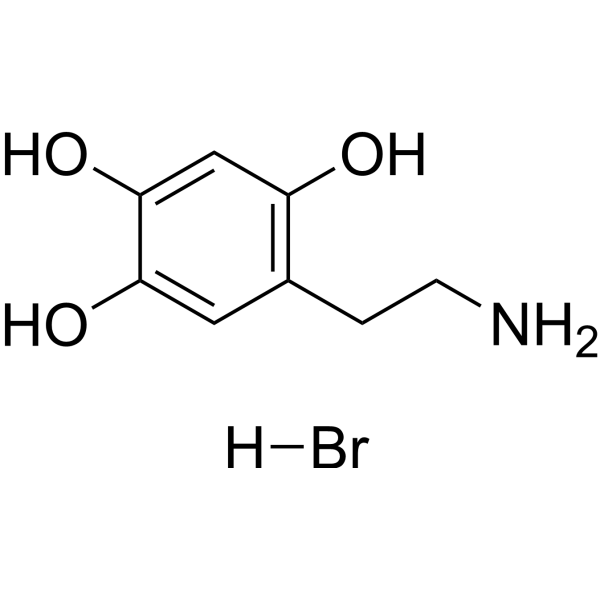 0 ImagesSynonyms: 6-Hydroxydopamine hydrobromide; 6-OHDA hydrobromideOxidopamine (6-OHDA) hydrobromide is an antagonist of the neurotransmitter dopamine. Oxidopamine hydrobromide is a widely used neurotoxin and selectively destroys dopaminergic neurons. Oxidopamine hydrobromide promotes COX-2 activation, leading to PGE2 synthesis and pro-inflammatory cytokine IL-1β secretion. Oxidopamine hydrobromide can be used for the research of Parkinson’s disease (PD), attention-deficit hyperactivity disorder (ADHD), and Lesch-Nyhan syndrome.
-
Oxidopamine hydrochloride
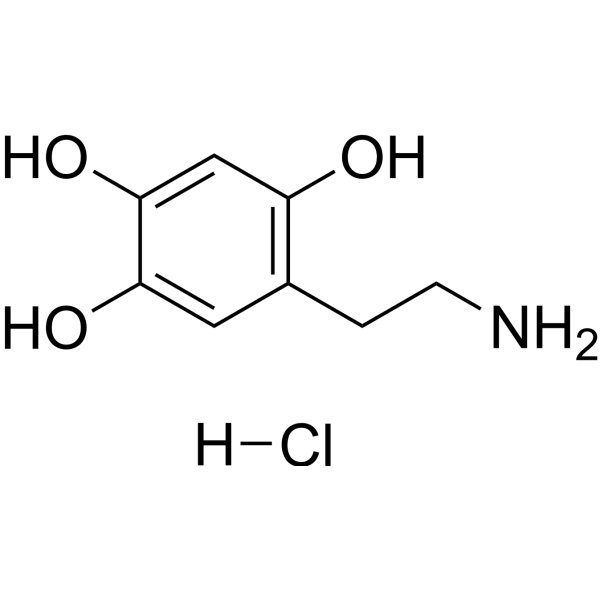 0 ImagesSynonyms: 6-Hydroxydopamine HydrochlorideOxidopamine (6-OHDA) hydrochloride is an antagonist of the neurotransmitter dopamine. Oxidopamine hydrochloride is a widely used neurotoxin and selectively destroys dopaminergic neurons. Oxidopamine hydrochloride promotes COX-2 activation, leading to PGE2 synthesis and pro-inflammatory cytokine IL-1β secretion. Oxidopamine hydrochloride can be used for the research of Parkinson’s disease (PD), attention-deficit hyperactivity disorder (ADHD), and Lesch-Nyhan syndrome.
-
Beta-Sitosterol (purity>98%)
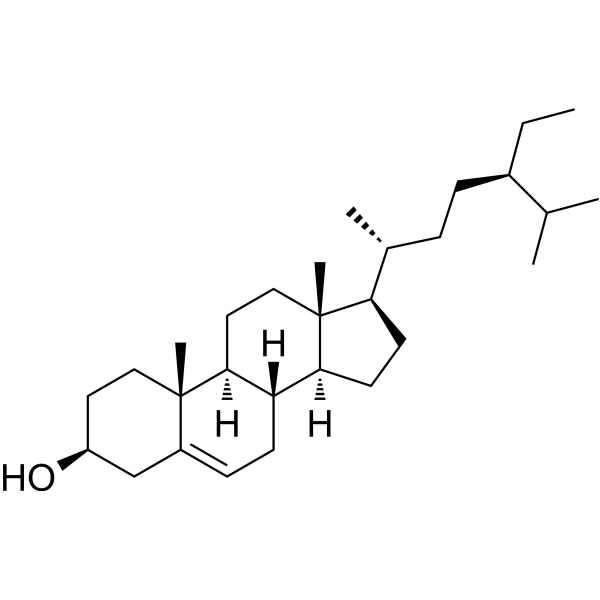 0 ImagesSynonyms: β-Sitosterol (purity>98%); 22,23-Dihydrostigmasterol (purity>98%)Beta-Sitosterol (purity>98%) is orally active. Beta-Sitosterol exhibits multiple activities, including anti-inflammatory, anticancer, antioxidant, antimicrobial, antidiabetic, antioxidant enzyme, and analgesic. Beta-Sitosterol inhibits inflammation and impaired adipogenesis in bovine mammary epithelial cells by reducing levels of ROS, TNF-α, IL-1β, and NF-κB p65 and restoring the activity of the HIF-1α/mTOR signaling pathway. Beta-Sitosterol induces apoptosis in cancer cells through ROS-mediated mitochondrial dysregulation and p53 activation. Beta-Sitosterol exerts its anticancer effects in cancer cells by activating caspase-3, caspase-8, and caspase-9, mediating PARP inactivation, MMP loss, altered Bcl-2-Bax ratio, and cytochrome c release. Beta-Sitosterol modulates macrophage polarization and reduces rheumatoid inflammation in mice. Beta-Sitosterol inhibits tumor growth in multiple mouse cancer models. Beta-Sitosterol can be used in the research of arthritis, lung cancer, breast cancer and other cancers, diabetes, etc.
-
2-Methoxyestradiol
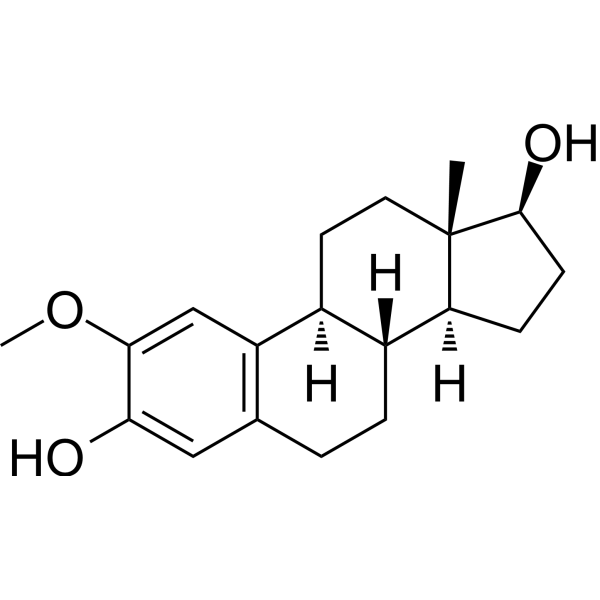 0 Images2-Methoxyestradiol (2-ME2; NSC-659853) is an endogenous steroid metabolite generated from 17β-estradiol, possessing various activities such as antitumor and antiangiogenic effects. 2-Methoxyestradiol competitively binds to the colchicine-binding site of tubulin (tubulin), interfering with microtubule assembly dynamics. 2-Methoxyestradiol inhibits CYP1A1/CYP1B1, HIF-1α/2α, and superoxide dismutase, activates the JNK signaling pathway, elevates ROS levels, and induces cell cycle arrest and apoptosis (apoptosis). 2-Methoxyestradiol is used in cancer-related research, such as breast cancer, prostate cancer, and multiple myeloma.
-
O6-Benzylguanine
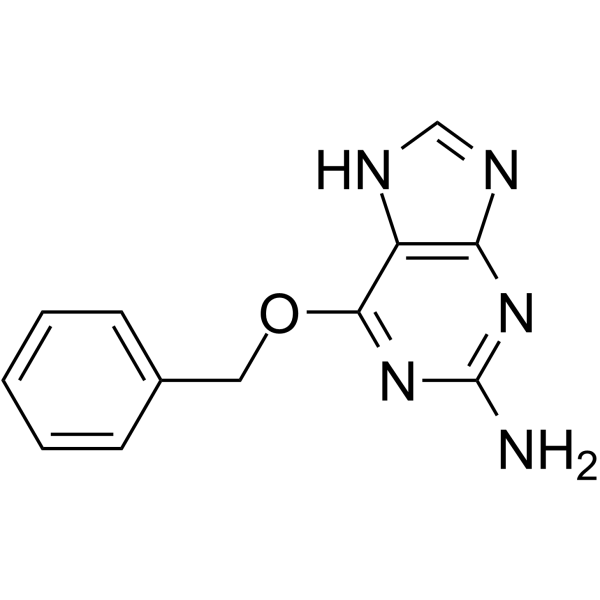 0 ImagesO6-Benzylguanine is an orally active, blood-brain barrier-penetrant inhibitor of O6-methylguanine-DNA methyltransferase (MGMT/AGT). O6-Benzylguanine modulates p53 and its downstream p21 and cyclins to induce cell cycle arrest and apoptosis, and on the other hand activates mTORC1/MAPK and other signaling pathways to induce cellular senescence by inhibiting intracellular MGMT. O6-Benzylguanine is used in research related to various tumors, cellular senescence, and vascular smooth muscle dysfunction.
-
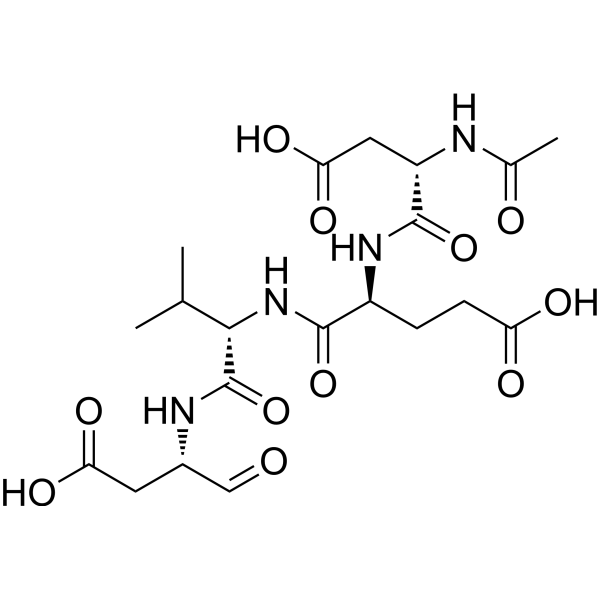
Z-VAD
 0 ImagesZ-VAD is an irreversible, broad-spectrum pan-caspase inhibitor that can inhibit a variety of caspases including caspase-3, -6, -7, -8, -9, etc. (with a weaker inhibitory effect on caspase-2). Z-VAD can block apoptosis signaling pathways, induce autophagy and necrosis in tumor cells, and has anti-angiogenic activity. Z-VAD can enhance the sensitivity of breast cancer and lung cancer cells to radiotherapy in vitro and in vivo, and prolong the growth delay of tumor xenograft models. Z-VAD is well tolerated and is mainly used in research related to cancer radiosensitization and cell death pathway regulation.
-
Fucoxanthin
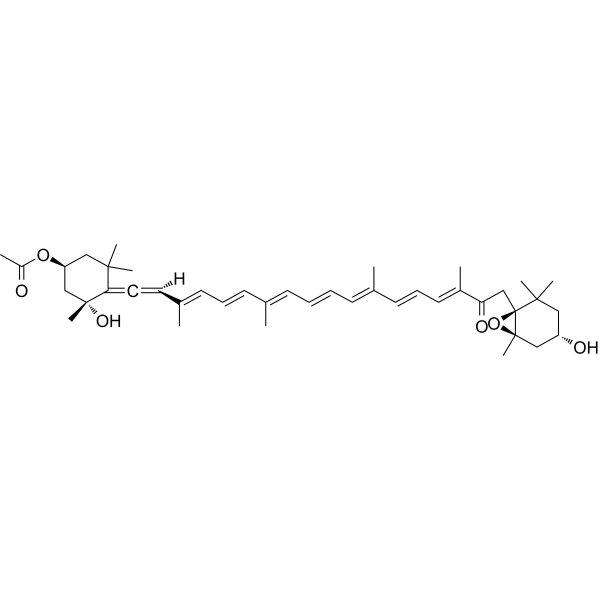 0 ImagesFucoxanthin (all-trans-Fucoxanthin) is a marine carotenoid and shows anti-obesity, anti-diabetic, anti-oxidant, anti-inflammatory and anticancer activities.
-
Probucol
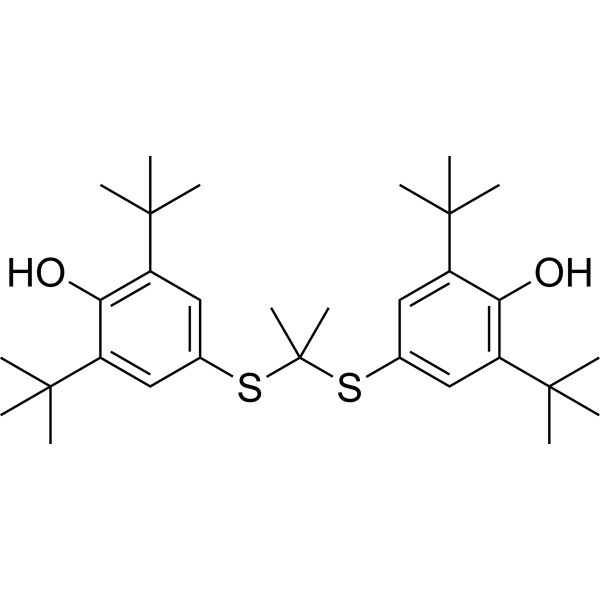 0 ImagesSynonyms: DH-581Probucol (DH-581) is an anti-hyperlipidemic agent. Probucol activates glutathione peroxidase. Probucol promotes low density lipoprotein (LDL) catabolism, inhibits ABCA1-dependent cholesterol efflux, and decreases HDL-C levels. Probucol also has anti-inflammatory, antioxidant and neuroprotective properties. Probucol can be used for researches on bone, cardiovascular, cancer, neurological, and metabolism-related diseases.
-
Benzbromarone
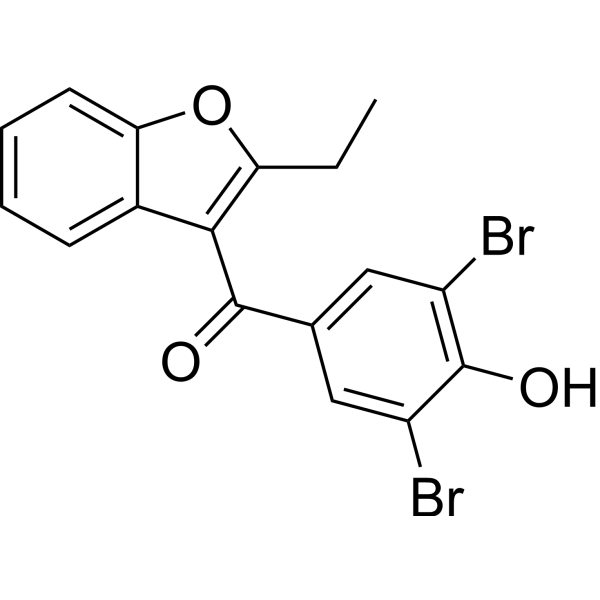 0 ImagesBenzbromarone is an orally active anti-gout agent. Benzbromarone has anti-infammatory, anti-oxidative stress and nephroprotective effects. Benzbromarone can be used for the research of hyperuricemia and gout.
-
Digitoxin
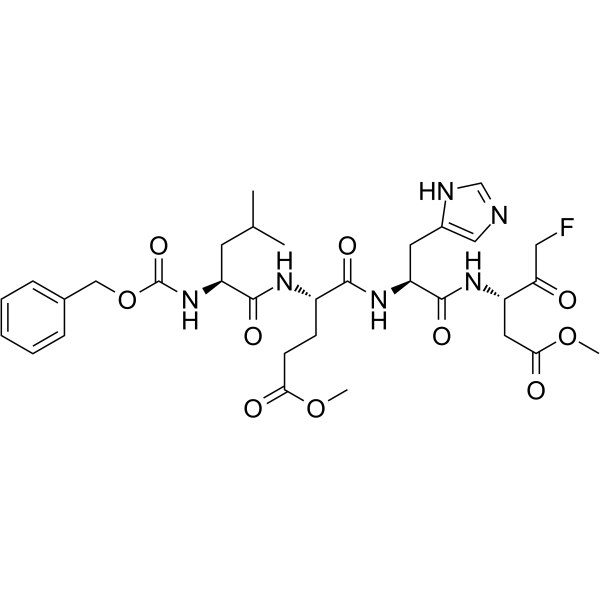
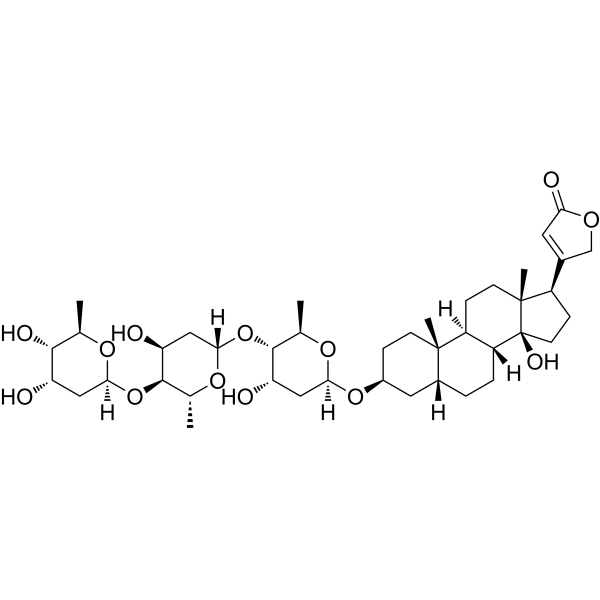 0 ImagesDigitoxin is an anti-cancer agent. Digitoxin induces apoptosis, inhibits influenza cytokine storm, causes DNA double-stranded breaks (DSBs) and blocks the cell cycle at the G2/M phase. Digitoxin induces calcium uptake into cells by forming transmembrane calcium channels and can be used for research of heart failure .
-
Citicoline
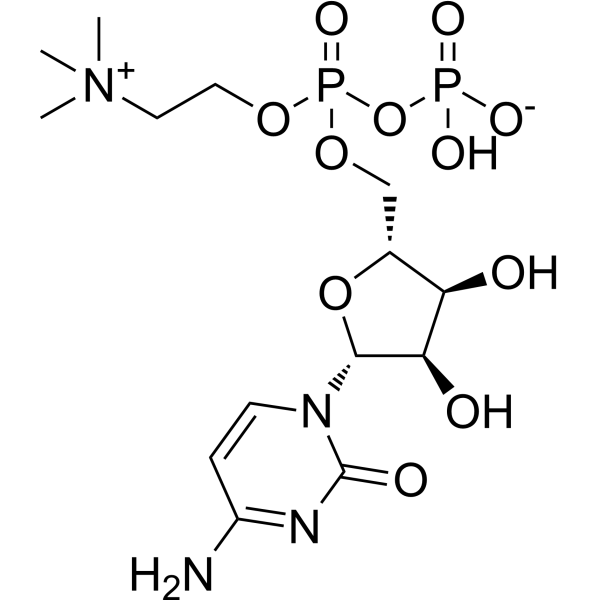 0 ImagesSynonyms: Cytidine diphosphate-choline; CDP-Choline; Cytidine 5'-diphosphocholineCiticoline is an endogenous intermediate in the synthesis of phosphatidylcholine which is a component of cell membranes. Citicoline inhibits reactive oxygen species (ROS) and apoptosis. Citicoline can be used for neurological disease and hearing loss study.
-
Terfenadine
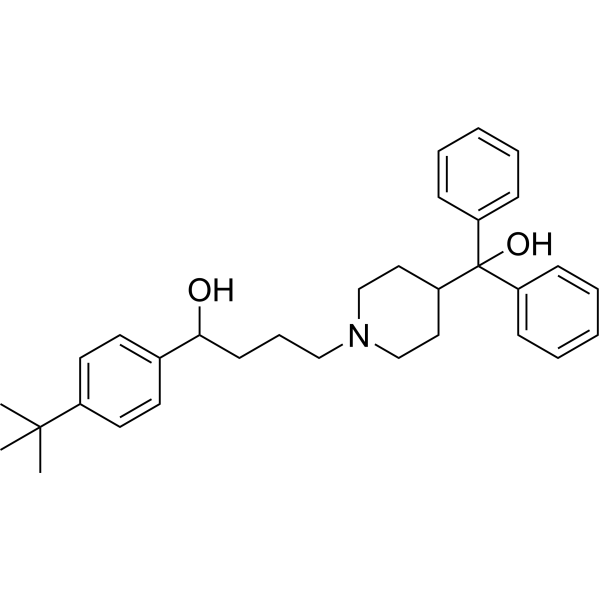 0 ImagesSynonyms: (±)-Terfenadine; MDL-991Terfenadine ((±)-Terfenadine) is a potent open-channel blocker of hERG with an IC50 of 204 nM. Terfenadine, an H1 histamine receptor antagonist, acts as a potent apoptosis inducer in melanoma cells through modulation of Ca2+ homeostasis. Terfenadine induces ROS-dependent apoptosis, simultaneously activates Caspase-4, -2, -9.
-
Sodium acetate trihydrate, 99.5%
 0 ImagesSodium acetate trihydrate, 99.5% is a carboxylic acid and short-chain fatty acid (SCFAs). Sodium acetate trihydrate activates AMPK, increases ROS, cleaved caspase 9, PPARα, downregulates SREBP-1c, ChREBP expression. Sodium acetate trihydrate exhibits antifungal activity against Saccharomyces cerevisiae W303-1A. Sodium acetate trihydrate regulates energy metabolism. Sodium acetate trihydrate has anticancer activity against gastric cancer. Sodium acetate trihydrate induces writhing reaction and ulcerative colitis. Sodium acetate trihydrate can be used in the researches for gastric cancer, ulcerative colitis, hepatic steatosis, and pain.
-
Copper sulfate pentahydrate, for cell culture, 98%
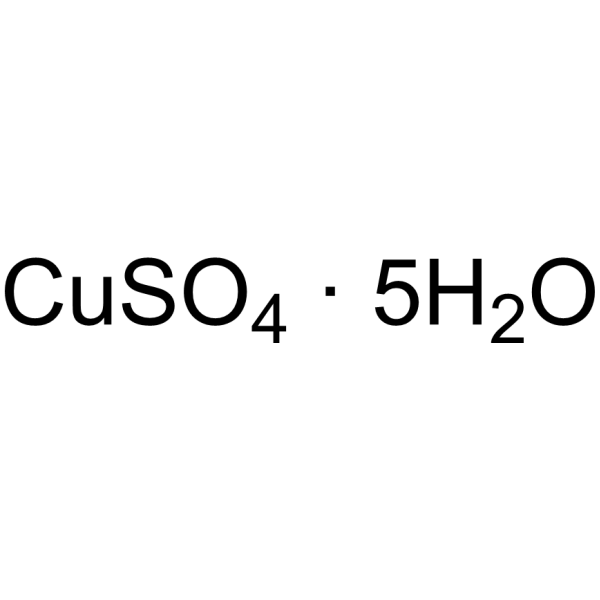 0 ImagesCopper sulfate pentahydrate, for cell culture, 98% is a biochemical reagent. Copper sulfate pentahydrate, for cell culture, 98% reduces the production of ROS and the expression levels of MyD88 as well as c-Rel genes. Copper sulfate pentahydrate, for cell culture, 98% decreases the activities of T-SOD, CAT, and GSH, increases the activities of caspase-3, caspase-8, and caspase-9. Copper sulfate pentahydrate, for cell culture, 98% is cytotoxic to various cells.
-
Sodium acetate trihydrate, meets analytical specification of Ph. Eur. BP USP FCC E262, ≤0.00002% Al
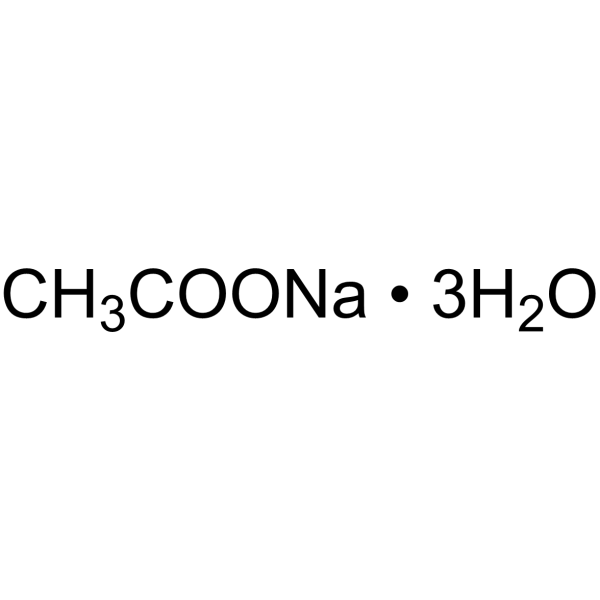 0 ImagesSodium acetate trihydrate, meets analytical specification of Ph. Eur. BP USP FCC E262, ≤0.00002% Al is a carboxylic acid and short-chain fatty acid (SCFAs). Sodium acetate trihydrate activates AMPK, increases ROS, cleaved caspase 9, PPARα, downregulates SREBP-1c, ChREBP expression. Sodium acetate trihydrate exhibits antifungal activity against Saccharomyces cerevisiae W303-1A. Sodium acetate trihydrate regulates energy metabolism. Sodium acetate trihydrate has anticancer activity against gastric cancer. Sodium acetate trihydrate induces writhing reaction and ulcerative colitis. Sodium acetate trihydrate can be used in the researches for gastric cancer, ulcerative colitis, hepatic steatosis, and pain.
-
AVN-944
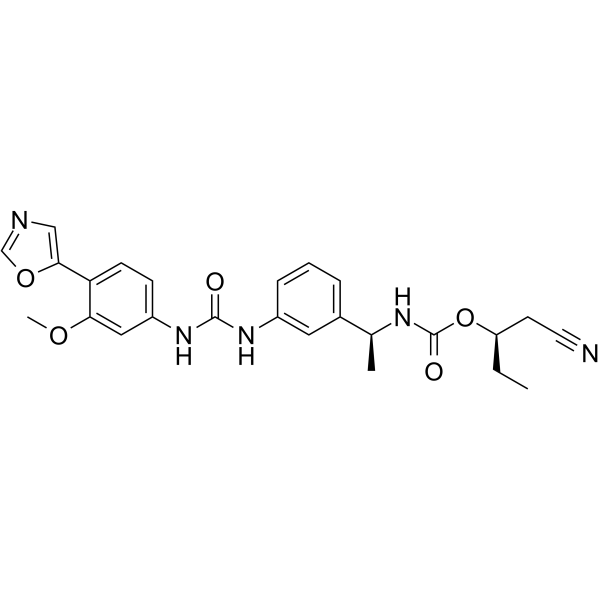 0 ImagesSynonyms: VX-944AVN-944 (VX-944) is an orally active, potent, selective, noncompetitive and specific inhibitor of IMPDH (inosine monophosphate dehydrogenase). AVN-944 is an essential rate-limiting enzyme in de novo guanine nucleotide synthesis. AVN-944 is also an inhibitor of arenavirus RNA synthesis, and blocks arenavirus infection. AVN-944 has broad anti-cancer activities, and can be used for multiple myeloma (MM) and acute myeloid leukemia (AML) research.




