



Caspase 9 Activator
-
Oxidopamine hydrobromide
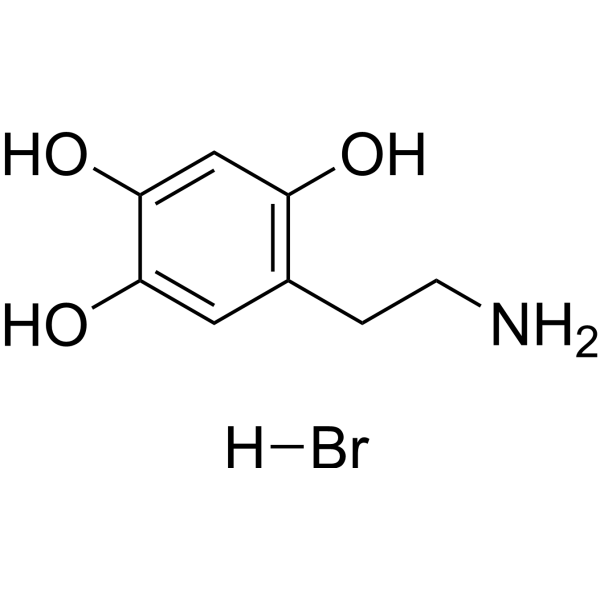 0 ImagesSynonyms: 6-Hydroxydopamine hydrobromide; 6-OHDA hydrobromide
Oxidopamine (6-OHDA) hydrobromide is an antagonist of the neurotransmitter dopamine. Oxidopamine hydrobromide is a widely used neurotoxin and selectively destroys dopaminergic neurons. Oxidopamine hydrobromide promotes COX-2 activation, leading to PGE2 synthesis and pro-inflammatory cytokine IL-1β secretion. Oxidopamine hydrobromide can be used for the research of Parkinson’s disease (PD), attention-deficit hyperactivity disorder (ADHD), and Lesch-Nyhan syndrome.
-
Oxidopamine hydrochloride
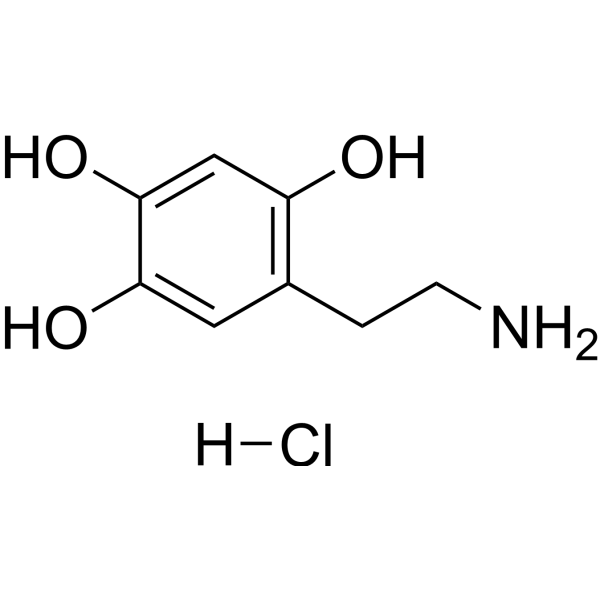 0 ImagesSynonyms: 6-Hydroxydopamine Hydrochloride
Oxidopamine (6-OHDA) hydrochloride is an antagonist of the neurotransmitter dopamine. Oxidopamine hydrochloride is a widely used neurotoxin and selectively destroys dopaminergic neurons. Oxidopamine hydrochloride promotes COX-2 activation, leading to PGE2 synthesis and pro-inflammatory cytokine IL-1β secretion. Oxidopamine hydrochloride can be used for the research of Parkinson’s disease (PD), attention-deficit hyperactivity disorder (ADHD), and Lesch-Nyhan syndrome.
-
O6-Benzylguanine
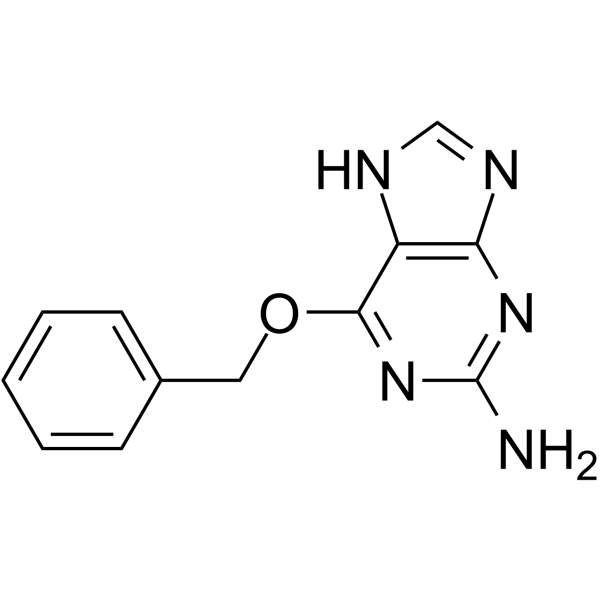 0 Images
O6-Benzylguanine is an orally active, blood-brain barrier-penetrant inhibitor of O6-methylguanine-DNA methyltransferase (MGMT/AGT). O6-Benzylguanine modulates p53 and its downstream p21 and cyclins to induce cell cycle arrest and apoptosis, and on the other hand activates mTORC1/MAPK and other signaling pathways to induce cellular senescence by inhibiting intracellular MGMT. O6-Benzylguanine is used in research related to various tumors, cellular senescence, and vascular smooth muscle dysfunction.
-
TC11
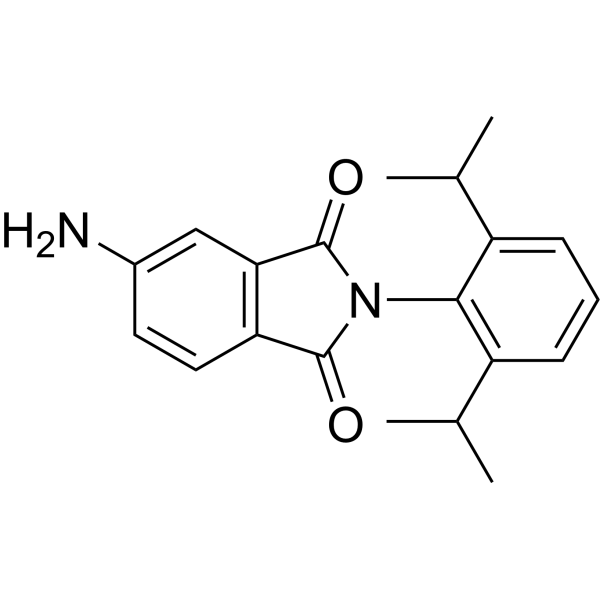 0 Images
TC11 is a MCL1 degrader and apoptosis inducer. TC11 induces sustained CDK1 activation to phosphorylate and degrade MCL1, activates caspase-3, -8, and -9, inhibits centrosomal-regulatory NPM function to block centrosomal clustering, and triggers apoptosis independent of the cereblon pathway. TC11 blocks tumor cell proliferation in vitro and acts against tumor xenografts in vivo. TC11 can be used for the research of multiple myeloma.
-
Probucol
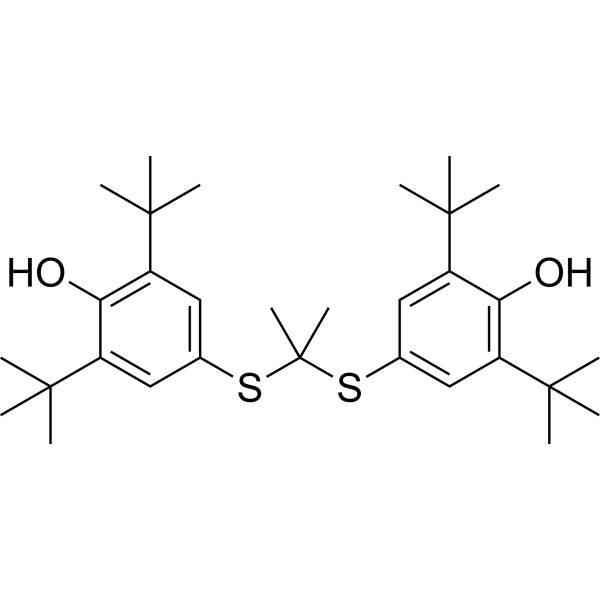 0 ImagesSynonyms: DH-581
Probucol (DH-581) is an anti-hyperlipidemic agent. Probucol activates glutathione peroxidase. Probucol promotes low density lipoprotein (LDL) catabolism, inhibits ABCA1-dependent cholesterol efflux, and decreases HDL-C levels. Probucol also has anti-inflammatory, antioxidant and neuroprotective properties. Probucol can be used for researches on bone, cardiovascular, cancer, neurological, and metabolism-related diseases.
-
Terfenadine
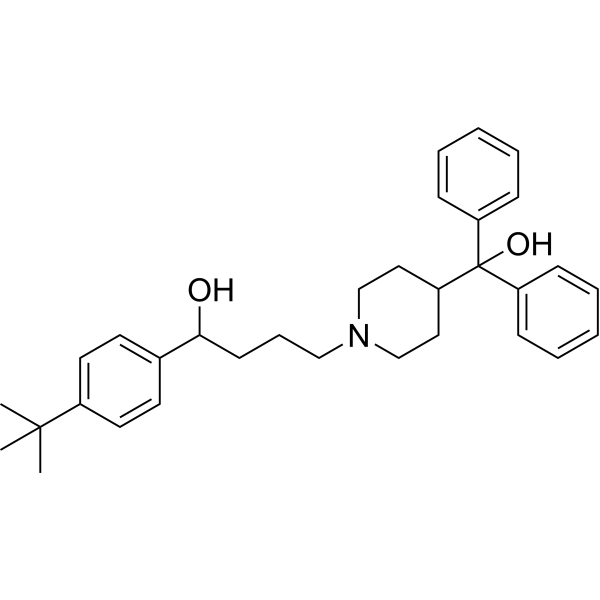 0 ImagesSynonyms: (±)-Terfenadine; MDL-991
Terfenadine ((±)-Terfenadine) is a potent open-channel blocker of hERG with an IC50 of 204 nM. Terfenadine, an H1 histamine receptor antagonist, acts as a potent apoptosis inducer in melanoma cells through modulation of Ca2+ homeostasis. Terfenadine induces ROS-dependent apoptosis, simultaneously activates Caspase-4, -2, -9.
-
Sodium acetate trihydrate, 99.5%
 0 Images
Sodium acetate trihydrate, 99.5% is a carboxylic acid and short-chain fatty acid (SCFAs). Sodium acetate trihydrate activates AMPK, increases ROS, cleaved caspase 9, PPARα, downregulates SREBP-1c, ChREBP expression. Sodium acetate trihydrate exhibits antifungal activity against Saccharomyces cerevisiae W303-1A. Sodium acetate trihydrate regulates energy metabolism. Sodium acetate trihydrate has anticancer activity against gastric cancer. Sodium acetate trihydrate induces writhing reaction and ulcerative colitis. Sodium acetate trihydrate can be used in the researches for gastric cancer, ulcerative colitis, hepatic steatosis, and pain.
-
Copper sulfate pentahydrate, for cell culture, 98%
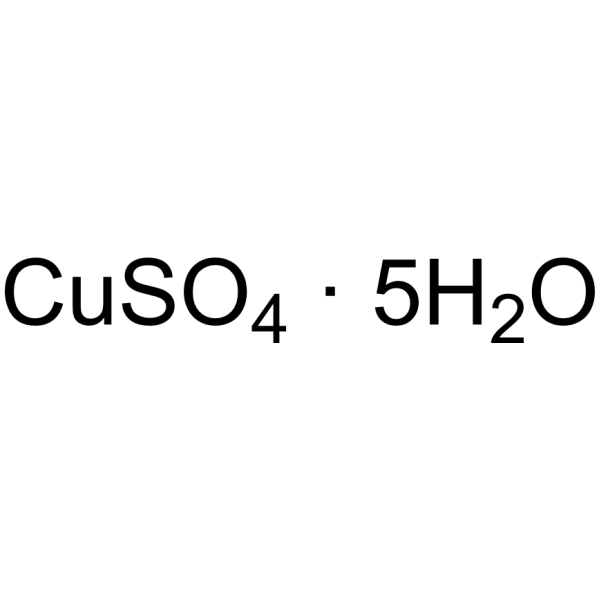 0 Images
Copper sulfate pentahydrate, for cell culture, 98% is a biochemical reagent. Copper sulfate pentahydrate, for cell culture, 98% reduces the production of ROS and the expression levels of MyD88 as well as c-Rel genes. Copper sulfate pentahydrate, for cell culture, 98% decreases the activities of T-SOD, CAT, and GSH, increases the activities of caspase-3, caspase-8, and caspase-9. Copper sulfate pentahydrate, for cell culture, 98% is cytotoxic to various cells.
-
Sodium acetate trihydrate, meets analytical specification of Ph. Eur. BP USP FCC E262, ≤0.00002% Al
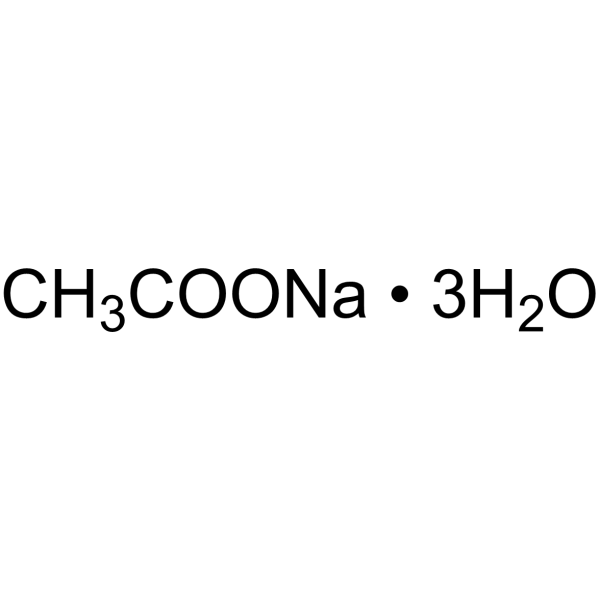 0 Images
Sodium acetate trihydrate, meets analytical specification of Ph. Eur. BP USP FCC E262, ≤0.00002% Al is a carboxylic acid and short-chain fatty acid (SCFAs). Sodium acetate trihydrate activates AMPK, increases ROS, cleaved caspase 9, PPARα, downregulates SREBP-1c, ChREBP expression. Sodium acetate trihydrate exhibits antifungal activity against Saccharomyces cerevisiae W303-1A. Sodium acetate trihydrate regulates energy metabolism. Sodium acetate trihydrate has anticancer activity against gastric cancer. Sodium acetate trihydrate induces writhing reaction and ulcerative colitis. Sodium acetate trihydrate can be used in the researches for gastric cancer, ulcerative colitis, hepatic steatosis, and pain.
-
AVN-944
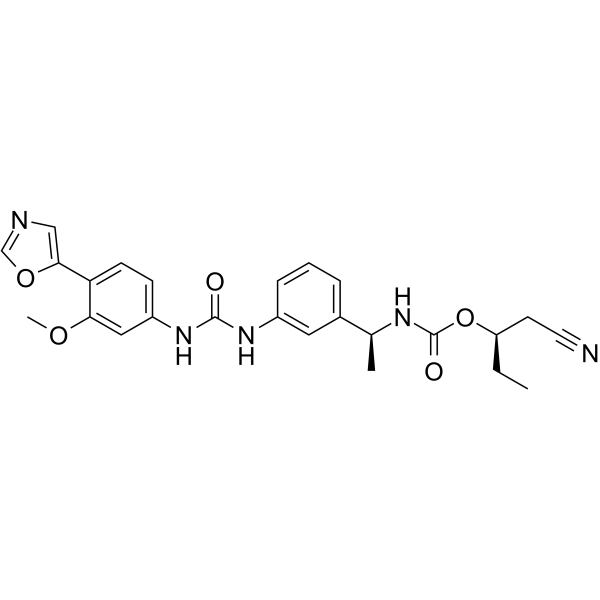 0 ImagesSynonyms: VX-944
AVN-944 (VX-944) is an orally active, potent, selective, noncompetitive and specific inhibitor of IMPDH (inosine monophosphate dehydrogenase). AVN-944 is an essential rate-limiting enzyme in de novo guanine nucleotide synthesis. AVN-944 is also an inhibitor of arenavirus RNA synthesis, and blocks arenavirus infection. AVN-944 has broad anti-cancer activities, and can be used for multiple myeloma (MM) and acute myeloid leukemia (AML) research.
-
Angelicin
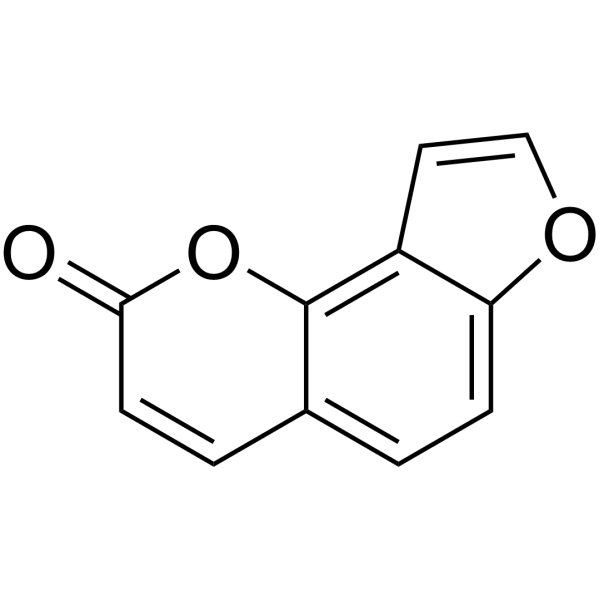 0 Images
Angelicin is a furanocoumarin compound that functions as an inhibitor of NF-κB and MAPK signaling pathways, exhibiting anti-inflammatory, antiviral, and antitumor activities. It suppresses the lytic replication of γ-herpesviruses, such as MHV-68, early during viral infection, potentially inhibiting RTA gene expression (IC50=28.95 μM). Angelicin also mitigates inflammation by inhibiting the phosphorylation and nuclear translocation of NF-κB, and the phosphorylation of p38 and JNK. Furthermore, it induces apoptosis in neuroblastoma cells by downregulating anti-apoptotic proteins like Bcl-2, Bcl-xL, and Mcl-1, while activating caspase-9 and caspase-3.
-
Copper sulfate pentahydrate, 99.9%
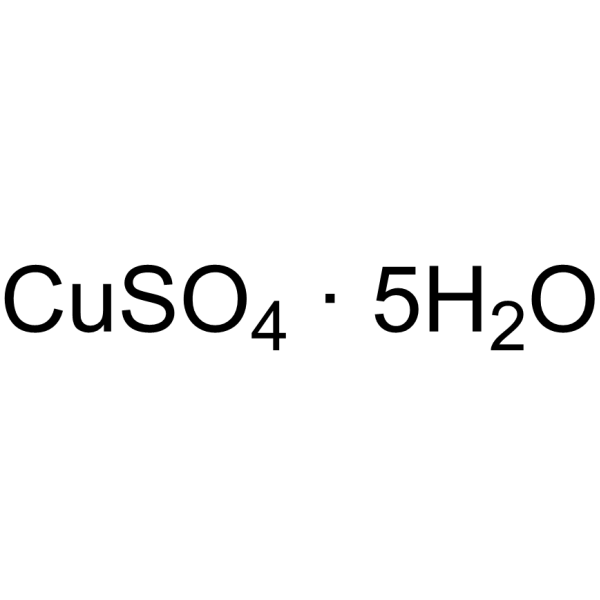 0 Images
Copper sulfate pentahydrate, 99% is a biochemical reagent. Copper sulfate pentahydrate, 99% reduces the production of ROS and the expression levels of MyD88 as well as c-Rel genes. Copper sulfate pentahydrate, 99% decreases the activities of T-SOD, CAT, and GSH, increases the activities of caspase-3, caspase-8, and caspase-9. Copper sulfate pentahydrate, 99% is cytotoxic to various cells. Copper sulfate pentahydrate, 99% has antioxidant activity. Copper sulfate pentahydrate, 99% can be used in the research of diabetes, Parkinson's disease and DMBA (HY-W011845)-induced tumors.
-
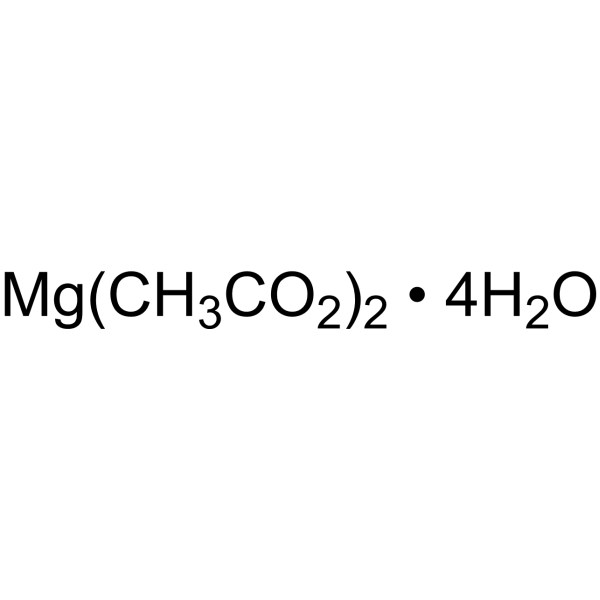
Magnesium acetate tetrahydrate
 0 Images
Magnesium acetate tetrahydrate is a carboxylic acid and short-chain fatty acid (SCFAs). Magnesium acetate tetrahydrate activates AMPK, increases ROS, cleaved caspase 9, PPARα, downregulates SREBP-1c, ChREBP expression. Magnesium acetate tetrahydrate exhibits antifungal activity against Saccharomyces cerevisiae W303-1A. Magnesium acetate tetrahydrate regulates energy metabolism. Magnesium acetate tetrahydrate has anticancer activity against gastric cancer. Magnesium acetate tetrahydrate induces writhing reaction and ulcerative colitis. Magnesium acetate tetrahydrate can be used in the researches for gastric cancer, ulcerative colitis, hepatic steatosis, and pain.
-
N-Hydroxyphthalimide
 0 Images
N-Hydroxyphthalimide is a blocking agent and catalyst. N-Hydroxyphthalimide promotes oxidation reactions by generating PINO free radicals and activating hydrogen atom transfer processes. N-Hydroxyphthalimide reduces the expression of anti-apoptotic proteins Survivin and Bcl-xL and activates caspase 9 and caspase 3. N-Hydroxyphthalimide induces Apoptosis. N-Hydroxyphthalimide inhibits the phosphorylation of mTOR (Ser2448, Ser2481) and Akt (Ser473). N-Hydroxyphthalimide has anticancer effects against breast and colon cancer.
-
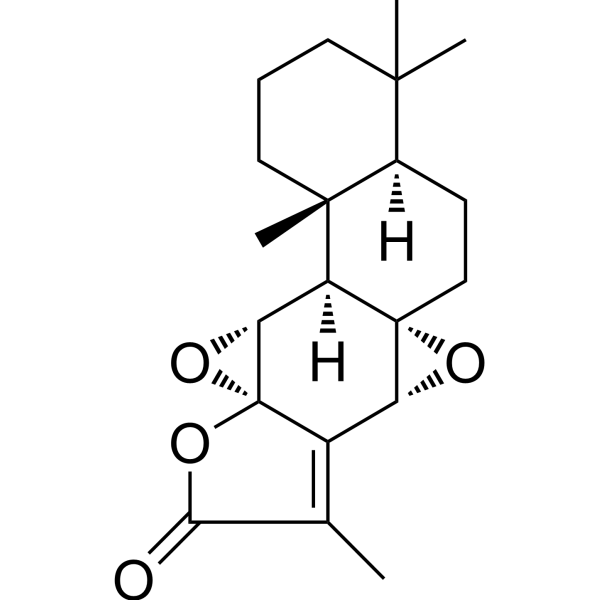
Jolkinolide B
 0 Images
Jolkinolide B is a bioactive diterpene isolated from the roots of Euphorbia fischeriana Steud with oral activity. Jolkinolide B downregulates XIAP, cIAP1, cIAP2, and phosphorylated Akt, upregulates Smac, activates caspase-3 and caspase-9, and inhibits NF-κB, TGFβ/smad3 and JAK/STAT3 pathways. Jolkinolide B exerts comprehensive biological effects including inducing cancer cell apoptosis, suppressing inflammatory responses, improving lung function, alleviating hepatic steatosis and eliminating intracellular Mycobacterium tuberculosis. Jolkinolide B can be used for the research of leukemia, histiocytic lymphoma, asthma, metabolic dysfunction-associated steatotic liver disease and tuberculosis.
-
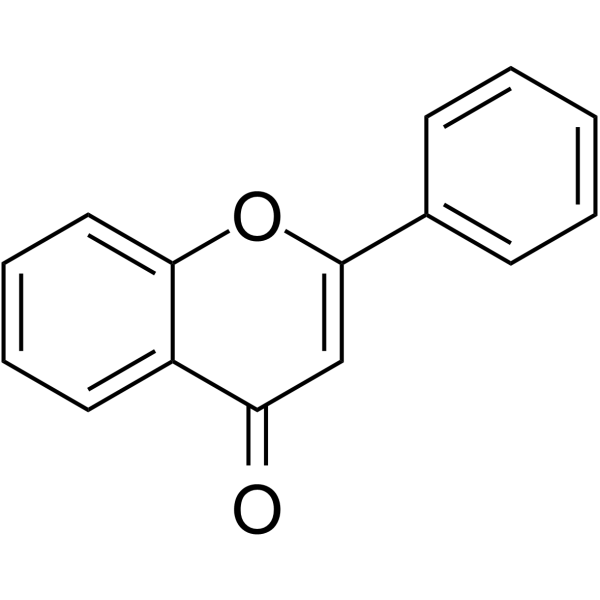
Flavone
 0 Images
Flavone is an anti-tumor compound that targets cell cycle regulatory proteins (such as cyclin B1) and apoptosis-related factors (such as p21waf1, PIG3). Flavone selectively induces mitochondrial-mediated apoptosis pathways in tumor cells, inhibits cyclin B1 protein expression, upregulates p21waf1, and activates p63/p73 proteins. Flavone has immunomodulatory functions that enhance natural killer cell (NK cell) activity and lymphocyte proliferation. Flavone is used in cancer research, especially for its inhibitory potential in solid tumor models such as esophageal cancer and liver cancer.
-
Hydroxyproline
 0 ImagesSynonyms: DL-Hydroxyproline
Hydroxyproline (DL-Hydroxyproline) is a non-essential amino acid and one of the main components of collagenous tissues. Hydroxyproline acts as a substrate for mitochondrial hydroxyproline oxidase to generate ROS. Hydroxyproline promotes the synthesis of glutathione, DNA, heme and proteins via conversion to Glycine (HY-Y0966). Hydroxyproline promotes the activation of caspase-9 and apoptosis in cancer cells treated with Doxorubicin. Hydroxyproline serves as a biochemical marker. Hydroxyproline is used in research related to various diseases including colon cancer, diabetes and arthritis.
-
Stem bromelain
 0 ImagesCat. No.: HY-P2970CAS No.: 37189-34-7
Stem bromelain (EC 3.4.22.32) is a cysteine protease and antibacterial agent. Stem bromelain can be isolated from the stem of the pineapple (Ananas comosus). Stem bromelain induces dose-dependent secretion of IL-12p70, and IL-6, induces Apoptosis, causes cleavage of full-length PARP protein, Caspase 3, and Caspase 9, increases Bax, and decreases Bcl-2. Stem bromelain possesses various fibrinolytic, antiedema, antithrombotic, and anti-inflammatory activities. Stem bromelain also exhibits in vivo antitumor and antileukemic activities, as well as antimetastatic effects. Stem bromelain has antimycobacterial activity. Stem bromelain provides protection against lead poisoning.
-
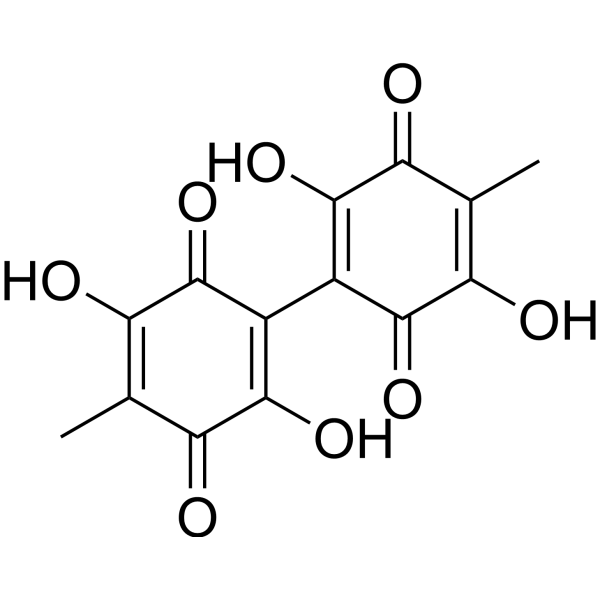
Oosporein
 0 Images
Oosporein is a microbial metabolite and a red crystalline toxin produced by various fungi. Oosporein can promote the reproduction of fungi in host bodies by inhibiting insect immunity, and possesses multiple activities such as antibacterial, antiviral (HSV), and insecticidal effects. Oosporein can inhibit plant growth. In addition, Oosporein can also induce apoptosis, cell membrane damage, oxidative stress, and mitochondrial damage. Oosporein has certain antitumor activity.



