



Magnoliaceae
-
- Magnolia officinalis. Rehd. et Wils. (13)
- Magnolia Liliflora Desr. (12)
- Houpoea officinalis (Rehder & E. H. Wilson) N. H. Xia & C. Y. Wu (9)
- Liriodendron tulipifera L. (8)
- Magnolia biondii Pamp. (3)
- Liriodendron chinense (Hemsl.) Sarg. (3)
- Houpoea obovata (Thunberg) N. H. Xia & C. Y. Wu (2)
- Magnolia ovata (A.St.-Hil.) Spreng. (2)
- Magnolia utilis (Dandy) V.S.Kumar (2)
- Michelia compressa (Maxim.) Sarg. (2)
- Michelia figo (Lour.) Spreng. (2)
- Oyama sieboldii (K. Koch) N. H. Xia & C. Y. Wu (2)
- Yulania liliiflora (Desr.) D. L. Fu (2)
- Yulania sprengeri (Pampanini) D. L. Fu (2)
- Calceolaria hypericina Poepp. ex Benth. (1)
- Kmeria duperreana (1)
- Lirianthe coco (Lour.) N. H. Xia & C. Y. Wu (1)
- Magnolia acuminata (L.) L. (1)
- Magnolia arcabucoana (Lozano) Govaerts (1)
- Magnolia grandiflora L. (1)
- Magnolia L. (1)
- Michelia champaca L. (1)
- Michelia yunnanensis Franch. ex Finet & Gagnep. (1)
- Michelia × alba DC. (1)
- Yulania biondii (Pamp.) D. L. Fu (1)
-
Magnoliaceae (86)

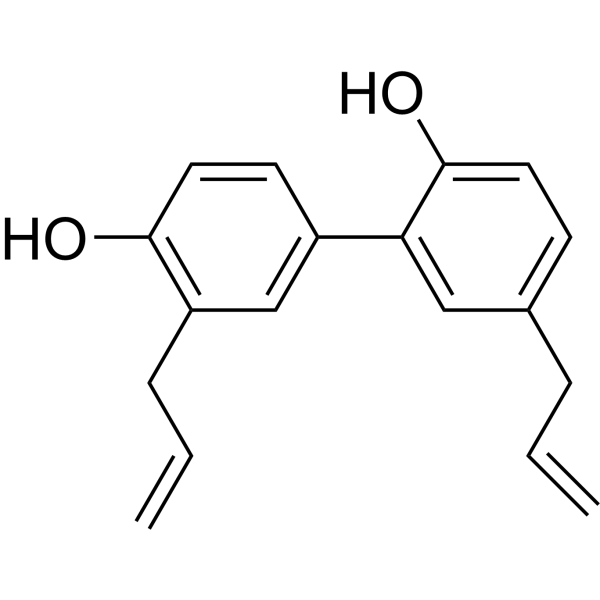
- Formula: C18H18O2
- Molecular Weight: 266.33
Honokiol is a bioactive, biphenolic phytochemical that possesses potent antioxidative, anti-inflammatory, antiangiogenic, and anticancer activities by targeting a variety of signaling molecules. It inhibits the activation of Akt. Honokiol can readily cross the blood brain barrier.
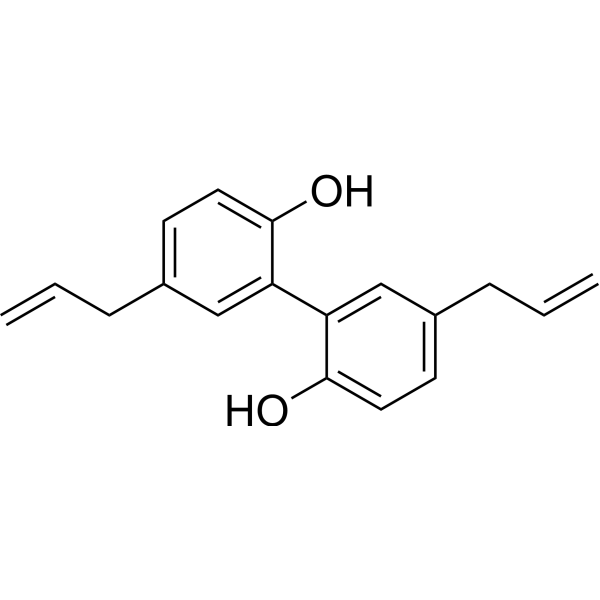
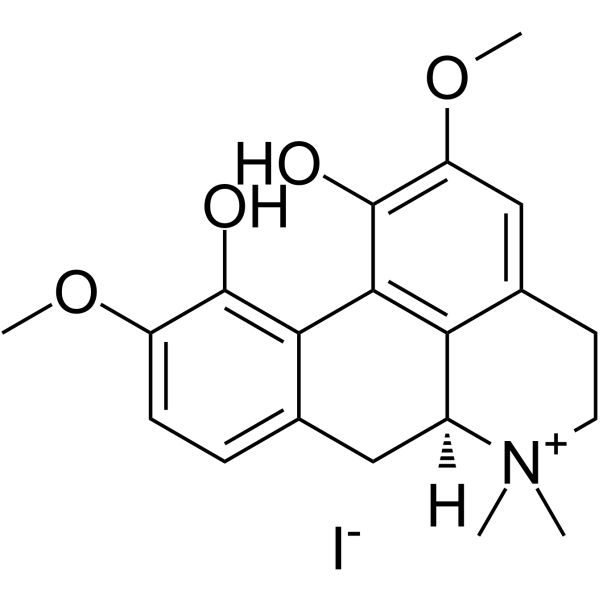
- Formula: C20H24INO4
- Molecular Weight: 469.31
(+)-Magnoflorine (α-Magnoflorine) iodide is an orally active aporphine alkaloid with multiple biological activities. (+)-Magnoflorine iodide promotes Parkin/PINK1 -mediated mitochondrial autophagy, inhibits the activation of NLRP3/Caspase-1 pathway, regulates the intestinal microbiota, and exhibits significant anti-inflammatory and immunomodulatory activities. (+)-Magnoflorine iodide inhibits JNK and TLR4/NF-κB signaling pathways, activates Sirt1/AMPK pathway, alleviates neuronal oxidative stress and apoptosis. Magnoflorine upregulates miR-410-3p, inhibits HMGB1/NF-κB pathway, and has anti-tumor activity. (+)-Magnoflorine iodide also has significant antifungal activity.
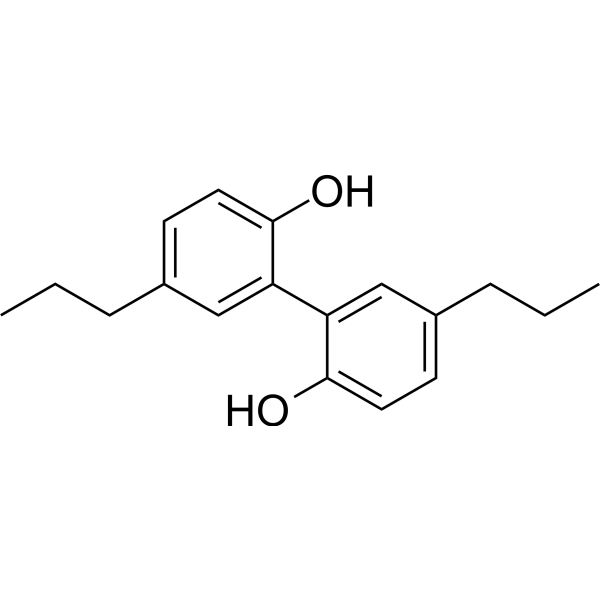
- Formula: C18H22O2
- Molecular Weight: 270.37
Tetrahydromagnolol (Magnolignan), the main metabolite of Magnolol, is a potent and selective cannabinoidCB2 receptor agonist (EC50 =170 nM) and GPR55 antagonist. The Ki of Tetrahydromagnolol for CB2 is 416 nM, 20-fold higher than for the CB1 receptor. Magnolol shows antifungal, anti-inflammatory and analgesic effects.
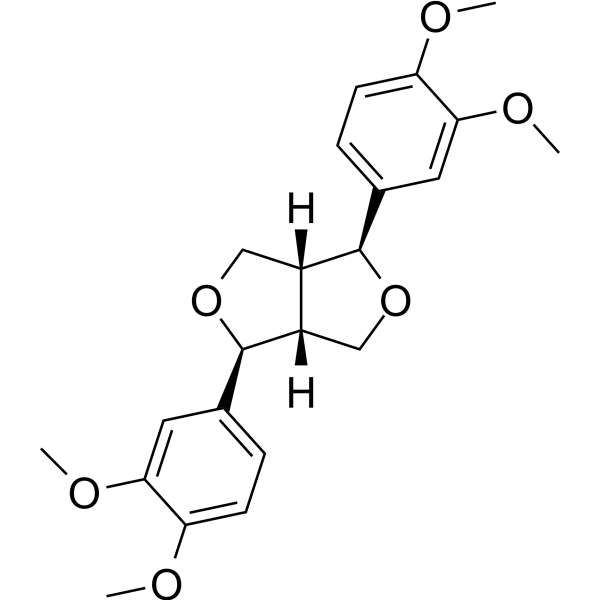
- Formula: C22H26O6
- Molecular Weight: 386.44


- Formula: C20H17NO5
- Molecular Weight: 351.35
Oxoglaucine (O-Methylatheroline) is a natural product with multiple activities including autophagy activation, anti-inflammation, antibacterial activity, and immunoregulation. Oxoglaucine inhibits the TRPV5/calmodulin/CAMK-II pathway, suppresses TGFβ-induced Smad2 phosphorylation by upregulating Smad7, blocks Ca2+ influx, activates autophagy, alleviates apoptosis and inflammation, inhibits ROS production and the expression of fibrosis markers in hepatocytes, and regulates immune cell populations and responses. Oxoglaucine protects against infections caused by Candida albicans and Klebsiella pneumoniae, and exerts effects on adjuvant-induced arthritis. Oxoglaucine can be used in studies related to arthritis, liver fibrosis, bacterial infections, and fungal infections.
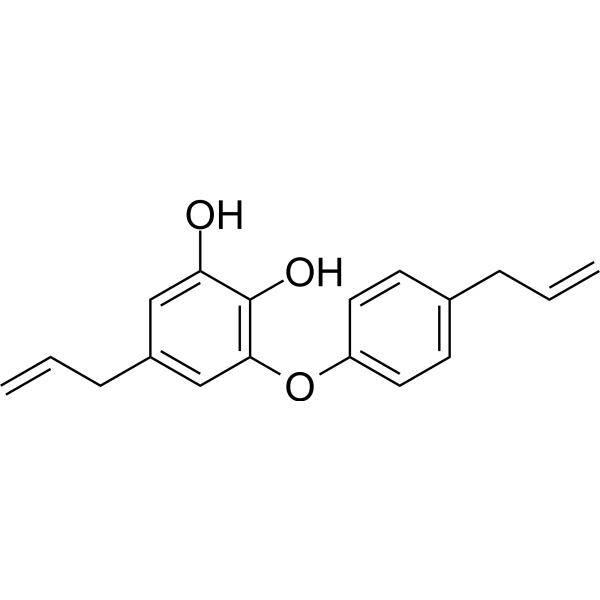
- Formula: C18H18O3
- Molecular Weight: 282.33
Obovatol is a biphenyl ether lignan isolated from the leaves of Magnolia obovata Thunb.
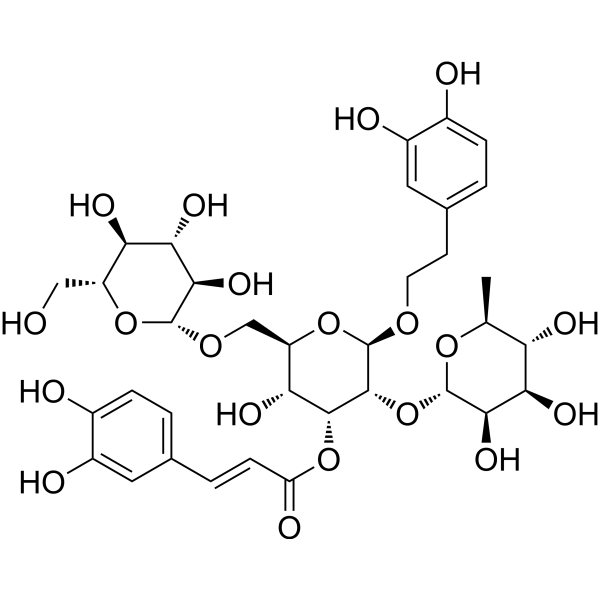
- Formula: C35H46O20
- Molecular Weight: 786.73
Magnoloside B is a phenylethanoid glycoside found in the bark of Magnolia officinalis. Magnoloside B exhibits DPPH radical scavenging activity. Magnoloside B can be used in research related to liver cancer and gastric cancer.
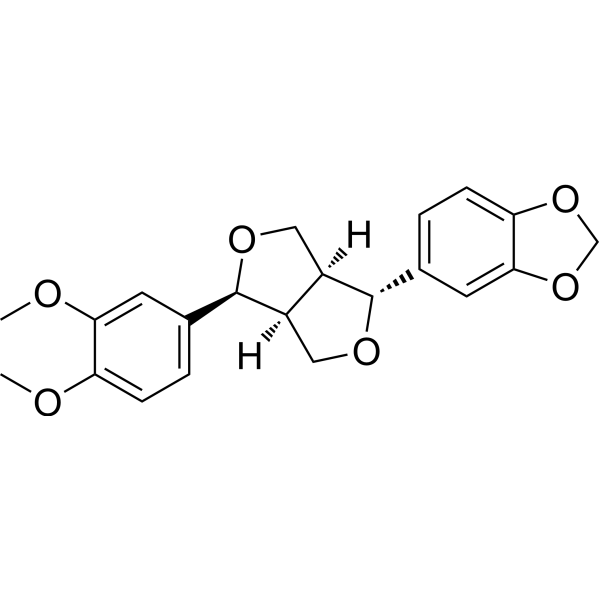
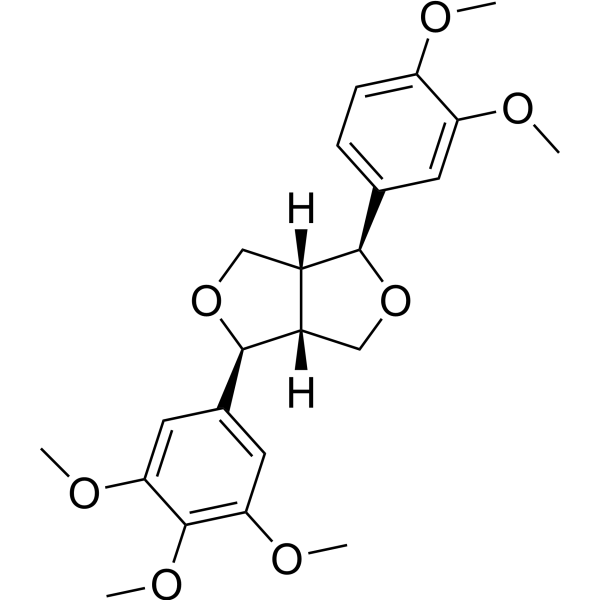
- Formula: C23H28O7
- Molecular Weight: 416.46
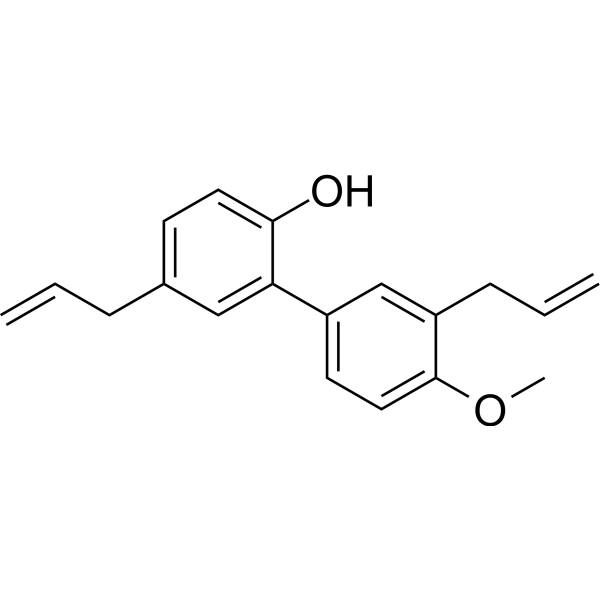
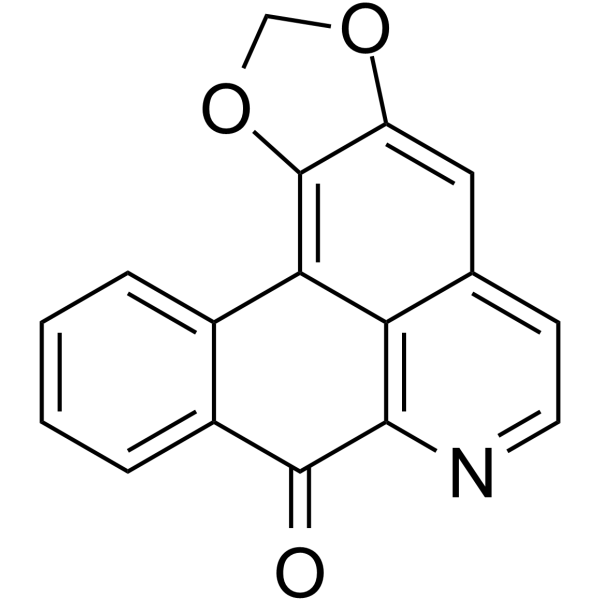
- Formula: C17H9NO3
- Molecular Weight: 275.26
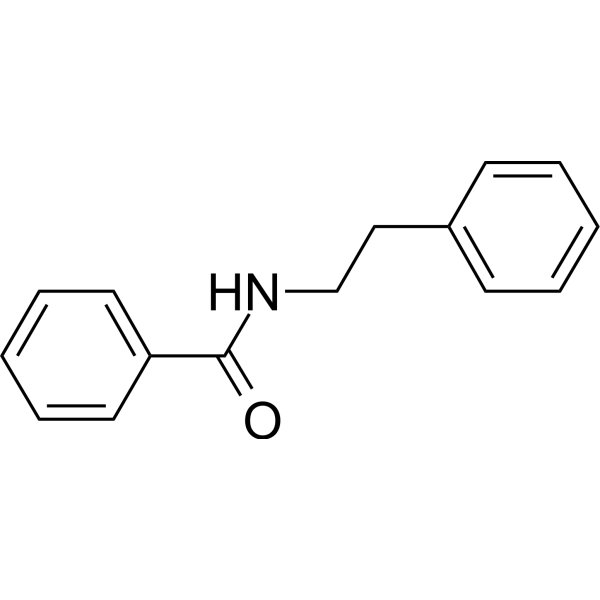
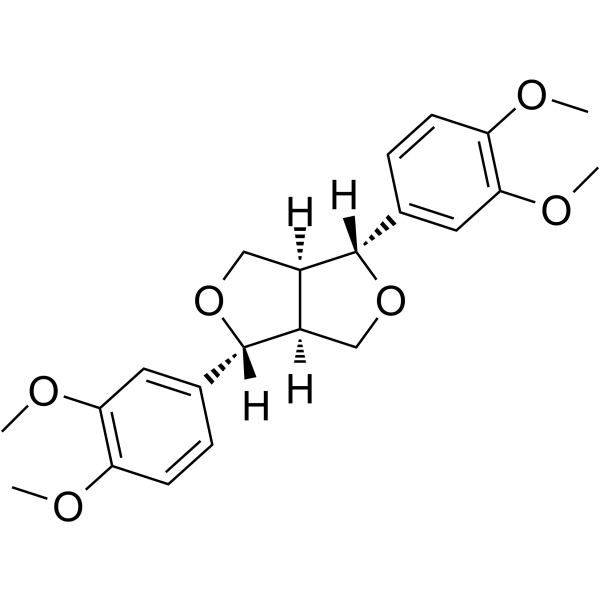
- Formula: C22H26O6
- Molecular Weight: 386.44
Eudesmin ((-)-Eudesmin) impairs adipogenic differentiation via inhibition of S6K1 signaling pathway. Eudesmin possesses diverse therapeutic effects, including anti-tumor, anti-inflammatory, and anti-bacterial activities.

- Formula: C18H20O2
- Molecular Weight: 268.35
Dihydrohonokiol B (Dihydrohonokiol) is an anxiolytic agent. Dihydrohonokiol B can reduce the neurotoxicity induced by amyloid β protein by stimulating the GABAC receptor. Dihydrohonokiol B can be used in the research of neurodegenerative diseases such as Alzheimer's disease.
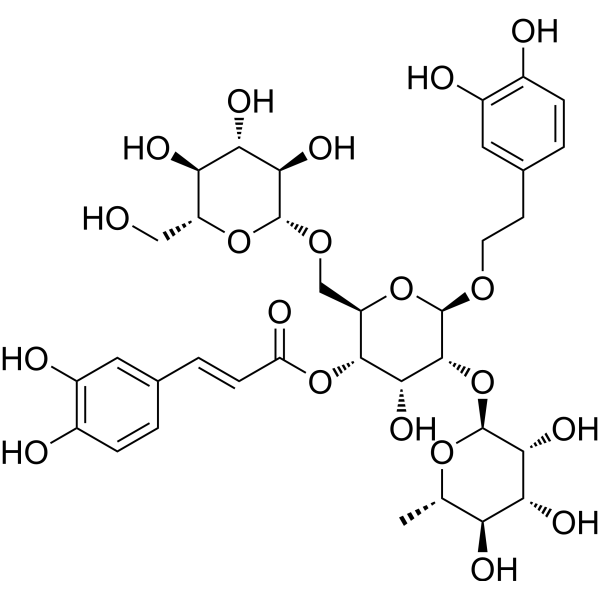
- Formula: C35H46O20
- Molecular Weight: 786.73
Magnoloside F is a natural compound that can be isolated from the Magnolia officinalis, and has antioxidant activity.
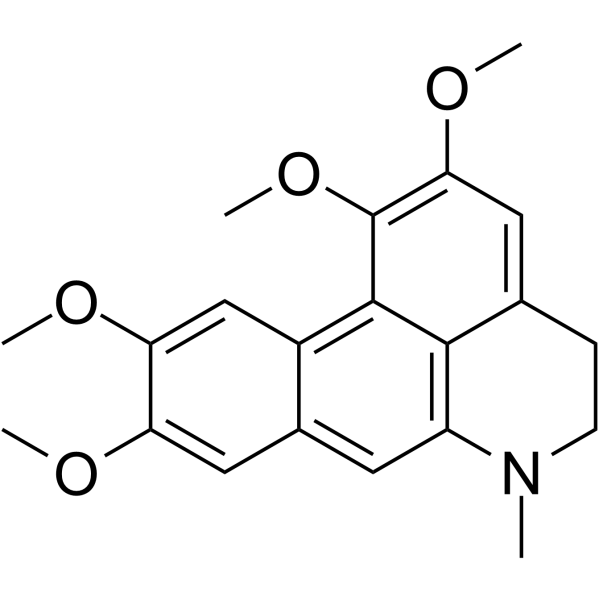
- Formula: C21H23NO4
- Molecular Weight: 353.41
Dehydroglaucine is a potent antimicrobial alkaloid.

- Formula: C20H22O2
- Molecular Weight: 294.39
Di-O-methylhonokiol is a natural phenolic compound that can be isolated from magnolia flowers. Di-O-methylhonokiol has significant antibacterial activity against Gram-positive bacteria, acid-fast bacilli, and yeast-like and filamentous fungi. Di-O-methylhonokiol can be used in the study of fungal infections.



