



Insulin Resistance
-
Insulin Resistance (27)

- 1
- 2
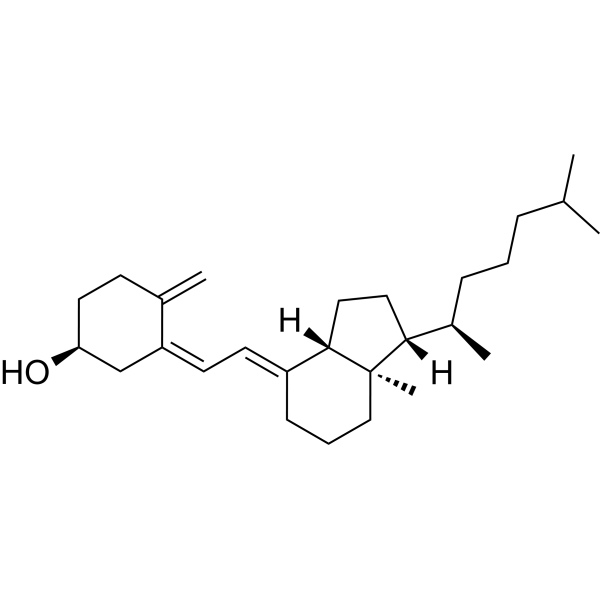
- Formula: C27H44O
- Molecular Weight: 384.64
Vitamin D3 (Cholecalciferol; Colecalciferol) is a naturally occuring form of vitamin D. Vitamin D3 induces cell differentiation and prevents proliferation of cancer cells.
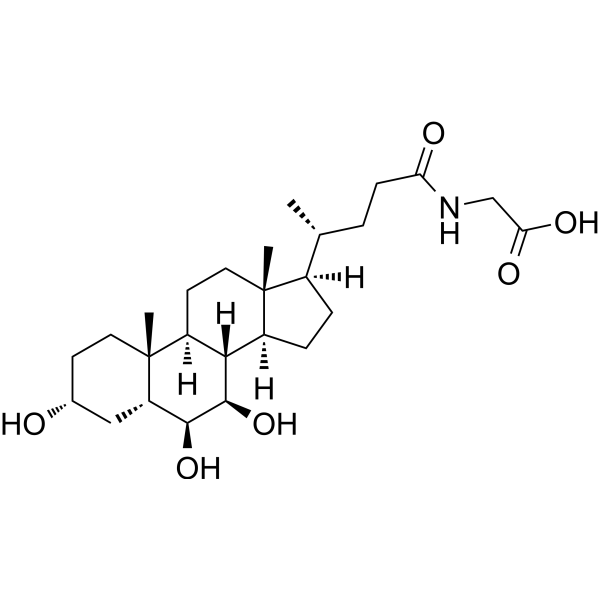
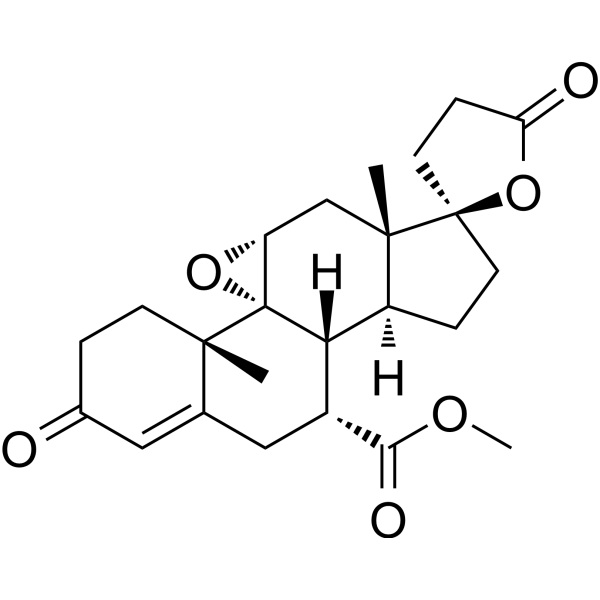
- Formula: C24H30O6
- Molecular Weight: 414.49
Eplerenone (Epoxymexrenone) is a selective, highly specific and orally active aldosterone blocker (SAB). Eplerenone also is a selective mineralocorticoid receptor antagonist (MRA) with IC50 value of 0.081 μM. Eplerenone can be used for the research of hypertension, atherosclerosis, chronic systolic heart failure (HF) and cardiovascular (CV).

- Formula: C6H12O3
- Molecular Weight: 132.16
6-Hydroxyhexanoic acid (6-HHA) is a bacterial effector molecule with metabolic and immunomodulatory activities. 6-Hydroxyhexanoic acid activates the JAK1-STAT1 signaling pathway, promotes phenotypic conversion of M2 macrophages to M1 macrophages, and exerts anti-tumor effects by regulating macrophage polarization. 6-Hydroxyhexanoic acid inhibits lipolysis in adipocytes mediated by Gαi family GPCR, and reduces high-fat diet-induced weight gain and obesity. 6-Hydroxyhexanoic acid can be used in studies related to pancreatic ductal adenocarcinoma, obesity, and insulin resistance.
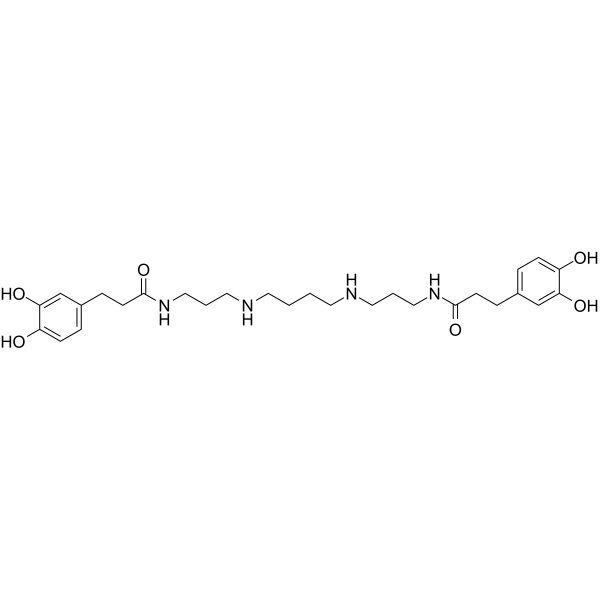
- Formula: C28H42N4O6
- Molecular Weight: 530.66
Kukoamine A, a spermine alkaloid, is an orally active and brain-penetrant component found in the root barks of Lycium chinense (L. chinense) Miller. Kukoamine A inhibits purified Crithidia fasciculata trypanothione reductase and soybean lipoxygenase, activates μ-opioid receptor. Kukoamine A can inhibt cancer cell proliferation, migration and invasion, cause G0/G1 phase cell cycle arrest and induce apoptosis. Kukoamine A exerts neuroprotective effect and can induce autophagy . Kukoamine A inhibits LPS (HY-D1056)-induced NO, ROS, PGE2, TNF-α, IL-1β, IL-6 production and COX-2 activity. Kukoamine A reverses palmitic acid-induced insulin resistance, lipid accumulation, and oxidative stress via downregulation of Srebp-1c. Kukoamine A can be used for the research of cancer, infection, inflammation, metabolic and neurological disease, such as glioblastoma and Parkinson's disease.
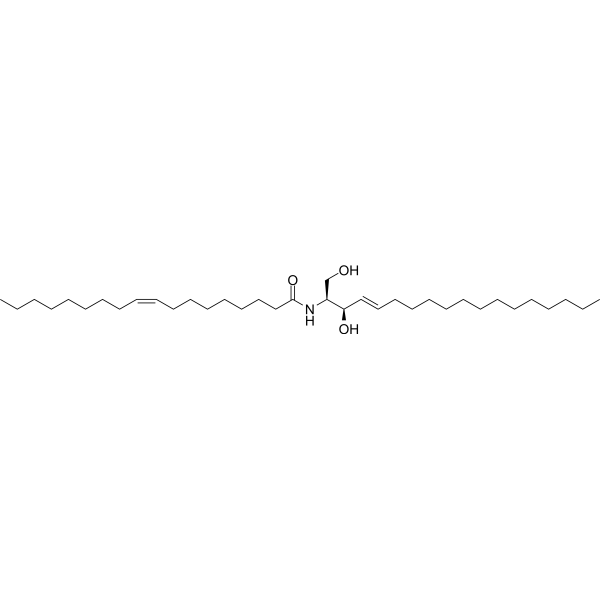
- Formula: C36H69NO3
- Molecular Weight: 563.94
C18:1-Ceramide is a ceramide subspecies belonging to bioactive lipids. C18:1-Ceramide exhibits activities of inducing skeletal muscle insulin resistance and affecting metabolism. C18:1-Ceramide can be used in the research of obesity, type 2 diabetes (T2D), insulin resistance and other related metabolic diseases.
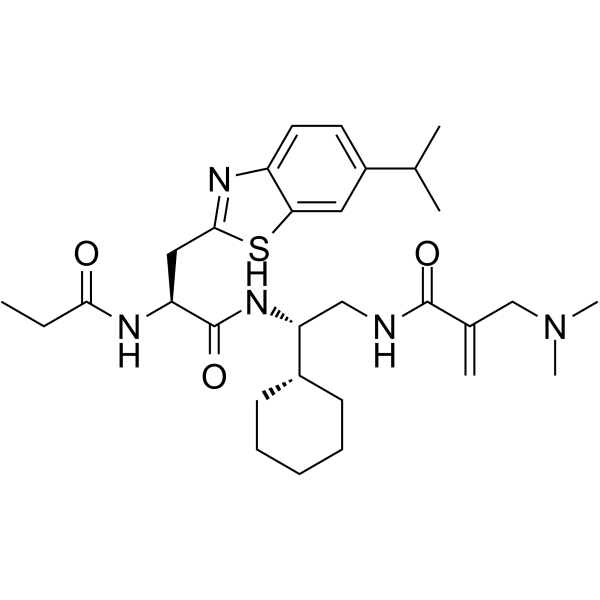
- Formula: C30H45N5O3S
- Molecular Weight: 555.78
DI-1859 is a DCN1 and cullin 3 inhibitor with a Ki of <1 nM against human DCN1. DI-1859 forms a covalent bond with Cys115 of DCN1, cleaves its dimethylamino group, disrupts the DCN1-UBC12 interaction, and selectively inhibits the neddylation modification of cullin 3 relative to other cullins. DI-1859 inactivates CRL3, promotes the accumulation of NRF2 and SLC7A11, upregulates the expression of HO-1 and NQO1, reduces reactive oxygen species (ROS) levels, enhances insulin signaling, promotes insulin secretion, activates RhoA, regulates the phosphorylation of AKT, without completely blocking the neddylation modification of cullin 3 or restoring the expression of IRS-1. DI-1859 can be used in the research of Acetaminophen (HY-66005)-induced hepatotoxicity, hyperglycemia, metabolic dysfunction-associated steatotic liver disease, insulin resistance, breast cancer and lung cancer.
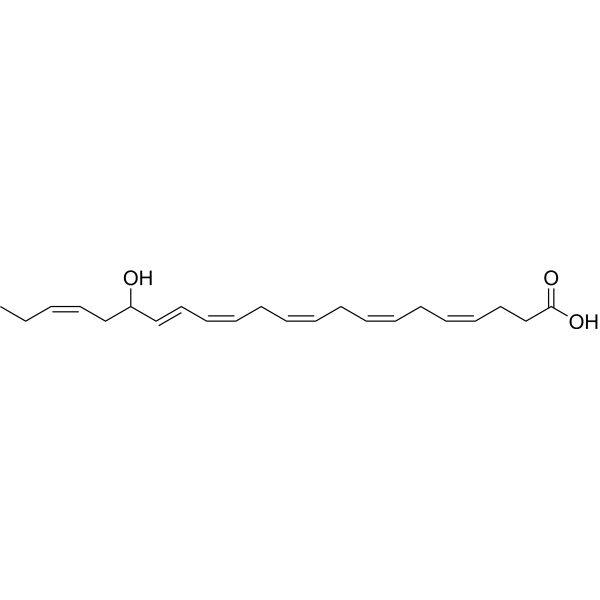
- Formula: C22H32O3
- Molecular Weight: 344.49
17-HDHA is a DHA-derived specialized pro-resolving mediator (SPM). 17-HDHA inhibits NF-κB activation by activating PPARγ and upregulating IκBα, targets FPR2 and Bcl-6, and also acts as a precursor of RvD1 and PD1. 17-HDHA inhibits pulmonary artery smooth muscle cell proliferation, regulates the expression of adiponectin, GLUT-4 and inflammatory cytokines, suppresses IgE production by B cells and promotes antibody secretion. 17-HDHA reduces adipose tissue inflammation, improves insulin sensitivity and glucose tolerance, alleviates pathological processes associated with pulmonary hypertension, and enhances antibody responses and virus neutralizing activity against influenza HA. 17-HDHA can be used in research related to obesity-associated inflammation, insulin resistance, glucose intolerance, pulmonary hypertension and influenza virus infection.
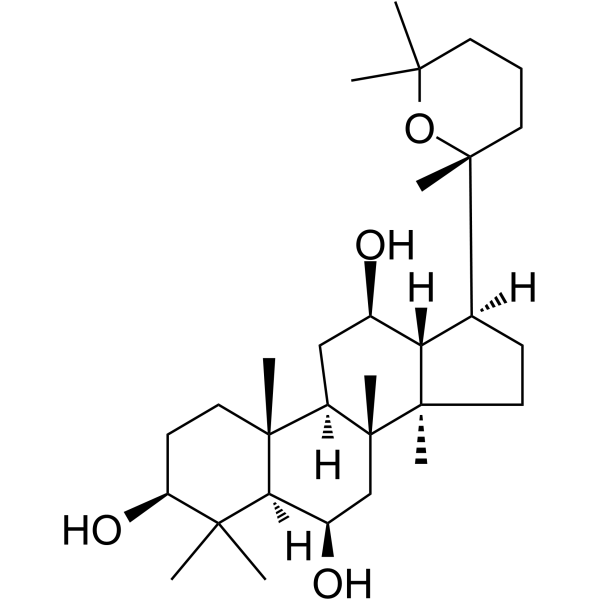
- Formula: C30H52O4
- Molecular Weight: 476.73
Panaxatriol is an orally active dammarane-type tetracyclic triterpene sapogenin. Panaxatriol enhances the phosphorylation levels of Akt, insulin receptor and p70S6K in skeletal muscle. Panaxatriol reduces the mRNA expression level of Atrogin1 in skeletal muscle. Panaxatriol induces apoptosis, pre-G1 cell cycle arrest and increased intracellular ROS levels in prostate cancer cells, decreases mitochondrial membrane potential, inhibits cell migration and reduces colony formation. Panaxatriol can be used in research related to insulin resistance, myocardial ischemia/reperfusion injury and prostate cancer[1][2][3].

- Formula: C226H343N61O66S
- Molecular Weight: 5002.58
GIP, rat is a bioactive peptide derived from rats. GIP, rat inhibits GIP-mediated postprandial insulin release as well as GIP-promoted glucose uptake in the upper small intestine. GIP, rat can be used in research related to insulin resistance, glucose intolerance, and type 2 diabetes.
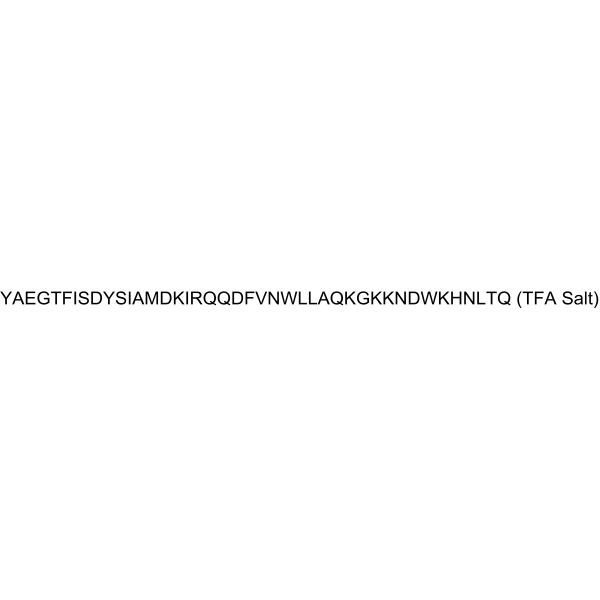
- Formula: C226H343N61O66S.xC2HF3O2
- Molecular Weight: 5002.58 (free base)
GIP, rat TFA is a bioactive peptide derived from rats. GIP, rat TFA inhibits GIP-mediated postprandial insulin release as well as GIP-promoted glucose uptake in the upper small intestine. GIP, rat TFA can be used in research related to insulin resistance, glucose intolerance, and type 2 diabetes.

Glucosylceramide (Glucocerebrosides) (gaucher's spleen) is a glycosphingolipid and primary substrate of acid β-glycosidase, suppresses tyrosine phosphorylation of insulin receptor and IRS-1, disrupts insulin signaling cascade and triggers pancreatic β-cell dysfunction. Glucosylceramide (Gaucher's spleen) accumulates in rodents and induces obesity and insulin resistance, restores systemic glucose homeostasis and insulin sensitivity when synthesis is suppressed. Glucosylceramide (Gaucher's spleen) accumulates in the brain of chronic neuronopathic Gaucher disease mice with age and can be applied for research on insulin resistance, type 2 diabetes mellitus and chronic neuronopathic Gaucher disease.
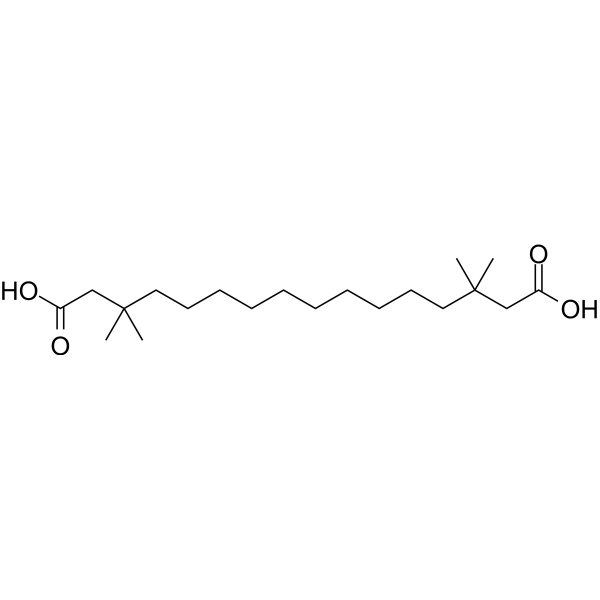
- Formula: C20H38O4
- Molecular Weight: 342.51
MEDICA16 is an orally active acetyl-CoA carboxylase and ATP-citrate lyase inhibitor. MEDICA16 limits the acetyl-CoA supply for acetyl-CoA carboxylase, inhibits acetyl-CoA carboxylase activity, exerts citrate-competitive inhibitory effects on ATP-citrate lyase, and reduces hepatic AMPK activity. MEDICA16 can be used in research related to insulin resistance, hyperlipidemia, and obesity.
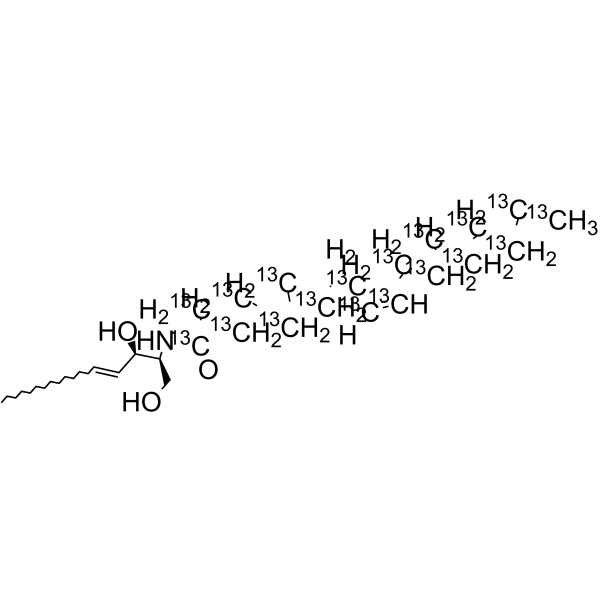
- Formula: C1813C18H69NO3
- Molecular Weight: 581.81
C18:1-Ceramide-13C18 is the 13C-labeled C18:1-Ceramide (HY-141578). C18:1-Ceramide is a ceramide subspecies belonging to bioactive lipids. C18:1-Ceramide exhibits activities of inducing skeletal muscle insulin resistance and affecting metabolism. C18:1-Ceramide can be used in the research of obesity, type 2 diabetes (T2D), insulin resistance and other related metabolic diseases.
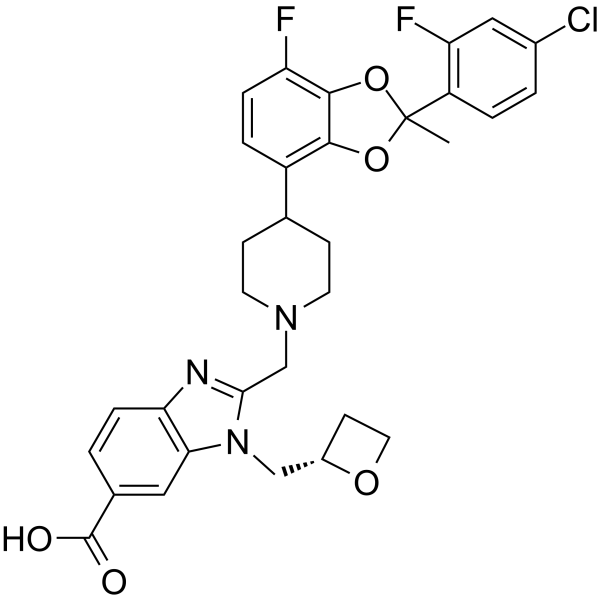
- Formula: C32H30ClF2N3O5
- Molecular Weight: 610.05
GLP-1R agonist 4 is a glucagon-like peptide-1 (GLP-1) receptor agonist. GLP-1 is an intestinal hypoglycemic hormone secreted by L-cells in the lower gastrointestinal tract. GLP-1R agonist 4 can be used for the research of type 2 diabetes mellitus, obesity, non-alcoholic steatohepatitis, insulin resistance and etc.
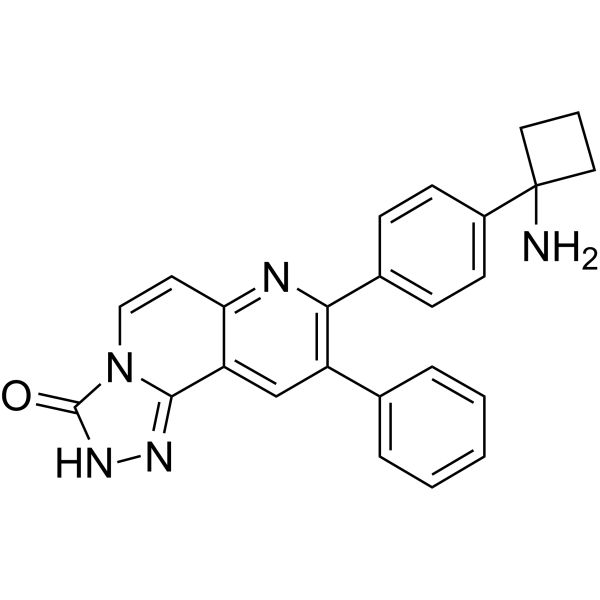
- Formula: C25H21N5O
- Molecular Weight: 407.47
MK-2206 free base is an orally active pan-AKT inhibitor, with IC50 values of 8 nM, 12 nM and 65 nM against AKT1, AKT2 and AKT3, respectively. MK-2206 free base inhibits the Akt/mTOR signaling pathway and reduces the levels of downstream GSK3β and Mcl-1 via proteasomal degradation. MK-2206 free base induces G1-phase cell cycle arrest, apoptosis, epithelial-mesenchymal transition, fibroblast activation and extracellular matrix deposition. MK-2206 free base causes transient hyperglycemia and hyperinsulinemia in animals. MK-2206 free base can be used in research related to solid tumors, renal fibrosis and hypercholesterolemia.
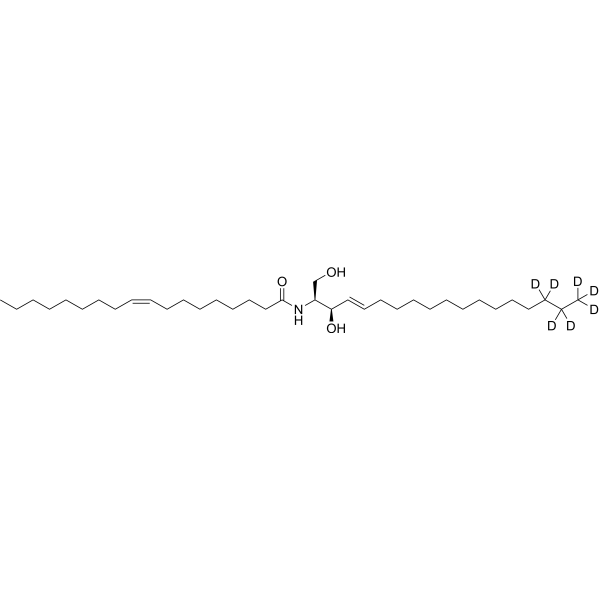
- Formula: C36H62D7NO3
- Molecular Weight: 570.98
C18:1 Ceramide-d7 is the deuterated-labeled C18:1-Ceramide (HY-141578). C18:1-Ceramide is a ceramide subspecies belonging to bioactive lipids. C18:1-Ceramide exhibits activities of inducing skeletal muscle insulin resistance and affecting metabolism. C18:1-Ceramide can be used in the research of obesity, type 2 diabetes (T2D), insulin resistance and other related metabolic diseases.

- Formula: C36H69NO3
- Molecular Weight: 563.94
C18:1-Ceramide (Standard) is the analytical standard of C18:1-Ceramide (HY-141578). This product is intended for research and analytical applications. C18:1-Ceramide is a ceramide subspecies belonging to bioactive lipids. C18:1-Ceramide exhibits activities of inducing skeletal muscle insulin resistance and affecting metabolism. C18:1-Ceramide can be used in the research of obesity, type 2 diabetes (T2D), insulin resistance and other related metabolic diseases.

Centella asiatica extract is an orally active herbal extract. Centella asiatica extract scavenges free radicals, increases stratum corneum hydration, improves epidermal barrier function, and reduces skin redness and skin pH. Centella asiatica extract inhibits pro-inflammatory cytokines, suppresses p38 MAPK phosphorylation, reduces mast cell infiltration, and decreases the expression of TNF-α, IL-4, IL-5, IL-6, IL-17, CXCL9, iNOS and COX-2. Centella asiatica extract upregulates the expression of BDNF and downregulates the expression of VGLUT1, and exhibits neuroprotective effects under hypoxic conditions. Centella asiatica extract inhibits pro-inflammatory M1 macrophage polarization and prevents adipose tissue senescence. Centella asiatica extract can be used in studies related to hypoxia-induced neurological dysfunction, atopic dermatitis, and obesity-induced insulin resistance.

- Formula: C44H39N3O19S
- Molecular Weight: 945.86
P-536 is a ACE inhibitor that also inhibits herpes simplex virus HSV-1 thymidine kinase and Trypanosoma cruzi RNA polymerase. By inhibiting the renin-angiotensin system, downregulating the expression of AT1R and NOX4, and reducing oxidative stress (decreasing plasma hydrogen peroxide (H2O2) and 8-isoprostaglandin levels), P-536 effectively reduces systolic blood pressure and improves vascular reactivity. P-536 also inhibits the replication of DNA/RNA viruses such as HSV-1 by blocking nucleotide metabolism and nucleic acid synthesis, competitively inhibits RNA synthesis in Trypanosoma cruzi, and inhibits amastigote replication, thereby impeding its growth. P-536 is suitable for research on hypertension, insulin resistance, and Chagas disease.
- 1
- 2



