



Gly-β-MCA
Based on 28 publication(s) in Google Scholar
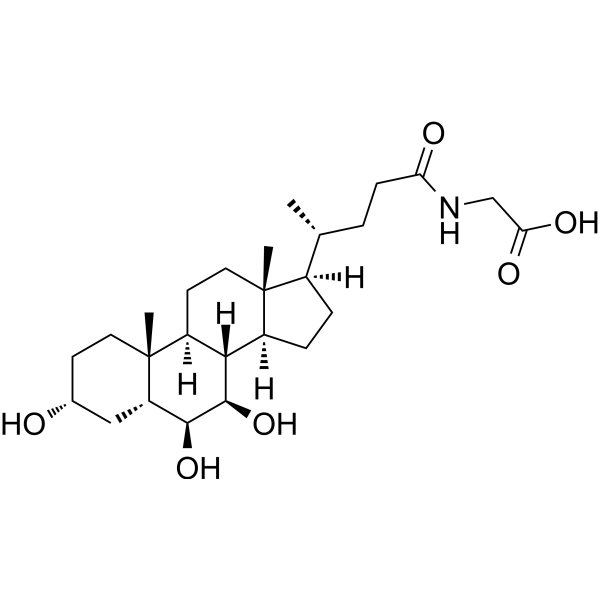
Gly-β-MCA, a bile acid, is a potent, sable, intestine-selective and oral bioactive farnesoid X receptor (FXR) inhibitor that may be a candidate for the treatment of metabolic disorders.
Nur für Forschungszwecke. Wir verkaufen nicht an Patienten.
- Reinheit : 99.75%
- CAS. Nr.: 66225-78-3
- Formel: C26H43NO6
- Molecular Weight:465.62
-
Speicherung:Powder -20°C, 3 years ; In solvent -80°C, 6 months , -20°C, 1 month

To place orders, for customer services and technical support, please contact: MedChemExpress USA
Tel: 609-228-6898 E-mail: [email protected] [email protected]


-
 Biologische Aktivität
-
Chemical Information
-
Lösungsmittel & Löslichkeit
- Reinheit & Dokumentation
- Verweise
-
 Help & FAQs


-
HY-50108
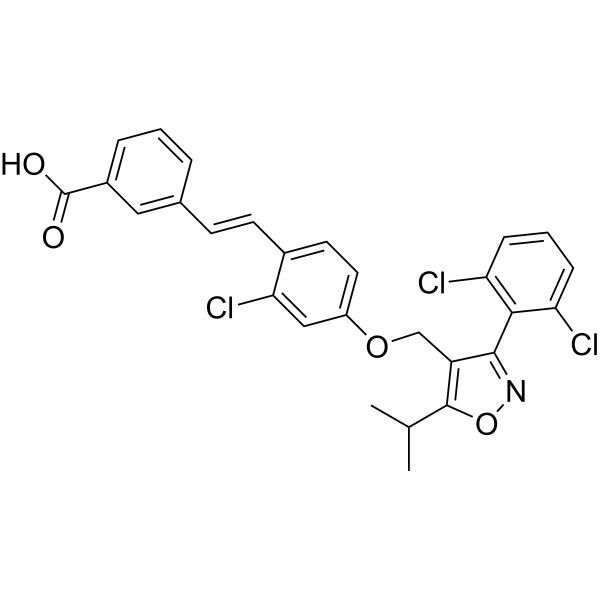
GW 4064FXR Agonist -
HY-111534
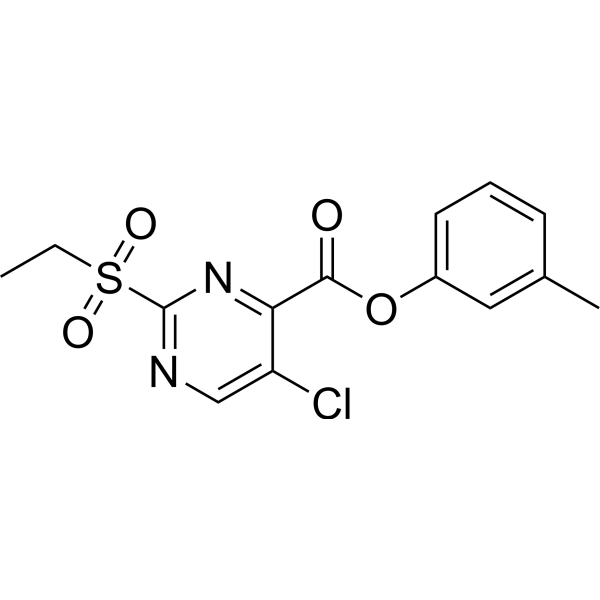
SBI-115TGR5 (GPCR19) Antagonist -
HY-12222
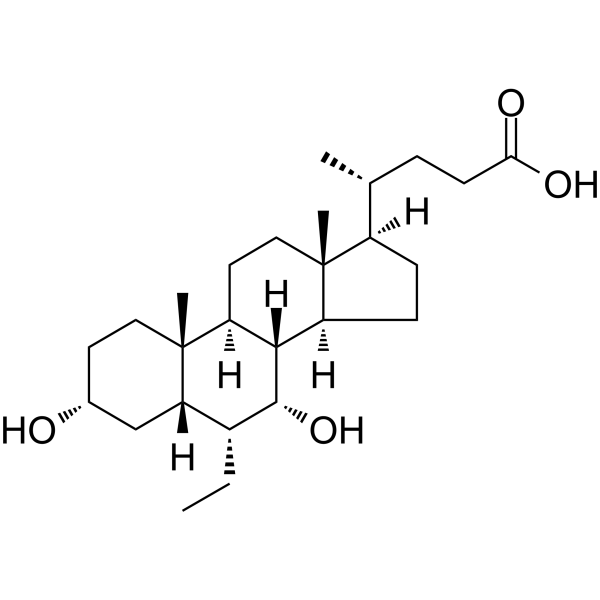
Obeticholic acidFXR Agonist -
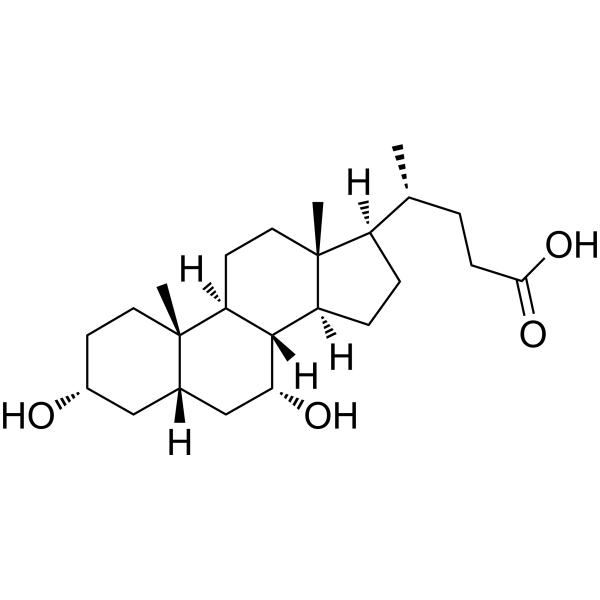
HY-76847
Chenodeoxycholic AcidEndogenous Metabolite -
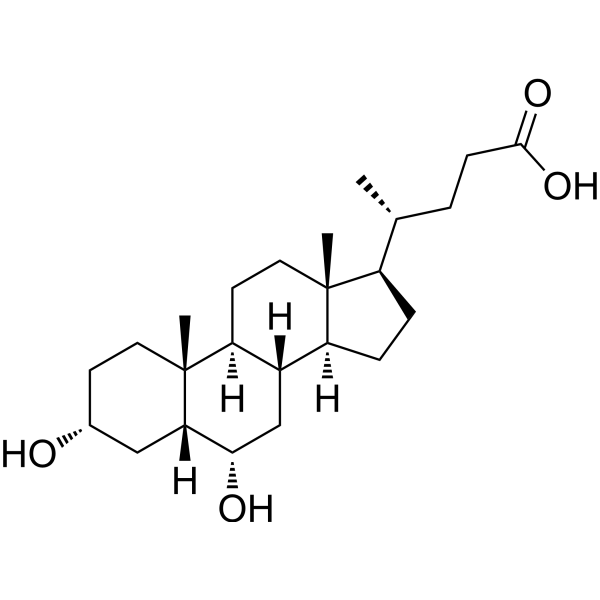
HY-N0169
Hyodeoxycholic acidGPBAR1 Agonist -
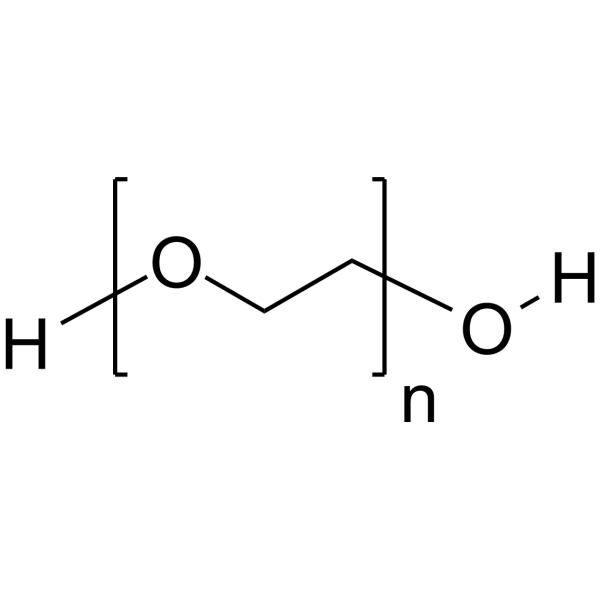
HY-Y0873
PEG300Neutral Polymer -
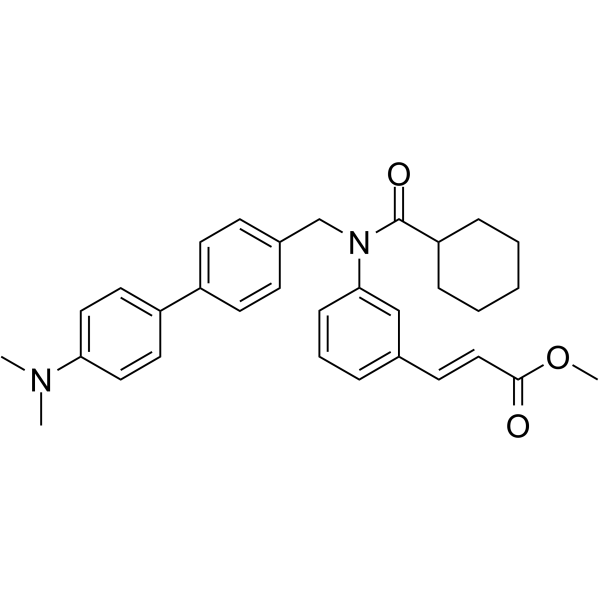
HY-10912
FexaramineFXR Agonist -
HY-N1424
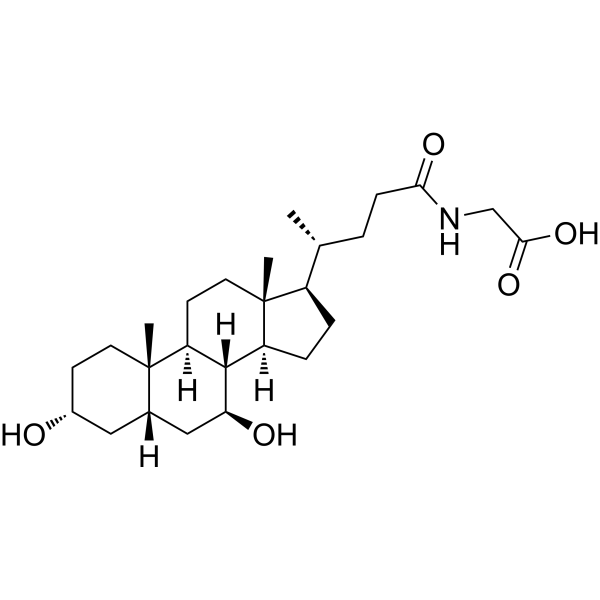
Glycoursodeoxycholic acidEndogenous Metabolite -
HY-100579
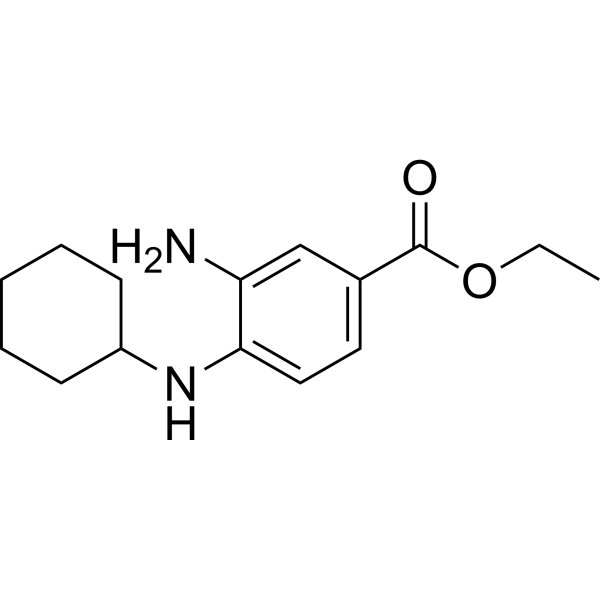
Ferrostatin-1Ferroptosis Inhibitor -

HY-Y1891
Tween 80 -
HY-N0324
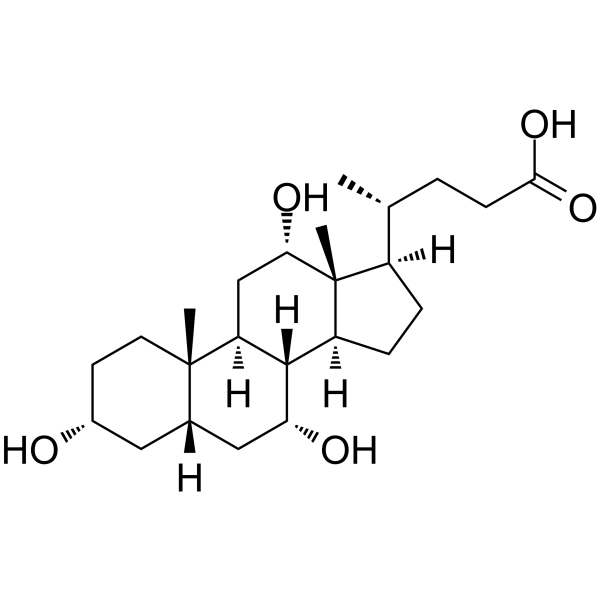
Cholic acidEndogenous Metabolite -
HY-Y0320
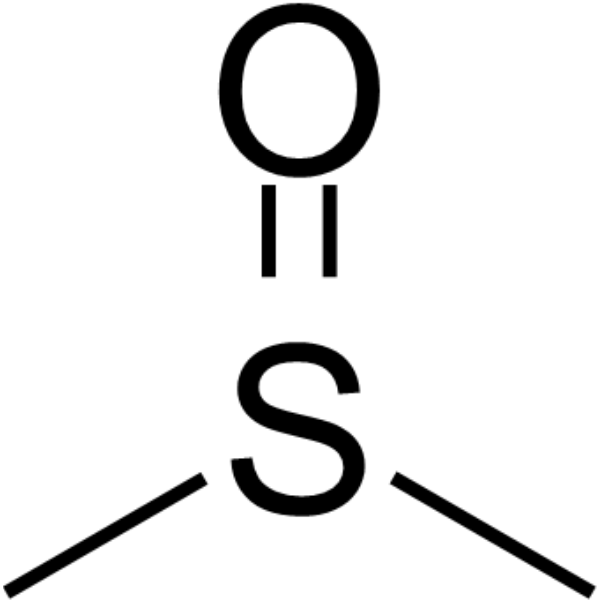
Dimethyl sulfoxide, meets analytical specification of Ch.P.Aprotic Solvent
Publications Citing Use of MedChemExpress (MCE) Gly-β-MCA
More- Cancer Cell. 2024 Aug 12;42(8):1386-1400.e8. [Abstract]
- Cell Metab. 2023 Oct 3;35(10):1752-1766.e8. [Abstract]
- Microbiome. 2024 Feb 5;12(1):20. [Abstract]
- Adv Sci (Weinh). 2025 Mar;12(10):e2412071. [Abstract]
- Pharmacol Res. 2023 Oct:196:106902. [Abstract]
- Phytomedicine. 2023 Dec:121:155054. [Abstract]
- J Transl Med. 2026 Jun 18. [Abstract]
- J Transl Med. 2023 Aug 30;21(1):581. [Abstract]
- Food Res Int. 2026 May 1;231(Pt 2):118797. [Abstract]
- J Pineal Res. 2022 Sep;73(2):e12812. [Abstract]
- J Ethnopharmacol. 2026 Aug 10:367:121742. [Abstract]
- J Ethnopharmacol. 2026 Apr 6:360:121143. [Abstract]
- J Agric Food Chem. 2022 Oct 5;70(39):12550-12564. [Abstract]
- Food Funct. 2025 May 6;16(9):3325-3343. [Abstract]
- Life Metab. 2025 Feb 8;4(2):loaf004. [Abstract]
- Cells. 2023 May 12;12(10):1371. [Abstract]
- Commun Biol. 2026 Mar 16;9(1):370. [Abstract]
- J Lipid Res. 2024 Oct;65(10):100649. [Abstract]
- Mol Nutr Food Res. 2024 Jul;68(14):e2300927. [Abstract]
- Aquaculture. 2021, 736248.
- Adv Cancer Biol Metastasis. 2026 Feb 13.
- Microbiol Spectr. 2022 Oct 26;10(5):e0051822. [Abstract]
- AMB Express. 2026 May 20. [Abstract]
- Drug Metab Dispos. 2025 May;53(5):100072. [Abstract]
- Am J Physiol Gastrointest Liver Physiol. 2025 Jul 1;329(1):G45-G57. [Abstract]
- Curr Med Sci. 2026 Jun;46(3):851-865. [Abstract]
- Cell Press Blue. 2026 Apr 22.
- Research Square Preprint. 2021 Sep.
 Customer Validation & Images

-
RT-PCR
-
Cell Proliferation/Viability Assay
-
WB
-
Flow Cytometry
-
WB


Biologische Aktivität
Beschreibung
IC50 & Target
FXR[1].
In Vitro
In Vivo
Gly-MCA does not increase faecal LCN-2 levels, indicating that Gly-MCA does not induce intestinal inflammation[1].
MedChemExpress (MCE) has not independently confirmed the accuracy of these methods. They are for reference only.


Chemical Information
-
CAS. Nr. 66225-78-3
-
Appearance Solid
-
Molecular Weight 465.62
-
Formel C26H43NO6
-
Color White to off-white
-
SMILES
C[C@@H]([C@@]1([H])CC[C@@]2([H])[C@@]3([H])[C@]([C@]4(CC[C@@H](O)C[C@H]4[C@H](O)[C@@H]3O)C)([H])CC[C@]12C)CCC(NCC(O)=O)=O
-
Versand
Room temperature in continental US; may vary elsewhere.
-
Speicherung
Powder -20°C 3 years In solvent -80°C 6 months -20°C 1 month


Publications (28)
-
Journal Impact Factor
-
Most Recent
-
Cancer Cell
Integrative plasma and fecal metabolomics identify functional metabolites in adenoma-colorectal cancer progression and as early diagnostic biomarkers. [Abstract]2024 Aug 12;42(8):1386-1400.e8. PMID: 39137727
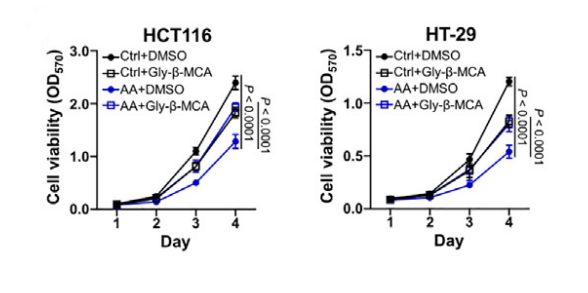
Gly-β-MCA purchased from MedChemExpress. Usage Cited in: Cancer Cell. 2024 Aug 12;42(8):1386-1400.e8. [Abstract]
Cell viability at OD570 of allocholic acid-treated CRC cells after using FXR1 antagonist glycine-β-muricholic acid (50 μM).
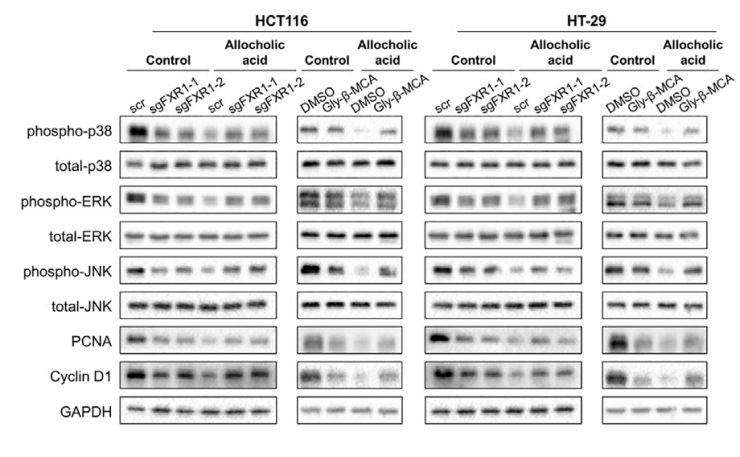
Gly-β-MCA purchased from MedChemExpress. Usage Cited in: Cancer Cell. 2024 Aug 12;42(8):1386-1400.e8. [Abstract]
Gly-β-MCA (50 μM). Protein expression of cell proliferation, cell cycle, or MAPK pathway markers in CRC cells.
-
Cell Metab
Hyodeoxycholic acid alleviates non-alcoholic fatty liver disease through modulating the gut-liver axis. [Abstract]2023 Oct 3;35(10):1752-1766.e8. PMID: 37591244
Gly-β-MCA purchased from MedChemExpress. Usage Cited in: Cell Metab. 2023 Oct 3;35(10):1752-1766.e8. [Abstract]
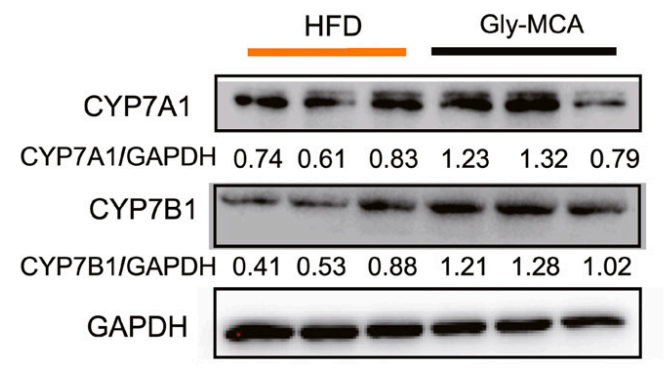
Gly-β-MCA (10 mg/kg). Protein expression of CYP7A1 and CYP7B1 in the liver.
-
Microbiome
2024 Feb 5;12(1):20. PMID: 38317217
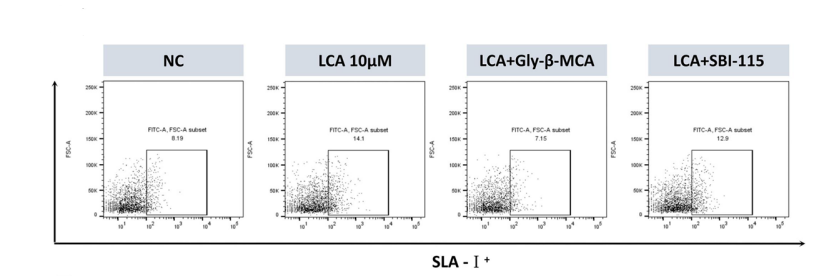
Gly-β-MCA purchased from MedChemExpress. Usage Cited in: Microbiome. 2024 Feb 5;12(1):20. [Abstract]
The expression of SLA-I was analyzed by flow cytometry in the presence and absence of SBI-115 and Gly-β-MCA (2 μM) in IPEC-J2 cells treated with 20 μM LCA for 12 h.
-
Adv Sci (Weinh)
Gut Microbiota-Derived Hyocholic Acid Enhances Type 3 Immunity and Protects Against Salmonella enterica Serovar Typhimurium in Neonatal Rats. [Abstract]2025 Mar;12(10):e2412071. PMID: 39737849
Gly-β-MCA purchased from MedChemExpress. Usage Cited in: Adv Sci (Weinh). 2025 Mar;12(10):e2412071. [Abstract]
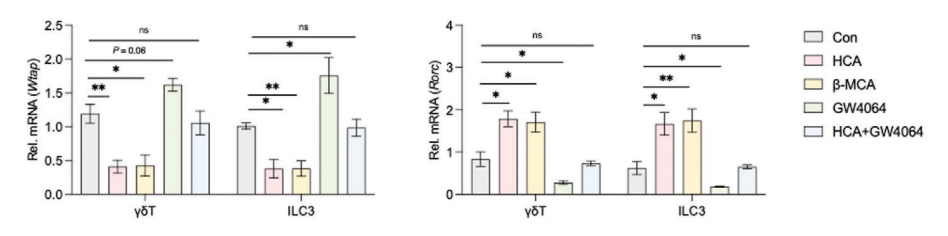
RT‐qPCR analysis of Wtap and Rorc mRNA levels in rat intestinal γδT cells and ILC3s with with HCA, Gly-β-MCA (10 μM; 16 h), GW4064 treatment.
-
Pharmacol Res
2023 Oct:196:106902. PMID: 37657657 -
Phytomedicine
Celastrol as an intestinal FXR inhibitor triggers tripolide-induced intestinal bleeding: Underlying mechanism of gastrointestinal injury induced by Tripterygium wilfordii. [Abstract]2023 Dec:121:155054. PMID: 37738906 -
J Transl Med
Chronic proton pump inhibitor exposure aggravates intestinal injury by impairing intestinal stem cell self-renewal through the microbiota-7-ketolithocholic acid Axis. [Abstract]2026 Jun 18. PMID: 42316284 -
J Transl Med
Quantitative proteomic and phosphoproteomic analysis reveal the relationship between mitochondrial dysfunction and cytoskeletal remodeling in hiPSC-CMs deficient in PINK1. [Abstract]2023 Aug 30;21(1):581. PMID: 37649075 -
Food Res Int
Fermented grape pomace alleviates Salmonella typhimurium-induced Hepatointestinal inflammation: FXR mediates protection by orchestrating bile acid homeostasis and suppressing the colonic NLRP3 Inflammasome. [Abstract]2026 May 1;231(Pt 2):118797. PMID: 41819900 -
J Pineal Res
Melatonin mitigates aflatoxin B1-induced liver injury via modulation of gut microbiota/intestinal FXR/liver TLR4 signaling axis in mice. [Abstract]2022 Sep;73(2):e12812. PMID: 35652241 -
J Ethnopharmacol
Dabupi decoction mitigates fluorouracil-induced intestinal mucositis via farnesoid X receptor activation and dihydropyrimidine dehydrogenase upregulation. [Abstract]2026 Aug 10:367:121742. PMID: 42069161 -
J Ethnopharmacol
Gut microbiota-based bile acid metabolism mediates the intestinal barrier protection of Phellodendri chinensis Cortex polysaccharide against ulcerative colitis. [Abstract]2026 Apr 6:360:121143. PMID: 41490552 -
J Agric Food Chem
Transcriptomic Analysis Reveals Lactobacillus reuteri Alleviating Alcohol-Induced Liver Injury in Mice by Enhancing the Farnesoid X Receptor Signaling Pathway. [Abstract]2022 Oct 5;70(39):12550-12564. PMID: 36154116 -
Food Funct
Pterostilbene attenuates intestinal barrier damage and secondary liver oxidative stress in a murine model of Clostridium difficile infection by regulating the gut microbiota. [Abstract]2025 May 6;16(9):3325-3343. PMID: 40190207 -
Life Metab
Development of cyclopeptide inhibitors specifically disrupting FXR-coactivator interaction in the intestine as a novel therapeutic strategy for MASH. [Abstract]2025 Feb 8;4(2):loaf004. PMID: 40225300 -
Cells
Glycine-β-Muricholic Acid Improves Liver Fibrosis and Gut Barrier Function by Reducing Bile Acid Pool Size and Hydrophobicity in Male Cyp2c70 Knockout Mice. [Abstract]2023 May 12;12(10):1371. PMID: 37408204 -
Commun Biol
The secretory protein, CLCF1, improves cholestatic liver disease by inhibiting hepatic bile acid synthesis and promoting bile acid excretion. [Abstract]2026 Mar 16;9(1):370. PMID: 41840139 -
J Lipid Res
Gly-β-MCA is a potent anti-cholestasis agent against "human-like" hydrophobic bile acid-induced biliary injury in mice. [Abstract]2024 Oct;65(10):100649. PMID: 39306039 -
Mol Nutr Food Res
Postbiotics Prepared Using Lactobacillus reuteri Ameliorates Ethanol-Induced Liver Injury by Regulating the FXR/SHP/SREBP-1c Axis. [Abstract]2024 Jul;68(14):e2300927. PMID: 38937862 -
-
-
Microbiol Spectr
FXR Signaling-Mediated Bile Acid Metabolism Is Critical for Alleviation of Cholesterol Gallstones by Lactobacillus Strains. [Abstract]2022 Oct 26;10(5):e0051822. PMID: 36036629 -
AMB Express
Odoribacter laneus protects intestinal barrier by bile acid-FXR axis in acute pancreatitis. [Abstract]2026 May 20. PMID: 42162499 -
Drug Metab Dispos
Chronic liver injury decreases levels of cerebral carnitine and acetylcarnitine in rats partly due to the downregulation of organic cation transporters OCT1/2 and OCTN2 at the blood-brain barrier. [Abstract]2025 May;53(5):100072. PMID: 40300306 -
Am J Physiol Gastrointest Liver Physiol
2025 Jul 1;329(1):G45-G57. PMID: 40418643 -
Curr Med Sci
Targeting the Gut Microbiota-Bile Acid-FXR Axis: The Therapeutic Mechanism of Yudantong Decoction in Cholestatic Liver Disease. [Abstract]2026 Jun;46(3):851-865. PMID: 42053886 -
-


Lösungsmittel & Löslichkeit
In Vitro:
DMSO : 100 mg/mL (214.77 mM; Need ultrasonic; Hygroscopic DMSO has a significant impact on the solubility of product, please use newly opened DMSO)
H2O : < 0.1 mg/mL (insoluble)
Please refer to the solubility information to select the appropriate solvent. Once prepared, please aliquot and store the solution to prevent product inactivation from repeated freeze-thaw cycles.
Storage method and period of stock solution: -80°C, 6 months; -20°C, 1 month. When stored at -80°C, please use it within 6 months. When stored at -20°C, please use it within 1 month.
Please refer to the solubility information to select the appropriate solvent. Once prepared, please aliquot and store the solution to prevent product inactivation from repeated freeze-thaw cycles.
Storage method and period of stock solution: -80°C, 6 months; -20°C, 1 month. When stored at -80°C, please use it within 6 months. When stored at -20°C, please use it within 1 month.
Konzentration (Stammlösung) × Volumen (Stammlösung) = Konzentration (Ziellösung) × Volumen (Ziellösung)
In Vivo:
Select the appropriate dissolution method based on your experimental animal and administration route.
- For the following dissolution methods, please ensure to first prepare a clear stock solution using an In Vitro approach and then sequentially add co-solvents:
- To ensure reliable experimental results, the clarified stock solution can be appropriately stored based on storage conditions. As for the working solution for In Vivo experiments, it is recommended to prepare freshly and use it on the same day.
- The percentages shown for the solvents indicate their volumetric ratio in the final prepared solution. If precipitation or phase separation occurs during preparation, heat and/or sonication can be used to aid dissolution.
Add each solvent one by one: 10% DMSO 40% PEG300 5% Tween-80 45% Saline
Solubility: ≥ 2.08 mg/mL (4.47 mM); Clear solution
This protocol yields a clear solution of ≥ 2.08 mg/mL (saturation unknown).
Taking 1 mL working solution as an example, add 100 μL DMSO stock solution (20.8 mg/mL) to 400 μL PEG300, and mix evenly; then add 50 μL Tween-80 and mix evenly; then add 450 μL Saline to adjust the volume to 1 mL.
Preparation of Saline: Dissolve 0.9 g sodium chloride in ddH₂O and dilute to 100 mL to obtain a clear Saline solution.
Add each solvent one by one: 10% DMSO 90% (20% SBE-β-CD in Saline)
Solubility: ≥ 2.08 mg/mL (4.47 mM); Clear solution
This protocol yields a clear solution of ≥ 2.08 mg/mL (saturation unknown).
Taking 1 mL working solution as an example, add 100 μL DMSO stock solution (20.8 mg/mL) to 900 μL 20% SBE-β-CD in Saline, and mix evenly.
Preparation of 20% SBE-β-CD in Saline (4°C, storage for one week): 2 g SBE-β-CD powder is dissolved in 10 mL Saline, completely dissolve until clear.
In Vivo Dissolution Calculator
Please enter the basic information of animal experiments:
-
-
-
-
Recommended: Prepare an additional quantity of animals to account for potential losses during experiments.
Please enter your animal formula composition:
-
%DMSO +
Recommended: Keep the proportion of DMSO in working solution below 2% if your animal is weak.
-
%+
-
+%Tween-80 + +
-
%Saline +
The co-solvents required include: DMSO, . All of co-solvents are available by MedChemExpress (MCE). , Tween 80. All of co-solvents are available by MedChemExpress (MCE).
Working solution concentration: 0.22 mg/mL
Method for preparing stock solution: mg drug dissolved in μL DMSO. Stock solution concentration: mg/mL.
1. Take μL DMSO stock solution;
2. Add μL .
μL , mix evenly;
3. Then add μL Tween 80, mix evenly;
4. Then add μL
Please ensure that the stock solution in the first step is dissolved to a clear state, and add co-solvents in sequence. You can use ultrasonic heating (ultrasonic cleaner, recommended frequency 20-40 kHz), vortexing, etc. to assist dissolution.


Reinheit & Dokumentation
-
Data Sheet (284 KB)
-
SDS (393 KB)
- English - EN (393 KB)
- Français - FR (393 KB)
- Deutsch - DE (393 KB)
- Norwegian - NO (393 KB)
- Español - ES (393 KB)
- Swedish - SV (393 KB)
- Italian - IT (393 KB)
- Korean - KR (393 KB)
- Portuguese - PT (393 KB)
-
Handling Instructions (2659 KB)
Verweise


Complete Stock Solution Preparation Table
Please refer to the solubility information to select the appropriate solvent. Once prepared, please aliquot and store the solution to prevent product inactivation from repeated freeze-thaw cycles.
Storage method and period of stock solution: -80°C, 6 months; -20°C, 1 month. When stored at -80°C, please use it within 6 months. When stored at -20°C, please use it within 1 month.
| Optional Solvent | Concentration Solvent Mass | 1 mg | 5 mg | 10 mg | 25 mg |
|---|---|---|---|---|---|
| DMSO | 1 mM | 2.1477 mL | 10.7384 mL | 21.4767 mL | 53.6919 mL |
| 5 mM | 0.4295 mL | 2.1477 mL | 4.2953 mL | 10.7384 mL | |
| 10 mM | 0.2148 mL | 1.0738 mL | 2.1477 mL | 5.3692 mL | |
| 15 mM | 0.1432 mL | 0.7159 mL | 1.4318 mL | 3.5795 mL | |
| 20 mM | 0.1074 mL | 0.5369 mL | 1.0738 mL | 2.6846 mL | |
| 25 mM | 0.0859 mL | 0.4295 mL | 0.8591 mL | 2.1477 mL | |
| 30 mM | 0.0716 mL | 0.3579 mL | 0.7159 mL | 1.7897 mL | |
| 40 mM | 0.0537 mL | 0.2685 mL | 0.5369 mL | 1.3423 mL | |
| 50 mM | 0.0430 mL | 0.2148 mL | 0.4295 mL | 1.0738 mL | |
| 60 mM | 0.0358 mL | 0.1790 mL | 0.3579 mL | 0.8949 mL | |
| 80 mM | 0.0268 mL | 0.1342 mL | 0.2685 mL | 0.6711 mL | |
| 100 mM | 0.0215 mL | 0.1074 mL | 0.2148 mL | 0.5369 mL |


Gly-β-MCA Related Classifications
HY-114392 Related Classifications
 Powered by Bioz