



CDK2
Cyclin-dependent kinase 2 (CDK2) is a serine/threonine kinase that forms active complexes with cyclin E and cyclin A to regulate the G1/S transition and S-phase progression during cell-cycle control[1][2]. CDK2 functions within the cyclin-CDK regulatory network that coordinates DNA replication, cell proliferation, and checkpoint signaling, thereby linking cell-cycle progression to genome stability mechanisms[2][3]. Mechanistically, aberrant CDK2 activation promotes uncontrolled proliferation and contributes to tumor development in multiple cancer types, making CDK2 a relevant therapeutic target in oncology research[1][3]. In disease models, elevated CDK2 activity has been associated with tumor growth, while genetic or pharmacological suppression of CDK2 can impair cancer-cell proliferation and enhance antitumor responses[1][4]. Compared with related cell-cycle kinases such as CDK1, CDK2 preferentially associates with cyclins E and A and exhibits distinct conformational and regulatory properties that support selective inhibitor development[5]. This isoform-specific behavior is important because CDK1 can compensate for several cell-cycle functions, whereas CDK2 remains particularly relevant in cyclin E-driven and replication-associated oncogenic contexts[1][3]. For experimental applications, selective CDK2 inhibitors are widely used to investigate cell-cycle regulation, DNA-replication stress, and cancer-cell dependency on cyclin E/CDK2 signaling, supporting both mechanistic studies and therapeutic discovery programs[1][3].
Références:
- [1]. Tadesse S, et al. Cyclin-Dependent Kinase 2 Inhibitors in Cancer Therapy: An Update. J Med Chem. 2019 May 9;62(9):4233-4251. [Content Brief]
- [2]. Pellarin I, et al. Cyclin-dependent protein kinases and cell cycle regulation in biology and disease. Signal Transduct Target Ther. 2025 Jan 13;10(1):11. doi: 10.1038/s41392-024-02080-z. PMID: 39800748; PMCID: PMC11734941. [Content Brief]
- [3]. Asghar U, et al. The history and future of targeting cyclin-dependent kinases in cancer therapy. Nat Rev Drug Discov. 2015 Feb;14(2):130-46. [Content Brief]
- [4]. Chen Y, et al. CDK2 inhibition sensitizes anthracycline-induced immunogenic cell death and enhances the efficacy of anti-PD-1 therapy. Front Immunol. 2025 Jun 10;16:1570040. doi: 10.3389/fimmu.2025.1570040. PMID: 40557162; PMCID: PMC12185487. [Content Brief]
- [5]. Foster WJ, et al. Hippocampal mGluR1-dependent long-term potentiation requires NAADP-mediated acidic store Ca2+ signaling. Sci Signal. 2018 Nov 27;11(558):eaat9093. [Content Brief]
All Product Categories
-
CDK2 Produits associés (316)
Produits associés (316)

-
Protéines Recombinantes (12)
-
Anticorps (3)
-
Abemaciclib
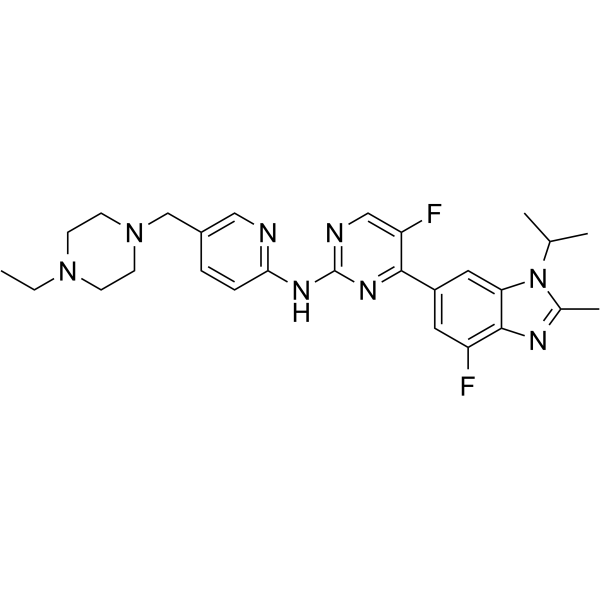 0 ImagesSynonyms: LY2835219
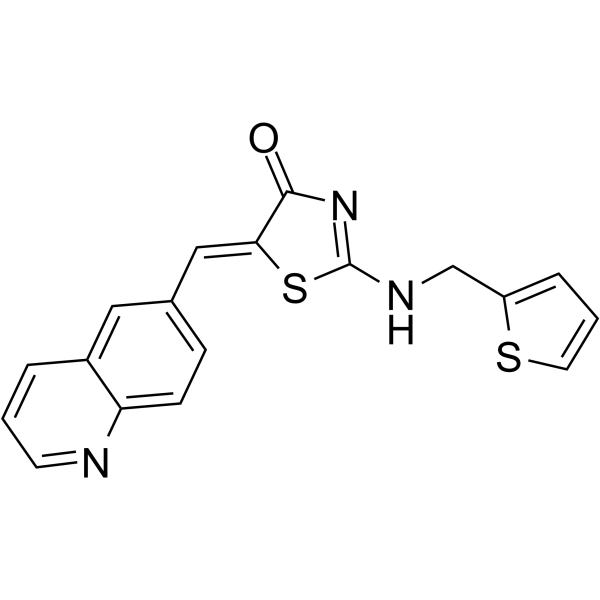
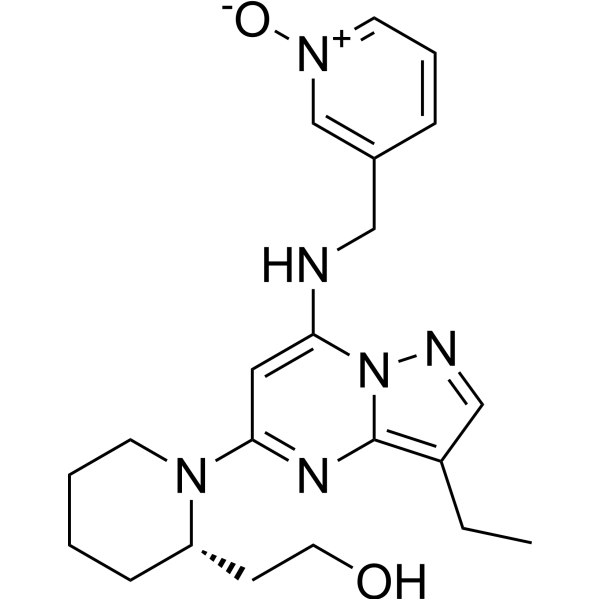
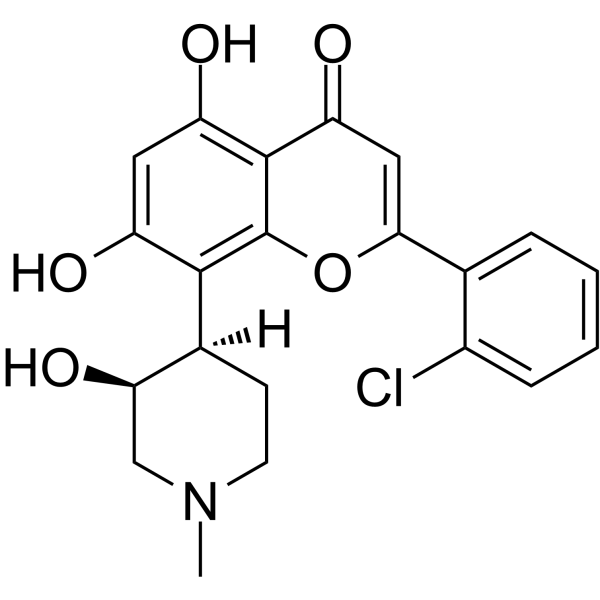
-
(R)-Roscovitine
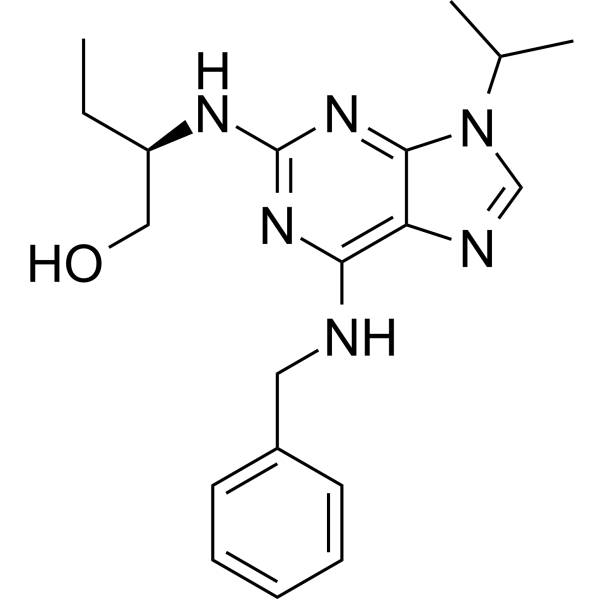 0 ImagesSynonyms: Seliciclib; CYC202
-
O6-Benzylguanine
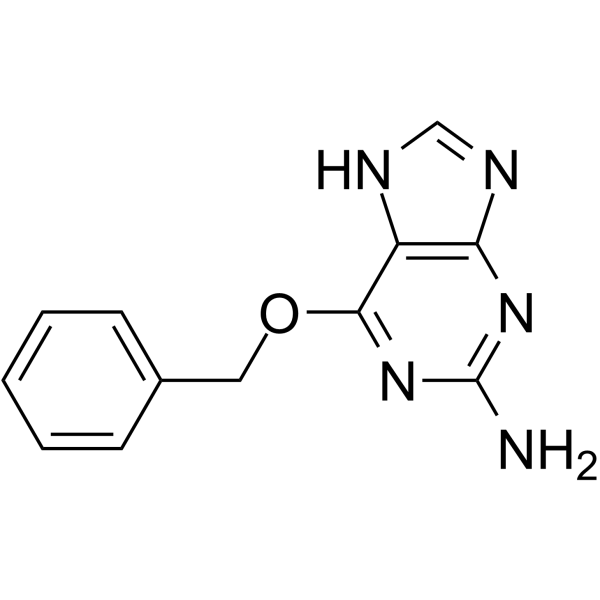 0 ImagesO6-Benzylguanine is an orally active, blood-brain barrier-penetrant inhibitor of O6-methylguanine-DNA methyltransferase (MGMT/AGT). O6-Benzylguanine modulates p53 and its downstream p21 and cyclins to induce cell cycle arrest and apoptosis, and on the other hand activates mTORC1/MAPK and other signaling pathways to induce cellular senescence by inhibiting intracellular MGMT. O6-Benzylguanine is used in research related to various tumors, cellular senescence, and vascular smooth muscle dysfunction.
-
Tagtociclib hydrate
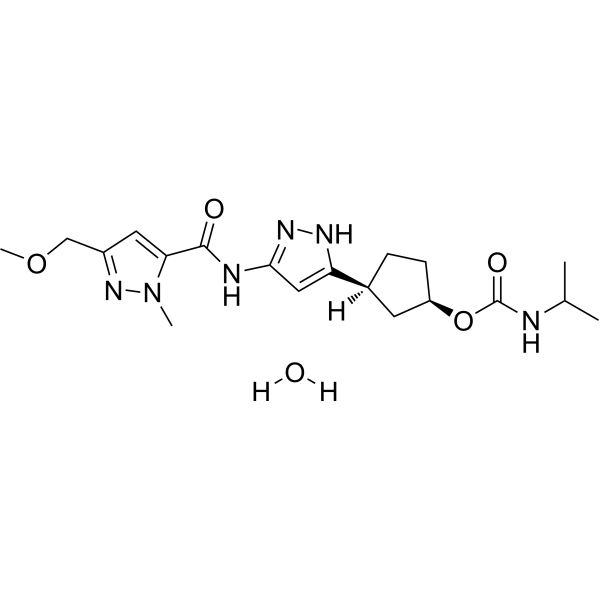 0 ImagesSynonyms: PF-07104091 hydratePF-07104091 hydrate is a potent and selective CDK2/cyclin E1 and GSK3β inhibitor, with Kis of 1.16 and 537.81 nM, respectively. PF-07104091 hydrate has anti-tumor activity for cyclin E1-amplified cancers. (patent WO2020157652A2).
-
Abemaciclib methanesulfonate
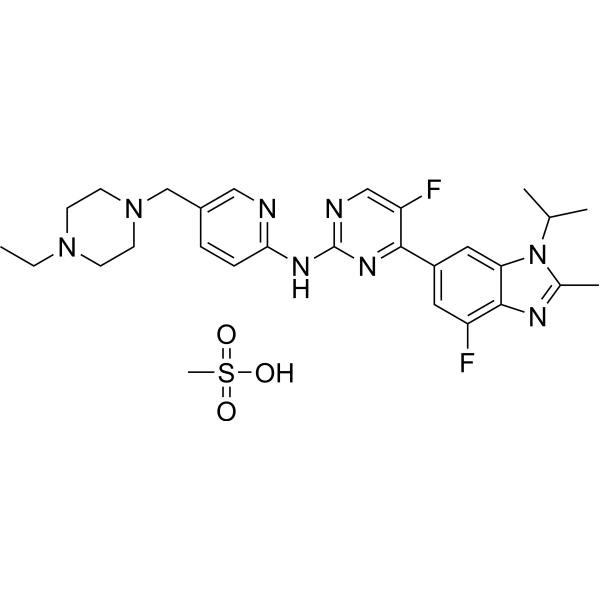 0 ImagesSynonyms: LY2835219 methanesulfonate
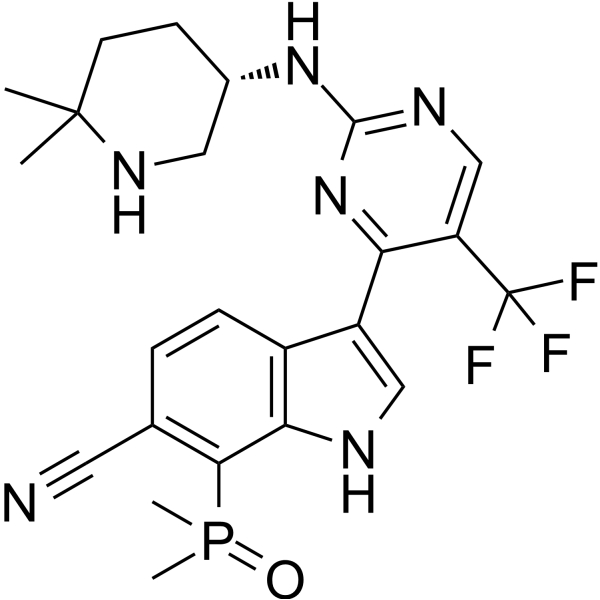
-
hSMG-1 inhibitor 11j
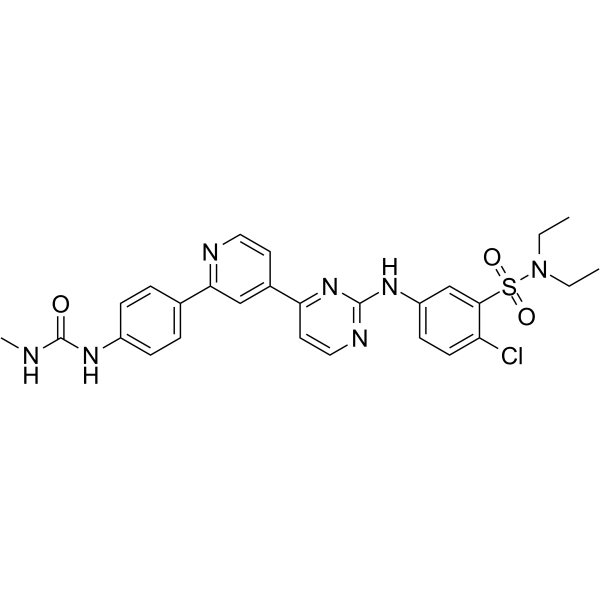 0 ImageshSMG-1 inhibitor 11j, a pyrimidine derivative, is a potent and selective inhibitor of hSMG-1, with an IC50 of 0.11 nM. hSMG-1 inhibitor 11j exhibits >455-fold selectivity for hSMG-1 over mTOR (IC50=50 nM), PI3Kα/γ (IC50=92/60 nM) and CDK1/CDK2 (IC50=32/7.1 μM). hSMG-1 inhibitor 11j can be used for the research of cancer.
-
Kenpaullone
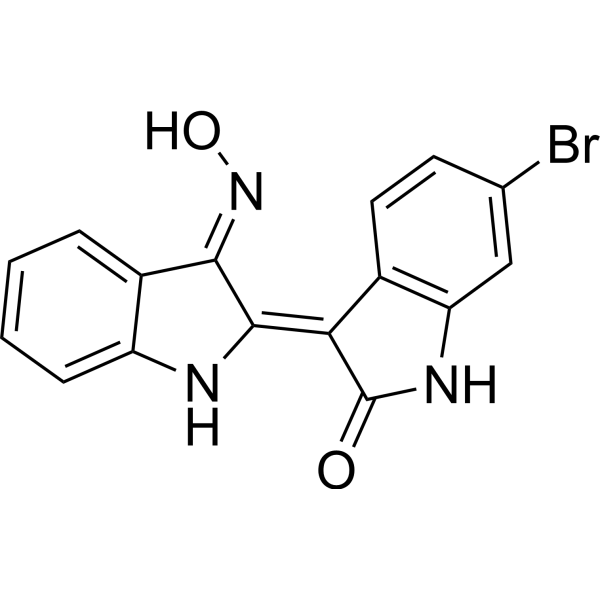
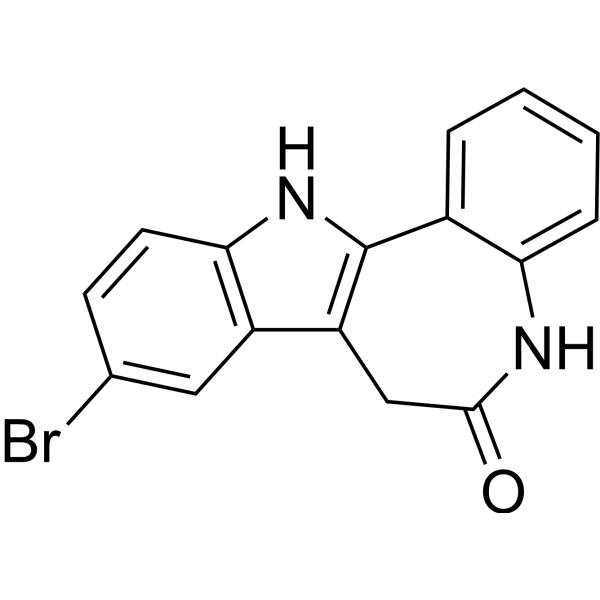 0 ImagesSynonyms: 9-Bromopaullone; NSC-664704Kenpaullone is a potent inhibitor of CDK1/cyclin B and GSK-3β, with IC50s of 0.4 μM and 23 nM, and also inhibits CDK2/cyclin A, CDK2/cyclin E, and CDK5/p25 with IC50s of 0.68 μM, 7.5 μM, 0.85 μM, respectively. Kenpaullone, a small molecule inhibitor of KLF4, reduces self-renewal of breast cancer stem cells and cell motility in vitro.
-
Samuraciclib hydrochloride
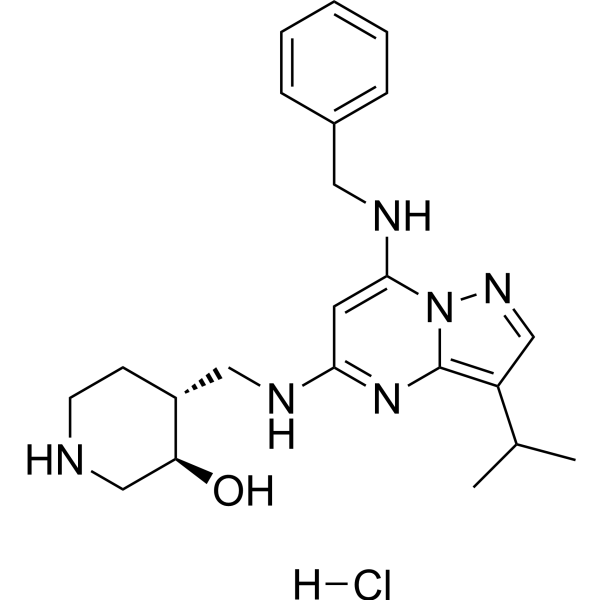 0 ImagesSynonyms: CT7001 hydrochloride; ICEC0942 hydrochlorideSamuraciclib hydrochloride (CT7001 hydrochloride) is a potent, selective, ATP-competitive and orally active CDK7 inhibitor, with an IC50 of 41 nM. Samuraciclib hydrochloride displays 45-, 15-, 230- and 30-fold selectivity over CDK1, CDK2 (IC50 of 578 nM), CDK5 and CDK9, respectively. Samuraciclib hydrochloride inhibits the growth of breast cancer cell lines with GI50 values between 0.2-0.3 µM. Samuraciclib hydrochloride has anti-tumor effects.
-
Toyocamycin
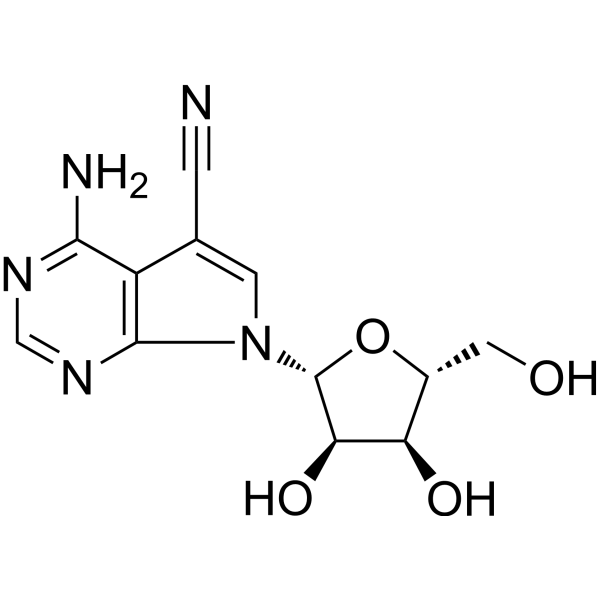 0 ImagesToyocamycin (Vengicide) is an adenosine analog produced by Streptomyces diastatochromogenes, acts as an XBP1 inhibitor. Toyocamycin blocks RNA synthesis and ribosome function, and induces apoptosis. Toyocamycin affects IRE1α-XBP1 pathway, and inhibits XBP1 mRNA cleavage with an IC50 value of 80 nM with affecting IRE1α auto-phosphorylation. Toyocamycin specifically inhibits CDK9 with an IC50 value of 79 nM.
-
Amantadine
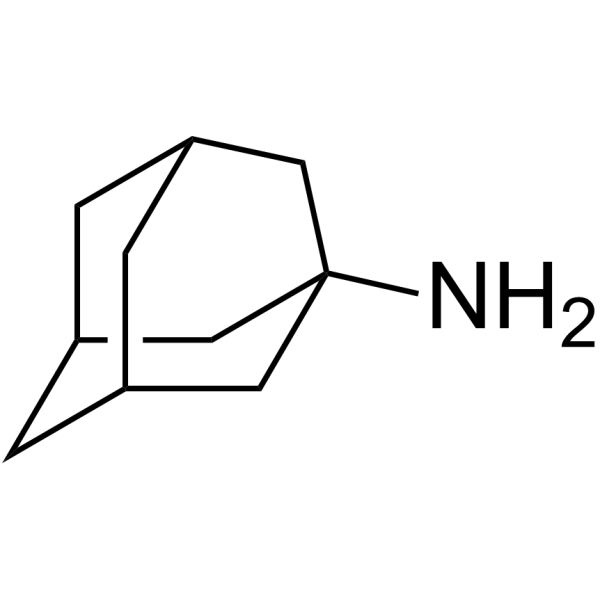 0 ImagesAmantadine (1-Adamantanamine) is an orally avtive and potent antiviral agent with activity against influenza A viruses. Amantadine inhibits several ion channels such as NMDA and M2, and also inhibits Coronavirus ion channels. Amantadine also has anti-orthopoxvirus and anticancer activity. Amantadine can be used for Parkinson's disease, postoperative cognitive dysfunction (POCD) and COVID-19 research.
-
YKL-5-124
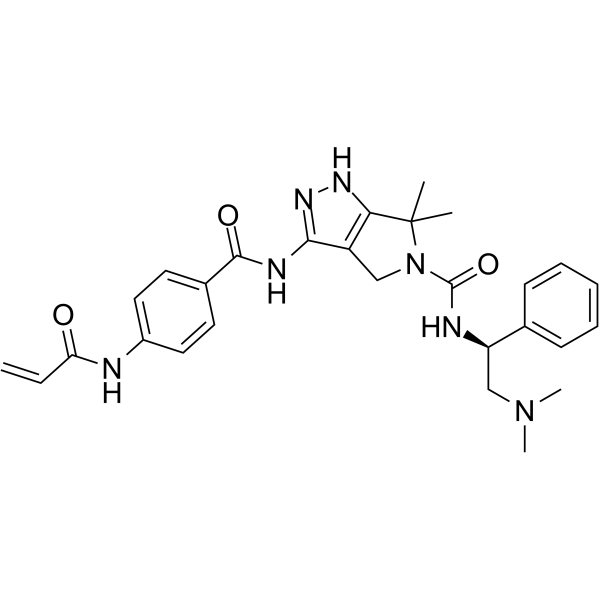 0 ImagesYKL-5-124 is a potent, selective, irreversible and covalent CDK7 inhibitor with IC50s of 53.5 nM and 9.7 nM for CDK7 and CDK7/Mat1/CycH, respectively. YKL-5-124 is >100-fold greater selective for CDK7 than CDK9 and CDK2, and inactive against CDK12 and CDK13. YKL-5-124 induces a strong cell-cycle arrest, inhibits E2F-driven gene expression, and exhibits little effect on RNA polymerase II phosphorylation status.
-
Tambiciclib
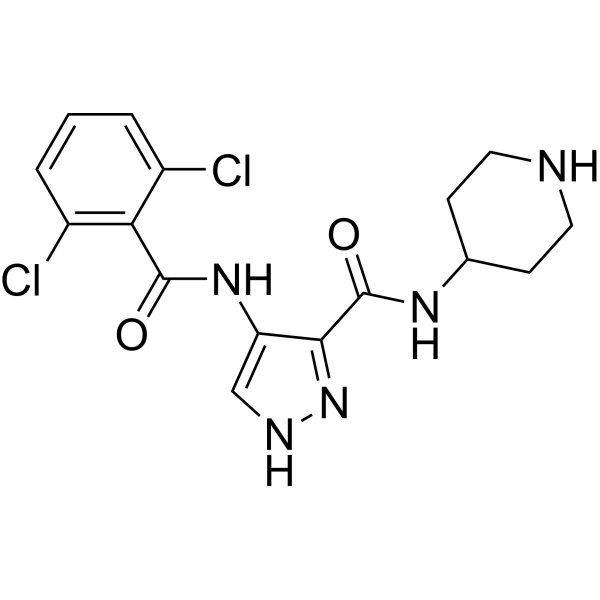
 0 ImagesSynonyms: GFH009; JSH-009; SLS009Tambiciclib (GFH009, JSH-009) is an orally active, highly potent and selective CDK9 inhibitor (IC50 = 1 nM), demonstrating >200-fold selectivity over other CDKs, >100-fold selectivity over DYRK1A/B, and excellent selectivity over 468 kinases/mutants. Tambiciclib demonstrates potent in vitro and in vivo antileukemic efficacy in acute myeloid leukemia (AML) mouse models by inhibiting RNA Pol II phosphorylation, downregulating MCL1 and MYC, and inducing apoptosis. Tambiciclib can be used for AML research.
-
CPS2
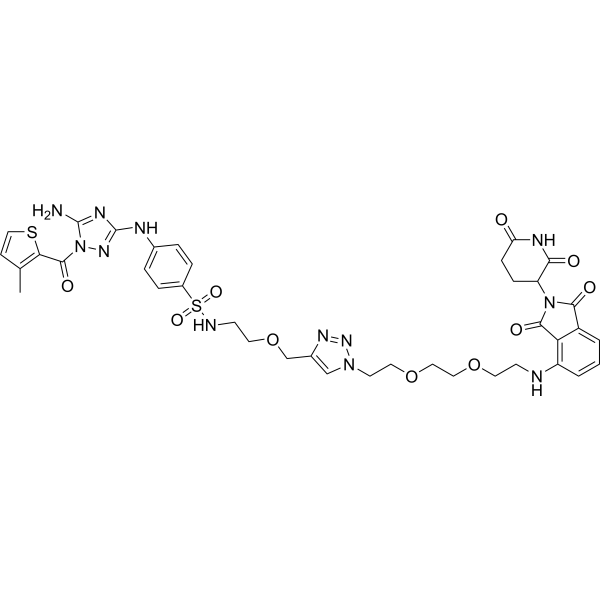 0 ImagesCPS2 is a first-in-class, highly potent, selective and irreversible PROTAC CDK2 degrader (IC50= 24 nM). CPS2 can be used for the research of acute myeloid leukemia.




