



IL-5
IL-5 is a central cytokine regulating eosinophil differentiation, survival, and activation. Its receptor-specific signaling underlies both disease pathogenesis and therapeutic interventions, including monoclonal antibodies and receptor agonists for experimental models.
References:
- [1]. Philbin VJ, et al. Imidazoquinoline Toll-like receptor 8 agonists activate human newborn monocytes and dendritic cells through adenosine-refractory and caspase-1-dependent pathways. J Allergy Clin Immunol. 2012 Jul;130(1):195-204.e9. [Content Brief]
- [2]. Elias M, et al. IL-36 in chronic inflammation and fibrosis - bridging the gap? J Clin Invest. 2021 Jan 19;131(2):e144336. [Content Brief]
- [3]. Queen D, et al. Function and Regulation of IL-36 Signaling in Inflammatory Diseases and Cancer Development. Front Cell Dev Biol. 2019 Dec 4;7:317. [Content Brief]
- [4]. Wagener BM, et al. Synergistic Inhibition of β2-adrenergic Receptor-mediated Alveolar Epithelial Fluid Transport by Interleukin-8 and Transforming Growth Factor-β. Anesthesiology. 2015 May;122(5):1084-92. [Content Brief]
- [5]. Boutet MA, et al. IL-36, IL-37, and IL-38 Cytokines in Skin and Joint Inflammation: A Comprehensive Review of Their Therapeutic Potential. Int J Mol Sci. 2019 Mar 13;20(6):1257. [Content Brief]
- [6]. Penna G, et al. The vitamin D receptor agonist elocalcitol inhibits IL-8-dependent benign prostatic hyperplasia stromal cell proliferation and inflammatory response by targeting the RhoA/Rho kinase and NF-kappaB pathways. Prostate. 2009 Apr 1;69(5):480-93. [Content Brief]
- [7]. Foreback JL, et al. Blood mononuclear cell production of TNF-alpha and IL-8: engagement of different signal transduction pathways including the p42 MAP kinase pathway. J Leukoc Biol. 1998 Jul;64(1):124-33. [Content Brief]
- [8]. Speer EM, et al. Pentoxifylline, dexamethasone and azithromycin demonstrate distinct age-dependent and synergistic inhibition of TLR- and inflammasome-mediated cytokine production in human newborn and adult blood in vitro. PLoS One. 2018 May 1;13(5):e0196352. [Content Brief]
-
IL-5 Related Products (33)
Related Products (33)

-
Recombinant Proteins (20)
- 1
- 2
-
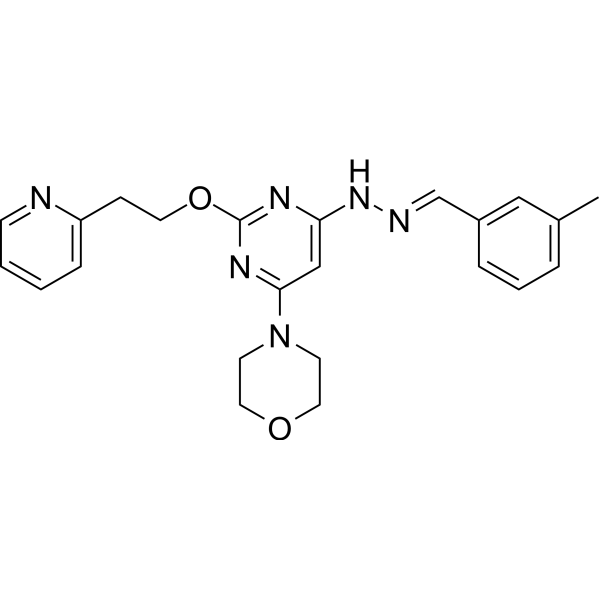
Pyrrothiogatain
 0 ImagesCat. No.: HY-138113CAS No.: 477888-48-5Pyrrothiogatain is a transcription factor GATA3 inhibitor with an IC50 of 54.7 μM. Pyrrothiogatain inhibits the DNA-binding activity of GATA3 and inhibits the T helper 2 (Th2) cell differentiation and expression of Th2 cytokines. Pyrrothiogatain shows anti-infection effect by inhibiting ACE2 expression. Pyrrothiogatain can be used for the researches of inflammation, immunology, infection and cancer, such as colon cancer and SARS-CoV-2 infection.
-
Verekitug
 0 ImagesCat. No.: HY-P990774CAS No.: 2768386-15-6Synonyms: ASP-7266; TRAB-1; UPB-101Verekitug (ASP-7266; TRAB-1; UPB-101) is a human monoclonal antibody targeting the thymic stromal lymphopoietin receptor (TSLPR), with a mean half-life of approximately 20 days. At doses of Verekitug ≥100 mg, complete and sustained TSLPR-specific occupancy is achieved, and the antibody does not bind to IL-7Rα. By inhibiting TSLP-driven inflammatory responses, Verekitug blocks TSLP-induced cell proliferation and TARC expression, while reducing fractional exhaled NO levels, blood eosinophil counts, and levels of IL-5 and IgE. Verekitug significantly improves scores for nasal polyps, nasal congestion and olfactory dysfunction, with favorable safety and good tolerability; potential adverse reactions include headache, upper respiratory tract infection, sinusitis and nasopharyngitis. Verekitug is used in relevant studies on asthma, chronic rhinosinusitis with nasal polyps and chronic obstructive pulmonary disease.
-
Bivalirudin
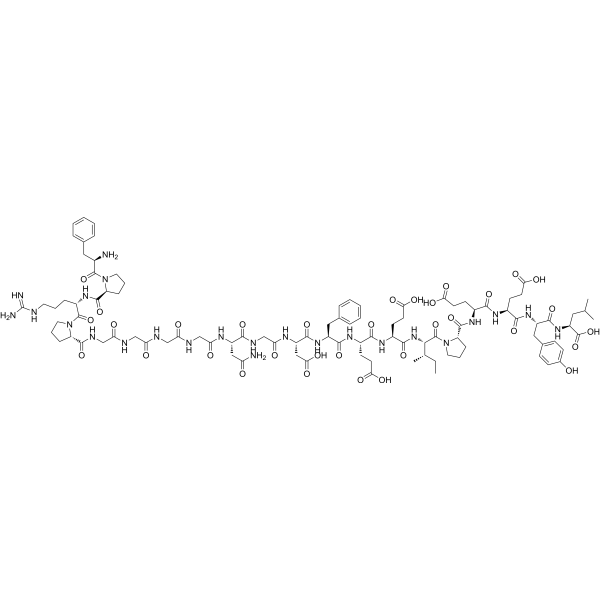 0 ImagesBivalirudin, a hirudin analog and anticoagulant, is a direct thrombin inhibitor. Bivalirudin inhibits thrombin-mediated fibrinogen cleavage, coagulation factor activation, and platelet activation by reversibly binding to thrombin. In addition, Bivalirudin also has certain effects of anti-virus, anti-inflammation, and vascular endothelial barrier function protection. Bivalirudin can be used for the research of thrombotic diseases and others.
-
Apilimod mesylate
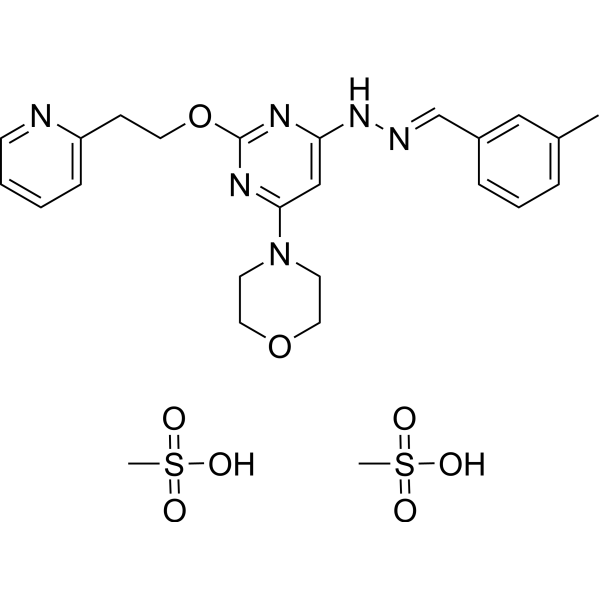 0 ImagesSynonyms: STA 5326 mesylate; LAM-002A; AIT-101 mesylate
-
Benralizumab
 0 ImagesCat. No.: HY-P9923CAS No.: 1044511-01-4Synonyms: MEDI-563; BIW-8405; KHK4563Benralizumab (MEDI-563) is an interleukin-5 receptor α (IL-5Rα)-directed cytolytic monoclonal antibody that induces direct, rapid and nearly complete depletion of eosinophils via enhanced antibody-dependent cell-mediated cytotoxicity. Benralizumab can be used for severe eosinophilic asthma.
-
Benralizumab (FUT8-KO)
 0 ImagesCat. No.: HY-P9923BCAS No.: 1044511-01-4Synonyms: MEDI-563 (FUT8-KO); BIW-8405 (FUT8-KO); KHK4563 (FUT8-KO)Benralizumab (FUT8-KO) (MEDI-563 (FUT8-KO)) is an anti-IL-5Rα monoclonal antibody expressed in cells with the fucosyltransferase 8 gene (FUT8) knocked out. Benralizumab (FUT8-KO) can be used in research on severe eosinophilic asthma.
-
Centella asiatica extract
 0 ImagesCat. No.: HY-N18667CAS No.: 84696-21-9Centella asiatica extract is an orally active herbal extract. Centella asiatica extract scavenges free radicals, increases stratum corneum hydration, improves epidermal barrier function, and reduces skin redness and skin pH. Centella asiatica extract inhibits pro-inflammatory cytokines, suppresses p38 MAPK phosphorylation, reduces mast cell infiltration, and decreases the expression of TNF-α, IL-4, IL-5, IL-6, IL-17, CXCL9, iNOS and COX-2. Centella asiatica extract upregulates the expression of BDNF and downregulates the expression of VGLUT1, and exhibits neuroprotective effects under hypoxic conditions. Centella asiatica extract inhibits pro-inflammatory M1 macrophage polarization and prevents adipose tissue senescence. Centella asiatica extract can be used in studies related to hypoxia-induced neurological dysfunction, atopic dermatitis, and obesity-induced insulin resistance.
-
YM-90709
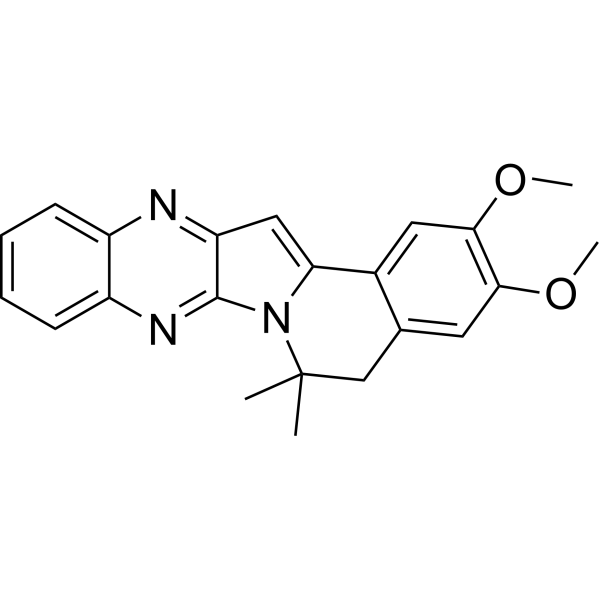 0 ImagesYM-90709 is a novel IL-5 inhibitor which selectively blocks the binding of IL-5 to the IL-5 receptor (IL-5R).YM-90709 potently inhibits the binding of [125I]-IL-5 to IL-5R on human peripheral eosinophils and eosinophilic HL-60 clone 15 cells with IC50 values of 1.0 and 0.57 μM.
-
Aloin (mixture of A&B)
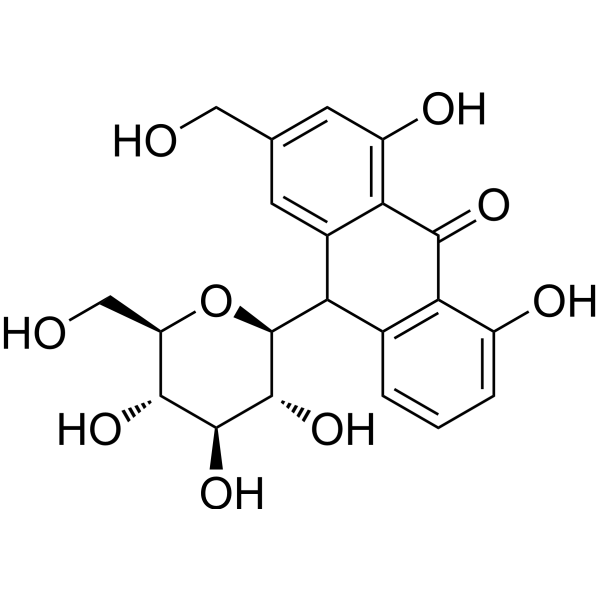 0 ImagesAloin (mixture of A&B) is an orally active anthraquinone derivative isolated from Aloe vera. Aloin (mixture of A&B) mitigates airway impairment and exerts neuroprotective, anti-inflammatory, antioxidant, antibacterial, antifungal, antiviral and antitumor effects. Aloin (mixture of A&B) inhibits Clostridium histolyticum collagenase, granulocyte matrix metalloproteinases and human 20S proteasome. Aloin (mixture of A&B) upregulates the Nrf2/HO-1 pathway, suppresses the TGF-β/Smad2/3 pathway. Aloin (mixture of A&B) reduces IL-4/IL-5/IL-13 levels, and reverses oxidative stress markers (MDA, SOD, GSH). Aloin (mixture of A&B) can be used for research on chronic ulcers, burns, wounds, inflammatory and degenerative disorders, asthma and neuroblastoma.
-
Bivalirudin TFA
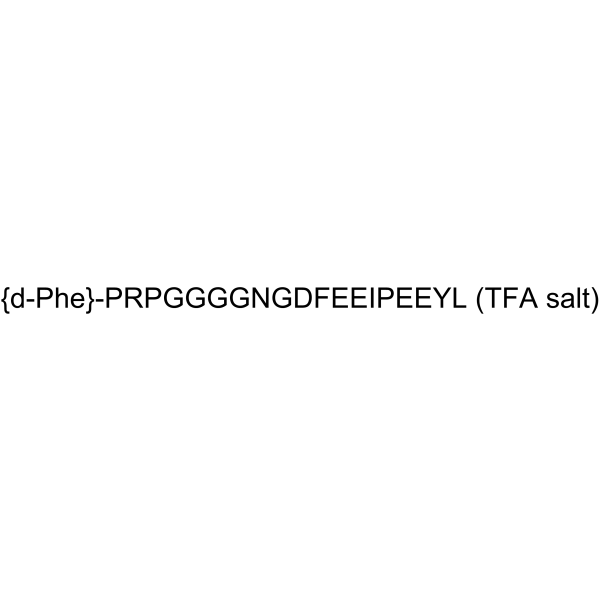 0 ImagesBivalirudin TFA, a hirudin analog and anticoagulant, is a direct thrombin inhibitor. Bivalirudin TFA inhibits thrombin-mediated fibrinogen cleavage, coagulation factor activation, and platelet activation by reversibly binding to thrombin. In addition, Bivalirudin TFA also has certain effects of anti-virus, anti-inflammation, and vascular endothelial barrier function protection. Bivalirudin TFA can be used for the research of thrombotic diseases and others.
-
Reslizumab
 0 ImagesSynonyms: Sch 55700; CDP-835; JES1-39D10Reslizumab (Sch 55700) is humanized monoclonal antibodies that target interleukin-5 (IL-5) for the treatment of eosinophilic asthma. Reslizumab is effective in neutralizing the function of IL-5. Reslizumab has high binding affinity for human IL-5, with KD values of 109 pM and 4.3 pM in the the Biacore surface plasmon resonance and Kinetic Exclusion Assay, respectively.
-
House Dust Mite Extract, from D.farinae
 0 ImagesCat. No.: HY-NP159House Dust Mite Extract, from D.farinae is a house dust mite allergen extract derived from Dermatophagoides farinae. House Dust Mite Extract, from D.farinae significantly increases the levels of cytokines (IL-4, IL-5, IL-6) in bronchoalveolar lavage fluid. House Dust Mite Extract, from D.farinae upregulates the overexpression of MUC5AC. House Dust Mite Extract, from D.farinae induces allergic asthma and pulmonary inflammation.
-
Gypenoside A
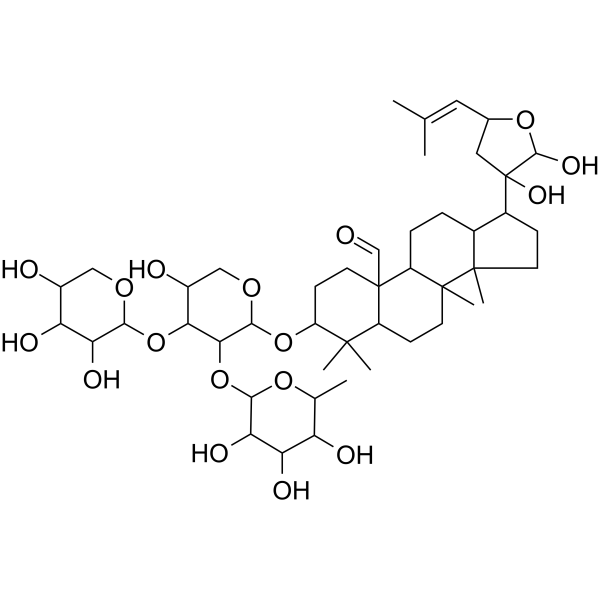 0 ImagesGypenoside A is an orally active triterpenoid compound that can be isolated from Gynostemma pentaphyllum. Gypenoside A has anti-inflammatory and antioxidant activities. Gypenoside A also has a certain protective effect on cardiomyocytes and can inhibit apoptosis. Gypenoside A can be used in the research of cardiovascular diseases and inflammation-related diseases.
-
D(+)-Raffinose pentahydrate
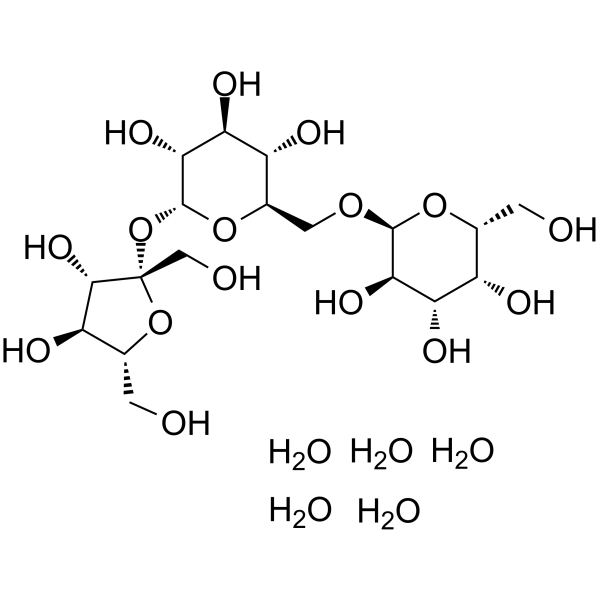 0 ImagesSynonyms: D-Raffinose pentahydrateD(+)-Raffinose pentahydrate is an orally active inhibitor of LecA (Kd = 32 μM) and GtfC. D(+)-Raffinose pentahydrate reduces cyclic diguanylate (c-di-GMP) by increased activity of a c-di-GMP specific phosphodiesterase. D(+)-Raffinose pentahydrate interferes with GTF function. D(+)-Raffinose pentahydrate decreases IL-4 and IL-5 mRNA. D(+)-Raffinose pentahydrate exhibits biofilm-inhibitory activity against Pseudomonas aeruginosa and Streptococcus mutans and inhibits allergic airway eosinophilia.
-
House Dust Mite Extract, from D.pteronyssinus
 0 ImagesCat. No.: HY-NP159AHouse Dust Mite Extract, from D. pteronyssinus is a house dust mite allergenic extract derived from Dermatophagoides pteronyssinus. House Dust Mite Extract, from D. pteronyssinus increases serum IgE, IgG1 and IgG2a levels, and elevates the levels of Interleukins 4, 5, 6, 10, 13 and 17. House Dust Mite Extract, from D. pteronyssinus induces significant asthmatic pathological changes. House Dust Mite Extract, from D. pteronyssinus can be used in studies related to asthma and allergic conjunctivitis.
-
Suplatast (Tosilate)
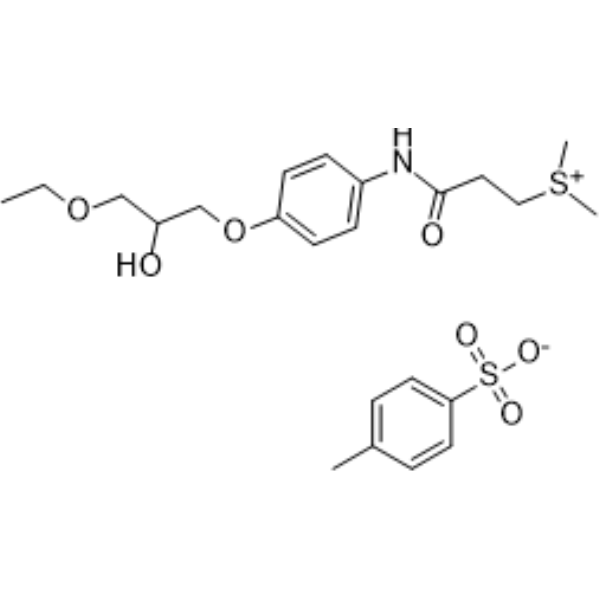 0 ImagesSynonyms: IPD 1151T
-
(±)-Praeruptorin A
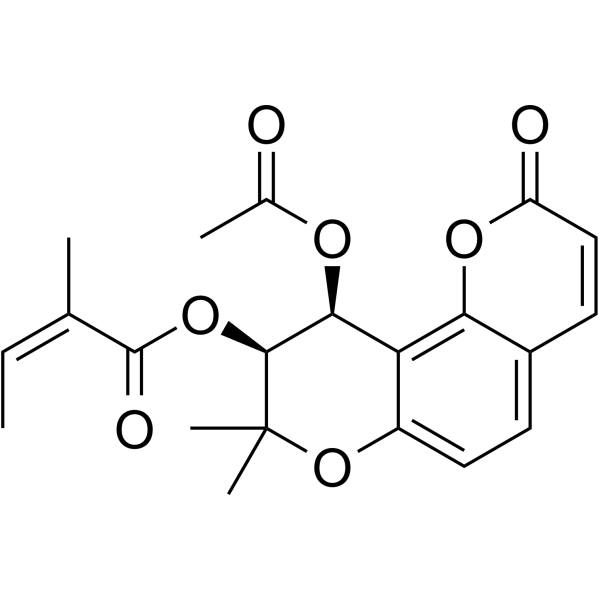 0 Images(±)-Praeruptorin A, a coumarin compound, is the main bioactive component in Peucedani Radix. As a calcium channel blocker, (±)-Praeruptorin A exhibits great antihypertensive effects. In addition, (±)-Praeruptorin A also has the effects of relaxing vascular smooth muscle, inhibiting airway inflammation and airway hyperresponsiveness. (±)-Praeruptorin A can be used for the research of allergic asthma, hypertension and other diseases.
-
Luteolin-4'-O-glucoside
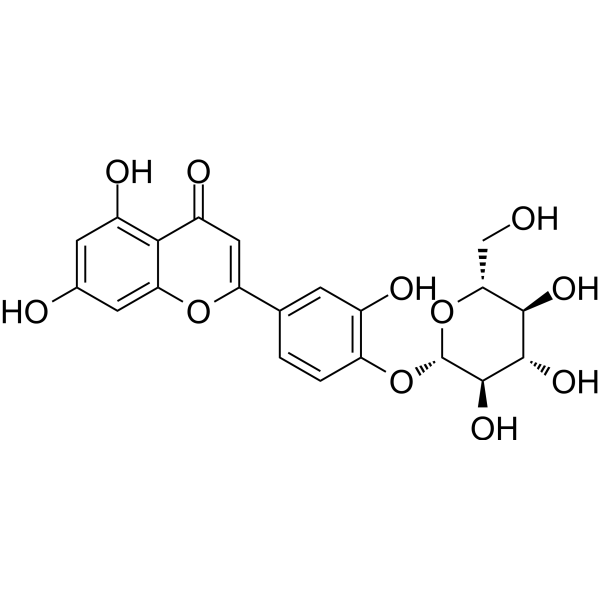 0 ImagesLuteolin-4'-O-glucoside is an IL-5 inhibitor with an IC50 of 3.7 μM. Luteolin-4'-O-glucoside resists hyperuricemia and acute gouty arthritis activity. Luteolin-4'-O-glucoside shows anticancer activity.
-
SM-17
 0 ImagesCat. No.: HY-P991266SM-17 is a human monoclonal antibody targeting IL-17RB. SM-17 binds to human IL-17RB, inhibits the dimerization of IL-17RA/IL-17RB, blocks IL-25-induced phosphorylation of ERK1/2 and STAT5, and suppresses Th2-mediated inflammatory responses. SM-17 inhibits the secretion of IL-5, IL-9, IL-13 and IL-4, impairs the proliferation/expansion of ILC2 and Th2 cells, and restores filaggrin expression. SM-17 reduces immune cell infiltration, epidermal hyperplasia, goblet cell hyperplasia, collagen deposition, ear swelling and scratching behavior in animal models. SM-17 can be used in research related to atopic dermatitis and allergic asthma.
- 1
- 2




