



JAK
Janus kinases (JAKs) are receptor-associated tyrosine kinases that mediate signal transduction for type I and II cytokine receptors, regulating immune responses and hematopoiesis[1][2]. JAKs phosphorylate receptor cytoplasmic domains, activating downstream STAT transcription factors that control gene expression involved in inflammation, cell proliferation, and differentiation[1][3][4]. Among the four JAK isoforms (JAK1, JAK2, JAK3, TYK2), each exhibits distinct cytokine specificity and receptor pairing, influencing pathway selectivity and disease outcomes[1][5][6]. Dysregulated JAK-STAT signaling contributes to autoimmune disorders, hematologic malignancies, and inflammatory conditions such as rheumatoid arthritis, inflammatory bowel disease, and spondyloarthritis[2][3][7][8]. Mechanistically, TYK2 and JAK1 JH2 pseudokinase domains act as allosteric regulators, offering targets for isoform-selective inhibition[5][6]. Small-molecule JAK inhibitors, including tofacitinib, upadacitinib, and filgotinib, block cytokine-driven signaling by interfering with kinase activity or pseudokinase domain function, providing oral therapeutic options with defined isoform selectivity[9][10][11][12]. Experimental applications exploit JAK inhibitors to modulate B cell and T cell functions, study inflammatory pathways, and explore CNS and skeletal muscle pathophysiology, highlighting their utility in both preclinical and clinical research contexts[3][13][4]. Compared with broad inhibitors, next-generation allosteric and pseudokinase-targeting molecules reduce off-target effects while maintaining pathway-specific efficacy[12][6]. Collectively, JAK-targeted modulation represents a mechanistic strategy for precise intervention in cytokine-mediated diseases.
References:
- [1]. Lin CM, et al. Basic Mechanisms of JAK Inhibition. Mediterr J Rheumatol. 2020 Jun 11;31(Suppl 1):100-104. [Content Brief]
- [2]. Pérez-Jeldres T, et al. Targeting Cytokine Signaling and Lymphocyte Traffic via Small Molecules in Inflammatory Bowel Disease: JAK Inhibitors and S1PR Agonists. Front Pharmacol. 2019 Mar 13;10:212. [Content Brief]
- [3]. Luo Y, et al. JAK-STAT signaling in human disease: From genetic syndromes to clinical inhibition. J Allergy Clin Immunol. 2021 Oct;148(4):911-925. [Content Brief]
- [4]. Zhou Y, et al. Novel Small Molecule Tyrosine Kinase 2 Pseudokinase Ligands Block Cytokine-Induced TYK2-Mediated Signaling Pathways. Front Immunol. 2022 May 20;13:884399. [Content Brief]
- [5]. Sarapultsev A, et al. JAK-STAT signaling in inflammation and stress-related diseases: implications for therapeutic interventions. Mol Biomed. 2023;4(1):40. [Content Brief]
- [6]. Doktorova SA, et al. JAK-inhibitors: clinical pharmacology and application perspectives. Reviews on Clinical Pharmacology and Drug Therapy. 2022;20(4):421-434.
- [7]. Angelini J, et al. JAK-Inhibitors for the Treatment of Rheumatoid Arthritis: A Focus on the Present and an Outlook on the Future. Biomolecules. 2020 Jul 5;10(7):1002. [Content Brief]
- [8]. Moura RA, et al. JAK Inhibitors and Modulation of B Cell Immune Responses in Rheumatoid Arthritis. Front Med (Lausanne). 2021 Feb 5;7:607725. [Content Brief]
- [9]. Moresi V, et al. The JAK/STAT Pathway in Skeletal Muscle Pathophysiology. Front Physiol. 2019 Apr 30;10:500. [Content Brief]
- [10]. Djidjik R, et al. JAK/STAT in human diseases: a common axis in immunodeficiencies and hematological disorders. Front Immunol. 2025 Dec 8;16:1669688. [Content Brief]
- [11]. Gadina M. JAK inhibitors: Is specificity at all relevant? Semin Arthritis Rheum. 2024 Feb;64S:152327. doi: 10.1016/j.semarthrit.2023.152327. Epub 2023 Nov 21. PMID: 38007359; PMCID: PMC10939910. et al. JAK inhibitors: Is specificity at all relevant? Semin Arthritis Rheum. 2024 Feb;64S:152327. [Content Brief]
- [12]. Raivola J, et al. Characterization of JAK1 Pseudokinase Domain in Cytokine Signaling. Cancers (Basel). 2019 Dec 27;12(1):78. [Content Brief]
All Product Categories
-
JAK Related Products (288)
Related Products (288)

-
Antibodies (1)
-
Pentagalloylglucose
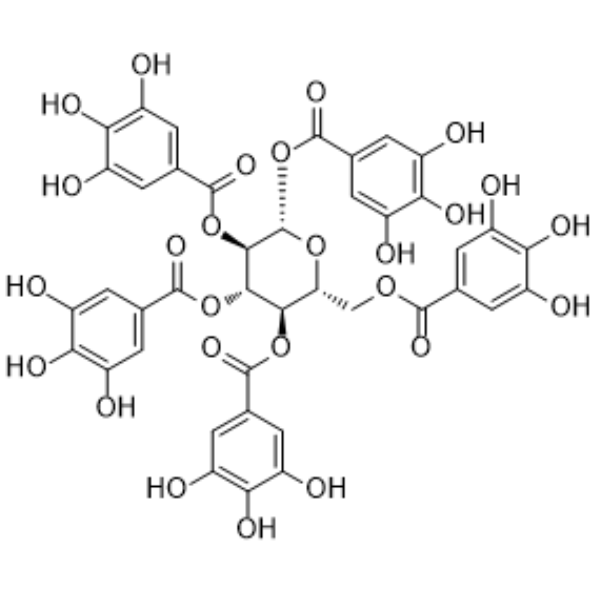 0 ImagesSynonyms: Penta-O-galloyl-β-D-glucose; 1,2,3,4,6-Pentagalloyl glucosePentagalloylglucose (Penta-O-galloyl-β-D-glucose) is an orally active gallic tannin compound and an inducer of apoptosis and autophagy. Pentagalloglucose induces cell apoptosis and autophagy through the GSK3β/β-catenin pathway. Pentagalloylglucose inhibits UBE2T-mediated p53 ubiquitination, upregulates p53, downregulates RRM1/RRM2 in pancreatic cancer organoids. Pentagalloglucose has antioxidant, anti mutagenic, anti-inflammatory, anticonvulsant, cardioprotective, anti allergic, cholesterol lowering, and anti-tumor activities.
-
Icaritin
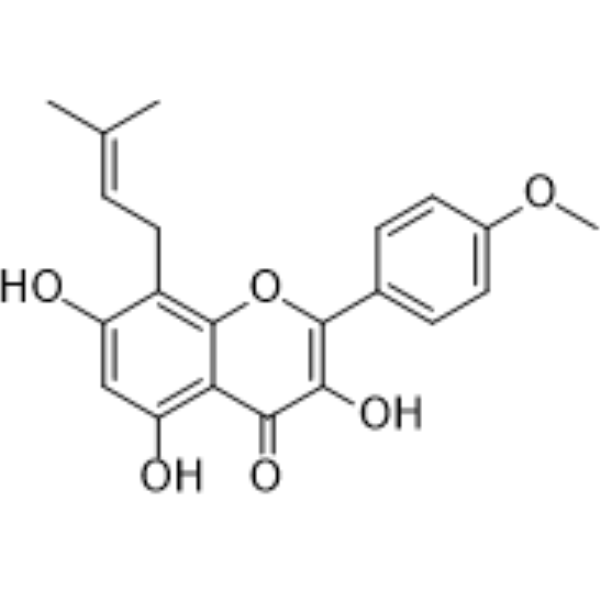 0 ImagesSynonyms: AnhydroicaritinIcaritin (Anhydroicaritin) is a prenylflavonoid derivative from Epimedium brevicornuMaxim. and potently inhibits proliferation of K562 cells (IC50 of 8 µM) and primary CML cells (IC50 of 13.4 µM for CML-CP and 18 µM for CML-BC). Icaritin can regulate MAPK/ERK/JNK and JAK2/STAT3 /AKT signalings, also enhances osteogenesis[3.
-
Coumermycin A1
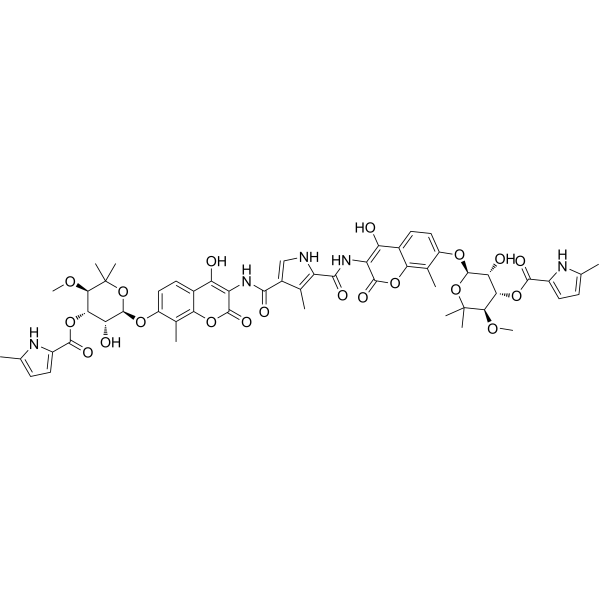 0 ImagesCoumermycin A1 is a JAK2 signal activator. Coumermycin A1 inhibits DNA Gyrase which thereby inhibits cell division in bacteria. Coumermycin A1 shows anti-orthopoxvirus activity.
-
Osunprotafib
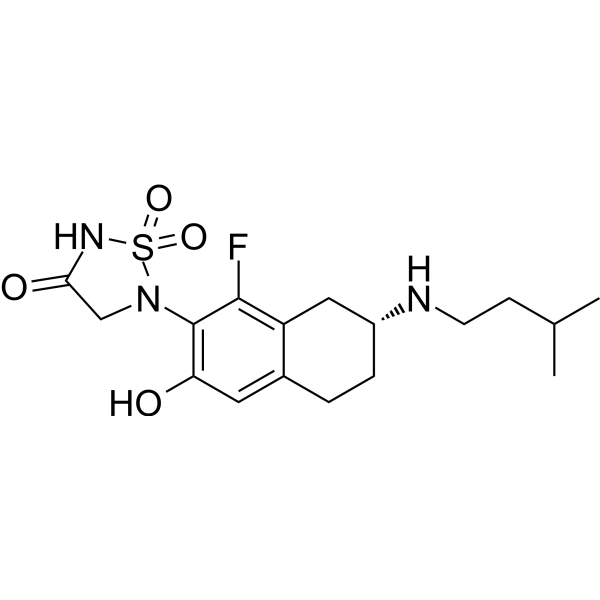 0 ImagesSynonyms: ABBV-CLS-484Osunprotafib (ABBV-CLS-484) is an orally active and selective active site PTPN1 (IC50: 2.5 nM) and PTPN2(IC50: 1.8 nM) inhibitor. Osunprotafib has 6-8-fold weaker activity on PTPN9 and no detectable activity on SHP-1 or SHP-2. Osunprotafib increases the sensitivity of human cancer cell lines to IFNγ. Osunprotafib generates robust anti-tumor immunity by enhancing JAK-STAT signalling and reducing T cell dysfunction.
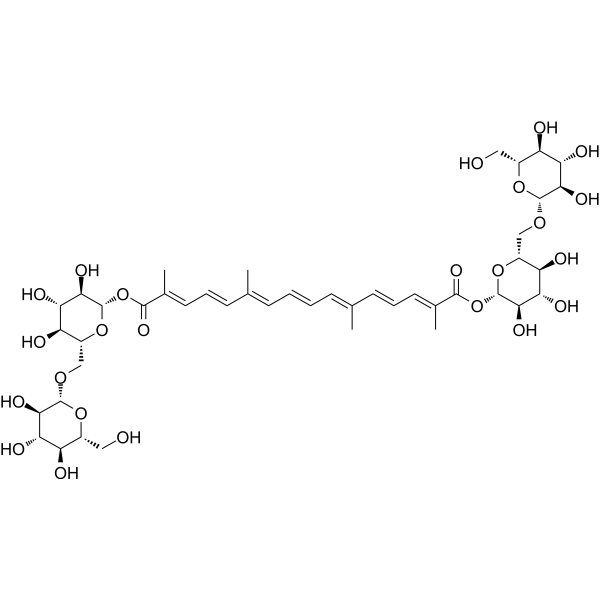
-
Ruxolitinib (S enantiomer)
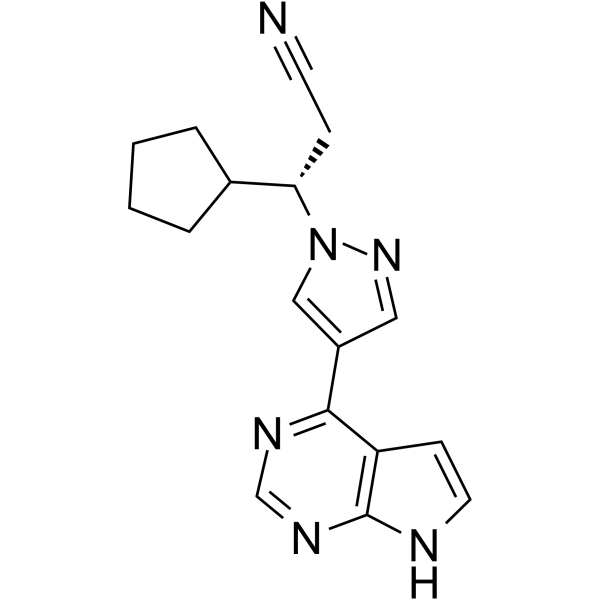 0 ImagesSynonyms: S-Ruxolitinib; S-INCB18424Ruxolitinib (S enantiomer) (S-Ruxolitinib) is the S-enantiomer of Ruxolitinib (HY-50856). Ruxolitinib (S enantiomer) is an orally active, potent JAK inhibitor.
-
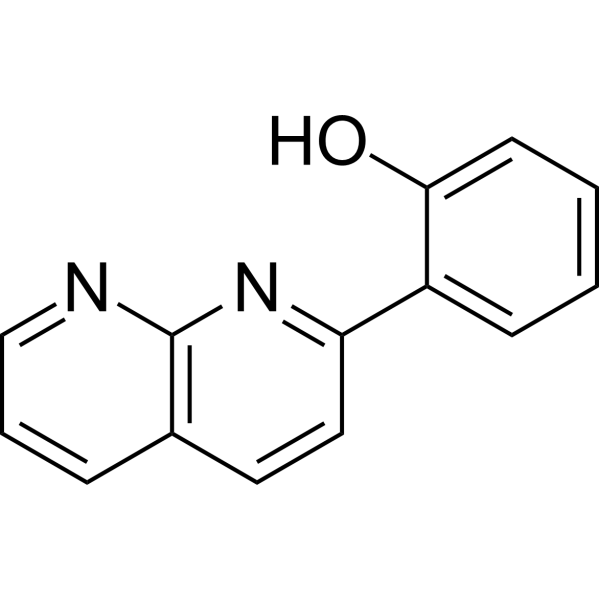
Jolkinolide B
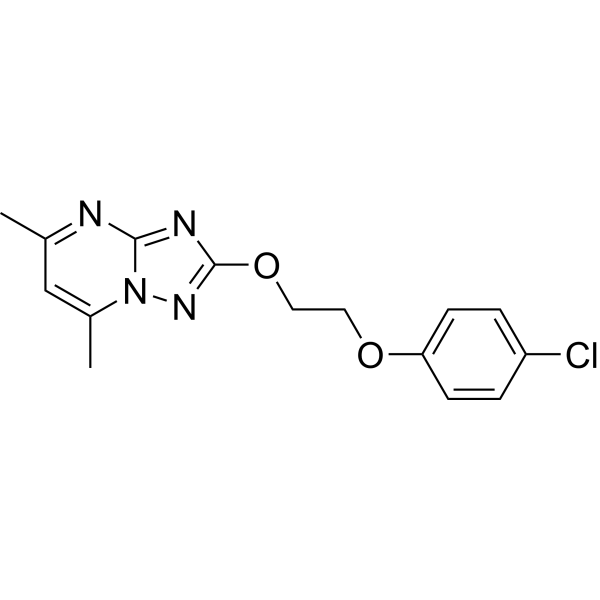
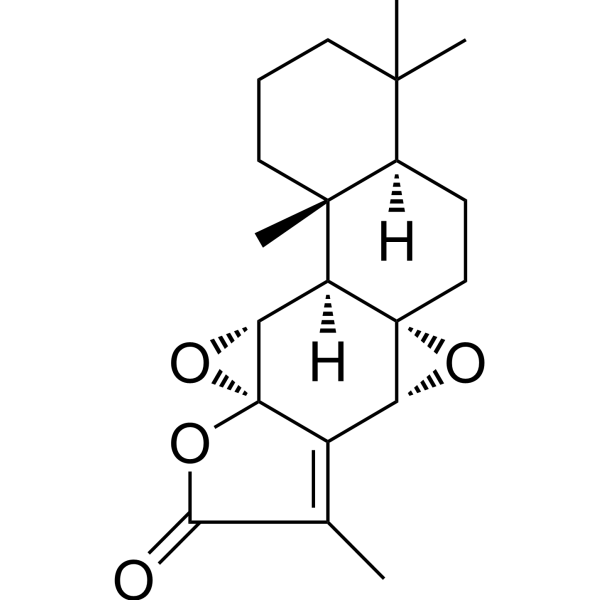 0 ImagesJolkinolide B is a bioactive diterpene isolated from the roots of Euphorbia fischeriana Steud with oral activity. Jolkinolide B downregulates XIAP, cIAP1, cIAP2, and phosphorylated Akt, upregulates Smac, activates caspase-3 and caspase-9, and inhibits NF-κB, TGFβ/smad3 and JAK/STAT3 pathways. Jolkinolide B exerts comprehensive biological effects including inducing cancer cell apoptosis, suppressing inflammatory responses, improving lung function, alleviating hepatic steatosis and eliminating intracellular Mycobacterium tuberculosis. Jolkinolide B can be used for the research of leukemia, histiocytic lymphoma, asthma, metabolic dysfunction-associated steatotic liver disease and tuberculosis.
-
Liensinine
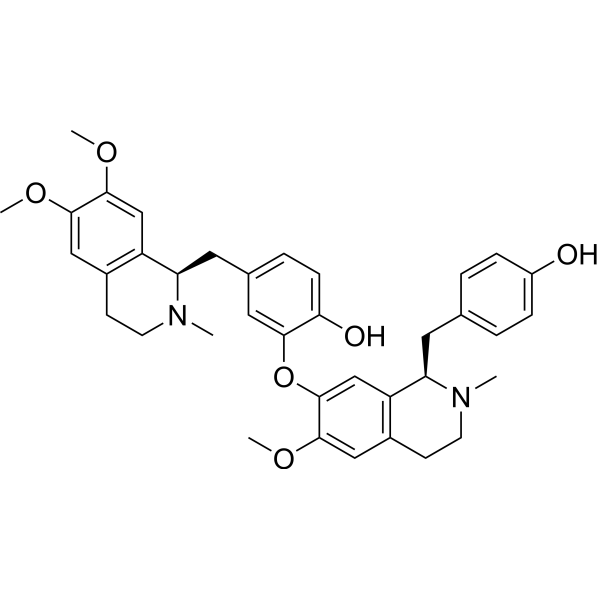 0 ImagesLiensinine is a bisbenzylisoquinoline alkaloid. By inhibiting the PI3K/AKT and JNK/p38-MAPK signaling pathways, Liensinine suppresses autophagy and apoptosis, clears Aβ, and exerts anti-inflammatory, antioxidant and neuroprotective effects. Liensinine activates AMPK and inhibits the expression of HIF-1α and VEGF, thereby suppressing angiogenesis. Liensinine exerts anti-tumor effects through ROS-mediated inhibition of the JAK2/STAT3 signaling pathway. Liensinine can be used for the research of diseases such as Alzheimer's disease, hepatocellular carcinoma, osteosarcoma, sepsis-induced organ injury and stroke.
-
Lentinan
 0 ImagesCat. No.: HY-N6653CAS No.: 37339-90-5Lentinan is an orally active biocompatible multifunctional polysaccharide with biological activities such as anti-inflammatory, antioxidant, immune regulation, anti-tumor, hypoglycemic, and lipid-lowering[1][4].
-
Delphinidin chloride
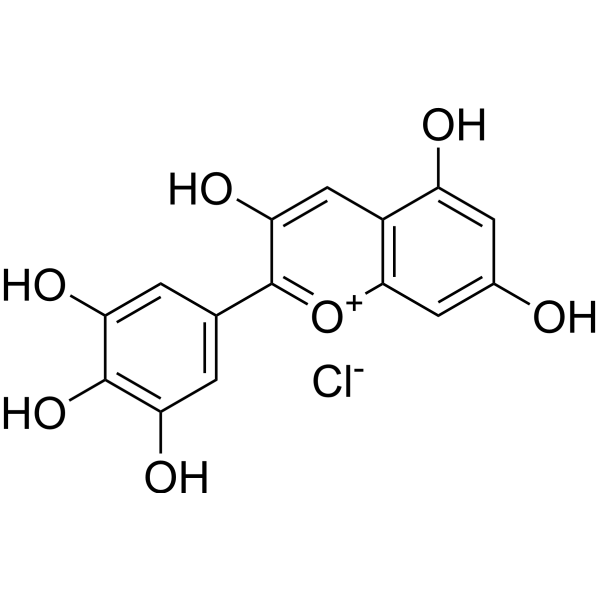 0 ImagesDelphinidin chloride is an anthocyanin isolated from berries and red wine. Delphinidin chloride exhibits endothelium-dependent vasodilation and anticancer activity. Delphinidin chloride also modulates JAK/STAT3 and MAPK signaling, thereby inducing apoptosis in HCT116 cells. Delphinidin chloride is also a potent inhibitor of EGFR (IC50: 1.3 μM), shutting down downstream signaling cascades.
-
BPC 157
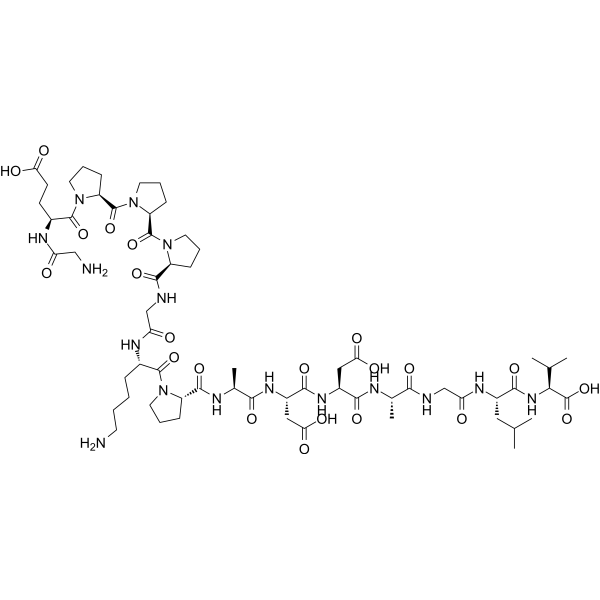 0 ImagesBPC 157 is the 15-amino acide fragment of gastric peptide BPC. BPC 157 exhibits wound healing promoting and neuroprotective activity. BPC 157 maintains the integrity of the gastrointestinal mucosa without significant toxicity. BPC 157 acetate counteracts NSAIDs/insulin overdose/copper-induced toxicity. BPC 157 ameliorates specific (over)stimulated/damaged neurotransmitter systems-induced behavioral disorders through serotonergic and dopaminergic systems.
-
Ginsenoside Rk1
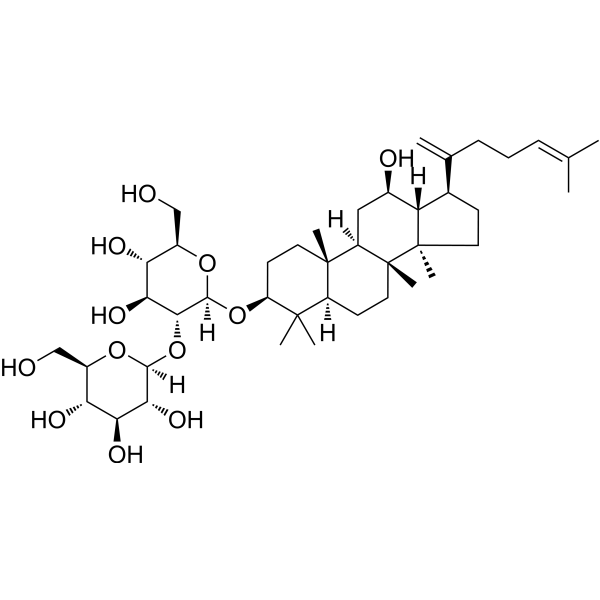 0 ImagesGinsenoside Rk1 is a unique component created by processing the ginseng plant (mainly Sung Ginseng, SG) at high temperatures. Ginsenoside Rk1 has anti-inflammatory effect, suppresses the activation of Jak2/Stat3 signaling pathway and NF-κB. Ginsenoside Rk1 has anti-tumor effect, antiplatelet aggregation activities, anti-insulin resistance, nephroprotective effect, antimicrobial effect, cognitive function enhancement, lipid accumulation reduction and prevents osteoporosis. Ginsenoside Rk1 induces cell apoptosis by triggering intracellular reactive oxygen species (ROS) generation and blocking PI3K/Akt pathway.
-
Zasocitinib
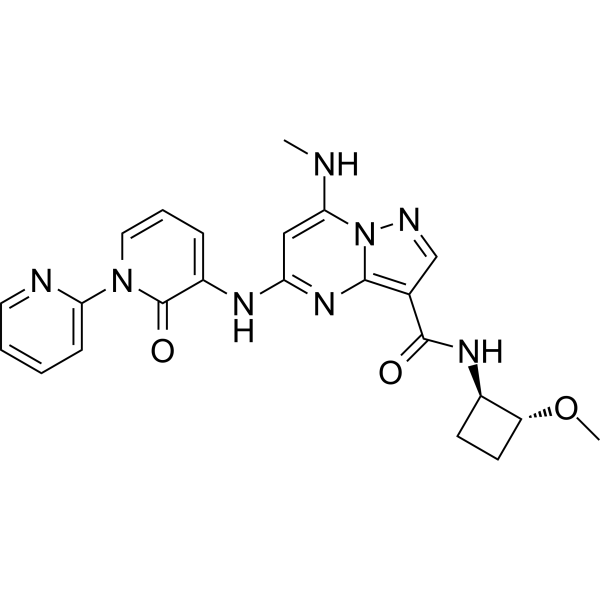 0 ImagesSynonyms: NDI-034858; TAK-279
-
N-(3-Aminopropyl)cyclohexylamine
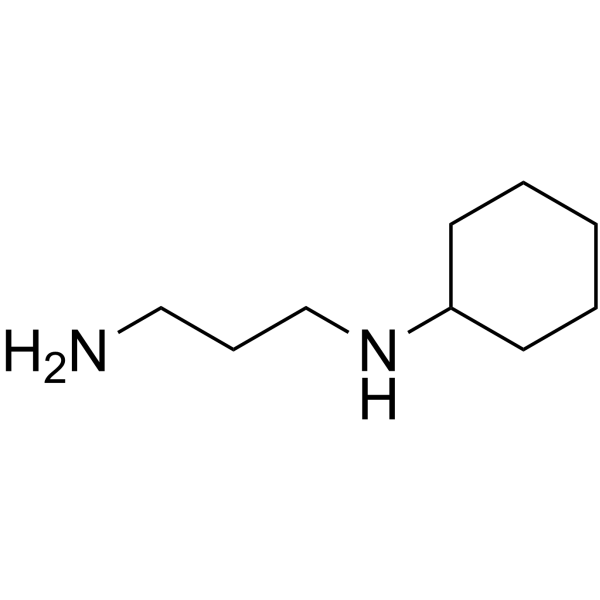 0 ImagesN-(3-Aminopropyl)cyclohexylamine, a cyclohexylamine derivative, acts as a selective and competitive inhibitor of spermine synthase. N-(3-Aminopropyl)cyclohexylamine can be used for the research of neurological diseases.
-
pJAK2(1001-1013)
 0 ImagespJAK2(1001-1013) is a cell-penetrating peptide that corresponds to the activation loop of JAK2 tyrosine kinase and functions as a SOCS1/3antagonist. pJAK2 (1001-1013) blocks SOCS1-mediated negative regulation of immune function, and enhances the biological activity of cytokines such as IFNγ and IL6. pJAK2(1001-1013) inhibits the replication of a broad range of viruses and exerts dose-dependent protective efficacy against lethal viral infections. pJAK2(1001-1013) can be used for the study of immune regulation and infection.
-
Povorcitinib
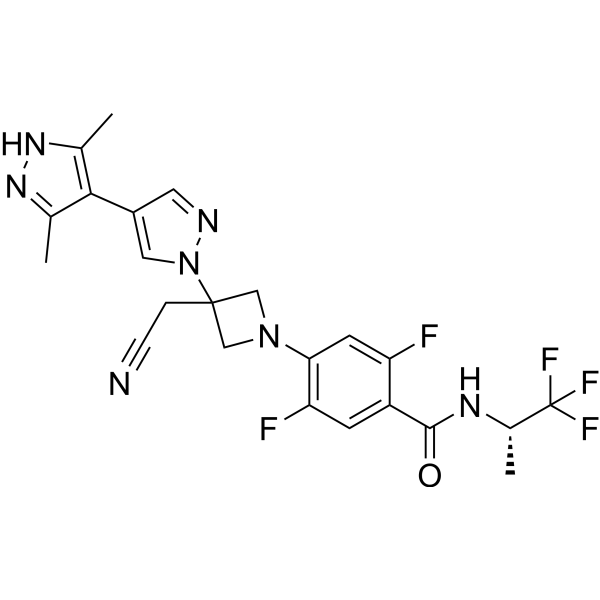 0 ImagesSynonyms: INCB54707Povorcitinib (INCB54707) is a potent and selective JAK1 inhibitor that effectively reduces abscesses and inflammatory nodules. Povorcitinib is used to study cutaneous lupus erythematosus (CLE) and lichen planus (LP).
-
Gusacitinib
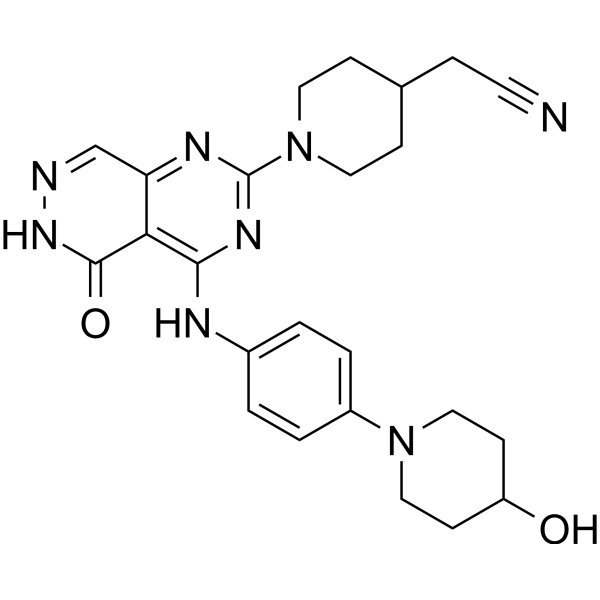 0 ImagesSynonyms: ASN-002Gusacitinib (ASN-002) is an orally active dual SYK/JAK kinase inhibitor with IC50 values of 5, 46, 4, 11 and 8 nM for SYK, JAK1, JAK2, JAK3 and TYK2, respectively. Gusacitinib rapidly and significantly suppressed key inflammatory pathways implicated in atopic dermatitis pathogenesis. Gusacitinib can be used in the research of chronic hand eczema and cancers such as basal cell carcinoma.




