



Icaritin
Based on 12 publication(s) in Google Scholar
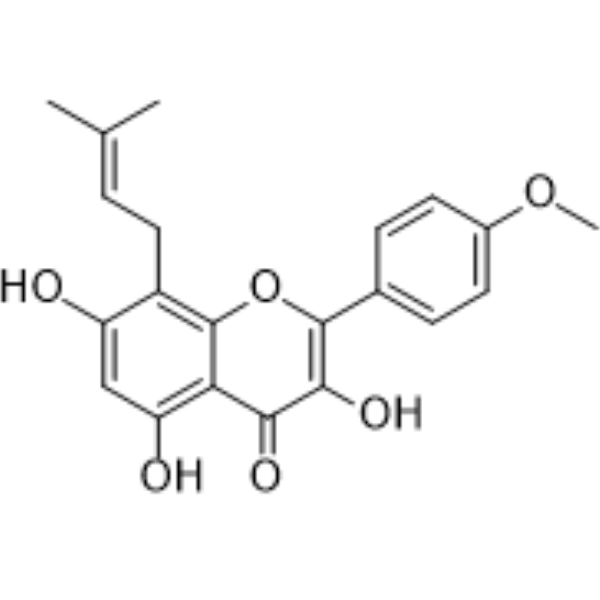
Icaritin (Anhydroicaritin) is a prenylflavonoid derivative from Epimedium brevicornuMaxim. and potently inhibits proliferation of K562 cells (IC50 of 8 µM) and primary CML cells (IC50 of 13.4 µM for CML-CP and 18 µM for CML-BC). Icaritin can regulate MAPK/ERK/JNK and JAK2/STAT3 /AKT signalings, also enhances osteogenesis[3.
For research use only. We do not sell to patients.
- Purity : 99.06%
- CAS No.: 118525-40-9
- Formula: C21H20O6
- Molecular Weight:368.38
-
Storage:Powder -20°C, 3 years , 4°C, 2 years ; In solvent -80°C, 1 year , -20°C, 6 months

To place orders, for customer services and technical support, please contact: MedChemExpress USA
Tel: 609-228-6898 E-mail: [email protected] [email protected]


-
 Biological Activity
-
Chemical Information
-
Solvent & Solubility
- Protocols
- Purity & Documentation
- References
-
 Help & FAQs


-
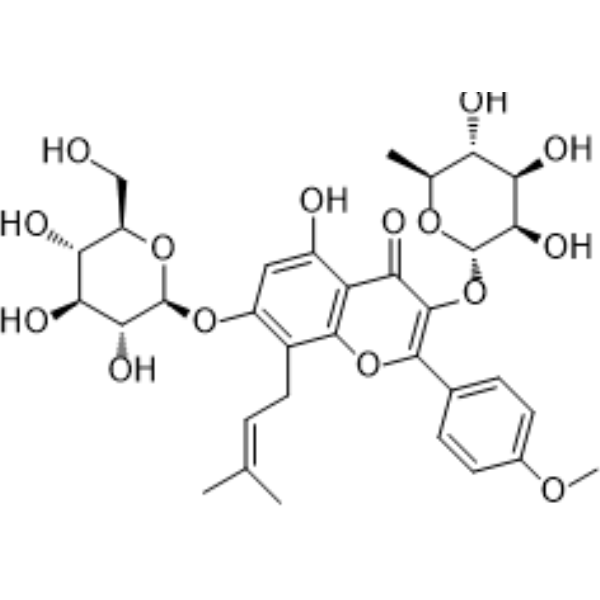
HY-N0014
IcariinPPAR Activator -
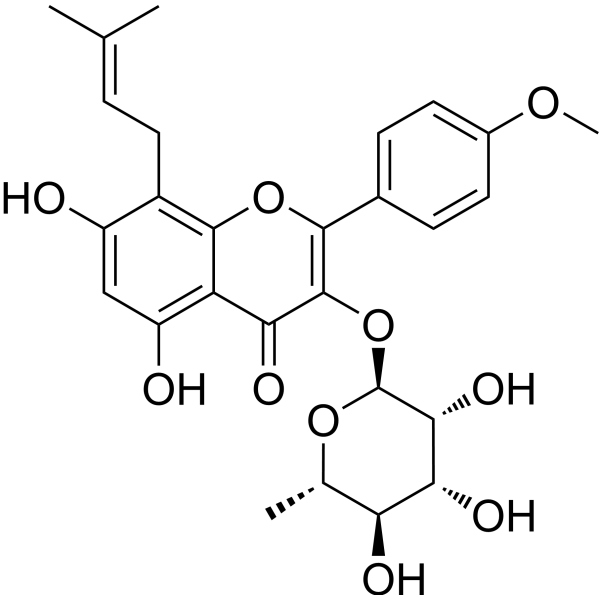
HY-N0011
Baohuoside ICXCR4 Inhibitor -
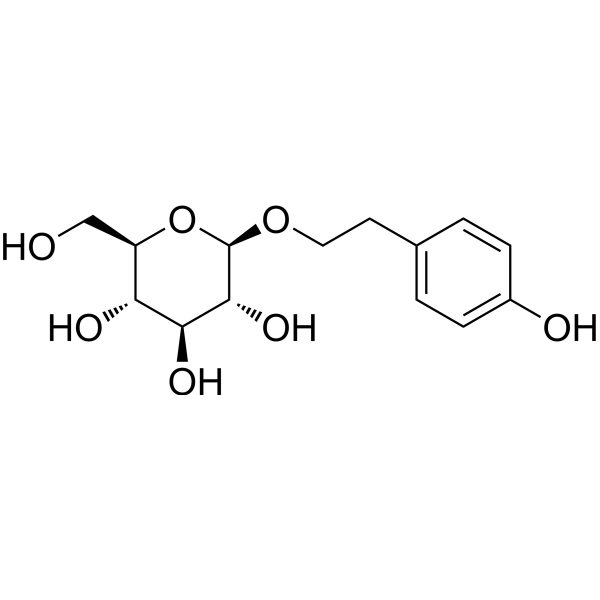
HY-N0109
SalidrosideProlyl Endopeptidase Inhibitor -
HY-14590
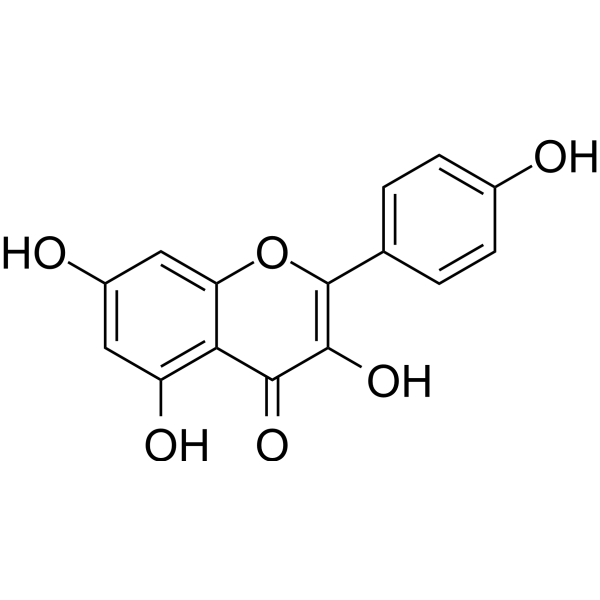
KaempferolEstrogen Receptor α Inhibitor -
HY-B0015
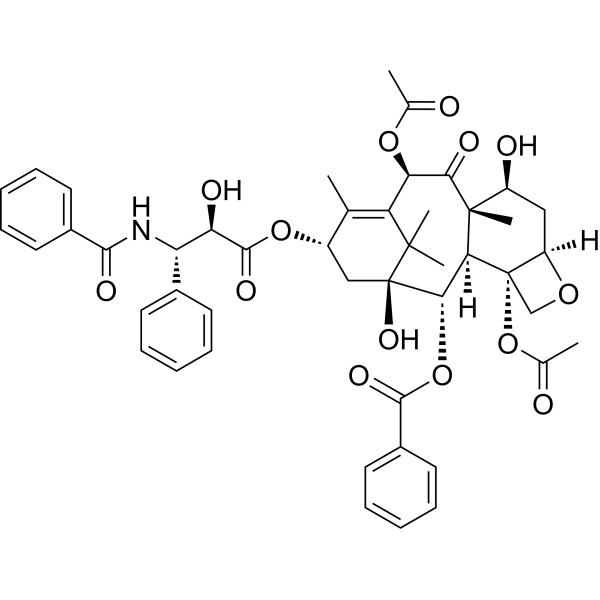
PaclitaxelAntitumor Agent -
HY-N0005
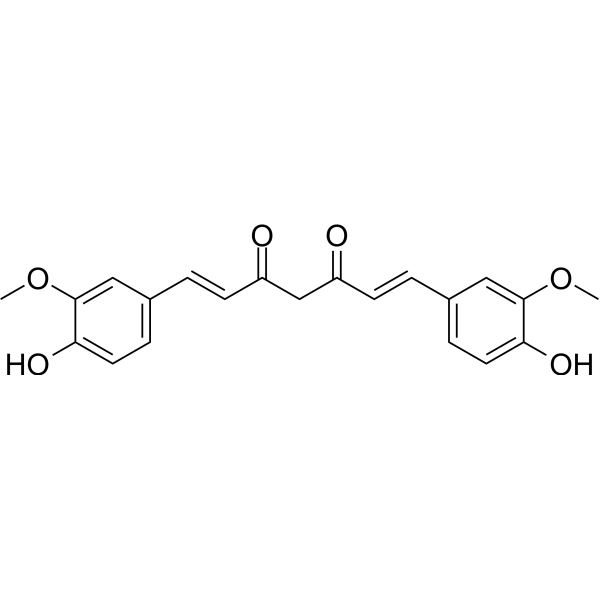
Curcuminp300 Histone Acetylatransferase Inhibitor -
HY-18085
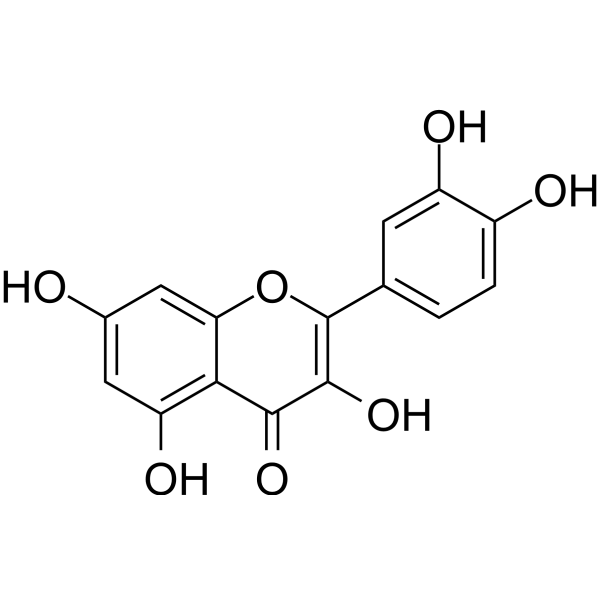
QuercetinFlavonoid Antioxidant -
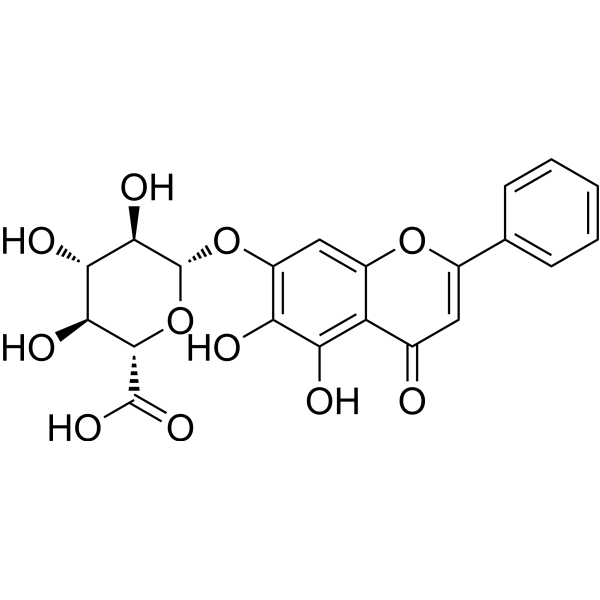
HY-N0197
BaicalinAutophagy Inducer -
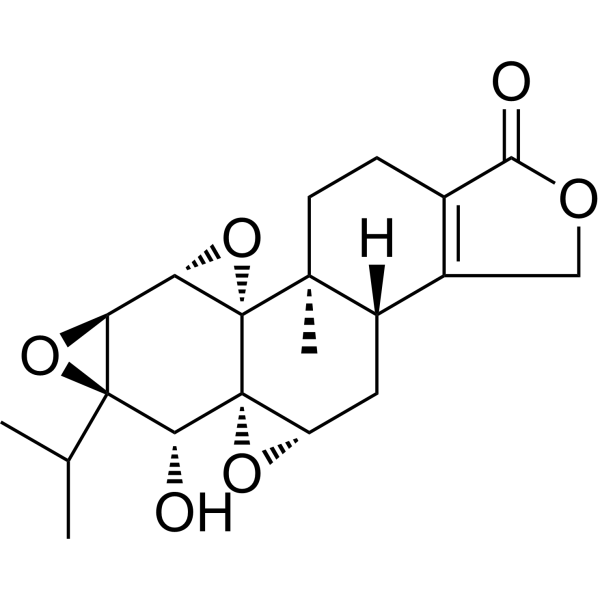
HY-32735
TriptolideImmunosuppressive Agent -
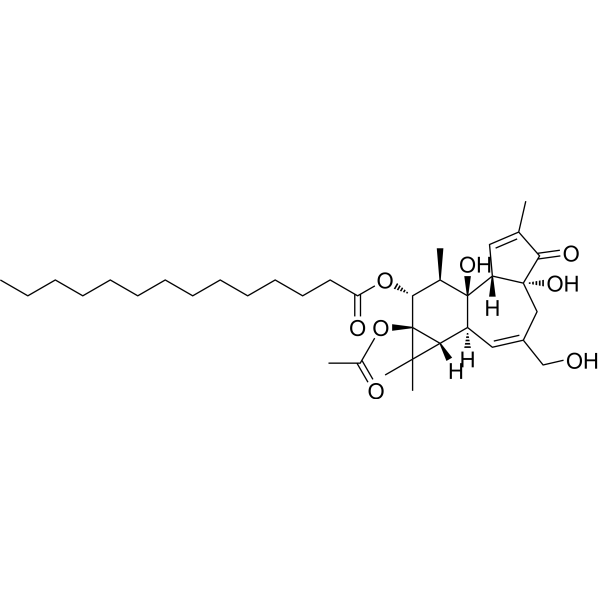
HY-18739
Phorbol 12-myristate 13-acetatePKC Activator -
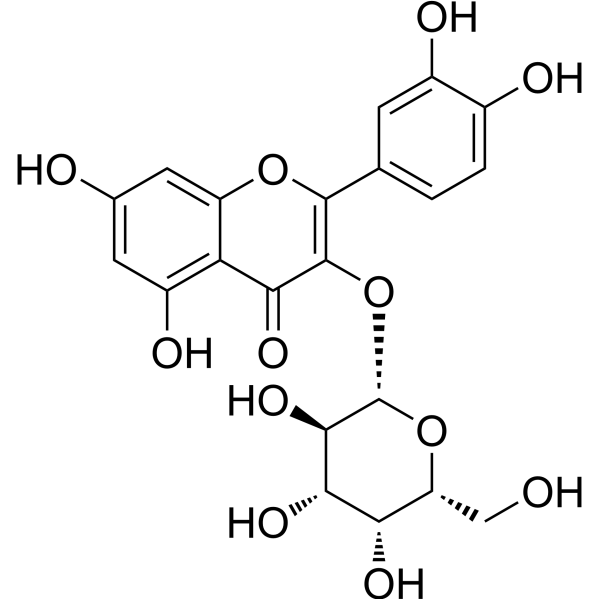
HY-N0452
HyperosideApoptosis Inducer -
HY-17026
GemcitabineDNA Synthesis Inhibitor
Publications Citing Use of MedChemExpress (MCE) Icaritin
More- Nat Commun. 2026 Jun 13. [Abstract]
- Phytomedicine. 2025 Jul 25:143:156870. [Abstract]
- Food Chem. 2025 Dec 30:497:146992. [Abstract]
- Food Chem. 2025 Oct 15:489:144992. [Abstract]
- Int J Biol Macromol. 2026 Apr:358:151597. [Abstract]
- Int Immunopharmacol. 2024 Sep 10:138:112533. [Abstract]
- Biol Proced Online. 2025 Jun 16;27(1):21. [Abstract]
- Pathol Res Pract. 2026 Jul:283:156476. [Abstract]
- J Pharm Pharmacol. 2024 May 3;76(5):499-513. [Abstract]
- Mol Biol Rep. 2026 Aug 21;53(1):1444.
- Chin J Integr Med. 2026 May;32(5):442-450. [Abstract]
- Int J Clin Pract Suppl. 2026.
 Customer Validation & Images

-
Cell Proliferation/Viability Assay
-
Cell Imaging/Staining
-
RT-PCR
-
WB
-
IHC


Biological Activity
Description
Cellular Effect
|
Cell Line

|
Type | Value | Description | References |
|---|---|---|---|---|
| A549 | IC50 |
>100 μM
Compound: 1
|
Cytotoxicity against human A549 cells assessed as cell viability by MTT assay
Cytotoxicity against human A549 cells assessed as cell viability by MTT assay
|
[PMID: 26079090] |
| COS-7 | IC50 |
2.2 μM
Compound: 3
|
Inhibition of human recombinant PDE5A1 expressed in COS7 cells
Inhibition of human recombinant PDE5A1 expressed in COS7 cells
|
[PMID: 18778098] |
| Hep 3B2 | IC50 |
0.9 μM
Compound: ICT; 1
|
Antiproliferative activity against human Hep3B cells assessed as reduction in cell viability incubated for 48 hrs by MTT assay
Antiproliferative activity against human Hep3B cells assessed as reduction in cell viability incubated for 48 hrs by MTT assay
|
[PMID: 36745506] |
| HepG2 | IC50 |
>10 μM
Compound: ICT; 1
|
Antiproliferative activity against human HepG2 cells assessed as reduction in cell viability incubated for 48 hrs by MTT assay
Antiproliferative activity against human HepG2 cells assessed as reduction in cell viability incubated for 48 hrs by MTT assay
|
[PMID: 36745506] |
| MCF7 | IC50 |
7 μM
Compound: 1
|
Cytotoxicity against human MCF7 cells assessed as cell viability by MTT assay
Cytotoxicity against human MCF7 cells assessed as cell viability by MTT assay
|
[PMID: 26079090] |
| MDA-MB-435S | IC50 |
24.9 μM
Compound: 1
|
Cytotoxicity against human MDA-MB-435S cells assessed as cell viability by MTT assay
Cytotoxicity against human MDA-MB-435S cells assessed as cell viability by MTT assay
|
[PMID: 26079090] |
| NCI/ADR-RES | IC50 |
52.09 μM
Compound: 3
|
Cytotoxicity against human MCF7/ADR cells after 72 hrs by MTT assay
Cytotoxicity against human MCF7/ADR cells after 72 hrs by MTT assay
|
[PMID: 19523827] |
| RPMI-8226 | IC50 |
20.78 μM
Compound: Icaritin
|
Antiproliferative activity against human RPMI-8226 cells assessed as inhibition of cell proliferation incubated for 72 hrs by CCK8 assay
Antiproliferative activity against human RPMI-8226 cells assessed as inhibition of cell proliferation incubated for 72 hrs by CCK8 assay
|
[PMID: 34644502] |
| SMMC-7721 | IC50 |
>10 μM
Compound: ICT; 1
|
Antiproliferative activity against human SMMC-7721 cells assessed as reduction in cell viability incubated for 48 hrs by MTT assay
Antiproliferative activity against human SMMC-7721 cells assessed as reduction in cell viability incubated for 48 hrs by MTT assay
|
[PMID: 36745506] |
| Vero | IC50 |
21.6 μM
Compound: 1
|
Cytotoxicity against African green monkey Vero cells assessed as cell viability by MTT assay
Cytotoxicity against African green monkey Vero cells assessed as cell viability by MTT assay
|
[PMID: 26079090] |
In Vitro
Icaritin (4-64 μM; 48 hours; K562, imatinib-resistant cells and primary CML cells) treatment inhibits proliferation of K562, imatinib-resistant cells and primary CML cells [1].
Icaritin (0-64 μM; 48 hours; K562 and primary cells) treatment induces K562 or primary cells apoptosis in an concentration dependent manner[1].
Icaritin (32 μM; K562 cells) treatment increases cell population in the sub-G1 phase in K562 cells[1].
Icaritin (0-64 μM; 48 hours; K562 cells) treatment inhibits MAPK/ERK/JNK downstream signaling and diminishes Jak2/Stat3/Akt expression. Icaritin treatment also significantly inhibits Bcl-2 protein expression and up-regulated Bax protein expression in K562 with a dose-dependent manner accompanied by the cleavage activation of caspase-3 or caspase-9, and a down-regulated expression of Apaf-1[1].
MedChemExpress (MCE) has not independently confirmed the accuracy of these methods. They are for reference only.
-
Cell Line:K562, imatinib-resistant cells and primary CML cells
-
Concentration:4 µM, 8 µM, 16 µM, 32 µM and 64 µM
-
Incubation Time:48 hours
-
Result:Inhibited cell proliferation.
-
Cell Line:K562 or primary cells
-
Concentration:0 µM, 4 µM, 8 µM, 16 µM, 32 µM and 64 µM
-
Incubation Time:48 hours
-
Result:Induced K562 or primary cells apoptosis.
-
Cell Line:K562 cells
-
Concentration:32 µM
-
Incubation Time:
-
Result:Cell population in the sub-G1 phase was increased.
-
Cell Line:K562 cells
-
Concentration:0 µM, 4 µM, 8 µM, 16 µM, 32 µM and 64 µM
-
Incubation Time:48 hours
-
Result:Inhibited MAPK/ERK/JNK downstream signaling and diminishes Jak2/Stat3/Akt expression.
In Vivo
MedChemExpress (MCE) has not independently confirmed the accuracy of these methods. They are for reference only.
-
Animal Model:Female NOD-SCID nude mice (6-8 weeks old) with K562 cells[1]
-
Dosage:4 mg/kg and 8 mg/kg
-
Administration:Intraperitoneal injection; daily; for 10 weeks
-
Result:Could prolong lifespan of NOD-SCID nude mice inoculated with K562 cells without suppression of bone marrow.
Clinical Trial
| NCT Number | Sponsor | Condition | Start Date |
Phase
|
|---|---|---|---|---|
| NCT01329991 | Plexxikon| | 2011-05 | PHASE1 |


Chemical Information
-
CAS No. 118525-40-9
-
Appearance Solid
-
Molecular Weight 368.38
-
Formula C21H20O6
-
Color Light yellow to yellow
-
SMILES
O=C1C(O)=C(C2=CC=C(OC)C=C2)OC3=C(C/C=C(C)\C)C(O)=CC(O)=C13
-
Synonyms
Anhydroicaritin
-
Structure Classification
-
Shipping
Room temperature in continental US; may vary elsewhere.
-
Storage
Powder -20°C 3 years 4°C 2 years In solvent -80°C 1 year -20°C 6 months


Publications (12)
-
Journal Impact Factor
-
Most Recent
-
Nat Commun
2026 Jun 13. PMID: 42288521 -
Phytomedicine
Icaritin induces paraptosis in hepatocellular carcinoma cells by targeting BHLHE40 via endoplasmic reticulum stress and mitochondrial dysfunction. [Abstract]2025 Jul 25:143:156870. PMID: 40424981
Icaritin purchased from MedChemExpress. Usage Cited in: Phytomedicine. 2025 Jul 25:143:156870. [Abstract]
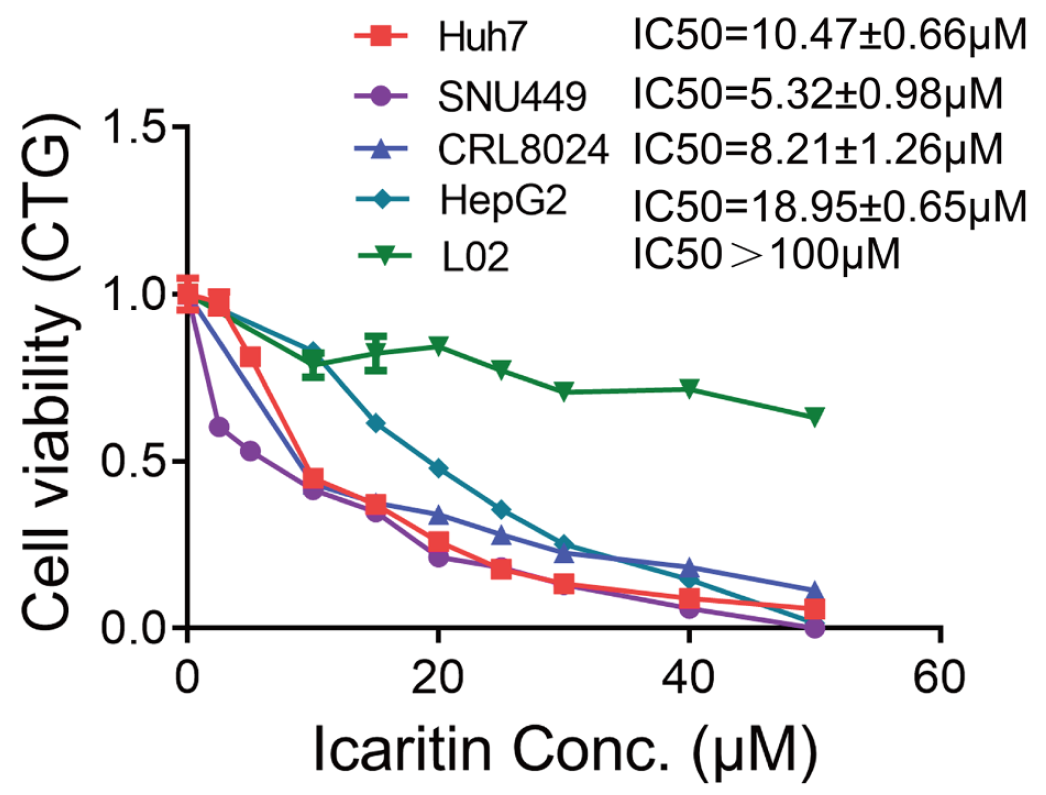
Icaritin (0–50 μM; 48 h) significantly inhibited the growth of Huh7, CRL8024, SNU449, and HepG2 hepatocellular carcinoma cells in a dose-dependent manner.
Icaritin purchased from MedChemExpress. Usage Cited in: Phytomedicine. 2025 Jul 25:143:156870. [Abstract]
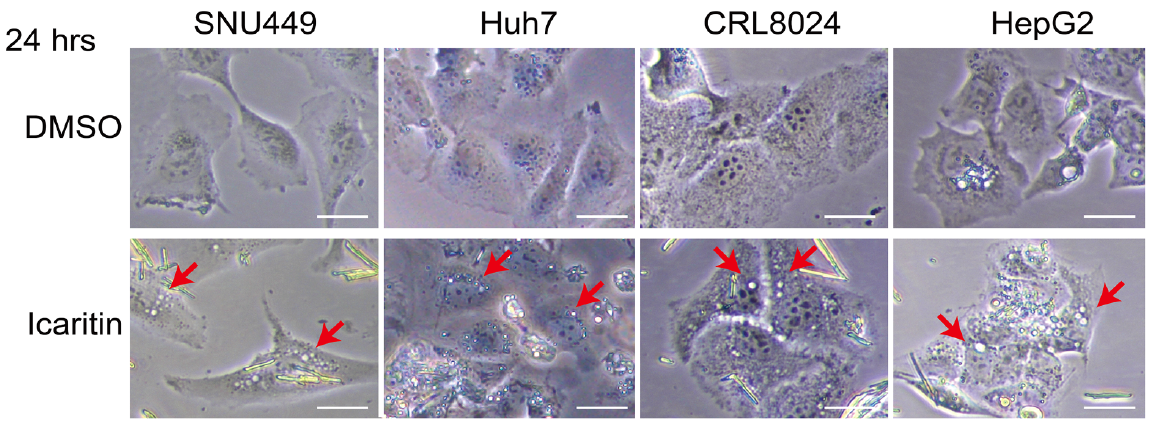
Icaritin (0–20 μM; 24 h) induced paraptotic cells in Huh7, CRL8024, SNU449, and HepG2 cell lines, with cytoplasmic vacuolation highlighted by red arrows.
Icaritin purchased from MedChemExpress. Usage Cited in: Phytomedicine. 2025 Jul 25:143:156870. [Abstract]
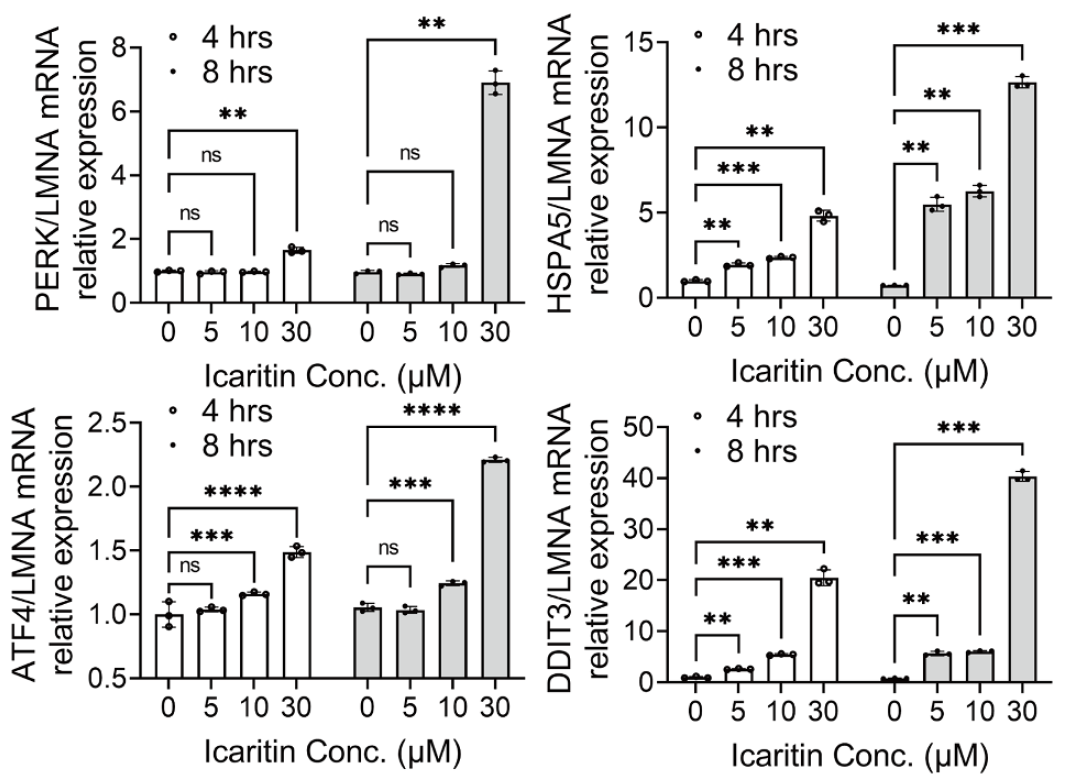
qRT-PCR quantification of mRNA expression levels of key ER stress-responsive genes (PERK, ATF4, HSPA5, and DDIT3) in SNU449 cells was performed after treatment with Icaritin (5-30 μM; 4-8 h).
Icaritin purchased from MedChemExpress. Usage Cited in: Phytomedicine. 2025 Jul 25:143:156870. [Abstract]
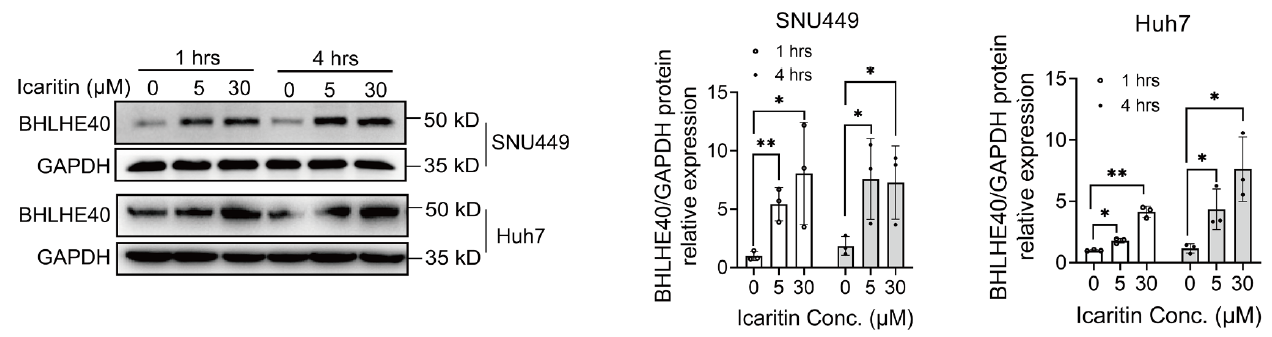
Icaritin (5-30 μM; 1-4 h) rapidly upregulated BHLHE40 expression in SNU449 and Huh7 cells, with levels increasing significantly in a dose- and time- dependent manner.
Icaritin purchased from MedChemExpress. Usage Cited in: Phytomedicine. 2025 Jul 25:143:156870. [Abstract]
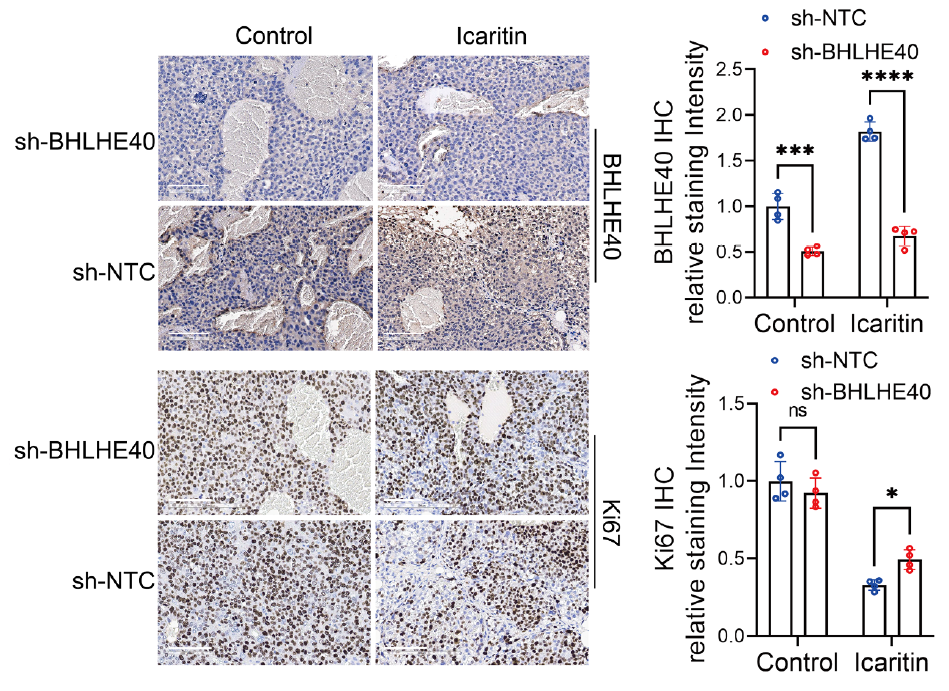
Immunohistochemical images and Quantification for Ki67 and BHLHE40 staining in Huh7 cell (sh-NTC and sh-BHLHE40)-derived xenografts of NOD SCID mice with or without Icaritin (75 mg/kg; i.g.; once daily for 14 d) treatment.
-
Food Chem
Effects of sun drying combined with baking processes on the flavor quality of Chongqing Tuocha raw tea. [Abstract]2025 Dec 30:497:146992. PMID: 41285060 -
Food Chem
Flavonoid-mediated metabolic underpinning quality variation in red bud-sport pear mutants. [Abstract]2025 Oct 15:489:144992. PMID: 40466530 -
Int J Biol Macromol
Functional characterization of triokinase/FMN cyclase as a ferroptosis regulator and potential direct target of icaritin in hepatocellular carcinoma. [Abstract]2026 Apr:358:151597. PMID: 41933761 -
Int Immunopharmacol
Icaritin attenuates ischemia-reperfusion injury by anti-inflammation, anti-oxidative stress, and anti-autophagy in mouse liver. [Abstract]2024 Sep 10:138:112533. PMID: 38924868 -
Biol Proced Online
Establishment of a mouse lung cancer organoid model and its applications for therapeutic screening. [Abstract]2025 Jun 16;27(1):21. PMID: 40524168 -
Pathol Res Pract
2026 Jul:283:156476. PMID: 42033864 -
J Pharm Pharmacol
Icariside I reduces breast cancer proliferation, apoptosis, invasion, and metastasis probably through inhibiting IL-6/STAT3 signaling pathway. [Abstract]2024 May 3;76(5):499-513. PMID: 37971302 -
-
Chin J Integr Med
Icaritin Disrupts Cholesterol Biosynthesis and Induce Cell Death in Pancreatic Carcinoma: A Transcriptomic and Lipidomic Analysis. [Abstract]2026 May;32(5):442-450. PMID: 41920258 -


Solvent & Solubility
In Vitro:
DMSO : 15.62 mg/mL (42.40 mM; Need ultrasonic; Hygroscopic DMSO has a significant impact on the solubility of product, please use newly opened DMSO)
H2O : < 0.1 mg/mL (insoluble)
Please refer to the solubility information to select the appropriate solvent. Once prepared, please aliquot and store the solution to prevent product inactivation from repeated freeze-thaw cycles.
Storage method and period of stock solution: -80°C, 1 year; -20°C, 6 months. When stored at -80°C, please use it within 1 year. When stored at -20°C, please use it within 6 months.
Please refer to the solubility information to select the appropriate solvent. Once prepared, please aliquot and store the solution to prevent product inactivation from repeated freeze-thaw cycles.
Storage method and period of stock solution: -80°C, 1 year; -20°C, 6 months. When stored at -80°C, please use it within 1 year. When stored at -20°C, please use it within 6 months.
Concentration (start) × Volume (start) = Concentration (final) × Volume (final)
In Vivo:
Select the appropriate dissolution method based on your experimental animal and administration route.
- For the following dissolution methods, please ensure to first prepare a clear stock solution using an In Vitro approach and then sequentially add co-solvents:
- To ensure reliable experimental results, the clarified stock solution can be appropriately stored based on storage conditions. As for the working solution for In Vivo experiments, it is recommended to prepare freshly and use it on the same day.
- The percentages shown for the solvents indicate their volumetric ratio in the final prepared solution. If precipitation or phase separation occurs during preparation, heat and/or sonication can be used to aid dissolution.
Add each solvent one by one: 10% DMSO 40% PEG300 5% Tween-80 45% Saline
Solubility: ≥ 1.56 mg/mL (4.23 mM); Clear solution
This protocol yields a clear solution of ≥ 1.56 mg/mL (saturation unknown).
Taking 1 mL working solution as an example, add 100 μL DMSO stock solution (15.6 mg/mL) to 400 μL PEG300, and mix evenly; then add 50 μL Tween-80 and mix evenly; then add 450 μL Saline to adjust the volume to 1 mL.
Preparation of Saline: Dissolve 0.9 g sodium chloride in ddH₂O and dilute to 100 mL to obtain a clear Saline solution.
For the following dissolution methods, please prepare the working solution directly:
It is recommended to prepare fresh solutions and use them promptly within a short period of time.
The percentages shown for the solvents indicate their volumetric ratio in the final prepared solution. If precipitation or phase separation occurs during preparation, heat and/or sonication can be used to aid dissolution.
Add each solvent one by one: 50% PEG300 50% Saline
Solubility: 1.51 mg/mL (4.10 mM); Suspended solution; Need ultrasonic
Add each solvent one by one: 15% Cremophor EL 85% Saline
Solubility: 10 mg/mL (27.15 mM); Suspended solution; Need ultrasonic
In Vivo Dissolution Calculator
Please enter the basic information of animal experiments:
-
-
-
-
Recommended: Prepare an additional quantity of animals to account for potential losses during experiments.
Please enter your animal formula composition:
-
%DMSO +
Recommended: Keep the proportion of DMSO in working solution below 2% if your animal is weak.
-
%+
-
+%Tween-80 + +
-
%Saline +
The co-solvents required include: DMSO, . All of co-solvents are available by MedChemExpress (MCE). , Tween 80. All of co-solvents are available by MedChemExpress (MCE).
Working solution concentration: 0.22 mg/mL
Method for preparing stock solution: mg drug dissolved in μL DMSO. Stock solution concentration: mg/mL.
1. Take μL DMSO stock solution;
2. Add μL .
μL , mix evenly;
3. Then add μL Tween 80, mix evenly;
4. Then add μL
Please ensure that the stock solution in the first step is dissolved to a clear state, and add co-solvents in sequence. You can use ultrasonic heating (ultrasonic cleaner, recommended frequency 20-40 kHz), vortexing, etc. to assist dissolution.


Purity & Documentation
-
Data Sheet (280 KB)
-
SDS (396 KB)
- English - EN (396 KB)
- Français - FR (396 KB)
- Deutsch - DE (396 KB)
- Norwegian - NO (396 KB)
- Español - ES (396 KB)
- Swedish - SV (396 KB)
- Italian - IT (396 KB)
- Korean - KR (396 KB)
- Portuguese - PT (396 KB)
-
Handling Instructions (2659 KB)
References
[1]. Zhu Jf, et al. Icaritin shows potent anti-leukemia activity on chronic myeloid leukemia in vitro and in vivo by regulating MAPK/ERK/JNK and JAK2/STAT3 /AKT signalings. PLoS One. 2011;6(8):e23720. [Content Brief]
[2]. Yao D, et al. Icaritin, an exogenous phytomolecule, enhances osteogenesis but not angiogenesis--an in vitro efficacy study. PLoS One. 2012;7(8):e41264. [Content Brief]
[3]. Guo Y, et al. An anticancer agent icaritin induces sustained activation of the extracellular signal-regulated kinase (ERK) pathway and inhibits growth of breast cancer cells. Eur J Pharmacol. 2011 May 11;658(2-3):114-22. [Content Brief]


Complete Stock Solution Preparation Table
Please refer to the solubility information to select the appropriate solvent. Once prepared, please aliquot and store the solution to prevent product inactivation from repeated freeze-thaw cycles.
Storage method and period of stock solution: -80°C, 1 year; -20°C, 6 months. When stored at -80°C, please use it within 1 year. When stored at -20°C, please use it within 6 months.
| Optional Solvent | Concentration Solvent Mass | 1 mg | 5 mg | 10 mg | 25 mg |
|---|---|---|---|---|---|
| DMSO | 1 mM | 2.7146 mL | 13.5729 mL | 27.1459 mL | 67.8647 mL |
| 5 mM | 0.5429 mL | 2.7146 mL | 5.4292 mL | 13.5729 mL | |
| 10 mM | 0.2715 mL | 1.3573 mL | 2.7146 mL | 6.7865 mL | |
| 15 mM | 0.1810 mL | 0.9049 mL | 1.8097 mL | 4.5243 mL | |
| 20 mM | 0.1357 mL | 0.6786 mL | 1.3573 mL | 3.3932 mL | |
| 25 mM | 0.1086 mL | 0.5429 mL | 1.0858 mL | 2.7146 mL | |
| 30 mM | 0.0905 mL | 0.4524 mL | 0.9049 mL | 2.2622 mL | |
| 40 mM | 0.0679 mL | 0.3393 mL | 0.6786 mL | 1.6966 mL |


Icaritin Related Classifications
HY-N0678 Related Classifications
 Powered by Bioz