



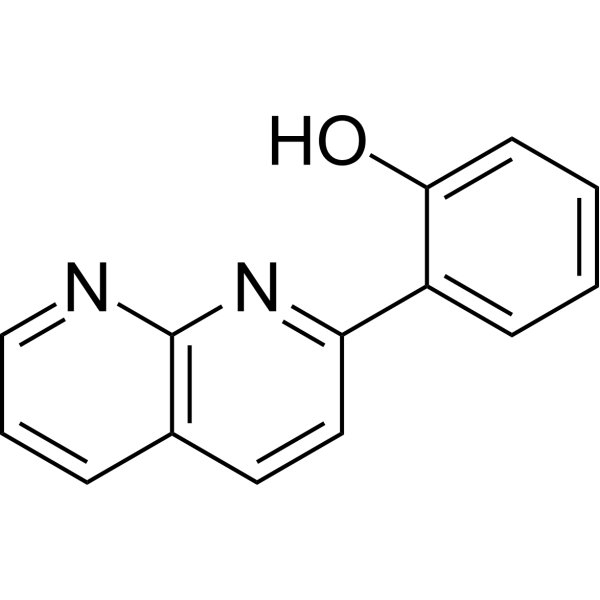
2-NP
Based on 13 publication(s) in Google Scholar
2-NP is a selective enhancer of STAT1 transcription. 2-NP can enhance the ability of IFN-γ to inhibit the proliferation of human breast cancer and fibrosarcoma cells.
For research use only. We do not sell to patients.
- Purity : 99.55%
- CAS No.: 65182-56-1
- Formula: C14H10N2O
- Molecular Weight:222.25
-
Storage:
4°C, protect from light
* In solvent : -80°C, 6 months; -20°C, 1 month (protect from light)

To place orders, for customer services and technical support, please contact: MedChemExpress USA
Tel: 609-228-6898 E-mail: [email protected] [email protected]


-
 Biological Activity
-
Chemical Information
-
Solvent & Solubility
- Protocols
- Purity & Documentation
- References
-
 Help & FAQs


-
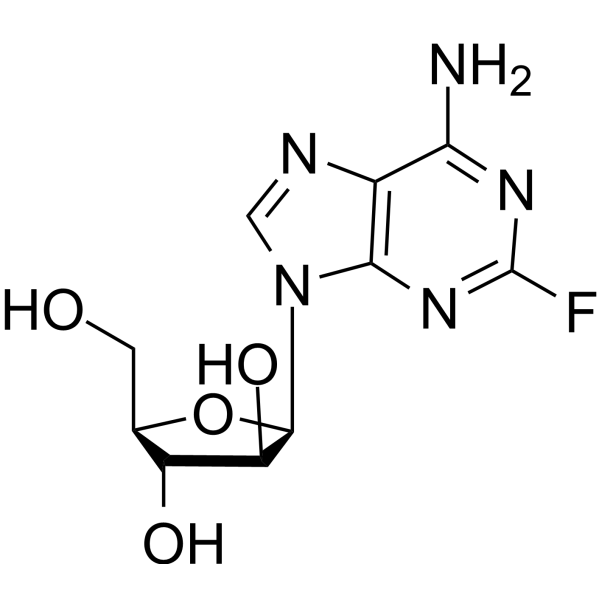
HY-B0069
FludarabineDNA Synthesis Inhibitor -
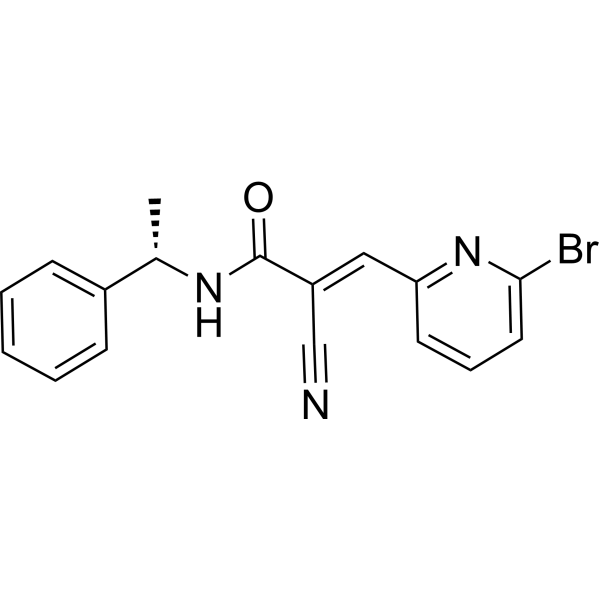
HY-15312
WP1066JAK2/STAT3 Inhibitor -
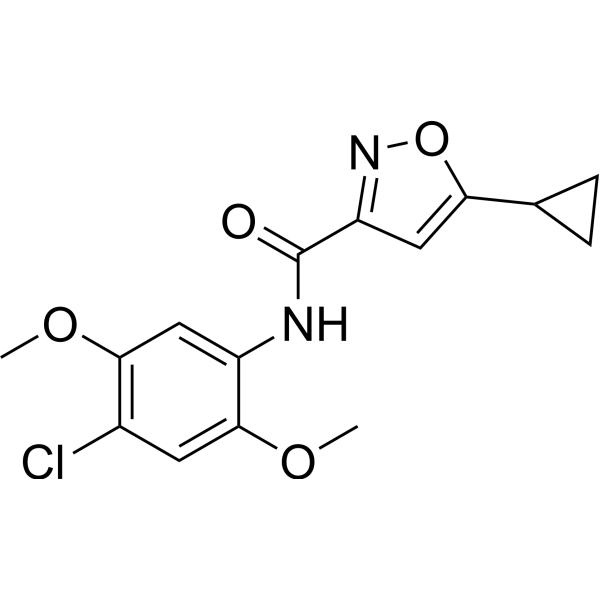
HY-111152
ML115STAT3 Agonist -
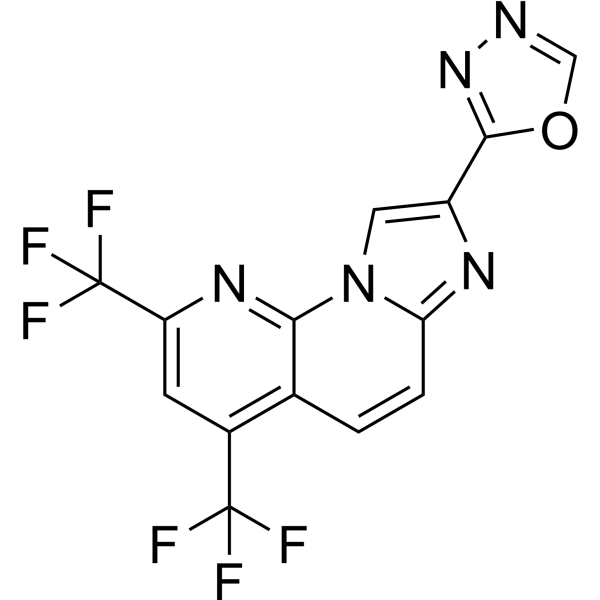
HY-W063968
RO8191 -
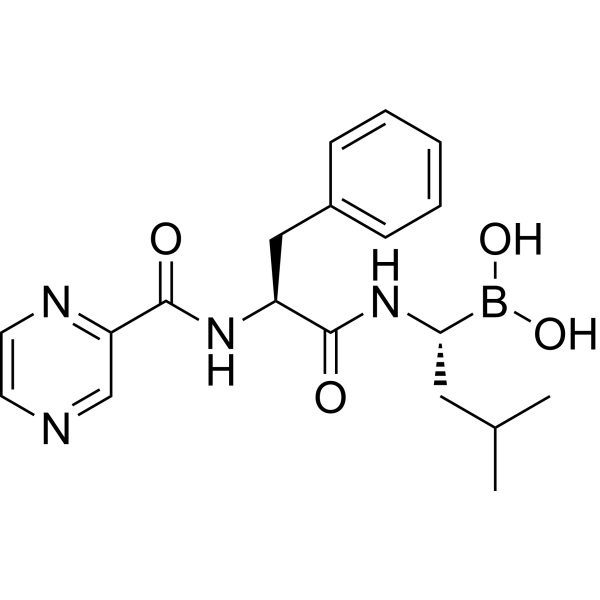
HY-10227
BortezomibProteasome Inhibitor -
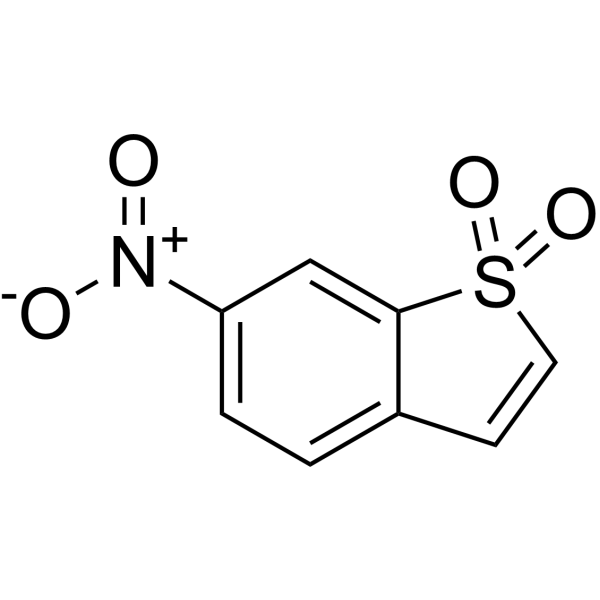
HY-13818
StatticSTAT3 Inhibitor -
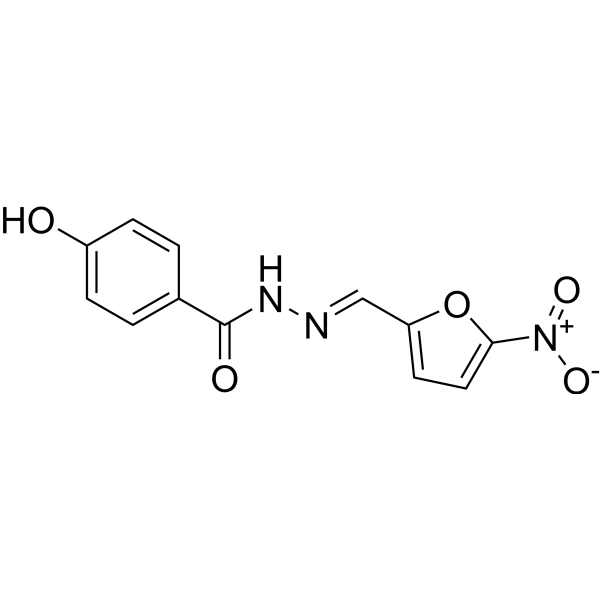
HY-B1436
NifuroxazideBacterial Inhibitor -

HY-Y0320
Dimethyl sulfoxide, meets analytical specification of Ch.P.Aprotic Solvent -
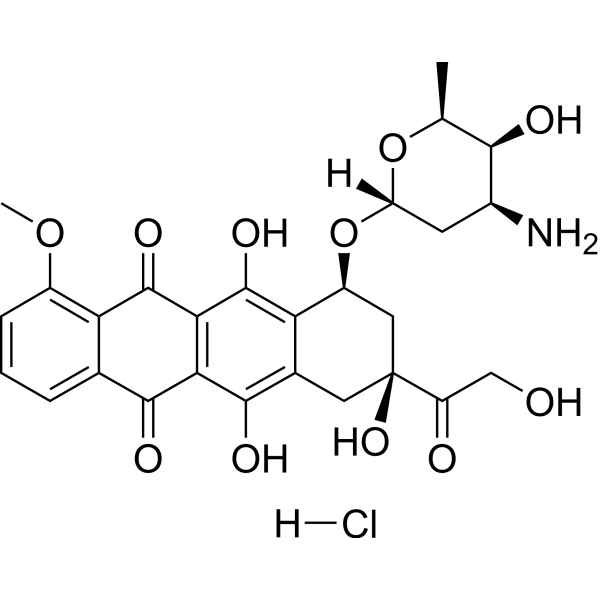
HY-15142
Doxorubicin hydrochlorideTopoisomerase Inhibitor -
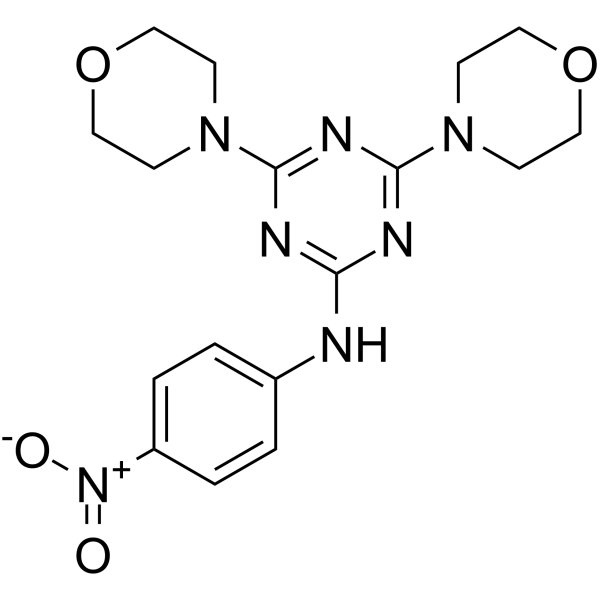
HY-B0795
MHY1485mTOR Activator -
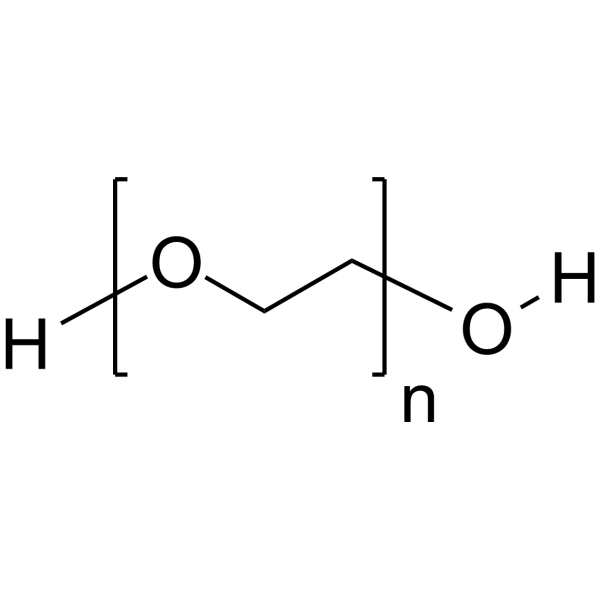
HY-Y0873
PEG300Neutral Polymer -
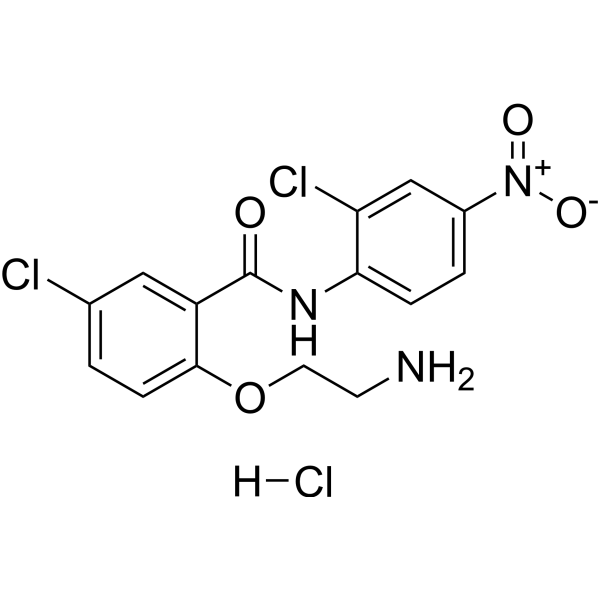
HY-100602
HJC0152STAT3 Inhibitor
Publications Citing Use of MedChemExpress (MCE) 2-NP
More- Mol Cancer. 2026 Feb 10;25(1):73. [Abstract]
- Cell Host Microbe. 2026 Feb 11;34(2):245-262.e8. [Abstract]
- Adv Sci (Weinh). 2025 Sep 23:e04569. [Abstract]
- Phytother Res. 2025 Aug 12. [Abstract]
- Eur J Pharmacol. 2025 Nov 5:1006:178149. [Abstract]
- Int Immunopharmacol. 2026 Feb 1:170:116080. [Abstract]
- Int Immunopharmacol. 2025 Feb 6:147:113959. [Abstract]
- Int Immunopharmacol. 2024 Feb 15:128:111524. [Abstract]
- Mol Neurobiol. 2024 Nov;61(11):9548-9561. [Abstract]
- Poult Sci. 2024 Dec;103(12):104238. [Abstract]
- Immun Inflamm Dis. 2025 Oct;13(10):e70294. [Abstract]
- bioRxiv. 2025 January 31.
- SSRN. 2023 Oct 31.
 Customer Validation & Images

-
WB
-
Histological Imaging/Staining
-
ELISA
-
Bio/Physico-chemical Assay
-
WB


Biological Activity
Description
In Vitro
2-NP (5 μmol/mL, 24 h) inhibits the viral replication of Duck plague virus (DPV) through activation of the JAK-STAT signaling pathway in duck embryo fibroblasts (DEF)[2].
2-NP (45 μM, 48 h) promotes the expression of CXCR3 in mouse plasmacytoid dendritic cells (pDCs), promotes CXCL10-induced pDC migration[3].
MedChemExpress (MCE) has not independently confirmed the accuracy of these methods. They are for reference only.
-
Cell Line:mouse plasmacytoid dendritic cell
-
Concentration:45 μM
-
Incubation Time:48 h
-
Result:Increased the phosphorylation of JAK1 and STAT1.
-
Cell Line:mouse plasmacytoid dendritic cell
-
Concentration:45 μM
-
Incubation Time:48 h
-
Result:Promoted the migration of pDCs.
In Vivo
MedChemExpress (MCE) has not independently confirmed the accuracy of these methods. They are for reference only.
-
Animal Model:Herpes simplex keratitis (HSK) model[3]
-
Dosage:0.5 mg/kg
-
Administration:subconjunctival injection, once daily for 3 days
-
Result:Alleviated corneal lesions in mice, reduced corneal opacity and neovascularization.


Chemical Information
-
CAS No. 65182-56-1
-
Appearance Solid
-
Molecular Weight 222.25
-
Formula C14H10N2O
-
Color Yellow to orange
-
SMILES
OC1=CC=CC=C1C2=NC3=NC=CC=C3C=C2
-
Shipping
Room temperature in continental US; may vary elsewhere.
-
Storage
4°C, protect from light
* In solvent : -80°C, 6 months; -20°C, 1 month (protect from light)


Publications (13)
-
Journal Impact Factor
-
Most Recent
-
Mol Cancer
Tumour-infiltrating microplastics disrupt the JAK-STAT-microbiota axis to promote immunotherapy resistance in colorectal cancer. [Abstract]2026 Feb 10;25(1):73. PMID: 41664174 -
Cell Host Microbe
Enterococcus faecalis-derived lactic acid suppresses macrophage activation to facilitate persistent and polymicrobial wound infections. [Abstract]2026 Feb 11;34(2):245-262.e8. PMID: 41605216 -
Adv Sci (Weinh)
Nanographene Oxide Attenuates Acute GVHD by Modulating Macrophage Polarization in a Xenogeneic Mouse Model. [Abstract]2025 Sep 23:e04569. PMID: 40985297
2-NP purchased from MedChemExpress. Usage Cited in: Adv Sci (Weinh). 2025 Sep 23:e04569. [Abstract]
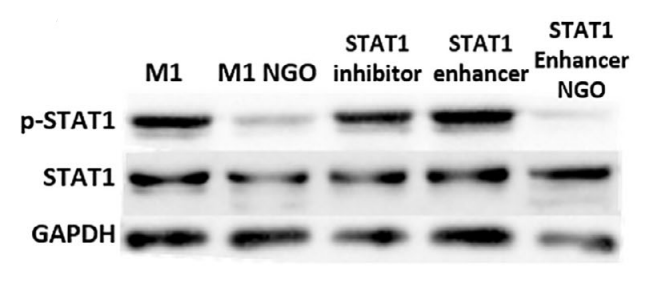
2-NP (45 × 10−6 M; 2 h) induced enhancement of STAT1 phosphorylation in PBMC-derived macrophages.
-
Phytother Res
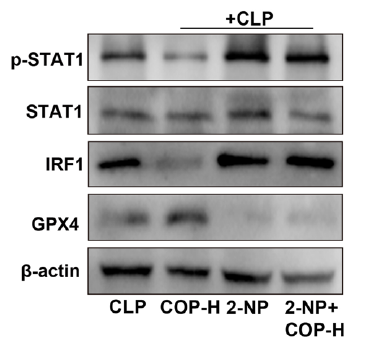
Coptisine Improves Liver Inflammation in Sepsis by Regulating STAT1/IRF1/GPX4 Signaling-Mediated Kupffer Cells Ferroptosis. [Abstract]2025 Aug 12. PMID: 40791017
2-NP purchased from MedChemExpress. Usage Cited in: Phytother Res. 2025 Aug 12. [Abstract]
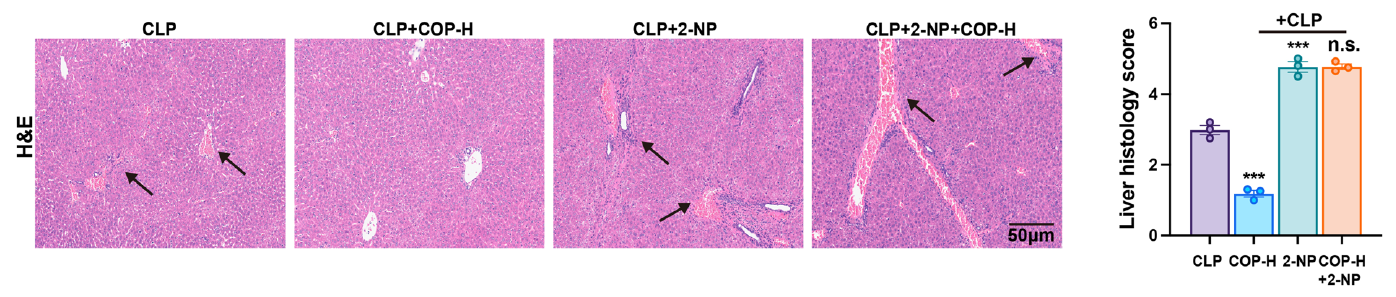
2-NP (20 mg/kg; i.g.; once daily for 3 d) aggravated the disordered hepatocytes and inflammatory cell infiltration in CLP (cecal ligation and puncture) mice.
2-NP purchased from MedChemExpress. Usage Cited in: Phytother Res. 2025 Aug 12. [Abstract]
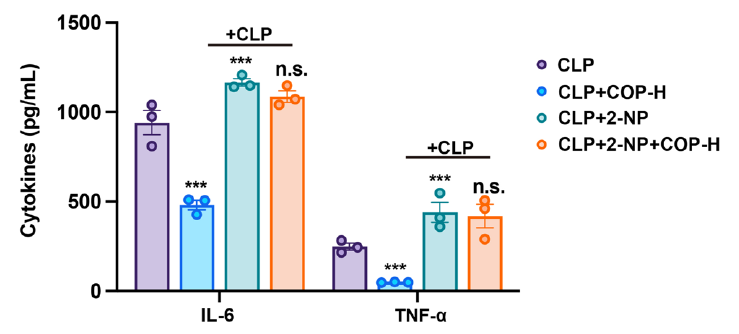
2-NP (20 mg/kg; i.g.; once daily for 3 d) diminished therapeutic effect of COP on inflammatory factors evidenced by the detection of IL-6 and TNF-α in the serums of CLP (cecal ligation and puncture) mice.
2-NP purchased from MedChemExpress. Usage Cited in: Phytother Res. 2025 Aug 12. [Abstract]
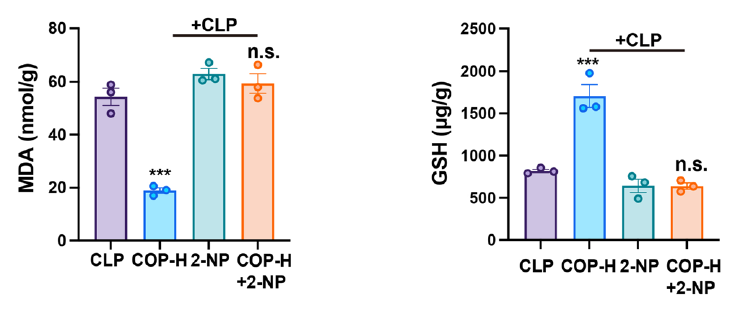
2-NP (20 mg/kg; i.g.; once daily for 3 d) diminished the effect of COP on reducing MDA and increasing GSH in liver tissues in the serums of CLP (cecal ligation and puncture) mice.
2-NP purchased from MedChemExpress. Usage Cited in: Phytother Res. 2025 Aug 12. [Abstract]
2-NP (20 mg/kg; i.g.; once daily for 3 d) weakened therapeutic effect of COP on restoring GPX4 and inhibiting the phosphorylation of STAT1 and IRF1 in CLP (cecal ligation and puncture) mice.
-
Eur J Pharmacol
Procyanidin B2 alleviates LPS-induced acute lung injury by regulating M1 macrophage polarization and inhibiting pyroptosis via the NF-κB/JAK2/STAT1 signaling pathway. [Abstract]2025 Nov 5:1006:178149. PMID: 40975473 -
Int Immunopharmacol
CGRP alleviates epilepsy via JAK1-STAT1-P2RX7 signaling: a novel neuroprotective axis targeting neuronal damage. [Abstract]2026 Feb 1:170:116080. PMID: 41429063 -
Int Immunopharmacol
A small-molecule enhancer of STAT1 affects herpes simplex keratitis prognosis by mediating plasmacytoid dendritic cells migration through CXCR3/CXCL10. [Abstract]2025 Feb 6:147:113959. PMID: 39755108 -
Int Immunopharmacol
Hypidone hydrochloride (YL-0919) protects mice from meningitis via Sigma1R-STAT1-NLRP3-GSDMD pathway. [Abstract]2024 Feb 15:128:111524. PMID: 38232537 -
Mol Neurobiol
Rutin Attenuates Gentamycin-induced Hair Cell Injury in the Zebrafish Lateral Line via Suppressing STAT1. [Abstract]2024 Nov;61(11):9548-9561. PMID: 38653908 -
Poult Sci
Up-regulated Lnc BTU promotes the production of duck plague virus DNA polymerase and inhibits the activation of JAK-STAT pathway to facilitate duck plague virus replication. [Abstract]2024 Dec;103(12):104238. PMID: 39383668 -
Immun Inflamm Dis
PLSCR1 Regulates the Physiology of Fibroblast-Like Synoviocytes via Modulating the STAT1 Signaling Pathway. [Abstract]2025 Oct;13(10):e70294. PMID: 41146421 -
-


Solvent & Solubility
In Vitro:
DMSO : 50 mg/mL (224.97 mM; Need ultrasonic; Hygroscopic DMSO has a significant impact on the solubility of product, please use newly opened DMSO)
Please refer to the solubility information to select the appropriate solvent. Once prepared, please aliquot and store the solution to prevent product inactivation from repeated freeze-thaw cycles.
Storage method and period of stock solution: -80°C, 6 months; -20°C, 1 month (protect from light). When stored at -80°C, please use it within 6 months. When stored at -20°C, please use it within 1 month.
Please refer to the solubility information to select the appropriate solvent. Once prepared, please aliquot and store the solution to prevent product inactivation from repeated freeze-thaw cycles.
Storage method and period of stock solution: -80°C, 6 months; -20°C, 1 month (protect from light). When stored at -80°C, please use it within 6 months. When stored at -20°C, please use it within 1 month.
Concentration (start) × Volume (start) = Concentration (final) × Volume (final)
In Vivo:
Select the appropriate dissolution method based on your experimental animal and administration route.
- For the following dissolution methods, please ensure to first prepare a clear stock solution using an In Vitro approach and then sequentially add co-solvents:
- To ensure reliable experimental results, the clarified stock solution can be appropriately stored based on storage conditions. As for the working solution for In Vivo experiments, it is recommended to prepare freshly and use it on the same day.
- The percentages shown for the solvents indicate their volumetric ratio in the final prepared solution. If precipitation or phase separation occurs during preparation, heat and/or sonication can be used to aid dissolution.
Add each solvent one by one: 10% DMSO 40% PEG300 5% Tween-80 45% Saline
Solubility: ≥ 1.25 mg/mL (5.62 mM); Clear solution
This protocol yields a clear solution of ≥ 1.25 mg/mL (saturation unknown).
Taking 1 mL working solution as an example, add 100 μL DMSO stock solution (12.5 mg/mL) to 400 μL PEG300, and mix evenly; then add 50 μL Tween-80 and mix evenly; then add 450 μL Saline to adjust the volume to 1 mL.
Preparation of Saline: Dissolve 0.9 g sodium chloride in ddH₂O and dilute to 100 mL to obtain a clear Saline solution.
In Vivo Dissolution Calculator
Please enter the basic information of animal experiments:
-
-
-
-
Recommended: Prepare an additional quantity of animals to account for potential losses during experiments.
Please enter your animal formula composition:
-
%DMSO +
Recommended: Keep the proportion of DMSO in working solution below 2% if your animal is weak.
-
%+
-
+%Tween-80 + +
-
%Saline +
The co-solvents required include: DMSO, . All of co-solvents are available by MedChemExpress (MCE). , Tween 80. All of co-solvents are available by MedChemExpress (MCE).
Working solution concentration: 0.22 mg/mL
Method for preparing stock solution: mg drug dissolved in μL DMSO. Stock solution concentration: mg/mL. * In solvent : -80°C, 6 months; -20°C, 1 month (protect from light)
1. Take μL DMSO stock solution;
2. Add μL .
μL , mix evenly;
3. Then add μL Tween 80, mix evenly;
4. Then add μL
Please ensure that the stock solution in the first step is dissolved to a clear state, and add co-solvents in sequence. You can use ultrasonic heating (ultrasonic cleaner, recommended frequency 20-40 kHz), vortexing, etc. to assist dissolution.


Purity & Documentation
-
Data Sheet (280 KB)
-
SDS (614 KB)
- English - EN (614 KB)
- Français - FR (614 KB)
- Deutsch - DE (614 KB)
- Norwegian - NO (614 KB)
- Español - ES (614 KB)
- Swedish - SV (614 KB)
- Italian - IT (614 KB)
- Korean - KR (614 KB)
- Portuguese - PT (614 KB)
-
Handling Instructions (2659 KB)
References
[1]. Lynch RA, et, al. A small-molecule enhancer of signal transducer and activator of transcription 1 transcriptional activity accentuates the antiproliferative effects of IFN-gamma in human cancer cells. Cancer Res. 2007 Feb 1;67(3):1254-61. [Content Brief]
[2]. Luo N, et al., Up-regulated Lnc BTU promotes the production of duck plague virus DNA polymerase and inhibits the activation of JAK-STAT pathway to facilitate duck plague virus replication. Poult Sci. 2024 Dec;103(12):104238. [Content Brief]
[3]. Wang Y, et al., A small-molecule enhancer of STAT1 affects herpes simplex keratitis prognosis by mediating plasmacytoid dendritic cells migration through CXCR3/CXCL10. Int Immunopharmacol. 2025 Feb 6;147:113959. [Content Brief]


Complete Stock Solution Preparation Table
Please refer to the solubility information to select the appropriate solvent. Once prepared, please aliquot and store the solution to prevent product inactivation from repeated freeze-thaw cycles.
Storage method and period of stock solution: -80°C, 6 months; -20°C, 1 month (protect from light). When stored at -80°C, please use it within 6 months. When stored at -20°C, please use it within 1 month.
| Optional Solvent | Concentration Solvent Mass | 1 mg | 5 mg | 10 mg | 25 mg |
|---|---|---|---|---|---|
| DMSO | 1 mM | 4.4994 mL | 22.4972 mL | 44.9944 mL | 112.4859 mL |
| 5 mM | 0.8999 mL | 4.4994 mL | 8.9989 mL | 22.4972 mL | |
| 10 mM | 0.4499 mL | 2.2497 mL | 4.4994 mL | 11.2486 mL | |
| 15 mM | 0.3000 mL | 1.4998 mL | 2.9996 mL | 7.4991 mL | |
| 20 mM | 0.2250 mL | 1.1249 mL | 2.2497 mL | 5.6243 mL | |
| 25 mM | 0.1800 mL | 0.8999 mL | 1.7998 mL | 4.4994 mL | |
| 30 mM | 0.1500 mL | 0.7499 mL | 1.4998 mL | 3.7495 mL | |
| 40 mM | 0.1125 mL | 0.5624 mL | 1.1249 mL | 2.8121 mL | |
| 50 mM | 0.0900 mL | 0.4499 mL | 0.8999 mL | 2.2497 mL | |
| 60 mM | 0.0750 mL | 0.3750 mL | 0.7499 mL | 1.8748 mL | |
| 80 mM | 0.0562 mL | 0.2812 mL | 0.5624 mL | 1.4061 mL | |
| 100 mM | 0.0450 mL | 0.2250 mL | 0.4499 mL | 1.1249 mL |


2-NP Related Classifications
HY-W013523 Related Classifications
 Powered by Bioz