



HSV
Herpes simplex virus type 1 (HSV-1) is a ubiquitous neurotropic pathogen that establishes lifelong latent infections in sensory neurons, primarily within trigeminal ganglia[1][2]. Mechanistically, HSV-1 exploits host cellular factors, including heat-shock protein 90α (Hsp90α), to stabilize virion protein 16 (VP16) and facilitate transactivation of immediate-early α genes during lytic replication[3][4]. Viral entry and spread are modulated by distinct classes of cellular glycans, with N-glycans essential for viral entry and propagation, O-glycans influencing glycoprotein gB and gD function, and glycosaminoglycans and glycolipids supporting viral attachment[5]. In disease models, HSV-1 induces ocular pathologies such as herpetic stromal keratitis (HSK) and contributes to neurodegenerative features resembling Alzheimer’s disease, including tau hyperphosphorylation and amyloid-β accumulation[6][7][8][9]. Compared with related isoforms, alternative splicing of host STING/TMEM173 produces truncated variants that selectively inhibit full-length STING, reducing IFN-β induction and allowing HSV-1 to evade innate immunity[10]. Agonists and inhibitors targeting HSV-1 replication pathways demonstrate translational potential: oridonin suppresses viral replication via the NLRP3-inflammasome-IL-1β pathway, whereas SETD8 inhibition reduces immediate-early gene accessibility and lytic infection[11][12]. These molecular insights provide frameworks for experimental applications, including antiviral drug screening, vaccine design, and mechanistic studies of viral-host interactions[13][14][15].
References:
- [1]. Jiang K, et al. Antiviral Activity of Oridonin Against Herpes Simplex Virus Type 1. Drug Des Devel Ther. 2022 Dec 20;16:4311-4323. [Content Brief]
- [2]. Song X, et al. Inhibition of mitophagy via the EIF2S1-ATF4-PRKN pathway contributes to viral encephalitis. J Adv Res. 2025 Jul;73:199-217. [Content Brief]
- [3]. Bagdonaite I, et al. Glycoengineered keratinocyte library reveals essential functions of specific glycans for all stages of HSV-1 infection. Nat Commun. 2023;14:7000.
- [4]. Sessa R, et al. Lymphangiogenesis: a new player in herpes simplex virus 1-triggered T-cell response. Immunol Cell Biol. 2017 Jan;95(1):5-6. [Content Brief]
- [5]. Kollias CM, Huneke RB, Wigdahl B, Jennings SR. Animal models of herpes simplex virus immunity and pathogenesis. Journal of NeuroVirology. 2014;21:8-23.
- [6]. Ding X, et al. Cellular Signaling Analysis shows antiviral, ribavirin-mediated ribosomal signaling modulation. Antiviral Res. 2019 Nov;171:104598. [Content Brief]
- [7]. Wang Y, et al. Heat-shock protein 90α is involved in maintaining the stability of VP16 and VP16-mediated transactivation of α genes from herpes simplex virus-1. Mol Med. 2018 Dec 22;24(1):65. [Content Brief]
- [8]. Jones C. Herpes simplex virus type 1 and bovine herpesvirus 1 latency. Clin Microbiol Rev. 2003 Jan;16(1):79-95. doi: 10.1128/CMR.16.1.79-95.2003. PMID: 12525426; PMCID: PMC145298. et al. Herpes simplex virus type 1 and bovine herpesvirus 1 latency. Clin Microbiol Rev. 2003 Jan;16(1):79-95. [Content Brief]
- [9]. Kristen H, et al. LAMP2 deficiency attenuates the neurodegeneration markers induced by HSV-1 infection. Neurochem Int. 2021 Jun;146:105032. [Content Brief]
- [10]. Yirün A, et al. Determination of the effects of Herpes simplex glycoprotein B on epigenetic alterations in in vitro models of Alzheimer's disease. J Alzheimers Dis. 2026 Apr;110(4):1886-1898. [Content Brief]
- [11]. Arbuckle JH, et al. The H4K20-mono-methyltransferase SETD8 promotes global accessibility of infecting herpes simplex virus genomes. J Virol. 2025 Dec 23;99(12):e0129325. [Content Brief]
- [12]. Gompels UA, et al. Immunisation Using Novel DNA Vaccine Encoding Virus Membrane Fusion Complex and Chemokine Genes Shows High Protection from HSV-2. Viruses. 2022 Oct 22;14(11):2317. [Content Brief]
- [13]. Salgado B, et al. Cholesterol Modulation Attenuates the AD-like Phenotype Induced by Herpes Simplex Virus Type 1 Infection. Biomolecules. 2024 May 20;14(5):603. [Content Brief]
- [14]. Ezzat K, et al. The viral protein corona directs viral pathogenesis and amyloid aggregation. Nat Commun. 2019 May 27;10(1):2331. [Content Brief]
- [15]. Rodríguez-García E, et al. TMEM173 Alternative Spliced Isoforms Modulate Viral Replication through the STING Pathway. Immunohorizons. 2018 Dec 11;2(11):363-376. [Content Brief]
All Product Categories
-
HSV Related Products (232)
Related Products (232)

-
Floxuridine
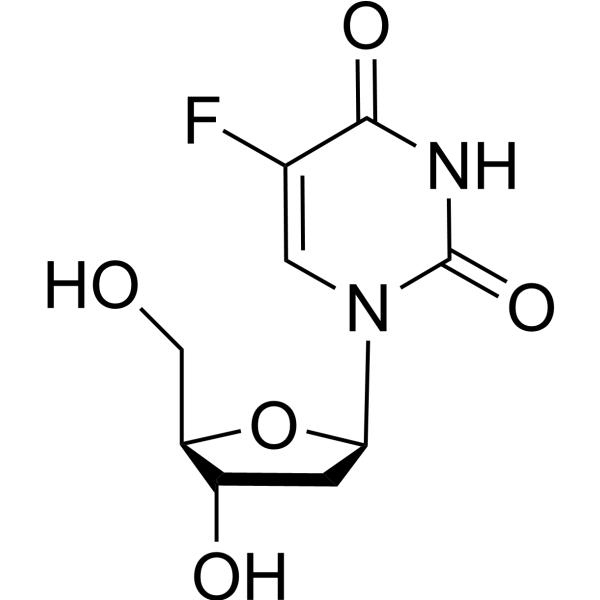 0 ImagesFloxuridine (5-Fluorouracil 2'-deoxyriboside) is a pyrimidine analog and known as an oncology antimetabolite. Floxuridine inhibits Poly(ADP-Ribose) polymerase and induces DNA damage by activating the ATM and ATR checkpoint signaling pathways in vitro. Floxuridine is a extreamly potent inhibitor for S. aureus infection and induces cell apoptosis. Floxuridine has antiviral effects against HSV and CMV.
-
Lactoferrin from Bovine milk
 0 ImagesLactoferrin from Bovine milk is a substance released by neutrophils. Lactoferrin from Bovine milk is an orally active multifunctional iron binding glycoprotein. Lactoferrin from Bovine milk prevents cell adhesion, growth and spreading of cell colonies. Lactoferrin from Bovine milk also has antiviral activity and inhibits microbial and viral adhesion and entry into host cells. Besides, Lactoferrin from Bovine milk has anti-inflammatory, immunomodulatory, and anti-cancer activities.
-
Theaflavin 3,3'-digallate
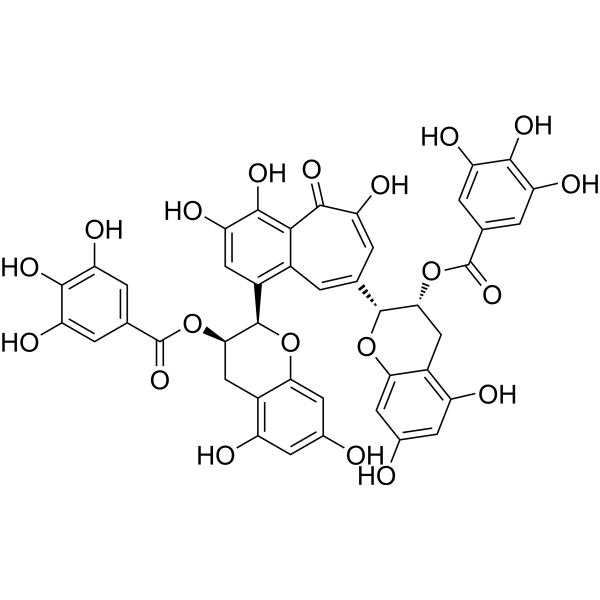 0 ImagesSynonyms: TF-3; ZP10Theaflavin 3,3'-digallate (TF-3) is a potent Zika virus (ZIKV) protease inhibitor with an IC50 of 2.3 μM. Theaflavin 3,3'-digallat directly binds to ZIKVpro (Kd=8.86 μM) and inhibits ZIKV replication. Theaflavin 3,3'-digallat inhibits the activity of gp41 and NS2B-3 protease and has antiviral activity against HSV and HIV-1. Theaflavin 3,3'-digallate, the typical pigment in black tea, is a potent antitumor agent.
-
Fialuridine
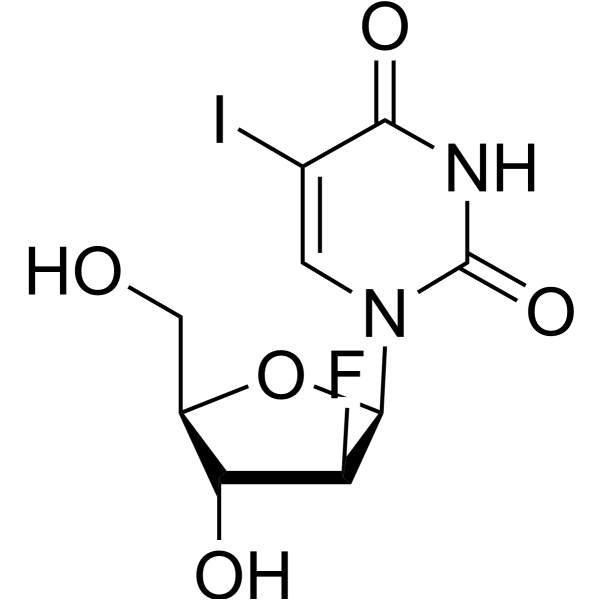 0 ImagesSynonyms: FIAU; DRG-0098; NSC 678514Fialuridine (FIAU), a nucleoside analog, is a HSV-1 and HSV-2 inhibitor with Kis of 0.14 μM and 0.95 μM, respectively. Fialuridine shows anti-orthopoxvirus and anti-hepatitis B virus (HBV) activities. Fialuridine inhibits duck HBV DNA replication with IC50 values of 0.075 μM and 156 μM in human hepatoma cells and in chicken liver cells, respectively.
-
Brincidofovir
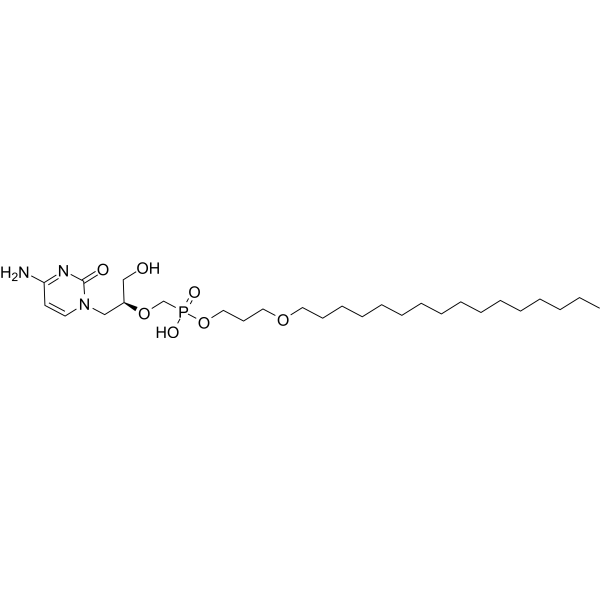 0 ImagesSynonyms: CMX001; HDP-CDVBrincidofovir (CMX001), the lipid-conjugated prodrug of Cidofovir (HY-17438), is an orally available, long-acting antiviral. Brincidofovir shows activity against a broad spectrum of DNA viruses including cytomegalovirus (CMV), adenovirus (ADV), varicella zoster virus, herpes simplex virus, polyomaviruses, papillomaviruses, poxviruses, and mixed double-stranded DNA virus infections. Brincidofovir, an oral antiviral in late stage development, has proven effective against orthopoxviruses in vitro and in vivo.
-
Astin C
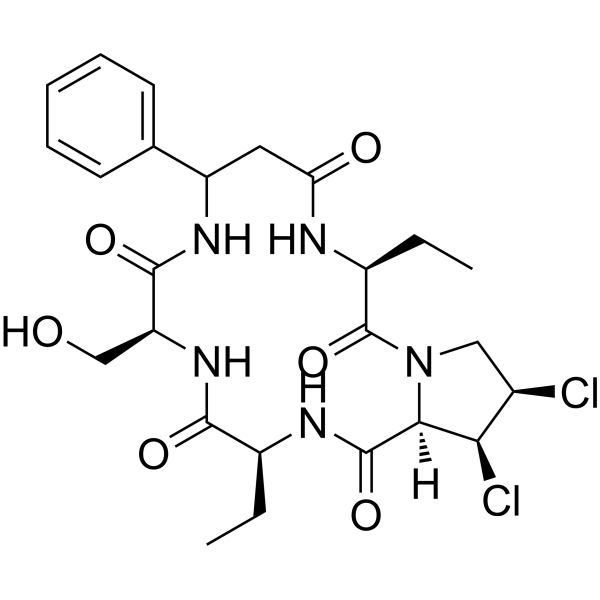 0 ImagesSynonyms: AsterinAstin C (Asterin) is a cyclopeptide that can be extracted from Aster tataricus. Astin C has anti-inflammatory and anti-cancer activities. Astin C can specifically inhibit the cGAS-STING signaling pathway, block the recruitment of IRF3 to the STING signalosome, and thus inhibit the innate inflammatory response. Astin C can be used in the research of autoimmune diseases and cancers.
-
Carrageenan
 0 ImagesCarrageenan is an antiviral and anticancer agent. Carrageenan inhibits herpes simplex virus (HSV), HIV, and hepatitis A virus (HAV) by directly binding to the viral capsid to block the attachment of viruses such as HPV to HSPG factors on the cell surface. Carrageenan delays and arrests cell cycle progression, exhibits cytotoxicity against HeLa cancer cells, and can be applied to studies related to cervical cancer, genital warts, hepatitis A, and other conditions. Carrageenan also induces acute non-immune inflammation, triggers a three-phase inflammatory response involving the release of multiple proinflammatory mediators, and causes persistent edema, hyperalgesia, and neutrophil recruitment in mice.
-
Adenosine monophosphate (Standard)
 0 ImagesAdenosine monophosphate (Standard) is the analytical standard of Adenosine monophosphate (HY-A0181). This product is intended for research and analytical applications. Adenosine monophosphate is an adenosine A1 receptor agonist. Adenosine monophosphate has significant antiviral activity against HSV-1 and HSV-2. Adenosine monophosphate is a key cellular metabolite regulating energy homeostasis and signal transduction.
-
5-Hydroxymethyl-2'-deoxyuridine
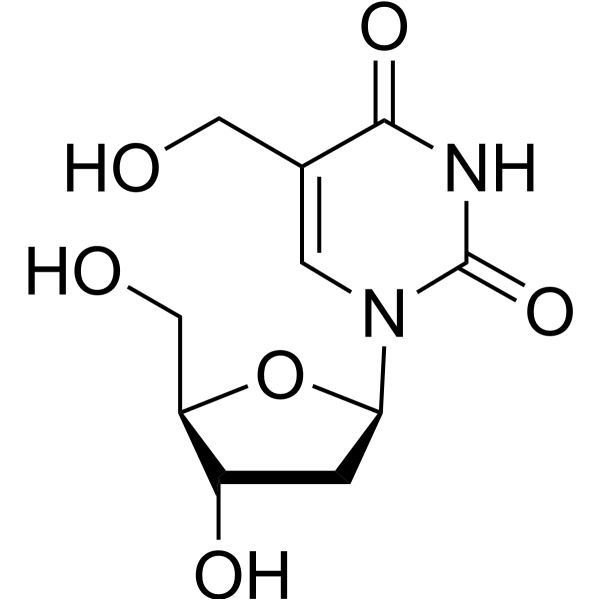 0 Images5-Hydroxymethyl-2'-deoxyuridine is a nucleoside analog. 5-Hydroxymethyl-2'-deoxyuridine inhibits the replication of multiple human leukemia cell lines with IC50 values of 1.7-5.8 μM. 5-Hydroxymethyl-2'-deoxyuridine prolongs the survival of mice carrying L1210 leukemia. 5-Hydroxymethyl-2'-deoxyuridine can be used for the research of cell replication and leukemia.
-
Vidarabine
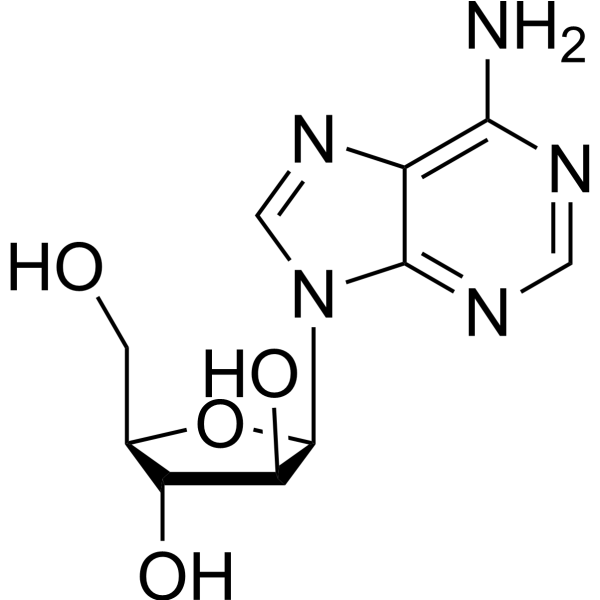 0 ImagesSynonyms: Ara-A; Adenine Arabinoside; 9-β-D-ArabinofuranosyladenineVidarabine (Ara-A) is a Purine nucleoside derivative and Antiviral agent. The triphosphate derivative of Vidarabine competitively inhibits DNA polymerase, incorporates into the terminus of elongating DNA molecules, and interferes with the early steps of viral DNA synthesis. Vidarabine inhibits the replication of herpes simplex virus, varicella-zoster virus, cytomegalovirus, Epstein-Barr virus and vaccinia virus, reduces viral shedding, and accelerates skin healing. Vidarabine is metabolized to arabinosyl hypoxanthine, causes minimal impairment of corneal wound healing in rabbit models, and is associated with recurrence of herpes simplex encephalitis. Vidarabine can be used in the research of herpetic keratoconjunctivitis, herpes simplex encephalitis, herpetic uveitis, and chronic active hepatitis associated with hepatitis B virus.
-
Adefovir dipivoxil
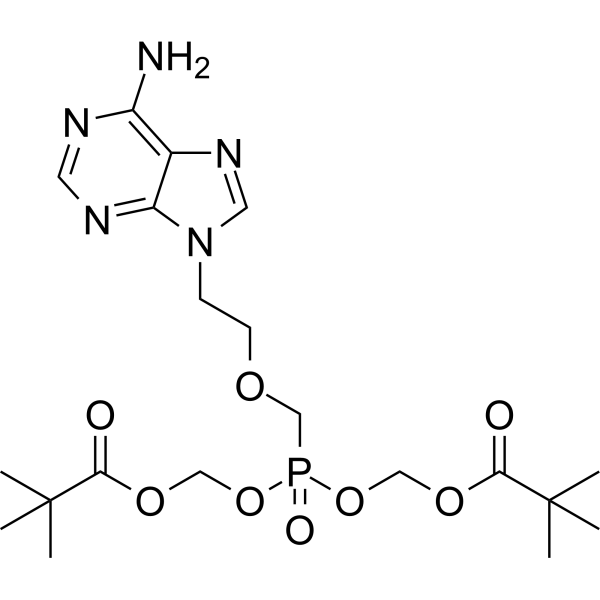 0 ImagesSynonyms: GS 0840Adefovir dipivoxil is an orally active adenosine analog and Adefovir prodrug. Adefovir dipivoxil inhibits DNA synthesis, activates the ATR signaling pathway, and disrupts the KCTD12-CDK1 interaction. Adefovir dipivoxil has antiviral activity against PRV, HBV, and orthopoxviruses. Adefovir dipivoxil has inhibitory effects on both lamivudine-resistant and wild-type strains. Adefovir dipivoxil has antitumor activity against lung and colon cancer.
-
Adipic acid
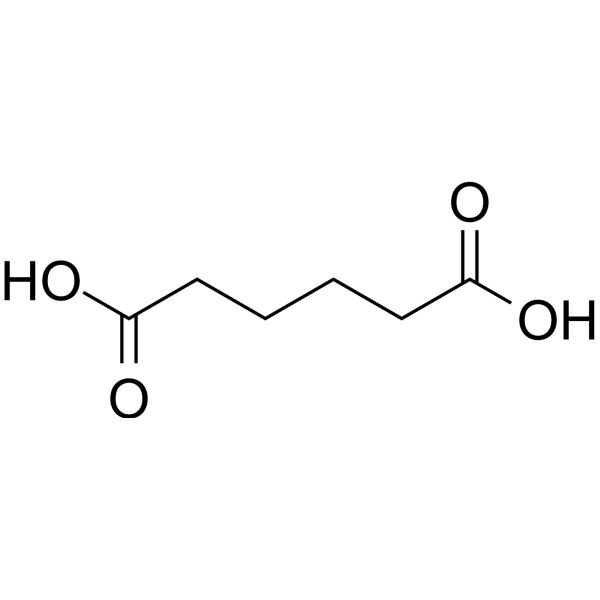 0 ImagesSynonyms: Hexanedioic acid
-
Adenosine monophosphate-15N5 dilithium
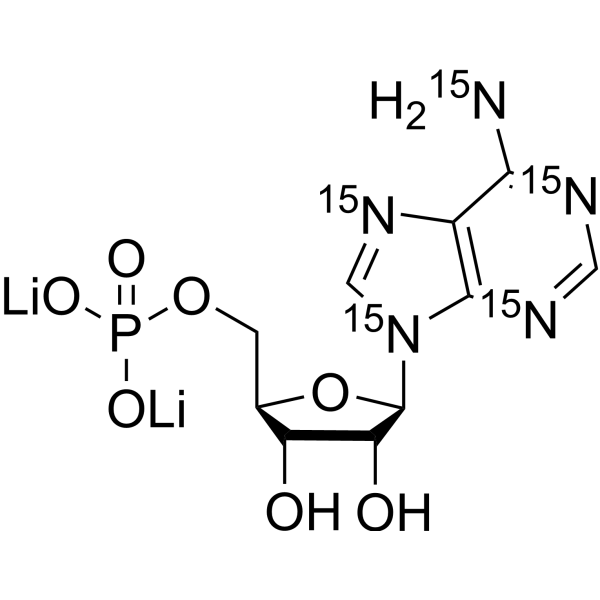 0 ImagesCat. No.: HY-A0181S1Purity: 99.22%Adenosine monophosphate-15N5 dilithium is the 15N labeled Adenosine monophosphate (HY-A0181). Adenosine monophosphate is an adenosine A1 receptor agonist. Adenosine monophosphate has significant antiviral activity against HSV-1 and HSV-2. Adenosine monophosphate is a key cellular metabolite regulating energy homeostasis and signal transduction.
-
Isoxanthohumol
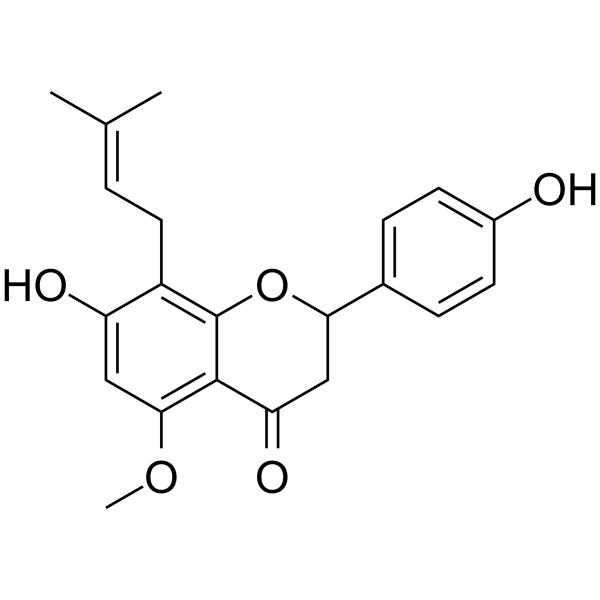 0 ImagesIsoxanthohumol is an orally active flavonoid compound. Isoxanthohumol has biological activities such as anti-tumor, anti-inflammatory, antioxidant, antiviral, antifungal, and inhibition of adipogenesis. Isoxanthohumol can induce apoptosis, autophagy, and migration of tumor cells. Isoxanthohumol is active against viruses such as HSV, BVDV, CMV, and Rhino. Isoxanthohumol can be used for the research of tumors, metabolic, and inflammatory diseases.
-
Z-LVG-CHN2
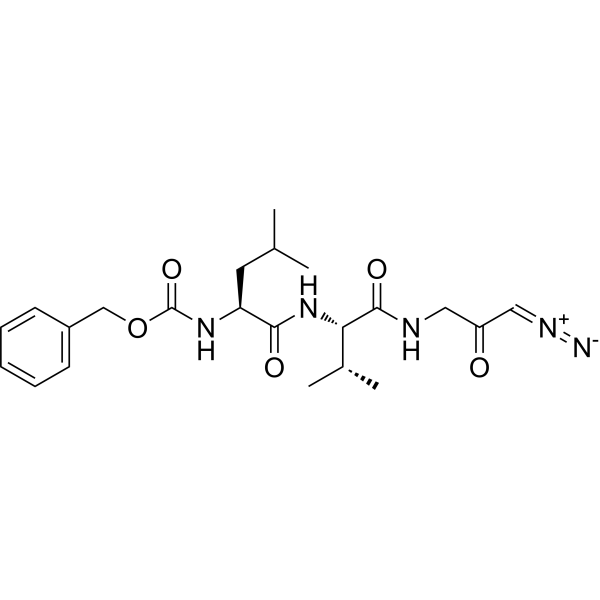 0 ImagesZ-LVG-CHN2 is a cell-permeable and irreversible inhibitor of cysteine proteinase. Z-LVG-CHN2 is a tripeptide derivative and mimics part of the human cysteine proteinase-binding center. Z-LVG-CHN2 displays an inhibition on HSV whereas no significant effect on poliovirus replication. Z-LVG-CHN2 effectively blocks SARS-COV-2 replication (EC50=190 nM) via inhibition of SARS-COV-2 3CL pro protease.
-
Acyclovir (Standard)
 0 ImagesSynonyms: Aciclovir (Standard); Acycloguanosine (Standard)Acyclovir (Standard) is the analytical standard of Acyclovir. This product is intended for research and analytical applications. Acyclovir (Aciclovir) is a potent, orally active antiviral agent. Acyclovir has antiherpetic activity with IC50 values of 0.85 μM and 0.86 μM for HSV-1 and HSV-2, respectively. Acyclovir induces cell cycle perturbation and apoptosis. Acyclovir prevents bacterial infections during induction therapy for acute leukaemia.
-
Trigonelline-d3 chloride
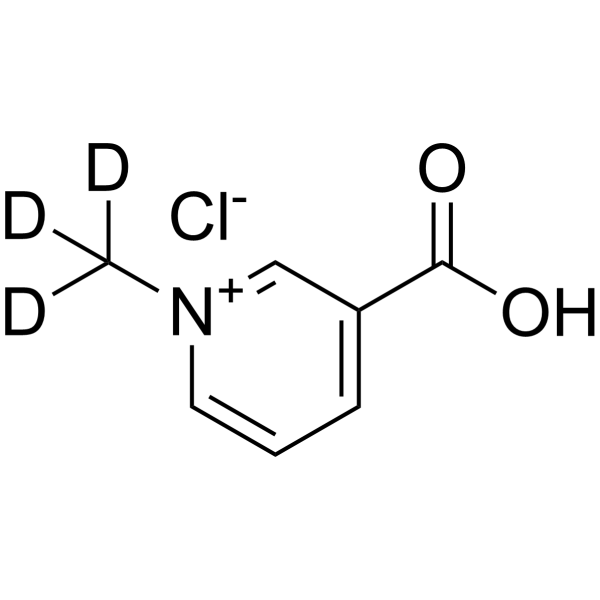 0 ImagesCat. No.: HY-N0415SPurity: 99.9%Synonyms: Trigonelline-d3 hydrochlorideTrigonelline-d3 (chloride) is the deuterium labeled Trigonelline chloride. Trigonelline chloride, an alkaloid with potential antidiabetic activity, is present in considerable amounts in coffee. Trigonelline chloride has anti-HSV-1 , antibacterial, and antifungal activities.
-
(Z)-Capsaicin
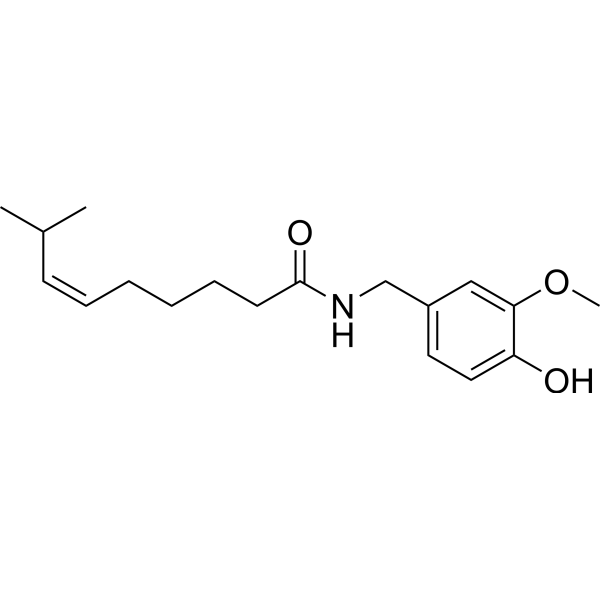 0 ImagesSynonyms: Zucapsaicin; Civamide; cis-Capsaicin
-
L-Lysine (Standard)
 0 ImagesL-Lysine (Standard) is the analytical standard of L-Lysine. This product is intended for research and analytical applications. L-lysine is an essential amino acid for humans with orally activity. L-lysine can inhibit the occurrence of HSV infections and is used in herpes research. L-lysine increases calcium absorption, reduces diabetes-related diseases, improves gut health, and alleviates pancreatic inflammation. L-lysine can be used in research on metabolism, infection, and inflammation. IC50 & Target:L-lysine (150 mg/kg) promotes, but not initiates, bladder cancer. The administration of L-lysine to rats submitted to colovesical cystoplasty accelerates the development of transitional metaplasia of the intestinal epithelium.
L-lysine (10 mg/kg) treatment attenuates pancreatic tissue injury induced by L-arginine by inhibiting the release of the inflammatory cytokine IL-6 and enhance antioxidant activity. In Vivo:L-lysine (10?mg/kg, p.o., pre-treated or post-treated, administration duration 15 days) treatment attenuates pancreatic tissue injury induced by L-arginine by inhibiting the release of the inflammatory cytokine IL-6 and enhance antioxidant activity in acute pancreatitis mice model. L-lysine (5 or 10?mg/kg, p.o., 45 days) ameliorates sepsis-induced acute lung injury in a lipopolysaccharide (HY-D1056)-induced mouse model.



