



Lactoferrin from Bovine milk
Based on 1 publication(s) in Google Scholar
Lactoferrin from Bovine milk is a substance released by neutrophils. Lactoferrin from Bovine milk is an orally active multifunctional iron binding glycoprotein. Lactoferrin from Bovine milk prevents cell adhesion, growth and spreading of cell colonies. Lactoferrin from Bovine milk also has antiviral activity and inhibits microbial and viral adhesion and entry into host cells. Besides, Lactoferrin from Bovine milk has anti-inflammatory, immunomodulatory, and anti-cancer activities.
연구목적의 판매만을 진행합니다. 환자를 대상으로 한 판매는 하지 않습니다.
- Purity : 98.00%
- CAS No.: 936541-36-5
-
보관:
Please store the product under the recommended conditions in the Certificate of Analysis.

To place orders, for customer services and technical support, please contact: MedChemExpress USA
Tel: 609-228-6898 E-mail: [email protected] [email protected]


-
 Biological Activity
-
Chemical Information
-
용액&용해도
- Protocol
- 순도&문서
- References
-
 Help & FAQs


-
HY-18341
L-ThyroxineThyroid Hormone -
HY-P0035
Insulin (human)Recombinant Human Insulin -
HY-B0215
AcetylcysteineMucolytic Agent -
HY-10219
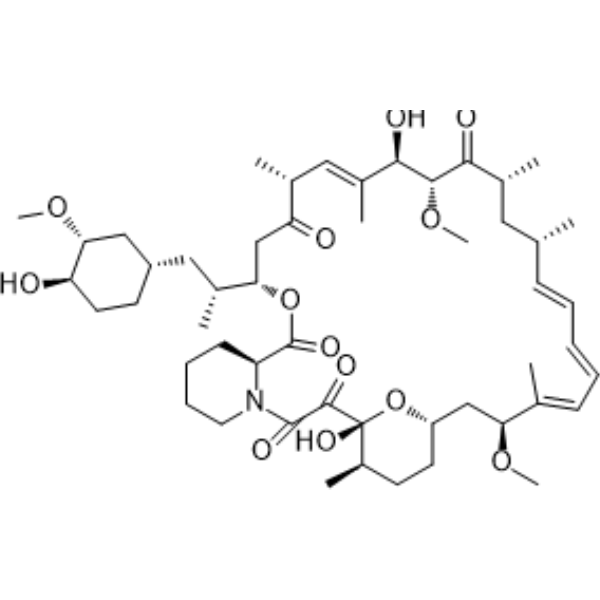
RapamycinmTOR Inhibitor -
HY-B2167
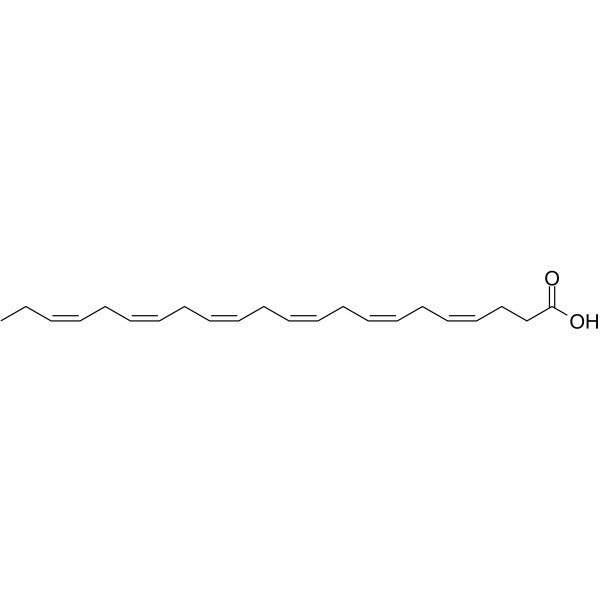
Docosahexaenoic acidomega-3 Fatty Acid -
HY-B0075
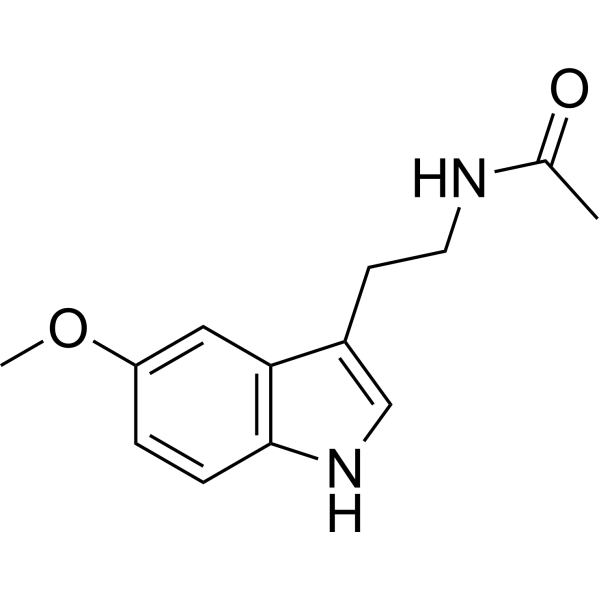
MelatoninMelatonin Receptor Activator -
HY-N0111
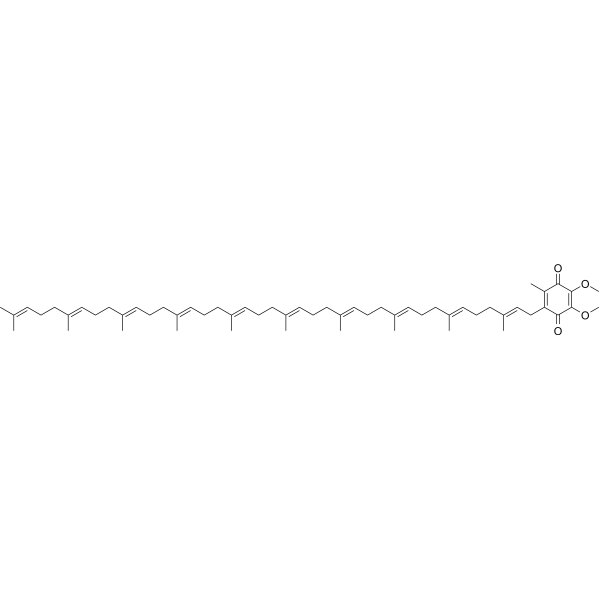
Coenzyme Q10Antioxidant -
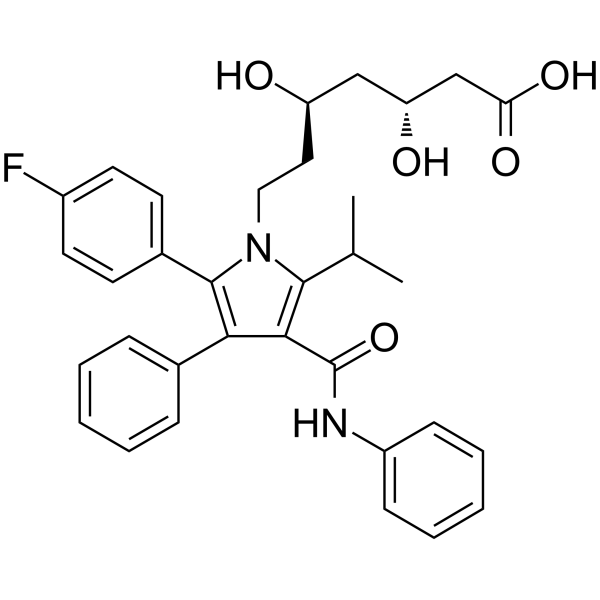
HY-B0589
AtorvastatinHMG-CoA Reductase Inhibitor -
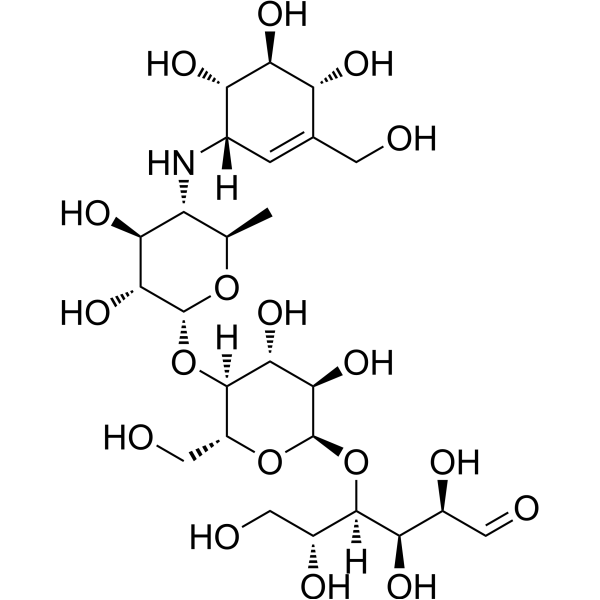
HY-B0089
AcarboseAlpha-Glucosidase Inhibitor -
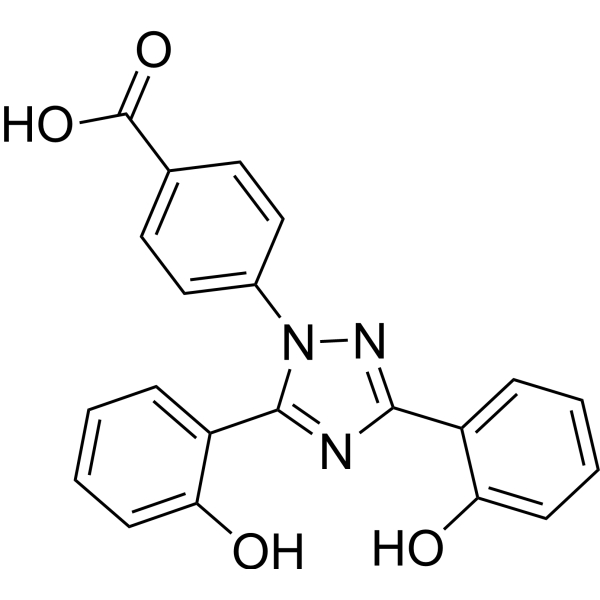
HY-17359
DeferasiroxIron Chelator -
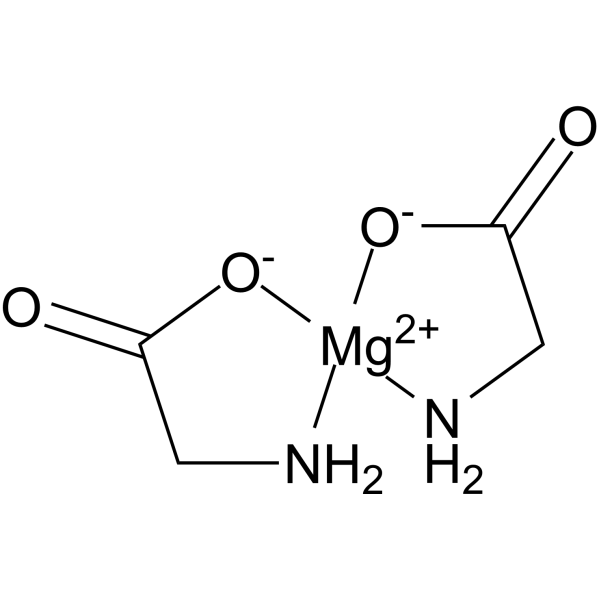
HY-129328
Magnesium glycinateNutrient Supplement
Publications Citing Use of MedChemExpress (MCE) Lactoferrin from Bovine milk
More

Biological Activity
제품 설명
In Vitro
Lactoferrin (0-1 000 μg/mL, 7 days) inhibits epithelial cell (HaCaT) growth in a dose-dependent manner[1].
Lactoferrin (500 μg/mL, 12 days) inhibits the spreading and growth of HaCaT cell colonies[1].
Lactoferrin (1.41 μM and 0.12 μM for human and bovine Lactoferrins) inhibits HSV-1 infection in vero cells by 50%[4].
MedChemExpress (MCE) has not independently confirmed the accuracy of these methods. They are for reference only. Further protocols information, click here.
In Vivo
Lactoferrin (Bovine lactoferrin) (100 and 200 mg/kg, oral gavage,for 30 consecutive days) shows protective effects in a rat model of sepsis-induced acute lung injury[6].
MedChemExpress (MCE) has not independently confirmed the accuracy of these methods. They are for reference only.
-
Animal Model:Squamous cell carcinoma model (O12 cell injected into the left flank of nu/numice)[5]
-
Dosage:1,000 mg/kg
-
Administration:oral gavage, twice daily for 8 days
-
Result:Inhibited the tumor growth by 80%.
-
Animal Model:Sepsis-induced acute lung injury rat model[6]
-
Dosage:100 and 200 mg/kg
-
Administration:oral gavage,for 30 consecutive days
-
Result:Reduced the wet/dry ratio of lung tissue by 30.7% and 61.3%, and lipid peroxidation by 22.3% and 67%, at concentrations of 100 and 200mg/kg.
Reduced Inflammatory markers, neutrophils, lymphocytes and total cell count.
Reduced MPO activity.


Chemical Information
-
CAS No. 936541-36-5
-
Appearance Solid
-
Color Off-white to pink
-
SMILES
[Lactoferrin from Bovine milk]
-
선적
Room temperature in continental US; may vary elsewhere.
-
보관
Please store the product under the recommended conditions in the Certificate of Analysis.


Publications (1)
-
Journal Impact Factor
-
Most Recent


용액&용해도
In Vitro:
H2O : ≥ 50 mg/mL
* "≥" means soluble, but saturation unknown.

Protocol
-
Research Protocol for Infectious Diseases
Infectious-disease experiments test how pathogens interact with host barriers, innate immune receptors, inflammatory signaling, pathogen replication, and tissue injury; pattern-recognition receptors such as TLRs, RIG-I-like receptors, NOD-like receptors, and inflammasomes detect microbial molecules and activate NF-κB, interferon, and cytokine responses. The central hypothesis is that infection severity reflects the balance between pathogen burden and host response: protective inflammation restricts pathogen growth, whereas excessive or mislocalized inflammation contributes to tissue damage and disease phenotype. Unresolved questions include which host pathways are protective versus pathogenic, why some infection models fail to translate to human disease, and which combined readouts best predict clinically relevant infection outcomes.
-
Research Protocol for Inflammation-related Diseases
The NLRP3 inflammasome is a cytosolic innate immune signaling platform that integrates priming signals and danger-signal activation to promote caspase-1 activation, maturation of IL-1β and IL-18, and gasdermin D-mediated pyroptotic cell death. The core experimental logic is to determine whether inflammatory disease phenotypes are driven by increased NLRP3 expression, ASC-containing inflammasome assembly, caspase-1 cleavage, GSDMD cleavage, and extracellular release of IL-1β/IL-18 rather than by nonspecific cell injury alone. The pathway is strongly linked to inflammation-related disease phenotypes because monosodium urate crystals activate NALP3/NLRP3 inflammasome signaling in gout-like crystal inflammation, cholesterol crystals activate NLRP3 inflammasomes in atherogenesis models, and DSS-induced intestinal inflammation has been reported to involve NLRP3 inflammasome activity. However, experimental colitis studies also show context-dependent protective effects of NLRP3 inflammasome co


순도&문서
-
Data Sheet (270 KB)
-
SDS (251 KB)
- English - EN (251 KB)
- Français - FR (251 KB)
- Deutsch - DE (251 KB)
- Norwegian - NO (251 KB)
- Español - ES (251 KB)
- Swedish - SV (251 KB)
- Italian - IT (251 KB)
- Korean - KR (251 KB)
- Portuguese - PT (251 KB)
-
Handling Instructions (2659 KB)
References
[1]. Pöllänen MT, et al. Lactoferrin impedes epithelial cell adhesion in vitro. J Periodontal Res. 1998 Jan;33(1):8-16. [Content Brief]
[2]. Berlutti F, et al. Antiviral properties of lactoferrin--a natural immunity molecule. Molecules. 2011 Aug 16;16(8):6992-7018. [Content Brief]
[3]. Cutone A, et al. Lactoferrin's Anti-Cancer Properties: Safety, Selectivity, and Wide Range of Action. Biomolecules. 2020 Mar 15;10(3):456. [Content Brief]
[4]. Marchetti M, et al. Lactoferrin inhibits herpes simplex virus type 1 adsorption to Vero cells. Antiviral Res. 1996 Mar;29(2-3):221-31. [Content Brief]
[5]. Varadhachary A, et al. Oral lactoferrin inhibits growth of established tumors and potentiates conventional chemotherapy. Int J Cancer. 2004 Sep 1;111(3):398-403. [Content Brief]
[6]. Han N, et al. Effect of bovine lactoferrin as a novel therapeutic agent in a rat model of sepsis-induced acute lung injury. AMB Express. 2019 Oct 31;9(1):177. [Content Brief]

Calculators
Concentration (start) × Volume (start) = Concentration (final) × Volume (final)


Lactoferrin from Bovine milk Related Classifications
HY-P3161 Related Classifications
 Powered by Bioz