



VEGFR1/Flt-1
VEGFR1/Flt-1 is a VEGF receptor tyrosine kinase that binds VEGF-A, VEGF-B, and PlGF, positioning it as a regulator of vascular endothelial growth factor signaling and angiogenesis[1]. Mechanistically, VEGFR1 balances angiogenic output by trapping VEGF-A during embryogenesis while contributing to pathological angiogenesis in adult tissues through macrophage-lineage cell migration and activation[2]. Compared with VEGFR2/KDR, which carries strong tyrosine kinase activity and mediates major endothelial angiogenic signals, VEGFR1 shows weaker kinase activity but higher VEGF-A binding affinity, giving it a distinct modulatory role[3]. VEGFR1 also forms VEGFR1-VEGFR2 heterodimers that support endothelial migration, sustained tube formation, vasorelaxation, and nitric oxide pathway activation without driving proliferation[4]. In disease models, VEGFR1 signaling promotes tumor growth, metastasis, inflammation, and macrophage-associated angiogenesis, while soluble VEGFR1/sFlt-1 acts as an endogenous VEGF inhibitor linked to preeclampsia and proteinuria[5]. For experimental applications, VEGFR1 antagonistic peptides can block VEGF-A, VEGF-B, and PlGF binding, inhibit receptor phosphorylation, reduce endothelial tube formation, and suppress neoangiogenesis without interfering with VEGFR2 activation[6].
References:
- [1]. Takahashi S. Vascular endothelial growth factor (VEGF), et al. Vascular endothelial growth factor (VEGF), VEGF receptors and their inhibitors for antiangiogenic tumor therapy. Biol Pharm Bull. 2011;34(12):1785-8. [Content Brief]
- [2]. Shibuya M. Tyrosine Kinase Receptor Flt/VEGFR Family: Its Characterization Related to Angiogenesis and Cancer. Genes Cancer. 2010 Nov;1(11):1119-23. doi: 10.1177/1947601910392987. PMID: 21779435; PMCID: PMC3092272. et al. Tyrosine Kinase Receptor Flt/VEGFR Family: Its Characterization Related to Angiogenesis and Cancer. Genes Cancer. 2010 Nov;1(11):1119-23. [Content Brief]
- [3]. Shibuya M. Differential roles of vascular endothelial growth factor receptor-1 and receptor-2 in angiogenesis. J Biochem Mol Biol. 2006 Sep 30;39(5):469-78. doi: 10.5483/bmbrep.2006.39.5.469. PMID: 17002866. et al. Differential roles of vascular endothelial growth factor receptor-1 and receptor-2 in angiogenesis. J Biochem Mol Biol. 2006 Sep 30;39(5):469-78. [Content Brief]
- [4]. Cudmore MJ, et al. The role of heterodimerization between VEGFR-1 and VEGFR-2 in the regulation of endothelial cell homeostasis. Nat Commun. 2012 Jul 24;3:972. [Content Brief]
- [5]. Shibuya M. Involvement of Flt-1 (VEGF receptor-1) in cancer and preeclampsia. Proc Jpn Acad Ser B Phys Biol Sci. 2011;87(4):167-78. doi: 10.2183/pjab.87.167. PMID: 21558755; PMCID: PMC3149381. et al. Involvement of Flt-1 (VEGF receptor-1) in cancer and preeclampsia. Proc Jpn Acad Ser B Phys Biol Sci. 2011;87(4):167-78. [Content Brief]
- [6]. Ponticelli S, et al. Modulation of angiogenesis by a tetrameric tripeptide that antagonizes vascular endothelial growth factor receptor 1. J Biol Chem. 2008 Dec 5;283(49):34250-9. [Content Brief]
-
VEGFR1/Flt-1 Related Products (75)
Related Products (75)

-
Recombinant Proteins (10)
-
Antibodies (1)
-
Lenvatinib
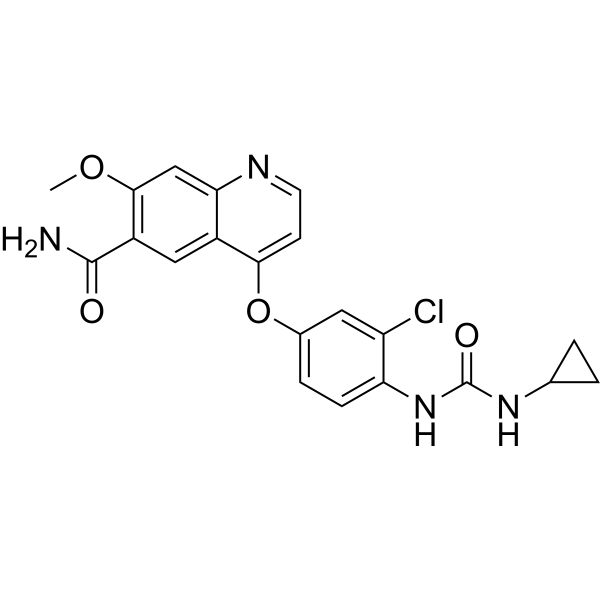 0 ImagesSynonyms: E7080
-
Nintedanib
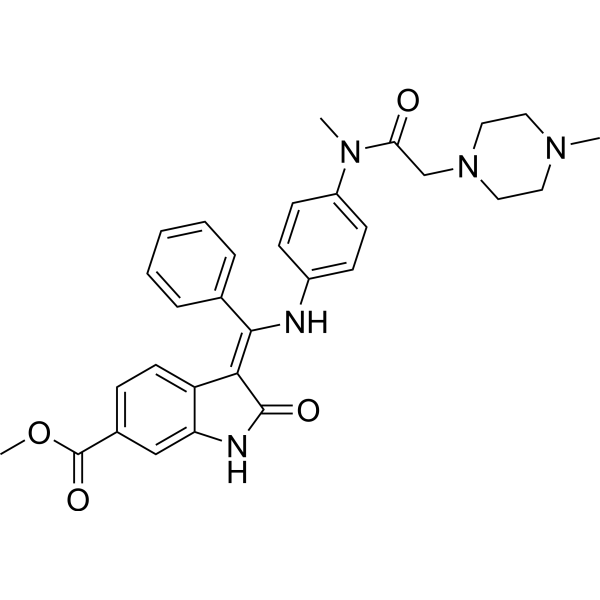 0 ImagesSynonyms: BIBF 1120Nintedanib (BIBF 1120) is a potent triple angiokinase inhibitor for VEGFR1/2/3, FGFR1/2/3 and PDGFRα/β with IC50s of 34 nM/13 nM/13 nM, 69 nM/37 nM/108 nM and 59 nM/65 nM, respectively.
-
Regorafenib
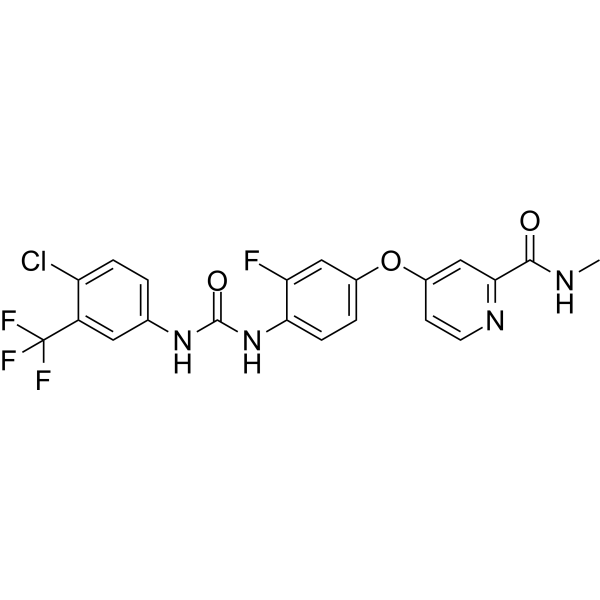 0 ImagesSynonyms: BAY 73-4506
-
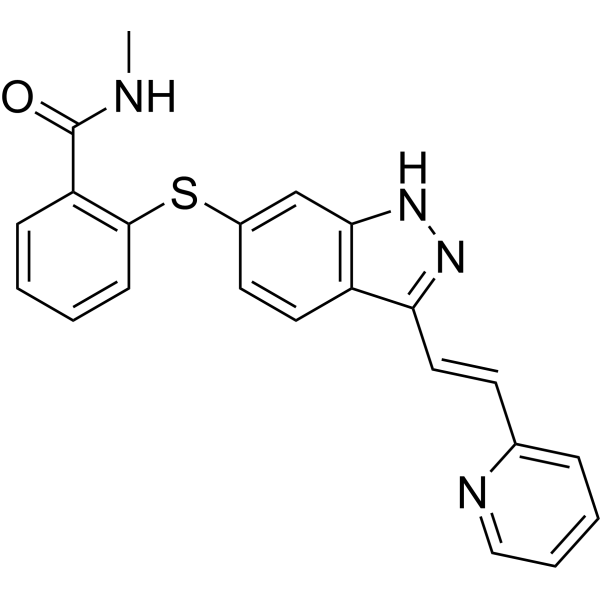
Cabozantinib
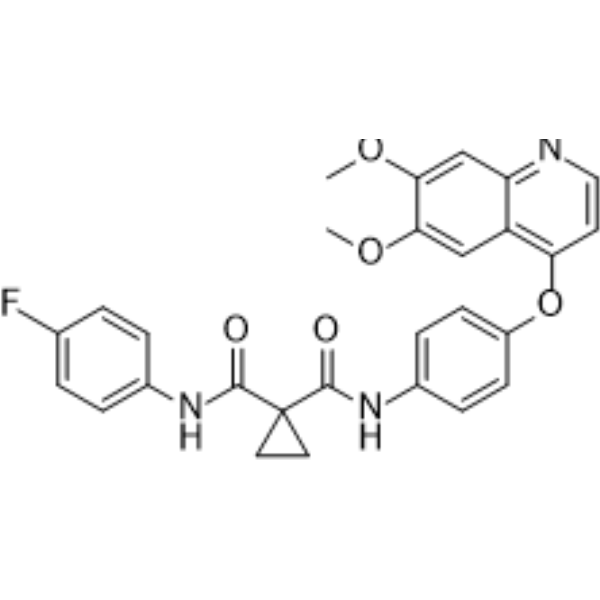 0 ImagesSynonyms: XL184; BMS-907351Cabozantinib is a potent and orally active inhibitor of VEGFR2 and MET, with IC50 values of 0.035, and 1.3 nM, respectively. Cabozantinib displays strong inhibition of KIT, RET, AXL, TIE2, and FLT3 (IC50=4.6, 5.2, 7, 14.3, and 11.3 nM, respectively). Cabozantinib shows antiangiogenic activity. Cabozantinib disrupts tumor vasculature and promotes tumor and endothelial cell apoptosis.
-
Secretoneurin, rat
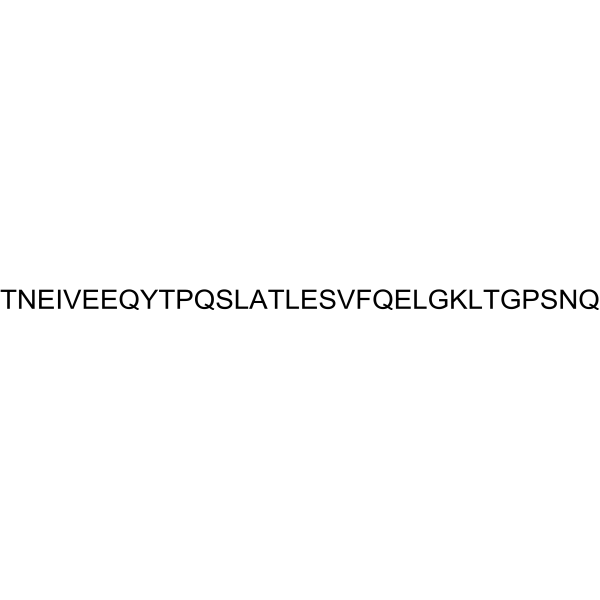 0 ImagesSecretoneurin, rat is a 33-amino acid neuropeptide produced by proteolytic processing of chromogranin II, widely distributed in the central and peripheral nervous systems, and its release is calcium-dependent. Secretoneurin, rat modulates the activities of caspase-3, caspase-1, the NLRP3 inflammasome, IGF-1R, VEGFR1, VEGFR2, FGFR3, AMPK, ERK1/2/MAPK, and Jak2/Stat3 pathways. Secretoneurin, rat regulates neuronal apoptosis, synaptic structure, inflammation, neurogenesis, angiogenesis, oxidative stress, cardiomyocyte hypertrophy, dopamine release, and cell migration and proliferation. Secretoneurin, rat is used in studies of global cerebral ischemia, myocardial infarction, stroke, and cardiac hypertrophy.
-
SU10944
 0 ImagesCat. No.: HY-135435CAS No.: 515821-11-1SU10944 is a selective, orally active VEGFR inhibitor, with an IC50 of 6 nM against VEGFR-1, an IC50 of 96 nM and a Ki of 21 nM against VEGFR-2. SU10944 only exhibits weak inhibitory activity against PDGFRβ (IC50 = 1 μM), SCFR (IC50 = 1.58 μM) and FGFR-1 (IC50 = 1.6 μM). SU10944 selectively inhibits VEGFR receptor downstream signaling, neovascularization, vascular permeability, VEGF-mediated tissue factor production, and induces tumor growth delay. SU10944 can be used in research related to diabetic retinopathy, exudative age-related macular degeneration or cancer.
-
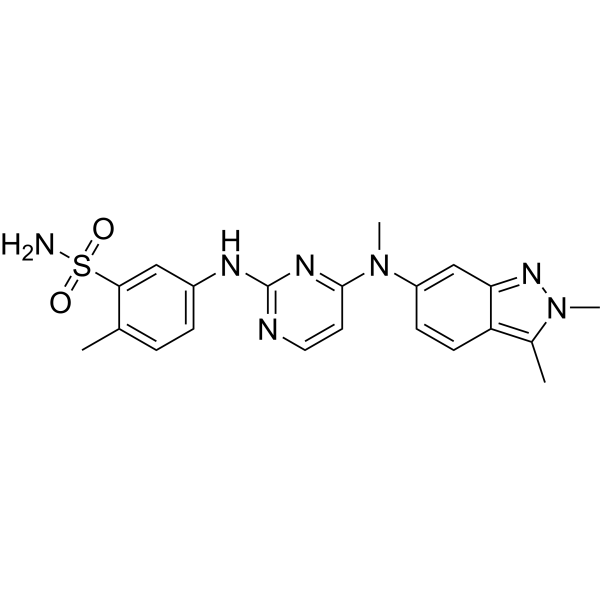
SU11657
 0 ImagesCat. No.: HY-138032CAS No.: 326914-17-4Synonyms: N,N-Dimethyl sunitinibSU11657 (N,N-Dimethyl sunitinib) is an orally active multi-targeted tyrosine kinase inhibitor with IC50 values of 0.04 μM (c-Kit), 0.005 μM (PDGFR), 0.013 μM (VEGFR1), 0.017 μM (VEGFR2) and 50 nM (FLT3), respectively. SU11657 exhibits anti-angiogenic activity. SU11657 delays leukemia progression, synergizes with ATRA (HY-14649) to reduce leukemia burden, and inhibits symptoms and tissue damage associated with rheumatoid arthritis. SU11657 can be used in research related to FLT3-mutated acute promyelocytic leukemia, rheumatoid arthritis, neuroblastoma, and benign/atypical meningioma.
-
Nintedanib esylate
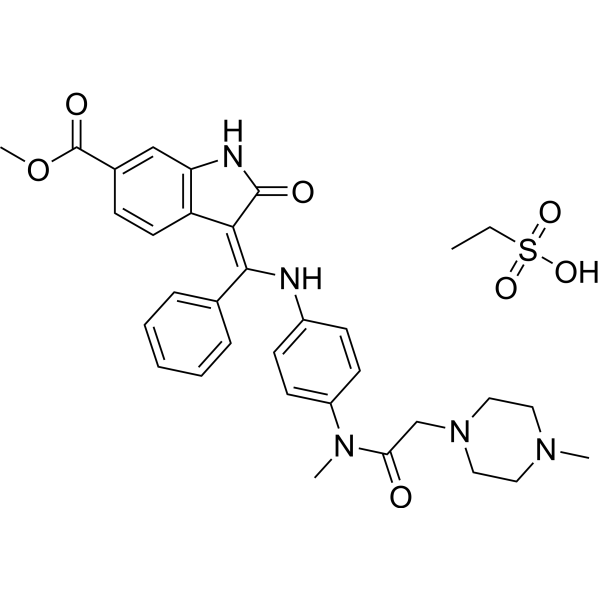 0 ImagesSynonyms: BIBF 1120 esylateNintedanib esylate (BIBF 1120 esylate) is a potent triple angiokinase inhibitor for VEGFR1/2/3, FGFR1/2/3 and PDGFRα/β with IC50s of 34 nM/13 nM/13 nM, 69 nM/37 nM/108 nM and 59 nM/65 nM, respectively.
-
Lenvatinib mesylate
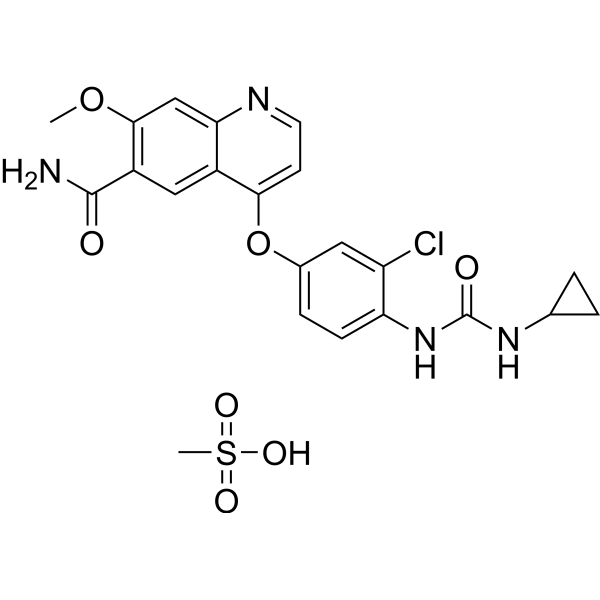 0 ImagesSynonyms: E7080 mesylate
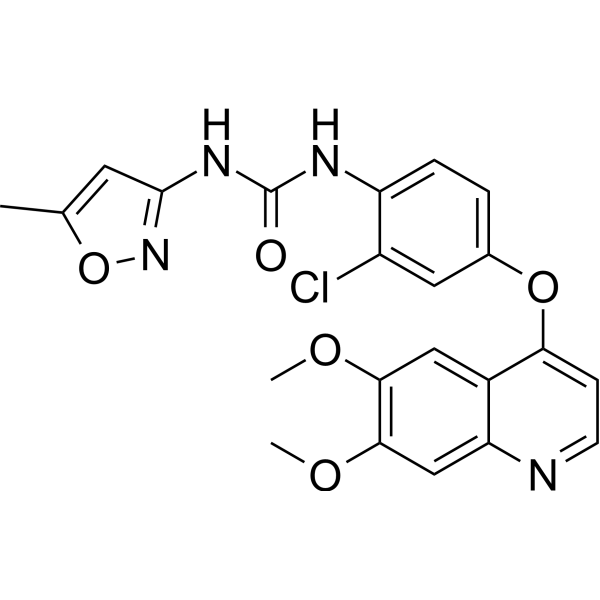
-
Linifanib
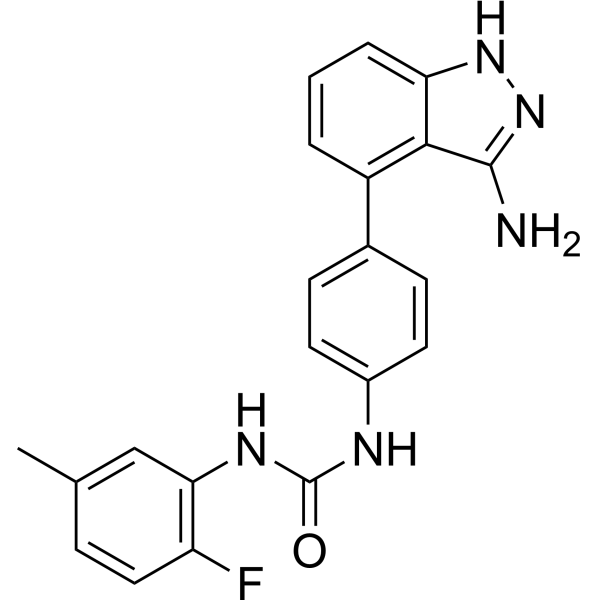 0 ImagesSynonyms: ABT-869; AL-39324Linifanib (ABT-869) is a potent and orally active multi-target inhibitor of VEGFR and PDGFR family with IC50s of 4, 3, 66, and 4 nM for KDR, FLT1, PDGFRβ, and FLT3, respectively. Linifanib shows prominent antitumor activity. Linifanib has much less activity against unrelated RTKs, soluble tyrosine kinases, or serine/threonine kinases. Linifanib is a specific miR-10b inhibitor that blocks miR-10b biogenesis.
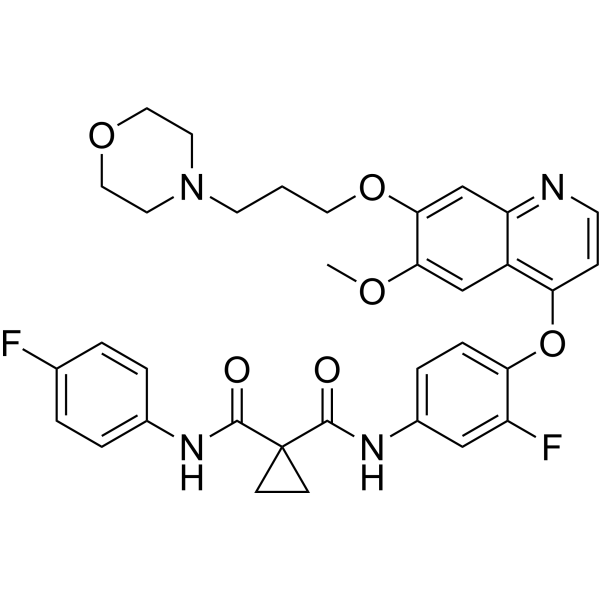
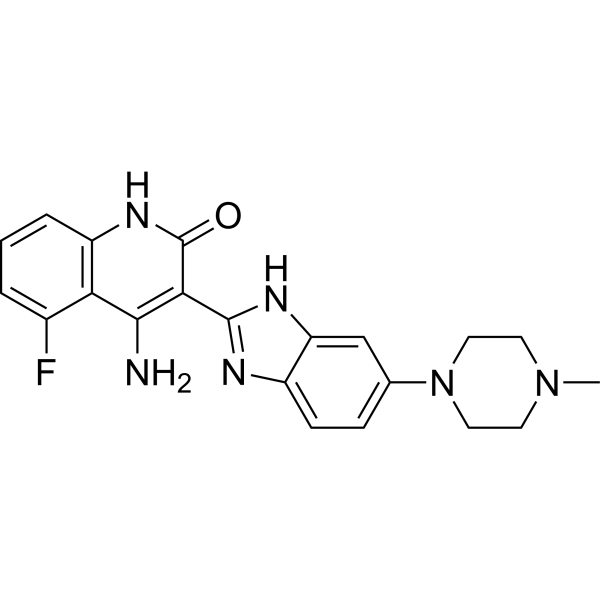
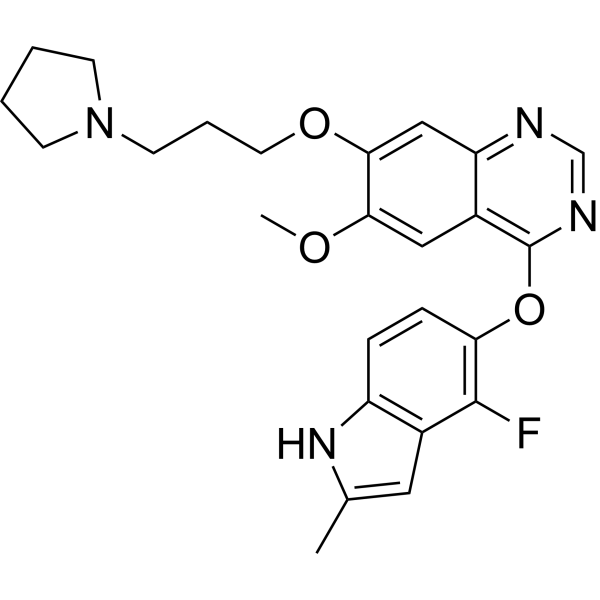
-
Sitravatinib
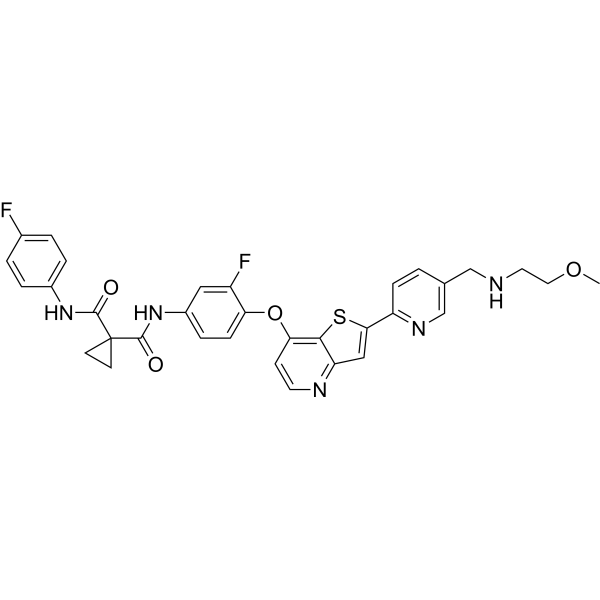 0 ImagesSynonyms: MGCD516; MG-516Sitravatinib (MGCD516) is an orally bioavailable receptor tyrosine kinase (RTK) inhibitor with IC50s of 1.5 nM, 2 nM, 2 nM, 5 nM, 6 nM, 6 nM, 8 nM, 0.5 nM, 29 nM, 5 nM, and 9 nM for Axl, MER, VEGFR3, VEGFR2, VEGFR1, KIT, FLT3, DDR2, DDR1, TRKA, TRKB, respectively. Sitravatinib shows potent single-agent antitumor efficacy and enhances the activity of PD-1 blockade through promoting an antitumor immune microenvironment.
-
Regorafenib monohydrate
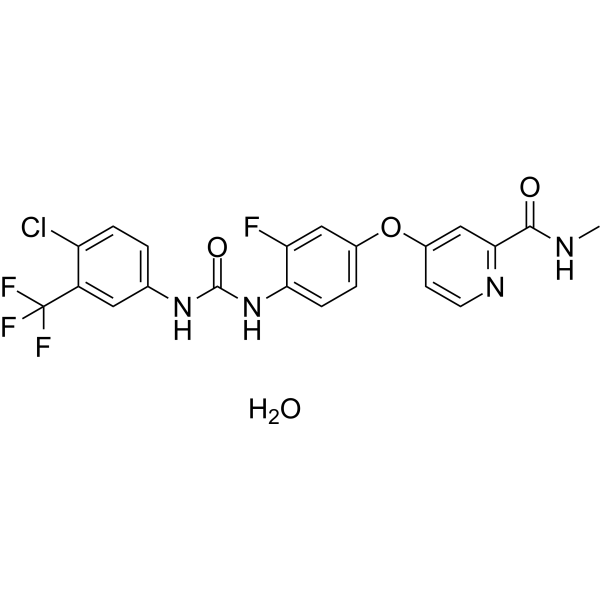 0 ImagesSynonyms: BAY 73-4506 monohydrateRegorafenib (BAY 73-4506) monohydrate is an orally active and potent multi-targeted receptor tyrosine kinase inhibitor, with IC50 values of 13/4.2/46, 22, 7, 1.5 and 2.5 nM for VEGFR1/2/3, PDGFRβ, Kit, RET and Raf-1, respectively. Regorafenib monohydrate shows very robust antitumor and antiangiogenic activity.
-
S7
 0 ImagesS7 is an inhibitory polypeptide targeting IL-6R, which specifically binds to IL-6R and its A chain (gp80/IL-6RA) to block its signal transduction. S7 inhibits IL-6-mediated anti-apoptosis (apoptosis), angiogenesis and the expression of VEGF-A, blocks related survival signaling pathways, and enhances the sensitivity of cancer cells to chemotherapeutic drugs. S7 can be applied to the research of related diseases such as cervical cancer, multiple myeloma, Kaposi's sarcoma, prostate cancer and basal cell carcinoma.
-
Pazopanib Hydrochloride
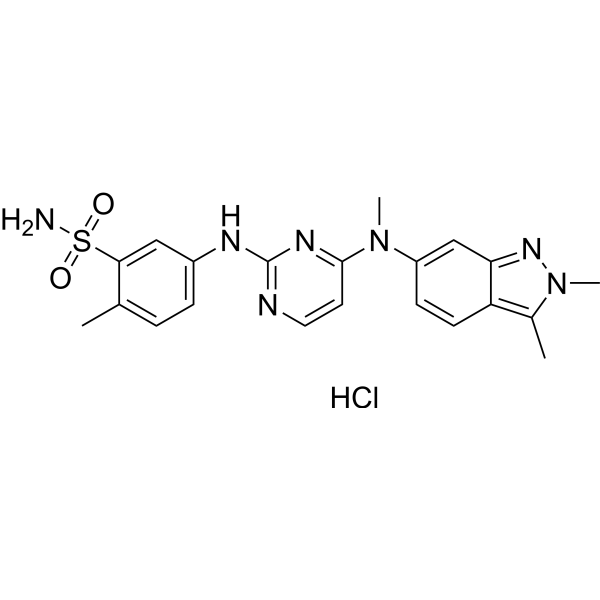 0 ImagesSynonyms: GW786034 Hydrochloride




