PDGFRβ
PDGFRβ is a cell-surface receptor tyrosine kinase that organizes PDGF-B/PDGFRβ signaling in vascular mural cells[1]. Mechanistically, ligand binding drives PDGFRβ dimerization and autophosphorylation, creating docking sites for SH2-domain signaling proteins that regulate proliferation, migration, matrix deposition, and early gene induction[2]. In mouse embryonic vessels, endothelial PDGF-B recruits PDGFRβ-positive vascular smooth muscle cells/pericytes, supporting vessel growth and mural-cell coverage[1]. In adult mouse brain, PDGFRβ expression is restricted to pericytes rather than neurons, astrocytes, or endothelial cells, making it useful for pericyte-focused experimental models[3]. Compared with PDGFRα, PDGFRβ shows distinct ligand preference because PDGF-D activates PDGFRβ but not PDGFRα in cells expressing individual receptors[4]. For experimental applications, imatinib and crenolanib inhibit PDGF-induced PDGFR autophosphorylation, enabling pathway-blockade studies in PDGFRB-dependent cellular models[5].
References:
- [1]. Hellström M, et al. Role of PDGF-B and PDGFR-beta in recruitment of vascular smooth muscle cells and pericytes during embryonic blood vessel formation in the mouse. Development. 1999 Jun;126(14):3047-55. [Content Brief]
- [2]. Tallquist MD, et al. Additive effects of PDGF receptor beta signaling pathways in vascular smooth muscle cell development. PLoS Biol. 2003 Nov;1(2):E52. [Content Brief]
- [3]. Winkler EA, et al. Pericyte-specific expression of PDGF beta receptor in mouse models with normal and deficient PDGF beta receptor signaling. Mol Neurodegener. 2010 Aug 25;5:32. [Content Brief]
- [4]. Bergsten E, et al. PDGF-D is a specific, protease-activated ligand for the PDGF beta-receptor. Nat Cell Biol. 2001 May;3(5):512-6. [Content Brief]
- [5]. Melaiu O, et al. Inhibition of the platelet-derived growth factor receptor beta (PDGFRB) using gene silencing, crenolanib besylate, or imatinib mesylate hampers the malignant phenotype of mesothelioma cell lines. Genes Cancer. 2017 Jan;8(1-2):438-452. [Content Brief]
-
PDGFRβ Related Products (99)
Related Products (99)

-
Recombinant Proteins (10)
-
Antibodies (1)
-
Sorafenib
 0 ImagesSynonyms: Bay 43-9006Sorafenib (Bay 43-9006) is a potent oral active multikinase inhibitor. Sorafenib blocks autophosphorylation and activity of receptor tyrosine kinases (VEGFR-2, VEGFR-3) and RAF family kinases, thereby suppressing the RAF/MEK/ERK and PI3K/Akt pathways, inhibiting STAT3 phosphorylation, and selectively inhibiting the MAPK pathway in cancer cells. Sorafenib induces cell cycle arrest, autophagy, apoptosis, and PARP cleavage, reduces Bcl-2, Bcl-XL, cyclin D1 levels, and activates Bak and Bax. Sorafenib inhibits tumor growth and metastasis in mouse and rat models. Sorafenib can be used for cancer research, such as colon, breast, non-small-cell lung cancer (NSCLC), ovarian, pancreatic, melanoma, colorectal and hepatocellular carcinoma.
-
Lenvatinib
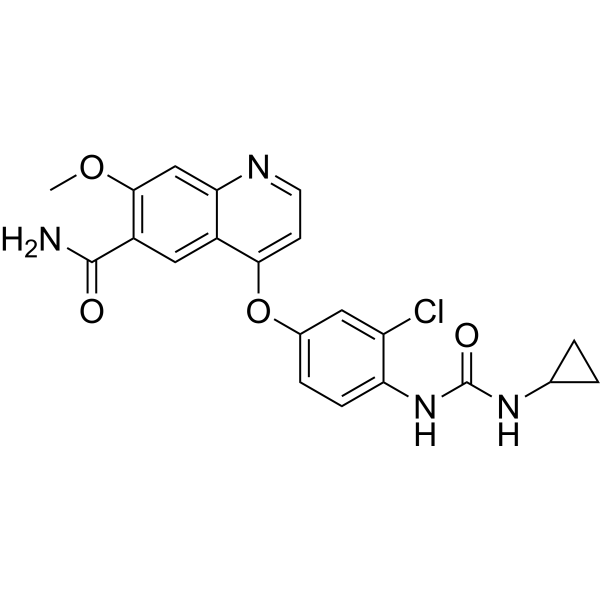 0 ImagesSynonyms: E7080; MK-7902
-
Nintedanib
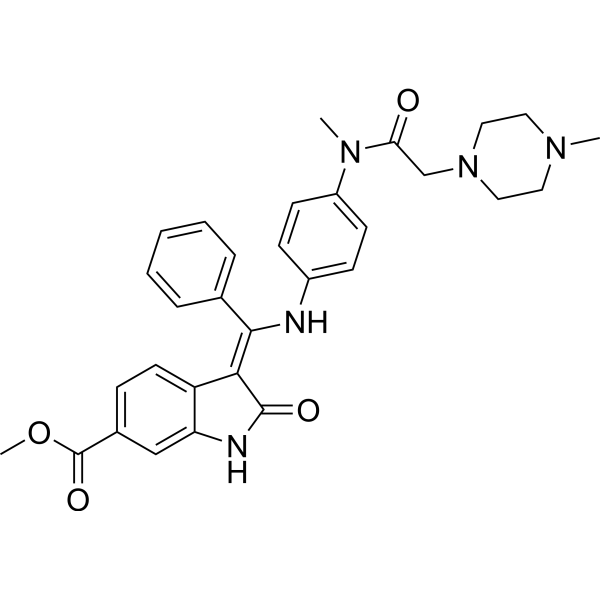 0 ImagesSynonyms: BIBF 1120Nintedanib (BIBF 1120) is a potent triple angiokinase inhibitor for VEGFR1/2/3, FGFR1/2/3 and PDGFRα/β with IC50s of 34 nM/13 nM/13 nM, 69 nM/37 nM/108 nM and 59 nM/65 nM, respectively.
-
Sunitinib
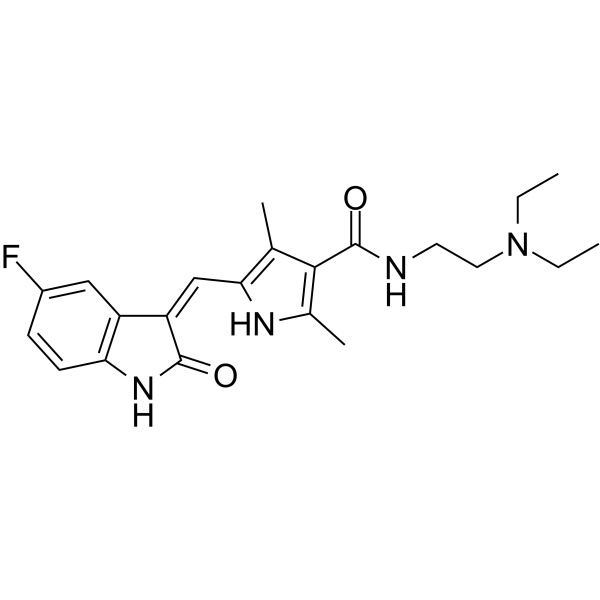 0 ImagesSynonyms: SU 11248Sunitinib (SU 11248) is a multi-targeted receptor tyrosine kinase inhibitor with IC50s of 80 nM and 2 nM for VEGFR2 and PDGFRβ, respectively. Sunitinib, an ATP-competitive inhibitor, effectively inhibits autophosphorylation of Ire1α by inhibiting autophosphorylation and consequent RNase activation.
-
Regorafenib
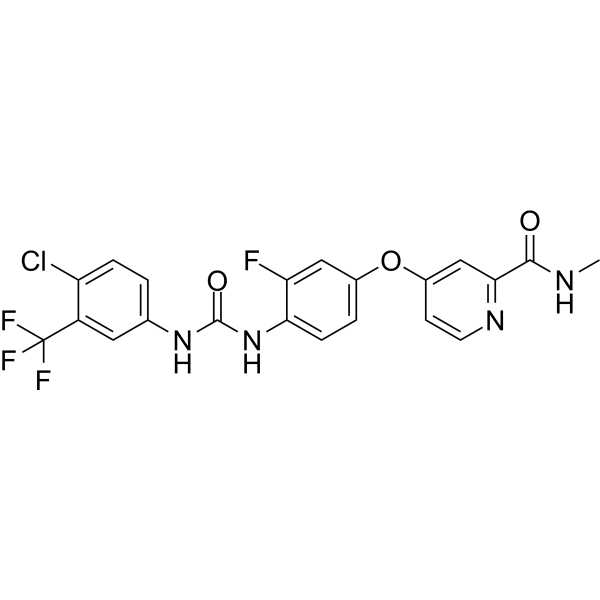 0 ImagesSynonyms: BAY 73-4506
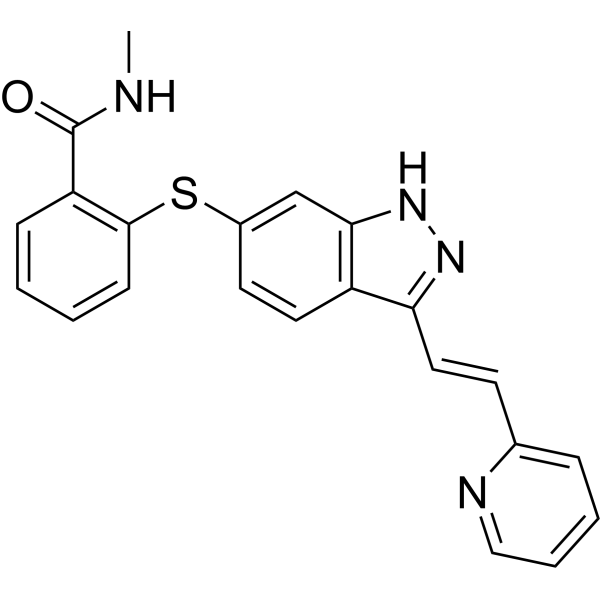
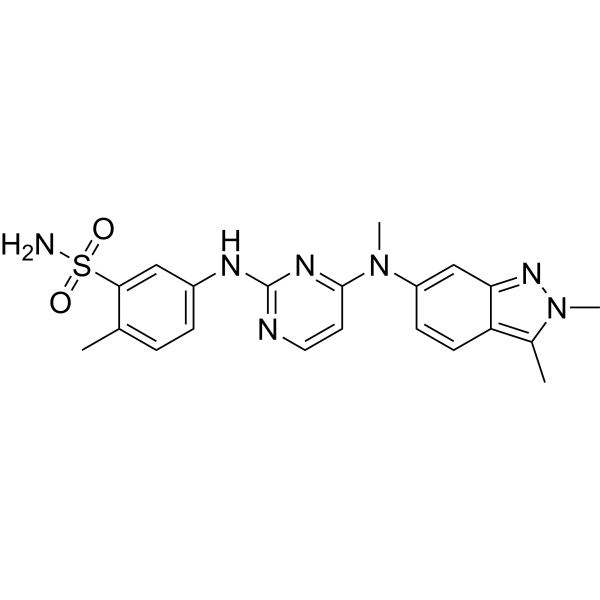
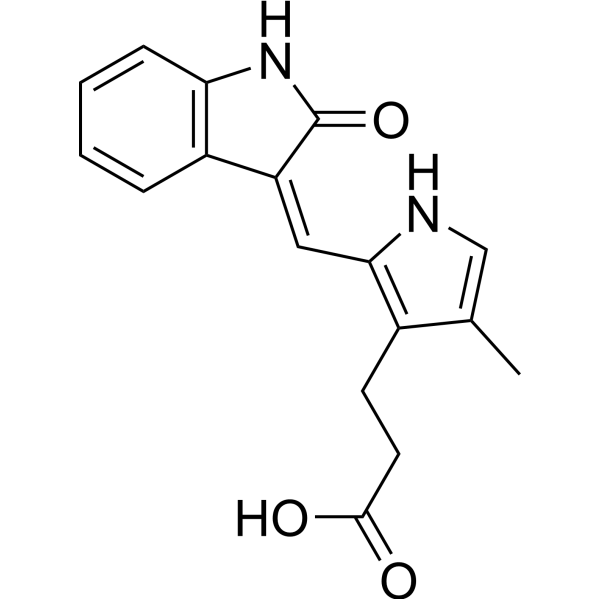
-
Nintedanib esylate
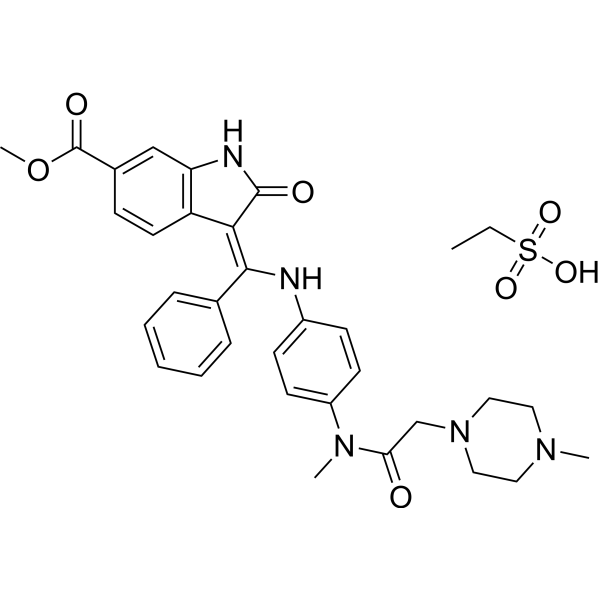 0 ImagesSynonyms: BIBF 1120 esylateNintedanib esylate (BIBF 1120 esylate) is a potent triple angiokinase inhibitor for VEGFR1/2/3, FGFR1/2/3 and PDGFRα/β with IC50s of 34 nM/13 nM/13 nM, 69 nM/37 nM/108 nM and 59 nM/65 nM, respectively.
-
Lenvatinib mesylate
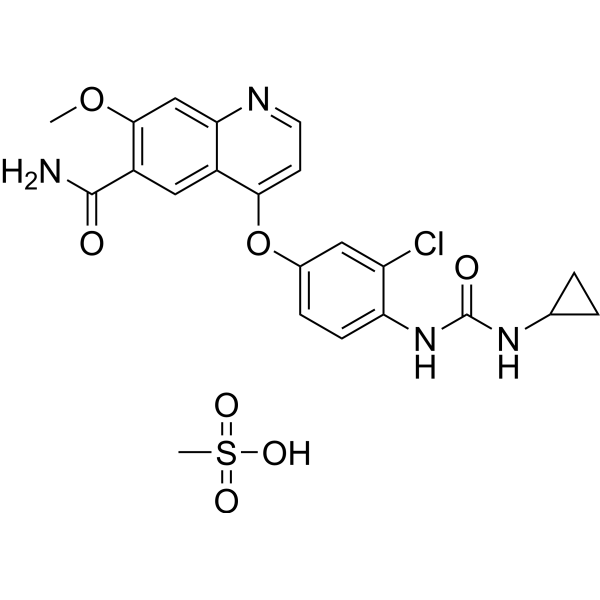 0 ImagesSynonyms: E7080 mesylate; MK-7902 mesylate
-
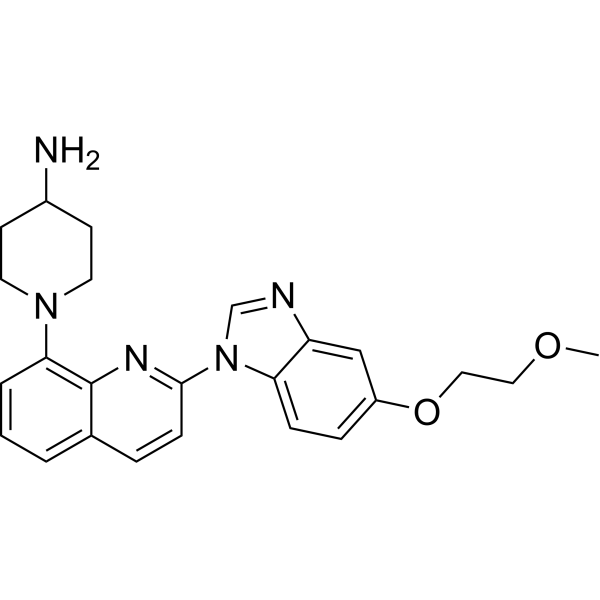
Crenolanib
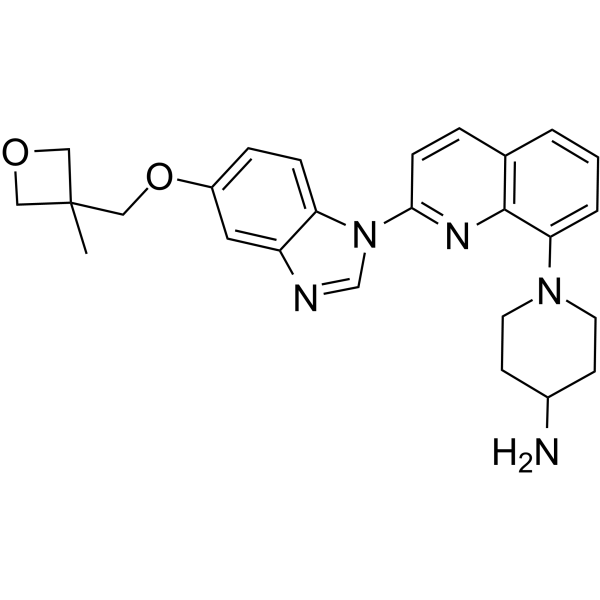 0 ImagesSynonyms: CP-868596
-
Sunitinib Malate
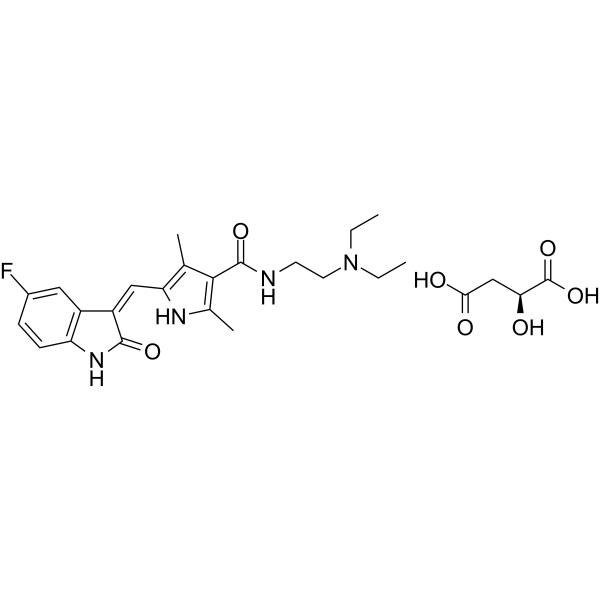 0 ImagesSynonyms: SU 11248 MalateSunitinib (SU 11248) Malat is a multi-targeted receptor tyrosine kinase inhibitor with IC50s of 80 nM and 2 nM for VEGFR2 and PDGFRβ, respectively. Sunitinib Malat, an ATP-competitive inhibitor, effectively inhibits autophosphorylation of Ire1α by inhibiting autophosphorylation and consequent RNase activation.
-
Linifanib
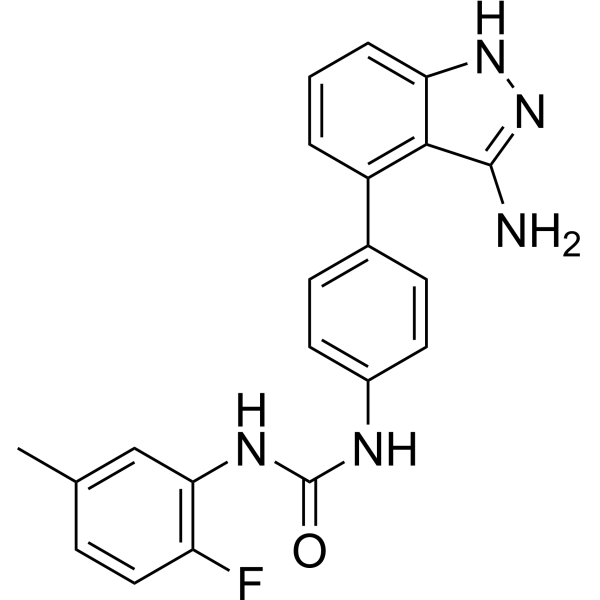 0 ImagesSynonyms: ABT-869; AL-39324Linifanib (ABT-869) is a potent and orally active multi-target inhibitor of VEGFR and PDGFR family with IC50s of 4, 3, 66, and 4 nM for KDR, FLT1, PDGFRβ, and FLT3, respectively. Linifanib shows prominent antitumor activity. Linifanib has much less activity against unrelated RTKs, soluble tyrosine kinases, or serine/threonine kinases. Linifanib is a specific miR-10b inhibitor that blocks miR-10b biogenesis.
-
Velzatinib
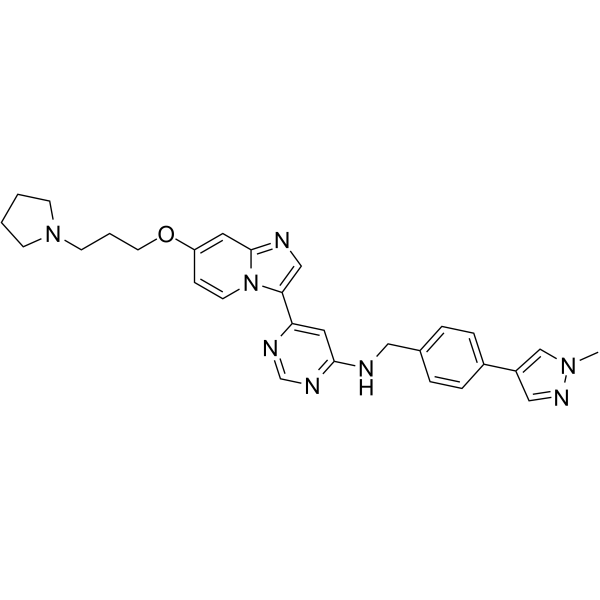 0 ImagesSynonyms: M4205; IDRX-42
-
Regorafenib monohydrate
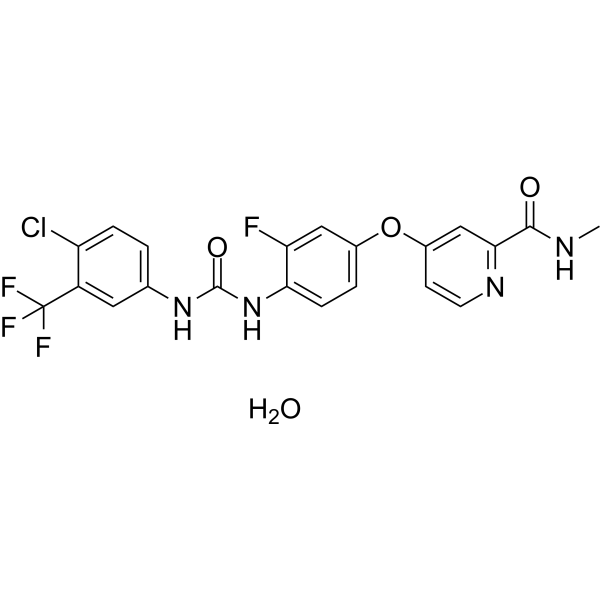 0 ImagesSynonyms: BAY 73-4506 monohydrateRegorafenib (BAY 73-4506) monohydrate is an orally active and potent multi-targeted receptor tyrosine kinase inhibitor, with IC50 values of 13/4.2/46, 22, 7, 1.5 and 2.5 nM for VEGFR1/2/3, PDGFRβ, Kit, RET and Raf-1, respectively. Regorafenib monohydrate shows very robust antitumor and antiangiogenic activity.
-
Pazopanib Hydrochloride
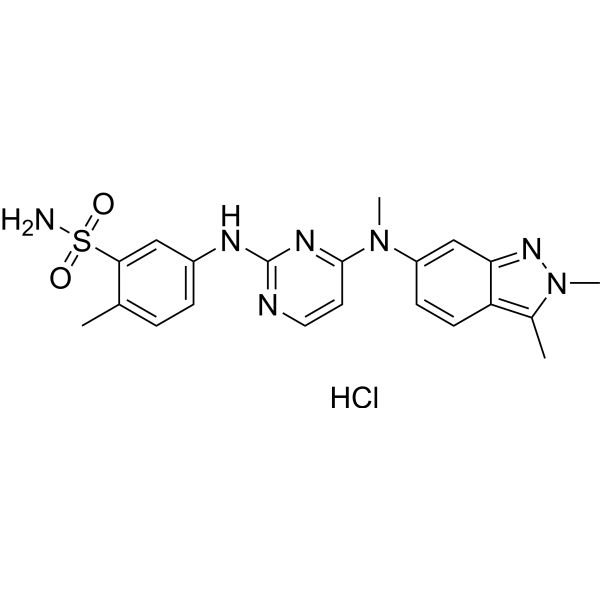 0 ImagesSynonyms: GW786034 Hydrochloride