



Bisphenol A
Based on 17 publication(s) in Google Scholar
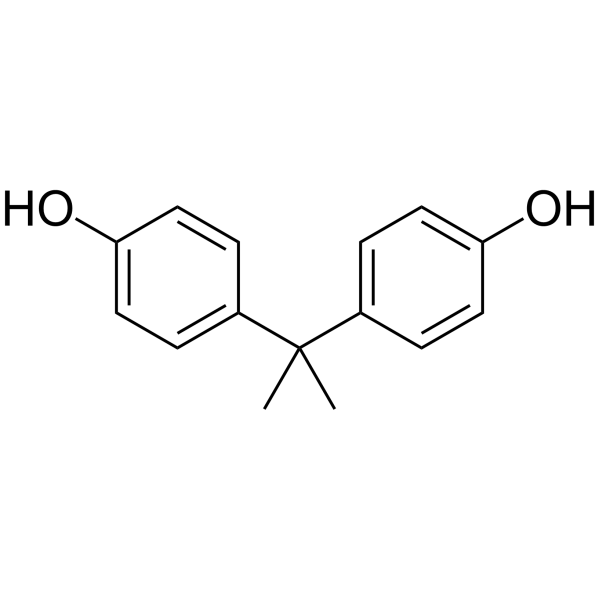
Bisphenol A is a phenolic, organic synthetic compound widely used in the production of polycarbonate plastics and epoxy resins. Bisphenol A is a reproductive, developmental, and systemic toxicant, often classified as an endocrine-disrupting compound (EDC). Bisphenol A is associated with many diseases, including cancers, cardiovascular diseases, respiratory diseases, diabetes, kidney diseases, obesity, and reproductivedisorders.
For research use only. We do not sell to patients.
- Purity : 99.91%
- CAS No.: 80-05-7
- Formula: C15H16O2
- Molecular Weight:228.29
-
Storage:
Store at room temperature 3 years.
In solvent -80°C, 2 years , -20°C, 1 year

To place orders, for customer services and technical support, please contact: MedChemExpress USA
Tel: 609-228-6898 E-mail: [email protected] [email protected]


-
 Biological Activity
-
Chemical Information
-
Solvent & Solubility
- Protocols
- Purity & Documentation
- References
-
 Help & FAQs


-
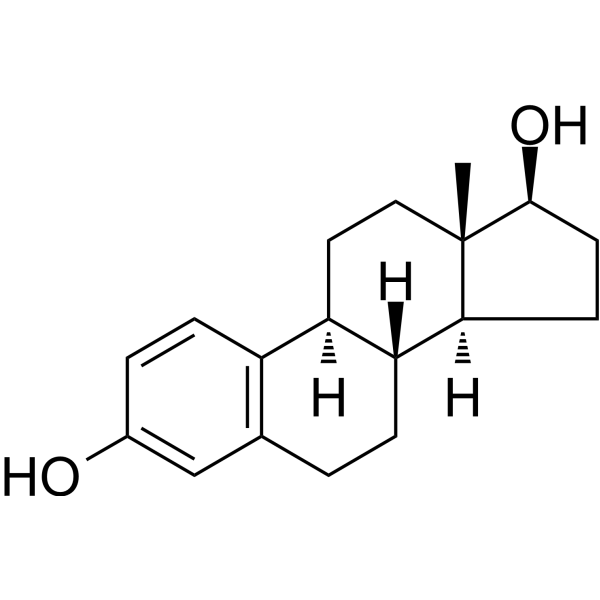
HY-B0141
EstradiolHuman Endogenous Metabolite -
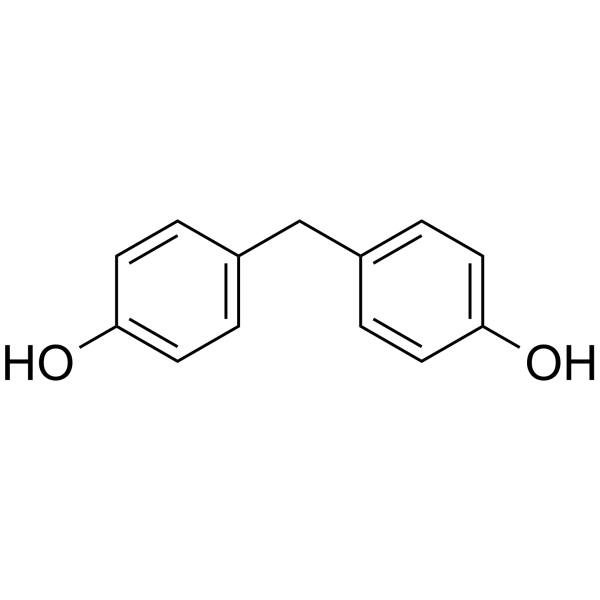
HY-W014901
Bisphenol FEndocrine Disruptor -

HY-W011927
4,4'-SulfonyldiphenolEstrogen receptor agonist -
HY-B1945
DEHPEndogenous Metabolite -
![Benzo[a]pyrene](https://file.medchemexpress.com/product_pic/hy-107377.gif)
HY-107377
Benzo[a]pyreneNoxious Pollutant -
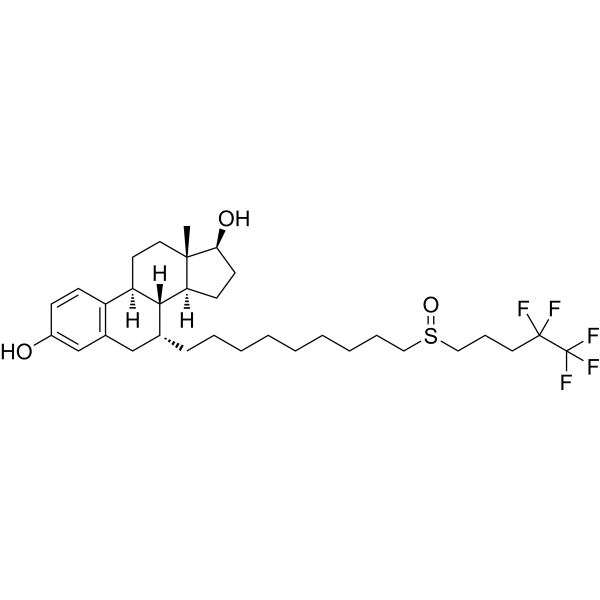
HY-13636
FulvestrantEstrogen Receptor Antagonist -
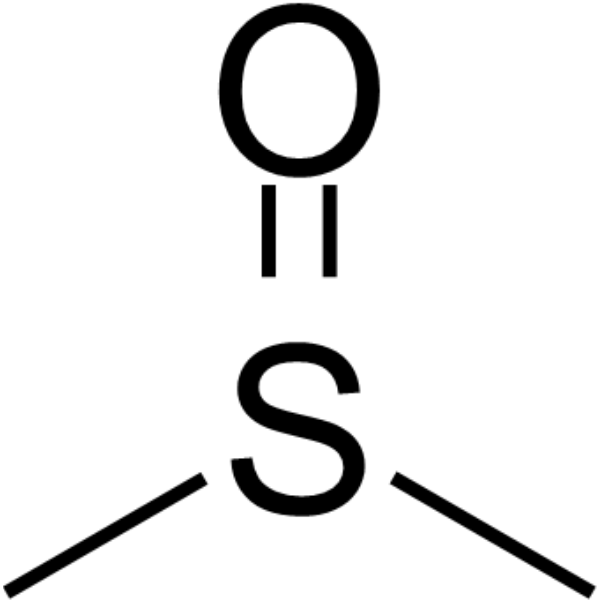
HY-Y0320
Dimethyl sulfoxide, meets analytical specification of Ch.P.Aprotic Solvent -
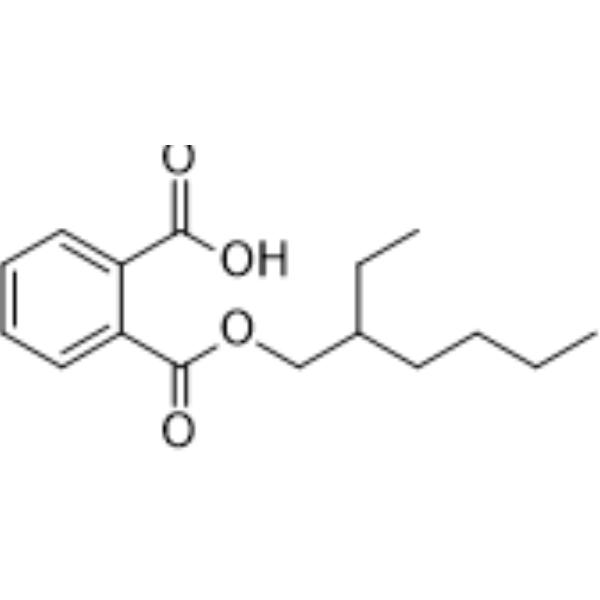
HY-W018392
Mono-(2-ethylhexyl) phthalateEndogenous Metabolite -
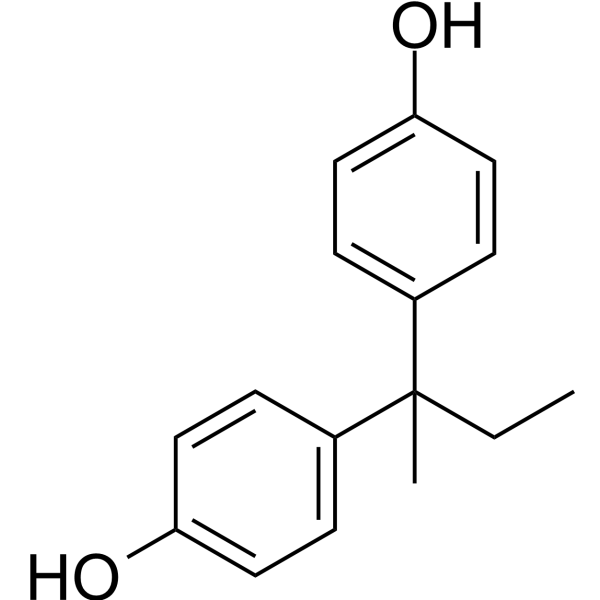
HY-W013935
Bisphenol BEndocrine Disruptor -
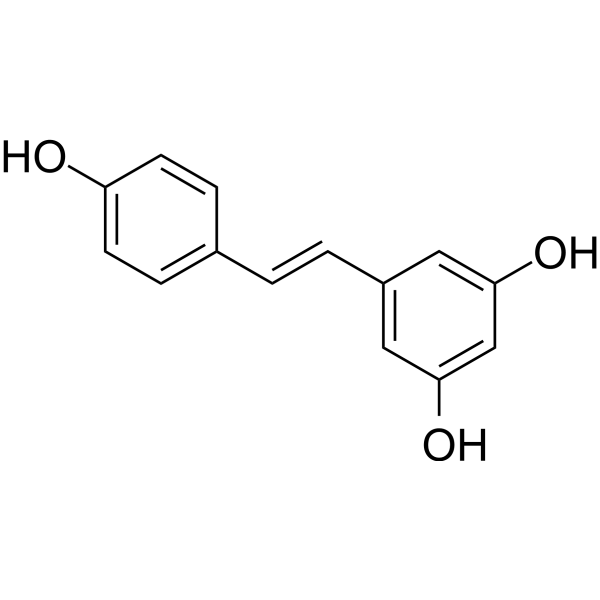
HY-16561
ResveratrolPolyphenolic Phytoalexin -
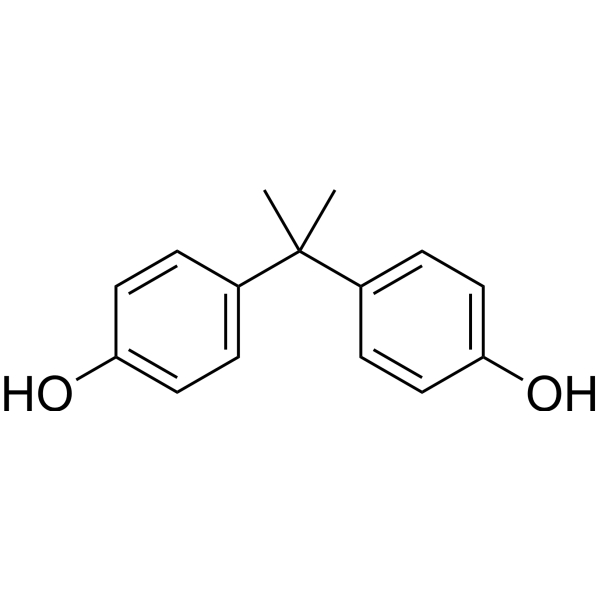
HY-18260R
Bisphenol A (Standard)EDC -
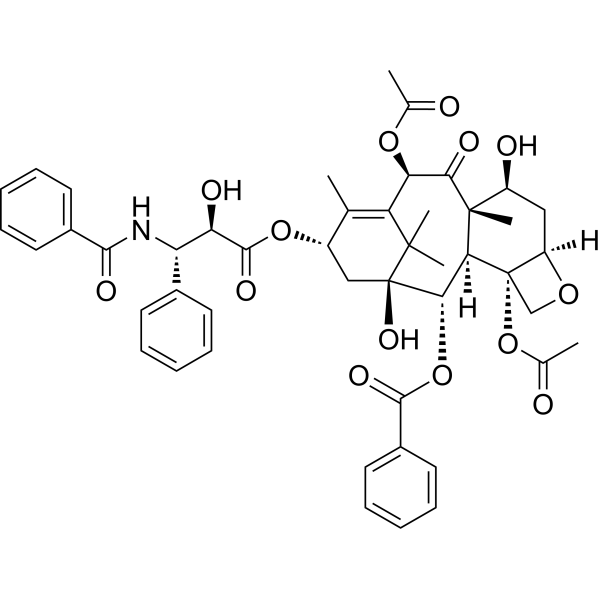
HY-B0015
PaclitaxelAntitumor Agent
Publications Citing Use of MedChemExpress (MCE) Bisphenol A
More- Environ Sci Technol. 2025 Oct 28;59(42):22423-22438. [Abstract]
- Biosens Bioelectron. 2026 Sep 1:307:118716. [Abstract]
- Environ Int. 2026 Mar 28.
- Environ Health (Wash). 2025 Jan 10;3(4):414-424. [Abstract]
- Free Radic Biol Med. 2023 Dec 14:211:127-144. [Abstract]
- Environ Pollut. 2021 Nov 1:288:117795. [Abstract]
- Environ Pollut. 2021 Oct 15:287:117671. [Abstract]
- J Agric Food Chem. 2025 Mar 26;73(12):7405-7422. [Abstract]
- Ecotoxicol Environ Saf. 2026 May 14:318:120237. [Abstract]
- Ecotoxicol Environ Saf. 2026 Jan 1:309:119560. [Abstract]
- Ecotoxicol Environ Saf. 2025 Nov 15:307:119409. [Abstract]
- Ecotoxicol Environ Saf. 2025 May:296:118209. [Abstract]
- Biofactors. 2022 Jan;48(1):190-203. [Abstract]
- Reprod Toxicol. 2026 Jun 20:144:109295. [Abstract]
- Food Chem Toxicol. 2024 Apr:186:114510. [Abstract]
- SSRN. 2025 Aug 31.
- Sci Total Environ. 2022 Dec 1:850:157793. [Abstract]
 Customer Validation & Images

-
WB
-
In Vivo Efficacy Study
-
Bio/Physico-chemical Assay
-
Histological Imaging/Staining
-
WB
All Endogenous Metabolite Isoforms
More

Biological Activity
Description
Cellular Effect
|
Cell Line

|
Type | Value | Description | References |
|---|---|---|---|---|
| B16 | IC50 |
0.0086 M
Compound: BAP
|
Compound was tested for the in vitro growth inhibition of B-16 melanoma cells after incubation for 3 days (cytotoxicity), the dose that failed to inhibit cell growth by more than 50% was determined
Compound was tested for the in vitro growth inhibition of B-16 melanoma cells after incubation for 3 days (cytotoxicity), the dose that failed to inhibit cell growth by more than 50% was determined
|
[PMID: 9288164] |
| HEK293 | EC50 |
1689 nM
Compound: 3; BPA
|
Selective estrogen receptor down-regulator activity at FLAG-tagged ERalpha (unknown origin) expressed in HEK293 cells assessed as induction of ERalpha degradation by luciferase reporter gene assay
Selective estrogen receptor down-regulator activity at FLAG-tagged ERalpha (unknown origin) expressed in HEK293 cells assessed as induction of ERalpha degradation by luciferase reporter gene assay
|
[PMID: 30940565] |
| HEK293 | EC50 |
>10000 nM
Compound: 3; BPA
|
Agonist activity at FLAG-tagged ERalpha (unknown origin) expressed in HEK293 cells assessed as induction of ER-alpha-mediated transcriptional activity by luciferase reporter gene assay
Agonist activity at FLAG-tagged ERalpha (unknown origin) expressed in HEK293 cells assessed as induction of ER-alpha-mediated transcriptional activity by luciferase reporter gene assay
|
[PMID: 30940565] |
| HEK293 | IC50 |
>10000 nM
Compound: 3; BPA
|
Antagonist activity at FLAG-tagged ERalpha (unknown origin) expressed in HEK293 cells assessed as reduction in E2-induced ER-alpha-mediated transcriptional activity by luciferase reporter gene assay
Antagonist activity at FLAG-tagged ERalpha (unknown origin) expressed in HEK293 cells assessed as reduction in E2-induced ER-alpha-mediated transcriptional activity by luciferase reporter gene assay
|
[PMID: 30940565] |
| HeLa | EC50 |
757 nM
Compound: BPA
|
Agonist activity at ERbeta (unknown origin) expressed in human HeLa cells assessed as transcriptional activation measured after 24 hrs by luciferase reporter gene assay
Agonist activity at ERbeta (unknown origin) expressed in human HeLa cells assessed as transcriptional activation measured after 24 hrs by luciferase reporter gene assay
|
[PMID: 31879182] |
| HeLa | EC50 |
797 nM
Compound: BPA
|
Agonist activity at ERalpha (unknown origin) expressed in human HeLa cells assessed as transcriptional activation measured after 24 hrs by luciferase reporter gene assay
Agonist activity at ERalpha (unknown origin) expressed in human HeLa cells assessed as transcriptional activation measured after 24 hrs by luciferase reporter gene assay
|
[PMID: 31879182] |
| HT-22 | IC50 |
97 μM
Compound: 33
|
Cytotoxicity against mouse HT-22 cells assessed as reduction in cell viability incubated for 48 hrs by MTS assay
Cytotoxicity against mouse HT-22 cells assessed as reduction in cell viability incubated for 48 hrs by MTS assay
|
[PMID: 36876904] |
| MCF7 | EC50 |
0.29 μM
Compound: 4; BPA
|
Agonist activity at estrogen receptor in human MCF7 cells assessed as ERE-mediated transcriptional activity after 24 hrs by luciferase assay
Agonist activity at estrogen receptor in human MCF7 cells assessed as ERE-mediated transcriptional activity after 24 hrs by luciferase assay
|
[PMID: 26905830] |
In Vitro
Bisphenol A significantly reduces the viability, increases and decreases levels of intracellular ROS production and antioxidant capacity, respectively, in KGN cells[1].
Bisphenol A (100 fM-100 μM, 24-72 h) decreases granulosa cell viability and induces apoptosis and G2-to-M arrest of ovarian granulosa cells[3].
Bisphenol A (0-400 μM, 24 h) suppresses proliferation and induces apoptosis in human colon cancer cells HCT116 through mitochondrial and MAPK/AKT pathways[4].
Bisphenol A (0.5-12.5 μM, 5 days) significantly inhibits RANKL-induced, TRAP-positive multinucleated cell formation in bone marrow-derived macrophages and RAW 264.7 cell cultures[5].
Bisphenol A (0.5-12.5 μM) suppresses ALP activities and bone nodule formation in MC3T3-E1 cells[5].
Bisphenol A (0.06-500 μM, 1 h) induces morphological and biochemical alterations in human peripheral blood mononuclear cells[6].
Bisphenol A (0.0020-2.0 μM, 24-48 h) decreases viability and induces dysfunction of insulin secretion and apoptosis through the damage of mitochondria in rat insulinoma (INS-1) cells[7].
MedChemExpress (MCE) has not independently confirmed the accuracy of these methods. They are for reference only.
-
Cell Line:RAW264.7 cells
-
Concentration:0.5, 2.5, 12.5 μM
-
Incubation Time:24 h
-
Result:Significantly reduced to 80% at 12.5 μM.
-
Cell Line:RAW264.7 cells
-
Concentration:0.5, 2.5, 12.5 μM
-
Incubation Time:24 h
-
Result:Stimulated apoptosis in a dose-dependent manner in both cells.
Up-regulated Bax and down-regulated Bcl2 in both cells.
In Vivo
Bisphenol A (500-1250 mg/kg/day, gastric intubation, gestational days 6 through 15) induces maternal mortality and fetal toxicity in CD-1 mice[9].
MedChemExpress (MCE) has not independently confirmed the accuracy of these methods. They are for reference only.


Chemical Information
-
CAS No. 80-05-7
-
Appearance Solid
-
Molecular Weight 228.29
-
Formula C15H16O2
-
Color White to off-white
-
SMILES
CC(C1=CC=C(O)C=C1)(C2=CC=C(O)C=C2)C
-
Structure Classification
-
Initial Source
-
Shipping
Room temperature in continental US; may vary elsewhere.
-
Storage
Store at room temperature 3 years
In solvent -80°C 2 years -20°C 1 year


Publications (17)
-
Journal Impact Factor
-
Most Recent
-
Environ Sci Technol
2025 Oct 28;59(42):22423-22438. PMID: 41104744
Bisphenol A purchased from MedChemExpress. Usage Cited in: Environ Sci Technol. 2025 Oct 28;59(42):22423-22438. [Abstract]
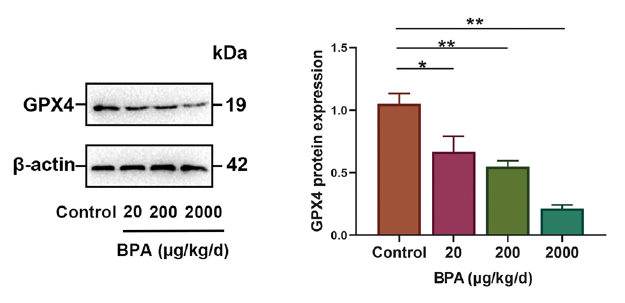
Bisphenol A (BPA) (20-2000 μg/kg; i.g.; once daily for 4 weeks) significantly downregulated GPX4 expression in the testes of mice in a dose-dependent manner.
Bisphenol A purchased from MedChemExpress. Usage Cited in: Environ Sci Technol. 2025 Oct 28;59(42):22423-22438. [Abstract]
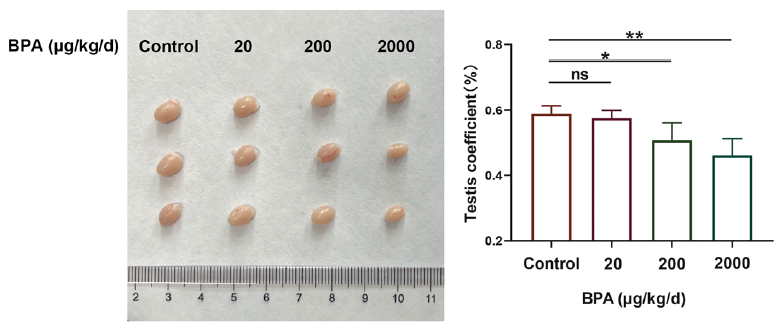
Bisphenol A (BPA) (20-2000 μg/kg; i.g.; once daily for 4 weeks) induced testicular atrophy and significantly decreased the index of the mice testis.
Bisphenol A purchased from MedChemExpress. Usage Cited in: Environ Sci Technol. 2025 Oct 28;59(42):22423-22438. [Abstract]
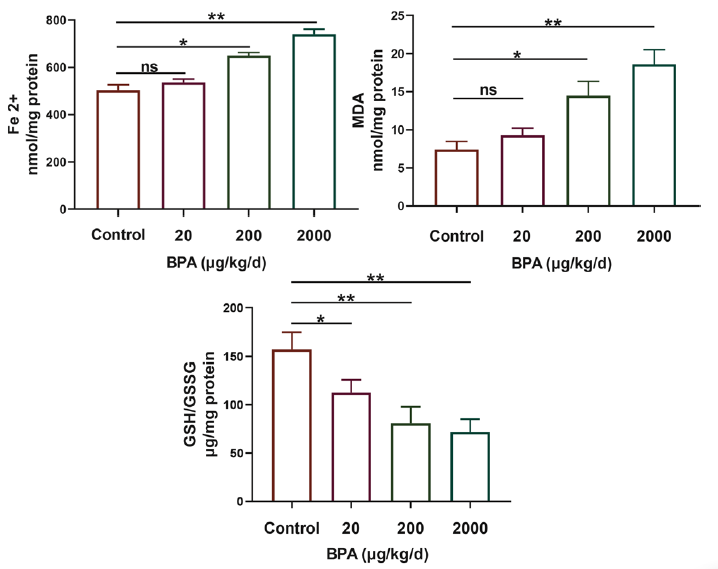
Bisphenol A (BPA) (20-2000 μg/kg; i.g.; once daily for 4 weeks) increased iron and malondialdehyde (MDA) content while significantly decreased the GSH/GSSG ratio in mice testis.
Bisphenol A purchased from MedChemExpress. Usage Cited in: Environ Sci Technol. 2025 Oct 28;59(42):22423-22438. [Abstract]
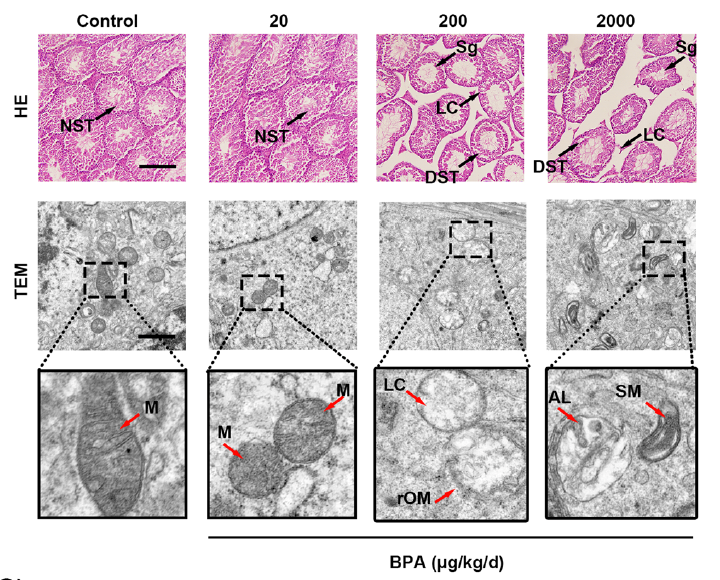
Histological changes and TEM imaging images of mitochondria structures in the testes of Bisphenol A (BPA) (20-2000 μg/kg; i.g.; once daily for 4 weeks)-treated mice. NST, normal seminiferous tubule; DST, damaged seminiferous tubule; LC, Leydig cells; Sg, spermatogonia. M, mitochondria; LC, loss of mitochondrial cristae; rOM, ruptured mitochondrial outer membrane; AL, autolysosome; SM, shrunken mitochondria.
Bisphenol A purchased from MedChemExpress. Usage Cited in: Environ Sci Technol. 2025 Oct 28;59(42):22423-22438. [Abstract]
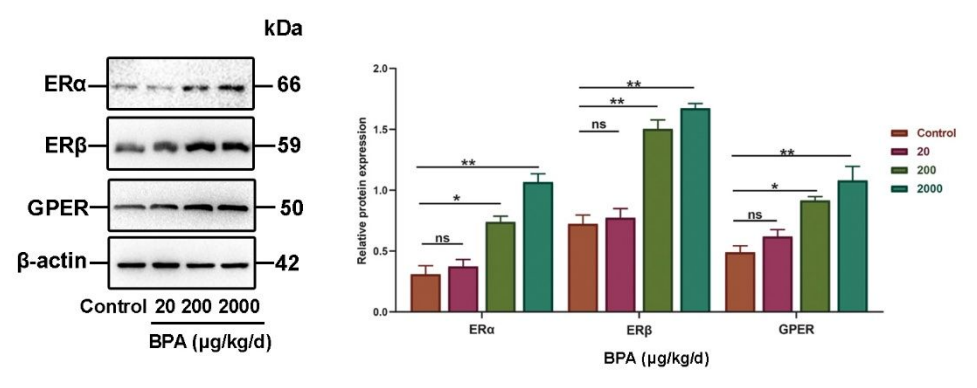
Bisphenol A (BPA) (20-2000 μg/kg; i.g.; once daily for 4 weeks) significantly upregulated the protein expression of both estrogen receptors ERα and ERβ, as well as the G protein-coupled estrogen receptor (GPER) in mice testes, in a dose-dependent manner.
-
Biosens Bioelectron
Highly sensitive detection for endocrine disruptors using human cell biosensors expressing red fluorescence protein mScarlet3. [Abstract]2026 Sep 1:307:118716. PMID: 42070441 -
-
Environ Health (Wash)
Fish Skin Mucus Vitellogenin as a Noninvasive, Sensitive Biomarker for Aquatic Xenoestrogens. [Abstract]2025 Jan 10;3(4):414-424. PMID: 40270534 -
Free Radic Biol Med
Bisphenol A induces placental ferroptosis and fetal growth restriction via the YAP/TAZ-ferritinophagy axis. [Abstract]2023 Dec 14:211:127-144. PMID: 38103660 -
Environ Pollut
Comparative effects of genistein and bisphenol A on non-alcoholic fatty liver disease in laying hens. [Abstract]2021 Nov 1:288:117795. PMID: 34274649 -
Environ Pollut
Environmental level bisphenol A accelerates alterations of the reno-cardiac axis by the MAPK cascades in male diabetic rats: An analysis based on transcriptomic profiling and bioinformatics. [Abstract]2021 Oct 15:287:117671. PMID: 34435562 -
J Agric Food Chem
Co-Exposure to Polystyrene Microplastics and Bisphenol A Contributes to the Formation of Liver Fibrosis in Mice through Inhibition of the BMAL1/E-Cad Signaling Pathway. [Abstract]2025 Mar 26;73(12):7405-7422. PMID: 40073227 -
Ecotoxicol Environ Saf
Association of maternal bisphenol exposure during pregnancy with spontaneous preterm birth and preliminary mechanistic exploration in a prospective cohort. [Abstract]2026 May 14:318:120237. PMID: 42134009 -
Ecotoxicol Environ Saf
Bisphenol A exacerbates osteoblast ferroptosis via the p53/SLC7A11 axis: A novel mechanistic insight into environmental osteoporosis pathogenesis. [Abstract]2026 Jan 1:309:119560. PMID: 41391364 -
Ecotoxicol Environ Saf
Prenatal BPA exposure disrupts androgen synthesis in testicular Leydig cells via epigenetic modifications of steroidogenic factor 1. [Abstract]2025 Nov 15:307:119409. PMID: 41252971 -
Ecotoxicol Environ Saf
Revealing the role of bisphenol A on prostate cancer progression and identifying potential targets: A comprehensive analysis from population cohort to molecular mechanism. [Abstract]2025 May:296:118209. PMID: 40249974 -
Biofactors
Naringenin protects swine testis cells from bisphenol A-induced apoptosis via Keap1/Nrf2 signaling pathway. [Abstract]2022 Jan;48(1):190-203. PMID: 34914851 -
Reprod Toxicol
YY1/HIF-1α/NDUFA4L2 signaling axis mediates bisphenol A-induced mitochondrial dysfunction and apoptosis in human ovarian granulosa cells. [Abstract]2026 Jun 20:144:109295. PMID: 42322997 -
Food Chem Toxicol
2024 Apr:186:114510. PMID: 38365117 -
-
Sci Total Environ
New insights into the effect of bisphenol AF exposure on maternal mammary glands at various stages of gestation in mice. [Abstract]2022 Dec 1:850:157793. PMID: 35934037


Solvent & Solubility
In Vitro:
DMSO : 100 mg/mL (438.04 mM; Need ultrasonic; Hygroscopic DMSO has a significant impact on the solubility of product, please use newly opened DMSO)
H2O : < 0.1 mg/mL (insoluble)
Please refer to the solubility information to select the appropriate solvent. Once prepared, please aliquot and store the solution to prevent product inactivation from repeated freeze-thaw cycles.
Storage method and period of stock solution: -80°C, 2 years; -20°C, 1 year. When stored at -80°C, please use it within 2 years. When stored at -20°C, please use it within 1 year.
Please refer to the solubility information to select the appropriate solvent. Once prepared, please aliquot and store the solution to prevent product inactivation from repeated freeze-thaw cycles.
Storage method and period of stock solution: -80°C, 2 years; -20°C, 1 year. When stored at -80°C, please use it within 2 years. When stored at -20°C, please use it within 1 year.
Concentration (start) × Volume (start) = Concentration (final) × Volume (final)
In Vivo:
Select the appropriate dissolution method based on your experimental animal and administration route.
- For the following dissolution methods, please ensure to first prepare a clear stock solution using an In Vitro approach and then sequentially add co-solvents:
- To ensure reliable experimental results, the clarified stock solution can be appropriately stored based on storage conditions. As for the working solution for In Vivo experiments, it is recommended to prepare freshly and use it on the same day.
- The percentages shown for the solvents indicate their volumetric ratio in the final prepared solution. If precipitation or phase separation occurs during preparation, heat and/or sonication can be used to aid dissolution.
Add each solvent one by one: 10% DMSO 40% PEG300 5% Tween-80 45% Saline
Solubility: ≥ 2.08 mg/mL (9.11 mM); Clear solution
This protocol yields a clear solution of ≥ 2.08 mg/mL (saturation unknown).
Taking 1 mL working solution as an example, add 100 μL DMSO stock solution (20.8 mg/mL) to 400 μL PEG300, and mix evenly; then add 50 μL Tween-80 and mix evenly; then add 450 μL Saline to adjust the volume to 1 mL.
Preparation of Saline: Dissolve 0.9 g sodium chloride in ddH₂O and dilute to 100 mL to obtain a clear Saline solution.
Add each solvent one by one: 10% DMSO 90% (20% SBE-β-CD in Saline)
Solubility: ≥ 2.08 mg/mL (9.11 mM); Clear solution
This protocol yields a clear solution of ≥ 2.08 mg/mL (saturation unknown).
Taking 1 mL working solution as an example, add 100 μL DMSO stock solution (20.8 mg/mL) to 900 μL 20% SBE-β-CD in Saline, and mix evenly.
Preparation of 20% SBE-β-CD in Saline (4°C, storage for one week): 2 g SBE-β-CD powder is dissolved in 10 mL Saline, completely dissolve until clear.
In Vivo Dissolution Calculator
Please enter the basic information of animal experiments:
-
-
-
-
Recommended: Prepare an additional quantity of animals to account for potential losses during experiments.
Please enter your animal formula composition:
-
%DMSO +
Recommended: Keep the proportion of DMSO in working solution below 2% if your animal is weak.
-
%+
-
+%Tween-80 + +
-
%Saline +
The co-solvents required include: DMSO, . All of co-solvents are available by MedChemExpress (MCE). , Tween 80. All of co-solvents are available by MedChemExpress (MCE).
Working solution concentration: 0.22 mg/mL
Method for preparing stock solution: mg drug dissolved in μL DMSO. Stock solution concentration: mg/mL.
1. Take μL DMSO stock solution;
2. Add μL .
μL , mix evenly;
3. Then add μL Tween 80, mix evenly;
4. Then add μL
Please ensure that the stock solution in the first step is dissolved to a clear state, and add co-solvents in sequence. You can use ultrasonic heating (ultrasonic cleaner, recommended frequency 20-40 kHz), vortexing, etc. to assist dissolution.


Purity & Documentation
-
Data Sheet (278 KB)
-
SDS (923 KB)
- English - EN (923 KB)
- Français - FR (923 KB)
- Deutsch - DE (923 KB)
- Norwegian - NO (923 KB)
- Español - ES (923 KB)
- Swedish - SV (923 KB)
- Italian - IT (923 KB)
- Korean - KR (923 KB)
- Portuguese - PT (923 KB)
-
Handling Instructions (2659 KB)
References
[1]. Huang M, et al. Bisphenol A and its analogues bisphenol S, bisphenol F and bisphenol AF induce oxidative stress and biomacromolecular damage in human granulosa KGN cells. Chemosphere. 2020 Apr 9;253:126707. [Content Brief]
[2]. Rubin BS, et al. Bisphenol A: an endocrine disruptor with widespread exposure and multiple effects. J Steroid Biochem Mol Biol. 2011 Oct;127(1-2):27-34. [Content Brief]
[3]. Xu J, et al. Bisphenol A induces apoptosis and G2-to-M arrest of ovarian granulosa cells. Biochem Biophys Res Commun. 2002 Mar 29;292(2):456-62. [Content Brief]
[4]. Qu W, et al. Bisphenol A suppresses proliferation and induces apoptosis in colonic epithelial cells through mitochondrial and MAPK/AKT pathways. Life Sci. 2018 Sep 1;208:167-174. [Content Brief]
[5]. Hwang JK, et al. Bisphenol A reduces differentiation and stimulates apoptosis of osteoclasts and osteoblasts. Life Sci. 2013 Sep 17;93(9-11):367-72. [Content Brief]
[6]. Michałowicz J, et al. Bisphenol A and its analogs induce morphological and biochemical alterations in human peripheral blood mononuclear cells (in vitro study). Toxicol In Vitro. 2015 Oct;29(7):1464-72. [Content Brief]
[7]. Lin Y, et al. Exposure to bisphenol A induces dysfunction of insulin secretion and apoptosis through the damage of mitochondria in rat insulinoma (INS-1) cells. Cell Death Dis. 2013 Jan 17;4(1):e460. [Content Brief]
[8]. Takahashi O, et al. Testicular toxicity of dietarily or parenterally administered bisphenol A in rats and mice. Food Chem Toxicol. 2003 Jul;41(7):1035-44. [Content Brief]
[9]. Morrissey RE, et al. The developmental toxicity of bisphenol A in rats and mice. Fundam Appl Toxicol. 1987 May;8(4):571-82. [Content Brief]


Complete Stock Solution Preparation Table
Please refer to the solubility information to select the appropriate solvent. Once prepared, please aliquot and store the solution to prevent product inactivation from repeated freeze-thaw cycles.
Storage method and period of stock solution: -80°C, 2 years; -20°C, 1 year. When stored at -80°C, please use it within 2 years. When stored at -20°C, please use it within 1 year.
| Optional Solvent | Concentration Solvent Mass | 1 mg | 5 mg | 10 mg | 25 mg |
|---|---|---|---|---|---|
| DMSO | 1 mM | 4.3804 mL | 21.9020 mL | 43.8039 mL | 109.5098 mL |
| 5 mM | 0.8761 mL | 4.3804 mL | 8.7608 mL | 21.9020 mL | |
| 10 mM | 0.4380 mL | 2.1902 mL | 4.3804 mL | 10.9510 mL | |
| 15 mM | 0.2920 mL | 1.4601 mL | 2.9203 mL | 7.3007 mL | |
| 20 mM | 0.2190 mL | 1.0951 mL | 2.1902 mL | 5.4755 mL | |
| 25 mM | 0.1752 mL | 0.8761 mL | 1.7522 mL | 4.3804 mL | |
| 30 mM | 0.1460 mL | 0.7301 mL | 1.4601 mL | 3.6503 mL | |
| 40 mM | 0.1095 mL | 0.5475 mL | 1.0951 mL | 2.7377 mL | |
| 50 mM | 0.0876 mL | 0.4380 mL | 0.8761 mL | 2.1902 mL | |
| 60 mM | 0.0730 mL | 0.3650 mL | 0.7301 mL | 1.8252 mL | |
| 80 mM | 0.0548 mL | 0.2738 mL | 0.5475 mL | 1.3689 mL | |
| 100 mM | 0.0438 mL | 0.2190 mL | 0.4380 mL | 1.0951 mL |


Bisphenol A Related Classifications
HY-18260 Related Classifications
 Powered by Bioz