



Mono-(2-ethylhexyl) phthalate
Based on 24 publication(s) in Google Scholar
Mono-(2-ethylhexyl) phthalate (MEHP) is a major bioactive metabolite of diethylhexyl phthalate (DEHP). Mono-(2-ethylhexyl) phthalate can promote fatty acid synthesis in hepatocytes by regulating the expression of relevant genes and proteins, contributing to non-alcoholic fatty liver disease (NAFLD).
For research use only. We do not sell to patients.
- Purity : 99.12%
- CAS No.: 4376-20-9
- Formula: C16H22O4
- Molecular Weight:278.34
-
Storage:Pure form -20°C, 3 years , 4°C, 2 years ; In solvent -80°C, 1 year , -20°C, 6 months

To place orders, for customer services and technical support, please contact: MedChemExpress USA
Tel: 609-228-6898 E-mail: [email protected] [email protected]


-
 Biological Activity
-
Chemical Information
-
Solvent & Solubility
- Protocols
- Purity & Documentation
- References
-
 Help & FAQs


-
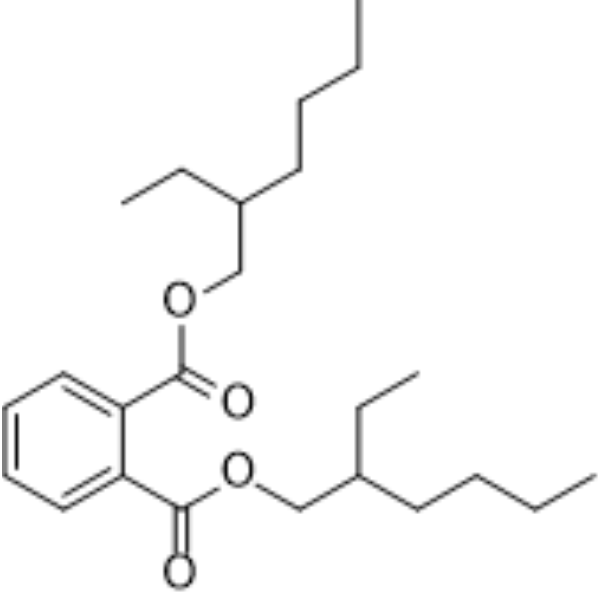
HY-B1945
DEHPEndogenous Metabolite -
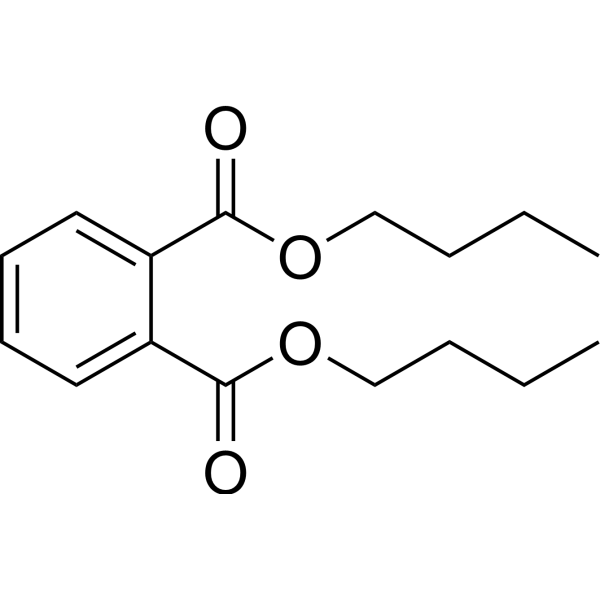
HY-Y0304
Dibutyl phthalatePlasticizer -
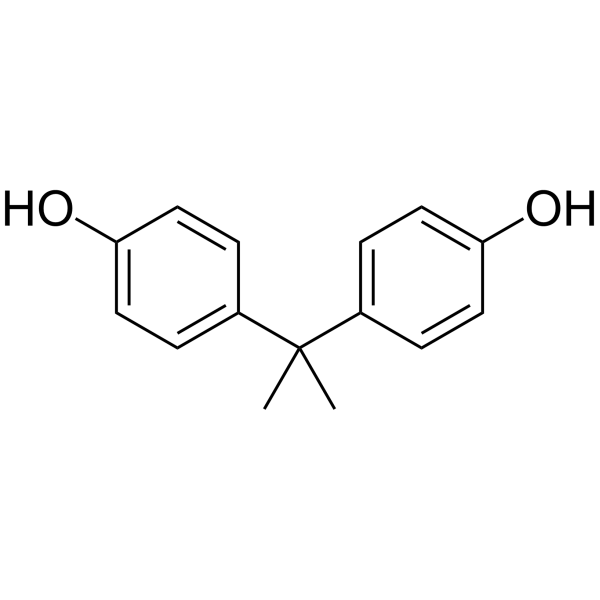
HY-18260
Bisphenol AEndocrine-Disrupting Compound -

HY-W018392R
Mono-(2-ethylhexyl) phthalate (Standard)Endogenous Metabolite -
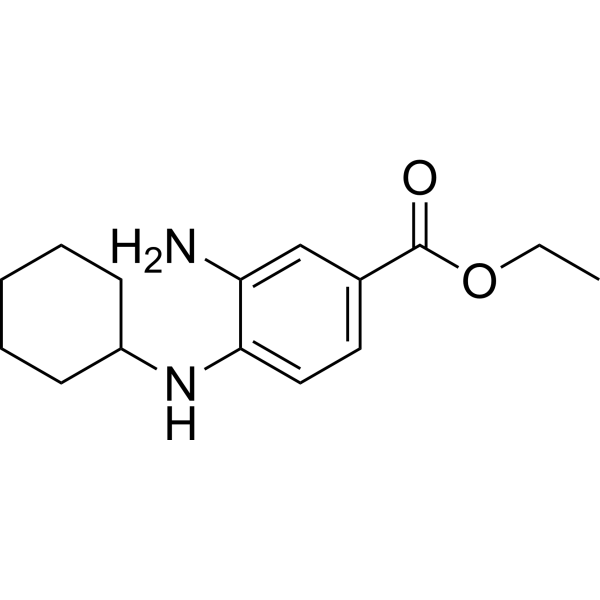
HY-100579
Ferrostatin-1Ferroptosis Inhibitor -
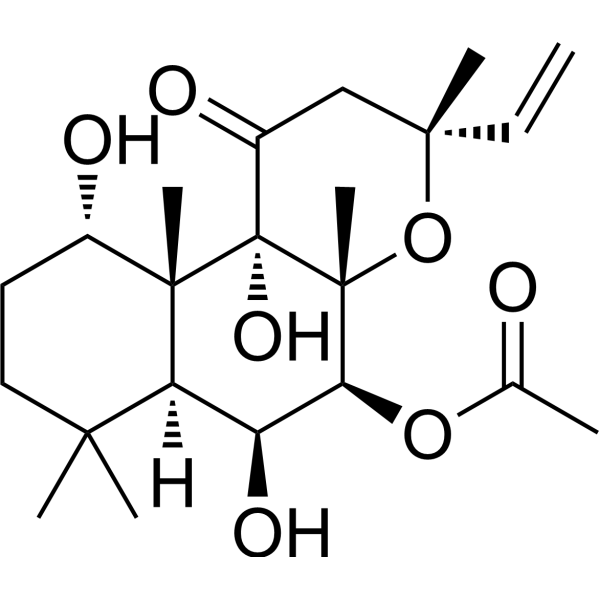
HY-15371
ForskolinAdenylate Cyclase Activator -
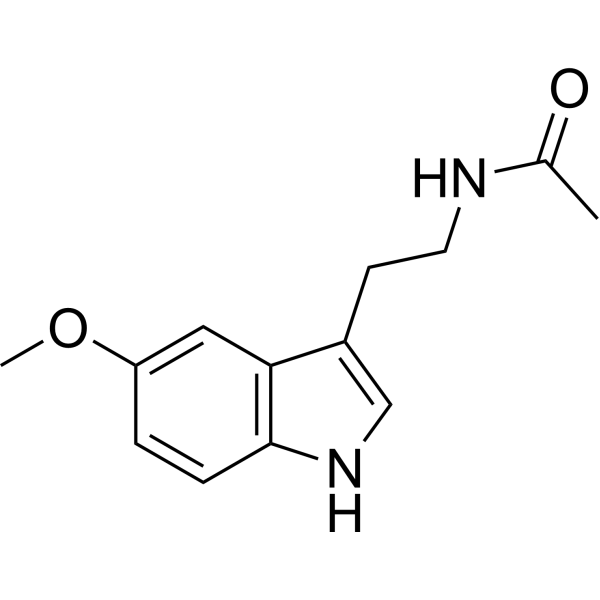
HY-B0075
MelatoninMelatonin Receptor Activator -
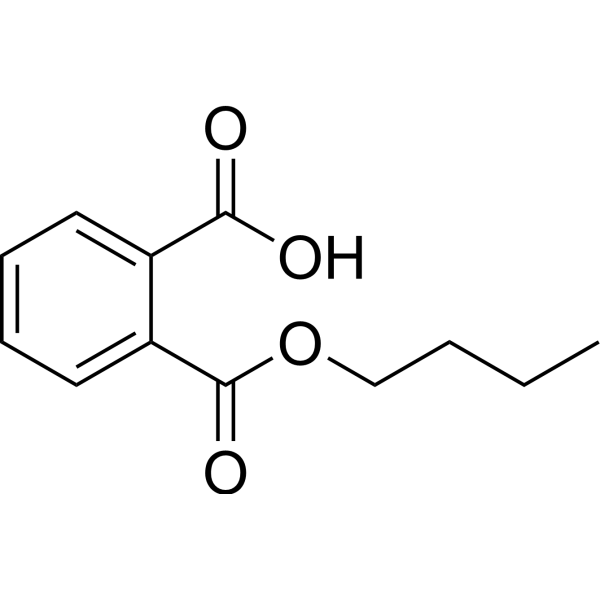
HY-N7143
Monobutyl phthalateToxic Reagent -
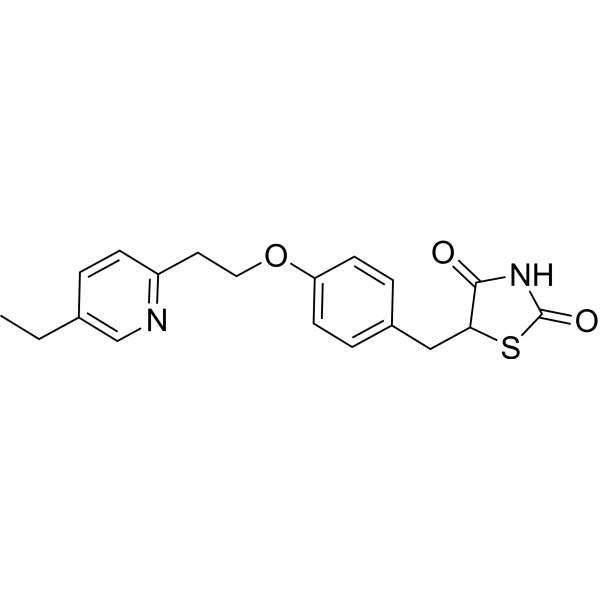
HY-13956
PioglitazonePPARγ Agonist -
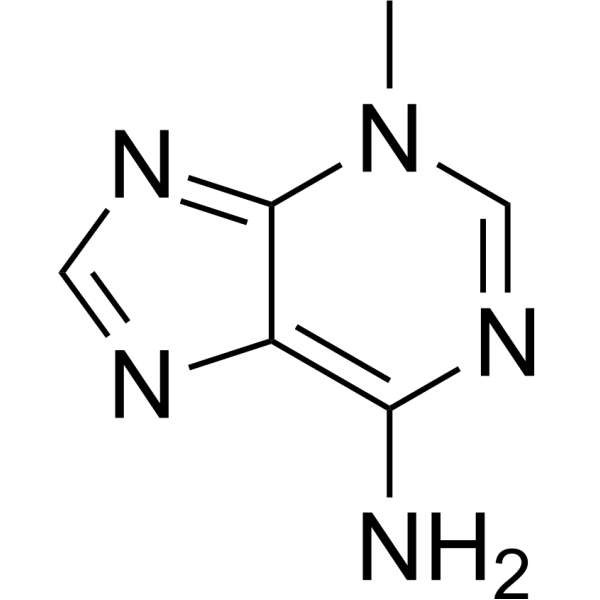
HY-19312
3-MethyladenineAutophagy/PI3K Inhibitor -
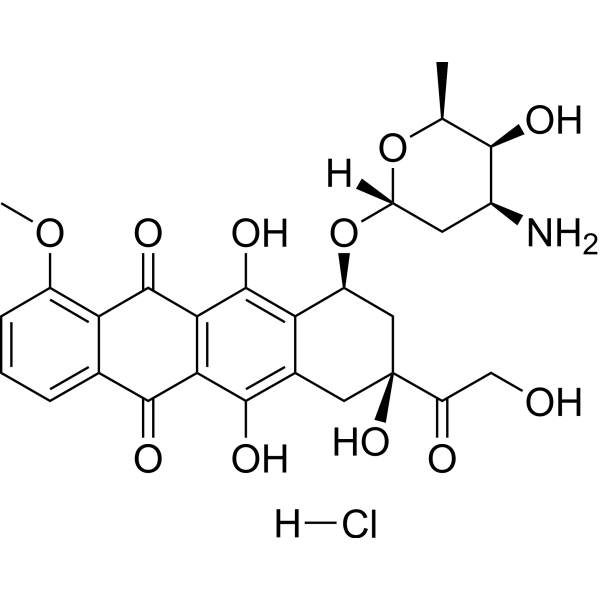
HY-15142
Doxorubicin hydrochlorideTopoisomerase Inhibitor -

HY-133677
Mono(2-ethyl-5-hydroxyhexyl) phthalateDEHP Metabolite
Publications Citing Use of MedChemExpress (MCE) Mono-(2-ethylhexyl) phthalate
More- J Cachexia Sarcopenia Muscle. 2022 Dec;13(6):2740-2751. [Abstract]
- Free Radic Biol Med. 2025 Apr 28:235:150-161. [Abstract]
- Environ Pollut. 2026 Mar 1:392:127628. [Abstract]
- Environ Pollut. 2025 Oct 1:382:126765. [Abstract]
- Environ Pollut. 2025 Feb 15:367:125625. [Abstract]
- Environ Pollut. 2025 Feb 1:366:125503. [Abstract]
- Ecotoxicol Environ Saf. 2026 Sep 1:322:120531.
- Ecotoxicol Environ Saf. 2026 Mar 15:313:120017. [Abstract]
- Ecotoxicol Environ Saf. 2025 Sep 1:302:118689. [Abstract]
- Ecotoxicol Environ Saf. 2024 Aug:281:116602. [Abstract]
- Ecotoxicol Environ Saf. 2021 Feb:209:111798. [Abstract]
- J Environ Sci. 2025 Sep 30.
- Toxicology. 2026 May 14:154495. [Abstract]
- Bioorg Chem. 2024 Dec:153:107947. [Abstract]
- FASEB J. 2025 Mar 15;39(5):e70442. [Abstract]
- Reprod Toxicol. 2025 Mar:132:108758. [Abstract]
- Food Chem Toxicol. 2025 Aug:202:115501. [Abstract]
- J Appl Toxicol. 2026 Mar 17. [Abstract]
- J Appl Toxicol. 2025 Oct 12. [Abstract]
- Toxicol In Vitro. 2023 Sep:91:105626. [Abstract]
- SSRN. 2025 Nov 16.
- Environ Toxicol. 2024 Feb;39(2):952-964. [Abstract]
- Sci Total Environ. 2024 Feb 20:912:168949. [Abstract]
- Research Square Preprint. 2023 May 2.
 Customer Validation & Images

-
Cell Imaging/Staining
-
Flow Cytometry
-
WB
-
RT-PCR
-
Bio/Physico-chemical Assay
All Endogenous Metabolite Isoforms
More

Biological Activity
Description
IC50 & Target
|
Human Endogenous Metabolite |
In Vitro
Mono-(2-ethylhexyl) phthalate (0-100 μM, 48 h) can promote lipid accumulation in HepG2 cells[1].
Mono-(2-ethylhexyl) phthalate (0-100 μM, 24-48 h) increases the TG level in HepG2 cells in a dose-dependent manner[1].
MedChemExpress (MCE) has not independently confirmed the accuracy of these methods. They are for reference only. Further protocols information, click here.
-
Cell Line:HepG2 cells
-
Concentration:0-250 μM
-
Incubation Time:24-72 h
-
Result:Decreased cell viability at 50-250 μM.
-
Cell Line:HepG2 cells
-
Concentration:0-100 μM
-
Incubation Time:6-48 h
-
Result:Increased the levels of ACC1, FASN, and SCD proteins after (24 h).
Decreased the levels of ACC1, FASN, and SCD proteins (48 h).
Increased the levels of ChREBP (24-48 h).
Increased the expressions of five genes (SREBP-1c, ACC1, FASN, SCD and ChREBP) within a short period of time (6 h), and decreased with prolonged exposure (24 and 48 h).
In Vivo
Mono-(2-ethylhexyl) phthalate (25-50 mg/kg, i.p., once time) induces a significantly high incidence of somatic mutations in the coat hair of offspring of mice[2].
MedChemExpress (MCE) has not independently confirmed the accuracy of these methods. They are for reference only.


Chemical Information
-
CAS No. 4376-20-9
-
Appearance <25°C Solid,>27°C Liquid
-
Molecular Weight 278.34
-
Formula C16H22O4
-
SMILES
O=C(O)C1=CC=CC=C1C(OCC(CC)CCCC)=O
-
Synonyms
MEHP; Phthalic acid mono-2-ethylhexyl ester
-
Structure Classification
-
Initial Source
-
Shipping
Room temperature in continental US; may vary elsewhere.
-
Storage
Pure form -20°C 3 years 4°C 2 years In solvent -80°C 1 year -20°C 6 months


Publications (24)
-
Journal Impact Factor
-
Most Recent
-
J Cachexia Sarcopenia Muscle
Maternal rodent exposure to di-(2-ethylhexyl) phthalate decreases muscle mass in the offspring by increasing myostatin. [Abstract]2022 Dec;13(6):2740-2751. PMID: 36263449
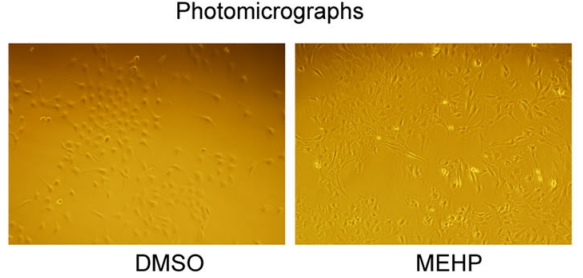
Mono-(2-ethylhexyl) phthalate purchased from MedChemExpress. Usage Cited in: J Cachexia Sarcopenia Muscle. 2022 Dec;13(6):2740-2751. [Abstract]
Treatment with 250 μM Mono-(2-ethylhexyl) phthalate for 3 days reduced the viability and morphology of C2C12 cells.
Mono-(2-ethylhexyl) phthalate purchased from MedChemExpress. Usage Cited in: J Cachexia Sarcopenia Muscle. 2022 Dec;13(6):2740-2751. [Abstract]
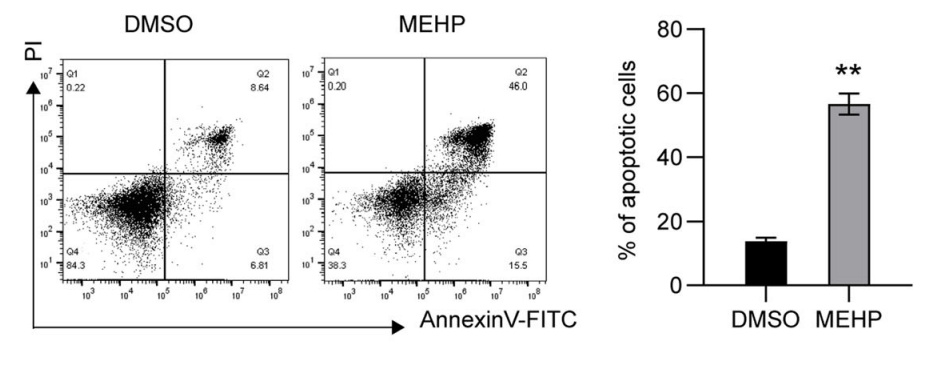
Mono-(2-ethylhexyl) phthalate (250 μM, 48 h) treatment promoted C2C12 cell apoptosis.
Mono-(2-ethylhexyl) phthalate purchased from MedChemExpress. Usage Cited in: J Cachexia Sarcopenia Muscle. 2022 Dec;13(6):2740-2751. [Abstract]
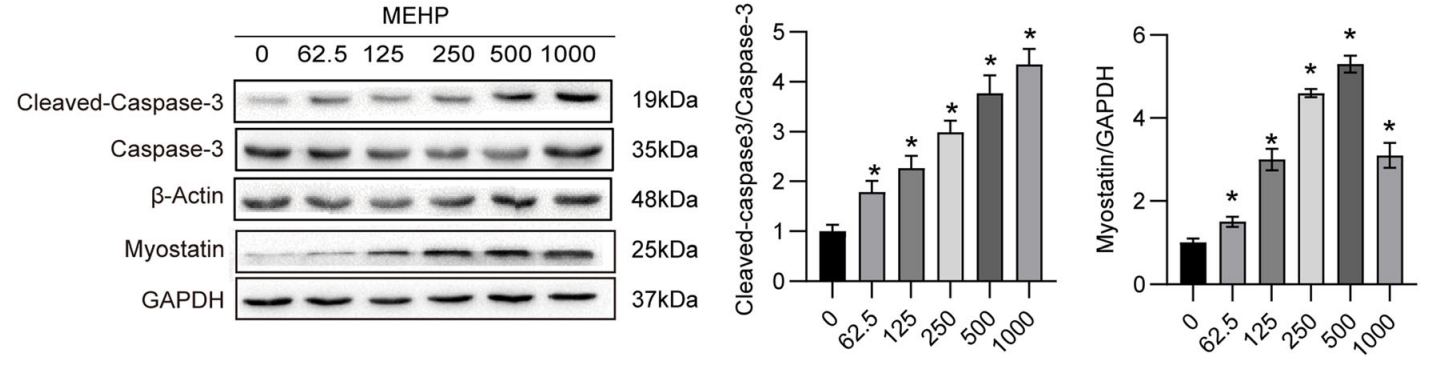
Western blot analyses revealed that Mono-(2-ethylhexyl) phthalate (0-1000 μM, 48 h) treatment up-regulated caspase-3 cleavage and Myostatin expression in C2C12 cells in a dose-dependent manner.
Mono-(2-ethylhexyl) phthalate purchased from MedChemExpress. Usage Cited in: J Cachexia Sarcopenia Muscle. 2022 Dec;13(6):2740-2751. [Abstract]
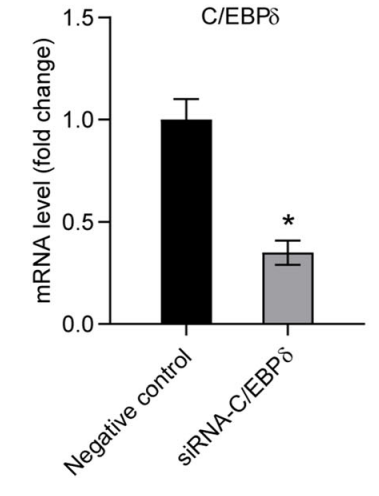
RT-qPCR indicated that C/EBPδ silencing abrogated the Mono-(2-ethylhexyl) phthalate (48 h)-regulated Myogenin, MyoD, Myostatin, MuRF-1, and Atrogin-1 expression in C2C12 cells.
Mono-(2-ethylhexyl) phthalate purchased from MedChemExpress. Usage Cited in: J Cachexia Sarcopenia Muscle. 2022 Dec;13(6):2740-2751. [Abstract]
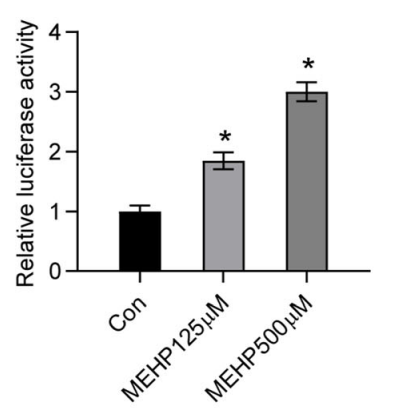
Luciferase assay indicated that Mono-(2-ethylhexyl) phthalate (125 and 500 μM, 48 h) enhanced the transcription activity of the myostatin promoter.
-
Free Radic Biol Med
Role of ferroptosis mediated by abnormal membrane structure in DEHP-induced reproductive injury. [Abstract]2025 Apr 28:235:150-161. PMID: 40306442 -
Environ Pollut
Integrative analysis of DEHP exposure and prostate cancer: Mechanistic insights and predictive modeling. [Abstract]2026 Mar 1:392:127628. PMID: 41483848 -
Environ Pollut
Synergistic neurotoxicity of polystyrene nanoparticles and MEHP in zebrafish (Danio rerio). [Abstract]2025 Oct 1:382:126765. PMID: 40609886 -
Environ Pollut
A comprehensive analysis-based study of Di-(2-ethylhexyl) phthalate (DEHP)-Environmental explanation of bladder cancer progression. [Abstract]2025 Feb 15:367:125625. PMID: 39746639 -
Environ Pollut
DEHP-mediated oxidative stress leads to impaired testosterone synthesis in Leydig cells through the cAMP/PKA/SF-1/StAR pathway. [Abstract]2025 Feb 1:366:125503. PMID: 39657860 -
-
Ecotoxicol Environ Saf
Impaired testicular development in male offspring following gestational DEHP exposure: The role of macrophage-Leydig cell axis. [Abstract]2026 Mar 15:313:120017. PMID: 41832877 -
Ecotoxicol Environ Saf
Mechanistic insight into plasticizer di-(2-ethylhexyl) phthalate as an environmental hazard for abdominal aortic aneurysm: Evidence from in vitro and in vivo studies. [Abstract]2025 Sep 1:302:118689. PMID: 40680446 -
Ecotoxicol Environ Saf
Di-(2-ethylhexyl) phthalate promotes benign prostatic hyperplasia through KIF11-Wnt/β-catenin signaling pathway. [Abstract]2024 Aug:281:116602. PMID: 38944010 -
Ecotoxicol Environ Saf
LncRNAs activate longevity regulation pathway due to aging of Leydig cells caused by DEHP exposure: A transcriptome-based study. [Abstract]2021 Feb:209:111798. PMID: 33360214 -
-
Toxicology
MEHP exposure disrupts the self-renewal and differentiation of GC-1 cells by up-regulating m6A levels, leading to reproductive damage in immature rats. [Abstract]2026 May 14:154495. PMID: 42140473 -
Bioorg Chem
Comprehensive utilization of in silico approach and in vitro experiment to unveil the molecular mechanisms of mono (2-ethylhexyl) phthalate-induced lung adenocarcinoma. [Abstract]2024 Dec:153:107947. PMID: 39520789 -
FASEB J
Di-(2-ethylhexyl)-phthalate disrupts mouse placental growth by regulating the cell cycle of mouse placental trophoblasts through the Trim38-p53 signaling axis. [Abstract]2025 Mar 15;39(5):e70442. PMID: 40059473 -
Reprod Toxicol
Multi-omics revealed activation of TNF-α induced apoptosis signaling pathway in testis of DEHP treated prepubertal male rat. [Abstract]2025 Mar:132:108758. PMID: 39613166 -
Food Chem Toxicol
Arachidonic acid metabolite prostaglandin E2 attenuates diethylhexyl phthalate-induced hepatotoxicity through promoting macrophage M2 polarization. [Abstract]2025 Aug:202:115501. PMID: 40318824 -
J Appl Toxicol
Integrated Analysis of Metabolomics and Proteomics Reveals the Potential Mechanism of Lung Injury Induced by Di(2-Ethylhexyl) Phthalate. [Abstract]2026 Mar 17. PMID: 41841177 -
J Appl Toxicol
The Role of the p62-Keap1-Nrf2 Pathway in Protecting Sertoli Cells Against Mono-(2-ethylhexyl)phthalate-induced Ferroptosis. [Abstract]2025 Oct 12. PMID: 41077046 -
Toxicol In Vitro
Epigallocatechin gallate alleviates mono-2-ethylhexyl phthalate-induced male germ cell pyroptosis by inhibiting the ROS/mTOR/NLRP3 pathway. [Abstract]2023 Sep:91:105626. PMID: 37286014 -
-
Environ Toxicol
Protective effects of melatonin on DEHP-induced apoptosis and oxidative stress in prepubertal testes via the PI3K/AKT pathway. [Abstract]2024 Feb;39(2):952-964. PMID: 37975621 -
Sci Total Environ
PPARβ/δ-ANGPTL4 axis mediates the promotion of mono-2-ethylhexyl phthalic acid on MYCN-amplified neuroblastoma development. [Abstract]2024 Feb 20:912:168949. PMID: 38042186 -


Solvent & Solubility
In Vitro:
DMSO : ≥ 100 mg/mL (359.27 mM; Hygroscopic DMSO has a significant impact on the solubility of product, please use newly opened DMSO)
* "≥" means soluble, but saturation unknown.
Please refer to the solubility information to select the appropriate solvent. Once prepared, please aliquot and store the solution to prevent product inactivation from repeated freeze-thaw cycles.
Storage method and period of stock solution: -80°C, 1 year; -20°C, 6 months. When stored at -80°C, please use it within 1 year. When stored at -20°C, please use it within 6 months.
Please refer to the solubility information to select the appropriate solvent. Once prepared, please aliquot and store the solution to prevent product inactivation from repeated freeze-thaw cycles.
Storage method and period of stock solution: -80°C, 1 year; -20°C, 6 months. When stored at -80°C, please use it within 1 year. When stored at -20°C, please use it within 6 months.
Concentration (start) × Volume (start) = Concentration (final) × Volume (final)
In Vivo:
Select the appropriate dissolution method based on your experimental animal and administration route.
- For the following dissolution methods, please ensure to first prepare a clear stock solution using an In Vitro approach and then sequentially add co-solvents:
- To ensure reliable experimental results, the clarified stock solution can be appropriately stored based on storage conditions. As for the working solution for In Vivo experiments, it is recommended to prepare freshly and use it on the same day.
- The percentages shown for the solvents indicate their volumetric ratio in the final prepared solution. If precipitation or phase separation occurs during preparation, heat and/or sonication can be used to aid dissolution.
Add each solvent one by one: 10% DMSO 40% PEG300 5% Tween-80 45% Saline
Solubility: ≥ 2.5 mg/mL (8.98 mM); Clear solution
This protocol yields a clear solution of ≥ 2.5 mg/mL (saturation unknown).
Taking 1 mL working solution as an example, add 100 μL DMSO stock solution (25.0 mg/mL) to 400 μL PEG300, and mix evenly; then add 50 μL Tween-80 and mix evenly; then add 450 μL Saline to adjust the volume to 1 mL.
Preparation of Saline: Dissolve 0.9 g sodium chloride in ddH₂O and dilute to 100 mL to obtain a clear Saline solution.
Add each solvent one by one: 10% DMSO 90% (20% SBE-β-CD in Saline)
Solubility: ≥ 2.5 mg/mL (8.98 mM); Clear solution
This protocol yields a clear solution of ≥ 2.5 mg/mL (saturation unknown).
Taking 1 mL working solution as an example, add 100 μL DMSO stock solution (25.0 mg/mL) to 900 μL 20% SBE-β-CD in Saline, and mix evenly.
Preparation of 20% SBE-β-CD in Saline (4°C, storage for one week): 2 g SBE-β-CD powder is dissolved in 10 mL Saline, completely dissolve until clear.
For the following dissolution methods, please prepare the working solution directly:
It is recommended to prepare fresh solutions and use them promptly within a short period of time.
The percentages shown for the solvents indicate their volumetric ratio in the final prepared solution. If precipitation or phase separation occurs during preparation, heat and/or sonication can be used to aid dissolution.
Add each solvent one by one: PBS
Solubility: 4.29 mg/mL (15.41 mM); Clear solution; Need ultrasonic
In Vivo Dissolution Calculator
Please enter the basic information of animal experiments:
-
-
-
-
Recommended: Prepare an additional quantity of animals to account for potential losses during experiments.
Please enter your animal formula composition:
-
%DMSO +
Recommended: Keep the proportion of DMSO in working solution below 2% if your animal is weak.
-
%+
-
+%Tween-80 + +
-
%Saline +
The co-solvents required include: DMSO, . All of co-solvents are available by MedChemExpress (MCE). , Tween 80. All of co-solvents are available by MedChemExpress (MCE).
Working solution concentration: 0.22 mg/mL
Method for preparing stock solution: mg drug dissolved in μL DMSO. Stock solution concentration: mg/mL.
1. Take μL DMSO stock solution;
2. Add μL .
μL , mix evenly;
3. Then add μL Tween 80, mix evenly;
4. Then add μL
Please ensure that the stock solution in the first step is dissolved to a clear state, and add co-solvents in sequence. You can use ultrasonic heating (ultrasonic cleaner, recommended frequency 20-40 kHz), vortexing, etc. to assist dissolution.

Protocols
-
RNA extraction experimental
By lysing cells, releasing RNA, and removing impurities such as proteins and DNA, high-purity RNA products are finally obtained. The commonly used traditional method is the guanidine isothiocyanate/phenol/chloroform method (Trizol), which is suitable for a variety of animal materials including animal tissues, microorganisms, cultured cells, etc., and most plant materials.
-
Research Protocol for Metabolic Diseases
AMP-activated protein kinase, AMPK, is a conserved cellular energy sensor that responds to reduced cellular energy status and coordinates metabolism by increasing ATP-generating catabolic pathways while suppressing ATP-consuming anabolic processes. In metabolic disease research, the AMPK pathway is experimentally relevant because it regulates hepatic lipid synthesis, fatty acid oxidation, glucose production, skeletal-muscle glucose disposal, mTORC1-linked biosynthesis, autophagy, mitochondrial homeostasis, and whole-body energy balance. The central pathway logic is that energy stress, metformin, exercise-like stimulation, or direct AMPK activators increase AMPKα Thr172 phosphorylation and downstream substrate phosphorylation, including ACC and RAPTOR. Phosphorylation of ACC suppresses lipogenesis and supports fatty acid oxidation, whereas phosphorylation of RAPTOR suppresses mTORC1 signaling and links cellular energy status to growth and protein synthesis control. The pathway is linked


Purity & Documentation
-
Data Sheet (276 KB)
-
SDS (394 KB)
- English - EN (394 KB)
- Français - FR (394 KB)
- Deutsch - DE (394 KB)
- Norwegian - NO (394 KB)
- Español - ES (394 KB)
- Swedish - SV (394 KB)
- Italian - IT (394 KB)
- Korean - KR (394 KB)
- Portuguese - PT (394 KB)
-
Handling Instructions (2659 KB)
References
[1]. Bai J, et al. Mono-2-ethylhexyl phthalate induces the expression of genes involved in fatty acid synthesis in HepG2 cells. Environ Toxicol Pharmacol. 2019 Jul;69:104-111. [Content Brief]
[2]. Tomita I, et al. Fetotoxic effects of mono-2-ethylhexyl phthalate (MEHP) in mice. Environ Health Perspect. 1986 Mar;65:249-54. [Content Brief]


Complete Stock Solution Preparation Table
Please refer to the solubility information to select the appropriate solvent. Once prepared, please aliquot and store the solution to prevent product inactivation from repeated freeze-thaw cycles.
Storage method and period of stock solution: -80°C, 1 year; -20°C, 6 months. When stored at -80°C, please use it within 1 year. When stored at -20°C, please use it within 6 months.
| Optional Solvent | Concentration Solvent Mass | 1 mg | 5 mg | 10 mg | 25 mg |
|---|---|---|---|---|---|
| DMSO | 1 mM | 3.5927 mL | 17.9636 mL | 35.9273 mL | 89.8182 mL |
| 5 mM | 0.7185 mL | 3.5927 mL | 7.1855 mL | 17.9636 mL | |
| 10 mM | 0.3593 mL | 1.7964 mL | 3.5927 mL | 8.9818 mL | |
| 15 mM | 0.2395 mL | 1.1976 mL | 2.3952 mL | 5.9879 mL | |
| 20 mM | 0.1796 mL | 0.8982 mL | 1.7964 mL | 4.4909 mL | |
| 25 mM | 0.1437 mL | 0.7185 mL | 1.4371 mL | 3.5927 mL | |
| 30 mM | 0.1198 mL | 0.5988 mL | 1.1976 mL | 2.9939 mL | |
| 40 mM | 0.0898 mL | 0.4491 mL | 0.8982 mL | 2.2455 mL | |
| 50 mM | 0.0719 mL | 0.3593 mL | 0.7185 mL | 1.7964 mL | |
| 60 mM | 0.0599 mL | 0.2994 mL | 0.5988 mL | 1.4970 mL | |
| 80 mM | 0.0449 mL | 0.2245 mL | 0.4491 mL | 1.1227 mL | |
| 100 mM | 0.0359 mL | 0.1796 mL | 0.3593 mL | 0.8982 mL |


Mono-(2-ethylhexyl) phthalate Related Classifications
HY-W018392 Related Classifications
 Powered by Bioz