



B-Raf
B-Raf is a serine/threonine protein kinase encoded by BRAF and functions as a central signal transducer in the RAS-RAF-MEK-ERK signaling cascade that regulates cell proliferation, differentiation, and survival[1][2]. Mechanistically, activated B-Raf phosphorylates MEK, leading to ERK activation and propagation of mitogenic signaling, making B-Raf a critical regulator of MAPK pathway output[2]. Dysregulation of this pathway is strongly linked to oncogenesis, and somatic BRAF mutations are among the most common kinase alterations identified in human cancer, particularly melanoma, colorectal cancer, thyroid cancer, and non-small-cell lung cancer[1][3]. In disease models, the canonical BRAF V600E mutation constitutively activates kinase signaling and promotes tumor cell growth independent of normal upstream regulatory inputs[2][3]. Compared with the related RAF isoforms A-Raf and C-Raf (RAF1), B-Raf displays stronger basal kinase activity and is the most potent activator of MEK-ERK signaling, making it a dominant MAPK pathway driver in many BRAF-mutant tumors[2]. For experimental applications, selective B-Raf inhibitors have been widely used to suppress oncogenic MAPK signaling and to investigate pathway dependence in cancer models[4]. The development of mutation-selective inhibitors, including compounds targeting BRAF V600E, established B-Raf as a validated therapeutic and mechanistic target and continues to support research on signaling regulation, drug resistance, and combination treatment strategies[4][5].
Verweise:
- [1]. Davies H, et al. Mutations of the BRAF gene in human cancer. Nature. 2002 Jun 27;417(6892):949-54. [Content Brief]
- [2]. Wan PT, et al. Mechanism of activation of the RAF-ERK signaling pathway by oncogenic mutations of B-RAF. Cell. 2004 Mar 19;116(6):855-67. [Content Brief]
- [3]. B-Raf gene information from NCBI.
- [4]. Tsai J, et al. Discovery of a selective inhibitor of oncogenic B-Raf kinase with potent antimelanoma activity. Proc Natl Acad Sci U S A. 2008 Feb 26;105(8):3041-6. [Content Brief]
- [5]. Bollag G, et al. Vemurafenib: the first drug approved for BRAF-mutant cancer. Nat Rev Drug Discov. 2012 Nov;11(11):873-86. [Content Brief]
-
B-Raf Verwandte Produkte (97)
Verwandte Produkte (97)

-
Antibodies (3)
-
Sorafenib
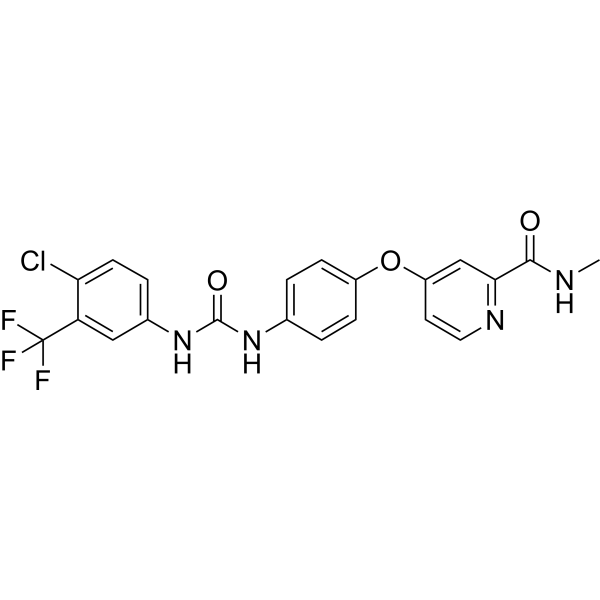 0 ImagesSynonyms: Bay 43-9006Sorafenib (Bay 43-9006) is a potent oral active multikinase inhibitor. Sorafenib blocks autophosphorylation and activity of receptor tyrosine kinases (VEGFR-2, VEGFR-3) and RAF family kinases, thereby suppressing the RAF/MEK/ERK and PI3K/Akt pathways, inhibiting STAT3 phosphorylation, and selectively inhibiting the MAPK pathway in cancer cells. Sorafenib induces cell cycle arrest, autophagy, apoptosis, and PARP cleavage, reduces Bcl-2, Bcl-XL, cyclin D1 levels, and activates Bak and Bax. Sorafenib inhibits tumor growth and metastasis in mouse and rat models. Sorafenib can be used for cancer research, such as colon, breast, non-small-cell lung cancer (NSCLC), ovarian, pancreatic, melanoma, colorectal and hepatocellular carcinoma.
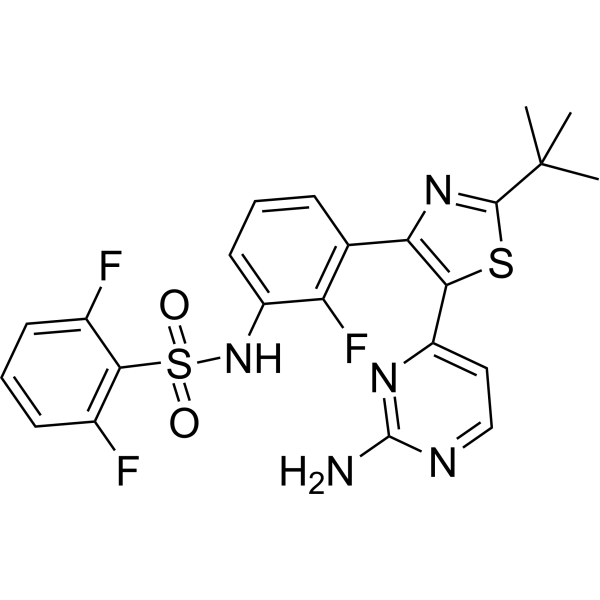
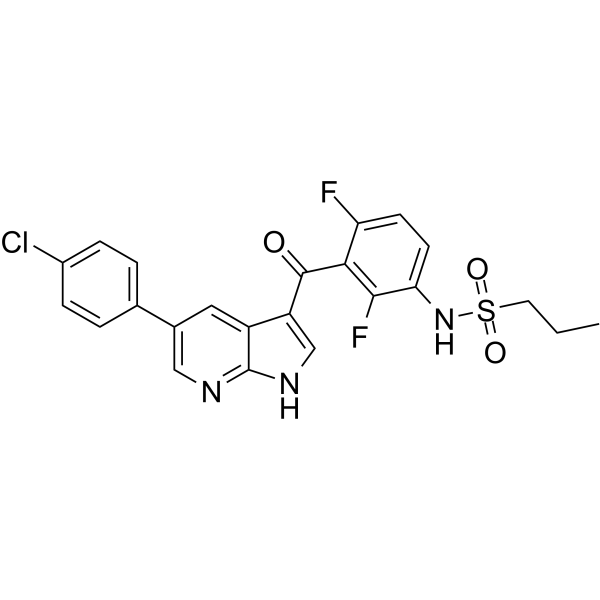
-
Regorafenib
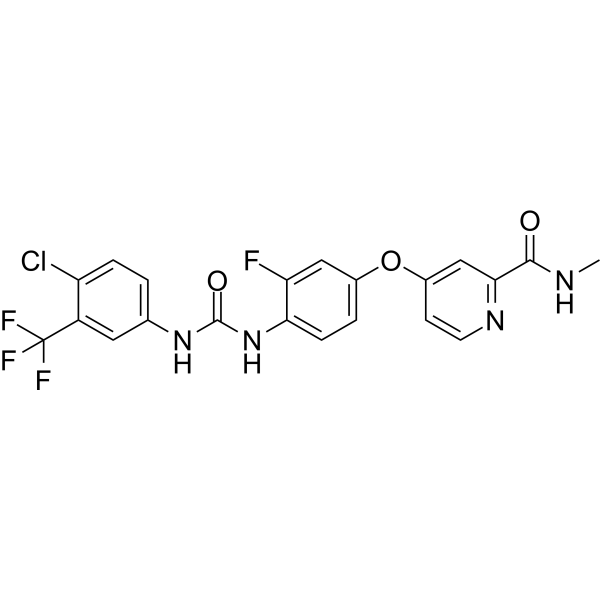 0 ImagesSynonyms: BAY 73-4506
-
Doramapimod
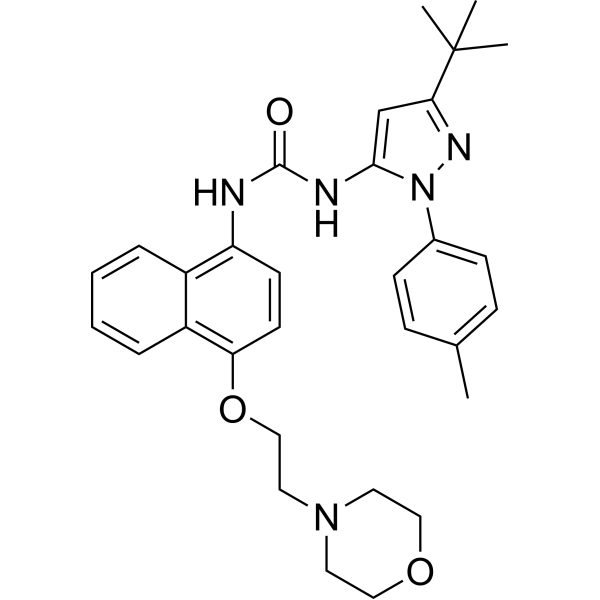 0 ImagesSynonyms: BIRB 796
-
Sorafenib tosylate
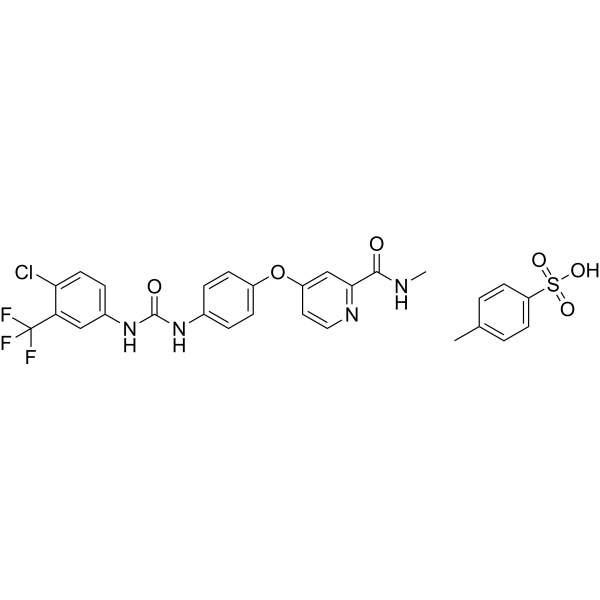 0 ImagesSynonyms: Bay 43-9006 tosylateSorafenib (Bay 43-9006) tosylate is a potent oral active multikinase inhibitor. Sorafenib blocks autophosphorylation and activity of receptor tyrosine kinases (VEGFR-2, VEGFR-3) and RAF family kinases, thereby suppressing the RAF/MEK/ERK and PI3K/Akt pathways, inhibiting STAT3 phosphorylation, and selectively inhibiting the MAPK pathway in cancer cells. Sorafenib tosylate induces cell cycle arrest, autophagy, apoptosis, and PARP cleavage, reduces Bcl-2, Bcl-XL, cyclin D1 levels, and activates Bak and Bax. Sorafenib tosylate inhibits tumor growth and metastasis in mouse and rat models. Sorafenib tosylate can be used for cancer research, such as colon, breast, non-small-cell lung cancer (NSCLC), ovarian, pancreatic, melanoma, colorectal and hepatocellular carcinoma.
-
Tagarafdeg
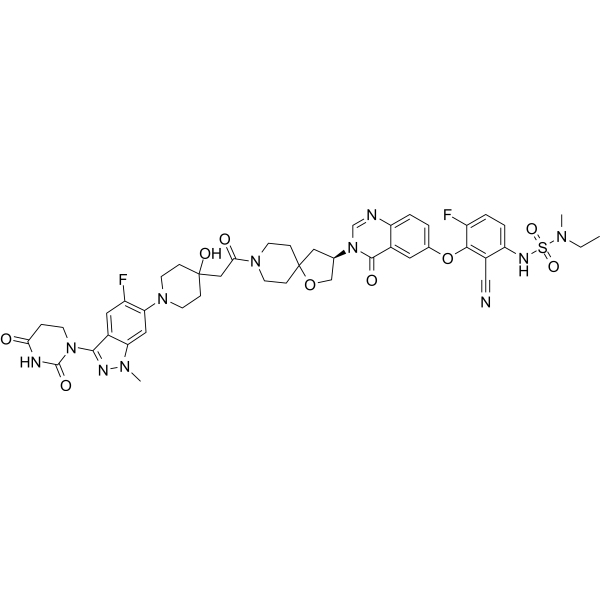 0 ImagesSynonyms: CFT1946Tagarafdeg (CFT1946) is an orally active, blood-brain barrier-penetrant, and selective bifunctional BiDAC degrader of the BRAFV600E/K mutant protein, with a DC50 of 14 nM in A375 cells. Tagarafdeg mediates the ubiquitination and proteasomal degradation of BRAF mutant proteins. Tagarafdeg inhibits tumor progression in multiple models of BRAFV600E-mutant intracranial tumors, melanoma, and colorectal cancer. Tagarafdeg is applicable to tumor-related research.
-
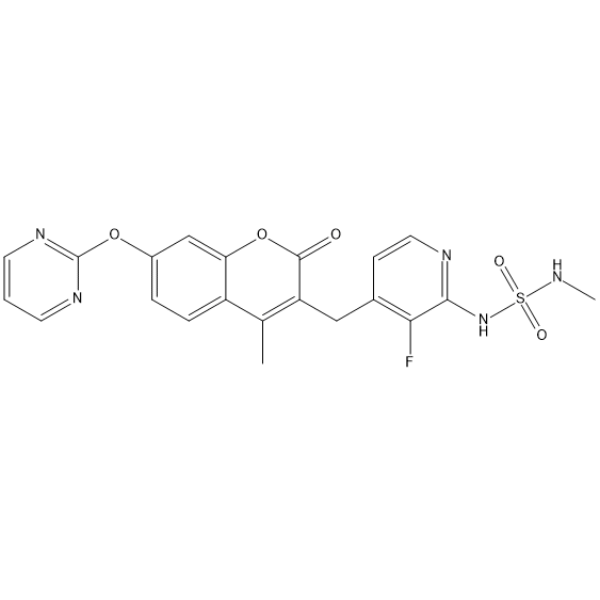
SB-590885
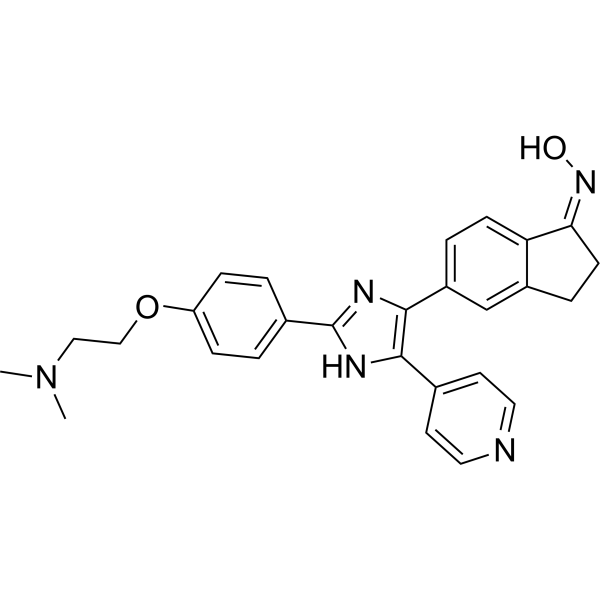 0 ImagesSB-590885 is a BRAF/c-Raf kinase inhibitor that selectively targets B-Raf, and it amplifies the ERK/MAPK signaling pathway in RAS-activated cells. SB-590885 effectively inhibits the malignant proliferation, transformation and tumorigenicity of oncogenic B-Raf cells; it also induces the proliferation of erythroid progenitor cells, delays their differentiation and promotes hemoglobin synthesis, thereby improving ineffective erythropoiesis and reducing apoptosis. SB-590885 exerts a synergistic effect with TGF-β inhibitors and glucocorticoids, significantly promoting the formation of erythroid colonies in cells from patients with Diamond-Blackfan anemia (DBA). SB-590885 is mainly used in relevant studies on DBA, cisplatin-induced myelosuppression-related anemia, and pan-cancers such as melanoma and colorectal cancer.
-
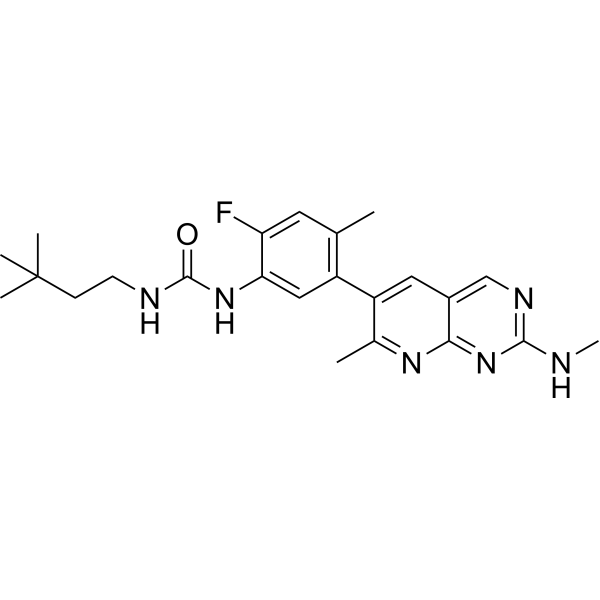
Naporafenib
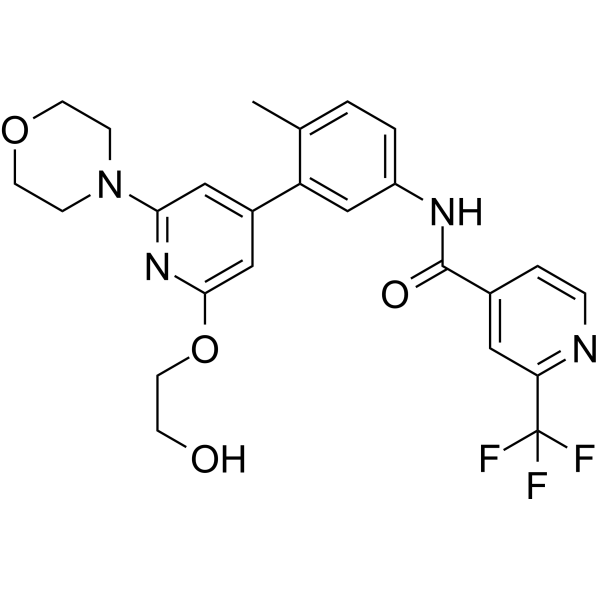 0 ImagesSynonyms: LXH254Naporafenib (LXH254) is a potent, selective, orally active, type II BRAF and CRAF inhibitor, with IC50 values of 0.072 and 0.21 nM against CRAF and BRAF, respectively.
-
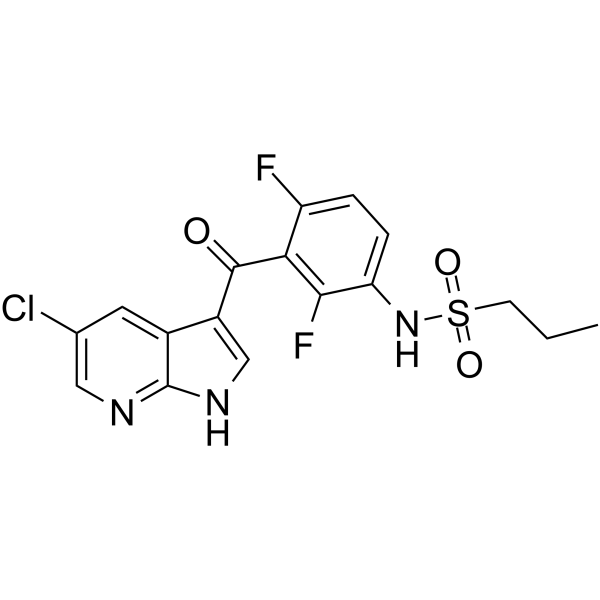
Plixorafenib
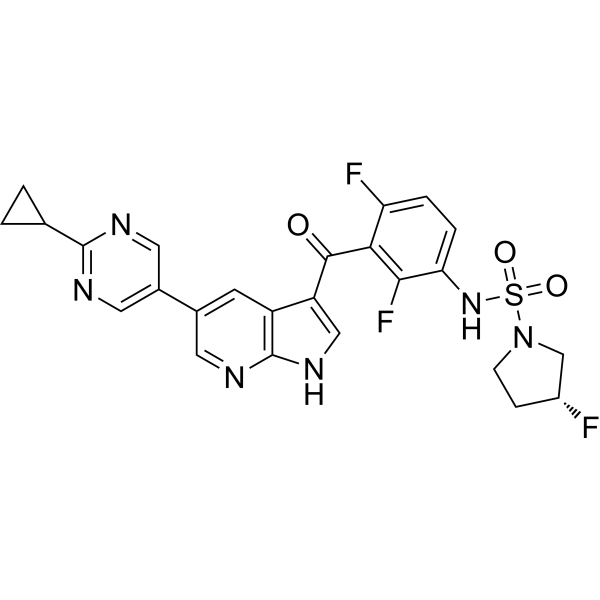 0 ImagesSynonyms: PLX8394; FORE8394PLX8394 is a potent and selective BRaf inhibitor, with an IC50 of appr 5 nM for BRAFV600E.
-
Sorafenib-d3
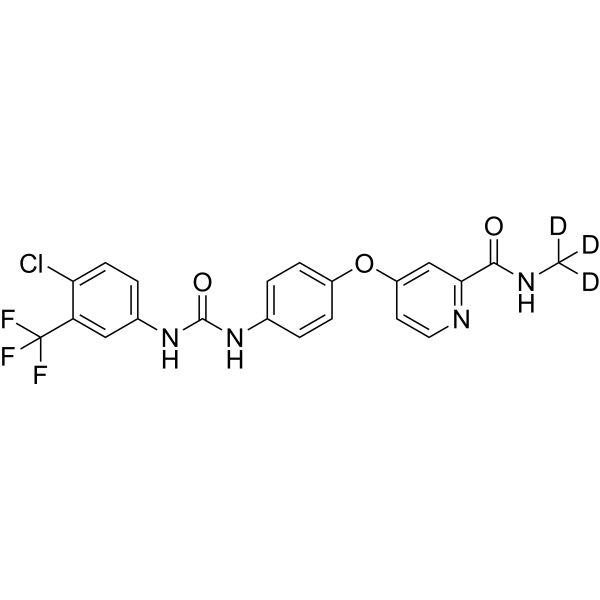 0 ImagesSynonyms: Donafenib; Bay 43-9006-d3Sorafenib-d3 (Donafenib) is the deuterated-labeled Sorafenib (HY-10201). Sorafenib (Bay 43-9006) is a potent oral active multikinase inhibitor. Sorafenib blocks autophosphorylation and activity of receptor tyrosine kinases (VEGFR-2, VEGFR-3) and RAF family kinases, thereby suppressing the RAF/MEK/ERK and PI3K/Akt pathways, inhibiting STAT3 phosphorylation, and selectively inhibiting the MAPK pathway in cancer cells. Sorafenib induces cell cycle arrest, autophagy, apoptosis, and PARP cleavage, reduces Bcl-2, Bcl-XL, cyclin D1 levels, and activates Bak and Bax. Sorafenib inhibits tumor growth and metastasis in mouse and rat models. Sorafenib can be used for cancer research, such as colon, breast, non-small-cell lung cancer (NSCLC), ovarian, pancreatic, melanoma, colorectal and hepatocellular carcinoma.
-
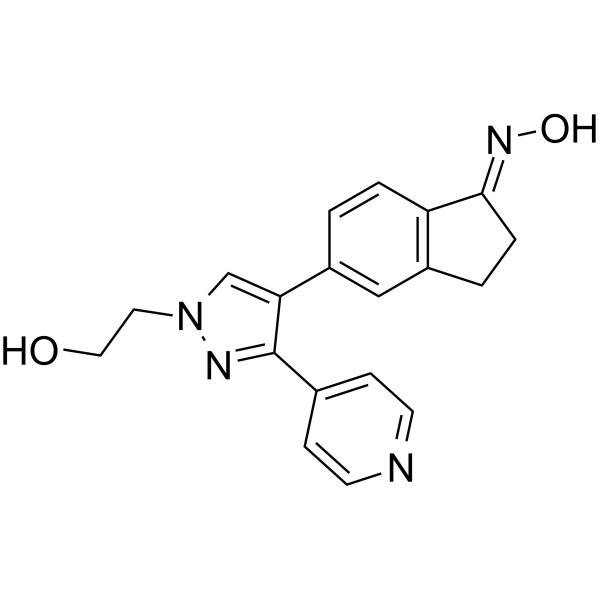
Agerafenib
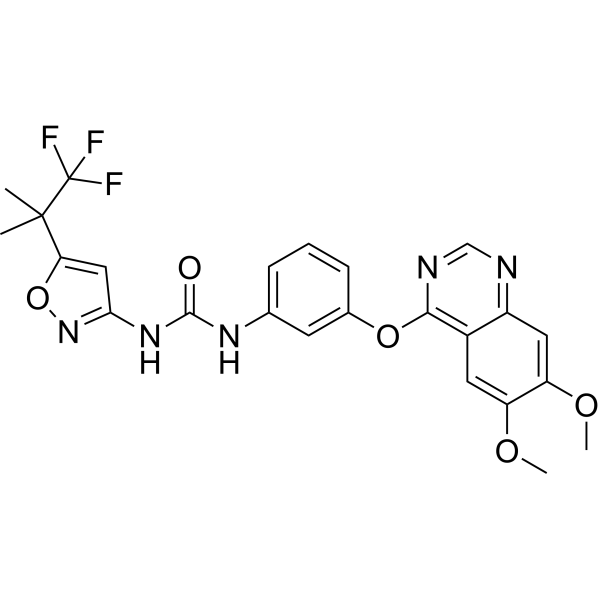 0 ImagesSynonyms: CEP-32496; RXDX-105Agerafenib (CEP-32496; RXDX-105) is a highly potent and orally efficacious inhibitor of BRAFV600E with a Kd of 14 nM.
-
Regorafenib monohydrate
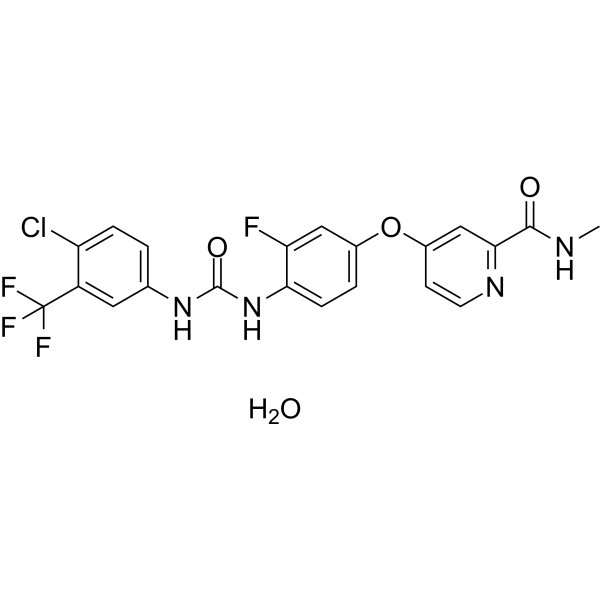 0 ImagesSynonyms: BAY 73-4506 monohydrateRegorafenib (BAY 73-4506) monohydrate is an orally active and potent multi-targeted receptor tyrosine kinase inhibitor, with IC50 values of 13/4.2/46, 22, 7, 1.5 and 2.5 nM for VEGFR1/2/3, PDGFRβ, Kit, RET and Raf-1, respectively. Regorafenib monohydrate shows very robust antitumor and antiangiogenic activity.




