C-Raf
C-Raf (RAF1) is a serine/threonine protein kinase of the RAF family that functions as a MAP kinase kinase kinase (MAP3K) downstream of RAS GTPases and serves as a central regulator of the RAS-RAF-MEK-ERK signaling cascade.[1][2] Upon activation by RAS, C-Raf phosphorylates MEK1 and MEK2, which subsequently activate ERK1/2, thereby controlling gene expression programs associated with cell-cycle progression, differentiation, migration, apoptosis regulation, and cellular survival.[1][2] Mechanistically, C-Raf acts as a key signal transducer that links extracellular growth-factor stimulation to intracellular MAPK signaling and amplifies biological responses through kinase cascade activation.[1][2] In disease settings, aberrant RAF1 signaling contributes to oncogenic processes, and RAF1-dependent signaling has been implicated in tumor proliferation, survival, and transformation models.[3] Compared with related RAF isoforms, C-Raf belongs to a three-member kinase family consisting of A-Raf, B-Raf, and C-Raf, but it exhibits distinct regulatory properties mediated by its RAS-binding region, autoinhibitory mechanisms, and protein-protein interaction networks.[2] Beyond its canonical kinase activity, experimental studies indicate that RAF1 can support cellular proliferation through kinase-independent functions, highlighting additional scaffold-like roles in signaling complexes.[3] For experimental applications, pharmacological RAF inhibitors and emerging RAF1-targeting degradation strategies are widely used to interrogate RAF-dependent signaling mechanisms and evaluate pathway vulnerabilities in cancer models.[3]
-
C-Raf 関連製品 (51)
関連製品 (51)

-
組換えタンパク質 (3)
-
抗体 (1)
-
Sorafenib
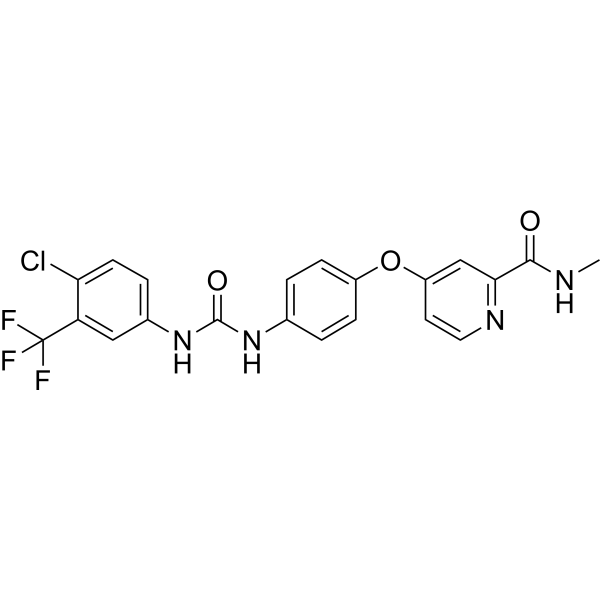 0 Images別名: Bay 43-9006Sorafenib (Bay 43-9006) is a potent oral active multikinase inhibitor. Sorafenib blocks autophosphorylation and activity of receptor tyrosine kinases (VEGFR-2, VEGFR-3) and RAF family kinases, thereby suppressing the RAF/MEK/ERK and PI3K/Akt pathways, inhibiting STAT3 phosphorylation, and selectively inhibiting the MAPK pathway in cancer cells. Sorafenib induces cell cycle arrest, autophagy, apoptosis, and PARP cleavage, reduces Bcl-2, Bcl-XL, cyclin D1 levels, and activates Bak and Bax. Sorafenib inhibits tumor growth and metastasis in mouse and rat models. Sorafenib can be used for cancer research, such as colon, breast, non-small-cell lung cancer (NSCLC), ovarian, pancreatic, melanoma, colorectal and hepatocellular carcinoma.
-
Regorafenib
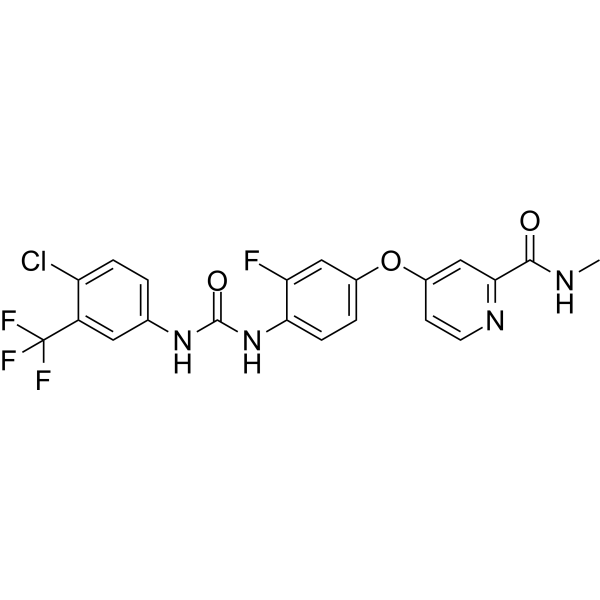 0 Images別名: BAY 73-4506
-
RMC-7977
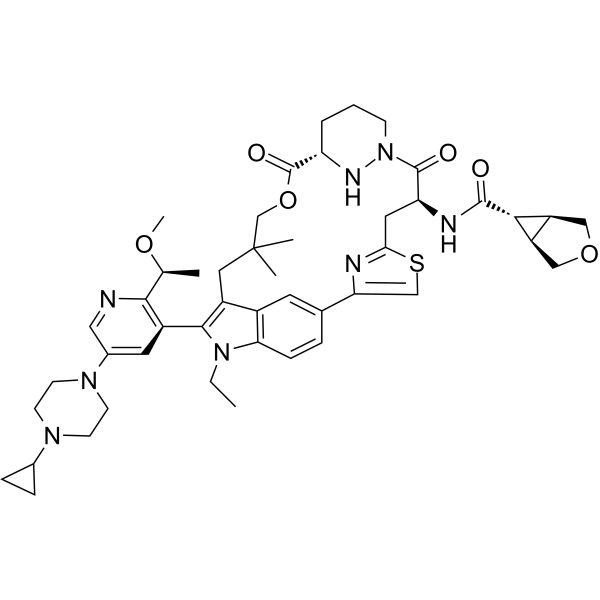 0 ImagesRMC-7977 is an orally active triple-complex RAS inhibitor that can simultaneously bind to cyclophilin A (CYPA) (Kd = 195 nM) and KRAS (G12V) (Kd = 292 μM). It exhibits broad-spectrum inhibitory activity against KRAS, NRAS, and HRAS proteins and their various wild-type and mutant variants. RMC-7977 induces apoptosis by inhibiting the phosphorylation of ERK, CRAF, and RSK, as well as increasing PARP cleavage. This leads to tumor regression, reduces resistance in KRASG12C cancer models, and demonstrates good tolerability across various RAS cancer models.
-
Sorafenib tosylate
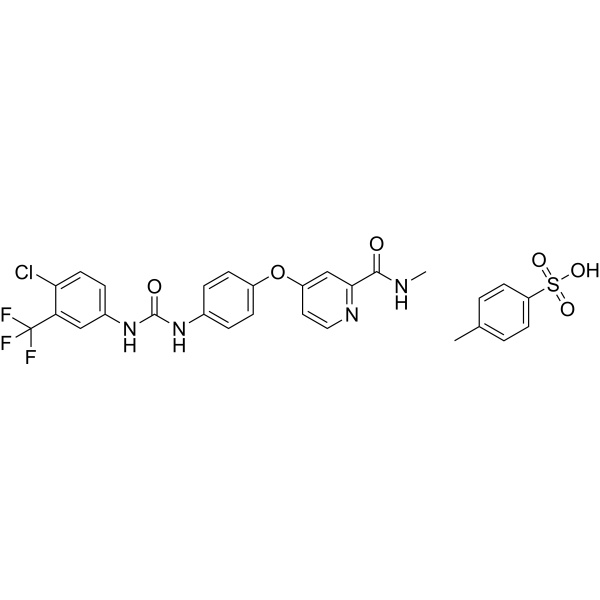 0 Images別名: Bay 43-9006 tosylateSorafenib (Bay 43-9006) tosylate is a potent oral active multikinase inhibitor. Sorafenib blocks autophosphorylation and activity of receptor tyrosine kinases (VEGFR-2, VEGFR-3) and RAF family kinases, thereby suppressing the RAF/MEK/ERK and PI3K/Akt pathways, inhibiting STAT3 phosphorylation, and selectively inhibiting the MAPK pathway in cancer cells. Sorafenib tosylate induces cell cycle arrest, autophagy, apoptosis, and PARP cleavage, reduces Bcl-2, Bcl-XL, cyclin D1 levels, and activates Bak and Bax. Sorafenib tosylate inhibits tumor growth and metastasis in mouse and rat models. Sorafenib tosylate can be used for cancer research, such as colon, breast, non-small-cell lung cancer (NSCLC), ovarian, pancreatic, melanoma, colorectal and hepatocellular carcinoma.
-
Aspafilioside B
 0 Images製品番号: HY-122465CAS 番号: 131123-73-4Aspafilioside B is a steroidal saponin. Aspafilioside B is extractable from Asparagus filicinus. Aspafilioside B activates the ERK, c-Raf and p38 MAPK signaling pathways, and upregulates H-Ras and N-Ras. Aspafilioside B mediates G2/M cell cycle arrest by altering the expression of cell cycle regulatory proteins. Aspafilioside B induces Apoptosis. Aspafilioside B increases intracellular ROS levels. Aspafilioside B is applicable to research related to hepatocellular carcinoma.
-
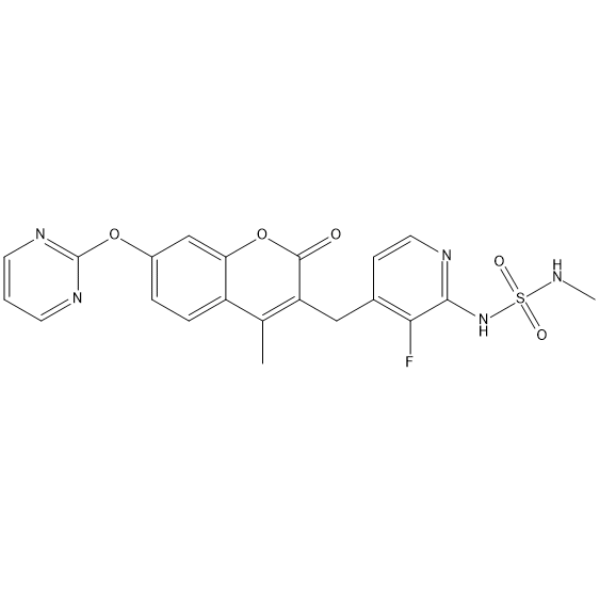
SB-590885
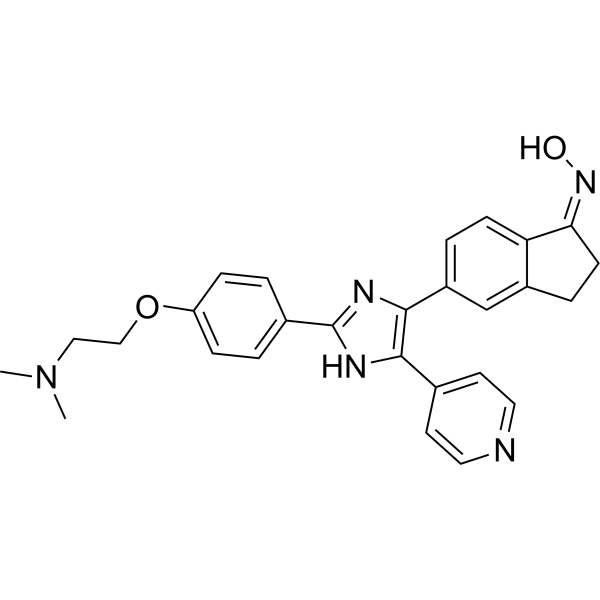 0 ImagesSB-590885 is a BRAF/c-Raf kinase inhibitor that selectively targets B-Raf, and it amplifies the ERK/MAPK signaling pathway in RAS-activated cells. SB-590885 effectively inhibits the malignant proliferation, transformation and tumorigenicity of oncogenic B-Raf cells; it also induces the proliferation of erythroid progenitor cells, delays their differentiation and promotes hemoglobin synthesis, thereby improving ineffective erythropoiesis and reducing apoptosis. SB-590885 exerts a synergistic effect with TGF-β inhibitors and glucocorticoids, significantly promoting the formation of erythroid colonies in cells from patients with Diamond-Blackfan anemia (DBA). SB-590885 is mainly used in relevant studies on DBA, cisplatin-induced myelosuppression-related anemia, and pan-cancers such as melanoma and colorectal cancer.
-
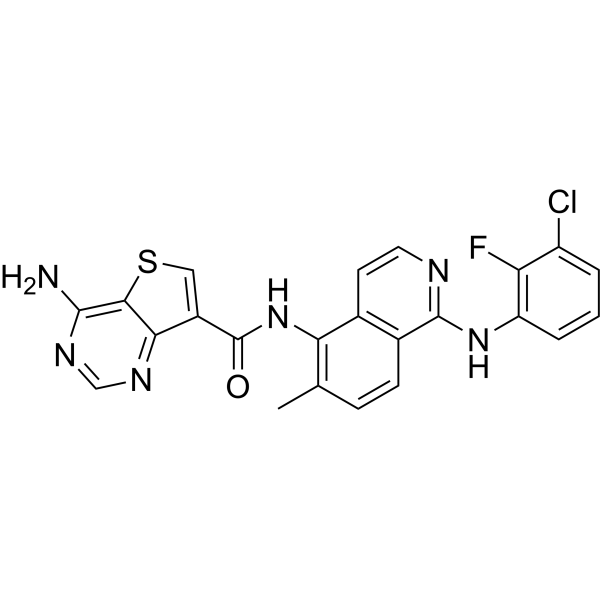
Naporafenib
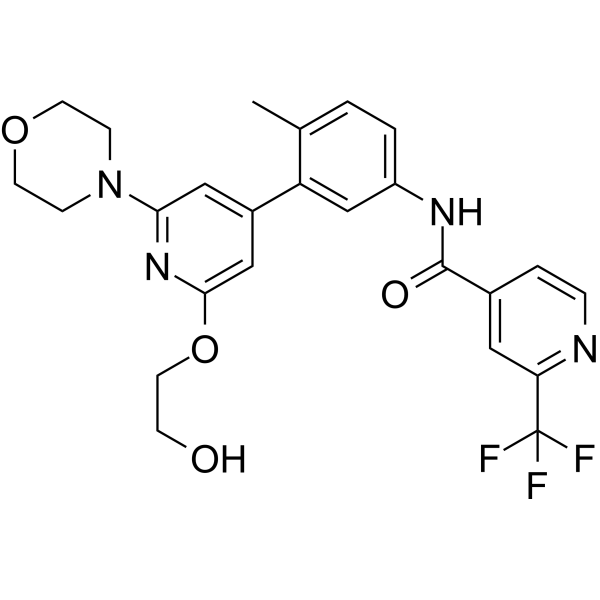 0 Images別名: LXH254Naporafenib (LXH254) is a potent, selective, orally active, type II BRAF and CRAF inhibitor, with IC50 values of 0.072 and 0.21 nM against CRAF and BRAF, respectively.
-
Sorafenib-d3
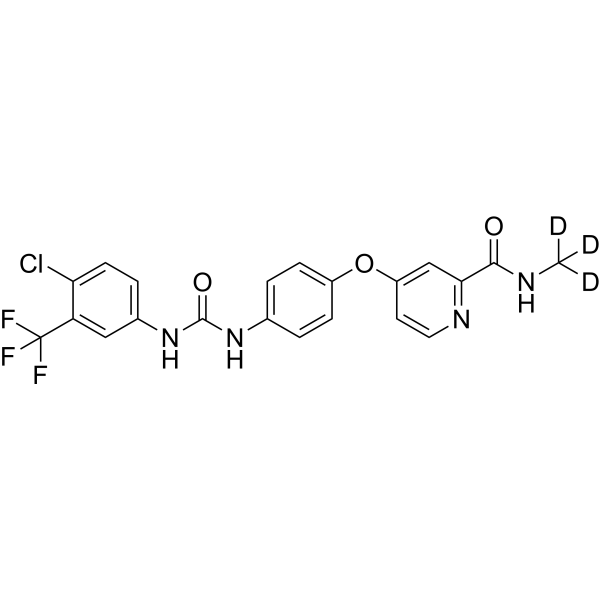 0 Images別名: Donafenib; Bay 43-9006-d3Sorafenib-d3 (Donafenib) is the deuterated-labeled Sorafenib (HY-10201). Sorafenib (Bay 43-9006) is a potent oral active multikinase inhibitor. Sorafenib blocks autophosphorylation and activity of receptor tyrosine kinases (VEGFR-2, VEGFR-3) and RAF family kinases, thereby suppressing the RAF/MEK/ERK and PI3K/Akt pathways, inhibiting STAT3 phosphorylation, and selectively inhibiting the MAPK pathway in cancer cells. Sorafenib induces cell cycle arrest, autophagy, apoptosis, and PARP cleavage, reduces Bcl-2, Bcl-XL, cyclin D1 levels, and activates Bak and Bax. Sorafenib inhibits tumor growth and metastasis in mouse and rat models. Sorafenib can be used for cancer research, such as colon, breast, non-small-cell lung cancer (NSCLC), ovarian, pancreatic, melanoma, colorectal and hepatocellular carcinoma.
-
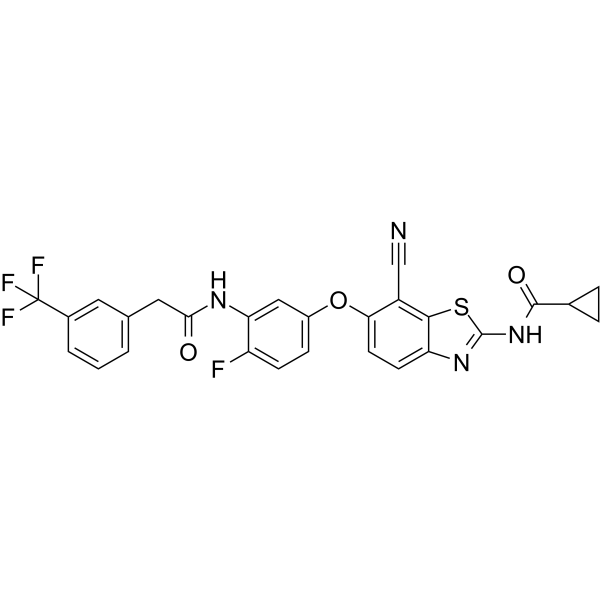
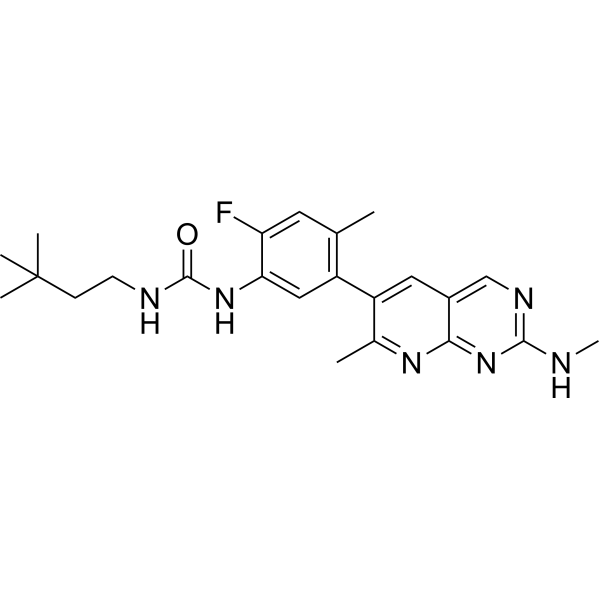
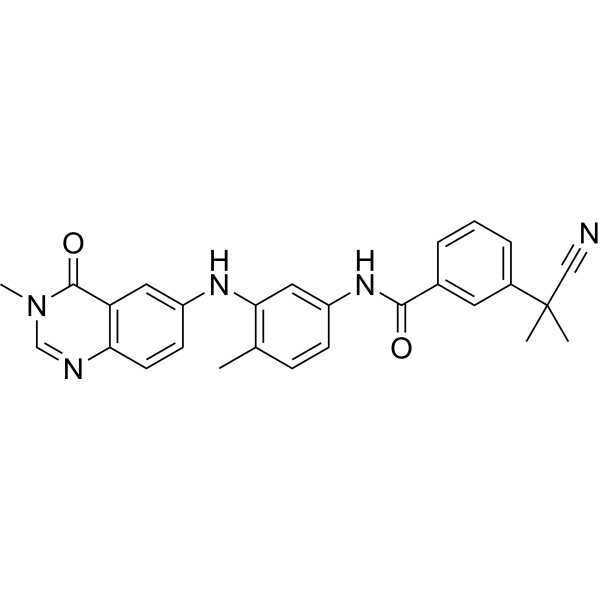
Agerafenib
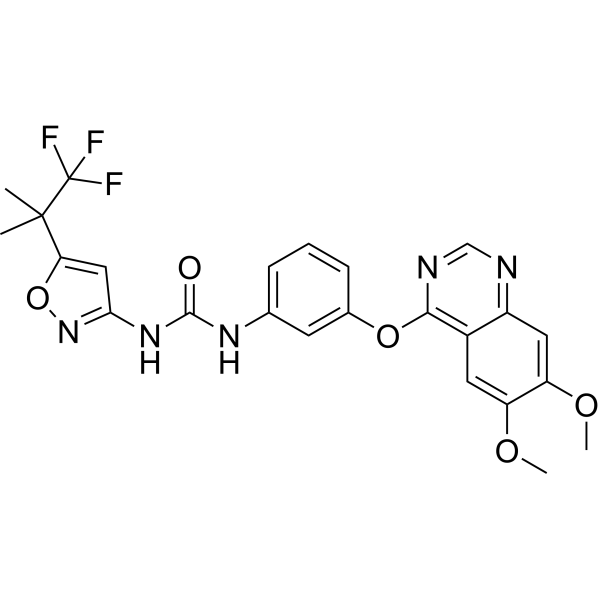 0 Images別名: CEP-32496; RXDX-105Agerafenib (CEP-32496; RXDX-105) is a highly potent and orally efficacious inhibitor of BRAFV600E with a Kd of 14 nM.
-
Regorafenib monohydrate
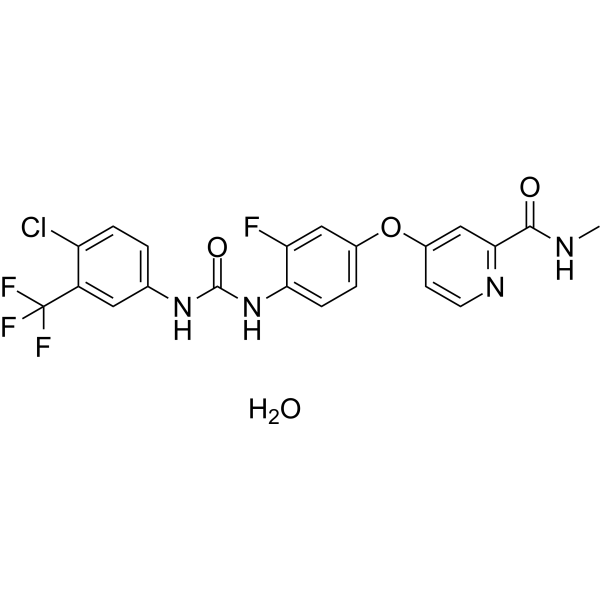 0 Images別名: BAY 73-4506 monohydrateRegorafenib (BAY 73-4506) monohydrate is an orally active and potent multi-targeted receptor tyrosine kinase inhibitor, with IC50 values of 13/4.2/46, 22, 7, 1.5 and 2.5 nM for VEGFR1/2/3, PDGFRβ, Kit, RET and Raf-1, respectively. Regorafenib monohydrate shows very robust antitumor and antiangiogenic activity.
-
MS934
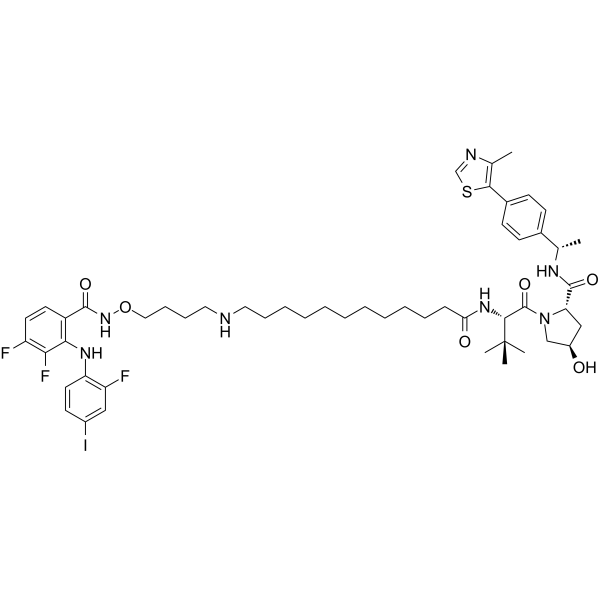 0 ImagesMS934 is a novel improved VHL-recruiting MEK 1/2 PROTAC degrader. MS934 also degrades CRAF. MS934 can be used for the research of variety of human cancers, such as melanoma, nonsmall cell lung cancer (NSCLC), colorectal cancer, primary brain tumors, and hepatocellular carcinoma.