



nNOS
Neuronal nitric oxide synthase (nNOS, NOS1) is a constitutively expressed nitric oxide synthase isoform that catalyzes nitric oxide (NO) production from L-arginine and functions as a major signaling enzyme in the central and peripheral nervous systems[1][2]. Mechanistically, nNOS-derived NO participates in synaptic plasticity, long-term potentiation, and neuron-to-neuron communication through NO-dependent signaling pathways, thereby contributing to learning, memory, and neural network regulation[2][3]. Beyond the nervous system, nNOS is also expressed in vascular tissues and contributes to cardiovascular homeostasis, vascular relaxation, and blood pressure regulation, indicating broader physiological functions than originally recognized[4]. In disease-related contexts, dysregulated nNOS activity has been implicated in ischemic brain injury, neurodegenerative disorders, demyelination, and other conditions associated with excessive nitric oxide and reactive nitrogen species production[3][5]. Compared with the related nitric oxide synthase isoforms, eNOS (NOS3) primarily regulates endothelial vascular function, whereas iNOS (NOS2) is inducible during inflammatory responses and generates substantially larger amounts of NO; in contrast, nNOS is calcium/calmodulin-dependent and mainly mediates physiological signaling processes[1][2][4]. For experimental applications, selective nNOS inhibitors such as 7-nitroindazole (7-NI) have been widely used to investigate nNOS-specific functions and have demonstrated neuroprotective effects in animal models of ischemic and neurotoxic injury, making them valuable pharmacological tools for mechanistic studies[6][7].
References:
- [1]. Costa ED, et al. Neuronal Nitric Oxide Synthase in Vascular Physiology and Diseases. Front Physiol. 2016 Jun 2;7:206. [Content Brief]
- [2]. McMurray JJ, et al. ESC Guidelines for the diagnosis and treatment of acute and chronic heart failure 2012: The Task Force for the Diagnosis and Treatment of Acute and Chronic Heart Failure 2012 of the European Society of Cardiology. Developed in collaboration with the Heart Failure Association (HFA) of the ESC. Eur Heart J. 2012 Jul;33(14):1787-847. [Content Brief]
- [3]. Maccallini C, et al. Neuronal Nitric Oxide Synthase and Post-Translational Modifications in the Development of Central Nervous System Diseases: Implications and Regulation. Molecules. 2023;28(18):6691.
- [4]. Rabezanahary H, et al. Live virus neutralizing antibodies against pre and post Omicron strains in food and retail workers in Québec, Canada. Heliyon. 2024 May 21;10(10):e31026. [Content Brief]
- [5]. Khalili M, et al. Underserved Does Not Mean Undeserved: Unfurling the HCV Care in the Safety Net. Dig Dis Sci. 2018 Dec;63(12):3250-3252. [Content Brief]
- [6]. Nanri K, et al. The selective inhibitor of neuronal nitric oxide synthase, 7-nitroindazole, reduces the delayed neuronal damage due to forebrain ischemia in rats. Stroke. 1998 Jun;29(6):1248-53; discussion 1253-4. [Content Brief]
- [7]. Castagnoli K, et al. The neuronal nitric oxide synthase inhibitor 7-nitroindazole also inhibits the monoamine oxidase-B-catalyzed oxidation of 1-methyl-4-phenyl-1,2,3,6-tetrahydropyridine. Chem Res Toxicol. 1997 Apr;10(4):364-8. [Content Brief]
All Product Categories
-
nNOS Related Products (35)
Related Products (35)

-
Antibodies (1)
- 1
- 2
-
L-NMMA acetate
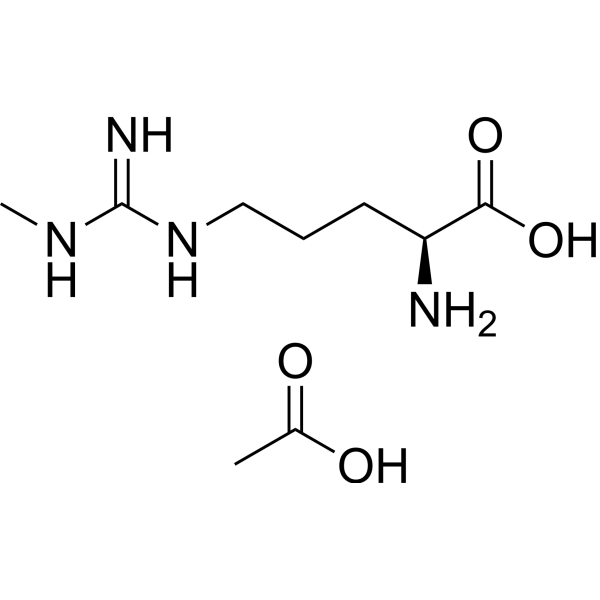 0 ImagesSynonyms: Tilarginine acetate; Methylarginine acetateL-NMMA (Tilarginine) acetate is a non-selective and competitive inhibitor of nitric oxide synthase. L-NMMA acetate inhibits three subtypes, namely nNOS, eNOS, and iNOS, and reduces NO production. L-NMMA acetate alleviates mechanical allodynia, thermal hyperalgesia, and choroidal fibrosis. L-NMMA acetate is applicable to research related to nociception, bone cancer pain, and myopia.
-
Tryptanthrin
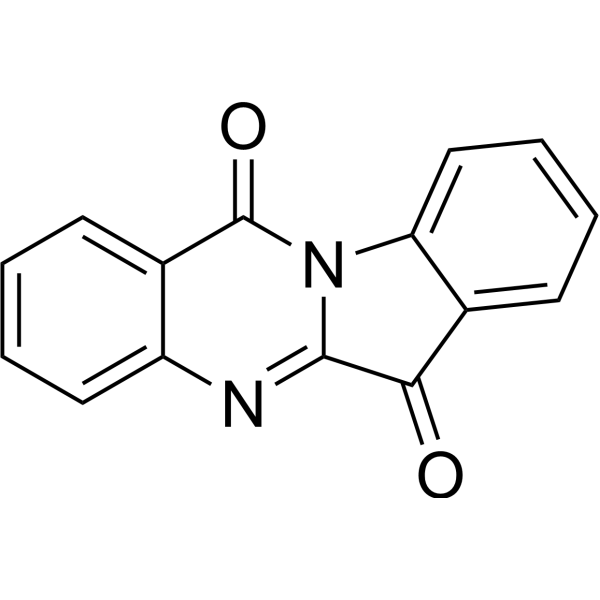 0 ImagesTryptanthrin is an indole quinazoline that could be an alkaloid from indigo-bearing plants. Tryptanthrin is a potent and orally active cellular Leukotriene (LT) biosynthesis inhibitor. Tryptanthrin has anticancer activity. Tryptanthrin suppresses the expression levels of NOS1, COX-2, and NF-κB and regulates the expression levels of IL-2, IL-10, and TNF-α.
-
Tat-NR2B9c
 0 ImagesSynonyms: Tat-NR2Bct; NA-1Tat-NR2B9c (Tat-NR2Bct; NA-1) is a postsynaptic density-95 (PSD-95) inhibitor, with EC50 values of 6.7 nM and 670 nM for PSD-95d2 (PSD-95 PDZ domain 2) and PSD-95d1, respectively. Tat-NR2B9c disrupts the PSD-95/NMDAR interaction, inhibiting NR2A and NR2B binding to PSD-95 with IC50 values of 0.5 μM and 8 μM, respectively. Tat-NR2B9c also inhibits neuronal nitric oxide synthase (nNOS)/PSD-95 interaction, and possesses neuroprotective efficacy.
-
7-Nitroindazole
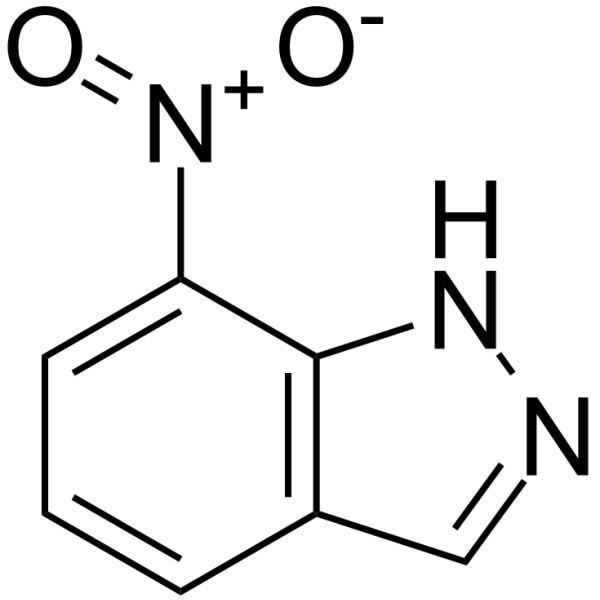 0 Images7-Nitroindazole is a selective and BBB-penetrable inhibitor of nitric oxide synthase (NOS) (IC50 = 0.47 μM in mouse cerebellum). 7-Nitroindazole does not affect blood pressure or endothelium-dependent relaxation while inhibiting nNOS in experimental animals. 7-Nitroindazole has anti-injurious and neuroprotective properties, and can be studied in research for neurological diseases such as Parkinson’s disease.
-
Aminopicoline
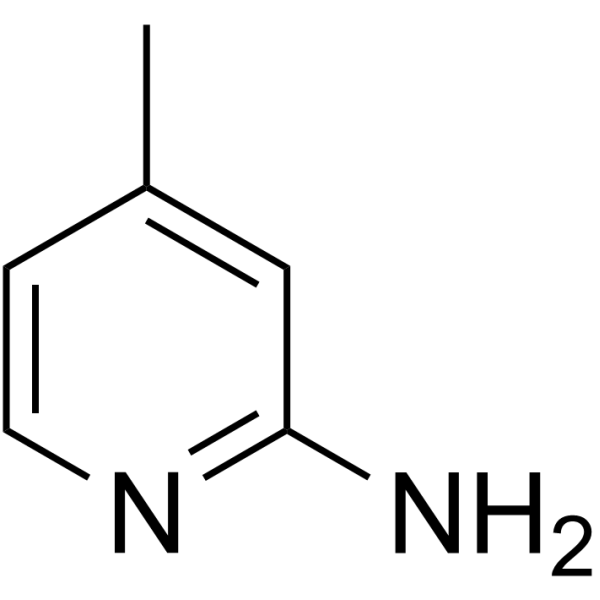 0 ImagesSynonyms: Ascensil; 2-Amino-4-methylpyridineAminopicoline (Ascensil) is a potent and non-selective inhibitor of nitric oxide synthase (NOS) isoenzymes (iNOS, nNOS, eNOS). Aminopicoline competes with arginine at the substrate-binding site of nitric oxide synthase, reduces cellular nitric oxide production, inhibits the elevation of plasma nitrate, increases mean arterial pressure at high doses, and also serves as a basis for radiolabeled ligands to localize nitric oxide synthase binding sites. Aminopicoline can be used in the research of diseases associated with septic shock, joint inflammation, intestinal inflammation, and CNS inflammation.
-
2-Aminoquinoline
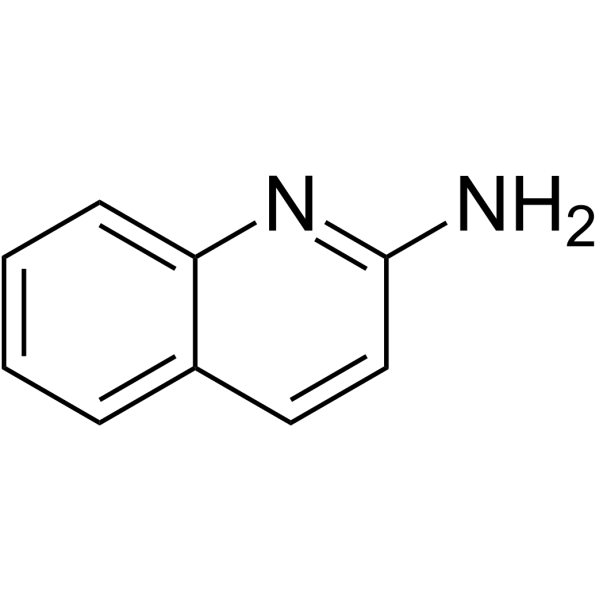 0 ImagesSynonyms: 2-Quinolinamine2-Aminoquinoline (2-Quinolinamine) is a promising compound as bioavailable nNOS inhibitor but suffers from low human nNOS inhibition, low selectivity versus human eNOS, and significant binding to other CNS targets. 2-Aminoquinoline exhibits antiviral activity against the vaccinia virus. 2-Aminoquinoline has the potential for the research of antineurodegenerative agents.
-
2-Thiouracil
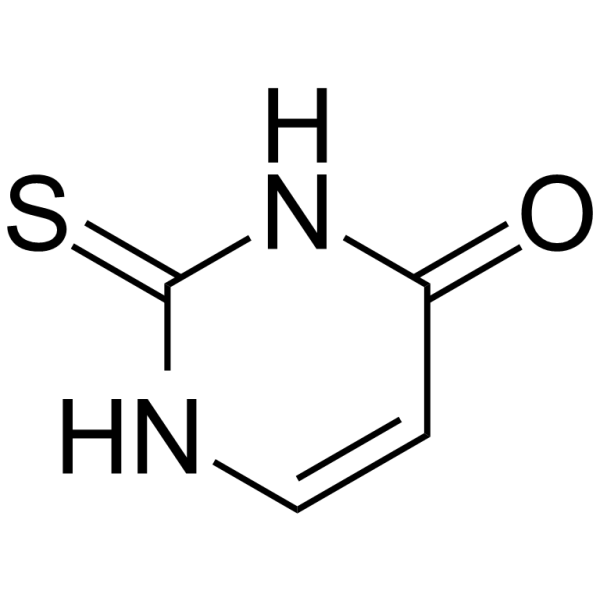 0 Images2-Thiouracil (Thiouracil) is a selective neuronal nitric oxide synthase (nNOS) inhibitor with a Ki value of 20 μM. 2-Thiouracil antagonizes BH4-induced nNOS dimerization. 2-Thiouracil is also an antithyroid compound and a highly specific melanoma detector. 2-Thiouracil stimulates the growth of pea and corn root segments.
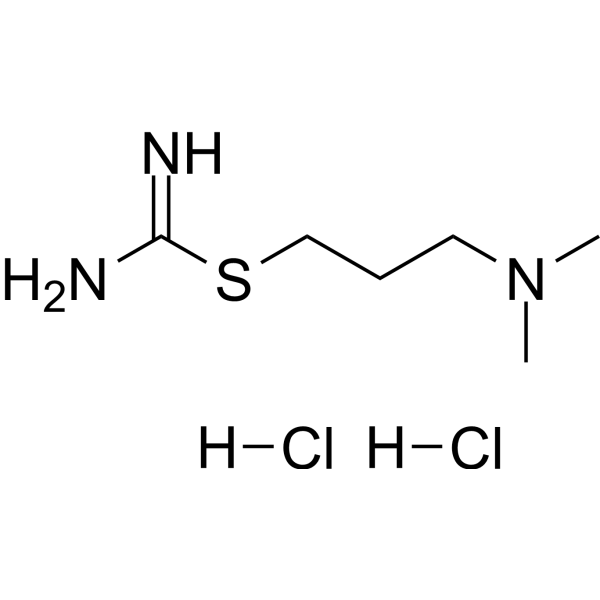
-
Tat-NR2B9c TFA
 0 ImagesSynonyms: Tat-NR2Bct TFA; NA-1 TFATat-NR2B9c TFA (Tat-NR2Bct TFA) is a postsynaptic density-95 (PSD-95) inhibitor, with EC50 values of 6.7 nM and 670 nM for PSD-95d2 (PSD-95 PDZ domain 2) and PSD-95d1, respectively. Tat-NR2B9c TFA disrupts the PSD-95/NMDAR interaction, inhibiting NR2A and NR2B binding to PSD-95 with IC50 values of 0.5 μM and 8 μM, respectively. Tat-NR2B9c TFA also inhibits neuronal nitric oxide synthase (nNOS)/PSD-95 interaction, and possesses neuroprotective efficacy.
-
3-Bromo-7-nitroindazole
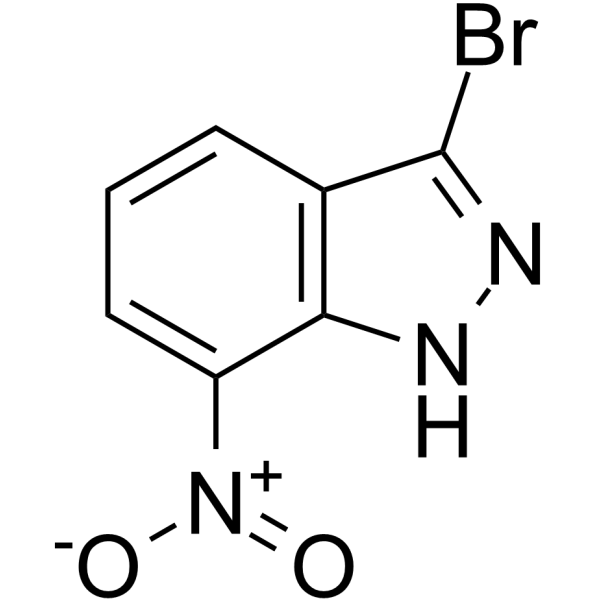 0 Images3-Bromo-7-nitroindazole is a potent and selective inhibitor of neuronal nitric oxide synthase (nNOS). 3-Bromo-7-nitroindazole affects the intercellular messenger nitric oxide (NO) synthesis throughout the body and brain. 3-Bromo-7-nitroindazole can be used for the researches of metabolic and neurological disease, such as diabetes, stroke and depression.
-
nNOS-IN-1
 0 ImagesnNOS-IN-1(Compound 14) is an inhibitor for nitric oxide synthases (NOS), that exhibits inhibitory activities against neuroal, inducible and endothelial NOS, with IC50s of 2.5, 5.7 and 13 μM, respectively.
-
NOS1-IN-1
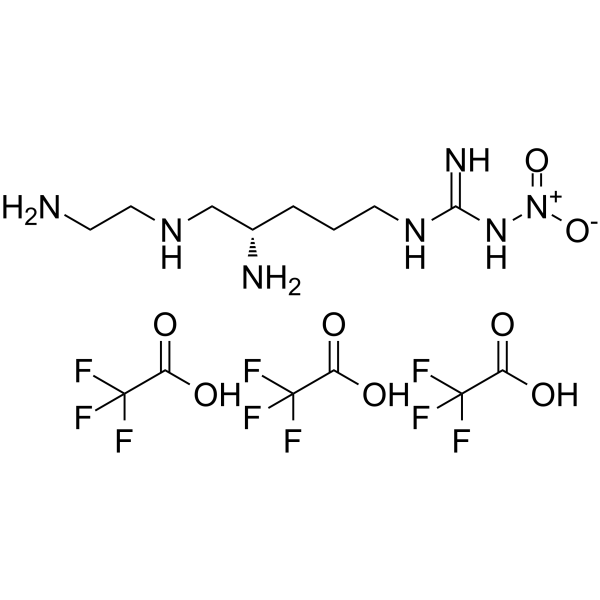 0 ImagesCat. No.: HY-130452CAS No.: 357965-99-2NOS1-IN-1 is a selective and cell-permeable nNOS inhibitor with a Ki of 120 nM. NOS1-IN-1 exhibits 2617-fold and 325-fold selectivity over eNOS (Ki=39 μM) and iNOS (Ki=325 μM) , respectively. NOS1-IN-1 can be used for the research of neurological disease, including cerebral palsy (CP).
-
1,4-PBIT dihydrobromide
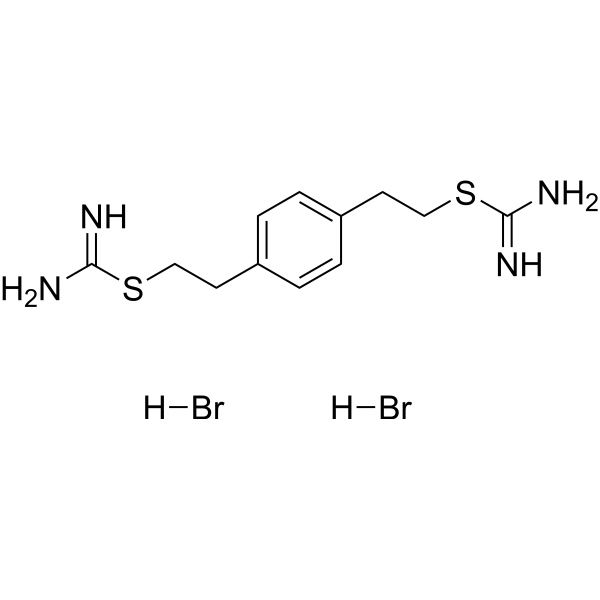 0 ImagesSynonyms: 1,4-PB-ITU dihydrobromide
-
Nitroaspirin
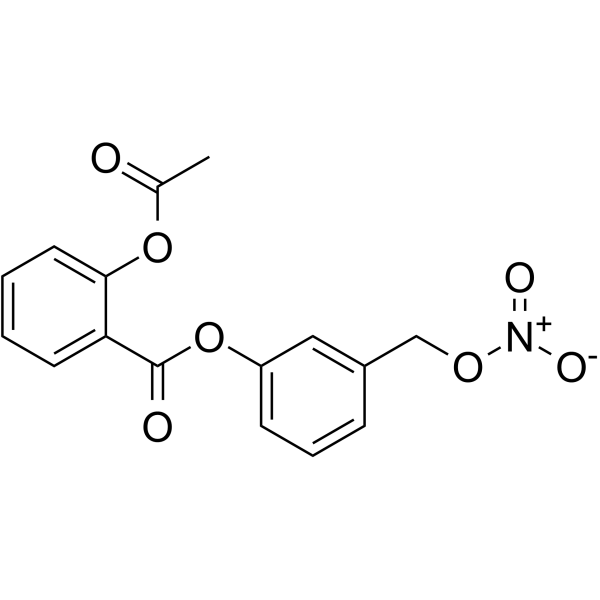 0 ImagesSynonyms: NCX 4016Nitroaspirin (NCX 4016) is an orally active inhibitor of ARG1 and NOS2. Nitroaspirin reduces ARG1 enzymatic activity via the STAT6-mediated signaling pathway, and feedback-inhibits the catalytic activity of NOS2 in a NO-releasing group-dependent manner. Nitroaspirin continuously releases intracellular NO, inducing redox-dependent loss of cell viability. Nitroaspirin also exerts anti-angiogenic effects by causing endothelial barrier dysfunction, and effectively inhibits the proliferation of Cisplatin (HY-17394)-resistant human ovarian cancer cells. Nitroaspirin can be used in research related to colon cancer, breast cancer and Cisplatin-resistant human ovarian cancer.
-
Camstatin
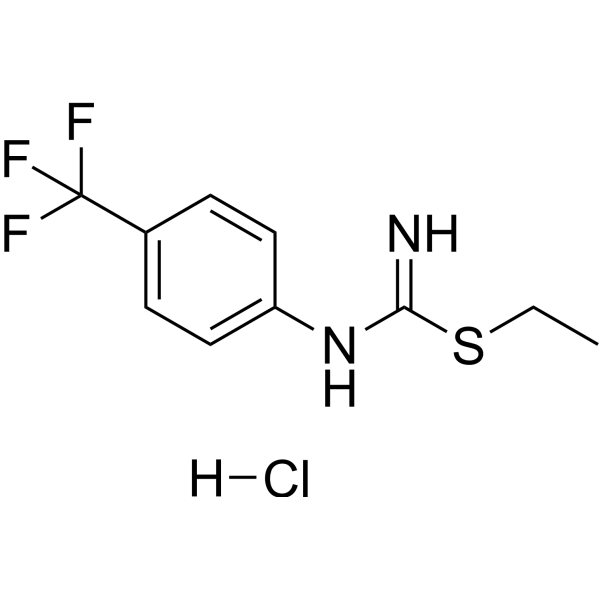
 0 ImagesCat. No.: HY-P0184CAS No.: 1002295-95-5Camstatin, a functionally active 25-residue fragment of PEP-19's IQ motif, binds calmodulin and inhibits neuronal nitric oxide (NO) synthase.
-
nNOS-IN-2 trihydrochloride
 0 ImagesCat. No.: HY-181545ACAS No.: 3124168-27-7nNOS-IN-2 trihydrochloride is a blood-brain barrier-permeable nitric oxide synthase (nNOS) inhibitor. nNOS-IN-2 trihydrochloride exhibits Ki values of 1.7 nM and 2.3 nM against human and rat nNOS, respectively, and shows high selectivity for human eNOS and iNOS. nNOS-IN-2 trihydrochloride also effectively reduces PD-L1 expression in human melanoma cells under both basal conditions and IFN-γ exposure. nNOS-IN-2 trihydrochloride can be used for the study of melanoma and related signaling pathways.
-
KLYP961
 0 ImagesCat. No.: HY-14343CAS No.: 1125746-49-7KLYP961 is a selective and orally active dual inhibitor of inducible and neuronal NO synthase (IC50 = 50-400 nM). KLYP961 can inhibit endotoxin-evoked plasma nitrates increases and attenuate pain behaviors in a mouse formalin model. KLYP961 can attenuate carrageenin-induced edema and inflammatory hyperalgesia and writhing response elicited by Phenylbenzoquinone (HY-W275039). KLYP961 can be used for the research of neurological disease.
- 1
- 2




