



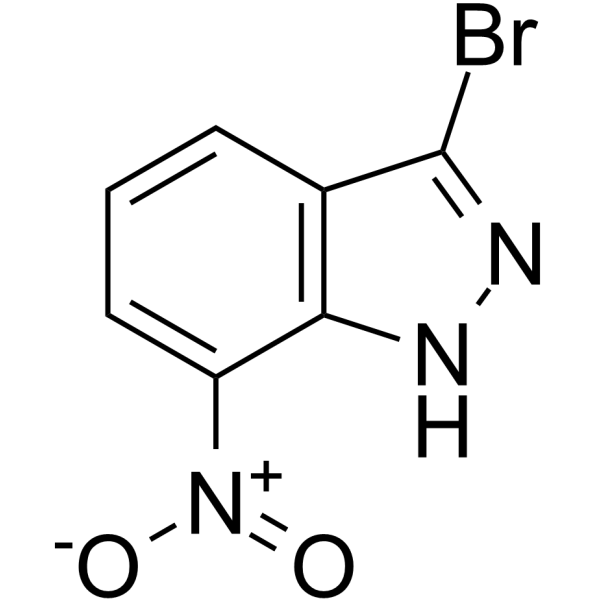
3-Bromo-7-nitroindazole
Based on 1 publication(s) in Google Scholar
3-Bromo-7-nitroindazole is a potent and selective inhibitor of neuronal nitric oxide synthase (nNOS). 3-Bromo-7-nitroindazole affects the intercellular messenger nitric oxide (NO) synthesis throughout the body and brain. 3-Bromo-7-nitroindazole can be used for the researches of metabolic and neurological disease, such as diabetes, stroke and depression.
For research use only. We do not sell to patients.
- Purity : 99.78%
- CAS No.: 74209-34-0
- Formula: C7H4BrN3O2
- Molecular Weight:242.03
-
Storage:Powder -20°C, 3 years , 4°C, 2 years ; In solvent -80°C, 6 months , -20°C, 1 month

To place orders, for customer services and technical support, please contact: MedChemExpress USA
Tel: 609-228-6898 E-mail: [email protected] [email protected]


-
 Biological Activity
-
Chemical Information
-
Solvent & Solubility
- Protocols
- Purity & Documentation
- References
-
 Help & FAQs


-
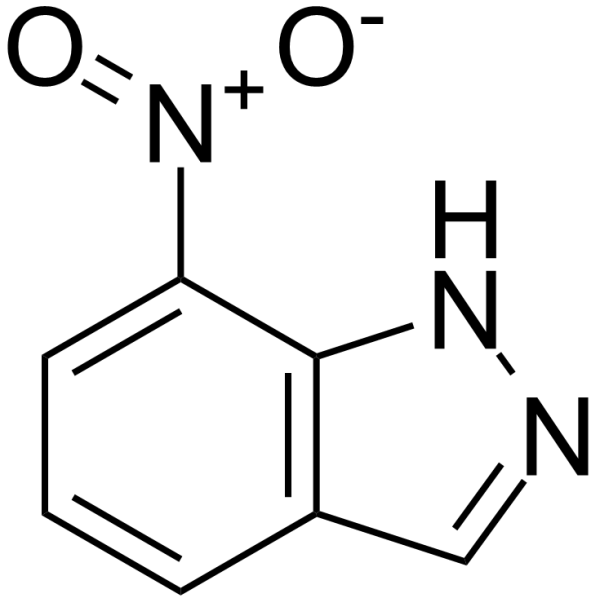
HY-69019
7-NitroindazoleNOS Inhibitor -

HY-W022047
nNOS-IN-1NOS Inhibitor -
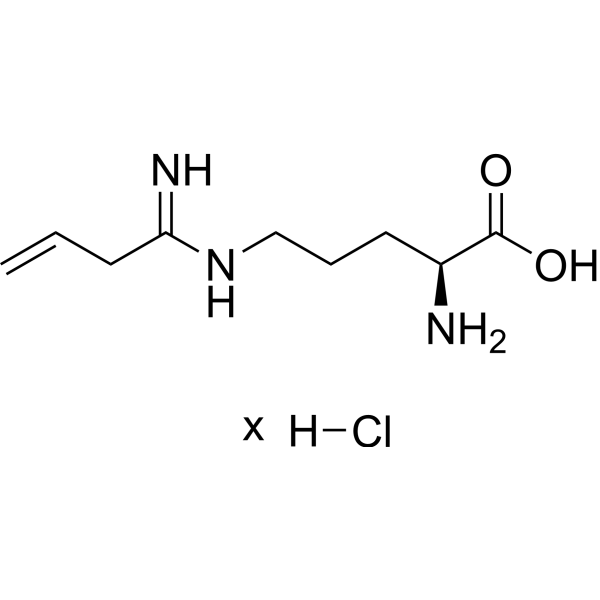
HY-130579
Vinyl-L-NIO hydrochlorideNOS Inhibitor -
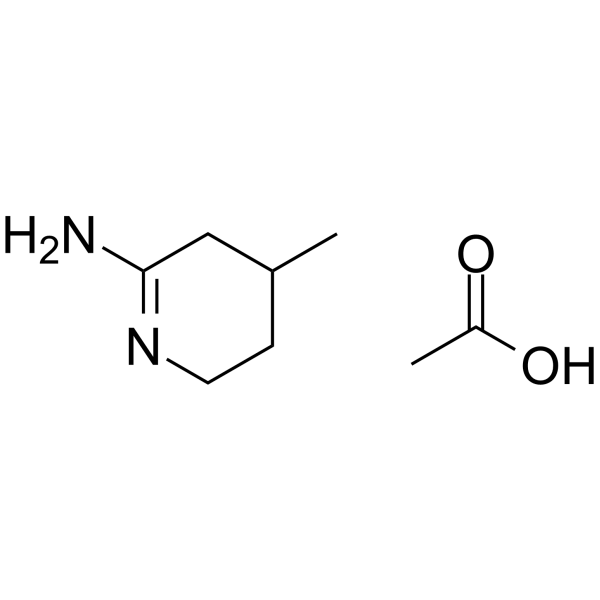
HY-138564
NOS-IN-1NO Synthase Inhibitor -
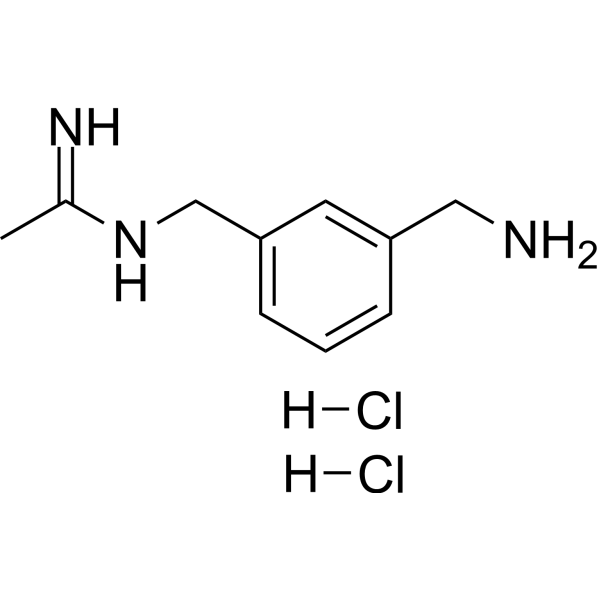
HY-18731
1400W DihydrochlorideNO Synthase Inhibitor -
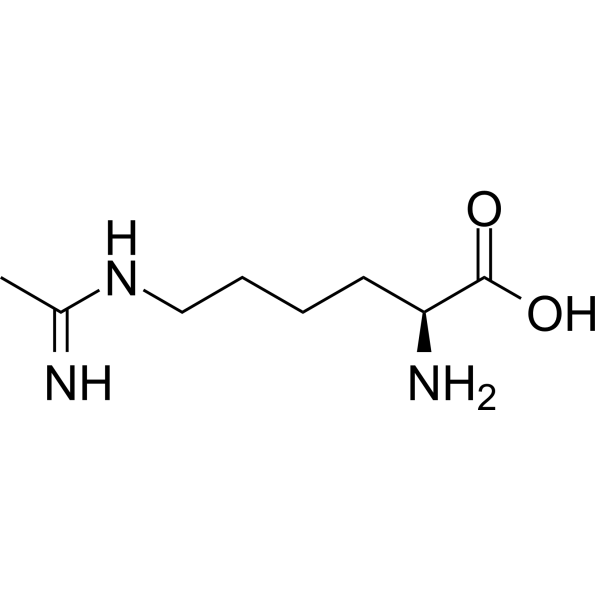
HY-12116
L-NILNO Synthase Inhibitor -
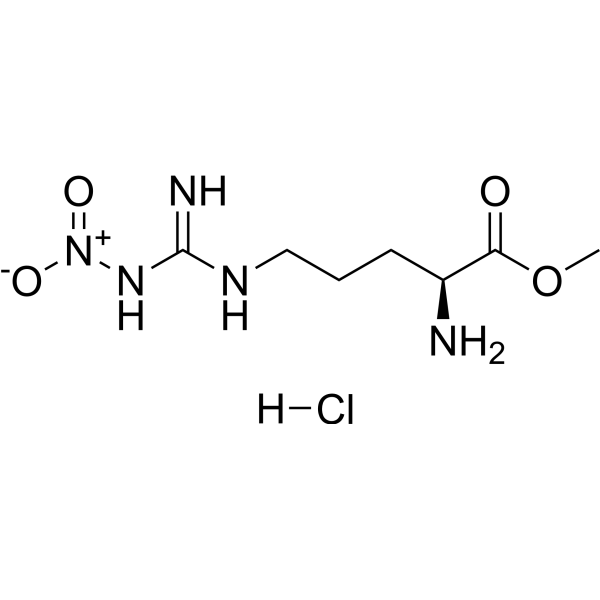
HY-18729A
L-NAME hydrochlorideNO Synthase Inhibitor -
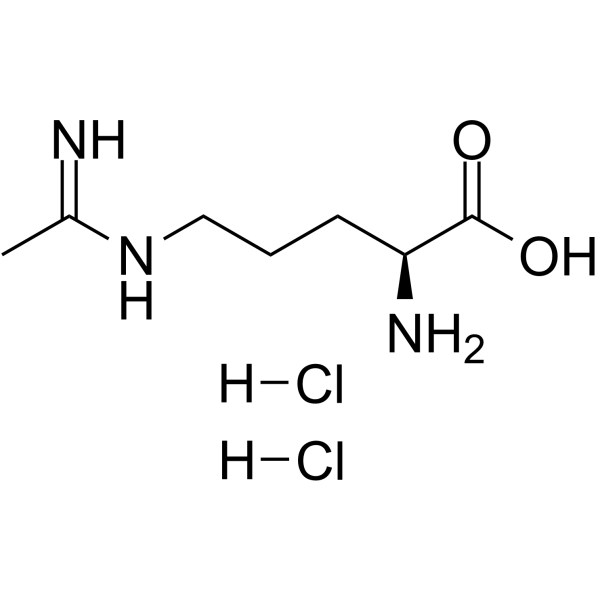
HY-100986
L-NIO dihydrochlorideNOS Inhibitor -
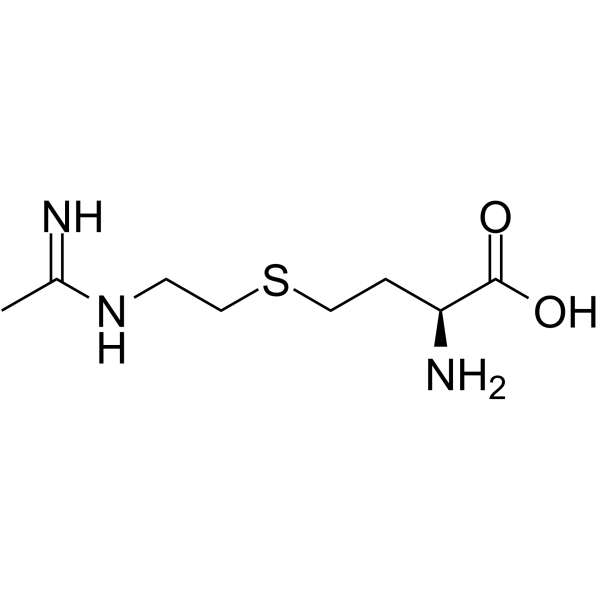
HY-12119
GW274150iNOS Inhibitor -
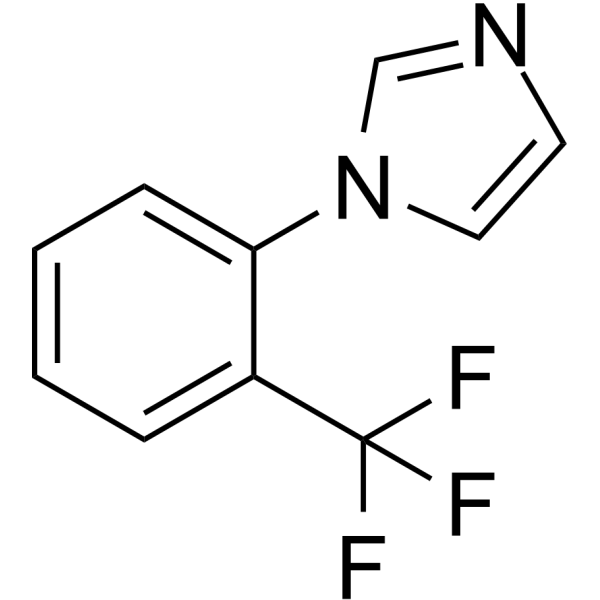
HY-101316
TRIMNOS Inhibitor -
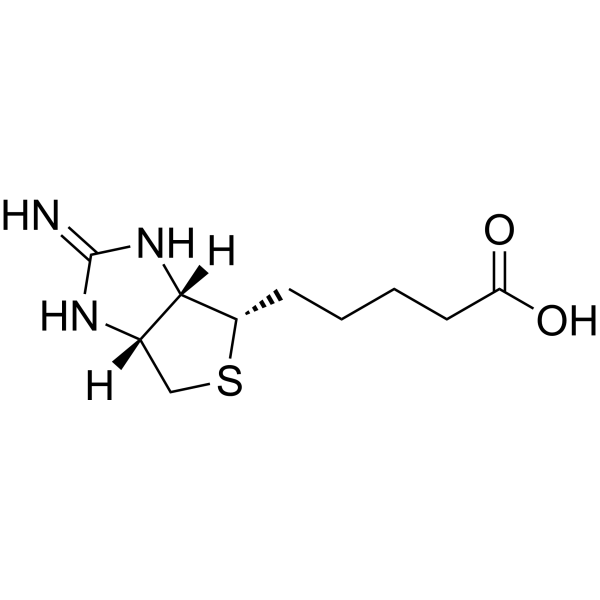
HY-118700
2-IminobiotinNitric Oxide Synthases Inhibitor -
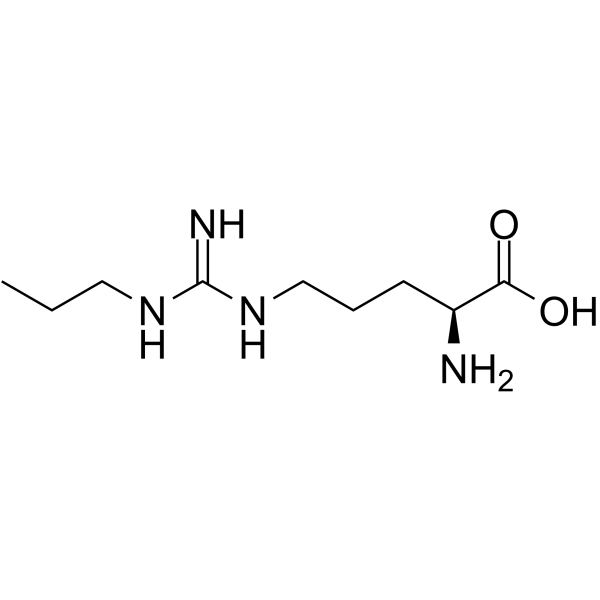
HY-102062
Nω-Propyl-L-argininenNOS Inhibitor
Publications Citing Use of MedChemExpress (MCE) 3-Bromo-7-nitroindazole
More

Biological Activity
Description
IC50 & Target
|
nNOS |
Cellular Effect
|
Cell Line

|
Type | Value | Description | References |
|---|---|---|---|---|
| RAW264.7 | IC50 |
80 μM
Compound: 12
|
Inhibition of LPS and gamma-IFN-stimulated nitrite accumulation in mouse RAW 264.7 cells after 20 hrs
Inhibition of LPS and gamma-IFN-stimulated nitrite accumulation in mouse RAW 264.7 cells after 20 hrs
|
[PMID: 18502134] |
In Vivo
3-Bromo-7-nitroindazole (3-30 mg/kg, i.p.) attenuates brain ischemic injury in diabetic stroke rats[2].
3-Bromo-7-nitroindazole (20 mg/kg, i.p., daily for 5 weeks) inhibits chronic unpredictable mild stress (CUMS)-induced depression-like behavior in rats[3].
MedChemExpress (MCE) has not independently confirmed the accuracy of these methods. They are for reference only.
-
Animal Model:Wistar rats[1]
-
Dosage:5, 10 and 20 mg/kg
-
Administration:Intraperitoneally injection, daily for 5 days
-
Result:Impaired the acquisition of the MWM task.
Impaired the probe trial.
Decreased the increased brain-derived neurotrophic factor (BDNF) mRNA expression in the hippocampus.
Had no effects on locomotor activity and blood pressure.
-
Animal Model:Type 2 diabetic rats induced by feeding high-fat diet and streptozotocin (HY-13753) with MCAO[2]
-
Dosage:3, 10 and 30 mg/kg
-
Administration:Intraperitoneally injection
-
Result:Inhibited the cerebral infarct, edema volume.
Improved functional recovery of neurological deficits.
Decreased DNA fragmentation with a concomitant reduction of GRP78 and CHOP.
-
Animal Model:Chronic unpredictable mild stress (CUMS)-induced rats models[3]
-
Dosage:20 mg/kg
-
Administration:Intraperitoneally injection, daily for 5 weeks
-
Result:Reduced sucrose preference, body-weight and locomotor activity.
Increased immobility time in the FST.
Increased BDNF protein levels in the CA1 and CA3 regions of the hippocampus.


Chemical Information
-
CAS No. 74209-34-0
-
Appearance Solid
-
Molecular Weight 242.03
-
Formula C7H4BrN3O2
-
Color Light yellow to yellow
-
SMILES
O=[N+](C1=CC=CC2=C1NN=C2Br)[O-]
-
Shipping
Room temperature in continental US; may vary elsewhere.
-
Storage
Powder -20°C 3 years 4°C 2 years In solvent -80°C 6 months -20°C 1 month


Publications (1)
-
Journal Impact Factor
-
Most Recent
-
Anal Chem
Exposome-Scale Investigation of Cl-/Br-Containing Chemicals Using High-Resolution Mass Spectrometry, Multistage Machine Learning, and Cloud Computing. [Abstract]2025 Jun 3;97(21):11099-11109. PMID: 40401576


Solvent & Solubility
In Vitro:
DMSO : 100 mg/mL (413.17 mM; Need ultrasonic; Hygroscopic DMSO has a significant impact on the solubility of product, please use newly opened DMSO)
Please refer to the solubility information to select the appropriate solvent. Once prepared, please aliquot and store the solution to prevent product inactivation from repeated freeze-thaw cycles.
Storage method and period of stock solution: -80°C, 6 months; -20°C, 1 month. When stored at -80°C, please use it within 6 months. When stored at -20°C, please use it within 1 month.
Please refer to the solubility information to select the appropriate solvent. Once prepared, please aliquot and store the solution to prevent product inactivation from repeated freeze-thaw cycles.
Storage method and period of stock solution: -80°C, 6 months; -20°C, 1 month. When stored at -80°C, please use it within 6 months. When stored at -20°C, please use it within 1 month.
Concentration (start) × Volume (start) = Concentration (final) × Volume (final)
In Vivo:
Select the appropriate dissolution method based on your experimental animal and administration route.
- For the following dissolution methods, please ensure to first prepare a clear stock solution using an In Vitro approach and then sequentially add co-solvents:
- To ensure reliable experimental results, the clarified stock solution can be appropriately stored based on storage conditions. As for the working solution for In Vivo experiments, it is recommended to prepare freshly and use it on the same day.
- The percentages shown for the solvents indicate their volumetric ratio in the final prepared solution. If precipitation or phase separation occurs during preparation, heat and/or sonication can be used to aid dissolution.
Add each solvent one by one: 10% DMSO 40% PEG300 5% Tween-80 45% Saline
Solubility: ≥ 2.5 mg/mL (10.33 mM); Clear solution
This protocol yields a clear solution of ≥ 2.5 mg/mL (saturation unknown).
Taking 1 mL working solution as an example, add 100 μL DMSO stock solution (25.0 mg/mL) to 400 μL PEG300, and mix evenly; then add 50 μL Tween-80 and mix evenly; then add 450 μL Saline to adjust the volume to 1 mL.
Preparation of Saline: Dissolve 0.9 g sodium chloride in ddH₂O and dilute to 100 mL to obtain a clear Saline solution.
In Vivo Dissolution Calculator
Please enter the basic information of animal experiments:
-
-
-
-
Recommended: Prepare an additional quantity of animals to account for potential losses during experiments.
Please enter your animal formula composition:
-
%DMSO +
Recommended: Keep the proportion of DMSO in working solution below 2% if your animal is weak.
-
%+
-
+%Tween-80 + +
-
%Saline +
The co-solvents required include: DMSO, . All of co-solvents are available by MedChemExpress (MCE). , Tween 80. All of co-solvents are available by MedChemExpress (MCE).
Working solution concentration: 0.22 mg/mL
Method for preparing stock solution: mg drug dissolved in μL DMSO. Stock solution concentration: mg/mL.
1. Take μL DMSO stock solution;
2. Add μL .
μL , mix evenly;
3. Then add μL Tween 80, mix evenly;
4. Then add μL
Please ensure that the stock solution in the first step is dissolved to a clear state, and add co-solvents in sequence. You can use ultrasonic heating (ultrasonic cleaner, recommended frequency 20-40 kHz), vortexing, etc. to assist dissolution.

Protocols
-
Research Protocol for Neurological Diseases
PINK1/Parkin-mediated mitophagy pathway is a mitochondrial quality-control signaling axis in which mitochondrial depolarization stabilizes PINK1 on damaged mitochondria, activates Parkin recruitment and E3 ubiquitin ligase activity, promotes ubiquitination of outer mitochondrial membrane proteins, recruits selective autophagy adaptors, and drives lysosomal degradation of damaged mitochondria. In neurological disease research, this pathway is experimentally important because neurons, especially dopaminergic neurons, are highly dependent on mitochondrial integrity, and defective mitochondrial turnover can lead to mitochondrial dysfunction, oxidative stress, impaired neuronal survival, α-synuclein accumulation, and neuroinflammatory damage-associated signals. The genetic disease link is strongest in Parkinson’s disease because mutations in PRKN/parkin cause autosomal recessive juvenile parkinsonism, mutations in PINK1 cause hereditary early-onset Parkinson’s disease, and Drosophila studie
-
Research Protocol for Metabolic Diseases
AMP-activated protein kinase, AMPK, is a conserved cellular energy sensor that responds to reduced cellular energy status and coordinates metabolism by increasing ATP-generating catabolic pathways while suppressing ATP-consuming anabolic processes. In metabolic disease research, the AMPK pathway is experimentally relevant because it regulates hepatic lipid synthesis, fatty acid oxidation, glucose production, skeletal-muscle glucose disposal, mTORC1-linked biosynthesis, autophagy, mitochondrial homeostasis, and whole-body energy balance. The central pathway logic is that energy stress, metformin, exercise-like stimulation, or direct AMPK activators increase AMPKα Thr172 phosphorylation and downstream substrate phosphorylation, including ACC and RAPTOR. Phosphorylation of ACC suppresses lipogenesis and supports fatty acid oxidation, whereas phosphorylation of RAPTOR suppresses mTORC1 signaling and links cellular energy status to growth and protein synthesis control. The pathway is linked


Purity & Documentation
-
Data Sheet (282 KB)
-
SDS (396 KB)
- English - EN (396 KB)
- Français - FR (396 KB)
- Deutsch - DE (396 KB)
- Norwegian - NO (396 KB)
- Español - ES (396 KB)
- Swedish - SV (396 KB)
- Italian - IT (396 KB)
- Korean - KR (396 KB)
- Portuguese - PT (396 KB)
-
Handling Instructions (2659 KB)
References
[1]. Gocmez SS, et al. The effect of a selective neuronal nitric oxide synthase inhibitor 3-bromo 7-nitroindazoleon spatial learning and memory in rats. Pharmacol Biochem Behav. 2015 Apr;131:19-25. [Content Brief]
[2]. Srinivasan K, et al. 3-Bromo-7-nitroindazole attenuates brain ischemic injury in diabetic stroke via inhibition of endoplasmic reticulum stress pathway involving CHOP. Life Sci. 2012 Jan 16;90(3-4):154-60. [Content Brief]
[3]. Yazir Y, et al. Inhibition of neuronal nitric oxide synthase and soluble guanylate cyclase prevents depression-like behaviour in rats exposed to chronic unpredictable mild stress. Basic Clin Pharmacol Toxicol. 2012 Sep;111(3):154-60. [Content Brief]


Complete Stock Solution Preparation Table
Please refer to the solubility information to select the appropriate solvent. Once prepared, please aliquot and store the solution to prevent product inactivation from repeated freeze-thaw cycles.
Storage method and period of stock solution: -80°C, 6 months; -20°C, 1 month. When stored at -80°C, please use it within 6 months. When stored at -20°C, please use it within 1 month.
| Optional Solvent | Concentration Solvent Mass | 1 mg | 5 mg | 10 mg | 25 mg |
|---|---|---|---|---|---|
| DMSO | 1 mM | 4.1317 mL | 20.6584 mL | 41.3169 mL | 103.2921 mL |
| 5 mM | 0.8263 mL | 4.1317 mL | 8.2634 mL | 20.6584 mL | |
| 10 mM | 0.4132 mL | 2.0658 mL | 4.1317 mL | 10.3292 mL | |
| 15 mM | 0.2754 mL | 1.3772 mL | 2.7545 mL | 6.8861 mL | |
| 20 mM | 0.2066 mL | 1.0329 mL | 2.0658 mL | 5.1646 mL | |
| 25 mM | 0.1653 mL | 0.8263 mL | 1.6527 mL | 4.1317 mL | |
| 30 mM | 0.1377 mL | 0.6886 mL | 1.3772 mL | 3.4431 mL | |
| 40 mM | 0.1033 mL | 0.5165 mL | 1.0329 mL | 2.5823 mL | |
| 50 mM | 0.0826 mL | 0.4132 mL | 0.8263 mL | 2.0658 mL | |
| 60 mM | 0.0689 mL | 0.3443 mL | 0.6886 mL | 1.7215 mL | |
| 80 mM | 0.0516 mL | 0.2582 mL | 0.5165 mL | 1.2912 mL | |
| 100 mM | 0.0413 mL | 0.2066 mL | 0.4132 mL | 1.0329 mL |


3-Bromo-7-nitroindazole Related Classifications
HY-101175 Related Classifications
 Powered by Bioz