



TLR4
TLR4 is a pattern-recognition receptor that detects bacterial lipopolysaccharide (LPS) and drives innate immune activation with pro-inflammatory cytokine and chemokine production[1]. Mechanistically, TLR4-MD-2 recognizes LPS, and the solved TLR4-MD-2-LPS structure explains ligand recognition and receptor activation[2]. After LPS engagement, TLR4 signals through TIRAP-MyD88 at the plasma membrane and then through TRAM-TRIF from early endosomes to induce interferon-β responses[3]. Therefore, TLR4 trafficking links receptor localization to inflammatory signaling magnitude and duration[4]. In disease models, abnormal TLR4 signaling associates with sepsis, endotoxemia, acute lung injury, rheumatoid arthritis, and cardiovascular diseases[5]. Compared with related TLR isoforms, TLR4 is distinguished by LPS recognition through the MD-2 complex and sequential MyD88/TRIF signaling[2][3]. For experimental applications, TLR4 inhibitors may downregulate TLR4, bind TLR4 or TLR4/MD-2, or bind MD-2 to suppress pathway activation[5]. However, eritoran, an MD2-TLR4 antagonist, did not significantly reduce sepsis-induced mortality in a phase 3 trial[6].
References:
- [1]. Vaure C, et al. A comparative review of toll-like receptor 4 expression and functionality in different animal species. Front Immunol. 2014 Jul 10;5:316. [Content Brief]
- [2]. Park BS, et al. The structural basis of lipopolysaccharide recognition by the TLR4-MD-2 complex. Nature. 2009 Apr 30;458(7242):1191-5. [Content Brief]
- [3]. Kagan JC, et al. TRAM couples endocytosis of Toll-like receptor 4 to the induction of interferon-beta. Nat Immunol. 2008 Apr;9(4):361-8. [Content Brief]
- [4]. Ciesielska A, et al. TLR4 and CD14 trafficking and its influence on LPS-induced pro-inflammatory signaling. Cell Mol Life Sci. 2021 Feb;78(4):1233-1261. [Content Brief]
- [5]. Zhang Y, et al. Toll-like receptor 4 (TLR4) inhibitors: Current research and prospective. Eur J Med Chem. 2022 May 5;235:114291. [Content Brief]
- [6]. Opal SM, et al. Effect of eritoran, an antagonist of MD2-TLR4, on mortality in patients with severe sepsis: the ACCESS randomized trial. JAMA. 2013 Mar 20;309(11):1154-62. [Content Brief]
All Product Categories
-
TLR4 Inhibitors
(70)
View all products
-
TLR4 Agonists
(11)
View all products
-
TLR4 Antagonists
(6)
View all products
-
TLR4 Activators
(7)
View all products
-
TLR4 Modulators
(2)
View all products
-
TLR4 Chemical
(1)
View all products
-
TLR4 Inducer
(1)
View all products
-
TLR4 Ligand
(1)
View all products
-
TLR4/CD284 Proteins
(1)
View all products
-
TLR4 Related Products (104)
Related Products (104)

-
Recombinant Proteins (1)
-
Lipopolysaccharides, from E. coli O55:B5
 0 ImagesCat. No.: HY-D1056Synonyms: LPS, from Escherichia coli (O55:B5)Lipopolysaccharides, from E. coli O55:B5 (LPS, from Escherichia coli (O55:B5)) are endotoxins and TLR4 activators extracted from Escherichia coli (E. coli O55:B5) and are classified as S (smooth) type LPS. Lipopolysaccharides, from E. coli O55:B5 possess the typical three-part structure: O-antigen, core oligosaccharide, and lipid A. Lipopolysaccharides, from E. coli O55:B5 activate TLR-4 in immune cells, exhibit high pyrogenicity, and demonstrate dose and serotype specificity. Lipopolysaccharides, from E. coli O55:B5 can be widely used to induce cellular inflammation and establish animal models related to inflammation.
It is recommended to prepare a solution with concentration ≥2 mg/mL. Vortex thoroughly for more than 10 minutes. Due to the adsorption characteristics of LPS, silanized container or low adsorption centrifuge tubes should be used for aliquoting and storage, and mix thoroughly before use.
-
Resatorvid
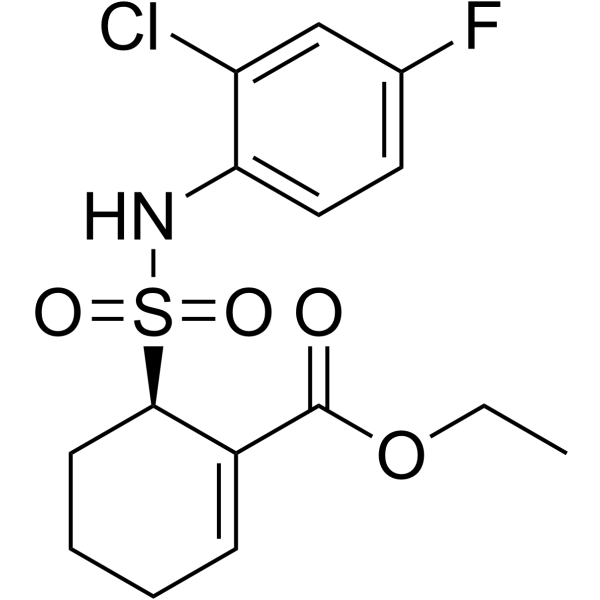 0 ImagesSynonyms: TAK-242; CLI-095Resatorvid (TAK-242) is a selective Toll-like receptor 4 (TLR4) inhibitor. Resatorvid inhibits NO, TNF-α and IL-6 production with IC50s of 1.8 nM, 1.9 nM and 1.3 nM, respectively. Resatorvid downregulates expression of TLR4 downstream signaling molecules MyD88 and TRIF. Resatorvid inhibits autophagy and plays pivotal role in various inflammatory diseases.
-
Chymotrypsin
 0 ImagesChymotrypsin (EC 3.4.21.1; Chymotrypsin A) is an orally effective inhibitor targeting molecules such as TLR4, NF-κB, MMP-1, TNF-α, IL-1β, and IL-6. Chymotrypsin downregulates the TLR4/NF-κB signaling pathway, inhibiting the release of inflammatory factors, reducing cell infiltration and tissue damage. It also reduces the expression of tumor cell adhesion molecules (such as CD44 and CD54) and can be specifically detected by fluorescent probes (such as NBD-3). Chymotrypsin has anti-inflammatory, hepatoprotective, joint damage-reducing, liver protection against lipotoxicity, and anti-tumor metastasis functions. It can be used in research on diseases such as rheumatoid arthritis, non-alcoholic fatty liver disease, and melanoma metastasis. Chymotrypsin can be used in studies of inflammation, edema, and expectoration.
-
Thiamine hydrochloride
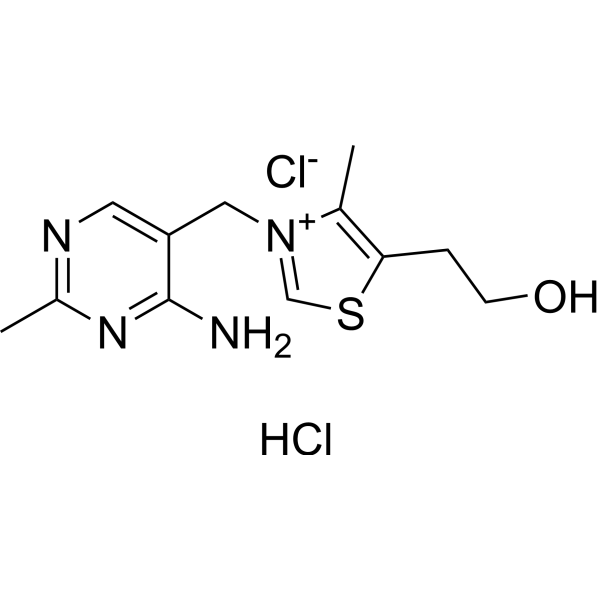 0 ImagesSynonyms: Thiamine chloride hydrochloride; Vitamin B1 hydrochlorideThiamine hydrochloride (Thiamine chloride hydrochloride) is an essential micronutrient needed as a cofactor for many central metabolic enzymes.Thiamine hydrochloride activates NrF-2/HO-1 and inhibits TLR4, NF-κB. Thiamine hydrochloride has neuroprotective and anti-inflammatory effects. Thiamine hydrochloride can be used in the studys of diabetic complications, neurological diseases, cancers, and colitis.
-
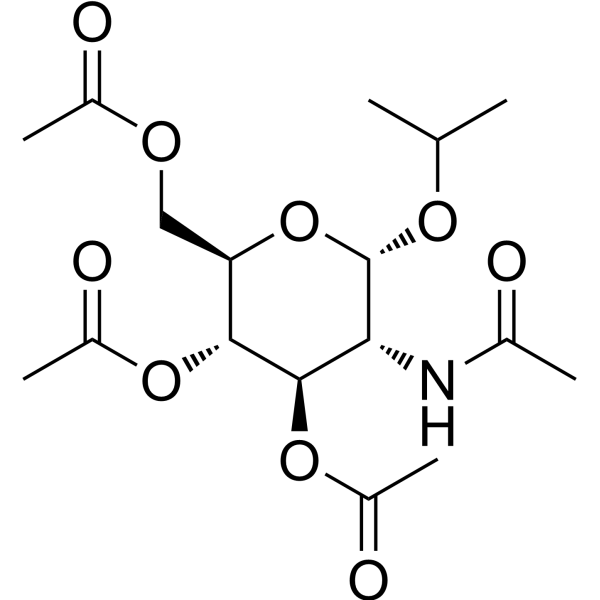
Chymotrypsin (MS grade)
 0 ImagesCat. No.: HY-108910ACAS No.: 9004-07-3Synonyms: EC 3.4.21.1 (MS grade); Chymotrypsin A (MS grade)Chymotrypsin (EC 3.4.21.1; Chymotrypsin A) (MS grade) is an orally effective inhibitor targeting molecules such as TLR4, NF-κB, MMP-1, TNF-α, IL-1β, and IL-6. Chymotrypsin (MS grade) downregulates the TLR4/NF-κB signaling pathway, inhibits the release of inflammatory factors, reduces cell infiltration and tissue damage, and also reduces the expression of tumor cell adhesion molecules (such as CD44 and CD54). It can also be specifically detected by fluorescent probes (such as NBD-3). Chymotrypsin (MS grade) has anti-inflammatory, hepatoprotective, joint damage-reducing, liver protection against lipotoxicity, and anti-tumor metastasis functions, and can be used in the research of diseases such as rheumatoid arthritis, non-alcoholic fatty liver disease, and melanoma metastasis. Chymotrypsin (MS grade) can be used in studies of inflammation, edema, and expectoration.
-
1Z105
 0 Images1Z105 is an orally active TLR4/MD2 agonist, immunostimulant and vaccine adjuvant. 1Z105 activates NF-κB via the MyD88/TRIF pathway in a CD14-independent manner, with EC50 values of 0.63 µM and 0.77 µM for inducing IL-6 and IL-12 in mBMDCs, respectively. 1Z105 promotes dendritic cell maturation, antigen uptake and cross-presentation; when used alone, it induces Th2-IgG1, while combined with the TLR7 agonist 1V270, it synergistically induces balanced Th1/Th2 responses and provides low-reactogenic protection against homologous, heterologous and heterosubtypic influenza. 1Z105 prevents LPS (HY-D1056A1)- and galactosamine-induced liver injury as well as autoantibody-driven arthritis in mice. 1Z105 can be used in studies related to influenza virus infection, inflammation, and LPS/galactosamine-induced liver injury.
-
(R)-Balcinrenone
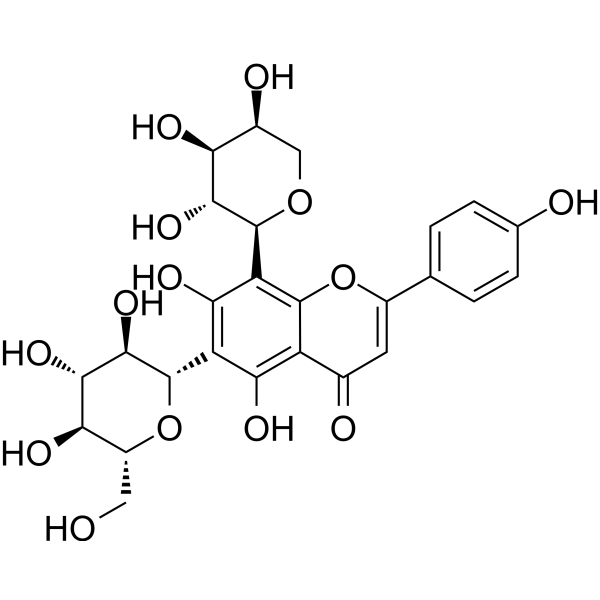
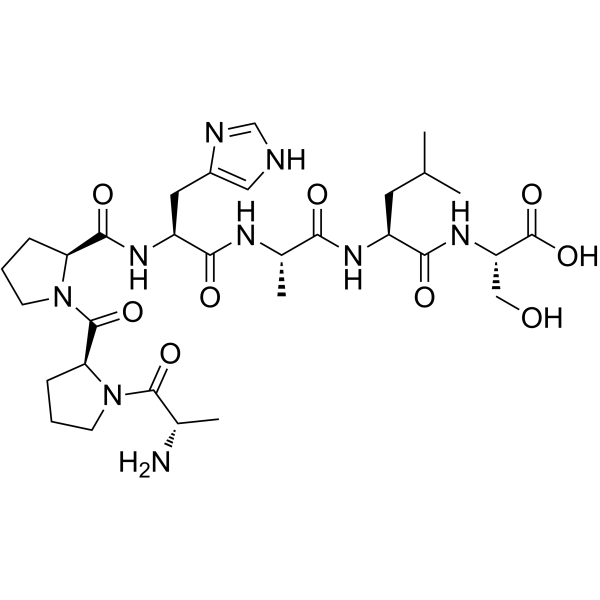
 0 ImagesSynonyms: (R)-AZD9977(R)-Balcinrenone ((R)-AZD9977) is an isomer of Balcinrenone (HY-120274). Balcinrenone is an orally active mineralocorticoid receptor modulator. Balcinrenone regulates mineralocorticoid receptor activity, inhibits aldosterone-induced target gene expression, and suppresses the activities of renal Toll-like receptor 4, MyD88 and NF-κB. Balcinrenone alleviates renal extracellular matrix remodeling, inflammatory cell infiltration, and the expression of renal injury markers. Balcinrenone restores myocardial perfusion reserve, regulates potassium homeostasis, and induces fecal potassium excretion. Balcinrenone is applicable to research on metabolism-related chronic kidney disease and heart failure.
-
Sparstolonin B
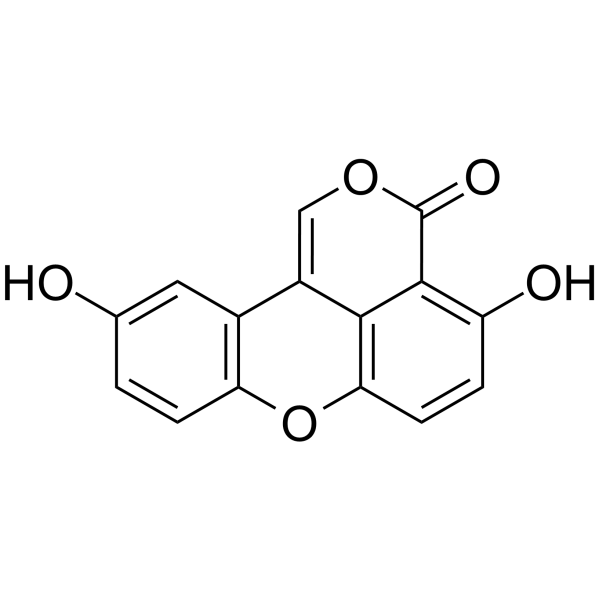 0 ImagesSparstolonin B acts as a selective TLR2 and TLR4 antagonist and selectively blocks TLR2- and TLR4-mediated inflammatory signaling. Sparstolonin B has anti-HIV and anticancer activities.
-
Physcion
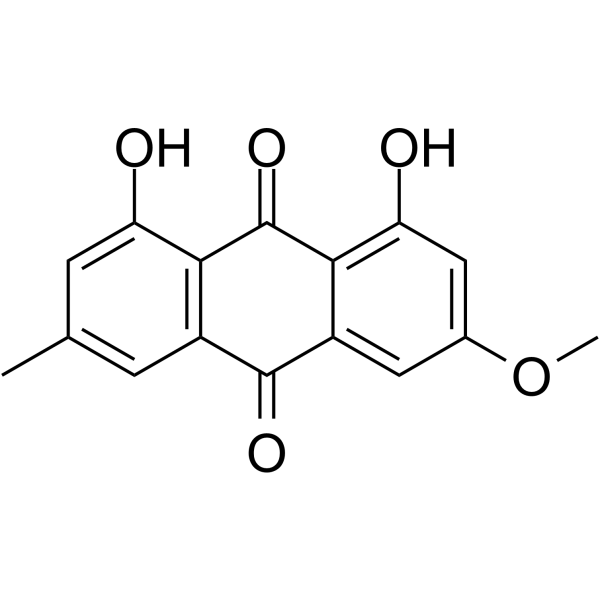 0 ImagesPhyscion (Parietin), an anthraquinone derivative derived from the traditional Chinese medicine rhubarb, is an effective oral active 6-phosphogluconate dehydrogenase inhibitor with blood-brain barrier permeability, with IC50 and Kd values of 38.5 μM and 26.0 μM, respectively. Additionally, Physcion is an inhibitor of the <>bTLR4/NF-κB signaling pathway, exhibiting anti-inflammatory, antibacterial, and anticancer effects, and can induce Apoptosis and Autophagy in cancer cells.
-
D-Glucuronic acid
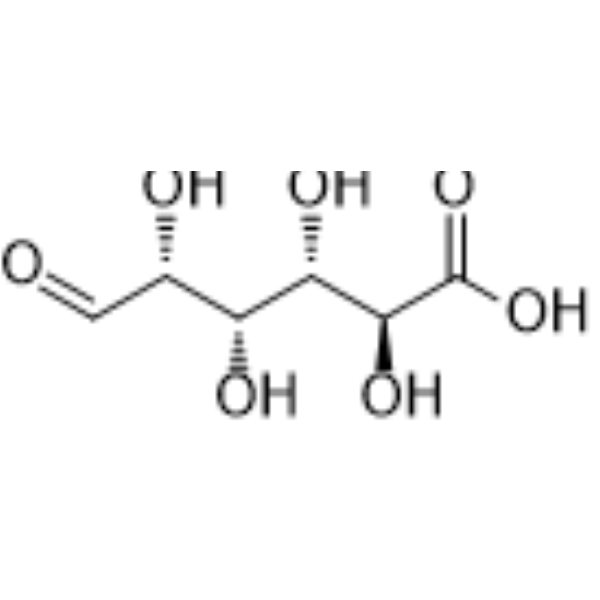 0 ImagesD-Glucuronic acid is a major component of many anti-inflammatory proteoglycans, which can promote embryonic development and inhibit cell aggregation. After being metabolized into ethyl glucuronide (HY-113093), D-Glucuronic acid activates Toll-like receptor 4 (TLR4), causing pain. D-Glucuronic acid and its derivative glucurono-lactone can serve as liver detoxifiers, and its derivatives also possess anti-tumor activity.
-
Robinin
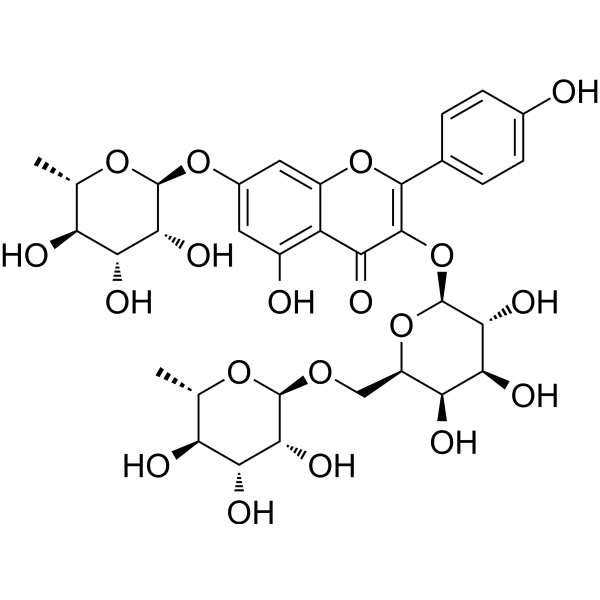 0 ImagesRobinin is a flavonoid that can be extracted from the leaves of purple cowpea, inhibiting TGF-β, TLR4/NF-κB and TLR2-PI3k-AKT signaling pathways. Robinin exerts anti-inflammatory and anti-tumor effects. The combination of Robinin and Methotrexate (HY-14519) reduces inflammation in experimental arthritis, Robinin can decrease the Doxorubicin (HY-15142A) induced cardiac toxicity effect.
-
Teneligliptin hydrobromide hydrate
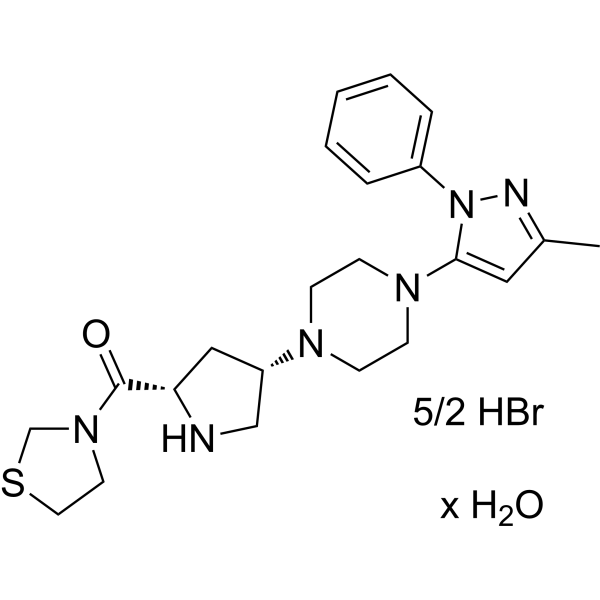 0 ImagesSynonyms: MP-513 hydrobromide hydrateTeneligliptin (MP-513) hydrobromide hydrate is an orally active and selective dipeptidyl peptidase 4 (DPP-4) inhibitor (IC50s: 0.37 and 0.29 nM for the human and rat DPP-4, respectively). Teneligliptin hydrobromide hydrate improves blood glucose levels and can be used in researches related to type 2 diabetes mellitus.
-
Monophosphoryl lipid A
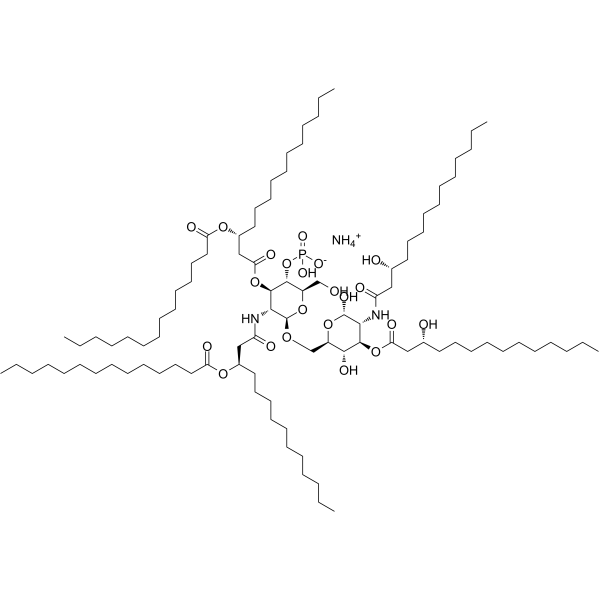 0 ImagesSynonyms: Glucopyranosyl lipid AMonophosphoryl lipid A (Glucopyranosyl lipid A) is a toll-like receptor 4 agonist. Monophosphoryl lipid A is derived from the cell wall of nonpathogenic Salmonella. Monophosphoryl lipid A can be used for the research of immunization and vaccine.
-
Isofraxidin
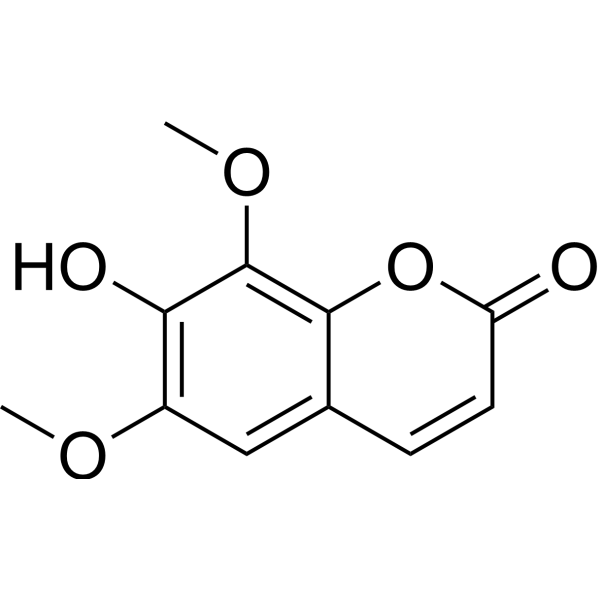 0 ImagesIsofraxidin, a coumarin component from Acanthopanax senticosus, inhibits MMP-7 expression and cell invasion of human hepatoma cells. Isofraxidin inhibits the phosphorylation of ERK1/2 in hepatoma cells. Isofraxidin attenuates the expression of iNOS and COX-2, Isofraxidinalso inhibits TLR4/myeloid differentiation protein-2 (MD-2) complex formation.
-
Guluronic acid sodium
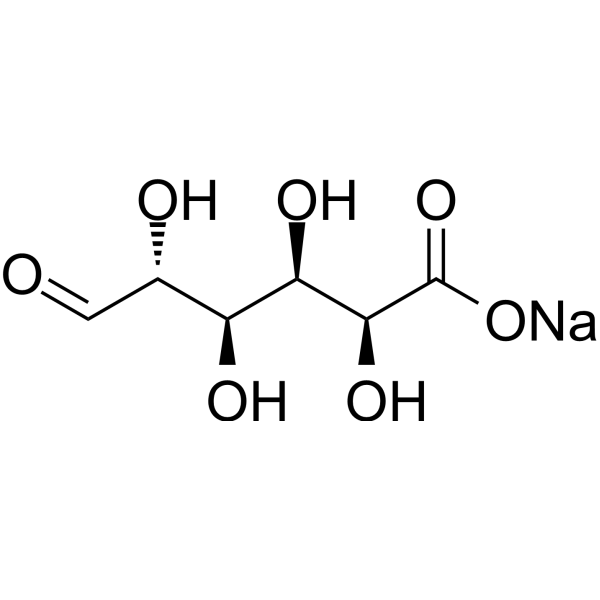 0 ImagesCat. No.: HY-N7700APurity: 98.0%Synonyms: G2013 sodiumGuluronic acid (G2013) sodium is an orally active oxidative stress regulator and anti-inflammatory agent that exerts pharmacological effects by down-regulating various pro-inflammatory and oxidative stress-related genes (such as TLR4, NF-κB, iNOS, etc.) and inhibiting the activities of COX-2, MMPs and VEGF. Low-dose Guluronic acid sodium up-regulates the expression of immunoregulatory genes SHIP1 and SOCS1, thereby effectively inhibiting cancer-related inflammation, tumor angiogenesis, cell adhesion and metastasis, while reducing the accumulation of immunosuppressive cells. Guluronic acid sodium significantly prolongs the survival time of tumor-bearing hosts within a concentration range without direct cytotoxicity, demonstrating favorable safety. Guluronic acid sodium has involved in the research of multiple sclerosis, ankylosing spondylitis, breast cancer and other inflammatory diseases.




