



Thiamine hydrochloride
Based on 2 publication(s) in Google Scholar
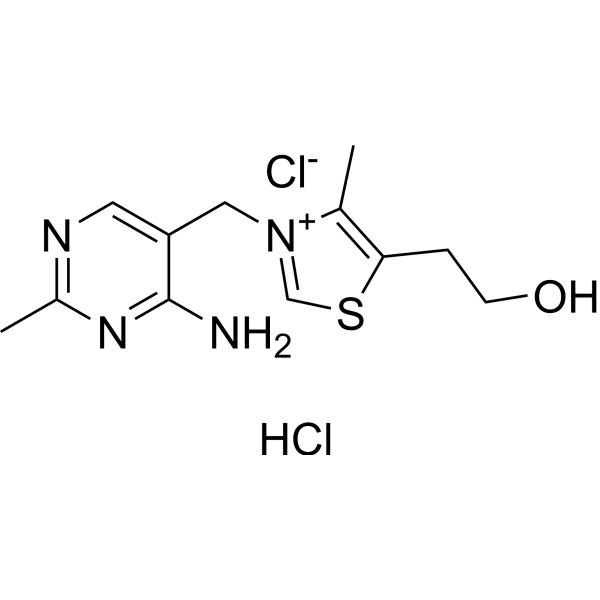
Thiamine hydrochloride (Thiamine chloride hydrochloride) is an essential micronutrient needed as a cofactor for many central metabolic enzymes.Thiamine hydrochloride activates NrF-2/HO-1 and inhibits TLR4, NF-κB. Thiamine hydrochloride has neuroprotective and anti-inflammatory effects. Thiamine hydrochloride can be used in the studys of diabetic complications, neurological diseases, cancers, and colitis.
For research use only. We do not sell to patients.
- Purity : 99.97%
- CAS No.: 67-03-8
- Formula: C12H18Cl2N4OS
- Molecular Weight:337.27
-
Storage:
4°C, sealed storage, away from moisture
* In solvent : -80°C, 6 months; -20°C, 1 month (sealed storage, away from moisture)

To place orders, for customer services and technical support, please contact: MedChemExpress USA
Tel: 609-228-6898 E-mail: [email protected] [email protected]


-
 Biological Activity
-
Chemical Information
-
Solvent & Solubility
- Protocols
- Purity & Documentation
- References
-
 Help & FAQs


-
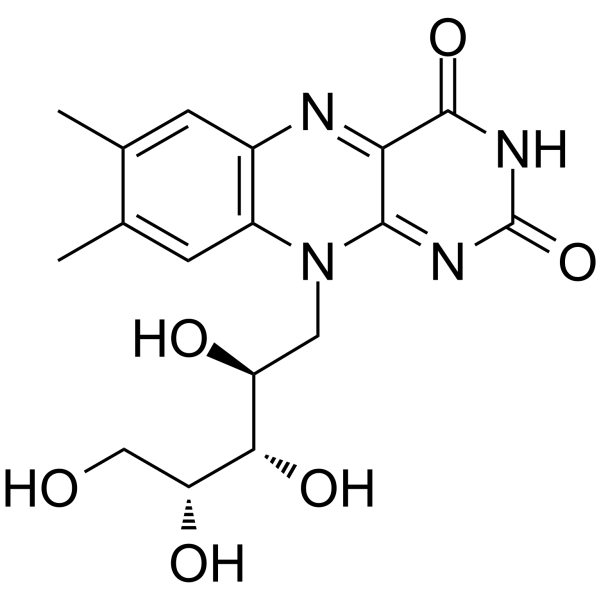
HY-B0456
RiboflavinVitamin B2 -
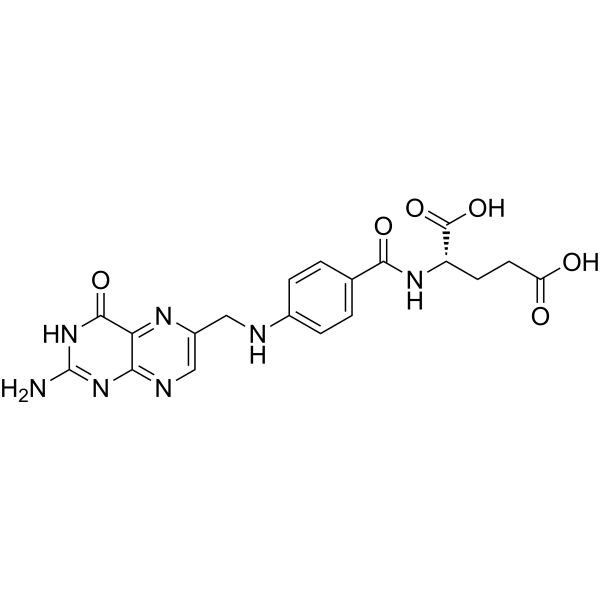
HY-16637
Folic acidB complex -
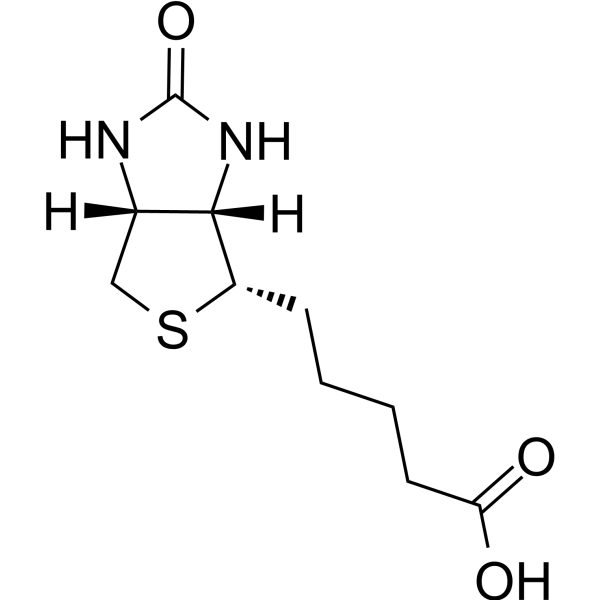
HY-B0511
BiotinVitamin B7 -
HY-N0682
Pyridoxine hydrochloridePyridine Derivative -
HY-B0315
Vitamin B12Endogenous Metabolite -
HY-B0150
NicotinamideSIRT Inhibitor -
HY-B0166
L-Ascorbic acidAntioxidant -
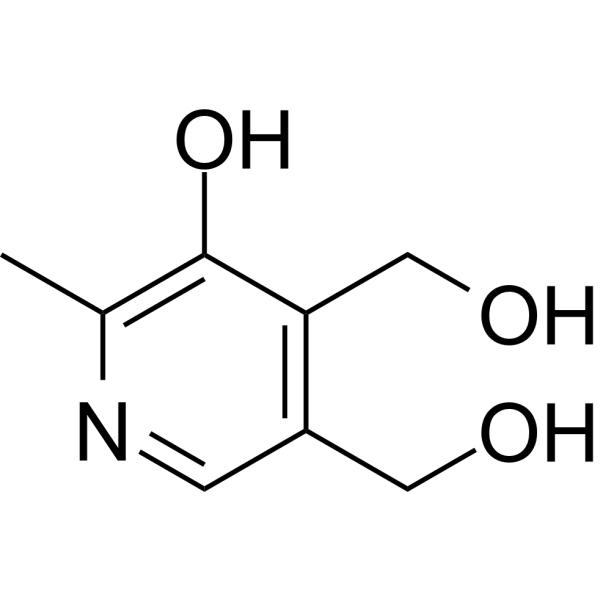
HY-B1328
PyridoxinePyridine Derivative -
HY-B0143
NiacinB3 vitamin -
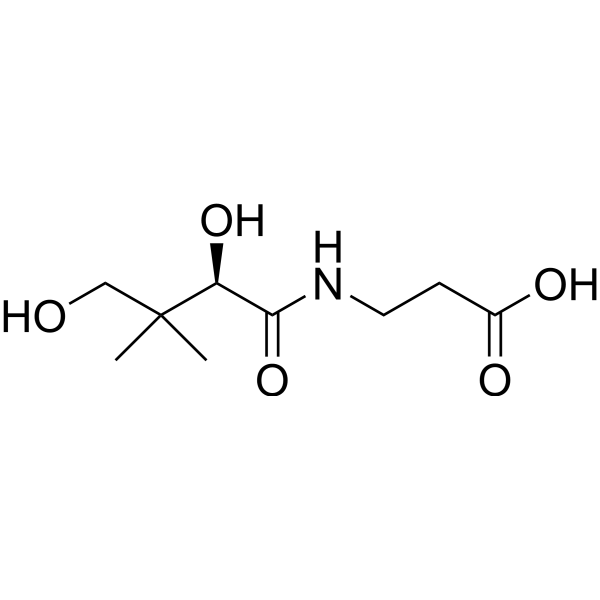
HY-B0430
D-Pantothenic acidEndogenous Metabolite -
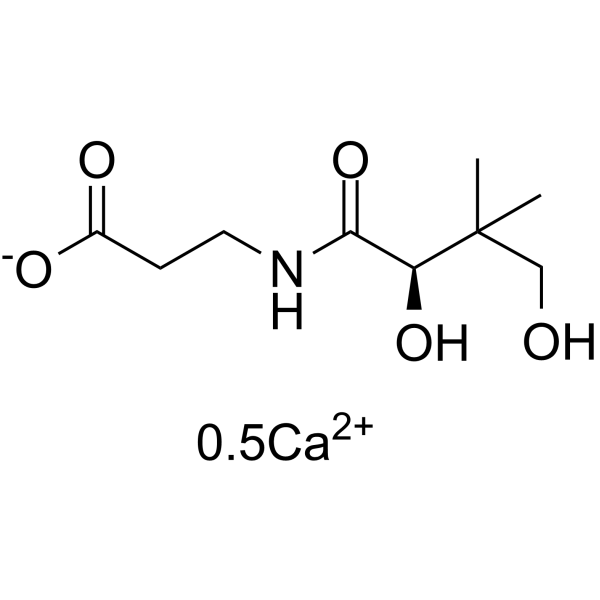
HY-N0681
D-Pantothenic acid hemicalcium saltVitamin -
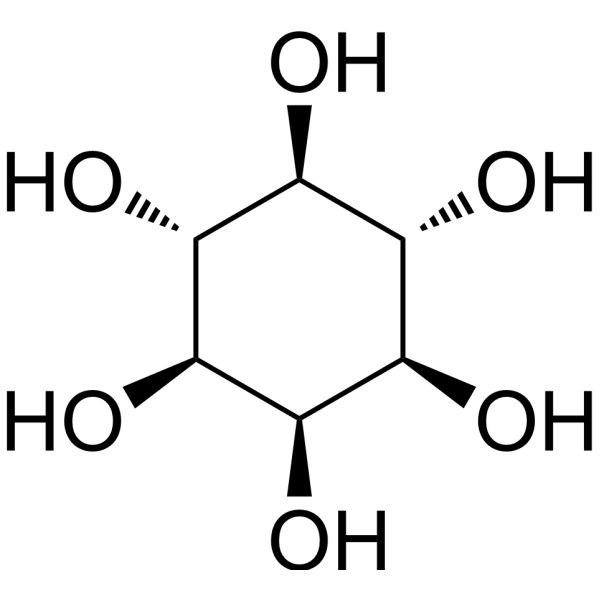
HY-B1411
i-InositolEndogenous Metabolite
Publications Citing Use of MedChemExpress (MCE) Thiamine hydrochloride
MoreAll Endogenous Metabolite Isoforms
More

Biological Activity
Description
IC50 & Target
[5]|
TLR4 |
In Vitro
Thiamine (0.125-2 μg/mL, 24 h) hydrochloride increases cellular PDH activities in breast cancer cells and increases basal, maximum, and ATP production oxygen consumption rate for the MCF7 cells[2].
Thiamine (10-100 mM, 5 days) hydrochloride reduces proliferation in cancer cell lines SK-N-BE and Panc-1[3].
Thiamine (200 μM) hydrochloride protects against glucose- and insulin-mediated proliferation of human infragenicular arterial smooth muscle cells[4].
MedChemExpress (MCE) has not independently confirmed the accuracy of these methods. They are for reference only. Further protocols information, click here.
In Vivo
Thiamine (150-200 mg/kg, i.p., 21 days) hydrochloride shows anti-inflammatory and antihyperalgesic effects in adjuvant-induced arthritis wistar rats[6].
Thiamine (20 mg/kg/d, i.p., 5 days) hydrochloride attenuates macroscopic parameters of colons and reduces total colitis index in rats with colitis[7].
MedChemExpress (MCE) has not independently confirmed the accuracy of these methods. They are for reference only.
-
Animal Model:Eight-week-old male BALB/C albino mice with Scopolamine-induced memory dysfunction (1 mg/kg)[5]
-
Dosage:300 µg/kg
-
Administration:alternate days during the last 14 days of the experiment
-
Result:Restored both short & long-term memory impaired by Scopolamine in adult albino mice.
Reactivated NrF-2/HO-1 as an endogenous antioxidant system against Scopolamine-induced oxidative stress.
Negatively modulated TLR4 receptor and inhibited both NF-kB/TNF-α.
Had the potential to reduce the oxidative stress caused by Scopolamine, with increasing antioxidant enzymes such as CAT, GST, and GSH.


Chemical Information
-
CAS No. 67-03-8
-
Appearance Solid
-
Molecular Weight 337.27
-
Formula C12H18Cl2N4OS
-
Color White to off-white
-
SMILES
CC1=C(CCO)SC=[N+]1CC2=CN=C(C)N=C2N.[Cl-].Cl
-
Synonyms
Thiamine chloride hydrochloride; Vitamin B1 hydrochloride
-
Structure Classification
-
Initial Source
-
Shipping
Room temperature in continental US; may vary elsewhere.
-
Storage
4°C, sealed storage, away from moisture
* In solvent : -80°C, 6 months; -20°C, 1 month (sealed storage, away from moisture)


Publications (2)
-
Journal Impact Factor
-
Most Recent
-
Immunity
Flavin adenine dinucleotide is an endogenous suppressor for cytosolic DNA and RNA sensors to modulate innate immunity. [Abstract]2026 Jul 13:S1074-7613(26)00261-X. PMID: 42442359 -
Vet Microbiol
The Chinese medicine monomer Schisandrin C inhibits PRRSV infection by regulating the OGT-PI3K/AKT/mTOR signaling pathway. [Abstract]2026 May:316:110992. PMID: 41865607


Solvent & Solubility
In Vitro:
H2O : 100 mg/mL (296.50 mM; Need ultrasonic)
DMSO : 6.67 mg/mL (19.78 mM; Need ultrasonic; Hygroscopic DMSO has a significant impact on the solubility of product, please use newly opened DMSO)
Please refer to the solubility information to select the appropriate solvent. Once prepared, please aliquot and store the solution to prevent product inactivation from repeated freeze-thaw cycles.
Storage method and period of stock solution: -80°C, 6 months; -20°C, 1 month (sealed storage, away from moisture). When stored at -80°C, please use it within 6 months. When stored at -20°C, please use it within 1 month.
* Note: If you choose water as the stock solution, please dilute it to the working solution, then filter and sterilize it with a 0.22 μm filter before use.
Please refer to the solubility information to select the appropriate solvent. Once prepared, please aliquot and store the solution to prevent product inactivation from repeated freeze-thaw cycles.
Storage method and period of stock solution: -80°C, 6 months; -20°C, 1 month (sealed storage, away from moisture). When stored at -80°C, please use it within 6 months. When stored at -20°C, please use it within 1 month.
* Note: If you choose water as the stock solution, please dilute it to the working solution, then filter and sterilize it with a 0.22 μm filter before use.
Concentration (start) × Volume (start) = Concentration (final) × Volume (final)
In Vivo:
Select the appropriate dissolution method based on your experimental animal and administration route.
- For the following dissolution methods, please ensure to first prepare a clear stock solution using an In Vitro approach and then sequentially add co-solvents:
- To ensure reliable experimental results, the clarified stock solution can be appropriately stored based on storage conditions. As for the working solution for In Vivo experiments, it is recommended to prepare freshly and use it on the same day.
- The percentages shown for the solvents indicate their volumetric ratio in the final prepared solution. If precipitation or phase separation occurs during preparation, heat and/or sonication can be used to aid dissolution.
Add each solvent one by one: 10% DMSO 90% (20% SBE-β-CD in Saline)
Solubility: ≥ 1.25 mg/mL (3.71 mM); Clear solution
This protocol yields a clear solution of ≥ 1.25 mg/mL (saturation unknown).
Taking 1 mL working solution as an example, add 100 μL DMSO stock solution (12.5 mg/mL) to 900 μL 20% SBE-β-CD in Saline, and mix evenly.
Preparation of 20% SBE-β-CD in Saline (4°C, storage for one week): 2 g SBE-β-CD powder is dissolved in 10 mL Saline, completely dissolve until clear.
Add each solvent one by one: 10% DMSO 40% PEG300 5% Tween-80 45% Saline
Solubility: ≥ 0.67 mg/mL (1.99 mM); Clear solution
This protocol yields a clear solution of ≥ 0.67 mg/mL (saturation unknown).
Taking 1 mL working solution as an example, add 100 μL DMSO stock solution (6.7 mg/mL) to 400 μL PEG300, and mix evenly; then add 50 μL Tween-80 and mix evenly; then add 450 μL Saline to adjust the volume to 1 mL.
Preparation of Saline: Dissolve 0.9 g sodium chloride in ddH₂O and dilute to 100 mL to obtain a clear Saline solution.
For the following dissolution methods, please prepare the working solution directly:
It is recommended to prepare fresh solutions and use them promptly within a short period of time.
The percentages shown for the solvents indicate their volumetric ratio in the final prepared solution. If precipitation or phase separation occurs during preparation, heat and/or sonication can be used to aid dissolution.
Add each solvent one by one: PBS
Solubility: 33.33 mg/mL (98.82 mM); Clear solution; Need ultrasonic
In Vivo Dissolution Calculator
Please enter the basic information of animal experiments:
-
-
-
-
Recommended: Prepare an additional quantity of animals to account for potential losses during experiments.
Working solution concentration: 0.22 mg/mL
This product has good water solubility, please refer to the measured solubility data in water/PBS/Saline for details.

Protocols
-
DSS-Induced Colitis
Dextran sulfate sodium (DSS)-induced colitis is generated by administering DSS in mouse drinking water, producing epithelial injury, barrier disruption, weight loss, diarrhea, fecal blood, colon shortening, histologic mucosal damage, and inflammatory mediator changes; the model is mainly used to study acute or chronic intestinal inflammation resembling selected features of ulcerative colitis. DSS injury is interpreted through clinical and tissue readouts rather than a single molecular endpoint: daily body weight, stool consistency, and bleeding are combined into a disease activity index, while colon length, histology, cytokines, myeloperoxidase activity, intestinal permeability, and tight-junction markers provide complementary measures of inflammation and barrier damage.
-
TNBS-Induced Colitis
TNBS-induced colitis is produced by intrarectal delivery of 2,4,6-trinitrobenzene sulfonic acid in ethanol, where ethanol disrupts the mucosal barrier and TNBS haptenates colonic proteins, generating immune-mediated colonic inflammation with weight loss, diarrhea, ulceration, transmural injury, inflammatory-cell infiltration, and cytokine responses. The model is used as an experimental intestinal inflammation model with Crohn’s disease–like features, especially when Th1-type responses, IL-12–dependent inflammation, chronic relapsing inflammation, or fibrosis-related endpoints are studied.
-
Research Protocol for Inflammation-related Diseases
The NLRP3 inflammasome is a cytosolic innate immune signaling platform that integrates priming signals and danger-signal activation to promote caspase-1 activation, maturation of IL-1β and IL-18, and gasdermin D-mediated pyroptotic cell death. The core experimental logic is to determine whether inflammatory disease phenotypes are driven by increased NLRP3 expression, ASC-containing inflammasome assembly, caspase-1 cleavage, GSDMD cleavage, and extracellular release of IL-1β/IL-18 rather than by nonspecific cell injury alone. The pathway is strongly linked to inflammation-related disease phenotypes because monosodium urate crystals activate NALP3/NLRP3 inflammasome signaling in gout-like crystal inflammation, cholesterol crystals activate NLRP3 inflammasomes in atherogenesis models, and DSS-induced intestinal inflammation has been reported to involve NLRP3 inflammasome activity. However, experimental colitis studies also show context-dependent protective effects of NLRP3 inflammasome co


Purity & Documentation
-
Data Sheet (279 KB)
-
SDS (393 KB)
- English - EN (393 KB)
- Français - FR (393 KB)
- Deutsch - DE (393 KB)
- Norwegian - NO (393 KB)
- Español - ES (393 KB)
- Swedish - SV (393 KB)
- Italian - IT (393 KB)
- Korean - KR (393 KB)
- Portuguese - PT (393 KB)
-
Handling Instructions (2659 KB)
References
[1]. Moulin M, et al. Analysis of Chlamydomonas thiamin metabolism in vivo reveals riboswitch plasticity. Proc Natl Acad Sci U S A. 2013 Sep 3;110(36):14622-7. [Content Brief]
[2]. Liu X, et al. The Effects of Thiamine on Breast Cancer Cells. Molecules. 2018 Jun 16;23(6):1464. [Content Brief]
[3]. Hanberry BS, Berger R, Zastre JA. High-dose vitamin B1 reduces proliferation in cancer cell lines analogous to dichloroacetate. Cancer Chemother Pharmacol. 2014 Mar;73(3):585-94. [Content Brief]
[4]. Avena R, et al. Thiamine (Vitamin B1) protects against glucose- and insulin-mediated proliferation of human infragenicular arterial smooth muscle cells. Ann Vasc Surg. 2000 Jan;14(1):37-43. [Content Brief]
[6]. Zaringhalam J, et al. Long-Term Treatment by Vitamin B1 and Reduction of Serum Proinflammatory Cytokines, Hyperalgesia, and Paw Edema in Adjuvant-Induced Arthritis. Basic Clin Neurosci. 2016 Oct;7(4):331-340. [Content Brief]
[7]. Dalayeli N, et al. Investigating the Impact of Selected B Vitamins (B1, B2, B6, and B12) on Acute Colitis Induced Experimentally in Rats. Int J Prev Med. 2024 Nov 28;15:61. [Content Brief]


Complete Stock Solution Preparation Table
Please refer to the solubility information to select the appropriate solvent. Once prepared, please aliquot and store the solution to prevent product inactivation from repeated freeze-thaw cycles.
Storage method and period of stock solution: -80°C, 6 months; -20°C, 1 month (sealed storage, away from moisture). When stored at -80°C, please use it within 6 months. When stored at -20°C, please use it within 1 month.
| Optional Solvent | Concentration Solvent Mass | 1 mg | 5 mg | 10 mg | 25 mg |
|---|---|---|---|---|---|
| DMSO / H2O | 1 mM | 2.9650 mL | 14.8249 mL | 29.6498 mL | 74.1246 mL |
| 5 mM | 0.5930 mL | 2.9650 mL | 5.9300 mL | 14.8249 mL | |
| 10 mM | 0.2965 mL | 1.4825 mL | 2.9650 mL | 7.4125 mL | |
| 15 mM | 0.1977 mL | 0.9883 mL | 1.9767 mL | 4.9416 mL | |
| H2O | 20 mM | 0.1482 mL | 0.7412 mL | 1.4825 mL | 3.7062 mL |
| 25 mM | 0.1186 mL | 0.5930 mL | 1.1860 mL | 2.9650 mL | |
| 30 mM | 0.0988 mL | 0.4942 mL | 0.9883 mL | 2.4708 mL | |
| 40 mM | 0.0741 mL | 0.3706 mL | 0.7412 mL | 1.8531 mL | |
| 50 mM | 0.0593 mL | 0.2965 mL | 0.5930 mL | 1.4825 mL | |
| 60 mM | 0.0494 mL | 0.2471 mL | 0.4942 mL | 1.2354 mL | |
| 80 mM | 0.0371 mL | 0.1853 mL | 0.3706 mL | 0.9266 mL | |
| 100 mM | 0.0296 mL | 0.1482 mL | 0.2965 mL | 0.7412 mL |
* Note: If you choose water as the stock solution, please dilute it to the working solution, then filter and sterilize it with a 0.22 μm filter before use.


Thiamine hydrochloride Related Classifications
HY-N0680 Related Classifications
 Powered by Bioz