



Riboflavin
Based on 12 publication(s) in Google Scholar
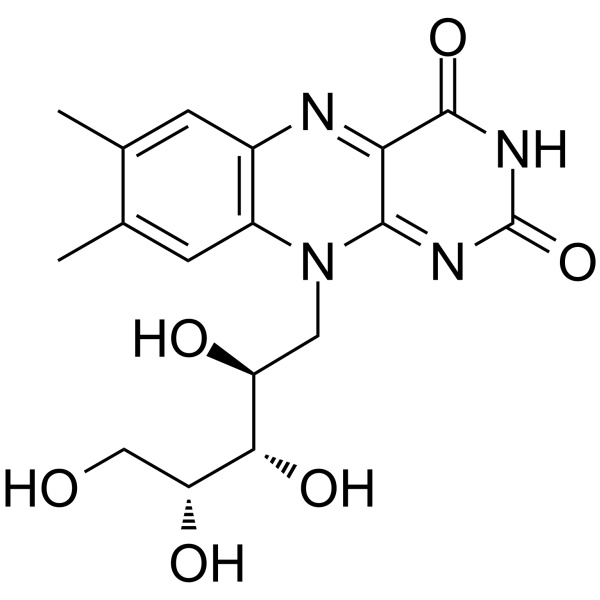
Riboflavin, an orally active and easily absorbed micronutrient, is a precursor of flavin mononucleotide (FMN) and flavin adenine dinucleotide (FAD), which serve as coenzymes for numerous enzymatic reactions and perform key metabolic functions by mediating the transfer of electrons in biological oxidation-reduction reaction.
Nos produits utilisent uniquement pour la recherche. Nous ne vendons pas aux patients.
- Pureté : 99.89%
- CAS No.: 83-88-5
- Formule: C17H20N4O6
- Masse moléculaire:376.36
-
Stockage:
4°C, protect from light
* In solvent : -80°C, 1 year; -20°C, 6 months (protect from light)

To place orders, for customer services and technical support, please contact: MedChemExpress USA
Tel: 609-228-6898 E-mail: [email protected] [email protected]


-
 Activité biologique
-
Chemical Information
-
Solvant et solubilité
- Pureté et documentation
- Références
-
 Help & FAQs


-
HY-16637
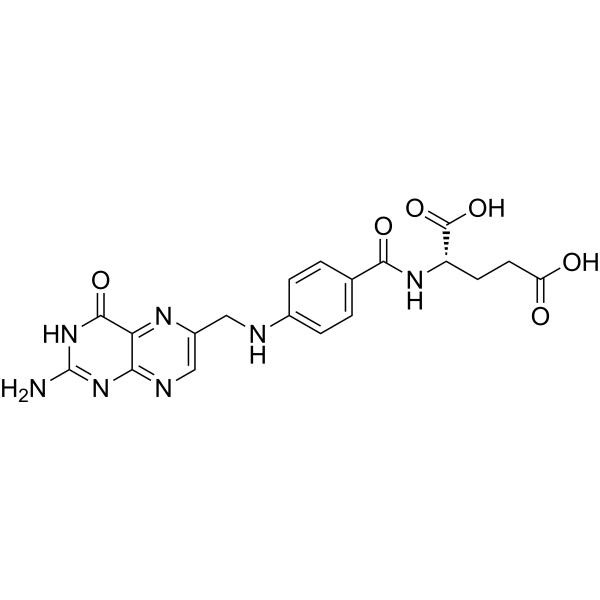
Folic acidB complex -
HY-B0511
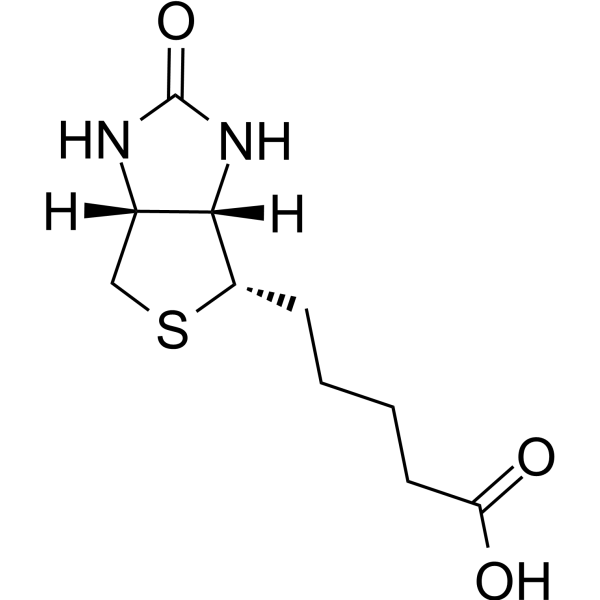
BiotinVitamin B7 -
HY-B0315
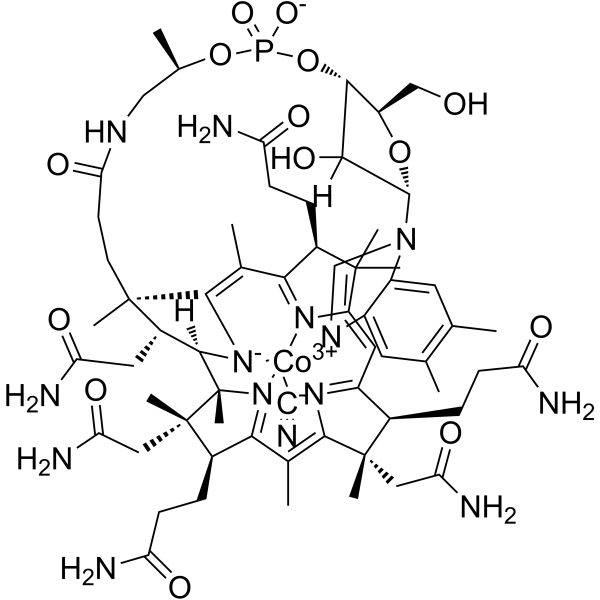
Vitamin B12Endogenous Metabolite -
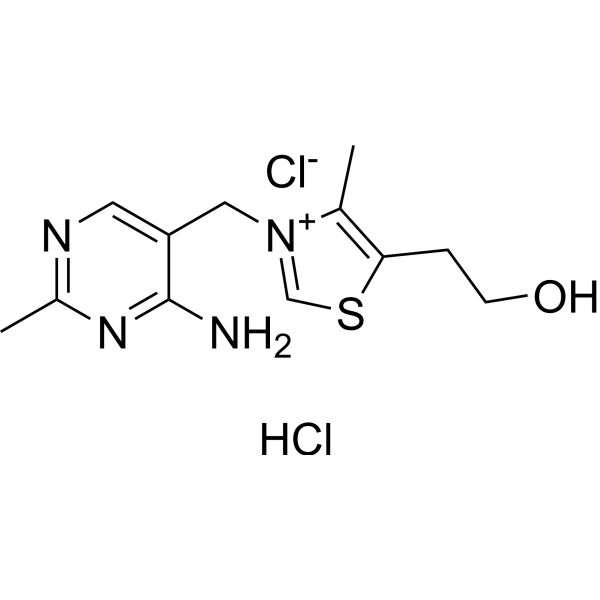
HY-N0680
Thiamine hydrochlorideVitamin B1 -
HY-B0143
NiacinB3 vitamin -
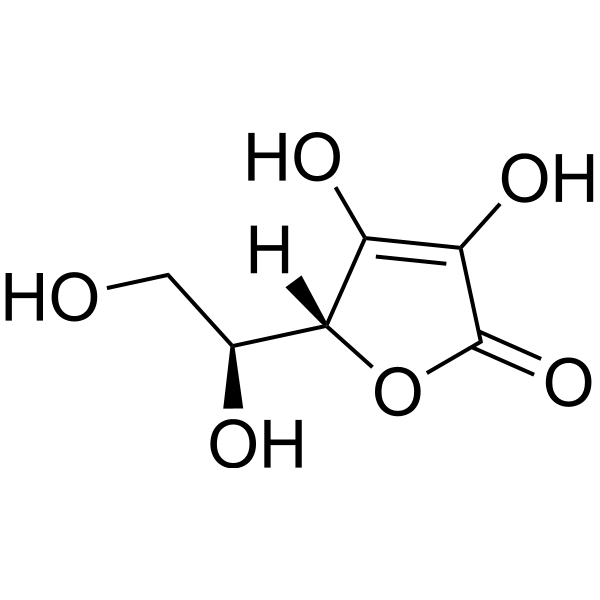
HY-B0166
L-Ascorbic acidAntioxidant -
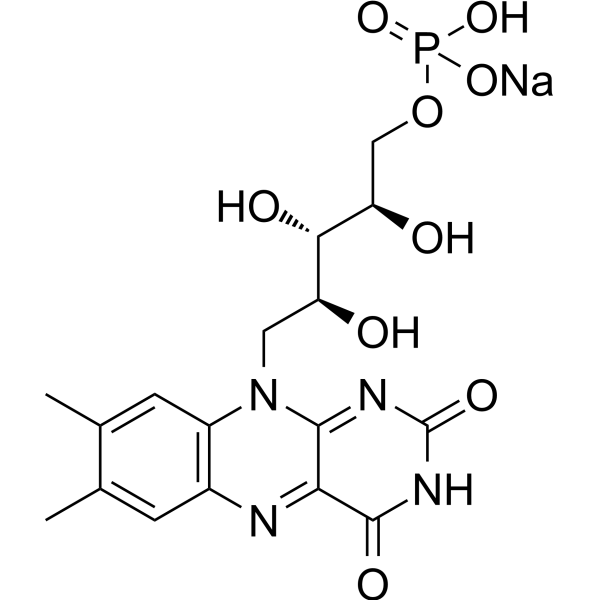
HY-B0964
Riboflavin phosphate sodiumEndogenous Metabolite -
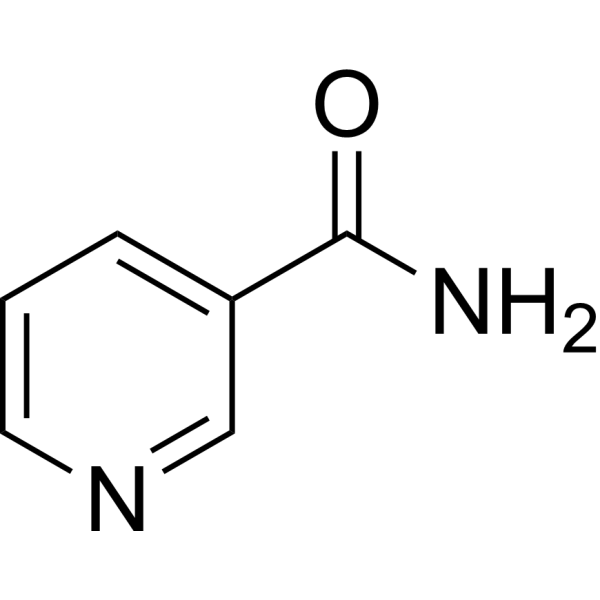
HY-B0150
NicotinamideSIRT Inhibitor -
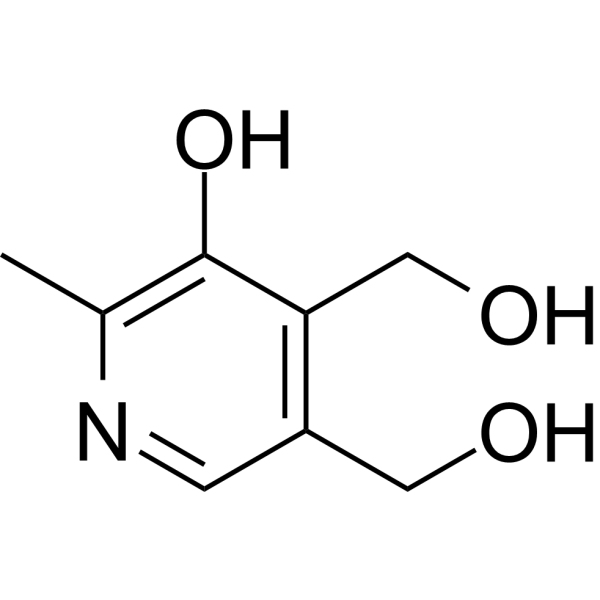
HY-B1328
PyridoxinePyridine Derivative -
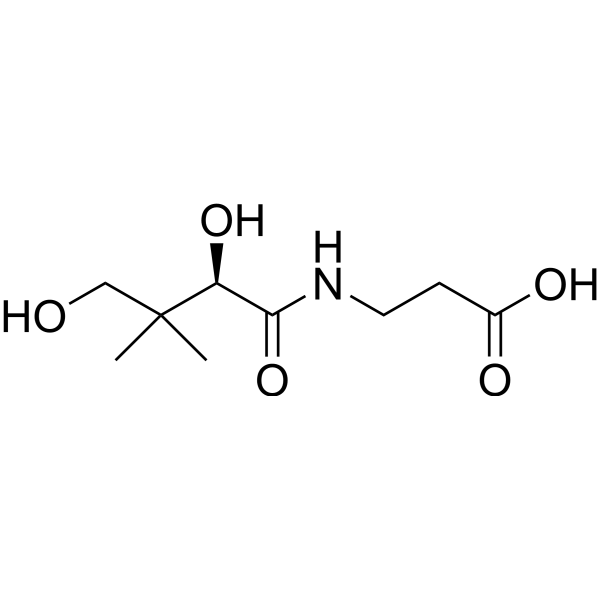
HY-B0430
D-Pantothenic acidEndogenous Metabolite -
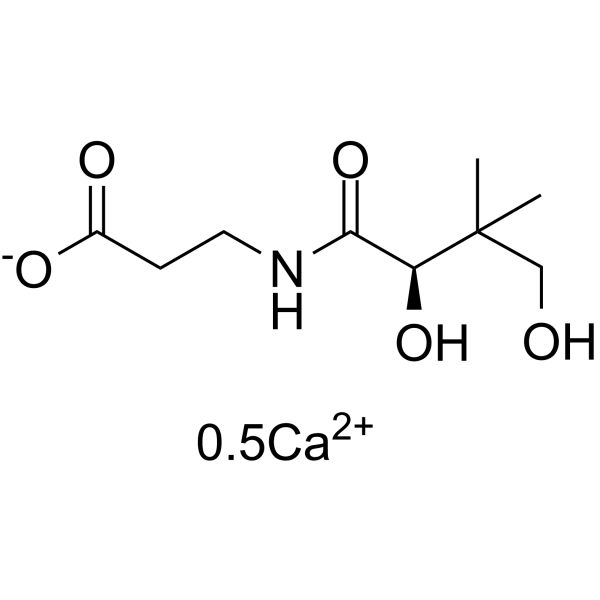
HY-N0681
D-Pantothenic acid hemicalcium saltVitamin -
HY-B1411
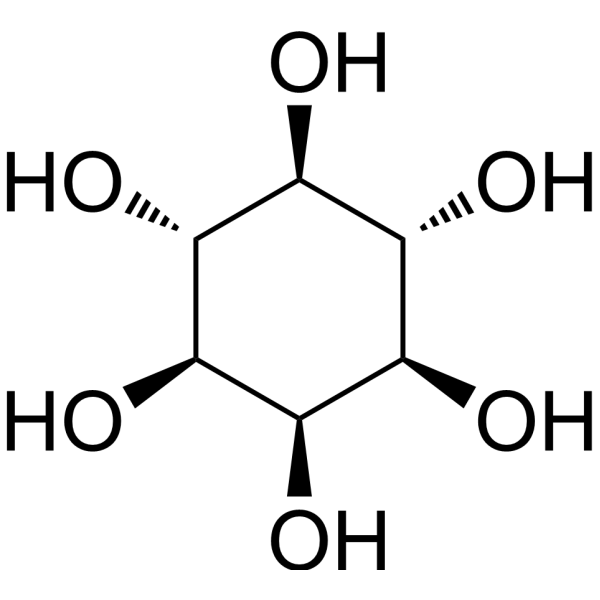
i-InositolEndogenous Metabolite
Publications Citing Use of MedChemExpress (MCE) Riboflavin
More- Nature. 2025 Jul;643(8070):192-200. [Abstract]
- Nat Mach Intell. 2025 May.
- Chem. 2025 Apr 04.
- Nat Commun. 2025 Oct 29;16(1):9547. [Abstract]
- Nat Commun. 2025 Aug 16;16(1):7638. [Abstract]
- Nat Commun. 2025 Jan 2;16(1):212. [Abstract]
- Microbiome. 2026 Aug 12;14(1):220.
- Theranostics. 2024 Jul 1;14(10):3984-3996. [Abstract]
- Food Res Int. 2026 Feb 6.
- Anal Chem. 2025 May 13;97(18):9827-9835. [Abstract]
- ACS Chem Biol. 2026 Jul 2.
- Res Sq. 2026 Jan 9.
 Customer Validation & Images

-
Cell Proliferation/Viability Assay
-
Bio/Physico-chemical Assay
-
In Vivo Imaging
-
WB
-
Histological Imaging/Staining
Voir tous les produits spécifiques à Isoform Endogenous Metabolite
More

Activité biologique
Description
IC50 & Target
|
Human Endogenous Metabolite |
Microbial Metabolite |
In Vitro
Riboflavin (5-50 µM, 24 h) has a strong cytotoxic effect on HL60 cells after UV irradiation that is mediated by apoptosis[2].
Riboflavin (0.76-48.76 nM, 96 h) increases cell viability and glutathione reductase activity and reduces apoptosis of HepG2 cells in a dose-dependent manner[3].
MedChemExpress (MCE) has not independently confirmed the accuracy of these methods. They are for reference only. .
-
Cell Line:HL60 cells
-
Concentration:5-10 µM
-
Incubation Time:24 h
-
Result:Didn't affect cell viability with no UV irradiation.
-
Cell Line:HL60 cells
-
Concentration:5-50 µM
-
Incubation Time:24 h
-
Result:Increased the ratio Bax/Bcl2 and decreased the level of inhibitory apoptosis protein type 1 (IAP1).
Caused overexpression of Fas and FasL.
Decreased the expression of TNFR1 and TRADD at the concentration of 10-50 µM.
Inhibited the cell survival relevant kinases phospho-JNK, phospho-MEK, phospho-ERK.
Increased the expression of p21 and decreased the expression of PCNA, STATs 1 and STATs 2.
In Vivo
Riboflavin (1-600 mg/kg, p.o., one time) produces antinociceptive, antihyperalgesic, and anti-inflammatory effect in formalin, carrageenan-induced thermal hyperalgesia, and spinal nerve ligation rat models[5].
Riboflavin (3-100 mg/kg, i.p., one time) inhibits the nociceptive response in a dose-dependent manner in mice model of acetic acid-induced constriction[6].
Riboflavin (6-12 mg/kg, i.p., one time) decreases the second phase nociceptive response in mice model of formaldehyde-induced[6].
MedChemExpress (MCE) has not independently confirmed the accuracy of these methods. They are for reference only.
-
Animal Model:Swiss albino mice[4]
-
Dosage:10 mg/kg
-
Administration:Oral gavage (p.o.), daily
-
Result:Increased the growth rate of pregnant and newbron mice.
Increased the percent conception and average litter size of pregnant mices.
Improved the percent zinc absorption in male mices.
Increased the levels of zinc and iron in organs in male and female mices.
Increased the percent hemoglobin and the blood zinc value of female mices.
-
Animal Model:Female Wistar rats[5]
-
Dosage:1-600 mg/kg
-
Administration:Oral gavage (p.o.), one time
-
Result:Reduced flinching behavior during phase 2 in formalin-injected mice by doses of 1-50 mg/kg.
Produced a significant antihyperalgesic effect in carrageenan-injected mice by doses of 6.25-150 mg/kg.
Reduced carrageenan-induced edema by doses of 50-150 mg/kg.
Didn’t reduce tactile allodynia in the spinal nerve ligation model by doses of 150-600 mg/kg.
Essai clinique
| NCT Number | Sponsor | Condition | Start Date |
Phase

|
|---|---|---|---|---|
| NCT01329991 | Plexxikon| | 2011-05 | PHASE1 |


Chemical Information
-
CAS No. 83-88-5
-
Appearance Solid
-
Masse moléculaire 376.36
-
Formule C17H20N4O6
-
Color Light yellow to orange
-
SMILES
O[C@H]([C@H](O)[C@H](O)CO)CN1C(C=C(C)C(C)=C2)=C2N=C(C(N3)=O)C1=NC3=O
-
Synonyms
Vitamin B2; E101
-
Structure Classification
-
Initial Source
-
Livraison
Room temperature in continental US; may vary elsewhere.
-
Stockage
4°C, protect from light
* In solvent : -80°C, 1 year; -20°C, 6 months (protect from light)


Publications (12)
-
Journal Impact Factor
-
Most Recent
-
Nature
2025 Jul;643(8070):192-200. PMID: 39695227 -
-
-
Nat Commun
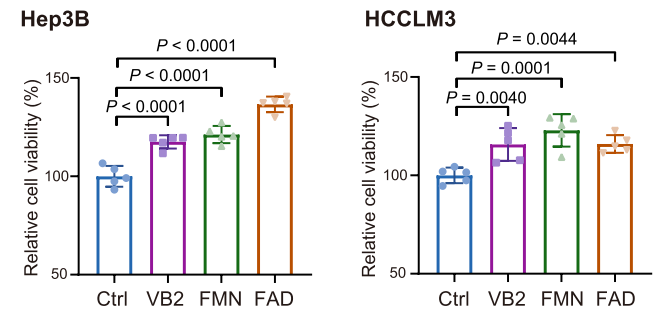
FAD synthase confers ferroptosis resistance and restrains CD8+ T cell recruitment in hepatocellular carcinoma. [Abstract]2025 Oct 29;16(1):9547. PMID: 41162372
Riboflavin purchased from MedChemExpress. Usage Cited in: Nat Commun. 2025 Oct 29;16(1):9547. [Abstract]
Hep3B and HCCLM3 cells treated with Riboflavin (VB2; 10 µM), Riboflavin phosphate sodium (FMN; 10 µM), Flavin adenine dinucleotide (FAD; 10 µM), or PBS (Ctrl) for 48 h, followed by CCK-8 assay.
-
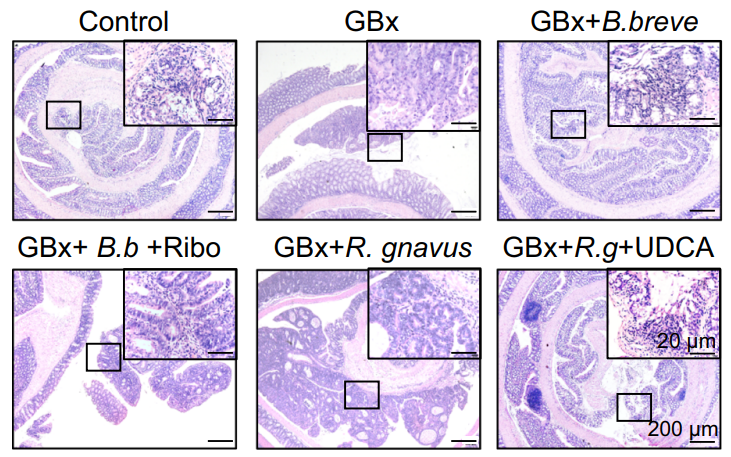
Nat Commun
2025 Aug 16;16(1):7638. PMID: 40819131
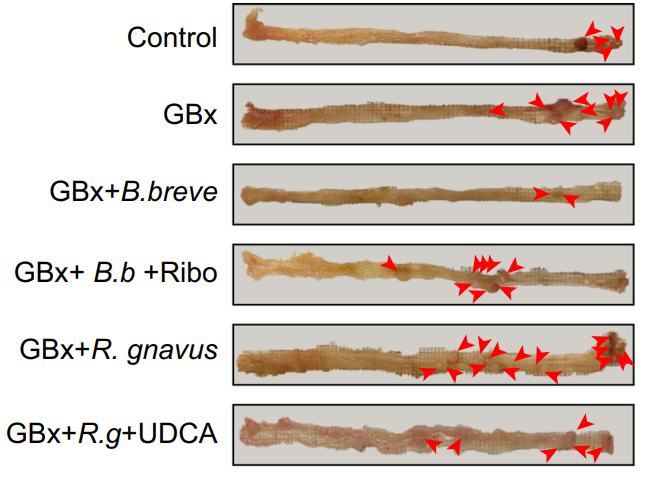
Riboflavin purchased from MedChemExpress. Usage Cited in: Nat Commun. 2025 Aug 16;16(1):7638. [Abstract]
Representative images of mouse colon. Mice were gavaged with B. breve or R. gnavus and then treated with BSH inhibitor Riboflavin (100 mg/kg, orally gavaged twice a week) or 7β-HSDH inhibitor UDCA, respectively (n = 7/group).
Riboflavin purchased from MedChemExpress. Usage Cited in: Nat Commun. 2025 Aug 16;16(1):7638. [Abstract]
H&E staining. Mice were gavaged with B. breve or R. gnavus and then treated with BSH inhibitor Riboflavin (100 mg/kg, orally gavaged twice a week) or 7β-HSDH inhibitor UDCA, respectively (n = 7/group).
-
Nat Commun
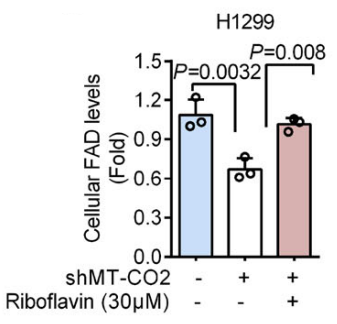
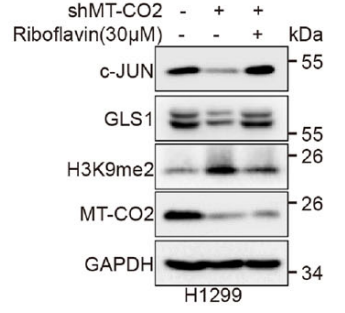
Mitochondrial-cytochrome c oxidase II promotes glutaminolysis to sustain tumor cell survival upon glucose deprivation. [Abstract]2025 Jan 2;16(1):212. PMID: 39747079
Riboflavin purchased from MedChemExpress. Usage Cited in: Nat Commun. 2025 Jan 2;16(1):212. [Abstract]
H1299 cells were treated with riboflavin (30 μM) for 48 h, followed by examining the cellular FAD levels.
Riboflavin purchased from MedChemExpress. Usage Cited in: Nat Commun. 2025 Jan 2;16(1):212. [Abstract]
H1299 cells were treated with riboflavin (30 μM) for 48 h, followed by examining western blot analyses. The samples derive from the same experiment but different gels for GLS1, H3K9me2, GAPDH, and another for c-JUN, MT-CO2 were processed in parallel.
-
-
Theranostics
2024 Jul 1;14(10):3984-3996. PMID: 38994020 -
-
Anal Chem
Ultrahigh Flow Regulated Discharge Coupling with Targeted Mass Spectrometry Analysis: Real Time Capturing Biomolecules in Exhaled Breath. [Abstract]2025 May 13;97(18):9827-9835. PMID: 40302637 -
-


Solvant et solubilité
In Vitro:
DMSO : 5.56 mg/mL (14.77 mM; ultrasonic and warming and heat to 60°C; Hygroscopic DMSO has a significant impact on the solubility of product, please use newly opened DMSO)
Please refer to the solubility information to select the appropriate solvent. Once prepared, please aliquot and store the solution to prevent product inactivation from repeated freeze-thaw cycles.
Storage method and period of stock solution: -80°C, 1 year; -20°C, 6 months (protect from light). When stored at -80°C, please use it within 1 year. When stored at -20°C, please use it within 6 months.
Please refer to the solubility information to select the appropriate solvent. Once prepared, please aliquot and store the solution to prevent product inactivation from repeated freeze-thaw cycles.
Storage method and period of stock solution: -80°C, 1 year; -20°C, 6 months (protect from light). When stored at -80°C, please use it within 1 year. When stored at -20°C, please use it within 6 months.
Concentration (start) × Volume (start) = Concentration (final) × Volume (final)
In Vivo:
Select the appropriate dissolution method based on your experimental animal and administration route.
- For the following dissolution methods, please ensure to first prepare a clear stock solution using an In Vitro approach and then sequentially add co-solvents:
- To ensure reliable experimental results, the clarified stock solution can be appropriately stored based on storage conditions. As for the working solution for In Vivo experiments, it is recommended to prepare freshly and use it on the same day.
- The percentages shown for the solvents indicate their volumetric ratio in the final prepared solution. If precipitation or phase separation occurs during preparation, heat and/or sonication can be used to aid dissolution.
Add each solvent one by one: 10% DMSO 40% PEG300 5% Tween-80 45% Saline
Solubility: ≥ 0.56 mg/mL (1.49 mM); Clear solution
This protocol yields a clear solution of ≥ 0.56 mg/mL (saturation unknown).
Taking 1 mL working solution as an example, add 100 μL DMSO stock solution (5.6 mg/mL) to 400 μL PEG300, and mix evenly; then add 50 μL Tween-80 and mix evenly; then add 450 μL Saline to adjust the volume to 1 mL.
Preparation of Saline: Dissolve 0.9 g sodium chloride in ddH₂O and dilute to 100 mL to obtain a clear Saline solution.
Add each solvent one by one: 10% DMSO 90% (20% SBE-β-CD in Saline)
Solubility: ≥ 0.56 mg/mL (1.49 mM); Clear solution
This protocol yields a clear solution of ≥ 0.56 mg/mL (saturation unknown).
Taking 1 mL working solution as an example, add 100 μL DMSO stock solution (5.6 mg/mL) to 900 μL 20% SBE-β-CD in Saline, and mix evenly.
Preparation of 20% SBE-β-CD in Saline (4°C, storage for one week): 2 g SBE-β-CD powder is dissolved in 10 mL Saline, completely dissolve until clear.
In Vivo Dissolution Calculator
Please enter the basic information of animal experiments:
-
-
-
-
Recommended: Prepare an additional quantity of animals to account for potential losses during experiments.
Please enter your animal formula composition:
-
%DMSO +
Recommended: Keep the proportion of DMSO in working solution below 2% if your animal is weak.
-
%+
-
+%Tween-80 + +
-
%Saline +
The co-solvents required include: DMSO, . All of co-solvents are available by MedChemExpress (MCE). , Tween 80. All of co-solvents are available by MedChemExpress (MCE).
Working solution concentration: 0.22 mg/mL
Method for preparing stock solution: mg drug dissolved in μL DMSO. Stock solution concentration: mg/mL. * In solvent : -80°C, 1 year; -20°C, 6 months (protect from light)
1. Take μL DMSO stock solution;
2. Add μL .
μL , mix evenly;
3. Then add μL Tween 80, mix evenly;
4. Then add μL
Please ensure that the stock solution in the first step is dissolved to a clear state, and add co-solvents in sequence. You can use ultrasonic heating (ultrasonic cleaner, recommended frequency 20-40 kHz), vortexing, etc. to assist dissolution.


Pureté et documentation
-
Fiche technique (286 KB)
-
SDS (397 KB)
- English - EN (397 KB)
- Français - FR (397 KB)
- Deutsch - DE (397 KB)
- Norwegian - NO (397 KB)
- Español - ES (397 KB)
- Swedish - SV (397 KB)
- Italian - IT (397 KB)
- Korean - KR (397 KB)
- Portuguese - PT (397 KB)
-
Instruction de manipulation (2659 KB)
Références
[1]. Thakur K, et al. Riboflavin and health: A review of recent human research. Crit Rev Food Sci Nutr. 2017 Nov 22;57(17):3650-3660. [Content Brief]
[2]. de Souza AC, et al. A promising action of riboflavin as a mediator of leukaemia cell death. Apoptosis. 2006 Oct;11(10):1761-71. [Content Brief]
[3]. Xin Z, et al. Riboflavin deficiency induces a significant change in proteomic profiles in HepG2 cells. Sci Rep. 2017 Apr 3;7:45861. [Content Brief]
[4]. Agte VV, et al. Effect of riboflavin supplementation on zinc and iron absorption and growth performance in mice. Biol Trace Elem Res. 1998 Nov;65(2):109-15. [Content Brief]
[5]. Granados-Soto V, et al. Riboflavin reduces hyperalgesia and inflammation but not tactile allodynia in the rat. Eur J Pharmacol. 2004 May 10;492(1):35-40. [Content Brief]
[6]. França DS, et al. B vitamins induce an antinociceptive effect in the acetic acid and formaldehyde models of nociception in mice. Eur J Pharmacol. 2001 Jun 15;421(3):157-64. [Content Brief]


Complete Stock Solution Preparation Table
Please refer to the solubility information to select the appropriate solvent. Once prepared, please aliquot and store the solution to prevent product inactivation from repeated freeze-thaw cycles.
Storage method and period of stock solution: -80°C, 1 year; -20°C, 6 months (protect from light). When stored at -80°C, please use it within 1 year. When stored at -20°C, please use it within 6 months.
| Optional Solvent | Concentration Solvent Mass | 1 mg | 5 mg | 10 mg | 25 mg |
|---|---|---|---|---|---|
| DMSO | 1 mM | 2.6570 mL | 13.2852 mL | 26.5703 mL | 66.4258 mL |
| 5 mM | 0.5314 mL | 2.6570 mL | 5.3141 mL | 13.2852 mL | |
| 10 mM | 0.2657 mL | 1.3285 mL | 2.6570 mL | 6.6426 mL |


Riboflavin Related Classifications
HY-B0456 Related Classifications
 Powered by Bioz