



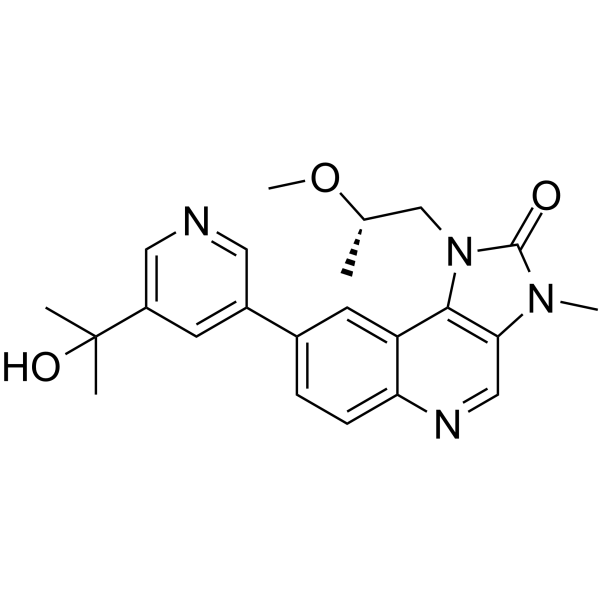
Samotolisib
Based on 8 publication(s) in Google Scholar
Samotolisib (LY3023414) potently and selectively inhibits class I PI3K isoforms, DNA-PK, and mTORC1/2 with IC50s of 6.07 nM, 77.6 nM, 38 nM, 23.8 nM, 4.24 nM and 165 nM for PI3Kα, PI3Kβ, PI3Kδ, PI3Kγ, DNA-PK and mTOR, respectively. Samotolisib potently inhibits mTORC1/2 at low nanomolar concentrations.
For research use only. We do not sell to patients.
- Purity : 98.85%
- CAS No.: 1386874-06-1
- Formula: C23H26N4O3
- Molecular Weight:406.48
-
Storage:Powder -20°C, 3 years , 4°C, 2 years ; In solvent -80°C, 2 years , -20°C, 1 year

To place orders, for customer services and technical support, please contact: MedChemExpress USA
Tel: 609-228-6898 E-mail: [email protected] [email protected]


-
 Biological Activity
-
Chemical Information
-
Solvent & Solubility
- Purity & Documentation
- References
-
 Help & FAQs


-
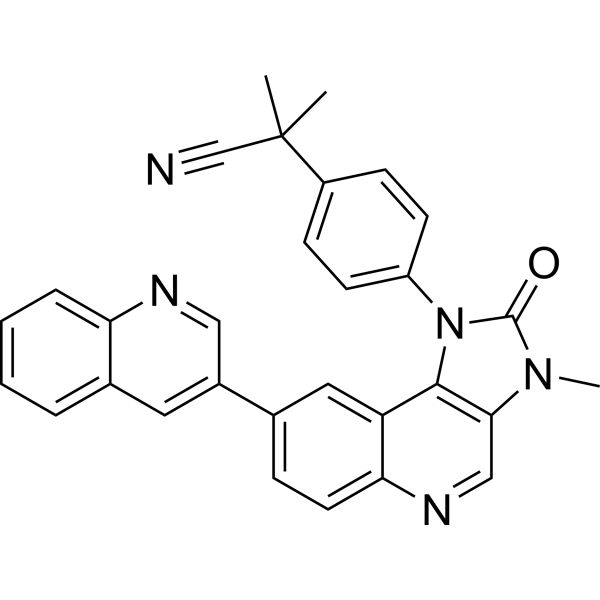
HY-50673
DactolisibPI3K/mTOR Inhibitor -
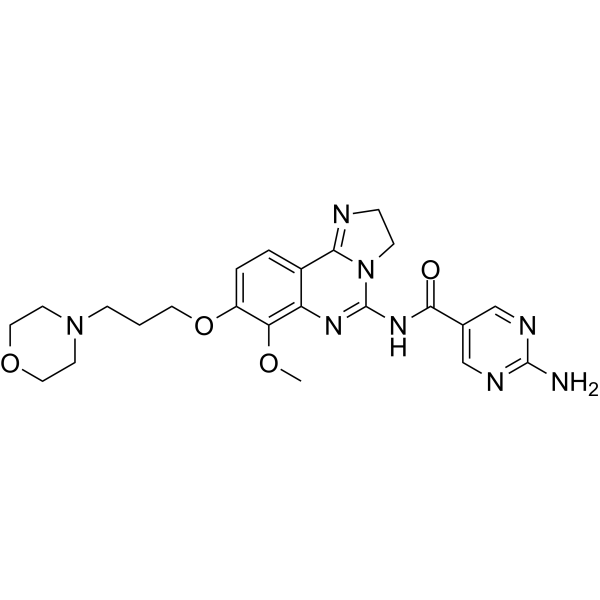
HY-15346
CopanlisibPI3K Inhibitor -
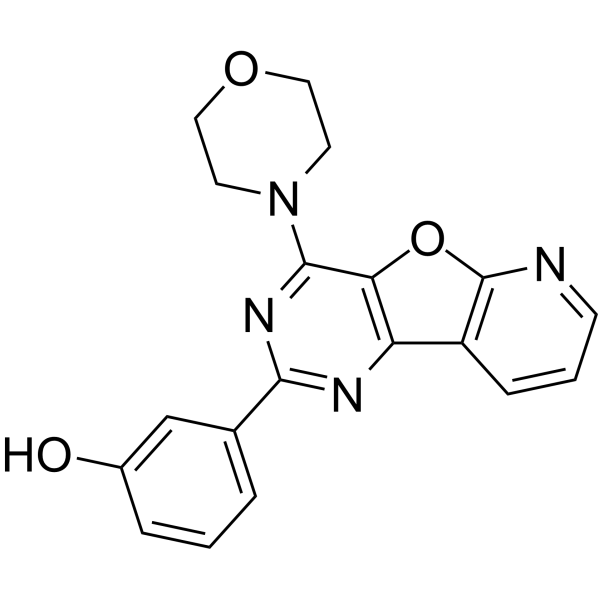
HY-10115
PI-103PI3K/mTOR Inhibitor -
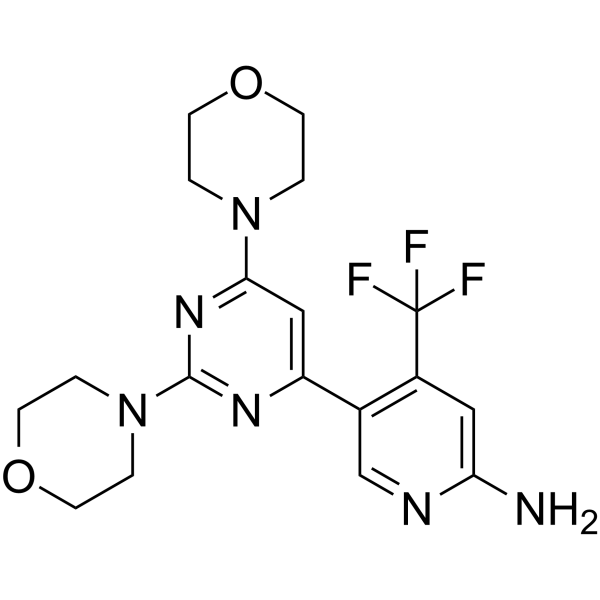
HY-70063
BuparlisibPI3K Inhibitor -
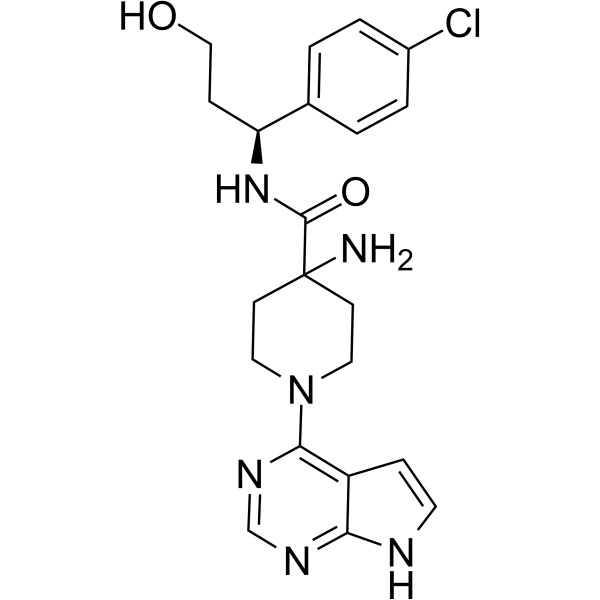
HY-15431
CapivasertibAkt Inhibitor -
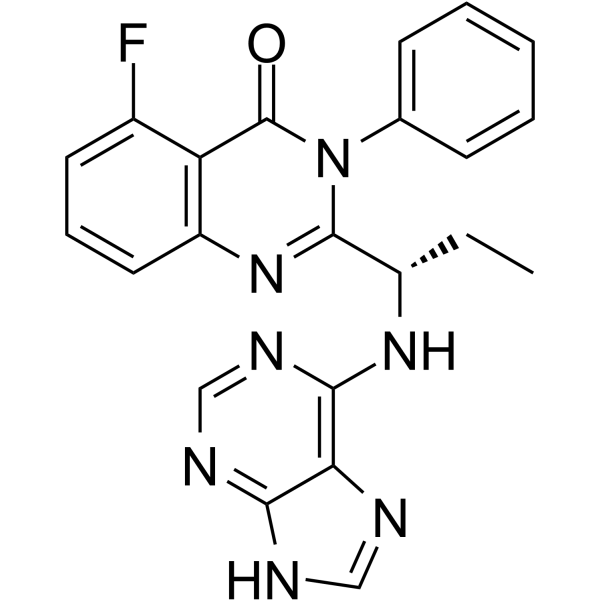
HY-13026
IdelalisibPI3Kδ Inhibitor -
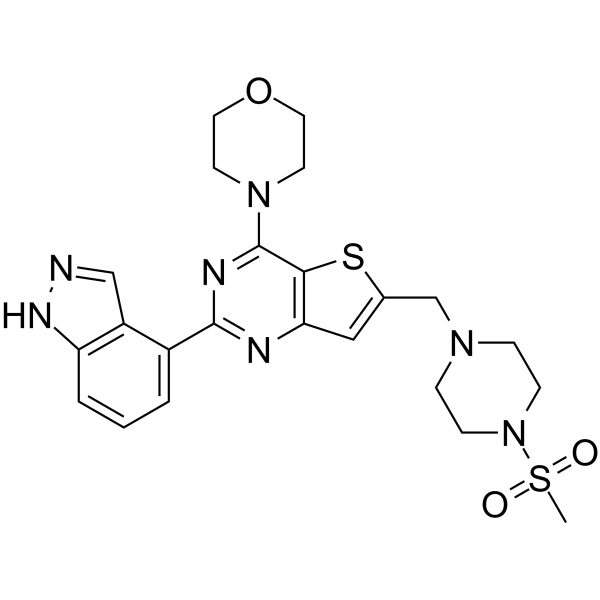
HY-50094
PictilisibPI3Kα/δ Inhibitor -
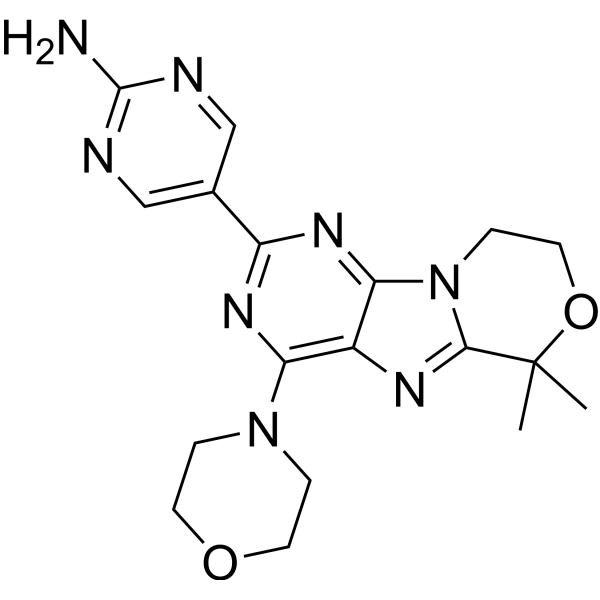
HY-19962
PaxalisibPI3K/mTOR Inhibitor -
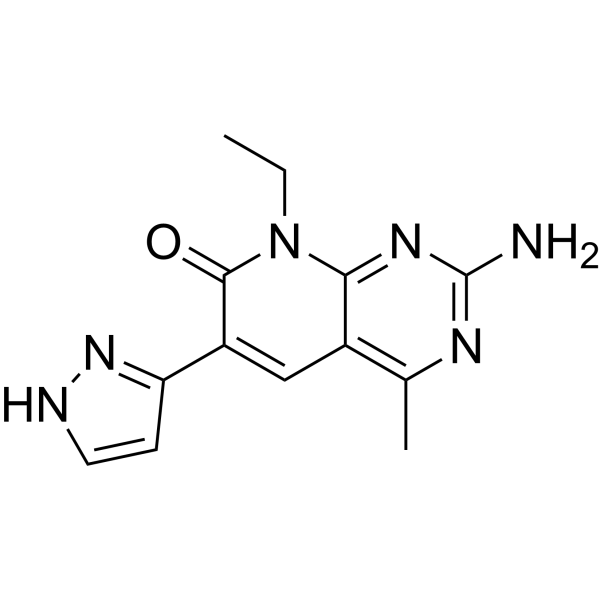
HY-15900
VoxtalisibPI3K Inhibitor -
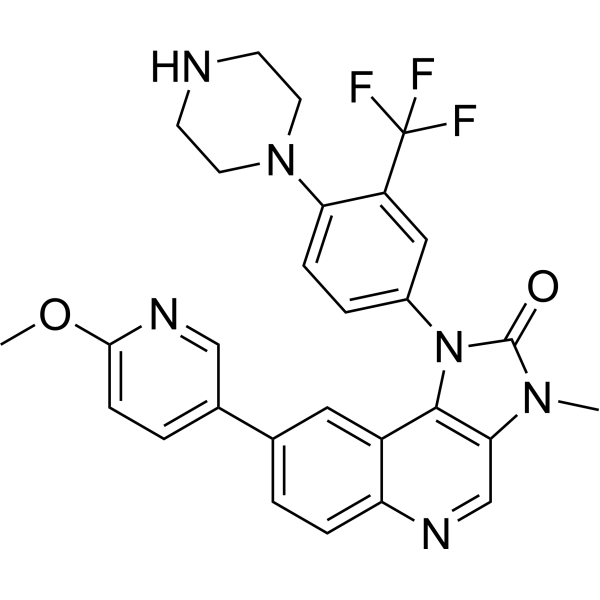
HY-13334A
BGT226Autophagy Inducer -
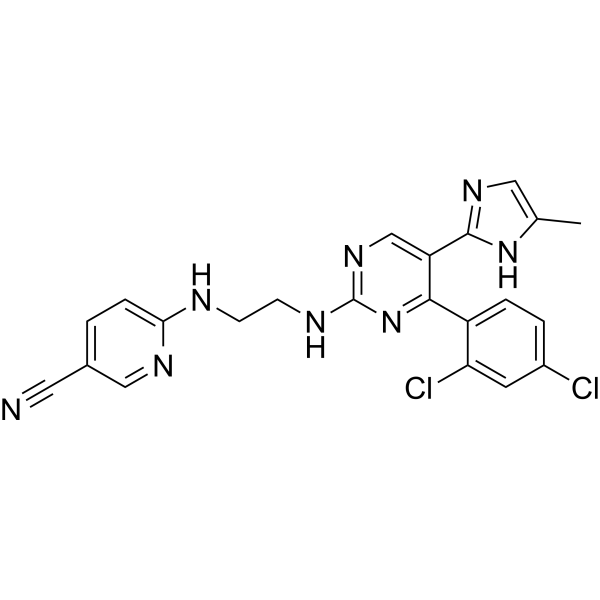
HY-10182
LaduviglusibGSK-3 Inhibitor -
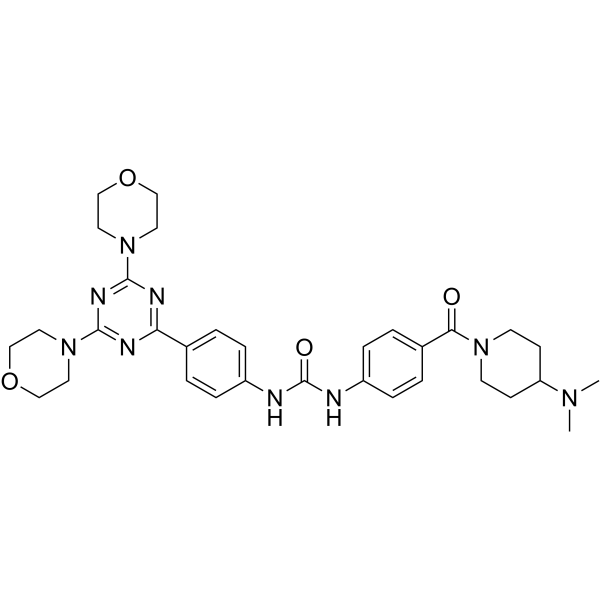
HY-10681
GedatolisibPI3K/mTOR Inhibitor
Publications Citing Use of MedChemExpress (MCE) Samotolisib
More- Oncogene. 2024 Sep;43(38):2885-2899. [Abstract]
- Front Pharmacol. 2020 Nov 11:11:580407. [Abstract]
- Gynecol Oncol. 2021 Sep;162(3):788-796. [Abstract]
- Toxicol Appl Pharmacol. 2024 May:486:116945. [Abstract]
- Arch Pharm (Weinheim). 2024 Sep;357(9):e2400066. [Abstract]
- PLoS One. 2025 Jun 17;20(6):e0324443. [Abstract]
- J Surg Res. 2023 Feb:282:137-146. [Abstract]
- J Cancer Sci Clin Ther. 2022;6(2):157-173. [Abstract]


Biological Activity
Description
IC50 & Target
[2]|
PI3Kα 6.07 nM (IC50) |
PI3Kγ 23.8 nM (IC50) |
PI3Kδ 38 nM (IC50) |
PI3Kβ 77.6 nM (IC50) |
DNA-PK 4.24 nM (IC50) |
mTOR 165 nM (IC50) |
mTORC1 |
mTORC2 |
In Vitro
In cell-based assays, Samotolisib (LY3023414) inhibition of PI3K and mTOR is assessed in the PTEN-deficient U87 MG glioblastoma cell line. Samotolisib inhibits the phosphorylation of Akt at position T308 downstream of PI3K at an IC50 of 106 nM. Similarly, Samotolisib inhibits phosphorylation of Akt at position S473 (IC50=94.2 nM) by mTORC2 as well as phosphorylation of mTORC1 kinase targets p70S6K (position T389; IC50=10.6 nM) and 4E-BP1 (positions T37/46; IC50=187 nM). The downstream phosphorylation of S6RP at positions pS240/244 (IC50=19.1 nM) by p70S6K is inhibited as well, indicating target inhibition along the entire PI3K/Akt/mTOR pathway by Samotolisib. Similar IC50 concentrations for PI3K and mTOR phosphorylation targets are observed in other cell lines with activated PI3K/Akt/mTOR pathways. The ability of Samotolisib to inhibit cancer cell proliferation is evaluated in 32 human cancer cell lines from different tumor types in culture after Samotolisib treatment for 2 to 3 cell doublings in dose–response studies. Samotolisib demonstrates potent single-agent activity and IC50 values below 122 nM in half of the cell lines tested[1].
MedChemExpress (MCE) has not independently confirmed the accuracy of these methods. They are for reference only.
In Vivo
MedChemExpress (MCE) has not independently confirmed the accuracy of these methods. They are for reference only.
Clinical Trial
| NCT Number | Sponsor | Condition | Start Date |
Phase

|
|---|---|---|---|---|
| NCT01329991 | Plexxikon| | 2011-05 | PHASE1 |


Chemical Information
-
CAS No. 1386874-06-1
-
Appearance Solid
-
Molecular Weight 406.48
-
Formula C23H26N4O3
-
Color Light yellow to yellow
-
SMILES
O=C(N1C[C@@H](OC)C)N(C)C2=C1C3=CC(C4=CC(C(C)(O)C)=CN=C4)=CC=C3N=C2
-
Synonyms
LY3023414
-
Shipping
Room temperature in continental US; may vary elsewhere.
-
Storage
Powder -20°C 3 years 4°C 2 years In solvent -80°C 2 years -20°C 1 year


Publications (8)
-
Journal Impact Factor
-
Most Recent
-
Oncogene
2024 Sep;43(38):2885-2899. PMID: 39154123 -
Front Pharmacol
CC-223, NSC781406, and BGT226 Exerts a Cytotoxic Effect Against Pancreatic Cancer Cells via mTOR Signaling. [Abstract]2020 Nov 11:11:580407. PMID: 33343350 -
Gynecol Oncol
Synergistic effects of a combined treatment of PI3K/mTOR dual inhibitor LY3023414 and carboplatin on human endometrial carcinoma. [Abstract]2021 Sep;162(3):788-796. PMID: 34183163 -
Toxicol Appl Pharmacol
In silico and in vitro assessment of drugs potentially causing adverse effects by inhibiting CYP17A1. [Abstract]2024 May:486:116945. PMID: 38688424 -
Arch Pharm (Weinheim)
Discovery of potent CSK inhibitors through integrated virtual screening and molecular dynamic simulation. [Abstract]2024 Sep;357(9):e2400066. PMID: 38809025 -
PLoS One
2025 Jun 17;20(6):e0324443. PMID: 40526635 -
J Surg Res
2023 Feb:282:137-146. PMID: 36274448 -
J Cancer Sci Clin Ther
Systemic Delivery of a Dual PI3K/mTOR Inhibitor More Effective than Topical Delivery in Preventing Anal Carcinogenesis in an HPV Transgenic Mouse Model. [Abstract]2022;6(2):157-173. PMID: 36683775


Solvent & Solubility
In Vitro:
DMSO : 50 mg/mL (123.01 mM; Need ultrasonic; Hygroscopic DMSO has a significant impact on the solubility of product, please use newly opened DMSO)
Please refer to the solubility information to select the appropriate solvent. Once prepared, please aliquot and store the solution to prevent product inactivation from repeated freeze-thaw cycles.
Storage method and period of stock solution: -80°C, 2 years; -20°C, 1 year. When stored at -80°C, please use it within 2 years. When stored at -20°C, please use it within 1 year.
Please refer to the solubility information to select the appropriate solvent. Once prepared, please aliquot and store the solution to prevent product inactivation from repeated freeze-thaw cycles.
Storage method and period of stock solution: -80°C, 2 years; -20°C, 1 year. When stored at -80°C, please use it within 2 years. When stored at -20°C, please use it within 1 year.
Concentration (start) × Volume (start) = Concentration (final) × Volume (final)
In Vivo:
Select the appropriate dissolution method based on your experimental animal and administration route.
- For the following dissolution methods, please ensure to first prepare a clear stock solution using an In Vitro approach and then sequentially add co-solvents:
- To ensure reliable experimental results, the clarified stock solution can be appropriately stored based on storage conditions. As for the working solution for In Vivo experiments, it is recommended to prepare freshly and use it on the same day.
- The percentages shown for the solvents indicate their volumetric ratio in the final prepared solution. If precipitation or phase separation occurs during preparation, heat and/or sonication can be used to aid dissolution.
Add each solvent one by one: 10% DMSO 40% PEG300 5% Tween-80 45% Saline
Solubility: ≥ 2.5 mg/mL (6.15 mM); Clear solution
This protocol yields a clear solution of ≥ 2.5 mg/mL (saturation unknown).
Taking 1 mL working solution as an example, add 100 μL DMSO stock solution (25.0 mg/mL) to 400 μL PEG300, and mix evenly; then add 50 μL Tween-80 and mix evenly; then add 450 μL Saline to adjust the volume to 1 mL.
Preparation of Saline: Dissolve 0.9 g sodium chloride in ddH₂O and dilute to 100 mL to obtain a clear Saline solution.
Add each solvent one by one: 10% DMSO 90% (20% SBE-β-CD in Saline)
Solubility: ≥ 2.5 mg/mL (6.15 mM); Clear solution
This protocol yields a clear solution of ≥ 2.5 mg/mL (saturation unknown).
Taking 1 mL working solution as an example, add 100 μL DMSO stock solution (25.0 mg/mL) to 900 μL 20% SBE-β-CD in Saline, and mix evenly.
Preparation of 20% SBE-β-CD in Saline (4°C, storage for one week): 2 g SBE-β-CD powder is dissolved in 10 mL Saline, completely dissolve until clear.
Add each solvent one by one: 1% DMSO 99% Saline
Solubility: ≥ 0.5 mg/mL (1.23 mM); Clear solution
In Vivo Dissolution Calculator
Please enter the basic information of animal experiments:
-
-
-
-
Recommended: Prepare an additional quantity of animals to account for potential losses during experiments.
Please enter your animal formula composition:
-
%DMSO +
Recommended: Keep the proportion of DMSO in working solution below 2% if your animal is weak.
-
%+
-
+%Tween-80 + +
-
%Saline +
The co-solvents required include: DMSO, . All of co-solvents are available by MedChemExpress (MCE). , Tween 80. All of co-solvents are available by MedChemExpress (MCE).
Working solution concentration: 0.22 mg/mL
Method for preparing stock solution: mg drug dissolved in μL DMSO. Stock solution concentration: mg/mL.
1. Take μL DMSO stock solution;
2. Add μL .
μL , mix evenly;
3. Then add μL Tween 80, mix evenly;
4. Then add μL
Please ensure that the stock solution in the first step is dissolved to a clear state, and add co-solvents in sequence. You can use ultrasonic heating (ultrasonic cleaner, recommended frequency 20-40 kHz), vortexing, etc. to assist dissolution.


Purity & Documentation
-
Data Sheet (282 KB)
-
SDS (393 KB)
- English - EN (393 KB)
- Français - FR (393 KB)
- Deutsch - DE (393 KB)
- Norwegian - NO (393 KB)
- Español - ES (393 KB)
- Swedish - SV (393 KB)
- Italian - IT (393 KB)
- Korean - KR (393 KB)
- Portuguese - PT (393 KB)
-
Handling Instructions (2659 KB)
References
[1]. Wei L, et al. Genomic profiling is predictive of response to CDDP treatment but not to PI3K inhibition in bladder cancer patient-derived xenografts. Oncotarget. 2016 Nov 22;7(47):76374-76389. [Content Brief]
[2]. Smith MC, et al. Characterization of LY3023414, a Novel PI3K/mTOR Dual Inhibitor Eliciting Transient Target Modulation to Impede Tumor Growth. Mol Cancer Ther. 2016 Oct;15(10):2344-2356 [Content Brief]


Complete Stock Solution Preparation Table
Please refer to the solubility information to select the appropriate solvent. Once prepared, please aliquot and store the solution to prevent product inactivation from repeated freeze-thaw cycles.
Storage method and period of stock solution: -80°C, 2 years; -20°C, 1 year. When stored at -80°C, please use it within 2 years. When stored at -20°C, please use it within 1 year.
| Optional Solvent | Concentration Solvent Mass | 1 mg | 5 mg | 10 mg | 25 mg |
|---|---|---|---|---|---|
| DMSO | 1 mM | 2.4601 mL | 12.3007 mL | 24.6015 mL | 61.5036 mL |
| 5 mM | 0.4920 mL | 2.4601 mL | 4.9203 mL | 12.3007 mL | |
| 10 mM | 0.2460 mL | 1.2301 mL | 2.4601 mL | 6.1504 mL | |
| 15 mM | 0.1640 mL | 0.8200 mL | 1.6401 mL | 4.1002 mL | |
| 20 mM | 0.1230 mL | 0.6150 mL | 1.2301 mL | 3.0752 mL | |
| 25 mM | 0.0984 mL | 0.4920 mL | 0.9841 mL | 2.4601 mL | |
| 30 mM | 0.0820 mL | 0.4100 mL | 0.8200 mL | 2.0501 mL | |
| 40 mM | 0.0615 mL | 0.3075 mL | 0.6150 mL | 1.5376 mL | |
| 50 mM | 0.0492 mL | 0.2460 mL | 0.4920 mL | 1.2301 mL | |
| 60 mM | 0.0410 mL | 0.2050 mL | 0.4100 mL | 1.0251 mL | |
| 80 mM | 0.0308 mL | 0.1538 mL | 0.3075 mL | 0.7688 mL | |
| 100 mM | 0.0246 mL | 0.1230 mL | 0.2460 mL | 0.6150 mL |


Samotolisib Related Classifications
HY-12513 Related Classifications
 Powered by Bioz