



D-Mannitol
Based on 18 publication(s) in Google Scholar
D-Mannitol (Mannitol) is an oral, resistant sugar widely used in the food and pharmaceutical industries to promote the absorption and retention of calcium and magnesium through cecal fermentation, while acting as a osmotic diuretic to reduce tissue edema. D-Mannitol can enhance brown fat formation, improve insulin effect, reduce blood sugar levels, And through the start the β3-adrenergic receptor (β3-AR), PGC1α and PKA induced by means of white fat cells into brown fat cells. D-Mannitol is commonly used to maintain osmotic pressure between the plant cytoplasm and the culture medium and protect cells when the cell wall is weakened or even removed.
For research use only. We do not sell to patients.
- Purity : 99.93%
- CAS No.: 69-65-8
- Formula: C6H14O6
- Molecular Weight:182.17
-
Storage:Powder -20°C, 3 years , 4°C, 2 years ; In solvent -80°C, 2 years , -20°C, 1 year

To place orders, for customer services and technical support, please contact: MedChemExpress USA
Tel: 609-228-6898 E-mail: [email protected] [email protected]


-
 Biological Activity
-
Chemical Information
-
Solvent & Solubility
- Protocols
- Purity & Documentation
- References
-
 Help & FAQs


-
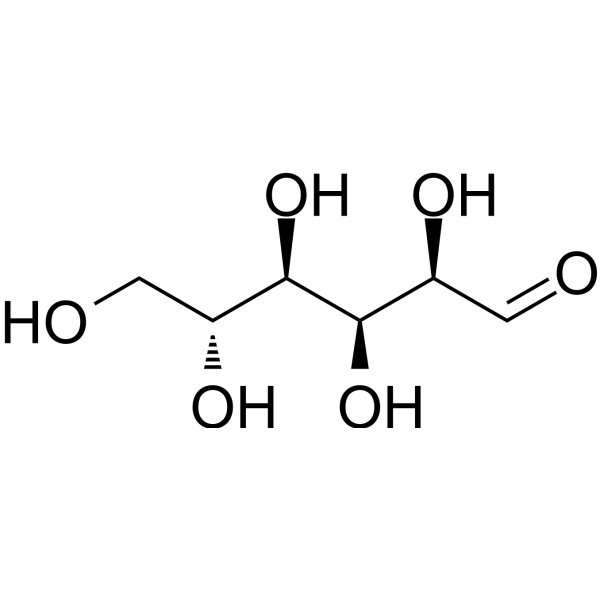
HY-B0389
D-GlucoseMonosaccharide -
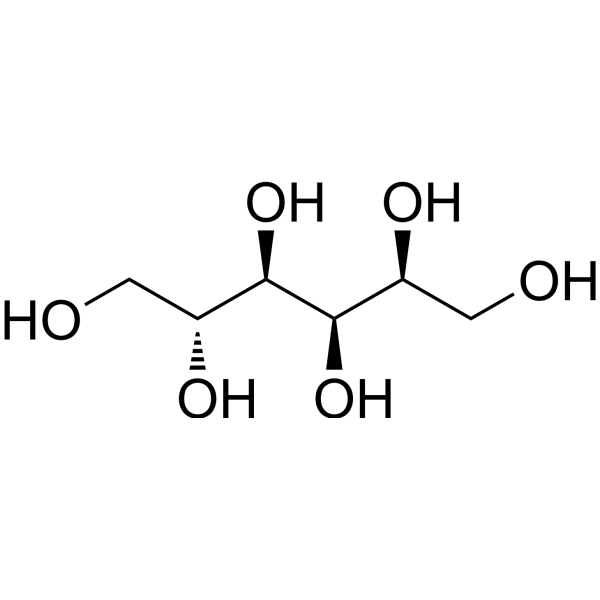
HY-B0400
D-SorbitolSugar Alcohol -
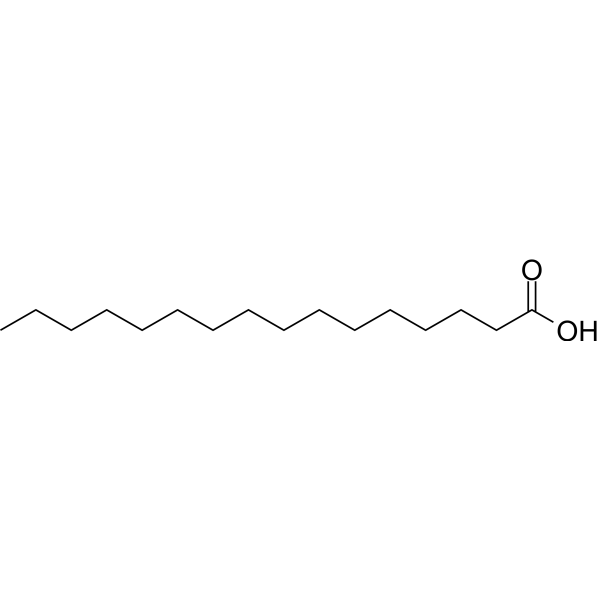
HY-N0830
Palmitic acidEndogenous Metabolite -
HY-D0861
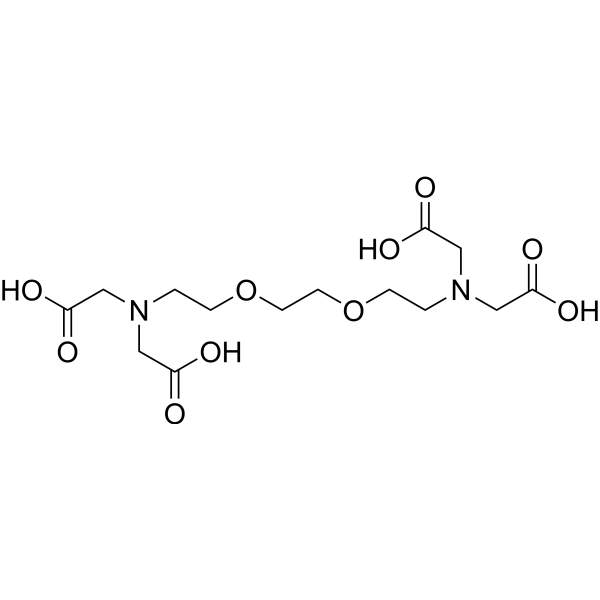
EGTACalcium Ion Chelator -
HY-N0378R
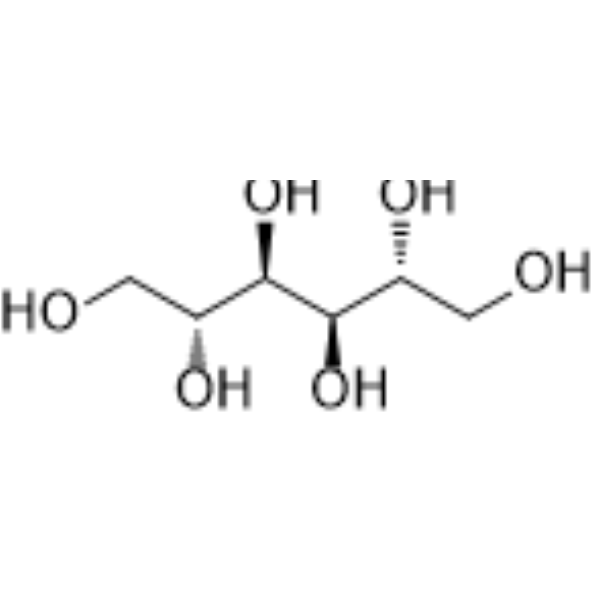
D-Mannitol (Standard)Resistant Sugar/Osmotic Diuretics -
HY-Y0320
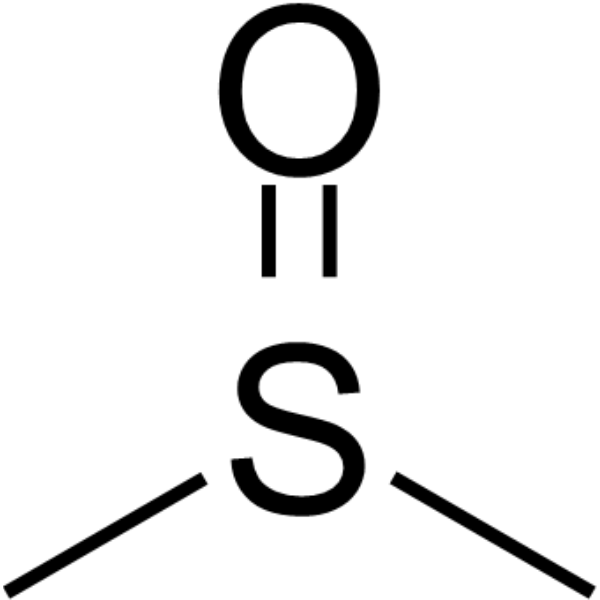
Dimethyl sulfoxide, meets analytical specification of Ch.P.Aprotic Solvent -
HY-B1411
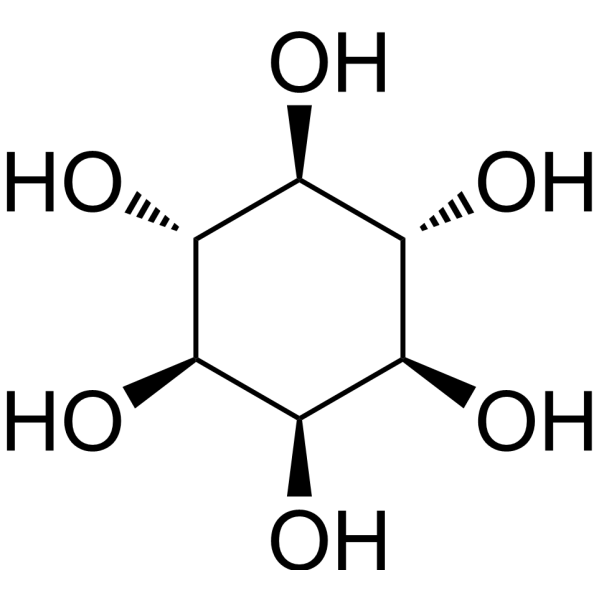
i-InositolEndogenous Metabolite -
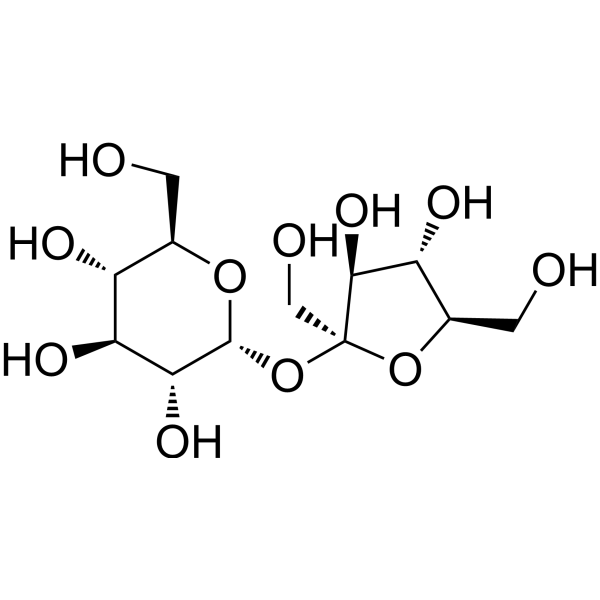
HY-B1779
SucroseDisaccharide -
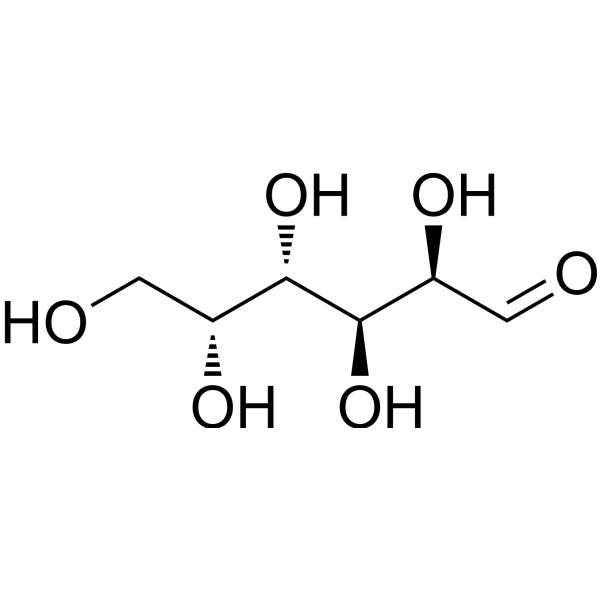
HY-N0210
D-GalactoseEndogenous Metabolite -
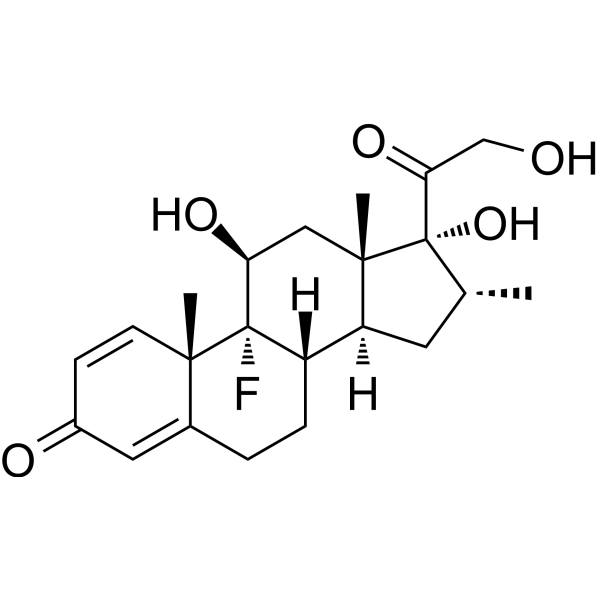
HY-14648
DexamethasoneGR Agonist -
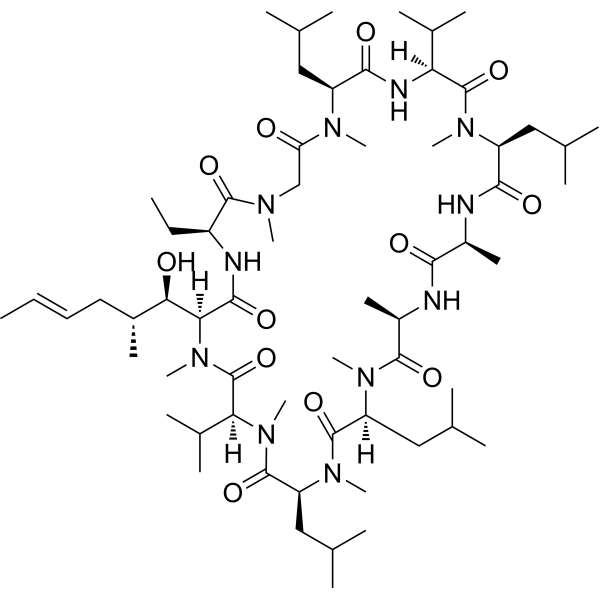
HY-B0579
Cyclosporin ACalcineurin Inhibitor -
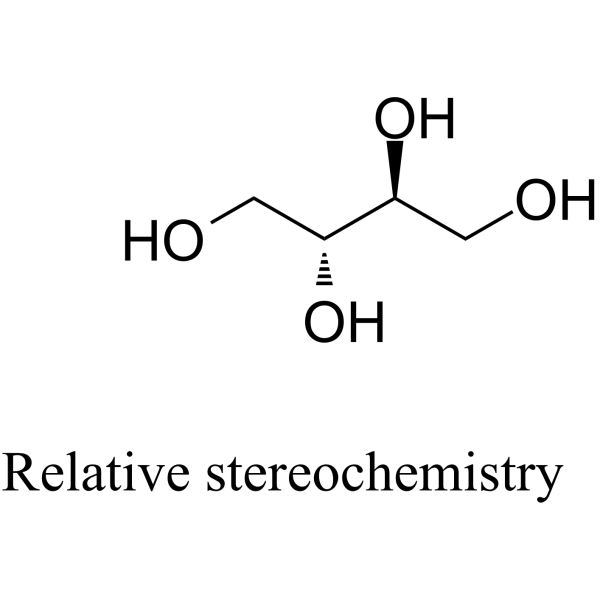
HY-100551
meso-ErythritolSweetener Agent
Publications Citing Use of MedChemExpress (MCE) D-Mannitol
More- Nature. 2025 Jul;643(8070):192-200. [Abstract]
- Autophagy. 2025 Oct 25. [Abstract]
- Nat Commun. 2026 Jun 9;17(1):5072. [Abstract]
- Biomater Res. 2025 Nov 7:29:0280. [Abstract]
- Cell Rep. 2025 Feb 19;44(3):115339. [Abstract]
- Microchem J. 2024 Jun, 201, 110666.
- Toxics. 2026 Aug 14;14(8):724.
- Toxics. 2024 Aug 19;12(8):607. [Abstract]
- Mediators Inflamm. 2024 May 2:2024:7524314. [Abstract]
- Cell Signal. 2026 Dec:148:112784.
- Exp Biol Med. 2019 Oct;244(14):1193-1201. [Abstract]
- Neural Plast. 2015:2015:197392. [Abstract]
- Electron J Biotechnol. 2026 Jun 12.
- Dev Neurobiol. 2025 Oct;85(4):e22997. [Abstract]
- Nephrology (Carlton). 2024 Mar;29(3):154-163. [Abstract]
- Biocell. 2025 Sep 25;49(9):1711-1731.
- Res Sq. 2026 Aug 3.
- Research Square Print. November 29th, 2022.
 Customer Validation & Images

-
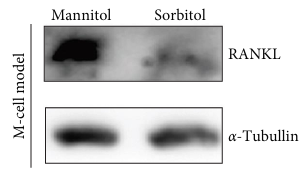
WB
-
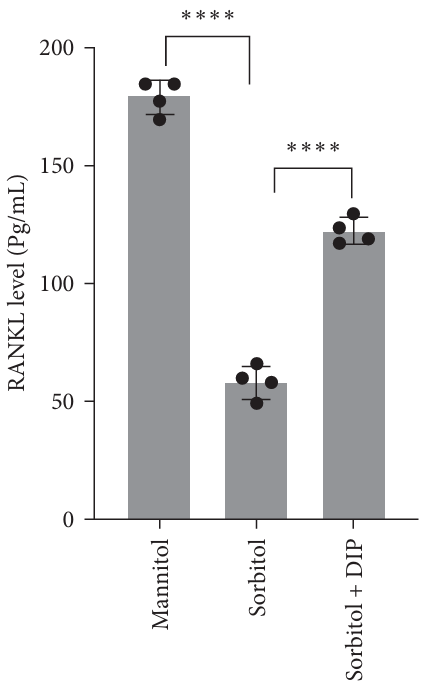
ELISA
-
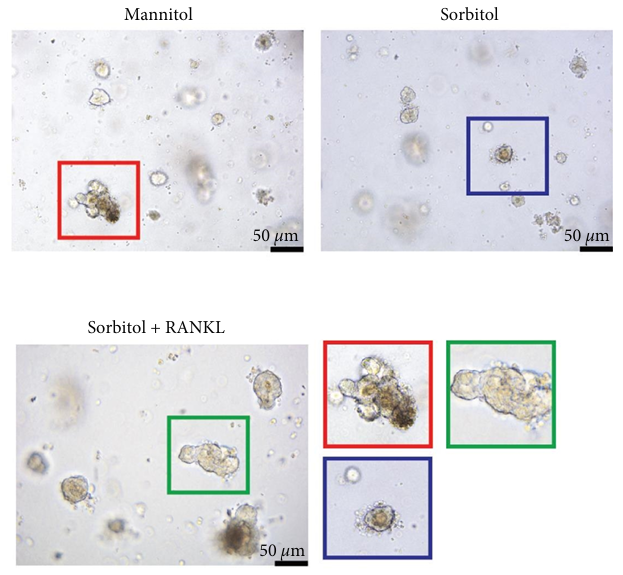
2D/3D Cell Culture and Differentiation
-
Bio/Physico-chemical Assay
-
IF
All Adrenergic Receptor Isoforms
MoreAll Endogenous Metabolite Isoforms
More

Biological Activity
Description
IC50 & Target
|
Microbial Metabolite |
Beta-3 adrenergic receptor |
In Vitro
D-Mannitol (10 μM) can increase the number of mitochondria and promote the expression of brown fat related genes in differentiated 3T3-L1 cell models[7].
D-Mannitol (10 μM; 7 days) in 3T3-L1 adipocyte cells has the effect of stimulating brown fat formation, enhancing insulin effect, reducing blood sugar levels, and promoting fat oxidation and the conversion of white fat to beige fat[7].
D-Mannitol (10 μM; 7 days) induce Browning of white adipocytes by activating β3-adrenergic receptors (β3-AR), PGC1α and PKA[7].
MedChemExpress (MCE) has not independently confirmed the accuracy of these methods. They are for reference only.
-
Cell Line:3T3-L1 Adipocytes
-
Concentration:10 μM
-
Incubation Time:7 days
-
Result:Increased expression of PGC1α, a key transcriptional coactivator of UCP1, also increased expression of UCP1 and PPARγ proteins, which helped to enhance the effects of insulin and lower blood sugar levels.
Triggered the expression of the FGF21 gene, which is associated with thermogenic programming.
Activation of AMPK and phosphorylation of ACC and HMGCR promoted β-oxidation, and eliminated UCP1 and ACC expression when AMPK was blocked.
-
Cell Line:3T3-L1 Adipocytes
-
Concentration:10 μM
-
Incubation Time:
-
Result:Increased the expression of brown fat associated genes such as PPARγ coactivator 1α (PGC1α), PR domain 16 (PRDM16), and UCP1.
Increased the expression of genes related to energy expenditure and heat production.
In Vivo
D-Mannitol (0.5, 2.5, 1.5 g/kg; Intravenous injection (i.v.), 4-hour intervals, 24 h) in the rat model of ischemic cortex infarction repeatedly infusion, can lead to infarction area and the percentage of H2O ipsilateral hemisphere reduce and decreased tissue pressure[6].
D-Mannitol (250, 500 mg/kg; Oral gavage (p.o.); 3 weeks) increases energy expenditure through lipid beta-oxidation in a mouse model, thereby contributing to the Browning of iWAT in vivo[7].
MedChemExpress (MCE) has not independently confirmed the accuracy of these methods. They are for reference only.
-
Animal Model:4-wk-old growing male Wistar rats[4]
-
Dosage:20-80 g/kg
-
Administration:Oral gavage (p.o.), 28 days
-
Result:Improved absorption and retention of calcium (Ca) and magnesium (Mg).
-
Animal Model:9-wk-old growing male Wistar rats[4]
-
Dosage:40 g/kg, 80 g/kg
-
Administration:Oral gavage (p.o.), 7 days
-
Result:Increased cecal weight and tissue weight, and reduced pH.
-
Animal Model:Adult cats[5]
-
Dosage:0.33 gm/kg
-
Administration:Intraperitoneal injection (i.p.), 4-hour intervals, single dose or five doses
-
Result:After multiple injections, the osmotic concentration gradient between vasogenic cerebral edema and plasma was reversed, which was associated with the worsening of vasogenic cerebral edema.
-
Animal Model:Ischemic cortex infarction model in rats[6]
-
Dosage:0.5, 2.5, 1.5 g/kg
-
Administration:Intravenous injection (i.v.), 4-hour intervals, 24h
-
Result:Repeated infusion results in a dose-dependent increase in plasma osmotic pressure and a dose-dependent decrease in the percentage of water in the ischemic cerebral tissue of the arterial cortex and ipsilateral hemisphere.
Significantly reduced organizational stress.
-
Animal Model:Mouse Model[7]
-
Dosage:250 mg/kg, 500 mg/kg
-
Administration:Oral gavage (p.o.), 3 weeks
-
Result:Caused a significant decrease in the average body weight of the mice.
Increased the conversion of white adipose tissue to brown tissue.
Led to a significant increase in the expression of genes regulating mitochondrial heat production and lipid oxidation, such as Cidea, CPT1, UCP1, and PGC1α.
Clinical Trial
| NCT Number | Sponsor | Condition | Start Date |
Phase

|
|---|---|---|---|---|
| NCT01329991 | 2011-05 | PHASE1 |


Chemical Information
-
CAS No. 69-65-8
-
Appearance Solid
-
Molecular Weight 182.17
-
Formula C6H14O6
-
Color White to off-white
-
SMILES
OC[C@H]([C@H]([C@@H]([C@@H](CO)O)O)O)O
-
Synonyms
Mannitol; Mannite
-
Structure Classification
-
Initial Source
-
Shipping
Room temperature in continental US; may vary elsewhere.
-
Storage
Powder -20°C 3 years 4°C 2 years In solvent -80°C 2 years -20°C 1 year


Publications (18)
-
Journal Impact Factor
-
Most Recent
-
Nature
2025 Jul;643(8070):192-200. PMID: 39695227 -
Autophagy
XIAP-ULK1-Mediated mitophagy modulates carnitine metabolism to mitigate diabetic kidney disease. [Abstract]2025 Oct 25. PMID: 41139215 -
Nat Commun
CLPX acquires an iron-sulfur cluster to sustain mitochondrial proteostasis in cancer cells. [Abstract]2026 Jun 9;17(1):5072. PMID: 42265110 -
Biomater Res
Distinct Roles of Matrigel Enabled the Production of Expandable Hepatoblast and Polarized Hepatocyte Organoids from Human Embryonic Stem Cells under 3-Dimensional Suspension Conditions. [Abstract]2025 Nov 7:29:0280. PMID: 41209312 -
Cell Rep
HSPA8 dampens SCAP/INSIG split and SREBP activation by reducing PKR-mediated INSIG phosphorylation. [Abstract]2025 Feb 19;44(3):115339. PMID: 39977267 -
-
-
Toxics
Evaluation of THP-1 and Jurkat Cell Lines Coculture for the In Vitro Assessment of the Effects of Immunosuppressive Substances. [Abstract]2024 Aug 19;12(8):607. PMID: 39195709 -
Mediators Inflamm
Sorbitol Destroyed Intestinal Microfold Cells (M Cells) Development through Inhibition of PDE4-Mediated RANKL Expression. [Abstract]2024 May 2:2024:7524314. PMID: 38725539
D-Mannitol purchased from MedChemExpress. Usage Cited in: Mediators Inflamm. 2024 May 2:2024:7524314. [Abstract]
D-Mannitol (100 mM; 24 h). After establishing M-cell model, the total protein was extracted from M-cell model treated with mannitol for 24 hr, western blotting was used to detect RANKL.
D-Mannitol purchased from MedChemExpress. Usage Cited in: Mediators Inflamm. 2024 May 2:2024:7524314. [Abstract]
D-Mannitol (100 mM; 24 h). After establishing M-cell model, the total protein was extracted from M-cell model treated with mannitol for 24 hr, the concentration of RANKL level in supernatant was measured in indicated group through ELISA assay.
D-Mannitol purchased from MedChemExpress. Usage Cited in: Mediators Inflamm. 2024 May 2:2024:7524314. [Abstract]
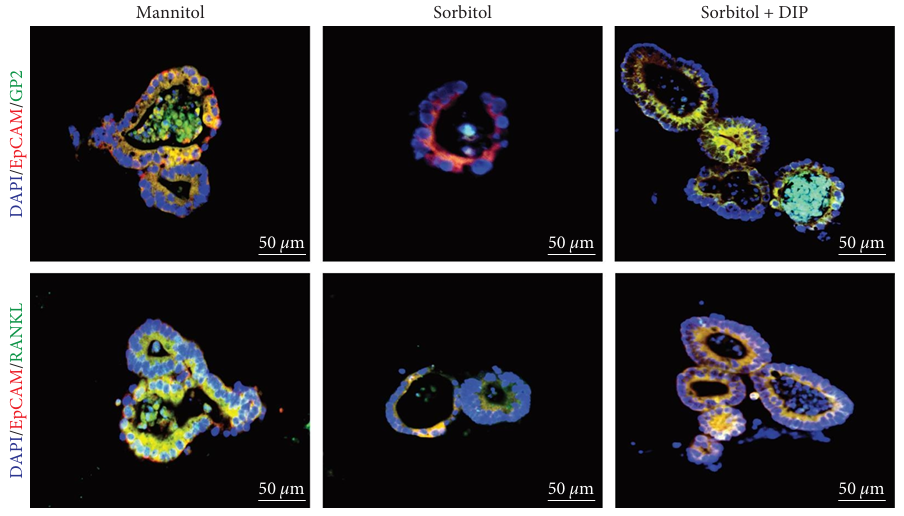
D-Mannitol (100 mM; 7 days). Intestinal organoids culture was performed to visualize the effect of PDE4 inhibition by DIP on sorbitol-mediated M-cell development.
D-Mannitol purchased from MedChemExpress. Usage Cited in: Mediators Inflamm. 2024 May 2:2024:7524314. [Abstract]
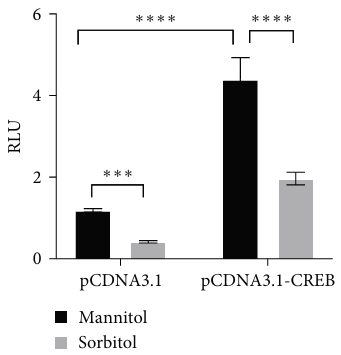
D-Mannitol (100 mM; 24 h). Reporter gene containing RANKL promoter was transfected into CaCO2 cells combined with pGL4.74 plasmid for 24 hr, CaCO2 cell was treated with mannitol and sorbitol for further 24 hr, the relative luciferase unit was detected using dual-luciferase reporter assay system.
D-Mannitol purchased from MedChemExpress. Usage Cited in: Mediators Inflamm. 2024 May 2:2024:7524314. [Abstract]
D-Mannitol (100 mM; 24 h). IF was used to detect M cells mature marker GP2 expression and RANKL expression in the indicated group.
-
-
Exp Biol Med
Glucagon-like peptide-1 receptor pathway inhibits extracellular matrix production by mesangial cells through store-operated Ca2+ channel. [Abstract]2019 Oct;244(14):1193-1201. PMID: 31510798 -
Neural Plast
Inhibition of Hyperpolarization-Activated Cation Current in Medium-Sized DRG Neurons Contributed to the Antiallodynic Effect of Methylcobalamin in the Rat of a Chronic Compression of the DRG. [Abstract]2015:2015:197392. PMID: 26101670 -
-
Dev Neurobiol
Dectin-1 Drives Diabetic Retinopathy via Inducing Microglia-Mediated Inflammation and Blood-Retinal Barrier Breakdown. [Abstract]2025 Oct;85(4):e22997. PMID: 40790981 -
Nephrology (Carlton)
Alisol A inhibits the circ_0001831/miR-346/LIN28B pathway to ameliorate high glucose-induced injury of human renal mesangial cells. [Abstract]2024 Mar;29(3):154-163. PMID: 38013222 -
-
-


Solvent & Solubility
In Vitro:
H2O : ≥ 36 mg/mL (197.62 mM)
* "≥" means soluble, but saturation unknown.
Please refer to the solubility information to select the appropriate solvent. Once prepared, please aliquot and store the solution to prevent product inactivation from repeated freeze-thaw cycles.
Storage method and period of stock solution: -80°C, 2 years; -20°C, 1 year. When stored at -80°C, please use it within 2 years. When stored at -20°C, please use it within 1 year.
* Note: If you choose water as the stock solution, please dilute it to the working solution, then filter and sterilize it with a 0.22 μm filter before use.
Please refer to the solubility information to select the appropriate solvent. Once prepared, please aliquot and store the solution to prevent product inactivation from repeated freeze-thaw cycles.
Storage method and period of stock solution: -80°C, 2 years; -20°C, 1 year. When stored at -80°C, please use it within 2 years. When stored at -20°C, please use it within 1 year.
* Note: If you choose water as the stock solution, please dilute it to the working solution, then filter and sterilize it with a 0.22 μm filter before use.
Concentration (start) × Volume (start) = Concentration (final) × Volume (final)
In Vivo:
For the following dissolution methods, please prepare the working solution directly:
It is recommended to prepare fresh solutions and use them promptly within a short period of time.
The percentages shown for the solvents indicate their volumetric ratio in the final prepared solution. If precipitation or phase separation occurs during preparation, heat and/or sonication can be used to aid dissolution.
Add each solvent one by one: PBS
Solubility: 100 mg/mL (548.94 mM); Clear solution; Need ultrasonic


Purity & Documentation
-
Data Sheet (284 KB)
-
SDS (393 KB)
- English - EN (393 KB)
- Français - FR (393 KB)
- Deutsch - DE (393 KB)
- Norwegian - NO (393 KB)
- Español - ES (393 KB)
- Swedish - SV (393 KB)
- Italian - IT (393 KB)
- Korean - KR (393 KB)
- Portuguese - PT (393 KB)
-
Handling Instructions (2659 KB)
References
[1]. Tan, K., et al., The mannitol operon repressor MtlR belongs to a new class of transcription regulators in bacteria. J Biol Chem, 2009. 284(52): p. 36670-9. [Content Brief]
[2]. Nishiyama, A., et al., Mannitol lowers fat digestibility and body fat accumulation in both normal and cecectomized rats. J Nutr Sci Vitaminol (Tokyo), 2009. 55(3): p. 242-51. [Content Brief]
[3]. Hanieh, H. and E. Sakaguchi, Effect of D-mannitol on feed digestion and cecotrophic system in rabbits. Anim Sci J, 2009. 80(2): p. 157-62. [Content Brief]
[4]. Xiao J, et al. Sakaguchi E. Mannitol improves absorption and retention of calcium and magnesium in growing rats. Nutrition. 2013;29(1):325-331. [Content Brief]
[5]. Kaufmann AM, et al. Aggravation of vasogenic cerebral edema by multiple-dose mannitol. J Neurosurg. 1992;77(4):584-589. [Content Brief]
[6]. Paczynski RP, et al. Multiple-dose mannitol reduces brain water content in a rat model of cortical infarction. Stroke. 1997;28(7):1437-1444. [Content Brief]
[7]. Jeon HJ, et al. D-Mannitol Induces a Brown Fat-like Phenotype via a β3-Adrenergic Receptor-Dependent Mechanism. Cells. 2021;10(4):768. Published 2021 Mar 31. [Content Brief]


Complete Stock Solution Preparation Table
Please refer to the solubility information to select the appropriate solvent. Once prepared, please aliquot and store the solution to prevent product inactivation from repeated freeze-thaw cycles.
Storage method and period of stock solution: -80°C, 2 years; -20°C, 1 year. When stored at -80°C, please use it within 2 years. When stored at -20°C, please use it within 1 year.
| Optional Solvent | Concentration Solvent Mass | 1 mg | 5 mg | 10 mg | 25 mg |
|---|---|---|---|---|---|
| H2O | 1 mM | 5.4894 mL | 27.4469 mL | 54.8938 mL | 137.2345 mL |
| 5 mM | 1.0979 mL | 5.4894 mL | 10.9788 mL | 27.4469 mL | |
| 10 mM | 0.5489 mL | 2.7447 mL | 5.4894 mL | 13.7234 mL | |
| 15 mM | 0.3660 mL | 1.8298 mL | 3.6596 mL | 9.1490 mL | |
| 20 mM | 0.2745 mL | 1.3723 mL | 2.7447 mL | 6.8617 mL | |
| 25 mM | 0.2196 mL | 1.0979 mL | 2.1958 mL | 5.4894 mL | |
| 30 mM | 0.1830 mL | 0.9149 mL | 1.8298 mL | 4.5745 mL | |
| 40 mM | 0.1372 mL | 0.6862 mL | 1.3723 mL | 3.4309 mL | |
| 50 mM | 0.1098 mL | 0.5489 mL | 1.0979 mL | 2.7447 mL | |
| 60 mM | 0.0915 mL | 0.4574 mL | 0.9149 mL | 2.2872 mL | |
| 80 mM | 0.0686 mL | 0.3431 mL | 0.6862 mL | 1.7154 mL | |
| 100 mM | 0.0549 mL | 0.2745 mL | 0.5489 mL | 1.3723 mL |
* Note: If you choose water as the stock solution, please dilute it to the working solution, then filter and sterilize it with a 0.22 μm filter before use.


D-Mannitol Related Classifications
HY-N0378 Related Classifications
 Powered by Bioz