



α adrenergic receptor
α-adrenergic receptors are seven-transmembrane G protein-coupled receptors activated by norepinephrine and epinephrine, and they divide into α1 and α2 receptor families[1]. Mechanistically, α1A, α1B, and α1D receptors mediate contractile responses through Gq/11, inositol phosphate turnover, phospholipase C activation, Ca2+ release, and protein kinase C signaling[1][2]. These pathways support smooth muscle contraction, vascular tone regulation, prostate and bladder-neck contraction, and context-dependent MAPK activation[2][3]. Compared with α2A, α2B, and α2C receptors, which are linked to adenylate cyclase inhibition and prejunctional control, α1 receptors emphasize stimulatory contractile and growth-related signaling[1]. Isoform distinction is experimentally important because human epicardial coronary arteries predominantly express functional α1D, whereas prostate biology and benign prostatic hyperplasia research emphasize α1A/α1L signaling[4][5]. In disease models, epinephrine-Adra1 signaling promoted tau hyperphosphorylation and aggregation, while an Adra1 antagonist inhibited these tauopathy-associated changes[6]. For experimental applications, subtype-selective antagonists, receptor knockout models, and agonist-stimulation systems help define receptor-specific signaling, tissue selectivity, and disease-relevant mechanisms[2][5][6].
References:
- [1]. Docherty JR. Subtypes of functional alpha1- and alpha2-adrenoceptors. Eur J Pharmacol. 1998 Nov 13;361(1):1-15. doi: 10.1016/s0014-2999(98)00682-7. PMID: 9851536. et al. Subtypes of functional alpha1- and alpha2-adrenoceptors. Eur J Pharmacol. 1998 Nov 13;361(1):1-15. [Content Brief]
- [2]. Zhong H, et al. Alpha1-adrenoceptor subtypes. Eur J Pharmacol. 1999 Jun 30;375(1-3):261-76. [Content Brief]
- [3]. Docherty JR. Subtypes of functional alpha1-adrenoceptor. Cell Mol Life Sci. 2010 Feb;67(3):405-17. doi: 10.1007/s00018-009-0174-4. Epub 2009 Oct 28. PMID: 19862476; PMCID: PMC11115521. et al. Subtypes of functional alpha1-adrenoceptor. Cell Mol Life Sci. 2010 Feb;67(3):405-17. [Content Brief]
- [4]. Jensen BC, et al. The alpha-1D Is the predominant alpha-1-adrenergic receptor subtype in human epicardial coronary arteries. J Am Coll Cardiol. 2009 Sep 22;54(13):1137-45. [Content Brief]
- [5]. Forray C, et al. Subtype selective alpha1-adrenoceptor antagonists for the treatment of benign prostatic hyperplasia. Expert Opin Investig Drugs. 1999 Dec;8(12):2073-2094. [Content Brief]
- [6]. Jati S, et al. Chromogranin A deficiency attenuates tauopathy by altering epinephrine-alpha-adrenergic receptor signaling in PS19 mice. Nat Commun. 2025 May 20;16(1):4703. [Content Brief]
All Product Categories
-
α adrenergic receptor Inhibitors
(37)
View all products
-
α adrenergic receptor Agonists
(64)
View all products
-
α adrenergic receptor Antagonists
(117)
View all products
-
α adrenergic receptor Activator
(1)
View all products
-
α adrenergic receptor Modulators
(7)
View all products
-
α adrenergic receptor Ligands
(6)
View all products
-
α adrenergic receptor Related Products (247)
Related Products (247)

-
Norepinephrine
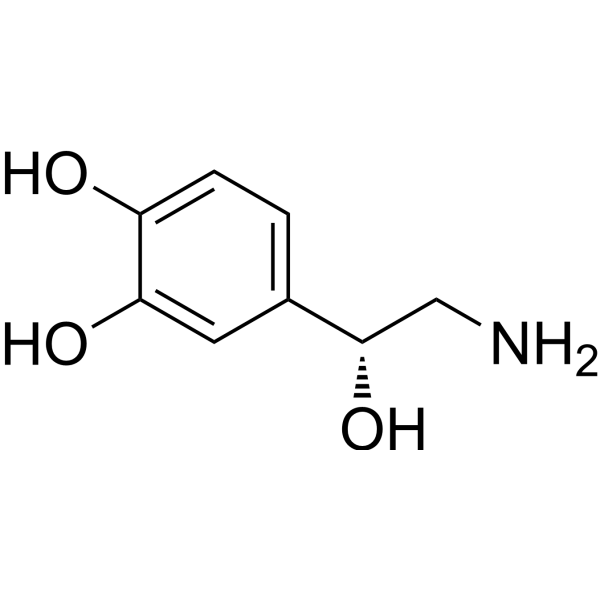 0 ImagesNorepinephrine (Levarterenol; L-Noradrenaline) is a potent adrenergic receptor (AR) agonist. Norepinephrine activates α1, α2, β1 receptors.
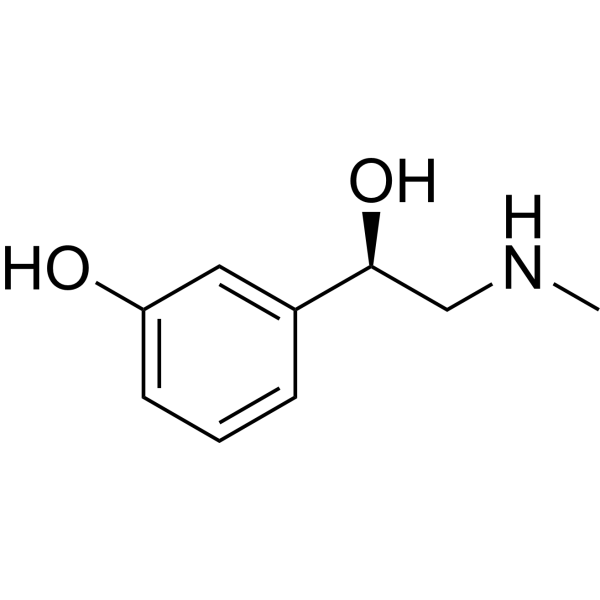
-
Norepinephrine hydrochloride
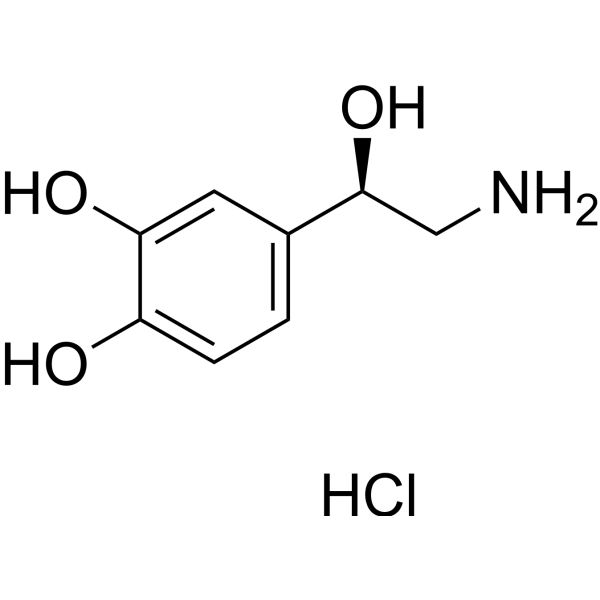 0 ImagesSynonyms: Levarterenol hydrochloride; L-Noradrenaline hydrochlorideNorepinephrine (Levarterenol; L-Noradrenaline) hydrochloride is a potent adrenergic receptor (AR) agonist. Norepinephrine activates α1, α2, β1 receptors.
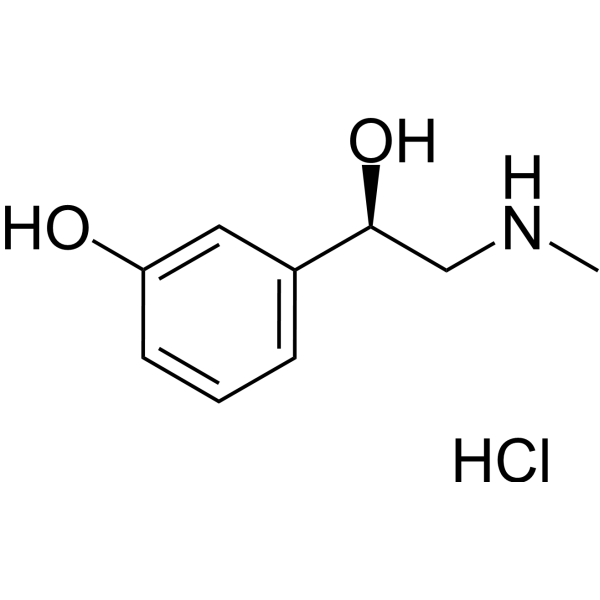
-
Clozapine
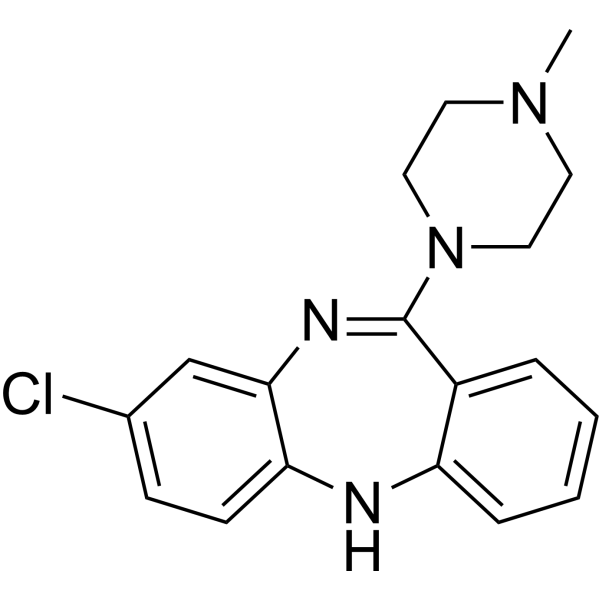 0 ImagesClozapine (HF 1854) is an antipsychotic used for the research of schizophrenia. Clozapine has high affinity for a number of neuroreceptors. Clozapine is a potent antagonist of dopamine D2 with a Ki of 75 nM. Clozapine inhibits the muscarinic M1 receptor and serotonin 5HT2A receptor with Kis of 9.5 nM and 4 nM, respectively. Clozapine is also a potent and selective agonist at the muscarinic M4 receptor (EC50=11 nM).
-
Dihydroergotamine mesylate
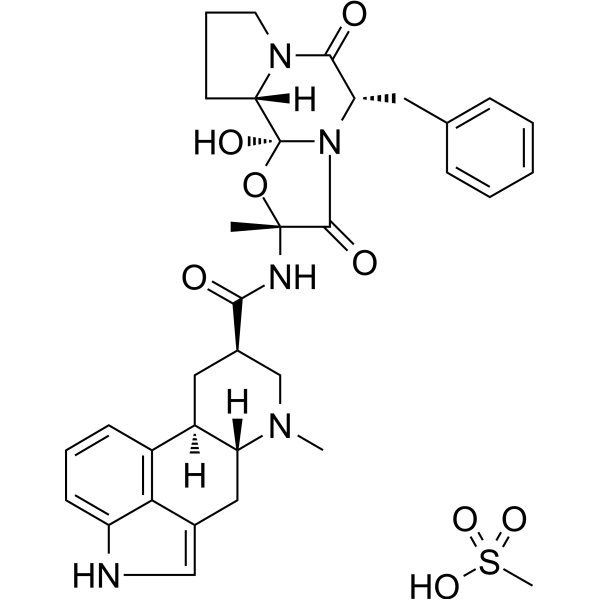 0 ImagesDihydroergotamine mesylate is a blood-brain barrier-permeable semi-synthetic ergot alkaloid, acting as a full agonist of 5-HT1B/1D receptors (Ki values of 0.3 nM and 2.5 nM, respectively; functional IC50 values of 2 nM and 2.2 nM, respectively). Dihydroergotamine mesylate inhibits Forskolin (HY-15371)-stimulated cAMP accumulation, possesses α-adrenergic receptor antagonistic activity and weak dopaminergic agonistic activity. It mediates intracranial cerebrovascular contraction, inhibits the release of neuropeptides such as CGRP/substance P, and suppresses neurogenic inflammation by activating 5-HT1B/1D receptors in the trigeminovascular system. Dihydroergotamine mesylate binds to the catalytic site of Trypanosoma cruzi trypanothione reductase and exhibits trypanocidal activity in vitro. Dihydroergotamine mesylate can be used in studies related to migraine and trypanosome infections.
-
Indoramin
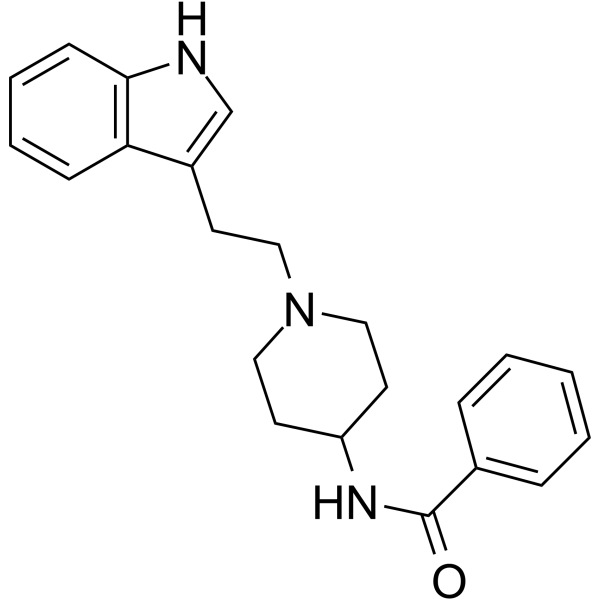 0 ImagesSynonyms: Indoramine; Wy 21901Indoramin (Wy 21901) is a competitive and selective α1-adrenoceptor antagonist. Indoramin reduces peripheral vascular resistance, blood pressure, heart rate and myocardial contractility in experimental animals. Under hypoxic conditions, Indoramin increases ATP synthesis in brain tissue, maintains cerebral ATP levels, and alleviates hypoxia-related swelling of synaptosomes, cerebral microvessels and the whole brain. Indoramin can be used in studies related to hypertension, cardiovascular regulation and cerebral hypoxia.
-
Clozapine (Standard)
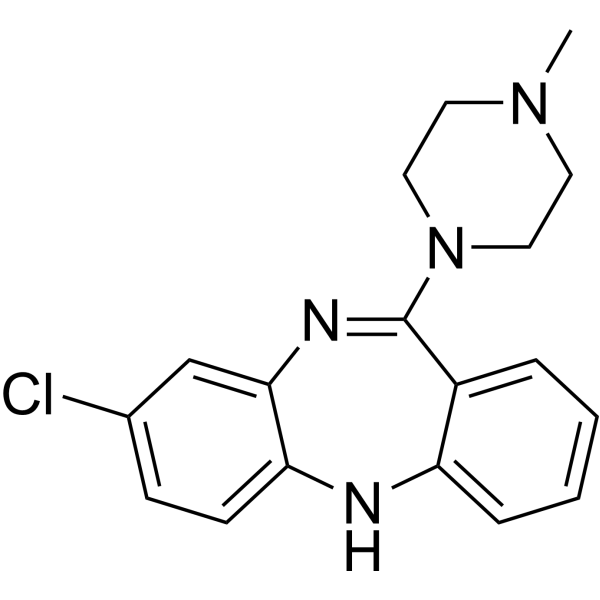 0 ImagesClozapine (Standard) is the analytical standard of Clozapine. This product is intended for research and analytical applications. Clozapine (HF 1854) is an antipsychotic used for the research of schizophrenia. Clozapine has high affinity for a number of neuroreceptors. Clozapine is a potent antagonist of dopamine D2 with a Ki of 75 nM. Clozapine inhibits the muscarinic M1 receptor and serotonin 5HT2A receptor with Kis of 9.5 nM and 4 nM, respectively. Clozapine is also a potent and selective agonist at the muscarinic M4 receptor (EC50=11 nM).
-
Dexmedetomidine
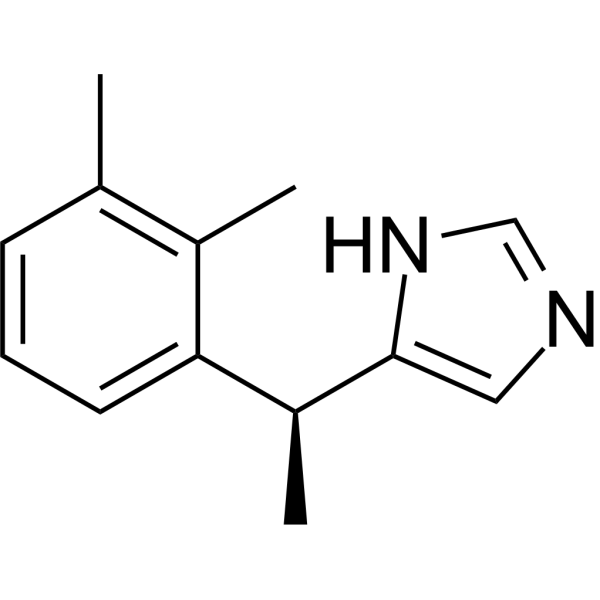 0 ImagesSynonyms: (+)-Medetomidine; (S)-MedetomidineDexmedetomidine ((+)-Medetomidine) is a potent, selective and orally active agonist of α2-adrenoceptor, with a Ki of 1.08 nM. Dexmedetomidine shows 1620-fold selectivity against α1-adrenoceptor. Dexmedetomidine exhibits anxiolysis, sedation, and modest analgesia effects.
-
Prazosin hydrochloride
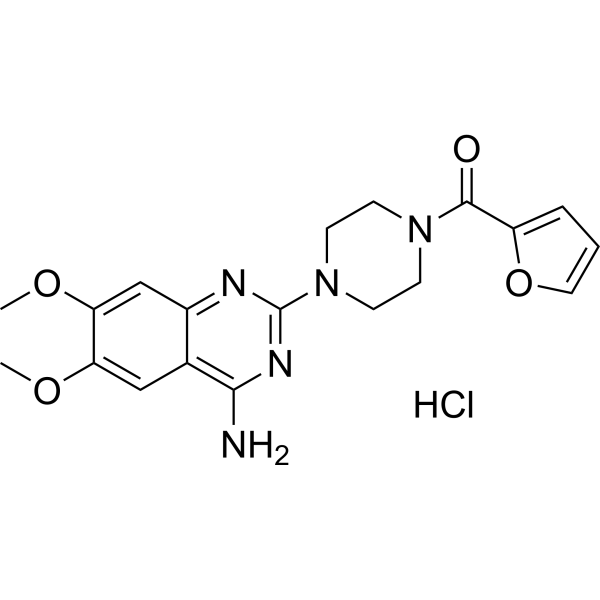 0 ImagesPrazosin hydrochloride is a well-tolerated, CNS-active α1-adrenergic receptor antagonist for the research of high blood pressure and alcohol use disorders. Prazosin hydrochloride potently inhibits Norepinephrine (NE)-stimulated 45Ca efflux with an IC50 of 0.15 nM.Prazosin hydrochloride inhibits organic cation transporters OCT-1 and OCT-3 with IC50s of 1.8, and 13 μM, respectively.
-
Norepinephrine bitartrate monohydrate
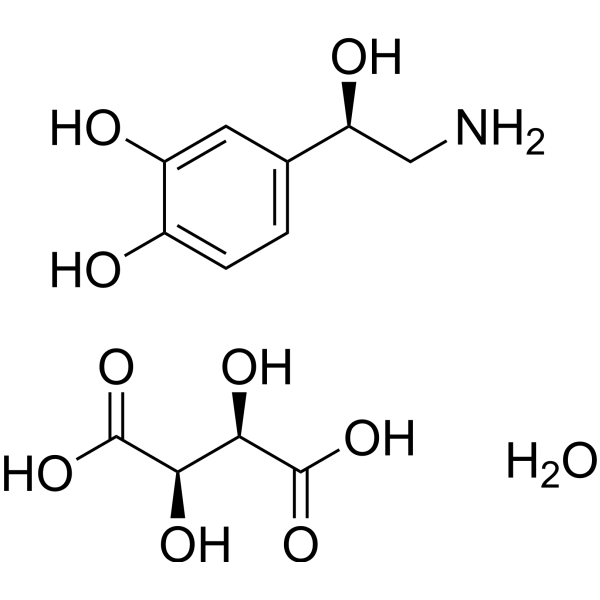 0 ImagesSynonyms: Levarterenol bitartrate monohydrate; L-Noradrenaline bitartrate monohydrateNorepinephrine (Levarterenol; L-Noradrenaline) bitartrate monohydrate is a potent adrenergic receptor (AR) agonist. Norepinephrine activates α1, α2, β1 receptors.
-
Dexmedetomidine hydrochloride
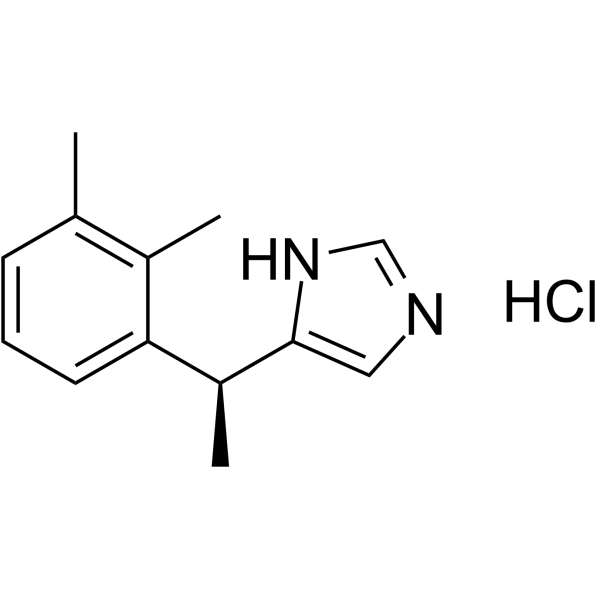 0 ImagesSynonyms: (+)-Medetomidine hydrochloride; (S)-Medetomidine hydrochlorideDexmedetomidine hydrochloride ((+)-Medetomidine hydrochloride) is a potent, selective and orally active agonist of α2-adrenoceptor, with a Ki of 1.08 nM. Dexmedetomidine hydrochloride shows 1620-fold selectivity against α1-adrenoceptor. Dexmedetomidine hydrochloride exhibits anxiolysis, sedation, and modest analgesia effects.
-
Labetalol
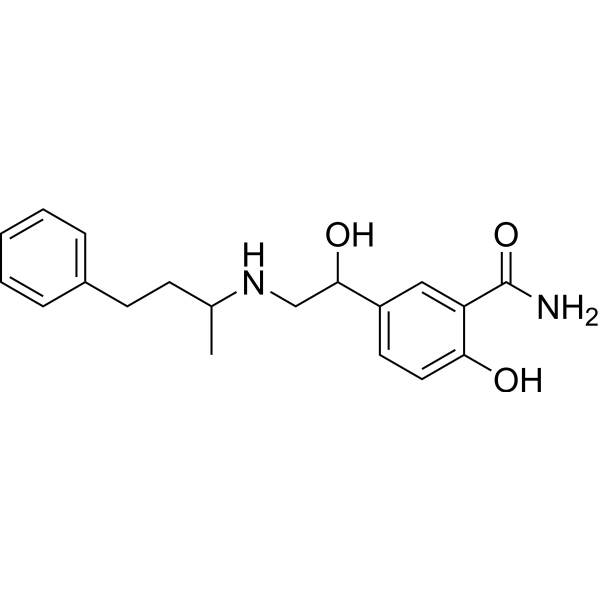 0 ImagesSynonyms: AH5158; Sch-15719W free baseLabetalol (AH5158) is an orally available, selective α1-adrenergic recepto and non-selective β-adrenergic receptor competitive antagonist. Labetalol is an antihypertensive molecule that partially crosses the blood-brain barrier and has little effect on cardiac output. Labetalol can be used in the study of cardiovascular diseases, such as hypertension during pregnancy.
-
Dobutamine hydrochloride
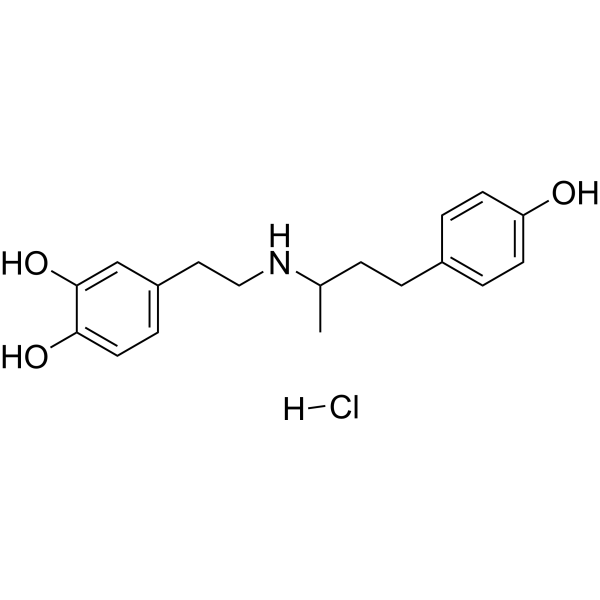 0 ImagesDobutamine hydrochloride is a synthetic catecholamine that acts on α1-AR, β1-AR, β2-AR (α-1, β-1 andβ-2 adrenoceptors). Dobutamine hydrochloride is a selective β1-AR agonist, relatively weak activity at α1-AR and β2-AR. Dobutamine hydrochloride can increase cardiac output and correct hypoperfusion.
-
Phentolamine
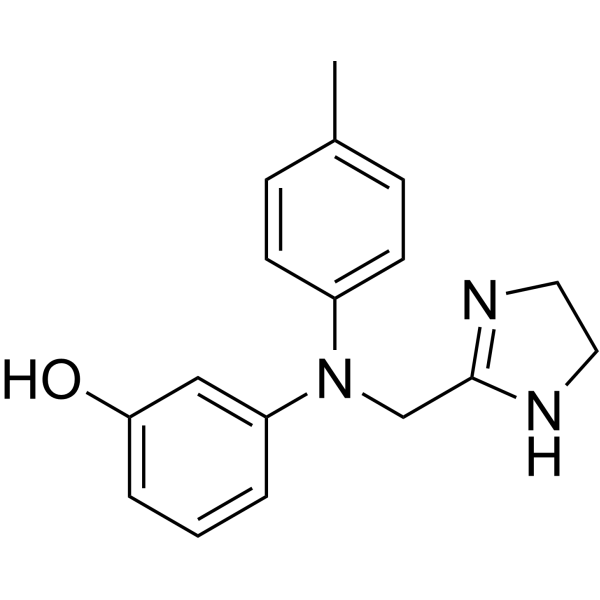 0 ImagesPhentolamine is an orally active, selective α1 and α2 Adrenergic receptor antagonist. Phentolamine antagonizes the vasodilatory effect of Cromakalim (HY-110011) on isolated circumflex coronary artery segments in dogs. Phentolamine reduces systemic vascular resistance and increases cardiac output. Phentolamine improves erectile dysfunction. Phentolamine can be used for the research of erectile dysfunction.
-
Atipamezole
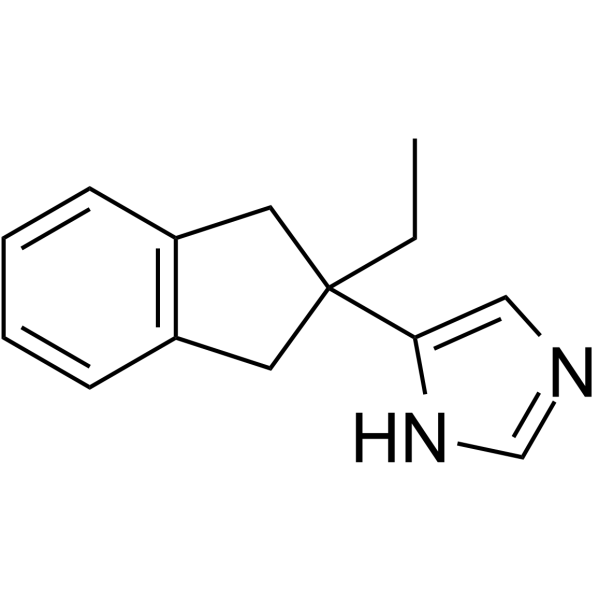 0 ImagesSynonyms: MPV 1248Atipamezole (MPV 1248) is a potent α2-adrenoceptor antagonist with a Ki of 1.6 nM.
-
Guanfacine hydrochloride
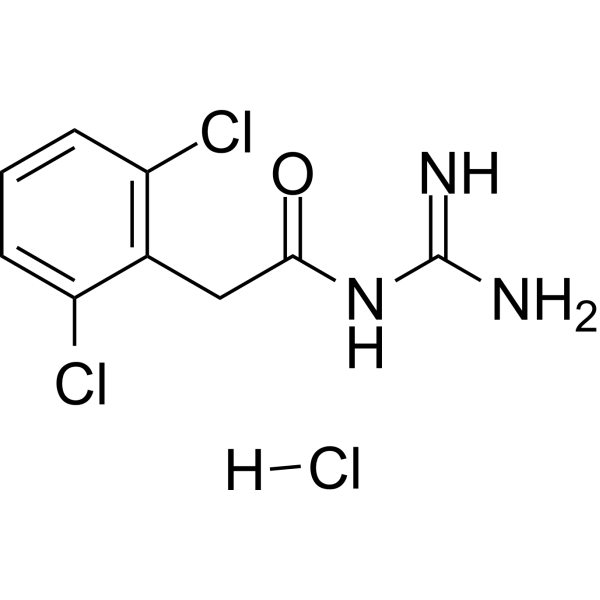 0 ImagesGuanfacine hydrochloride is an orally active and blood-brain barrier permeability noradrenergic α2A agonist and has high selective for the α2A receptor subtype. Guanfacine has effects in producing hypotension and sedation. Guanfacine can be used for the research of a variety of prefrontal cortex (PFC) cognitive disorders, including tourette's syndrome and attention deficit hyperactivity disorder (ADHD).
-
Atipamezole hydrochloride
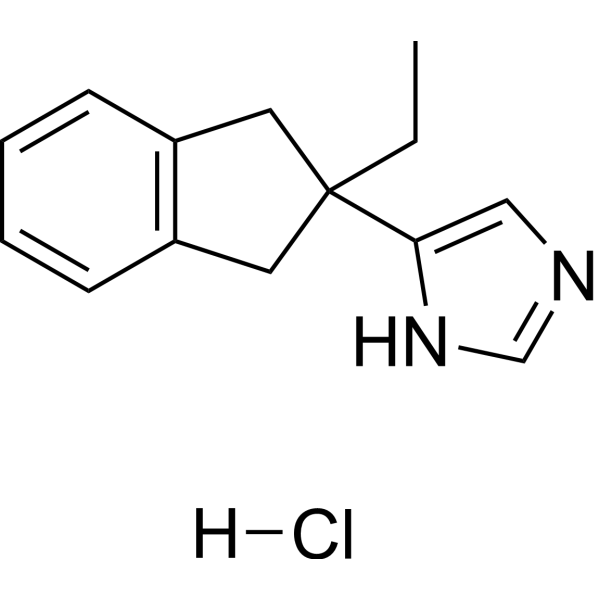 0 ImagesSynonyms: MPV-1248 hydrochlorideAtipamezole (MPV-1248) hydrochloride is a potent α2-adrenoceptor antagonist with a Ki of 1.6 nM.
-
Mirtazapine
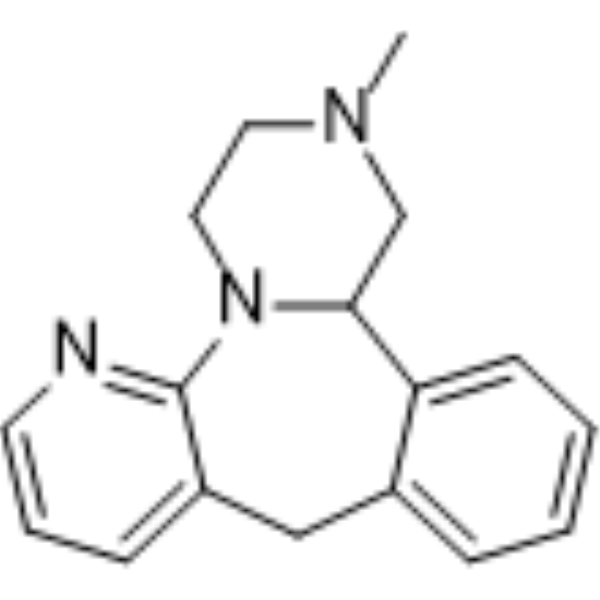 0 ImagesSynonyms: Org3770; 6-AzamianserinMirtazapine (Org3770) is a potent and orally active noradrenergic and specific serotonergic antidepressant (NaSSA) agent. Mirtazapine is also a 5-HT2, 5-HT3, histamine H1 receptor and α2-adrenoceptor antagonist with pKi values of 8.05, 8.1, 9.3 and 6.95, respectively.



