



Phenylephrine
Based on 38 publication(s) in Google Scholar
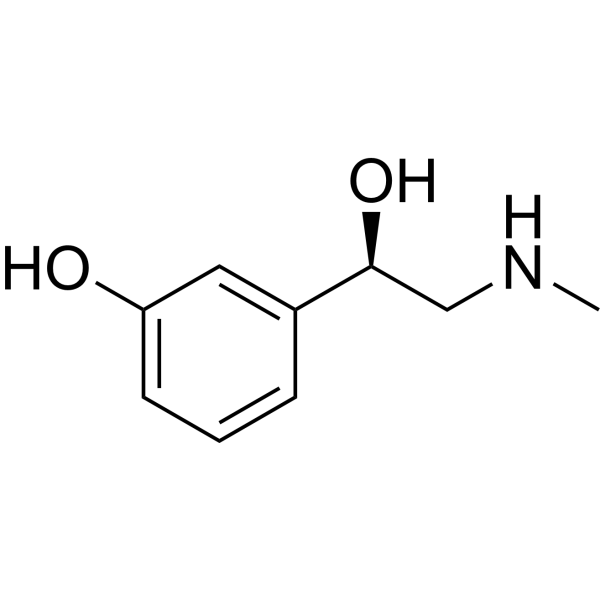
(R)-(-)-Phenylephrine is a selective α1-adrenoceptor agonist primarily used as a decongestant.
Nos produits utilisent uniquement pour la recherche. Nous ne vendons pas aux patients.
- Pureté : 99.98%
- CAS No.: 59-42-7
- Formule: C9H13NO2
- Masse moléculaire:167.21
-
Stockage:Powder -20°C, 3 years , 4°C, 2 years ; In solvent -80°C, 6 months , -20°C, 1 month

To place orders, for customer services and technical support, please contact: MedChemExpress USA
Tel: 609-228-6898 E-mail: [email protected] [email protected]


-
 Activité biologique
-
Chemical Information
-
Solvant et solubilité
- Pureté et documentation
- Références
-
 Help & FAQs


-
HY-13948
Angiotensin II humanVasoconstrictor -
HY-13715
NorepinephrineAdrenergic Receptor Agonist -
HY-B0468
Isoprenaline hydrochlorideβ-adrenoceptor Agonist -
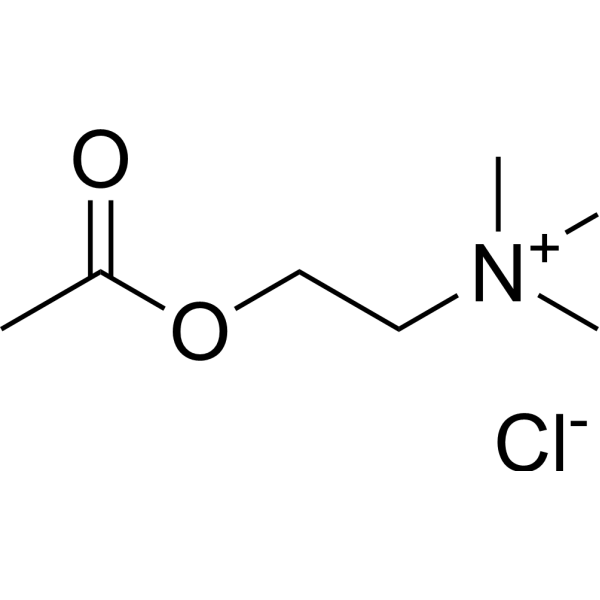
HY-B0282
Acetylcholine chlorideCholinergic Agonist -
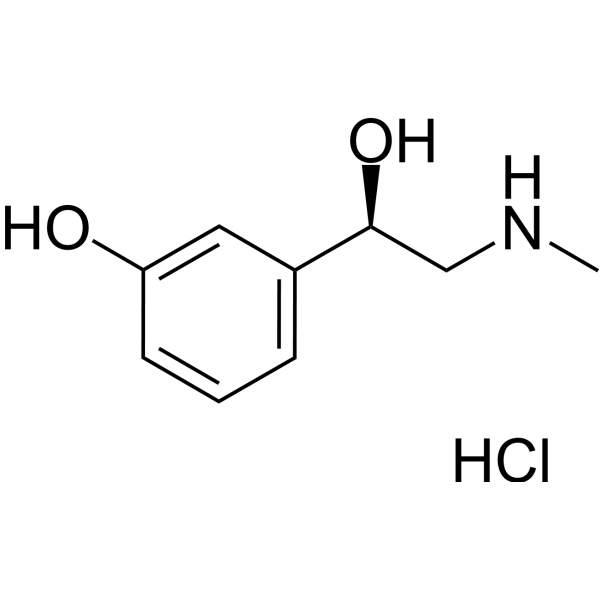
HY-B0471
Phenylephrine hydrochlorideEndogenous Metabolite -
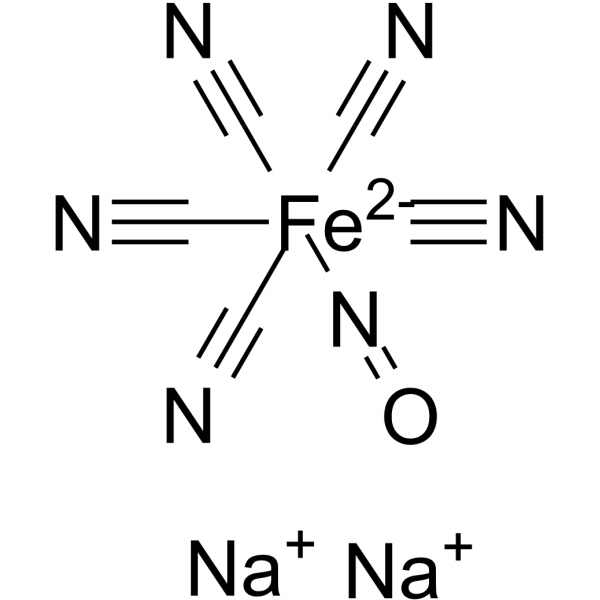
HY-B0564
Sodium nitroprussideVasodilator -
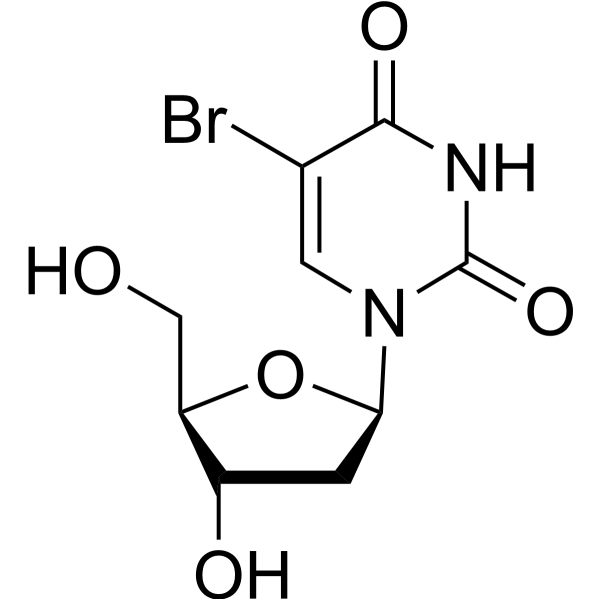
HY-15910
5-BrdUThymidine Analog -

HY-B0769R
Phenylephrine (Standard)Adrenergic Receptor Agonist -
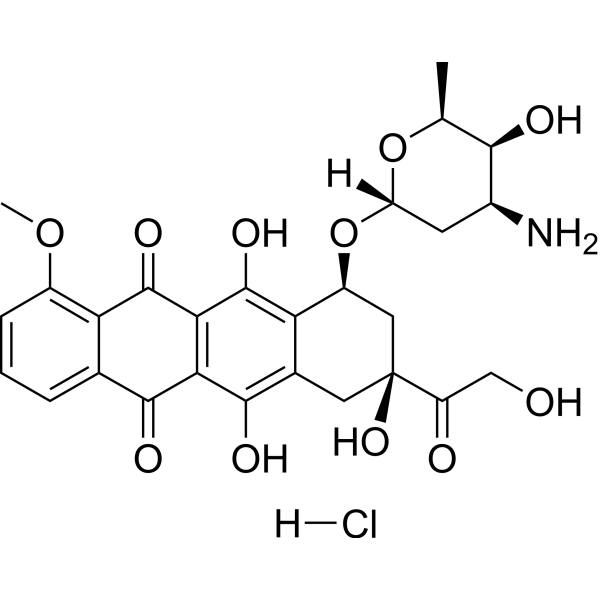
HY-15142
Doxorubicin hydrochlorideTopoisomerase Inhibitor -
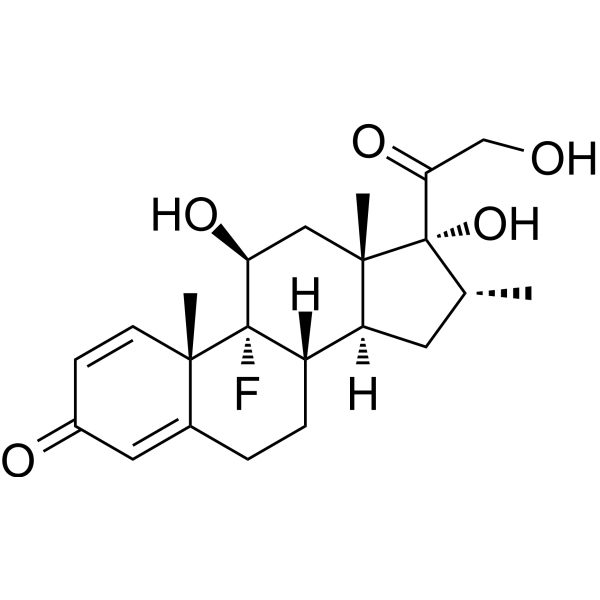
HY-14648
DexamethasoneGR Agonist -
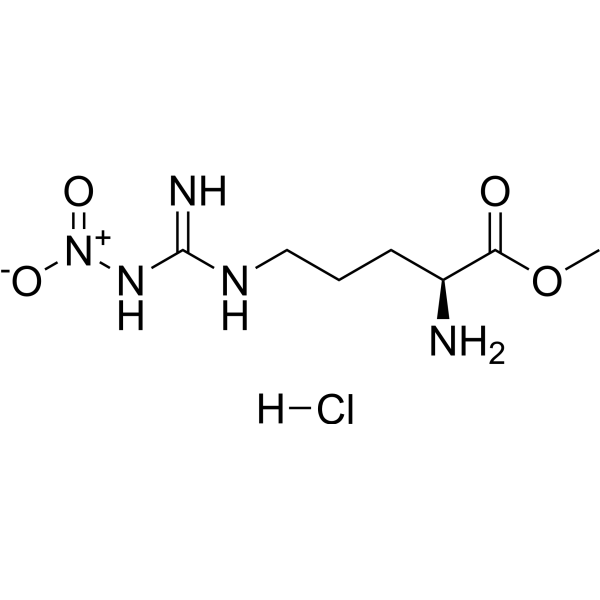
HY-18729A
L-NAME hydrochlorideNO Synthase Inhibitor -
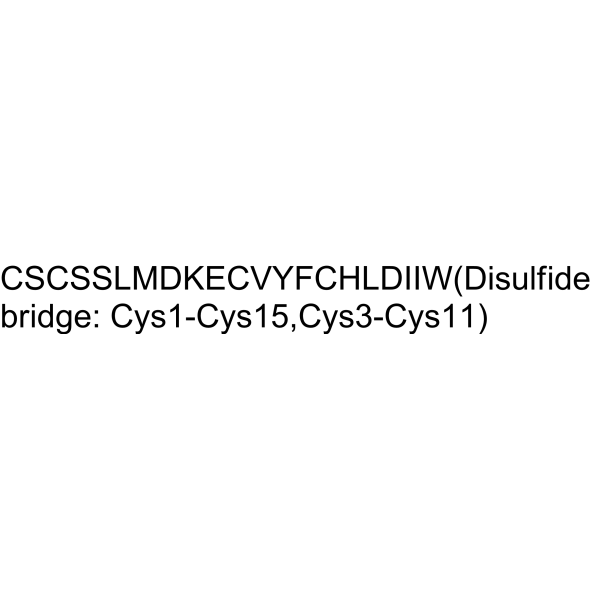
HY-P0202
Endothelin 1 (swine, human)Vasoconstrictor
Publications Citing Use of MedChemExpress (MCE) Phenylephrine
More- Nat Commun. 2024 Jul 16;15(1):5985. [Abstract]
- J Adv Res. 2025 Oct 29:S2090-1232(25)00848-3. [Abstract]
- Trends Biotechnol. 2025 Apr;43(4):918-945. [Abstract]
- Acta Pharmacol Sin. 2026 May 27. [Abstract]
- Mater Des. 2025 Aug.
- Phytother Res. 2025 May 26. [Abstract]
- Free Radic Biol Med. 2025 Sep:237:300-311. [Abstract]
- Free Radic Biol Med. 2024 Feb 20:212:477-492. [Abstract]
- J Ethnopharmacol. 2025 Jan 30;337(Pt 1):118707. [Abstract]
- Biochem Pharmacol. 2025 Oct:240:117107. [Abstract]
- Biochem Pharmacol. 2025 Aug 8;242(Pt 1):117218. [Abstract]
- Int Endod J. 2025 Jul 14. [Abstract]
- Eur J Pharmacol. 2025 Mar 15:991:177346. [Abstract]
- J Ovarian Res. 2026 Apr 28;19(1):209.
- Biochim Biophys Acta Mol Basis Dis. 2024 Dec;1870(8):167488. [Abstract]
- Biochim Biophys Acta Mol Basis Dis. 2024 Jan;1870(1):166859. [Abstract]
- Mol Med Rep. 2021 Sep;24(3):636. [Abstract]
- Sci Rep. 2025 Apr 11;15(1):12511. [Abstract]
- Sci Rep. 2023 Oct 2;13(1):16550. [Abstract]
- Cell Signal. 2026 Feb:138:112275. [Abstract]
- J Cell Mol Med. 2025 Mar;29(5):e70488. [Abstract]
- J Neurochem. 2026 Jul;170(7):e70507.
- FASEB J. 2025 Dec 31;39(24):e71345. [Abstract]
- FASEB J. 2025 May 31;39(10):e70670. [Abstract]
- J Endod. 2023 Dec;49(12):1641-1651.e6. [Abstract]
- BMC Cardiovasc Disord. 2025 Jan 6;25(1):7. [Abstract]
- BMC Pulm Med. 2021 Jun 5;21(1):189. [Abstract]
- Front Cardiovasc Med. 2021 Jun 16:8:679240. [Abstract]
- PLoS One. 2026 Jul 2;21(7):e0351145.
- Clin Exp Pharmacol Physiol. 2025 Nov;52(11):e70081. [Abstract]
- Biochem Biophys Res Commun. 2024 Nov 26:735:150844. [Abstract]
- J Cardiovasc Pharmacol. 2022 Sep 1;80(3):430-441. [Abstract]
- J Chromatogr B Analyt Technol Biomed Life Sci. 2018 Aug 15:1092:220-227. [Abstract]
- SSRN. 2025 Dec 1.
- bioRxiv. 2025 Jul 30.
- bioRxiv. 2025 Jun 27:2025.06.24.660441. [Abstract]
- Front Med. 2024 Jun;18(3):484-498. [Abstract]
- Elife. 2024 May 29.
 Customer Validation & Images

-
Cell Imaging/Staining
-
WB
-
IF
-
WB
-
RT-PCR
Voir tous les produits spécifiques à Isoform Adrenergic Receptor
More

Activité biologique
Description
IC50 & Target
|
α adrenergic receptor |
Cellular Effect
|
Cell Line

|
Type | Value | Description | References |
|---|---|---|---|---|
| CHO-K1 | EC50 |
0.86 nM
Compound: Phenylephrine
|
Intrinsic activity at human alpha1B adrenergic receptor expressed in CHOK1 cells co-expressing aequorin assessed as calcium mobilization measured for 20 secs in presence of coelenterazine H by luminescence assay
Intrinsic activity at human alpha1B adrenergic receptor expressed in CHOK1 cells co-expressing aequorin assessed as calcium mobilization measured for 20 secs in presence of coelenterazine H by luminescence assay
|
[PMID: 27658792] |
In Vitro
(R)-(-)-Phenylephrine is a selective α1-adrenoceptor agonist with pKi values of 5.86, 4.87 and 4.70 for α1D, α1B and α1A receptors respectively[1][2].
Phenylephrine promotes cardiac fibroblast proliferation. Phenylephrine activates CaN and evokes NFAT3 nuclear translocation. It suggests that the Ca(2+)/CaN/NFAT pathway mediates phenylephrine -induced cardiac fibroblast proliferation, and this pathway might be a possible therapeutic target in cardiac fibrosis[3].
MedChemExpress (MCE) has not independently confirmed the accuracy of these methods. They are for reference only. .
In Vivo
Phenylephrine could increase the alveolar fluid clearance in high tidal volume-ventilated rats and accelerate the absorption of pulmonary edema[5].
MedChemExpress (MCE) has not independently confirmed the accuracy of these methods. They are for reference only.


Chemical Information
-
CAS No. 59-42-7
-
Appearance Solid
-
Masse moléculaire 167.21
-
Formule C9H13NO2
-
Color White to light yellow
-
SMILES
O[C@H](C1=CC(O)=CC=C1)CNC
-
Synonyms
(R)-(-)-Phenylephrine; L-Phenylephrine
-
Livraison
Room temperature in continental US; may vary elsewhere.
-
Stockage
Powder -20°C 3 years 4°C 2 years In solvent -80°C 6 months -20°C 1 month


Publications (38)
-
Journal Impact Factor
-
Most Recent
-
Nat Commun
Aging aggravates aortic aneurysm and dissection via miR-1204-MYLK signaling axis in mice. [Abstract]2024 Jul 16;15(1):5985. PMID: 39013850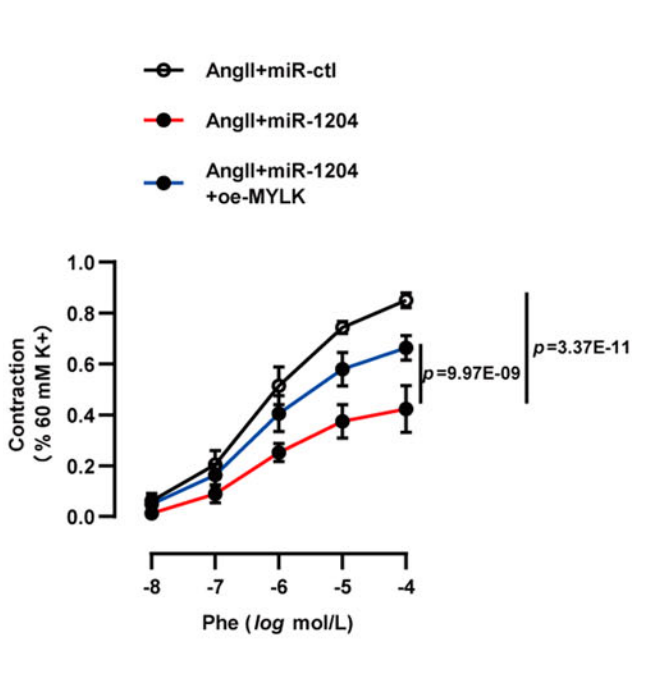
Phenylephrine purchased from MedChemExpress. Usage Cited in: Nat Commun. 2024 Jul 16;15(1):5985. [Abstract]
Contraction of isolated aortic rings from indicated groups in response to the Phenylephrine (10 nM-100 μM) treatment.
-
J Adv Res
FGF21-FGFR1 signaling protects against cardiac hypertrophy by regulating PINK1-mediated mitophagy pathway. [Abstract]2025 Oct 29:S2090-1232(25)00848-3. PMID: 41173187
Phenylephrine purchased from MedChemExpress. Usage Cited in: J Adv Res. 2025 Oct 29:S2090-1232(25)00848-3. [Abstract]
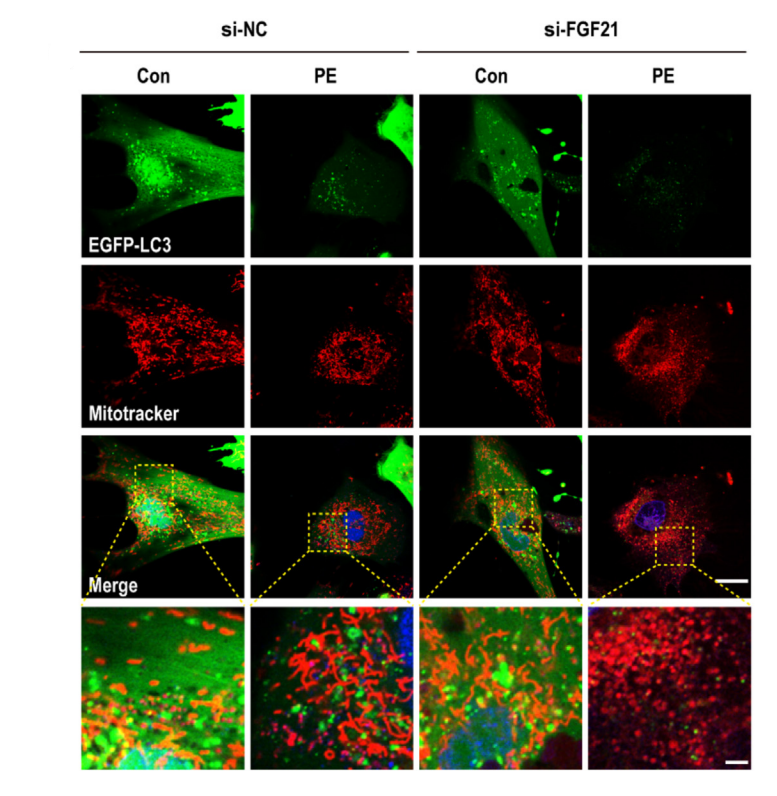
si-NC or si-FGF21 were infected with adenovirus encoding LC3 for 24 h, then subjected to Phenylephrine (100 μM) stimulation for 24 h. These cells were stained using MitoTracker Red dye, scale bar = 20 µm.
Phenylephrine purchased from MedChemExpress. Usage Cited in: J Adv Res. 2025 Oct 29:S2090-1232(25)00848-3. [Abstract]
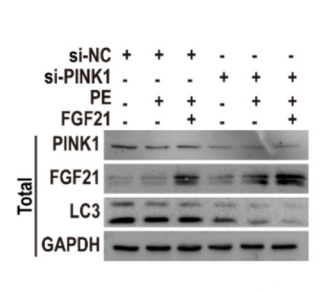
Neonatal rat cardiomyocytes were infected with si-NC or si-PINK1, and then treated with control or 100 μM Phenylephrine for 24 h, followed by vehicle or FGF21 protein. LC3 and PINK1, FGF21 protein levels.
-
Trends Biotechnol
Programmable embedded bioprinting for one-step manufacturing of arterial models with customized contractile and metabolic functions. [Abstract]2025 Apr;43(4):918-945. PMID: 39779422
Phenylephrine purchased from MedChemExpress. Usage Cited in: Trends Biotechnol. 2025 Apr;43(4):918-945. [Abstract]
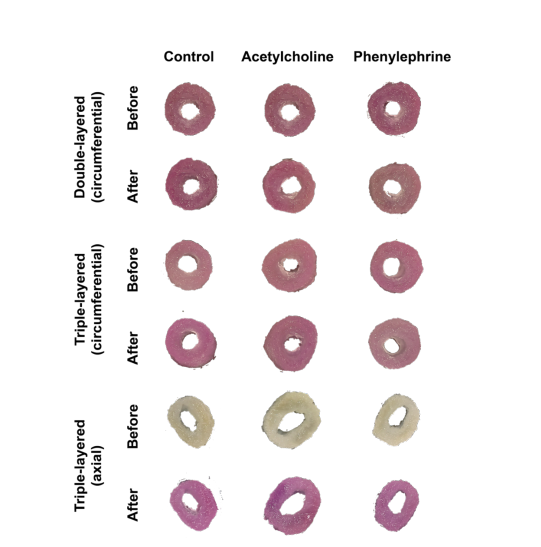
Cross-sections of samples fabricated change of double- and triple-layered arterial models following Phenylephrine (4 μM) and Acetylcholine treatment.
-
Acta Pharmacol Sin
The solute carrier transporter SLCO5A1 as a novel therapeutic target for the treatment of myocardial infarction-induced heart failure. [Abstract]2026 May 27. PMID: 42204299 -
Phenylephrine purchased from MedChemExpress. Usage Cited in: Mater Des. 2025 Aug.
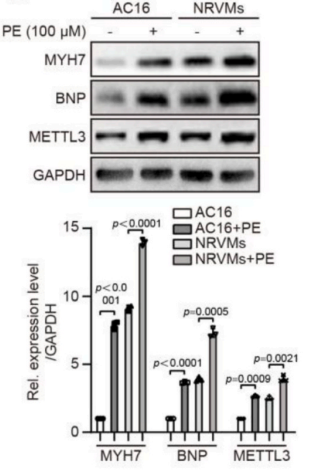
AC16 and NRVMs were treated with DMSO or Phenylephrine hydrochloride (PE; 100 μM) for 48 h to induce cardiac hypertrophy. Upper panel: the expression of MYH7, BNP and METTL3 were detected by immunoblotting. Lower panel: The densities of the signals were plotted as the mean ± SD from 3 independent experiments.
-
Phytother Res
Erucin Alleviates Cardiac Hypertrophy by Improving Mitochondrial Function via Nrf2-Sirt3 Pathway. [Abstract]2025 May 26. PMID: 40415605 -
Free Radic Biol Med
m6A reader YTHDF3 elicits hypertensive effects by degrading XRCC1 mRNA in the rostral ventrolateral medulla. [Abstract]2025 Sep:237:300-311. PMID: 40490202 -
Free Radic Biol Med
Breviscapine protects against pathological cardiac hypertrophy by targeting FOXO3a-mitofusin-1 mediated mitochondrial fusion. [Abstract]2024 Feb 20:212:477-492. PMID: 38190924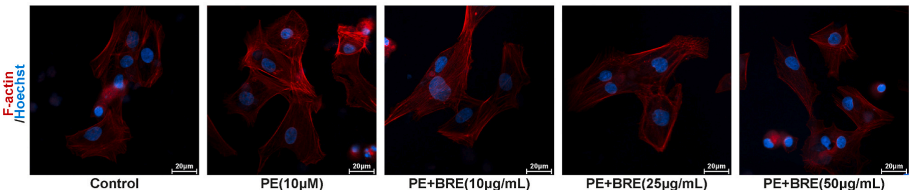
Phenylephrine purchased from MedChemExpress. Usage Cited in: Free Radic Biol Med. 2024 Feb 20:212:477-492. [Abstract]
Rhodamine phalloidin staining was used to analyze the cytoskeleton of cardiomyocytes (red). Neonatal rat cardiomyocytes were pretreated with the different concentration of BRE or DMSO vehicle for 2 h, and then stimulated with 10 μM Phenylephrine hydrochloride (PE) for 48 h.
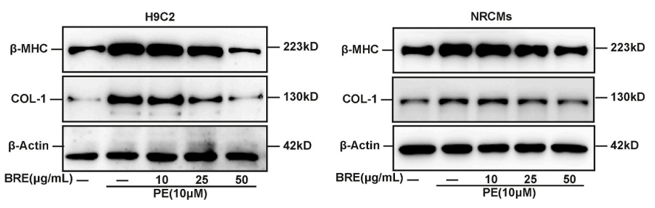
Phenylephrine purchased from MedChemExpress. Usage Cited in: Free Radic Biol Med. 2024 Feb 20:212:477-492. [Abstract]
The levels of hypertrophic marker (β-MHC) and fibrosis indice (COL-1) were detected by Western blot analysis in cardiomyocytes. Cells (H9C2 and Neonatal rat cardiomyocytes,NRCMS) were pretreated with the different concentration of BRE or DMSO vehicle for 2 h, and then stimulated with 10 μM Phenylephrine hydrochloride (PE) for 48 h.
Phenylephrine purchased from MedChemExpress. Usage Cited in: Free Radic Biol Med. 2024 Feb 20:212:477-492. [Abstract]
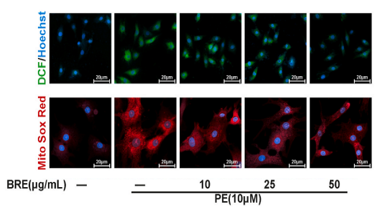
Intracellular and mitochondrial ROS accumulation were observed and quantitative through DCFH-DA and mitoSOX indicators through confocal laser scanning microscopy (green: DCFH-DA, red: mitoSOX, blue: hoechst 33342). Neonatal rat cardiomyocytes (NRCMs) were pretreated with the different concentration of BRE or DMSO vehicle for 2 h, and then stimulated with 10 μM Phenylephrine hydrochloride (PE) for 48 h.
Phenylephrine purchased from MedChemExpress. Usage Cited in: Free Radic Biol Med. 2024 Feb 20:212:477-492. [Abstract]
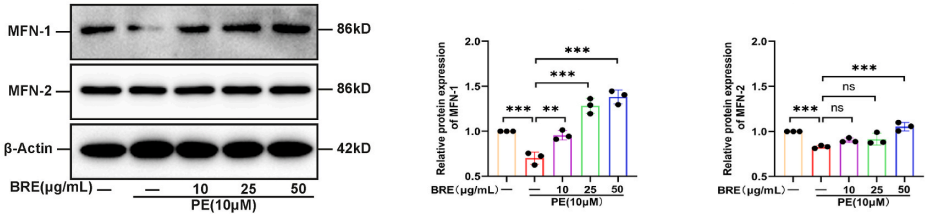
The expression of MFN-1 and MFN-2 were analyzed by Western blot in NRCM cardiomyocytes. Neonatal rat cardiomyocytes (NRCMs) were pretreated with the different concentration of BRE or DMSO vehicle for 2 h, and then stimulated with 10 μM Phenylephrine hydrochloride (PE) for 48 h.
-
J Ethnopharmacol
Mailuoning oral liquid ameliorates vasculitis in thromboangiitis obliterans rats via inactivating cGAS-STING-IRF3 and TLR4-MAPKs/NF-κB signaling pathways. [Abstract]2025 Jan 30;337(Pt 1):118707. PMID: 39181282 -
Biochem Pharmacol
2025 Oct:240:117107. PMID: 40619010 -
Biochem Pharmacol
2025 Aug 8;242(Pt 1):117218. PMID: 40784571
Phenylephrine purchased from MedChemExpress. Usage Cited in: Biochem Pharmacol. 2025 Aug 8;242(Pt 1):117218. [Abstract]
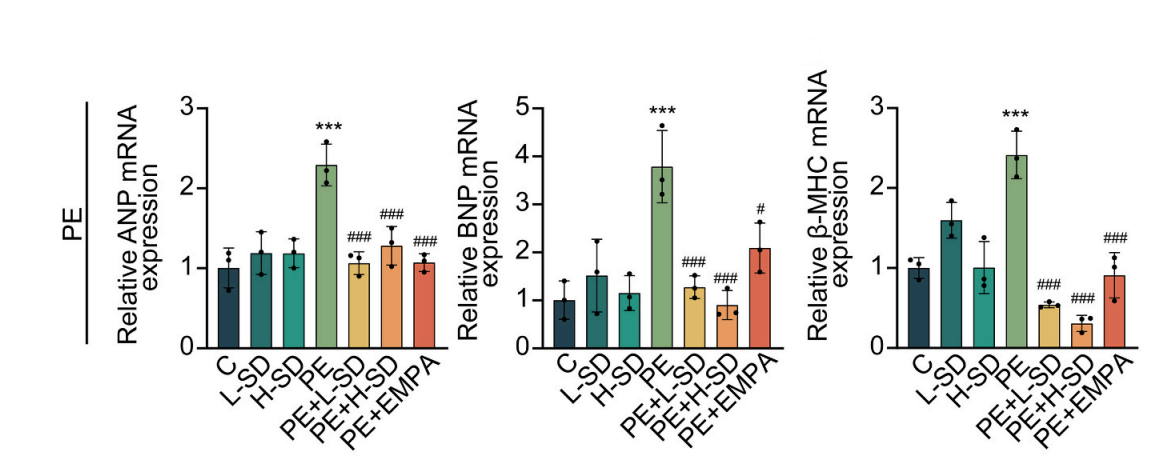
RT-qPCR was used to analyze the expression levels of ANP, BNP, β-MHC in H9c2 cells Phenylephrine stimulation.
-
Int Endod J
Sympathetic nerves inhibit dental pulp stem cell differentiation and tertiary dentine formation via α1B-adrenergic receptor. [Abstract]2025 Jul 14. PMID: 40660609 -
Eur J Pharmacol
Therapeutic inhibition of PHF21B attenuates pathological cardiac hypertrophy by inhibiting the BMP4/GSK3β/β-catenin axis. [Abstract]2025 Mar 15:991:177346. PMID: 39900327 -
-
Biochim Biophys Acta Mol Basis Dis
Dietary apigenin ameliorates obesity-related hypertension through TRPV4-dependent vasorelaxation and TRPV4-independent adiponectin secretion. [Abstract]2024 Dec;1870(8):167488. PMID: 39218272 -
Biochim Biophys Acta Mol Basis Dis
Upregulation of mitochondrial telomerase reverse transcriptase mediates the preventive effect of physical exercise on pathological cardiac hypertrophy via improving mitochondrial function and inhibiting oxidative stress. [Abstract]2024 Jan;1870(1):166859. PMID: 37643691 -
Mol Med Rep
Interactions between the ERK1/2 signaling pathway and PCAF play a key role in PE‑induced cardiomyocyte hypertrophy. [Abstract]2021 Sep;24(3):636. PMID: 34278478 -
Sci Rep
SLC26A4 regulates autophagy and activates the NLRP3 inflammasome to mediate pathological cardiac hypertrophy. [Abstract]2025 Apr 11;15(1):12511. PMID: 40216960 -
Sci Rep
Polydatin improves vascular endothelial function by maintaining mitochondrial homeostasis under high glucose conditions. [Abstract]2023 Oct 2;13(1):16550. PMID: 37783713 -
Cell Signal
RhoA/ROCK1 aggravates transverse aortic constriction-induced atrial fibrillation by enhancing NF-κBp65/CCL2 signaling pathway. [Abstract]2026 Feb:138:112275. PMID: 41317932 -
J Cell Mol Med
Danuglipron Ameliorates Pressure Overload-Induced Cardiac Remodelling Through the AMPK Pathway. [Abstract]2025 Mar;29(5):e70488. PMID: 40070049 -
-
FASEB J
Natriuretic Peptide Improves Impaired Baroreceptor Sensitivity in a Sex-Dependent Manner by Enhancing Baroreflex Afferent Neuroexcitation Under Physiological and Hypertensive Conditions. [Abstract]2025 Dec 31;39(24):e71345. PMID: 41395769 -
FASEB J
2025 May 31;39(10):e70670. PMID: 40406987 -
J Endod
Human dental pulp stem cells are subjected to metabolic reprogramming and repressed proliferation and migration by the sympathetic nervous system via ADRA1B. [Abstract]2023 Dec;49(12):1641-1651.e6. PMID: 37769871 -
BMC Cardiovasc Disord
Alantolactone mitigates the elevation of blood pressure in mice induced by angiotensin II by inhibiting calcium channel activation. [Abstract]2025 Jan 6;25(1):7. PMID: 39762727 -
BMC Pulm Med
Opposing responses of the rat pulmonary artery and vein to phenylephrine and other agents in vitro. [Abstract]2021 Jun 5;21(1):189. PMID: 34090386 -
Front Cardiovasc Med
2021 Jun 16:8:679240. PMID: 34222374 -
-
Clin Exp Pharmacol Physiol
Indole-3-Propionic Acid Improves Vascular Function in High-Fat Diet-Induced Obese Mice via eNOS. [Abstract]2025 Nov;52(11):e70081. PMID: 41057979 -
Biochem Biophys Res Commun
Distinct effects of physical and functional ablation of brown adipose tissue on T3-dependent pathological cardiac remodeling. [Abstract]2024 Nov 26:735:150844. PMID: 39432923 -
J Cardiovasc Pharmacol
Transient Receptor Potential Vanilloid Type 1 Protects Against Pressure Overload-Induced Cardiac Hypertrophy by Promoting Mitochondria-Associated Endoplasmic Reticulum Membranes. [Abstract]2022 Sep 1;80(3):430-441. PMID: 35881904 -
J Chromatogr B Analyt Technol Biomed Life Sci
Searching for synergistic calcium antagonists and novel therapeutic regimens for coronary heart disease therapy from a Traditional Chinese Medicine, Suxiao Jiuxin Pill. [Abstract]2018 Aug 15:1092:220-227. PMID: 29908471 -
-
-
bioRxiv
Flow-sensitive HEG1 controls eNOS activity to prevent endothelial dysfunction, hypertension, and atherosclerosis. [Abstract]2025 Jun 27:2025.06.24.660441. PMID: 40667131 -
Front Med
lncRNA ZNF593-AS inhibits cardiac hypertrophy and myocardial remodeling by upregulating Mfn2 expression. [Abstract]2024 Jun;18(3):484-498. PMID: 38743133 -


Solvant et solubilité
In Vitro:
DMSO : 50 mg/mL (299.03 mM; Need ultrasonic; Hygroscopic DMSO has a significant impact on the solubility of product, please use newly opened DMSO)
H2O : 5 mg/mL (29.90 mM; Need ultrasonic)
Please refer to the solubility information to select the appropriate solvent. Once prepared, please aliquot and store the solution to prevent product inactivation from repeated freeze-thaw cycles.
Storage method and period of stock solution: -80°C, 6 months; -20°C, 1 month. When stored at -80°C, please use it within 6 months. When stored at -20°C, please use it within 1 month.
* Note: If you choose water as the stock solution, please dilute it to the working solution, then filter and sterilize it with a 0.22 μm filter before use.
Please refer to the solubility information to select the appropriate solvent. Once prepared, please aliquot and store the solution to prevent product inactivation from repeated freeze-thaw cycles.
Storage method and period of stock solution: -80°C, 6 months; -20°C, 1 month. When stored at -80°C, please use it within 6 months. When stored at -20°C, please use it within 1 month.
* Note: If you choose water as the stock solution, please dilute it to the working solution, then filter and sterilize it with a 0.22 μm filter before use.
Concentration (start) × Volume (start) = Concentration (final) × Volume (final)
In Vivo:
Select the appropriate dissolution method based on your experimental animal and administration route.
- For the following dissolution methods, please ensure to first prepare a clear stock solution using an In Vitro approach and then sequentially add co-solvents:
- To ensure reliable experimental results, the clarified stock solution can be appropriately stored based on storage conditions. As for the working solution for In Vivo experiments, it is recommended to prepare freshly and use it on the same day.
- The percentages shown for the solvents indicate their volumetric ratio in the final prepared solution. If precipitation or phase separation occurs during preparation, heat and/or sonication can be used to aid dissolution.
Add each solvent one by one: 10% DMSO 40% PEG300 5% Tween-80 45% Saline
Solubility: ≥ 5 mg/mL (29.90 mM); Clear solution
This protocol yields a clear solution of ≥ 5 mg/mL (saturation unknown).
Taking 1 mL working solution as an example, add 100 μL DMSO stock solution (50.0 mg/mL) to 400 μL PEG300, and mix evenly; then add 50 μL Tween-80 and mix evenly; then add 450 μL Saline to adjust the volume to 1 mL.
Preparation of Saline: Dissolve 0.9 g sodium chloride in ddH₂O and dilute to 100 mL to obtain a clear Saline solution.
Add each solvent one by one: 10% DMSO 90% (20% SBE-β-CD in Saline)
Solubility: ≥ 5 mg/mL (29.90 mM); Clear solution
This protocol yields a clear solution of ≥ 5 mg/mL (saturation unknown).
Taking 1 mL working solution as an example, add 100 μL DMSO stock solution (50.0 mg/mL) to 900 μL 20% SBE-β-CD in Saline, and mix evenly.
Preparation of 20% SBE-β-CD in Saline (4°C, storage for one week): 2 g SBE-β-CD powder is dissolved in 10 mL Saline, completely dissolve until clear.
For the following dissolution methods, please prepare the working solution directly:
It is recommended to prepare fresh solutions and use them promptly within a short period of time.
The percentages shown for the solvents indicate their volumetric ratio in the final prepared solution. If precipitation or phase separation occurs during preparation, heat and/or sonication can be used to aid dissolution.
Add each solvent one by one: PBS
Solubility: 10 mg/mL (59.81 mM); Clear solution; Need ultrasonic and warming
In Vivo Dissolution Calculator
Please enter the basic information of animal experiments:
-
-
-
-
Recommended: Prepare an additional quantity of animals to account for potential losses during experiments.
Please enter your animal formula composition:
-
%DMSO +
Recommended: Keep the proportion of DMSO in working solution below 2% if your animal is weak.
-
%+
-
+%Tween-80 + +
-
%Saline +
The co-solvents required include: DMSO, . All of co-solvents are available by MedChemExpress (MCE). , Tween 80. All of co-solvents are available by MedChemExpress (MCE).
Working solution concentration: 0.22 mg/mL
Method for preparing stock solution: mg drug dissolved in μL DMSO. Stock solution concentration: mg/mL.
1. Take μL DMSO stock solution;
2. Add μL .
μL , mix evenly;
3. Then add μL Tween 80, mix evenly;
4. Then add μL
Please ensure that the stock solution in the first step is dissolved to a clear state, and add co-solvents in sequence. You can use ultrasonic heating (ultrasonic cleaner, recommended frequency 20-40 kHz), vortexing, etc. to assist dissolution.


Pureté et documentation
-
Fiche technique (277 KB)
-
SDS (555 KB)
- English - EN (555 KB)
- Français - FR (555 KB)
- Deutsch - DE (555 KB)
- Norwegian - NO (555 KB)
- Español - ES (555 KB)
- Swedish - SV (555 KB)
- Italian - IT (555 KB)
- Korean - KR (555 KB)
- Portuguese - PT (555 KB)
-
Instruction de manipulation (2659 KB)
Références
[1]. Ford AP, et al. Pharmacological pleiotropism of the human recombinant alpha1A-adrenoceptor: implications foralpha1-adrenoceptor classification. Br J Pharmacol. 1997 Jul;121(6):1127-35. [Content Brief]
[2]. Minneman KP, et al. Selectivity of agonists for cloned alpha 1-adrenergic receptor subtypes. Mol Pharmacol. 1994 Nov;46(5):929-36. [Content Brief]
[3]. Wang J, et al. Phenylephrine promotes cardiac fibroblast proliferation through calcineurin-NFAT pathway. Front Biosci (Landmark Ed). 2016 Jan 1;21:502-13. [Content Brief]
[4]. Lazou A, et al. Activation of mitogen-activated protein kinases (p38-MAPKs, SAPKs/JNKs and ERKs) by the G-protein-coupled receptor agonist phenylephrine in the perfused rat heart. Biochem J. 1998 Jun 1;332 ( Pt 2):459-65. [Content Brief]
[5]. Li NJ, et al. Effect of phenylephrine on alveolar fluid clearance in ventilator-induced lung injury. Chin Med Sci J. 2013 Mar;28(1):1-6. [Content Brief]


Complete Stock Solution Preparation Table
Please refer to the solubility information to select the appropriate solvent. Once prepared, please aliquot and store the solution to prevent product inactivation from repeated freeze-thaw cycles.
Storage method and period of stock solution: -80°C, 6 months; -20°C, 1 month. When stored at -80°C, please use it within 6 months. When stored at -20°C, please use it within 1 month.
| Optional Solvent | Concentration Solvent Mass | 1 mg | 5 mg | 10 mg | 25 mg |
|---|---|---|---|---|---|
| H2O / DMSO | 1 mM | 5.9805 mL | 29.9025 mL | 59.8050 mL | 149.5126 mL |
| 5 mM | 1.1961 mL | 5.9805 mL | 11.9610 mL | 29.9025 mL | |
| 10 mM | 0.5981 mL | 2.9903 mL | 5.9805 mL | 14.9513 mL | |
| 15 mM | 0.3987 mL | 1.9935 mL | 3.9870 mL | 9.9675 mL | |
| 20 mM | 0.2990 mL | 1.4951 mL | 2.9903 mL | 7.4756 mL | |
| 25 mM | 0.2392 mL | 1.1961 mL | 2.3922 mL | 5.9805 mL | |
| DMSO | 30 mM | 0.1994 mL | 0.9968 mL | 1.9935 mL | 4.9838 mL |
| 40 mM | 0.1495 mL | 0.7476 mL | 1.4951 mL | 3.7378 mL | |
| 50 mM | 0.1196 mL | 0.5981 mL | 1.1961 mL | 2.9903 mL | |
| 60 mM | 0.0997 mL | 0.4984 mL | 0.9968 mL | 2.4919 mL | |
| 80 mM | 0.0748 mL | 0.3738 mL | 0.7476 mL | 1.8689 mL | |
| 100 mM | 0.0598 mL | 0.2990 mL | 0.5981 mL | 1.4951 mL |
* Note: If you choose water as the stock solution, please dilute it to the working solution, then filter and sterilize it with a 0.22 μm filter before use.


Phenylephrine Related Classifications
HY-B0769 Related Classifications
 Powered by Bioz