



Dexmedetomidine (hydrochloride)
Based on 35 publication(s) in Google Scholar
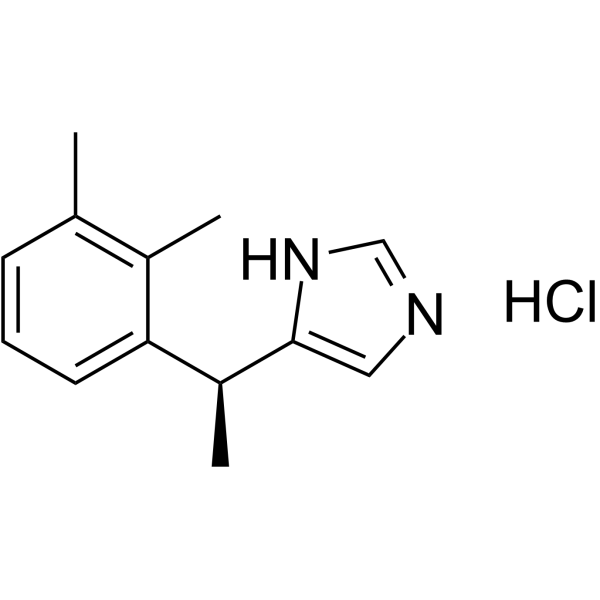
Dexmedetomidine hydrochloride ((+)-Medetomidine hydrochloride) is a potent, selective and orally active agonist of α2-adrenoceptor, with a Ki of 1.08 nM. Dexmedetomidine hydrochloride shows 1620-fold selectivity against α1-adrenoceptor. Dexmedetomidine hydrochloride exhibits anxiolysis, sedation, and modest analgesia effects.
商品は「研究用試薬」です。人や動物の医療用・臨床診断用・食品用の製品ではありません。
研究用途以外に使用した場合、当社は一切の責任を負いかねます。
- 純度 : 99.94%
- CAS 番号: 145108-58-3
- 分子式: C13H17ClN2
- 分子量:236.74
-
保管条件:
4°C, sealed storage, away from moisture
* In solvent : -80°C, 6 months; -20°C, 1 month (sealed storage, away from moisture)

To place orders, for customer services and technical support, please contact: MedChemExpress USA
Tel: 609-228-6898 E-mail: [email protected] [email protected]


-
 生物活性
生物活性
-
化学情報
-
溶剤 & 溶解度
- 純度とドキュメンテーション
- 参考文献
-
 Help & FAQs


-
HY-13715A
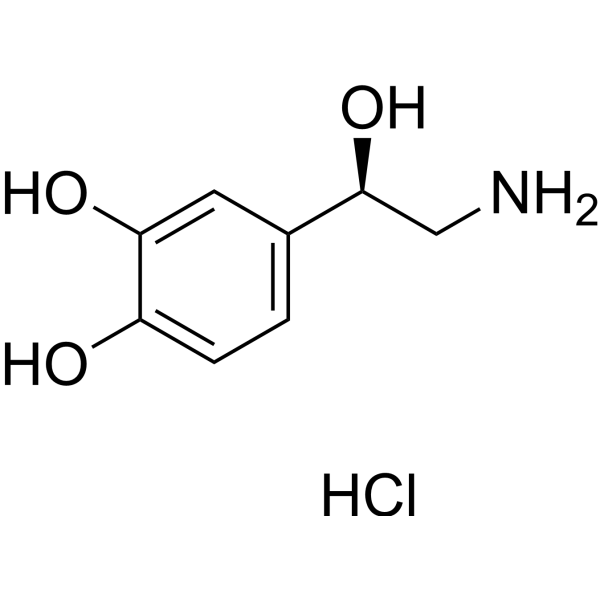
Norepinephrine hydrochlorideAdrenergic Receptor Agonist -
HY-B0471
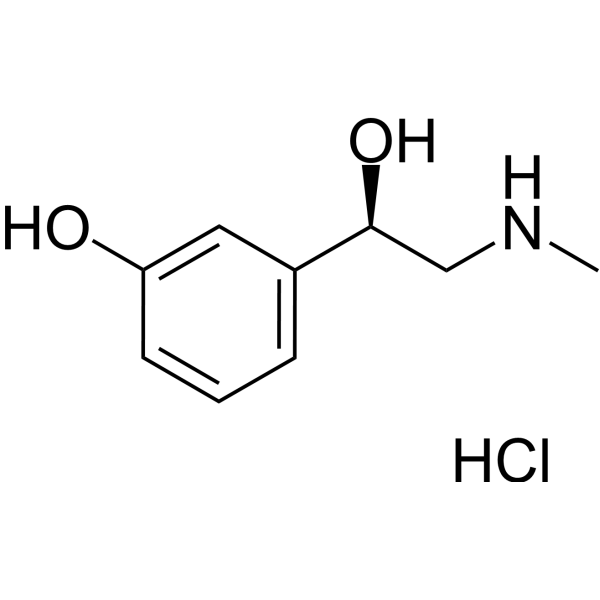
Phenylephrine hydrochlorideEndogenous Metabolite -
HY-B0468
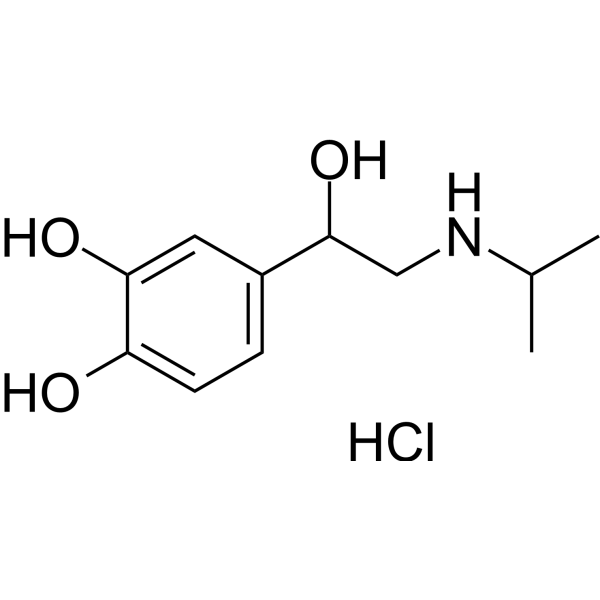
Isoprenaline hydrochlorideβ-adrenoceptor Agonist -
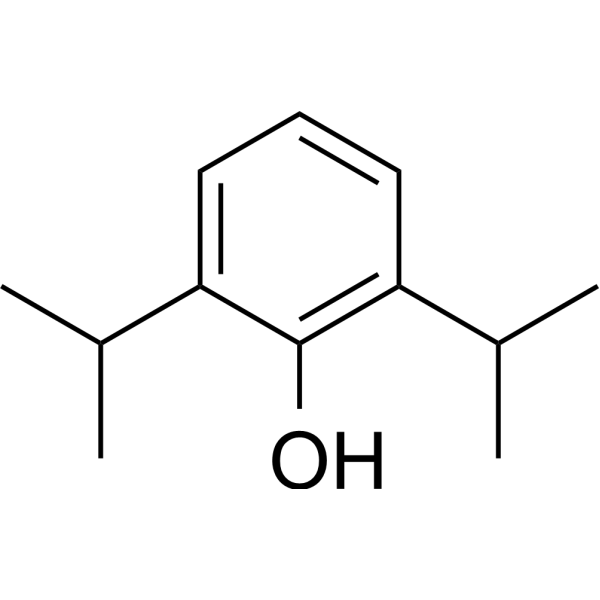
HY-B0649
PropofolGABAA Activator -
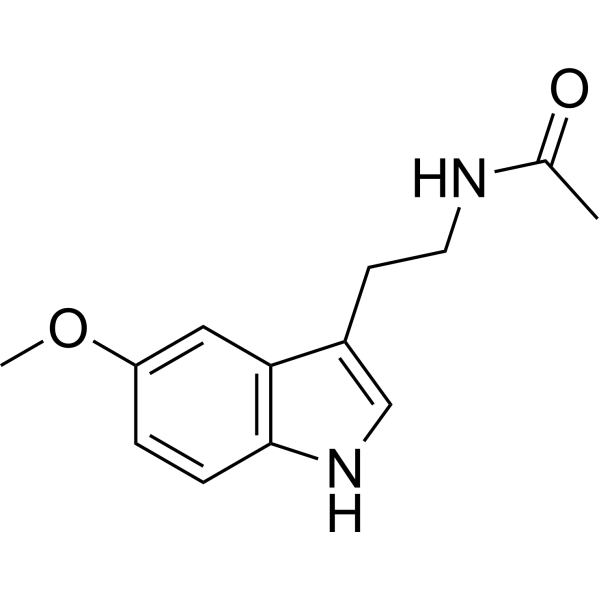
HY-B0075
MelatoninMelatonin Receptor Activator -
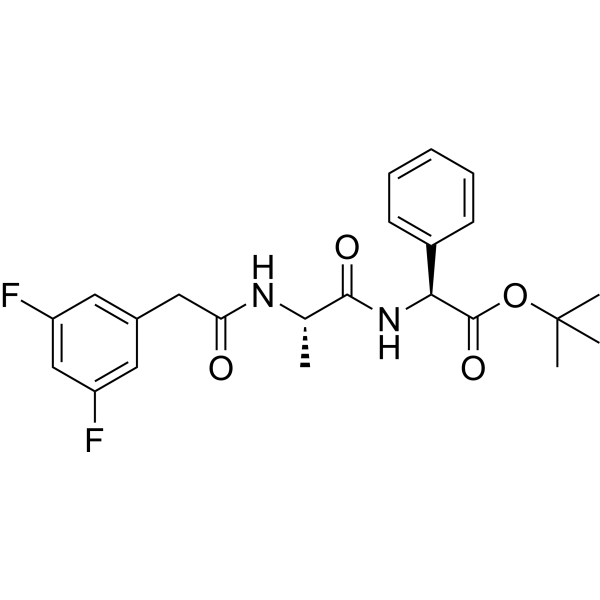
HY-13027
DAPTγ-secretase Inhibitor -
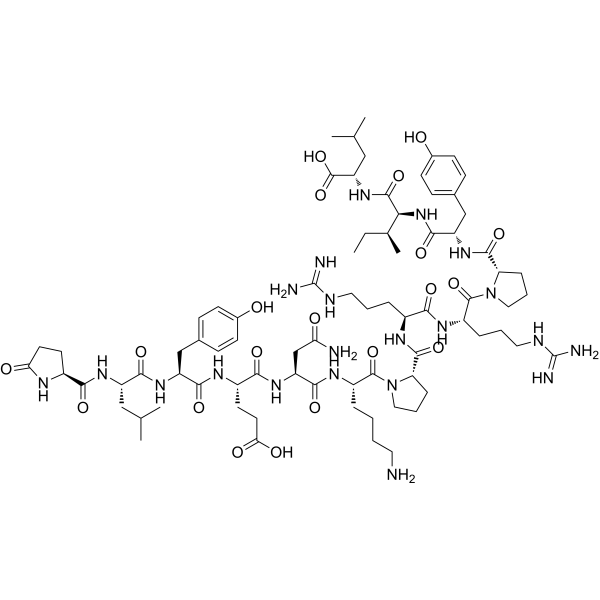
HY-P0234
NeurotensinNeurotensin Receptor Agonist -
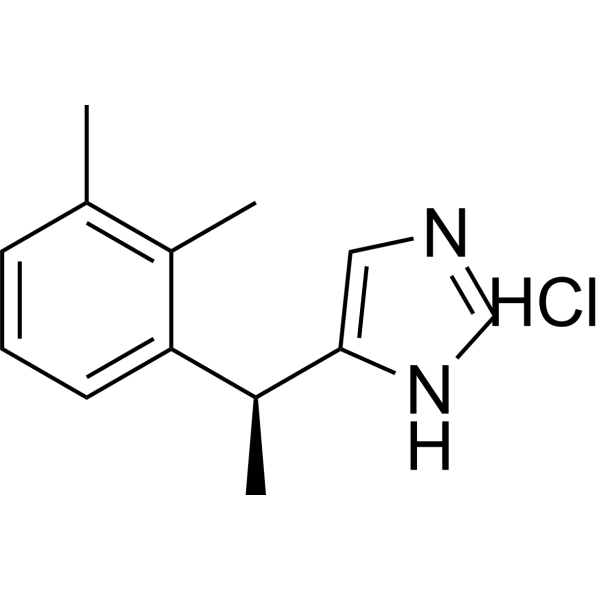
HY-17034AR
Dexmedetomidine hydrochloride (Standard)α2-adrenoceptor Agonist -
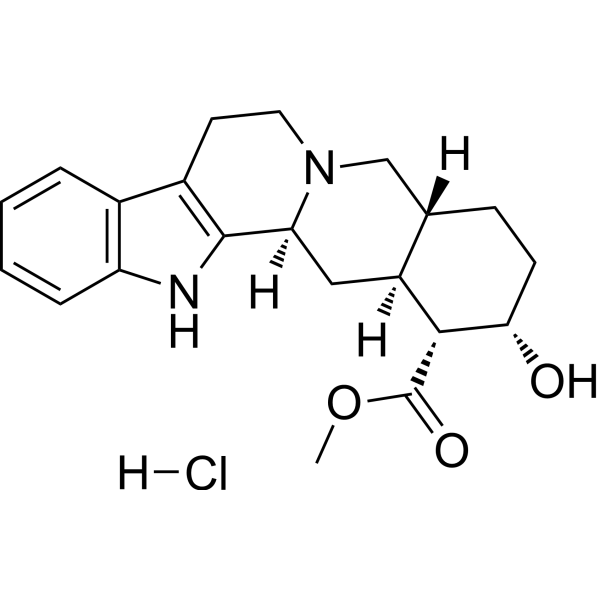
HY-N0127
Yohimbine HydrochlorideAdrenergic Receptor Antagonist -
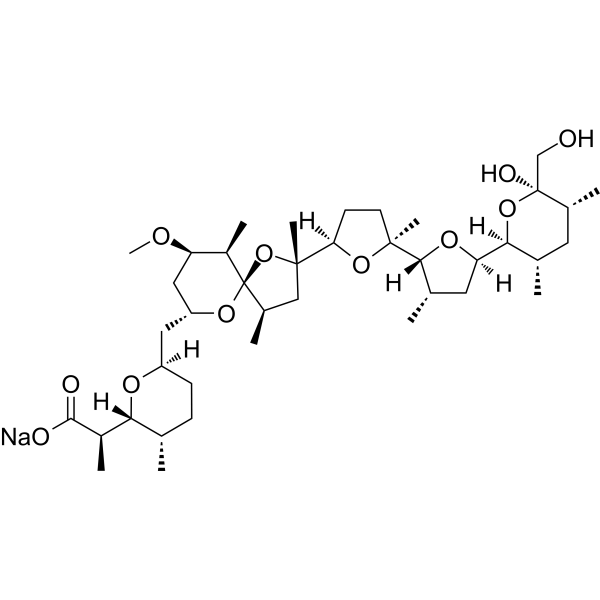
HY-100381
Nigericin sodium saltNLRP3 Activator -
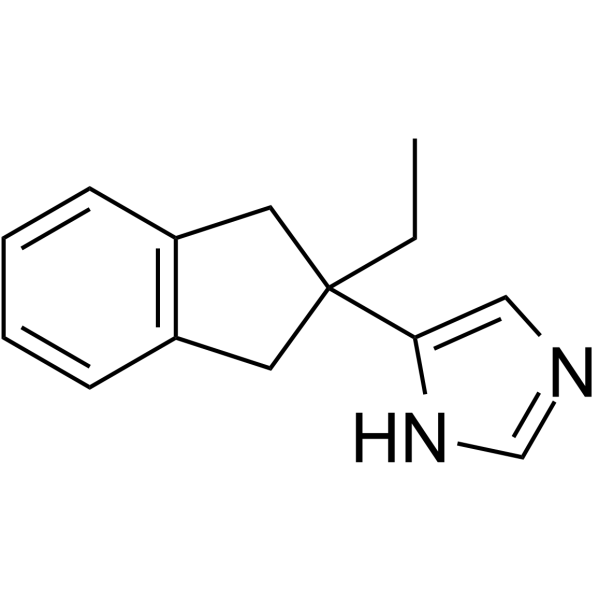
HY-12380A
Atipamezoleα2 Adrenergic Antagonist -
HY-14557
Pimavanserin5-HT2A Inverse Agonist
MedChemExpress(MCE)の使用を引用している文献 Dexmedetomidine hydrochloride
More- Nat Commun. 2023 Jul 7;14(1):4011. [Abstract]
- Am J Chin Med. 2025;53(2):501-522. [Abstract]
- Cell Rep. 2026 Mar 28;45(4):117182. [Abstract]
- Drug Des Devel Ther. 2024 Apr 9:18:1103-1114. [Abstract]
- Cancer Metab. 2025 Jun 23;13(1):33. [Abstract]
- J Ovarian Res. 2026 Apr 28;19(1):209.
- Sci Rep. 2025 Sep 29;15(1):33699. [Abstract]
- Mol Cell Biochem. 2026 May;481(5):2083-2095. [Abstract]
- Mol Cell Biochem. 2026 Mar 13. [Abstract]
- Brain Res Bull. 2026 Apr:237:111839. [Abstract]
- Brain Res Bull. 2025 Aug 24:230:111523. [Abstract]
- Neurochem Res. 2025 Apr 9;50(2):138. [Abstract]
- Front Biosci (Landmark Ed). 2025 Feb 20;30(2):27159. [Abstract]
- Metab Brain Dis. 2025 Nov 5;40(8):306. [Abstract]
- Hum Exp Toxicol. 2025 Jan-Dec:44:9603271251336467. [Abstract]
- Cardiovasc Drugs Ther. 2025 Feb;39(1):33-42. [Abstract]
- Hum Exp Toxicol. 2021 Dec;40(12):2145-2155. [Abstract]
- Chem Biol Drug Des. 2025 Apr;105(4):e70100. [Abstract]
- J Neuropathol Exp Neurol. 2022 Sep 19;81(10):836-849. [Abstract]
- BMC Anesthesiol. 2026 Jun 1. [Abstract]
- Brain Res. 2025 Apr 1:1852:149482. [Abstract]
- Tissue Cell. 2026 Jun 8:103:103683. [Abstract]
- BMC Cardiovasc Disord. 2026 Jun 25.
- Kaohsiung J Med Sci. 2025 Sep;41(9):e70045. [Abstract]
- Dose Response. 2026 Apr 24;24(2):15593258261445031. [Abstract]
- Pharmacology. 2022;107(1-2):14-27. [Abstract]
- J Pharm Innov. 2026 Jul 1;22(1):4.
- Eur J Neurosci. 2021 Dec;54(11):7775-7789. [Abstract]
- Histol Histopathol. 2025 Dec;40(12):2047-2058. [Abstract]
- Exp Brain Res. 2026 Jun 15;244(7):135. [Abstract]
- J Toxicol Sci. 2023;48(3):139-148. [Abstract]
- Mol Cell Toxicol. 2023 Jun 2.
- bioRxiv. 2026 Mar 7.
- University of Colorado Denver. 2024.
- Biomed Pharmacother. 2023 Dec 31:169:115915. [Abstract]
 Customer Validation & Images

-
Cell Imaging/Staining
-
Histological Imaging/Staining
-
Bio/Physico-chemical Assay
-
RT-PCR
-
IF
Adrenergic Receptor アイソフォーム固有の製品をすべて表示
More

生物活性
製品説明
IC50 & Target
[1]|
α2-adrenergic receptor 1.08 nM (IC50) |
体外実験
Medetomidine has high selectivity for α2-adrenoceptor, (Ki=1.08 nM) over α1 adrenoceptors (Ki=1750 nM) in rat brain membranes as measured by the displacement of [3H]clonidine[1].
Medetomidine (0.1-100 nM) inhibits the twitch response in field-stimulated mouse vas deferens, with a pD2 of 9.0[1].
MedChemExpress (MCE) has not independently confirmed the accuracy of these methods. They are for reference only. .
体内実験
MedChemExpress (MCE) has not independently confirmed the accuracy of these methods. They are for reference only.
-
Animal Model:Female Sprague-Dawley rats (270-350 g)[1]
-
Dosage:1, 5, 10, 50, 100 mg/kg
-
Administration:I.v. at 5-min intervals
-
Result:Produced the pupil dilatation of 2.5 mm (approximately half of the maximum effect) at the cumulative dose of 4 μg/kg.
臨床実験
| NCT Number | Sponsor | Condition | Start Date |
Phase

|
|---|---|---|---|---|
| NCT01329991 | Plexxikon| | 2011-05 | PHASE1 |


化学情報
-
CAS 番号 145108-58-3
-
性状 Solid
-
分子量 236.74
-
分子式 C13H17ClN2
-
Color White to off-white
-
SMILES
C[C@H](C1=CN=CN1)C2=CC=CC(C)=C2C.Cl
-
別名
(+)-Medetomidine (hydrochloride); デクスメデトミジン塩酸塩; (S)-Medetomidine (hydrochloride)
-
輸送条件
Room temperature in continental US; may vary elsewhere.
-
保管条件
4°C, sealed storage, away from moisture
* In solvent : -80°C, 6 months; -20°C, 1 month (sealed storage, away from moisture)


Publications (35)
-
Journal Impact Factor
-
Most Recent
-
Nat Commun
Porous microneedle patch with sustained delivery of extracellular vesicles mitigates severe spinal cord injury. [Abstract]2023 Jul 7;14(1):4011. PMID: 37419902 -
Am J Chin Med
Ophiopogonin D from Ophiopogon japonicas-induced USP25 Activity to Reduce Ferroptosis of Macrophage in Acute Lung Injury by the Inhibition of Bound Rac1 and Nox1 Complex. [Abstract]2025;53(2):501-522. PMID: 40099394 -
Cell Rep
2026 Mar 28;45(4):117182. PMID: 41904953 -
Drug Des Devel Ther
Dexmedetomidine Prolongs Lidocaine Intravenous Regional Anesthesia in Rats by Blocking the Hyperpolarization-Activated Cation Current. [Abstract]2024 Apr 9:18:1103-1114. PMID: 38618283 -
Cancer Metab
Dexmedetomidine promotes colorectal cancer progression mediated by gamma-aminobutyric acid signaling. [Abstract]2025 Jun 23;13(1):33. PMID: 40551256 -
-
Sci Rep
Dexmedetomidine regulates the SIRT3-mediated JAK2/STAT3 signaling pathway to protect against sepsis-induced intestinal injury. [Abstract]2025 Sep 29;15(1):33699. PMID: 41023284 -
Mol Cell Biochem
Dexmedetomidine inhibits microglia activation, neuroinflammation, and glycolysis in postoperative cognitive dysfunction by promoting YTHDF2-mediated PKM2 mRNA degradation. [Abstract]2026 May;481(5):2083-2095. PMID: 41925799 -
Mol Cell Biochem
Decoding dexmedetomidine's multiple mechanisms in atherosclerosis: effects on lipid metabolism, inflammation, cholesterol efflux, and foam cell formation. [Abstract]2026 Mar 13. PMID: 41824202 -
Brain Res Bull
Dexmedetomidine ameliorates postoperative delirium-like behavior in aged mice by restoring microglial autophagy via MAPK14 inhibition. [Abstract]2026 Apr:237:111839. PMID: 41865902 -
Brain Res Bull
Dexmedetomidine attenuates postoperative delirium by activating Nrf2 to reduce oxidative stress and blood-brain barrier disruption. [Abstract]2025 Aug 24:230:111523. PMID: 40858194 -
Neurochem Res
Dexmedetomidine Promotes Angiogenesis After Ischemic Stroke Through the NRF2/HO-1/VEGF Pathway. [Abstract]2025 Apr 9;50(2):138. PMID: 40202562 -
Front Biosci (Landmark Ed)
Dexmedetomidine Protects the Brain: Exploring the α2AR/FAK Pathway in Post-Stroke Intestinal Barrier Repair. [Abstract]2025 Feb 20;30(2):27159. PMID: 40018945 -
Metab Brain Dis
Dexmedetomidine alleviates ferroptosis caused by traumatic brain injury via the NRF2/HO-1/GPX4 pathway. [Abstract]2025 Nov 5;40(8):306. PMID: 41191138 -
Hum Exp Toxicol
Protective effects of dexmedetomidine against propofol-induced memory impairment in developing rat involved Src and RARα. [Abstract]2025 Jan-Dec:44:9603271251336467. PMID: 40296644 -
Cardiovasc Drugs Ther
Dexmedetomidine Alleviates Abdominal Aortic Aneurysm by Activating Autophagy Via AMPK/mTOR Pathway. [Abstract]2025 Feb;39(1):33-42. PMID: 37392236 -
Hum Exp Toxicol
Protective effect of dexmedetomidine on neuronal hypoxic injury through inhibition of miR-134. [Abstract]2021 Dec;40(12):2145-2155. PMID: 34121490 -
Chem Biol Drug Des
The Role of the Sirt1/Foxo3a Pathway in Mitigating Myocardial Ischemia-Reperfusion Injury by Dexmedetomidine. [Abstract]2025 Apr;105(4):e70100. PMID: 40230274 -
J Neuropathol Exp Neurol
Dexmedetomidine Inhibits NF-κB-Transcriptional Activity in Neurons Undergoing Ischemia-Reperfusion by Regulating O-GlcNAcylation of SNW1. [Abstract]2022 Sep 19;81(10):836-849. PMID: 35818332 -
BMC Anesthesiol
Dexmedetomidine may alleviate severe acute pancreatitis-associated lung injury by targeting the AIM2 inflammasome in endothelial cells. [Abstract]2026 Jun 1. PMID: 42226110 -
Brain Res
Role of dexmedetomidine in postoperative cognitive dysfunction and sleep improvement in aged rats by regulating the PI3K/Akt signaling pathway and its mechanism. [Abstract]2025 Apr 1:1852:149482. PMID: 39892804 -
Tissue Cell
Rosmarinic acid ameliorates radiation-induced intestinal injury through PI3K/AKT/NF-κB/MMP9 axis inhibition: From network pharmacology prediction to experimental validation. [Abstract]2026 Jun 8:103:103683. PMID: 42269422 -
-
Kaohsiung J Med Sci
Dexmedetomidine Blocks the ERK Pathway by Inhibiting MAP3K8 to Achieve a Protective Effect in Lung Ischemia/Reperfusion Injury. [Abstract]2025 Sep;41(9):e70045. PMID: 40372180 -
Dose Response
Dexmedetomidine Improves BBB and Neuronal Damage in Subarachnoid Hemorrhage by Repressing S100A4-Mediated Astrocytic Reactivity. [Abstract]2026 Apr 24;24(2):15593258261445031. PMID: 42064389 -
Pharmacology
Dexmedetomidine Attenuates Hypoxia/Reoxygenation Injury of H9C2 Myocardial Cells by Upregulating miR-146a Expression via the MAPK Signal Pathway. [Abstract]2022;107(1-2):14-27. PMID: 34718238 -
-
Eur J Neurosci
Dexmedetomidine attenuates propofol-induced apoptosis of neonatal hippocampal astrocytes by inhibiting the Bcl2l1 signalling pathway. [Abstract]2021 Dec;54(11):7775-7789. PMID: 34734676 -
Histol Histopathol
The mechanism of dexmedetomidine regulation of the HIF-1α/FUNDC1 axis in myocardial ischemia/reperfusion injury. [Abstract]2025 Dec;40(12):2047-2058. PMID: 40235277 -
Exp Brain Res
Dexmedetomidine inhibits microglia ferroptosis to relieve postoperative cognitive dysfunction in elderly rats through JPX/HIF-1/DHODH pathway. [Abstract]2026 Jun 15;244(7):135. PMID: 42295409 -
J Toxicol Sci
Dexmedetomidine protects against Ropivacaine-induced neuronal pyroptosis via the Nrf2/HO-1 pathway. [Abstract]2023;48(3):139-148. PMID: 36858639 -
-
-
-
Biomed Pharmacother
Dexmedetomidine alleviates ferroptosis following hepatic ischemia-reperfusion injury by upregulating Nrf2/GPx4-dependent antioxidant responses. [Abstract]2023 Dec 31:169:115915. PMID: 38000361
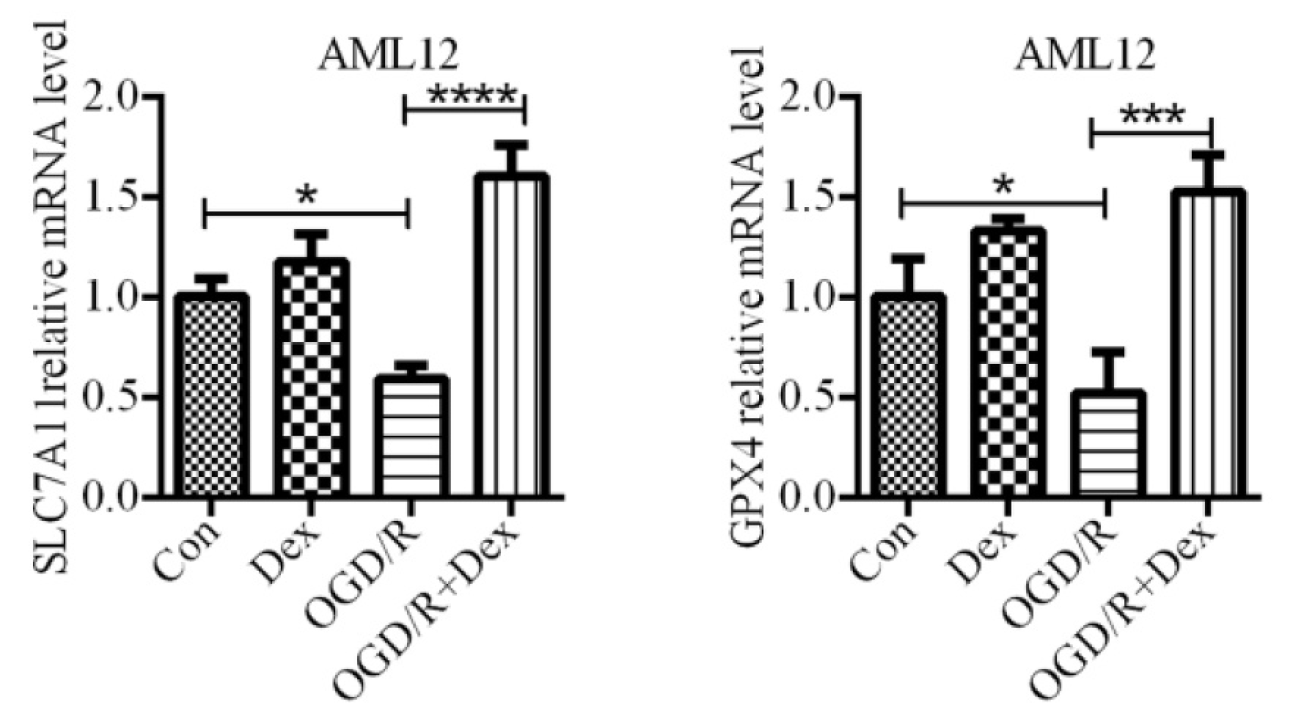
Dexmedetomidine hydrochloride purchased from MedChemExpress. Usage Cited in: Biomed Pharmacother. 2023 Dec 31:169:115915. [Abstract]
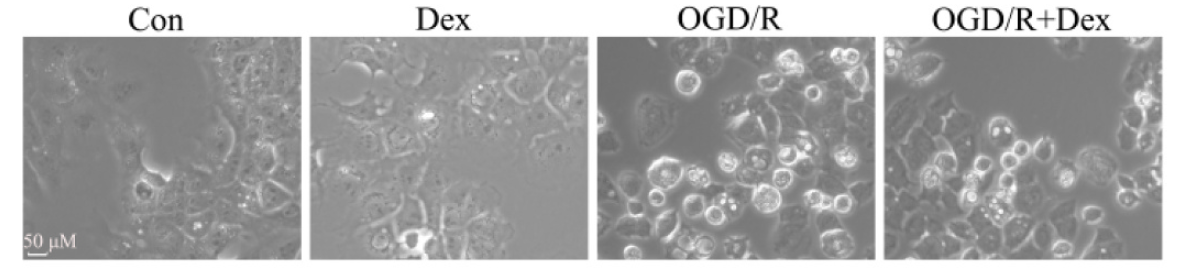
Dexmedetomidine (Dex) (10 nM; 24 h) treatment significantly reduced the number of AML12 cells damaged via OGD/R.
Dexmedetomidine hydrochloride purchased from MedChemExpress. Usage Cited in: Biomed Pharmacother. 2023 Dec 31:169:115915. [Abstract]
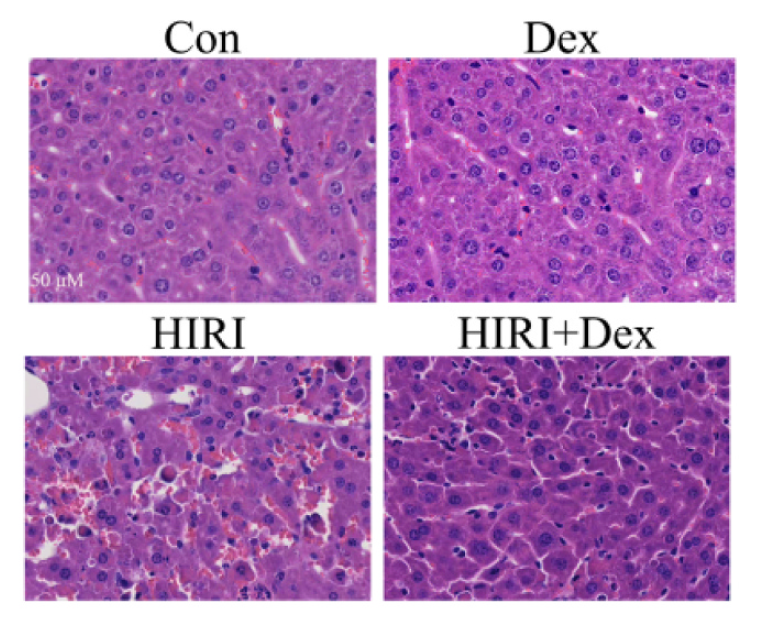
Dexmedetomidine (Dex) (50 mg/kg; i.p.) treatment significantly ameliorated the hepatic pathological changes in the HIRI mice.
Dexmedetomidine hydrochloride purchased from MedChemExpress. Usage Cited in: Biomed Pharmacother. 2023 Dec 31:169:115915. [Abstract]
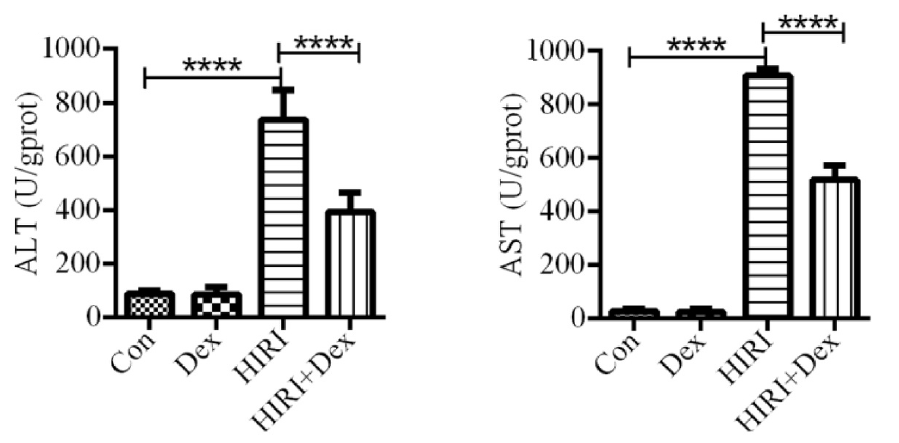
Dexmedetomidine (Dex) (50 mg/kg; i.p.) treatment significantly reduced ALT and AST levels in the HIRI model mice.
Dexmedetomidine hydrochloride purchased from MedChemExpress. Usage Cited in: Biomed Pharmacother. 2023 Dec 31:169:115915. [Abstract]
Dexmedetomidine (Dex) (10 nM; 24 h) increased GPX4 and SLC7A11 mRNA levels in OGD/R-induced AML12 cells.
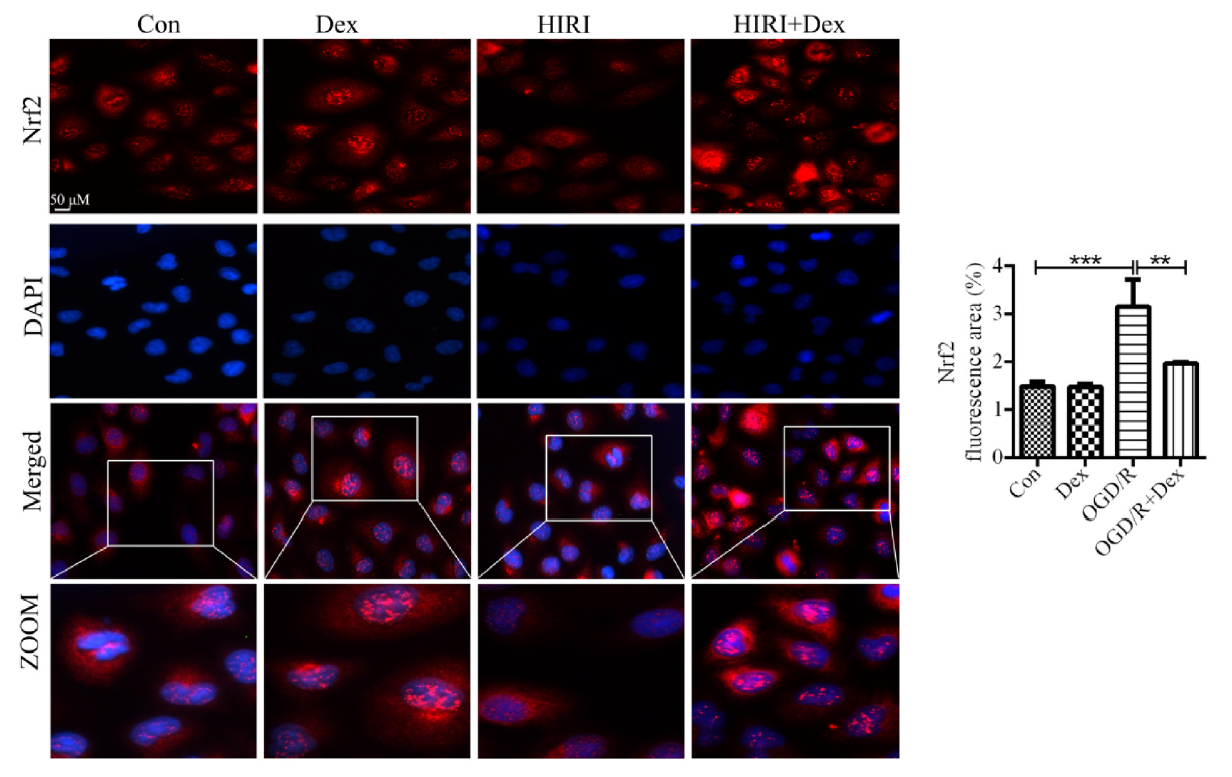
Dexmedetomidine hydrochloride purchased from MedChemExpress. Usage Cited in: Biomed Pharmacother. 2023 Dec 31:169:115915. [Abstract]
Dexmedetomidine (Dex) (10 nM; 24 h) significantly increased the protein expression and nuclear levels of Nrf2 in OGD/R-treated AML12 cells.


溶剤 & 溶解度
体外:
DMSO : 250 mg/mL (1056.01 mM; Need ultrasonic; Hygroscopic DMSO has a significant impact on the solubility of product, please use newly opened DMSO)
H2O : ≥ 50 mg/mL (211.20 mM)
* "≥" means soluble, but saturation unknown.
Please refer to the solubility information to select the appropriate solvent. Once prepared, please aliquot and store the solution to prevent product inactivation from repeated freeze-thaw cycles.
Storage method and period of stock solution: -80°C, 6 months; -20°C, 1 month (sealed storage, away from moisture). When stored at -80°C, please use it within 6 months. When stored at -20°C, please use it within 1 month.
* Note: If you choose water as the stock solution, please dilute it to the working solution, then filter and sterilize it with a 0.22 μm filter before use.
Please refer to the solubility information to select the appropriate solvent. Once prepared, please aliquot and store the solution to prevent product inactivation from repeated freeze-thaw cycles.
Storage method and period of stock solution: -80°C, 6 months; -20°C, 1 month (sealed storage, away from moisture). When stored at -80°C, please use it within 6 months. When stored at -20°C, please use it within 1 month.
* Note: If you choose water as the stock solution, please dilute it to the working solution, then filter and sterilize it with a 0.22 μm filter before use.
濃度 (開始) × 体積 (開始) = 濃度 (終了) × 体積 (終了)
体内:
Select the appropriate dissolution method based on your experimental animal and administration route.
- For the following dissolution methods, please ensure to first prepare a clear stock solution using an In Vitro approach and then sequentially add co-solvents:
- To ensure reliable experimental results, the clarified stock solution can be appropriately stored based on storage conditions. As for the working solution for In Vivo experiments, it is recommended to prepare freshly and use it on the same day.
- The percentages shown for the solvents indicate their volumetric ratio in the final prepared solution. If precipitation or phase separation occurs during preparation, heat and/or sonication can be used to aid dissolution.
Add each solvent one by one: 10% DMSO 40% PEG300 5% Tween-80 45% Saline
Solubility: ≥ 2.08 mg/mL (8.79 mM); Clear solution
This protocol yields a clear solution of ≥ 2.08 mg/mL (saturation unknown).
Taking 1 mL working solution as an example, add 100 μL DMSO stock solution (20.8 mg/mL) to 400 μL PEG300, and mix evenly; then add 50 μL Tween-80 and mix evenly; then add 450 μL Saline to adjust the volume to 1 mL.
Preparation of Saline: Dissolve 0.9 g sodium chloride in ddH₂O and dilute to 100 mL to obtain a clear Saline solution.
Add each solvent one by one: 10% DMSO 90% (20% SBE-β-CD in Saline)
Solubility: ≥ 2.08 mg/mL (8.79 mM); Clear solution
This protocol yields a clear solution of ≥ 2.08 mg/mL (saturation unknown).
Taking 1 mL working solution as an example, add 100 μL DMSO stock solution (20.8 mg/mL) to 900 μL 20% SBE-β-CD in Saline, and mix evenly.
Preparation of 20% SBE-β-CD in Saline (4°C, storage for one week): 2 g SBE-β-CD powder is dissolved in 10 mL Saline, completely dissolve until clear.
In Vivo Dissolution Calculator
Please enter the basic information of animal experiments:
-
-
-
-
Recommended: Prepare an additional quantity of animals to account for potential losses during experiments.
Working solution concentration: 0.22 mg/mL
This product has good water solubility, please refer to the measured solubility data in water/PBS/Saline for details.


純度とドキュメンテーション
-
データシート (275 KB)
-
SDS (393 KB)
- English - EN (393 KB)
- Français - FR (393 KB)
- Deutsch - DE (393 KB)
- Norwegian - NO (393 KB)
- Español - ES (393 KB)
- Swedish - SV (393 KB)
- Italian - IT (393 KB)
- Korean - KR (393 KB)
- Portuguese - PT (393 KB)
-
取扱説明書 (2659 KB)
参考文献
[1]. Virtanen R, et, al. Characterization of the selectivity, specificity and potency of medetomidine as an alpha 2-adrenoceptor agonist. Eur J Pharmacol. 1988 May 20;150(1-2):9-14. [Content Brief]
[2]. Gertler R, et, al. Dexmedetomidine: a novel sedative-analgesic agent. Proc (Bayl Univ Med Cent). 2001 Jan;14(1):13-21. [Content Brief]
[3]. Sajid B, et, al. A comparison of oral dexmedetomidine and oral midazolam as premedicants in children. J Anaesthesiol Clin Pharmacol. Jan-Mar 2019;35(1):36-40. [Content Brief]


Complete Stock Solution Preparation Table
Please refer to the solubility information to select the appropriate solvent. Once prepared, please aliquot and store the solution to prevent product inactivation from repeated freeze-thaw cycles.
Storage method and period of stock solution: -80°C, 6 months; -20°C, 1 month (sealed storage, away from moisture). When stored at -80°C, please use it within 6 months. When stored at -20°C, please use it within 1 month.
| Optional Solvent | Concentration Solvent Mass | 1 mg | 5 mg | 10 mg | 25 mg |
|---|---|---|---|---|---|
| H2O / DMSO | 1 mM | 4.2240 mL | 21.1202 mL | 42.2404 mL | 105.6011 mL |
| 5 mM | 0.8448 mL | 4.2240 mL | 8.4481 mL | 21.1202 mL | |
| 10 mM | 0.4224 mL | 2.1120 mL | 4.2240 mL | 10.5601 mL | |
| 15 mM | 0.2816 mL | 1.4080 mL | 2.8160 mL | 7.0401 mL | |
| 20 mM | 0.2112 mL | 1.0560 mL | 2.1120 mL | 5.2801 mL | |
| 25 mM | 0.1690 mL | 0.8448 mL | 1.6896 mL | 4.2240 mL | |
| 30 mM | 0.1408 mL | 0.7040 mL | 1.4080 mL | 3.5200 mL | |
| 40 mM | 0.1056 mL | 0.5280 mL | 1.0560 mL | 2.6400 mL | |
| 50 mM | 0.0845 mL | 0.4224 mL | 0.8448 mL | 2.1120 mL | |
| 60 mM | 0.0704 mL | 0.3520 mL | 0.7040 mL | 1.7600 mL | |
| 80 mM | 0.0528 mL | 0.2640 mL | 0.5280 mL | 1.3200 mL | |
| 100 mM | 0.0422 mL | 0.2112 mL | 0.4224 mL | 1.0560 mL |
* Note: If you choose water as the stock solution, please dilute it to the working solution, then filter and sterilize it with a 0.22 μm filter before use.


Dexmedetomidine hydrochloride 関連分類
HY-17034A 関連分類
 Powered by Bioz