



Sweeteners
-
Sweeteners (43)

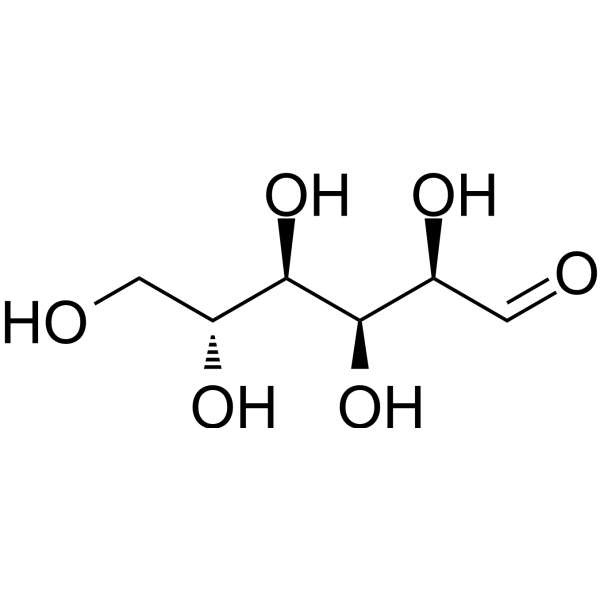
- Formula: C6H12O6
- Molecular Weight: 180.16
D-Glucose is the naturally occurring form of glucose and the most abundant monosaccharide. D-Glucose is a critical components of the general metabolism, and serve as critical signaling molecules in relation to both cellular metabolic status and biotic or abiotic stress response.
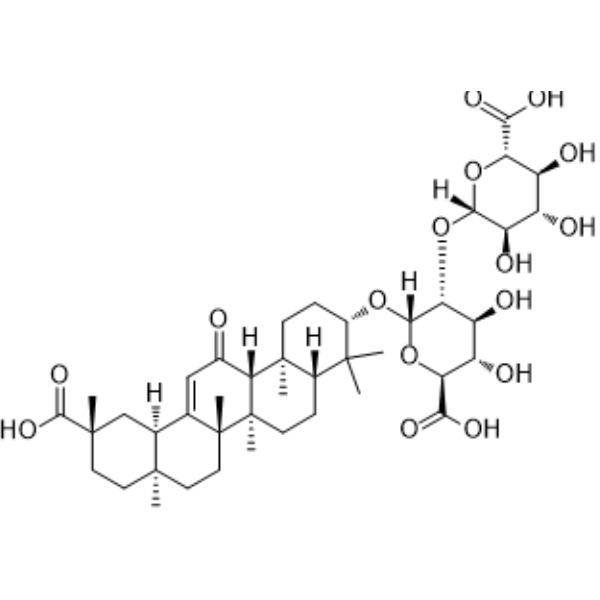
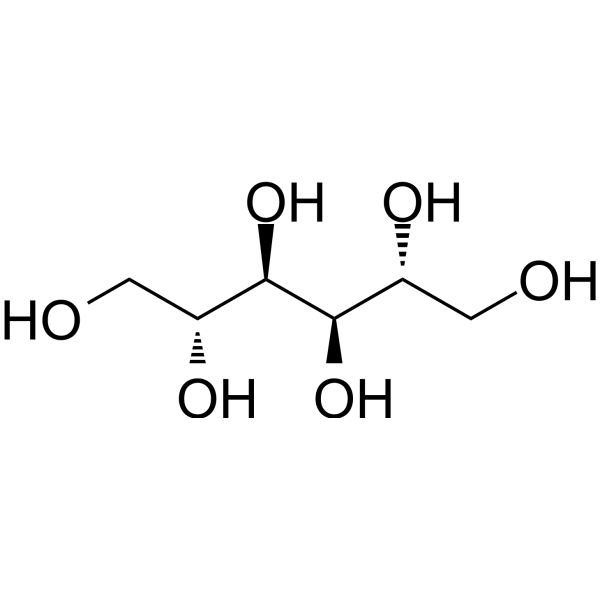
- Formula: C6H14O6
- Molecular Weight: 182.17
D-Mannitol (Mannitol) is an oral, resistant sugar widely used in the food and pharmaceutical industries to promote the absorption and retention of calcium and magnesium through cecal fermentation, while acting as a osmotic diuretic to reduce tissue edema. D-Mannitol can enhance brown fat formation, improve insulin effect, reduce blood sugar levels, And through the start the β3-adrenergic receptor (β3-AR), PGC1α and PKA induced by means of white fat cells into brown fat cells. D-Mannitol is commonly used to maintain osmotic pressure between the plant cytoplasm and the culture medium and protect cells when the cell wall is weakened or even removed.
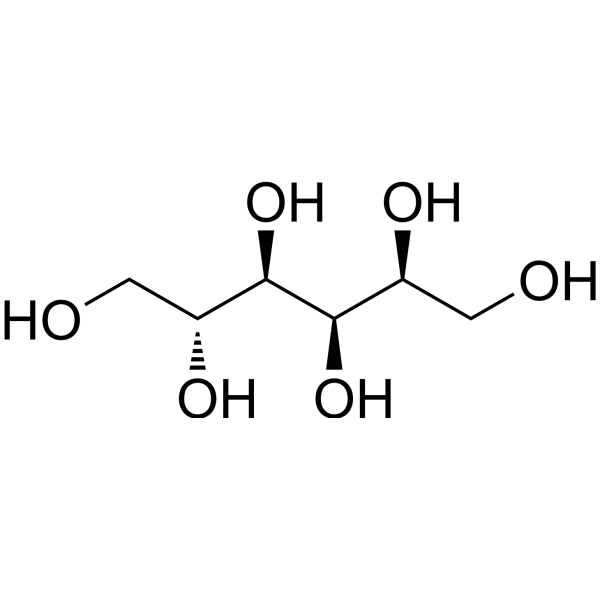
- Formula: C6H14O6
- Molecular Weight: 182.17
D-Sorbitol (Sorbitol) is a six-carbon sugar alcohol and can used as a sugar substitute. D-Sorbitol can be used as a stabilizing excipient and/or isotonicity agent, sweetener, humectant, thickener and dietary supplement.
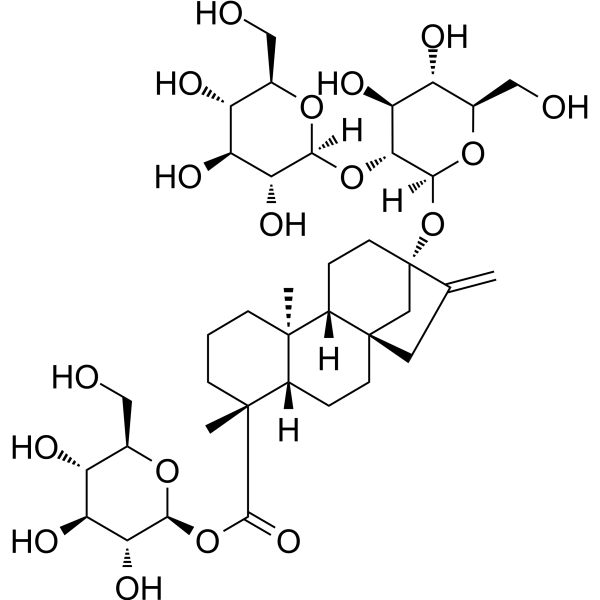
- Formula: C38H60O18
- Molecular Weight: 804.87
Stevioside is an orally active sweetener that can be isolated from Stevia rebaudiana, with antihypertensive, antihyperglycemic, antioxidant, anti-inflammatory and anti-tumor activities.
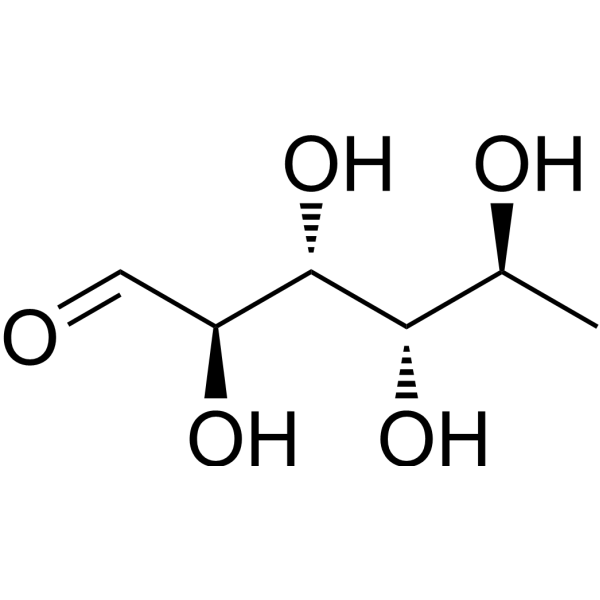
- Formula: C6H12O5
- Molecular Weight: 164.16
Rhamnose (L-Rhamnose ) is an orally active deoxysugar. Rhamnose can inhibit levels of pro-inflammatory interleukin and matrix metalloproteinases (MMPs) in skin aging models. Rhamnose can promote the phosphorylation levels of PKA substrates and HSL in SVF-derived adipocytes, stimulating PKA signaling. Rhamnose can act against obesity in mice by stimulating fat dopamine receptors and inducing thermogenesis. Rhamnose shows anti-aging effects. Rhamnose monohydrate can be used in the study of Ehrlich’s solid tumors and sarcomas.
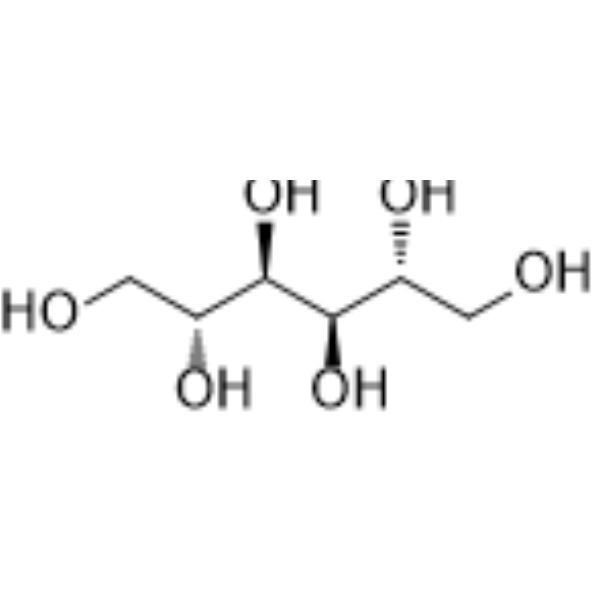
- Formula: C6H14O6
- Molecular Weight: 182.17
D-Mannitol (Standard) is the analytical standard of D-Mannitol (HY-N0378). This product is intended for research and analytical applications. D-Mannitol (Mannitol) is an oral, resistant sugar widely used in the food and pharmaceutical industries to promote the absorption and retention of calcium and magnesium through cecal fermentation, while acting as a osmotic diuretic to reduce tissue edema. D-Mannitol can enhance brown fat formation, improve insulin effect, reduce blood sugar levels, And through the start the β3-adrenergic receptor (β3-AR), PGC1α and PKA induced by means of white fat cells into brown fat cells. D-Mannitol is commonly used to maintain osmotic pressure between the plant cytoplasm and the culture medium and protect cells when the cell wall is weakened or even removed.
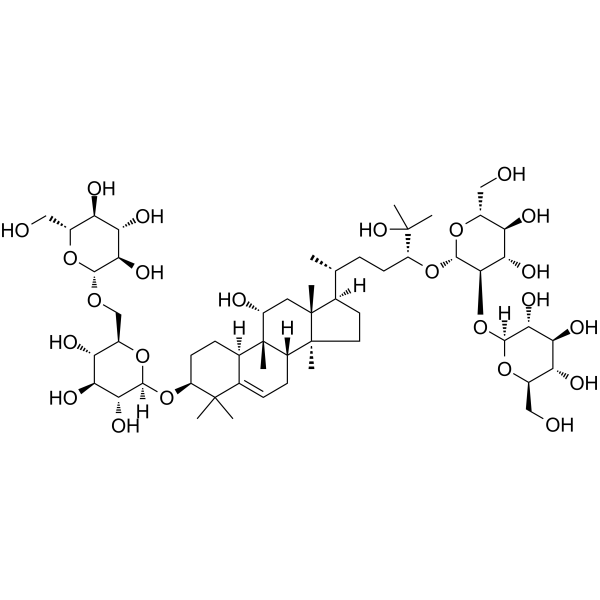
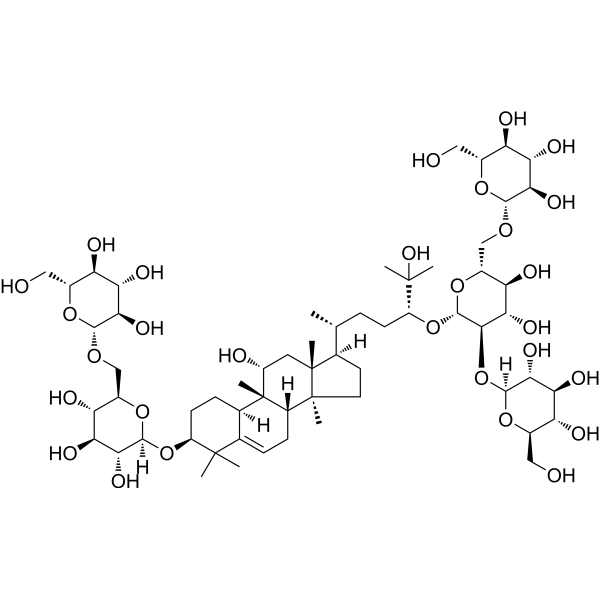
- Formula: C54H92O24
- Molecular Weight: 1125.29
Mogroside IV-E is a PUS1 inhibitor that reduces PUS1 expression and inhibits bone metastasis of prostate cancer. Mogroside IV-E can be used in prostate cancer-related research.
- Formula: C60H102O29
- Molecular Weight: 1287.43
Mogroside V is a the major active constituent of a traditional Chinese medicine Siraitiae Fructus. Mogroside V reduces the intracellular reactive oxygen species (ROS) levels and enhances mitochondrial function. Mogroside V has anti-oxidative, anti-diabetic and anti-carcinogenic effects. Mogroside V can be used for diabetic diseases research.
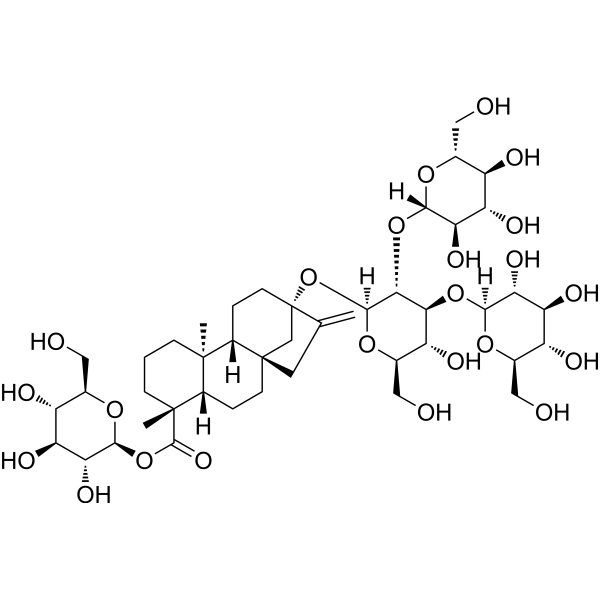
- Formula: C44H70O23
- Molecular Weight: 967.01
Rebaudioside A is an orally effective steviol glycoside with high sweetness. Rebaudioside A acts as an inhibitor of α-glucosidase with an IC50 value of 35.01 μg/mL. Rebaudioside A increases the ATP/ADP ratio in β cells in a glucose-dependent manner, thereby inhibiting KATP channels, leading to membrane depolarization, calcium influx, and ultimately stimulating insulin secretion. Rebaudioside A activates the SREBP signaling pathway by inhibiting HMGCR, the rate-limiting enzyme in cholesterol synthesis, resulting in increased expression of LDLR on the cell surface, thus promoting the uptake of LDL-C in the blood. Rebaudioside A can be used for studies on blood glucose and lipid regulation as well as anti-obesity.
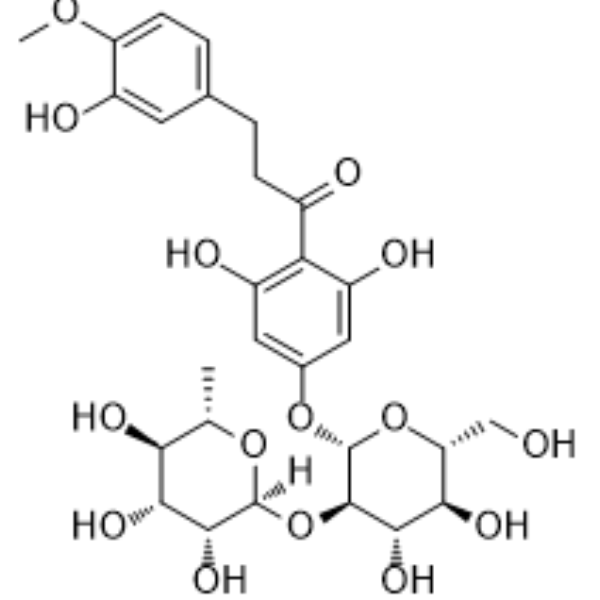
- Formula: C28H36O15
- Molecular Weight: 612.58
Neohesperidin dihydrochalcone is a synthetic glycoside chalcone, is added to various foods and beverages as a low caloric artificial sweetener.
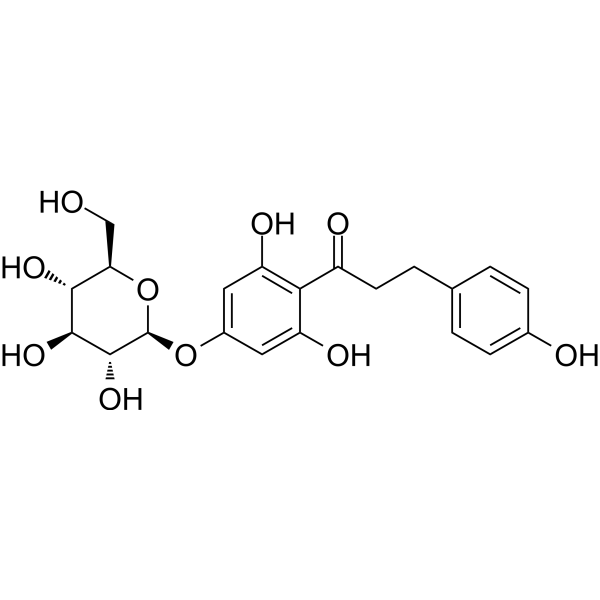
- Formula: C21H24O10
- Molecular Weight: 436.41
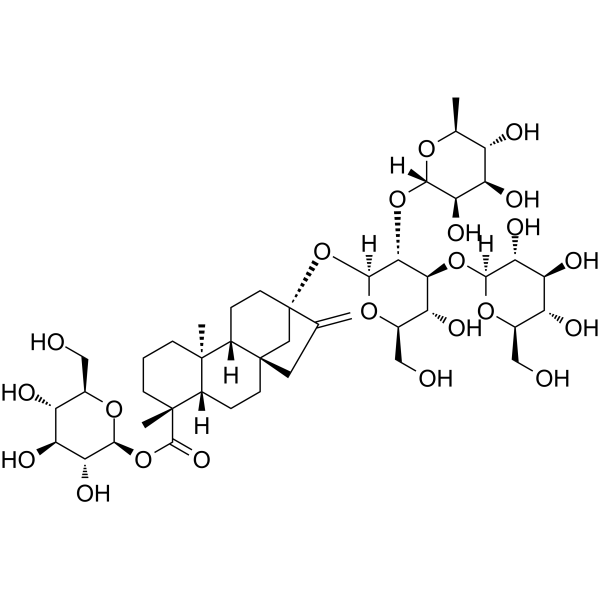
- Formula: C44H70O22
- Molecular Weight: 951.01
Rebaudioside C (Dulcoside B) is an orally effective natural sweetener that cannot pass the blood-brain barrier and selectively binds to human sweet taste receptors (TAS1R2/TAS1R3). The sweetness of Rebaudioside C is about 20-30 times that of sucrose, and its sweetness activity depends on the C-16/C-17 double bond structure and specific aglycones. The glycoside structure in the Rebaudioside C molecule can bind to the sweet taste receptor, activate the taste signal transduction pathway, and produce sweetness perception.
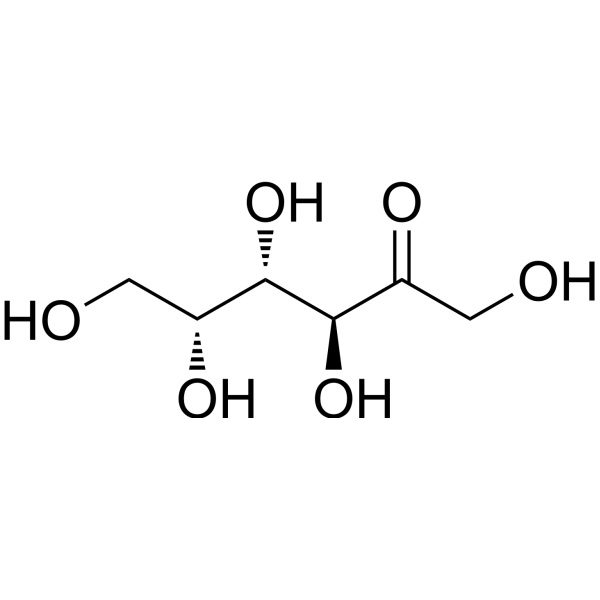
- Formula: C6H12O6
- Molecular Weight: 180.16
D-Tagatose (D-(-)-Tagatose) is a natural low-calorie rare sugar. D-Tagatose inhibits the activities of sucrase, maltase and intestinal disaccharidases, reduces the digestion of sucrose and starch, and blocks the absorption of sucrose, maltose and glucose. D-Tagatose promotes glucokinase activity and inhibits glycogen phosphorylase activity via tagatose-1-phosphate, regulates the synthesis and decomposition of hepatic glycogen, reduces postprandial and fasting blood glucose levels, and improves hyperinsulinemia. D-Tagatose regulates lipid profiles, stimulates GLP-1 secretion, and exhibits prebiotic effects. D-Tagatose is a bulking sweetener. D-Tagatose can be used in research related to diabetes, hyperlipidemia, dental caries, atherosclerosis and type 2 diabetes.
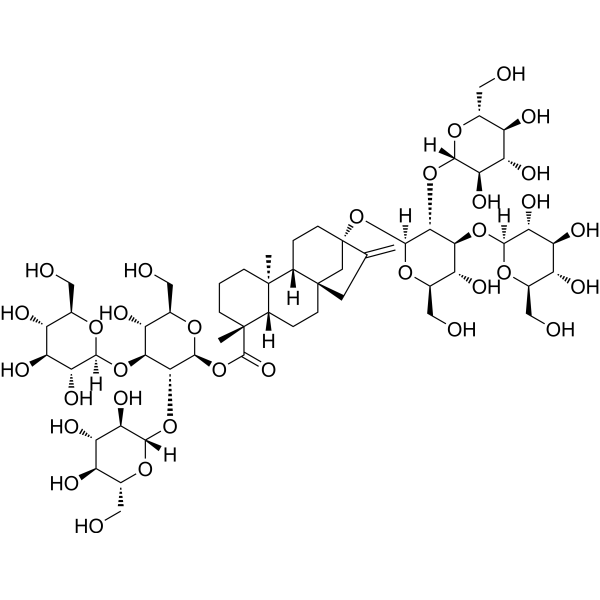
- Formula: C56H90O33
- Molecular Weight: 1291.29
Rebaudioside M, a glycoside of the ent-kaurene diterpenoid aglycone, is a non-calorie sweetener isolated from Stevia rebaudiana. Rebaudioside M has antidiabetics, antihypertension, anti-inflammatory, antioxidant, anticaries and anticancer benefits. Rebaudioside M is more than 350 times sweeter than sucrose. Rebaudioside M can be used in food and beverage .
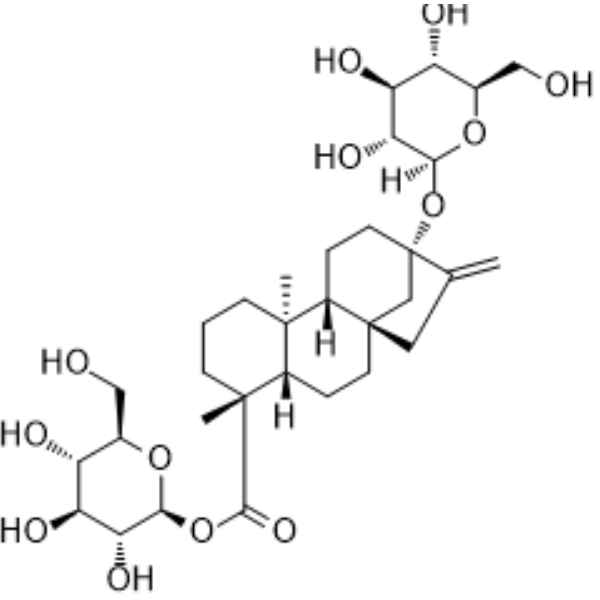
- Formula: C32H50O13
- Molecular Weight: 642.73
Rubusoside is a diterpene glycoside that is also a sweetener and solubilizer with anti-angiogenic, anti-cancer, anti-obesity, anti-allergic and anti-asthmatic effects. Rubusoside attenuates airway hyperresponsiveness and reduces inflammatory cells in bronchoalveolar lavage fluid (BALF), reducing OVA (HY-W250978)-induced airway inflammation. Rubusoside also prevents palmitic acid-induced lipotoxicity in pancreatic INS-1 cells, reduces the transport of human glucose transporters GLUT-1 and fructose GLUT-5, and inhibits NF-κB and α-amylase (α-amylase).
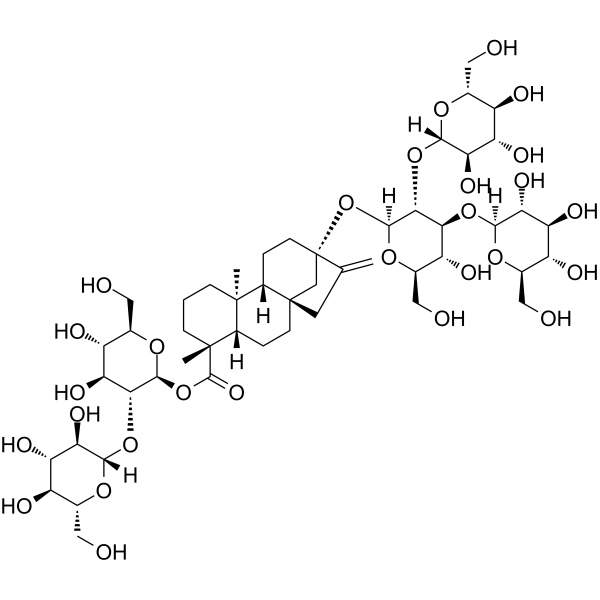
- Formula: C50H80O28
- Molecular Weight: 1129.15
Rebaudioside D is an orally active sweetener that targets and activates FXR, modulates Acetyl-CoA Carboxylase, and inhibits 3-hydroxy-3-methylglutaryl-CoA reductase. Rebaudioside D regulates bile acid homeostasis and lipid metabolism, reduces the synthesis rates of fatty acids and cholesterol, and exerts multiple effects including anti-adipogenesis, hepatoprotection, anti-steatosis, gut microbiota modulation, enhancement of secondary bile acid metabolism, anti-endotoxin activity, regulation of bile acid transport, and inhibition of bile acid efflux. Rebaudioside D also reduces body weight gain, visceral fat accumulation, hepatic triglyceride and cholesterol accumulation, hepatic lipid peroxidation, and decreases the circulating level of lipopolysaccharide-binding protein. Rebaudioside D additionally enhances the secondary bile acid metabolic pathway of intestinal bacteria, upregulates the gene expression of ileal organic solute transporter α, and downregulates the gene expression of hepatic bile salt export pump. Rebaudioside D does not affect glucose homeostasis, alter total caloric intake or fecal energy excretion, induce weight gain, exacerbate obesity, promote hepatic steatosis, impair brown adipose tissue function, nor change skeletal muscle metabolism-related proteins. Rebaudioside D can be used in diet-induced obesity and obesity-related research.
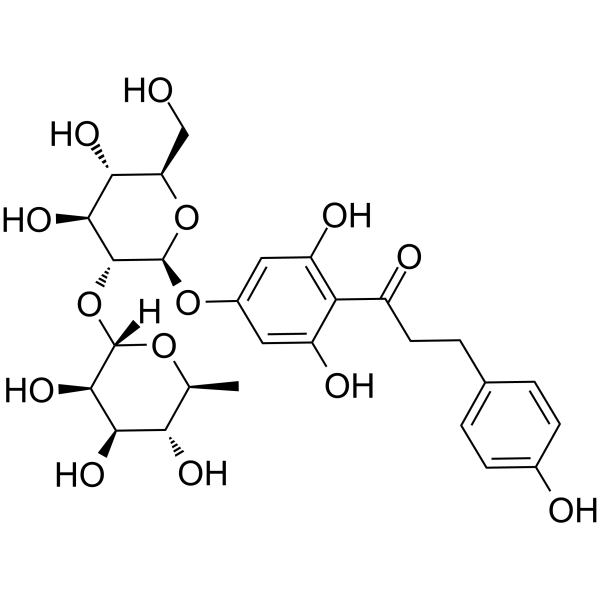
- Formula: C27H34O14
- Molecular Weight: 582.55
Naringin Dihydrochalcone is an artificial sweetener derived from naringin. Naringin is a major flavanone glycoside obtained from tomatoes, grapefruits, and many other citrus fruits. Naringin exhibits biological properties such as antioxidant, anti-inflammatory, and antiapoptotic activities. Naringin suppresses NF-κB signaling pathway.
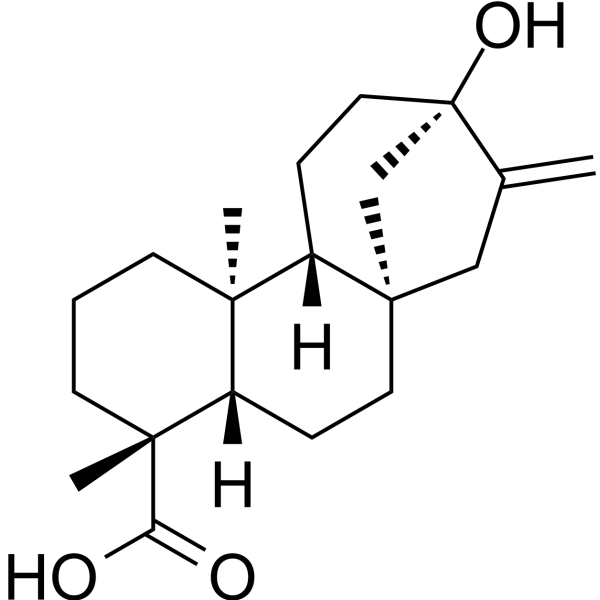
- Formula: C20H30O3
- Molecular Weight: 318.45
Steviol is the main metabolite of steviol glycosides and an inhibitor of AQP2/CFTR. Steviol slows down the growth of renal cysts by inhibiting the activity of CFTR, reducing the expression of AQP2, and promoting the degradation of AQP2 and CFTR. Steviol can be used in the research of polycystic kidney disease.



