



D-Tagatose

Based on 1 Customer Validation
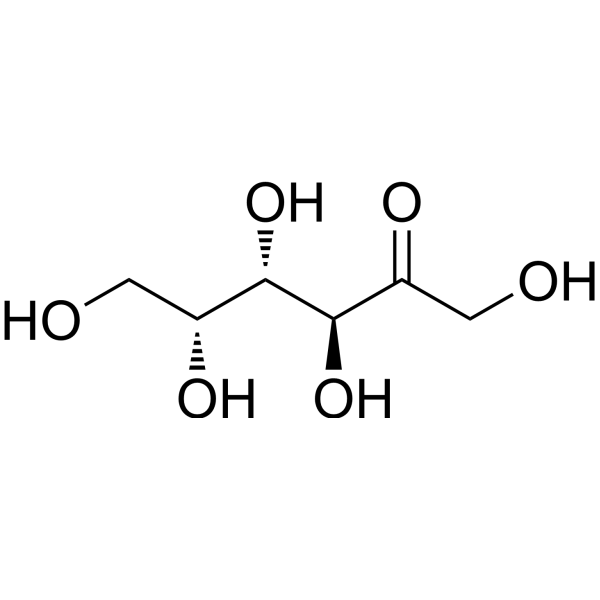
D-Tagatose (D-(-)-Tagatose) is a natural low-calorie rare sugar. D-Tagatose inhibits the activities of sucrase, maltase and intestinal disaccharidases, reduces the digestion of sucrose and starch, and blocks the absorption of sucrose, maltose and glucose. D-Tagatose promotes glucokinase activity and inhibits glycogen phosphorylase activity via tagatose-1-phosphate, regulates the synthesis and decomposition of hepatic glycogen, reduces postprandial and fasting blood glucose levels, and improves hyperinsulinemia. D-Tagatose regulates lipid profiles, stimulates GLP-1 secretion, and exhibits prebiotic effects. D-Tagatose is a bulking sweetener. D-Tagatose can be used in research related to diabetes, hyperlipidemia, dental caries, atherosclerosis and type 2 diabetes.
For research use only. We do not sell to patients.
- Purity : 99.94%
- CAS No.: 87-81-0
- Formula: C6H12O6
- Molecular Weight:180.16
-
Storage:Powder -20°C, 3 years , 4°C, 2 years ; In solvent -80°C, 6 months , -20°C, 1 month

To place orders, for customer services and technical support, please contact: MedChemExpress USA
Tel: 609-228-6898 E-mail: [email protected] [email protected]


-
 Biological Activity
-
Chemical Information
-
Solvent & Solubility
- Protocols
- Purity & Documentation
- References
-
 Help & FAQs


-
HY-N0210
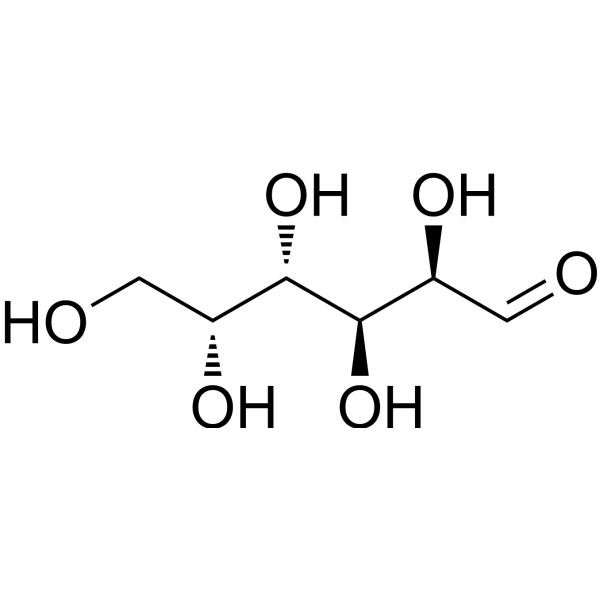
D-GalactoseEndogenous Metabolite -
HY-N9914
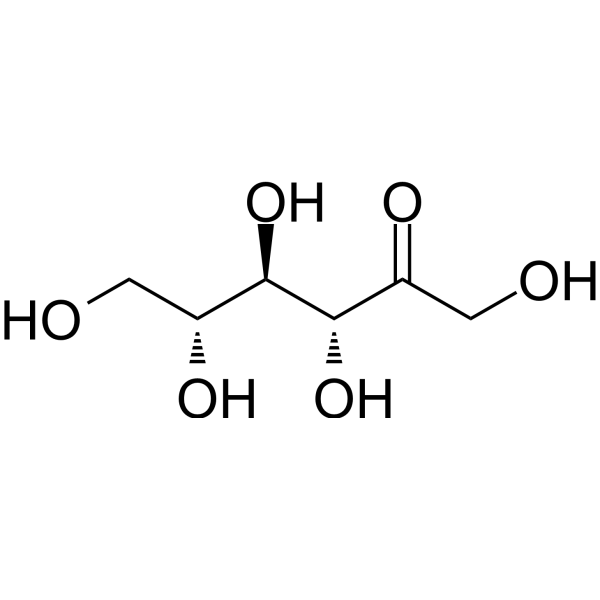
D-PsicoseRare Sugar -
HY-B0400
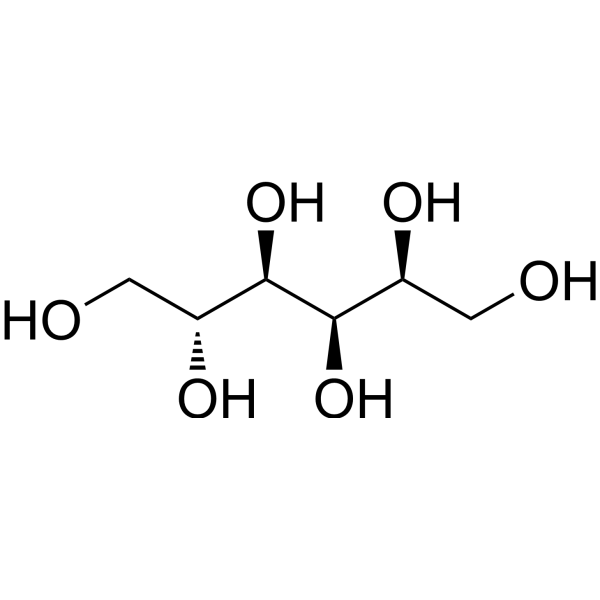
D-SorbitolSugar Alcohol -
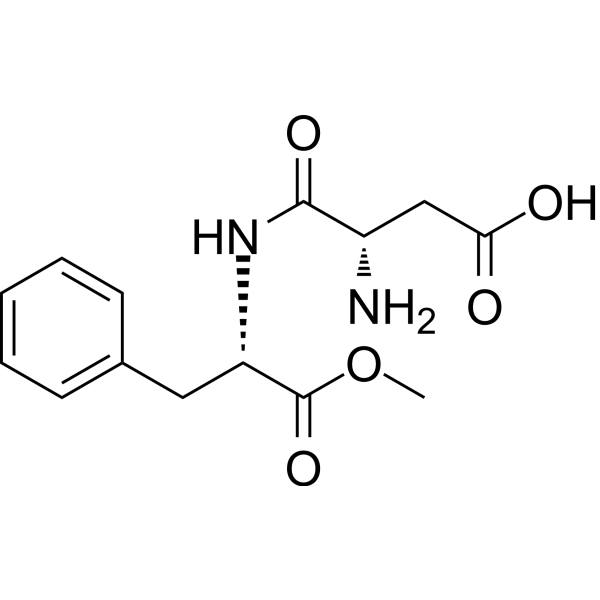
HY-B0361
AspartameSweetener -
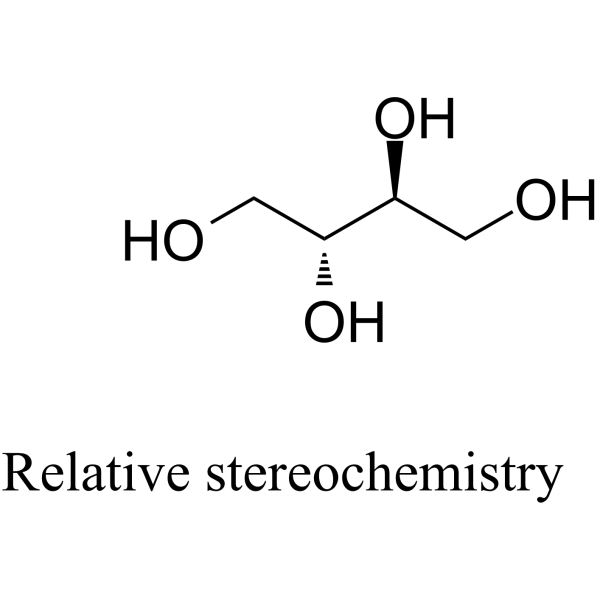
HY-100551
meso-ErythritolSweetener Agent -
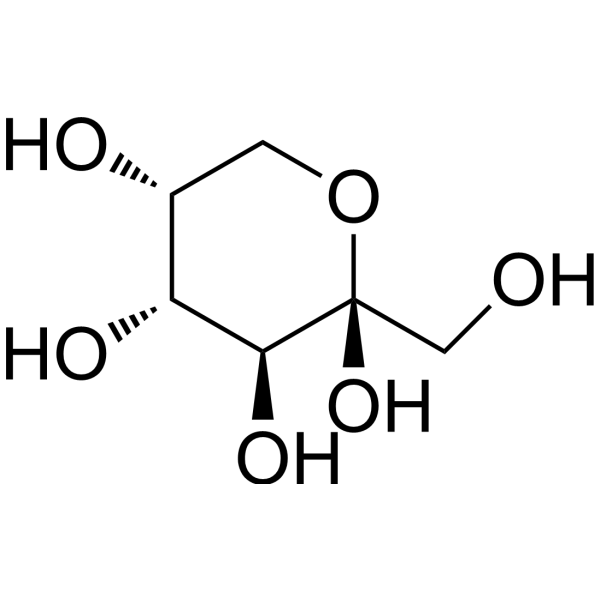
HY-N0395
FructoseKetonic Monosaccharide -
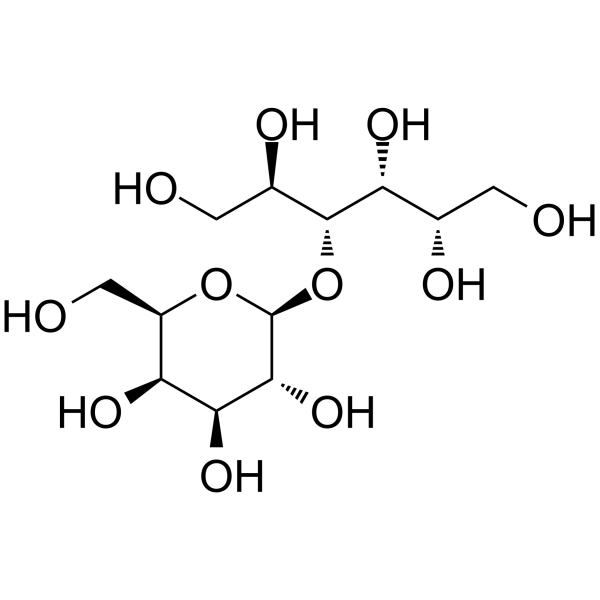
HY-N7104
LactitolPrebiotic -
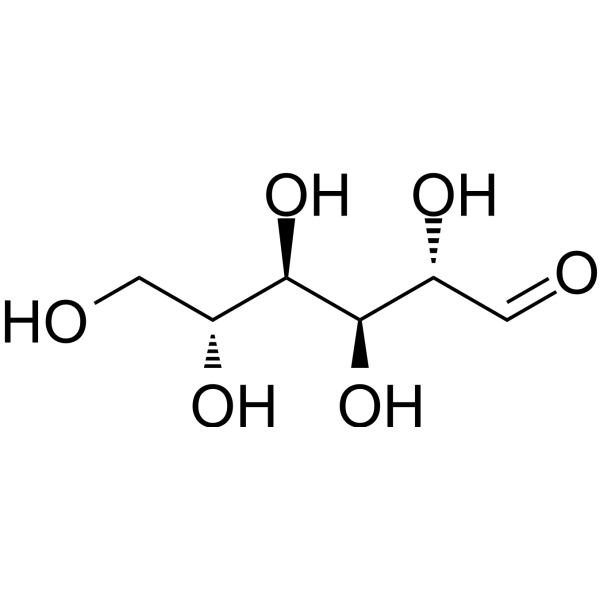
HY-N0379
D-MannoseEndogenous Metabolite -
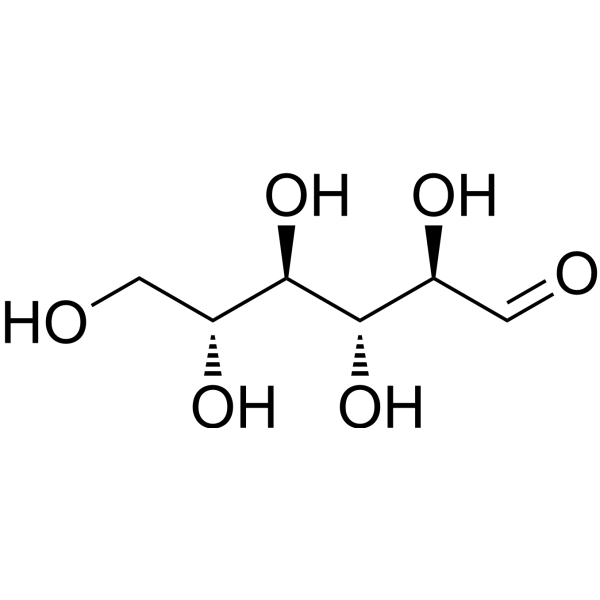
HY-128741
D-AlloseEndogenous Metabolite -
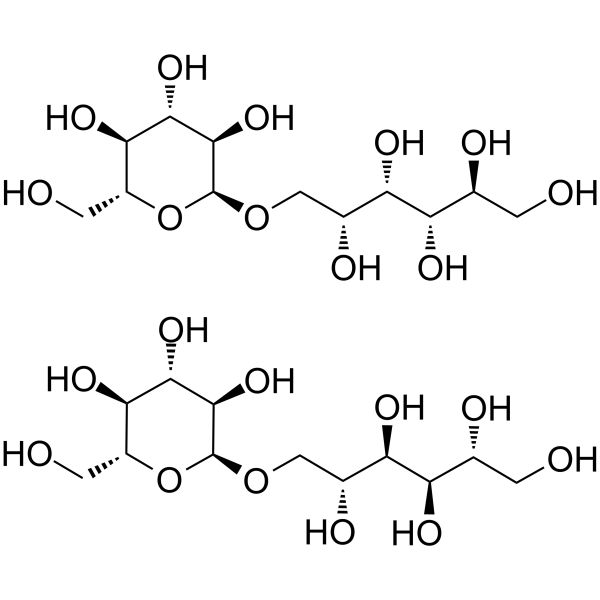
HY-N7393
IsomaltProtein-Stabilizing Excipient/Sweetener -
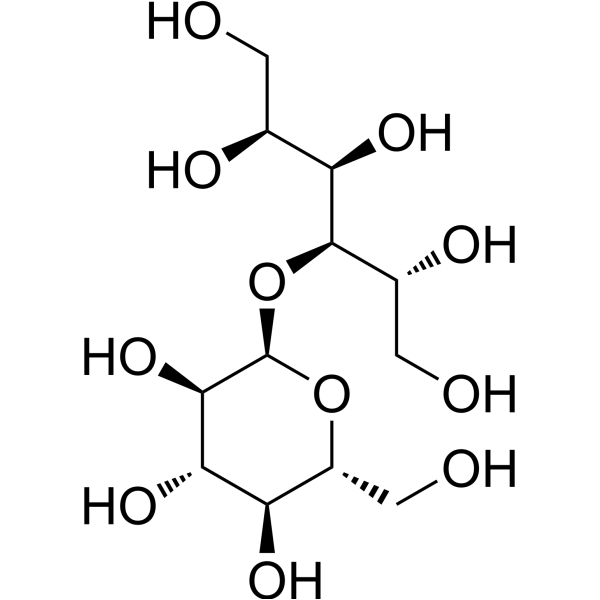
HY-B2122
MaltitolSugar Alcohol -
HY-W040240
L-(-)-SorboseCellulase Production Inducer
All Endogenous Metabolite Isoforms
More

Biological Activity
Description
IC50 & Target
|
Human Endogenous Metabolite |
In Vitro
D-Tagatose was synthesized from starch via an ATP-free in vitro multi-enzyme pathway, with high yield enabled by the final irreversible dephosphorylation step[1].
D-Tagatose does not increase mutation frequency in mouse L5178Y lymphoma cancer cells, with or without metabolic activation[2].
D-Tagatose is thermally stable in milk and lemonade, with minimal degradation and preserved prebiotic activity during processing and storage[2].
MedChemExpress (MCE) has not independently confirmed the accuracy of these methods. They are for reference only. Further protocols information, click here.
In Vivo
D-Tagatose (sole carbohydrate source in diet; dietary; ad libitum; 16 weeks), when substituted for sucrose in hypercholesterolemic mouse diets, prevents the development of obesity, hyperglycemia, hyperlipidemia, and atherosclerosis observed with sucrose feeding[2].
D-Tagatose produces antidiabetic effects in the SHR/N-cp rat model of type 2 diabetes[2].
D-Tagatose (0.9-1.8 g/(rat·d); oral; mixed with basal diet; 21-day adaptation period; 40-41-day balance period) provides effectively zero net metabolizable energy to growing male Wistar rats, with a calculated NEVs of -0.5 kJ/g that is not significantly different from zero[3].
MedChemExpress (MCE) has not independently confirmed the accuracy of these methods. They are for reference only.
-
Animal Model:Wistar rats (male, initial weight 80-100 g)[3]
-
Dosage:0.9 g/(rat·d); 1.8 g/(rat·d)
-
Administration:oral (mixed with basal diet; 21-day adaptation period; 40- or 41-day balance period)
-
Result:Did not significantly alter live weight gain during the balance period.
Did not increase energy gain as protein or fat, unlike sucrose.
Yielded a calculated net metabolizable energy value (NEVs) of -0.5 kJ/g (SEM ±2.2 kJ/g), which was not significantly different from zero.
Elevated metabolizable energy for maintenance plus substrate-induced energy losses by 24 kJ/g average protein mass after adjustment for balance period duration and lean mass.
Clinical Trial
| NCT Number | Sponsor | Condition | Start Date |
Phase

|
|---|---|---|---|---|
| NCT01329991 | Plexxikon| | 2011-05 | PHASE1 |


Chemical Information
-
CAS No. 87-81-0
-
Appearance Solid
-
Molecular Weight 180.16
-
Formula C6H12O6
-
Color White to off-white
-
SMILES
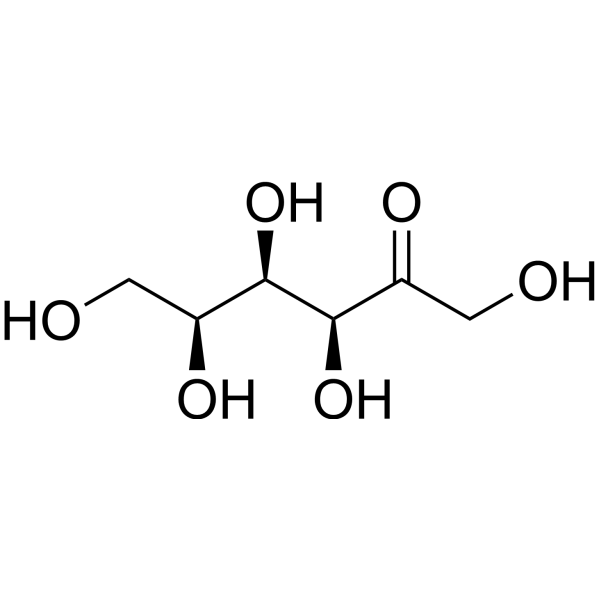
OCC([C@@H](O)[C@@H](O)[C@H](O)CO)=O
-
Synonyms
D-(-)-Tagatose
-
Structure Classification
-
Initial Source
-
Shipping
Room temperature in continental US; may vary elsewhere.
-
Storage
Powder -20°C 3 years 4°C 2 years In solvent -80°C 6 months -20°C 1 month


Solvent & Solubility
In Vitro:
DMSO : 100 mg/mL (555.06 mM; ultrasonic and warming and heat to 60°C; Hygroscopic DMSO has a significant impact on the solubility of product, please use newly opened DMSO)
Please refer to the solubility information to select the appropriate solvent. Once prepared, please aliquot and store the solution to prevent product inactivation from repeated freeze-thaw cycles.
Storage method and period of stock solution: -80°C, 6 months; -20°C, 1 month. When stored at -80°C, please use it within 6 months. When stored at -20°C, please use it within 1 month.
Please refer to the solubility information to select the appropriate solvent. Once prepared, please aliquot and store the solution to prevent product inactivation from repeated freeze-thaw cycles.
Storage method and period of stock solution: -80°C, 6 months; -20°C, 1 month. When stored at -80°C, please use it within 6 months. When stored at -20°C, please use it within 1 month.
Concentration (start) × Volume (start) = Concentration (final) × Volume (final)

Protocols
-
Research Protocol for Cardiovascular Diseases
Cardiovascular disease can be modeled as maladaptive cardiac remodeling, where ischemic injury or pressure overload activates inflammatory signaling, fibroblast activation, extracellular-matrix deposition, cardiomyocyte hypertrophy, vascular remodeling, and progressive ventricular dysfunction. The TGF-β/SMAD axis is a central profibrotic pathway after myocardial injury and pressure overload, while innate immune and cytokine pathways regulate leukocyte recruitment, scar formation, and adverse remodeling. Key unresolved questions include which inflammatory signals are reparative versus harmful, when fibrosis is protective versus maladaptive, and whether pathway inhibition improves function without weakening necessary infarct healing or compensatory remodeling.
-
Research Protocol for Metabolic Diseases
AMP-activated protein kinase, AMPK, is a conserved cellular energy sensor that responds to reduced cellular energy status and coordinates metabolism by increasing ATP-generating catabolic pathways while suppressing ATP-consuming anabolic processes. In metabolic disease research, the AMPK pathway is experimentally relevant because it regulates hepatic lipid synthesis, fatty acid oxidation, glucose production, skeletal-muscle glucose disposal, mTORC1-linked biosynthesis, autophagy, mitochondrial homeostasis, and whole-body energy balance. The central pathway logic is that energy stress, metformin, exercise-like stimulation, or direct AMPK activators increase AMPKα Thr172 phosphorylation and downstream substrate phosphorylation, including ACC and RAPTOR. Phosphorylation of ACC suppresses lipogenesis and supports fatty acid oxidation, whereas phosphorylation of RAPTOR suppresses mTORC1 signaling and links cellular energy status to growth and protein synthesis control. The pathway is linked


Purity & Documentation
-
Data Sheet (274 KB)
-
SDS (254 KB)
- English - EN (254 KB)
- Français - FR (254 KB)
- Deutsch - DE (254 KB)
- Norwegian - NO (254 KB)
- Español - ES (254 KB)
- Swedish - SV (254 KB)
- Italian - IT (254 KB)
- Korean - KR (254 KB)
- Portuguese - PT (254 KB)
-
Handling Instructions (2659 KB)
References
[1]. Fan L, et al. Biosynthesis of a healthy natural sugar D-tagatose: advances and opportunities. Crit Rev Biotechnol. 2025;45(7):1492-1507. [Content Brief]
[2]. Guerrero-Wyss M, et al. D-Tagatose Is a Promising Sweetener to Control Glycaemia: A New Functional Food. Biomed Res Int. 2018;2018:8718053. Published 2018 Jan 9. [Content Brief]
[3]. Livesey G, et al. D-tagatose is a bulk sweetener with zero energy determined in rats. J Nutr. 1996 Jun;126(6):1601-9. [Content Brief]


Complete Stock Solution Preparation Table
Please refer to the solubility information to select the appropriate solvent. Once prepared, please aliquot and store the solution to prevent product inactivation from repeated freeze-thaw cycles.
Storage method and period of stock solution: -80°C, 6 months; -20°C, 1 month. When stored at -80°C, please use it within 6 months. When stored at -20°C, please use it within 1 month.
| Optional Solvent | Concentration Solvent Mass | 1 mg | 5 mg | 10 mg | 25 mg |
|---|---|---|---|---|---|
| DMSO | 1 mM | 5.5506 mL | 27.7531 mL | 55.5062 mL | 138.7655 mL |
| 5 mM | 1.1101 mL | 5.5506 mL | 11.1012 mL | 27.7531 mL | |
| 10 mM | 0.5551 mL | 2.7753 mL | 5.5506 mL | 13.8766 mL | |
| 15 mM | 0.3700 mL | 1.8502 mL | 3.7004 mL | 9.2510 mL | |
| 20 mM | 0.2775 mL | 1.3877 mL | 2.7753 mL | 6.9383 mL | |
| 25 mM | 0.2220 mL | 1.1101 mL | 2.2202 mL | 5.5506 mL | |
| 30 mM | 0.1850 mL | 0.9251 mL | 1.8502 mL | 4.6255 mL | |
| 40 mM | 0.1388 mL | 0.6938 mL | 1.3877 mL | 3.4691 mL | |
| 50 mM | 0.1110 mL | 0.5551 mL | 1.1101 mL | 2.7753 mL | |
| 60 mM | 0.0925 mL | 0.4626 mL | 0.9251 mL | 2.3128 mL | |
| 80 mM | 0.0694 mL | 0.3469 mL | 0.6938 mL | 1.7346 mL | |
| 100 mM | 0.0555 mL | 0.2775 mL | 0.5551 mL | 1.3877 mL |


D-Tagatose Related Classifications
HY-42680 Related Classifications
 Powered by Bioz