



D-Sorbitol
Based on 2 publication(s) in Google Scholar
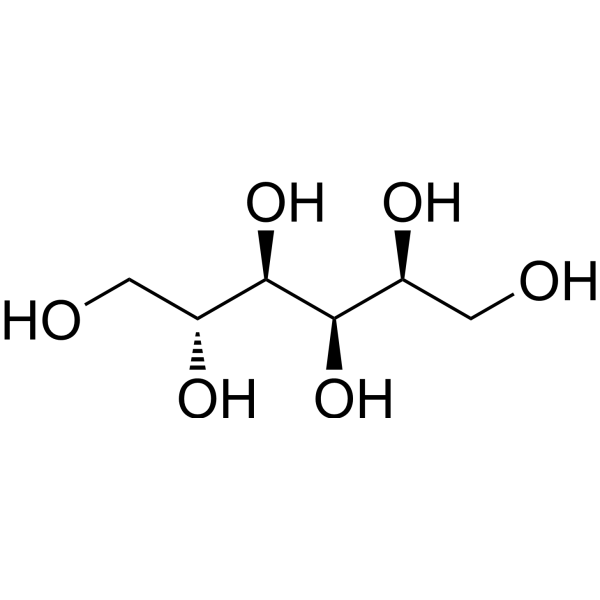
D-Sorbitol (Sorbitol) is a six-carbon sugar alcohol and can used as a sugar substitute. D-Sorbitol can be used as a stabilizing excipient and/or isotonicity agent, sweetener, humectant, thickener and dietary supplement.
For research use only. We do not sell to patients.
- Purity : 99.95%
- CAS No.: 50-70-4
- Formula: C6H14O6
- Molecular Weight:182.17
-
Storage:
Store at room temperature 3 years.
In solvent -80°C, 2 years , -20°C, 1 year

To place orders, for customer services and technical support, please contact: MedChemExpress USA
Tel: 609-228-6898 E-mail: [email protected] [email protected]


-
 Biological Activity
-
Chemical Information
-
Solvent & Solubility
- Purity & Documentation
- References
-
 Help & FAQs


-
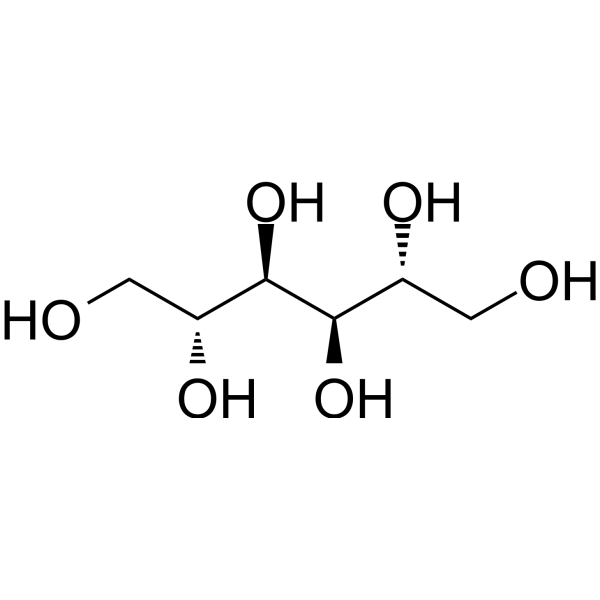
HY-N0378
D-MannitolResistant Sugar/Osmotic Diuretics -
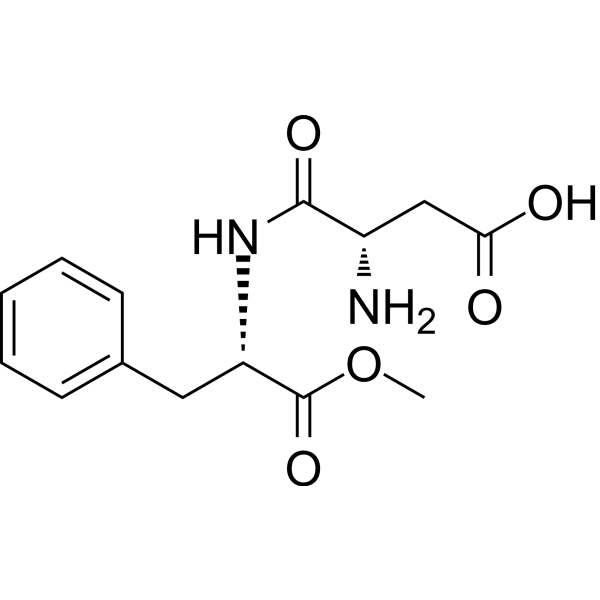
HY-B0361
AspartameSweetener -
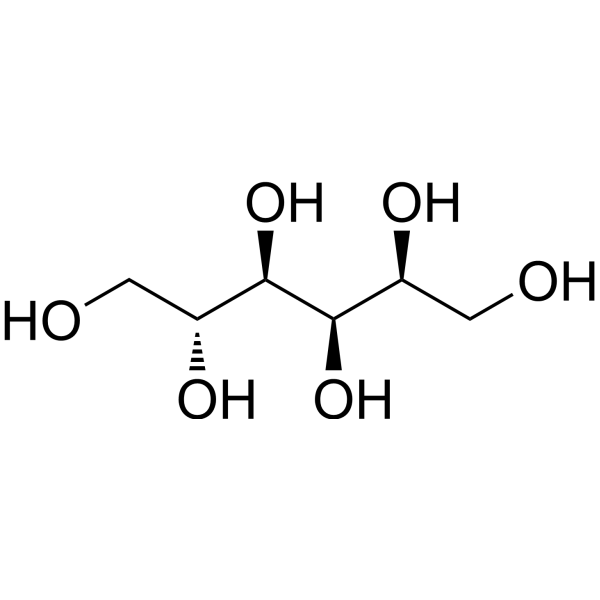
HY-B0400B
D-Sorbitol, for cell cultureSix-Carbon Sugar Alcohol -

HY-B0400R
D-Sorbitol (Standard)Sugar Alcohol -
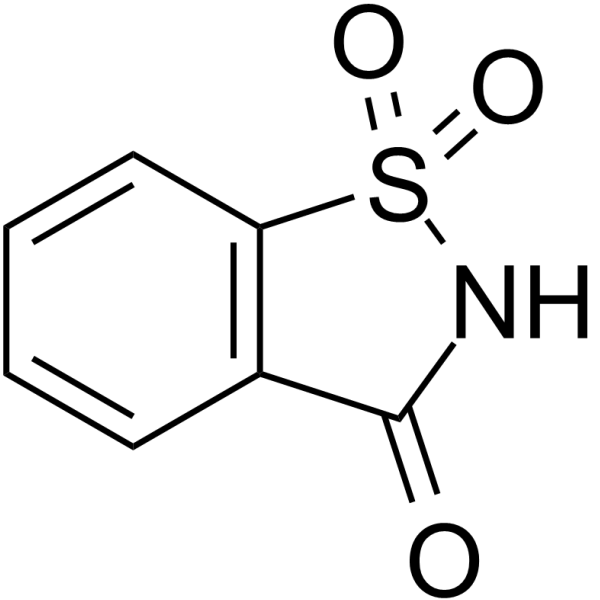
HY-Y0272
Saccharin -
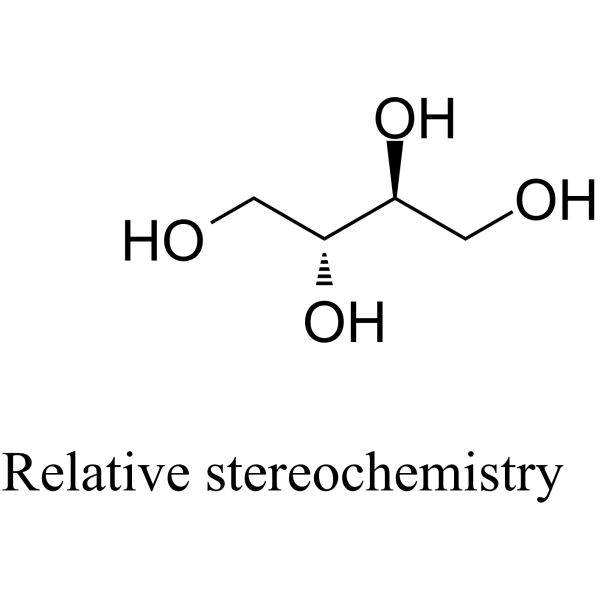
HY-100551
meso-ErythritolSweetener Agent -
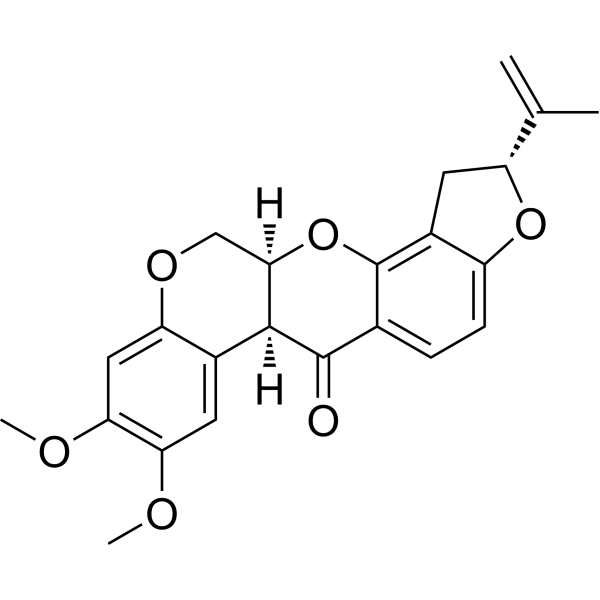
HY-B1756
RotenoneMitochondrial Complex I Inhibitor -
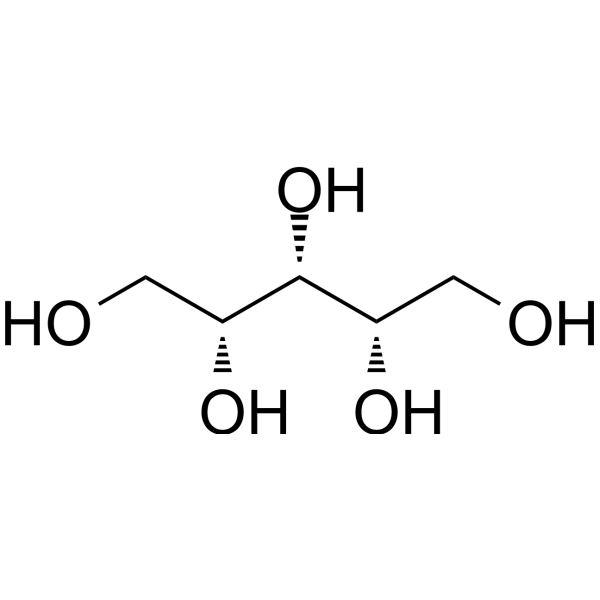
HY-N0538
XylitolSugar Alcohol -
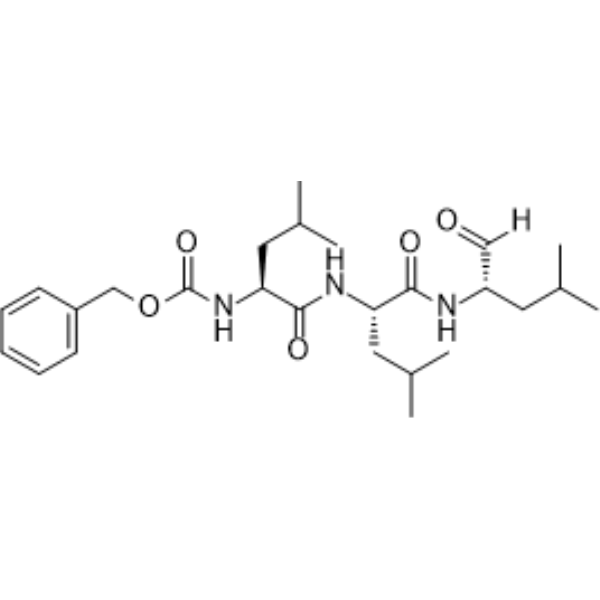
HY-13259
MG-132Proteasome Inhibitor -
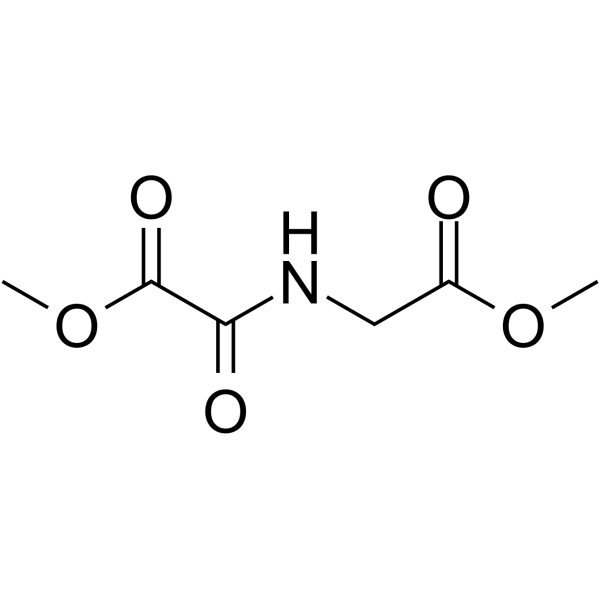
HY-15893
DMOGHIF-PH Inhibitor -
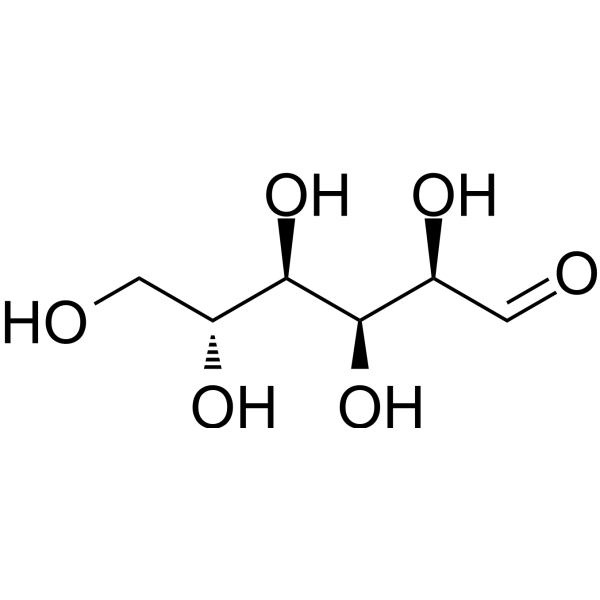
HY-B0389
D-GlucoseMonosaccharide -
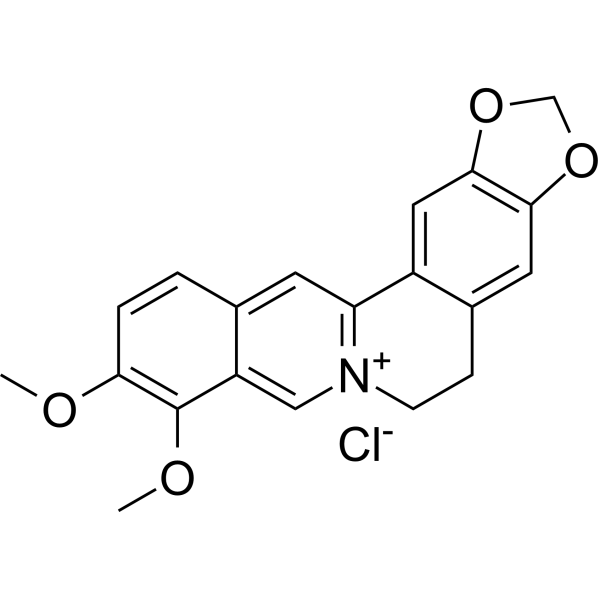
HY-18258
Berberine chlorideAntibiotic
Publications Citing Use of MedChemExpress (MCE) D-Sorbitol
More Customer Validation & Images

-
Cell Imaging/Staining
-
RT-PCR
-
Bio/Physico-chemical Assay
-
IF
-
Cell Imaging/Staining
All Endogenous Metabolite Isoforms
More

Biological Activity
Description
IC50 & Target
|
Microbial Metabolite |
Human Endogenous Metabolite |
In Vitro
Chemically, D-Sorbitol (Sorbitol) can be produced from glucose or sucrose, by hydrogenation at high temperature. D-Sorbitol (Sorbitol) can also be produced by bacteria such as Zymomonas mobilis and Candida boidini, by an enzymatic process[1].
D-Sorbitol (Sorbitol) is used as a fast disintegrant in capsules and plasticizer in capsule shells and tablet film coatings. In oral liquids, D-Sorbitol (Sorbitol) is used as a sugar substitute and as a drug stabilizer. D-Sorbitol (Sorbitol) is also used as a solubility enhancer for drugs such as indomethacin. D-Sorbitol (Sorbitol) is commonly used as a stabilizing excipient and/or isotonicity agent in both liquid and lyophilized parenteral protein formulations. D-Sorbitol (Sorbitol) is used in topical formulations as a humectant[1].
MedChemExpress (MCE) has not independently confirmed the accuracy of these methods. They are for reference only.
Clinical Trial
| NCT Number | Sponsor | Condition | Start Date |
Phase

|
|---|---|---|---|---|
| NCT01329991 | 2011-05 | PHASE1 |


Chemical Information
-
CAS No. 50-70-4
-
Appearance Solid
-
Molecular Weight 182.17
-
Formula C6H14O6
-
Color White to off-white
-
SMILES
OC[C@@H]([C@H]([C@@H]([C@@H](CO)O)O)O)O
-
Synonyms
Sorbitol; D-Glucitol
-
Structure Classification
-
Initial Source
-
Shipping
Room temperature in continental US; may vary elsewhere.
-
Storage
Store at room temperature 3 years
In solvent -80°C 2 years -20°C 1 year


Publications (2)
-
Journal Impact Factor
-
Most Recent
-
Mol Cell
2025 Sep 18;85(18):3425-3442.e10. PMID: 40914169 -
Mediators Inflamm
Sorbitol Destroyed Intestinal Microfold Cells (M Cells) Development through Inhibition of PDE4-Mediated RANKL Expression. [Abstract]2024 May 2:2024:7524314. PMID: 38725539
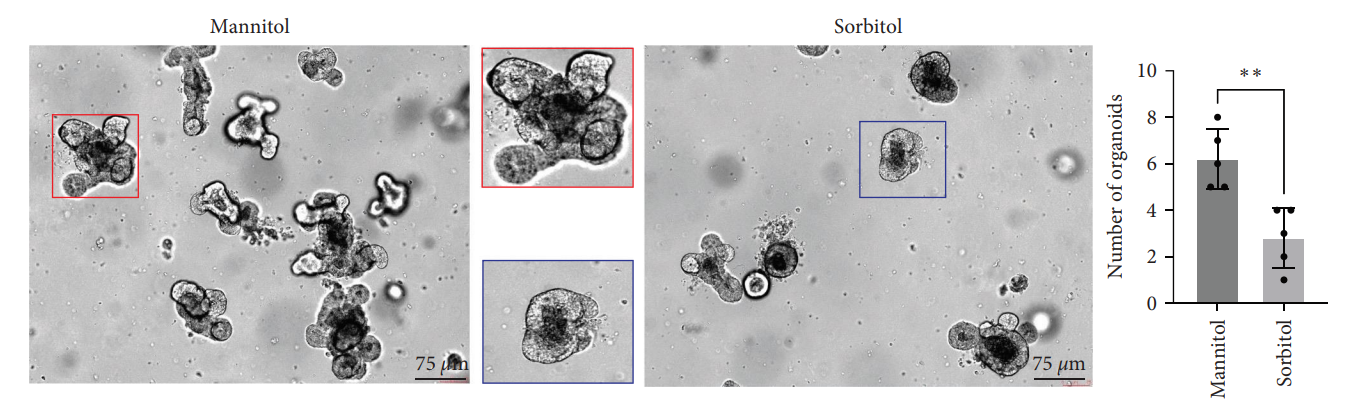
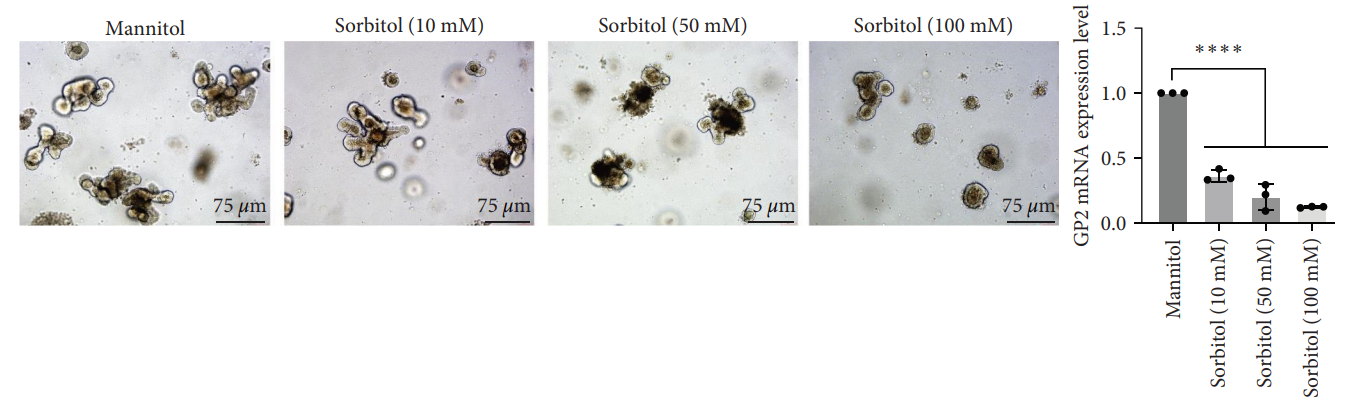
D-Sorbitol purchased from MedChemExpress. Usage Cited in: Mediators Inflamm. 2024 May 2:2024:7524314. [Abstract]
D-Sorbitol (Sorbitol) (100 mM; 7 d) treatment led to a significantly impaired intestinal organoid from C57BL/6 mice.
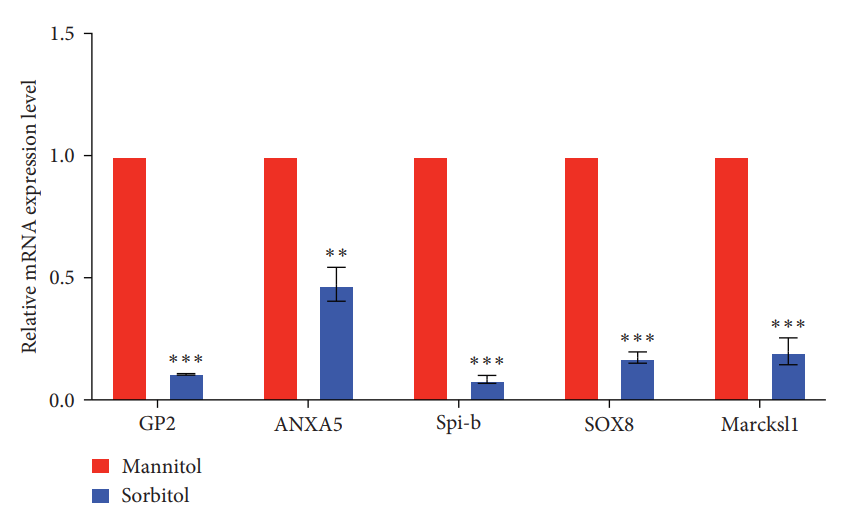
D-Sorbitol purchased from MedChemExpress. Usage Cited in: Mediators Inflamm. 2024 May 2:2024:7524314. [Abstract]
D-Sorbitol (Sorbitol) (100 mM; 7 d) largely inhibited genes involved in M-cell differentiation (ANXA5, Spi-B, SOX8, and Marcksl1) and the mature M cell marker GP2 in intestinal organoids from C57BL6 mice.
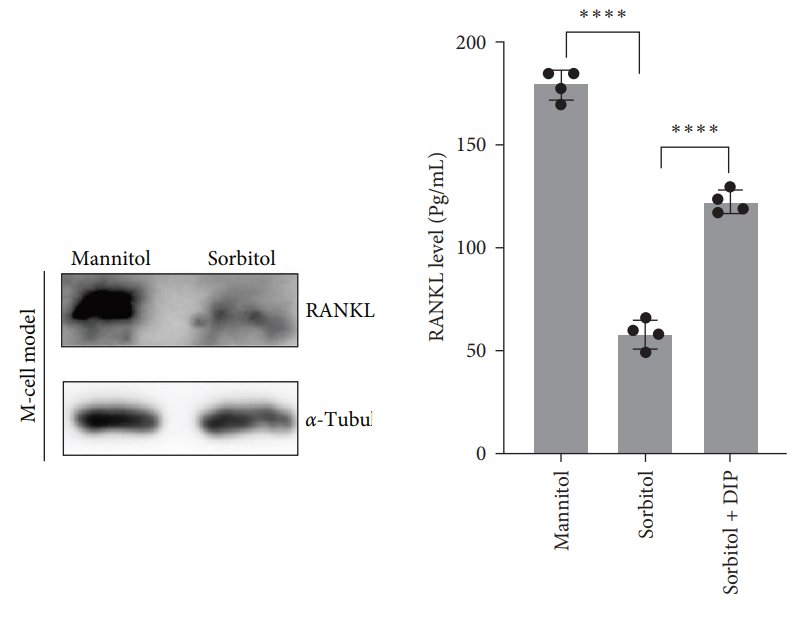
D-Sorbitol purchased from MedChemExpress. Usage Cited in: Mediators Inflamm. 2024 May 2:2024:7524314. [Abstract]
D-Sorbitol (Sorbitol) (100 mM; 24 h) largely decreased RANKL in intestinal organoid at the protein level in the M-cell model.
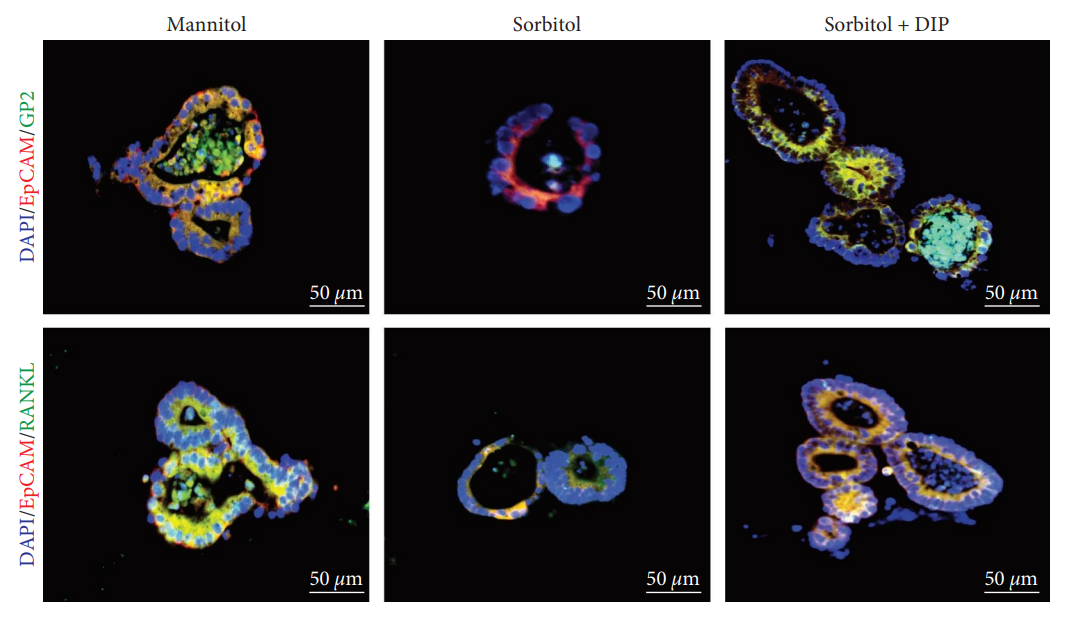
D-Sorbitol purchased from MedChemExpress. Usage Cited in: Mediators Inflamm. 2024 May 2:2024:7524314. [Abstract]
D-Sorbitol (Sorbitol) (100 mM; 24 h) decreased M cells mature marker GP2 expression and RANKL expression.
D-Sorbitol purchased from MedChemExpress. Usage Cited in: Mediators Inflamm. 2024 May 2:2024:7524314. [Abstract]
D-Sorbitol (Sorbitol) (100 mM; 7 d) impaired intestinal organoid in a dose-dependent manner from C57BL/6 mice.


Solvent & Solubility
In Vitro:
H2O : 100 mg/mL (548.94 mM; Need ultrasonic)
DMSO : 100 mg/mL (548.94 mM; Need ultrasonic; Hygroscopic DMSO has a significant impact on the solubility of product, please use newly opened DMSO)
Please refer to the solubility information to select the appropriate solvent. Once prepared, please aliquot and store the solution to prevent product inactivation from repeated freeze-thaw cycles.
Storage method and period of stock solution: -80°C, 2 years; -20°C, 1 year. When stored at -80°C, please use it within 2 years. When stored at -20°C, please use it within 1 year.
* Note: If you choose water as the stock solution, please dilute it to the working solution, then filter and sterilize it with a 0.22 μm filter before use.
Please refer to the solubility information to select the appropriate solvent. Once prepared, please aliquot and store the solution to prevent product inactivation from repeated freeze-thaw cycles.
Storage method and period of stock solution: -80°C, 2 years; -20°C, 1 year. When stored at -80°C, please use it within 2 years. When stored at -20°C, please use it within 1 year.
* Note: If you choose water as the stock solution, please dilute it to the working solution, then filter and sterilize it with a 0.22 μm filter before use.
Concentration (start) × Volume (start) = Concentration (final) × Volume (final)
In Vivo:
Select the appropriate dissolution method based on your experimental animal and administration route.
- For the following dissolution methods, please ensure to first prepare a clear stock solution using an In Vitro approach and then sequentially add co-solvents:
- To ensure reliable experimental results, the clarified stock solution can be appropriately stored based on storage conditions. As for the working solution for In Vivo experiments, it is recommended to prepare freshly and use it on the same day.
- The percentages shown for the solvents indicate their volumetric ratio in the final prepared solution. If precipitation or phase separation occurs during preparation, heat and/or sonication can be used to aid dissolution.
Add each solvent one by one: 10% DMSO 40% PEG300 5% Tween-80 45% Saline
Solubility: ≥ 2.5 mg/mL (13.72 mM); Clear solution
This protocol yields a clear solution of ≥ 2.5 mg/mL (saturation unknown).
Taking 1 mL working solution as an example, add 100 μL DMSO stock solution (25.0 mg/mL) to 400 μL PEG300, and mix evenly; then add 50 μL Tween-80 and mix evenly; then add 450 μL Saline to adjust the volume to 1 mL.
Preparation of Saline: Dissolve 0.9 g sodium chloride in ddH₂O and dilute to 100 mL to obtain a clear Saline solution.
Add each solvent one by one: 10% DMSO 90% (20% SBE-β-CD in Saline)
Solubility: ≥ 2.5 mg/mL (13.72 mM); Clear solution
This protocol yields a clear solution of ≥ 2.5 mg/mL (saturation unknown).
Taking 1 mL working solution as an example, add 100 μL DMSO stock solution (25.0 mg/mL) to 900 μL 20% SBE-β-CD in Saline, and mix evenly.
Preparation of 20% SBE-β-CD in Saline (4°C, storage for one week): 2 g SBE-β-CD powder is dissolved in 10 mL Saline, completely dissolve until clear.
For the following dissolution methods, please prepare the working solution directly:
It is recommended to prepare fresh solutions and use them promptly within a short period of time.
The percentages shown for the solvents indicate their volumetric ratio in the final prepared solution. If precipitation or phase separation occurs during preparation, heat and/or sonication can be used to aid dissolution.
Add each solvent one by one: PBS
Solubility: 110 mg/mL (603.83 mM); Clear solution; Need ultrasonic
In Vivo Dissolution Calculator
Please enter the basic information of animal experiments:
-
-
-
-
Recommended: Prepare an additional quantity of animals to account for potential losses during experiments.
Working solution concentration: 0.22 mg/mL
This product has good water solubility, please refer to the measured solubility data in water/PBS/Saline for details.


Purity & Documentation
-
Data Sheet (274 KB)
-
SDS (254 KB)
- English - EN (254 KB)
- Français - FR (254 KB)
- Deutsch - DE (254 KB)
- Norwegian - NO (254 KB)
- Español - ES (254 KB)
- Swedish - SV (254 KB)
- Italian - IT (254 KB)
- Korean - KR (254 KB)
- Portuguese - PT (254 KB)
-
Handling Instructions (2659 KB)
References


Complete Stock Solution Preparation Table
Please refer to the solubility information to select the appropriate solvent. Once prepared, please aliquot and store the solution to prevent product inactivation from repeated freeze-thaw cycles.
Storage method and period of stock solution: -80°C, 2 years; -20°C, 1 year. When stored at -80°C, please use it within 2 years. When stored at -20°C, please use it within 1 year.
| Optional Solvent | Concentration Solvent Mass | 1 mg | 5 mg | 10 mg | 25 mg |
|---|---|---|---|---|---|
| H2O / DMSO | 1 mM | 5.4894 mL | 27.4469 mL | 54.8938 mL | 137.2345 mL |
| 5 mM | 1.0979 mL | 5.4894 mL | 10.9788 mL | 27.4469 mL | |
| 10 mM | 0.5489 mL | 2.7447 mL | 5.4894 mL | 13.7234 mL | |
| 15 mM | 0.3660 mL | 1.8298 mL | 3.6596 mL | 9.1490 mL | |
| 20 mM | 0.2745 mL | 1.3723 mL | 2.7447 mL | 6.8617 mL | |
| 25 mM | 0.2196 mL | 1.0979 mL | 2.1958 mL | 5.4894 mL | |
| 30 mM | 0.1830 mL | 0.9149 mL | 1.8298 mL | 4.5745 mL | |
| 40 mM | 0.1372 mL | 0.6862 mL | 1.3723 mL | 3.4309 mL | |
| 50 mM | 0.1098 mL | 0.5489 mL | 1.0979 mL | 2.7447 mL | |
| 60 mM | 0.0915 mL | 0.4574 mL | 0.9149 mL | 2.2872 mL | |
| 80 mM | 0.0686 mL | 0.3431 mL | 0.6862 mL | 1.7154 mL | |
| 100 mM | 0.0549 mL | 0.2745 mL | 0.5489 mL | 1.3723 mL |
* Note: If you choose water as the stock solution, please dilute it to the working solution, then filter and sterilize it with a 0.22 μm filter before use.


D-Sorbitol Related Classifications
HY-B0400 Related Classifications
 Powered by Bioz