



NSC 90469

Based on 1 Customer Validation
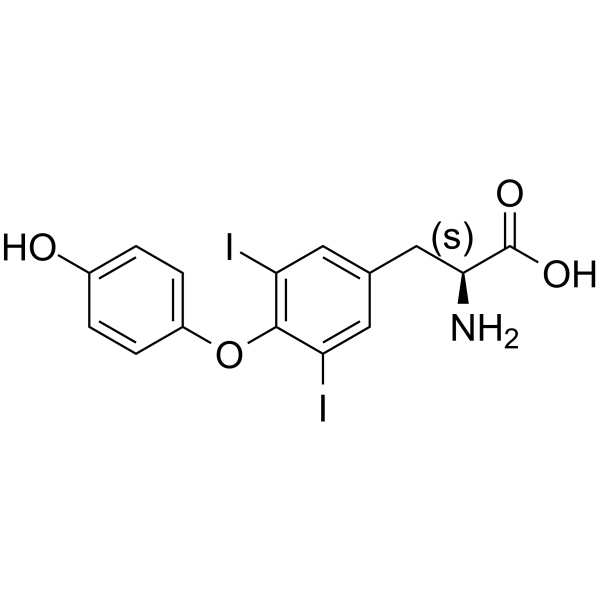
NSC 90469 (3,5-Diiodo-L-thyronine) is an orally active thyroid hormone derivative. NSC 90469 inhibits JNK phosphorylation and NF-κB acetylation, blocks SIRT1 protein expression, induces elevated PGC-1α levels, and stimulates COX activity. NSC 90469 enhances UCP1-mediated thermogenesis, increases hepatic Dio1 activity, inhibits TSH levels and hypothalamic-pituitary-thyroid axis function, enhances lipid metabolism, and regulates energy metabolism via the mitochondrial pathway. NSC 90469 prevents blood glucose reduction, reduces urinary albumin excretion, inhibits renal matrix expansion, decreases TGF-β1 expression, and reduces renal fibronectin and type Ⅳ collagen deposition. NSC 90469 also increases energy expenditure and prevents diet-induced overweight. NSC 90469 can be used in studies related to diabetic nephropathy, hypothyroidism, non-alcoholic fatty liver disease, and diet-induced obesity.
For research use only. We do not sell to patients.
- Purity : 99.41%
- CAS No.: 1041-01-6
- Formula: C15H13I2NO4
- Molecular Weight:525.08
-
Storage:
4°C, sealed storage, away from moisture and light
* In solvent : -80°C, 6 months; -20°C, 1 month (sealed storage, away from moisture and light)

To place orders, for customer services and technical support, please contact: MedChemExpress USA
Tel: 609-228-6898 E-mail: [email protected] [email protected]


-
 Biological Activity
-
Chemical Information
-
Solvent & Solubility
- Protocols
- Purity & Documentation
- References
-
 Help & FAQs


-
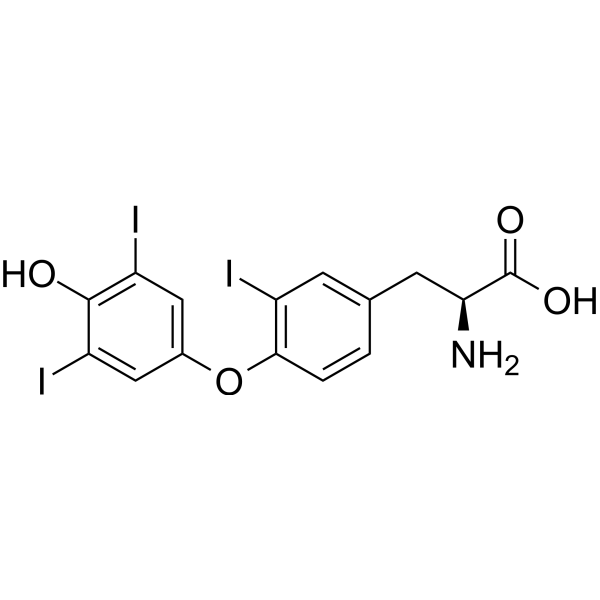
HY-W010696
Reverse T3Thyroid Hormone -
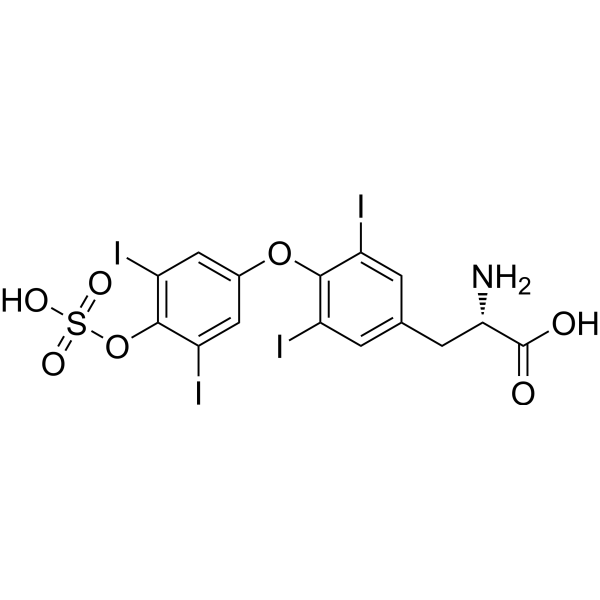
HY-101406
Thyroxine sulfateThyroid Hormone Metabolite -
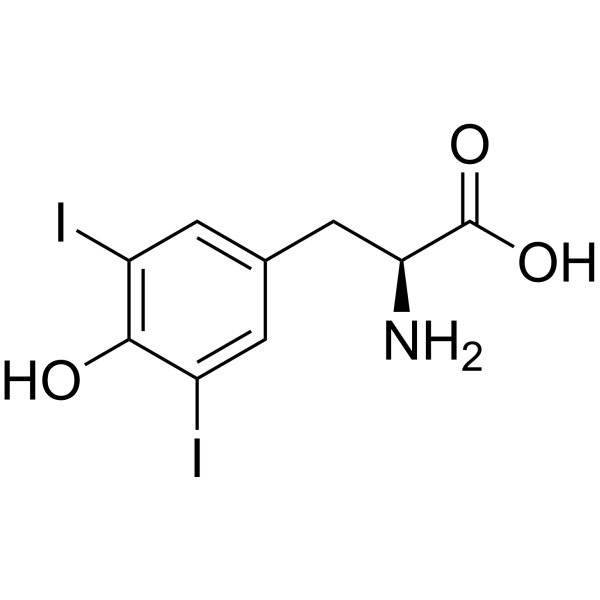
HY-113214
3,5-Diiodo-L-tyrosineAmino Acid Derivative -
HY-A0070A
LiothyronineTIGIT/PVR Blocker -
HY-A0070AG
Liothyronine (GMP)TRα/TRβ Agonist (GMP) -
HY-A0070AR
Liothyronine (Standard)TRα/TRβ Agonist -
HY-B0346
PropylthiouracilAntithyroid Agent -

HY-114557R
NSC 90469 (Standard)Endogenous Metabolite -
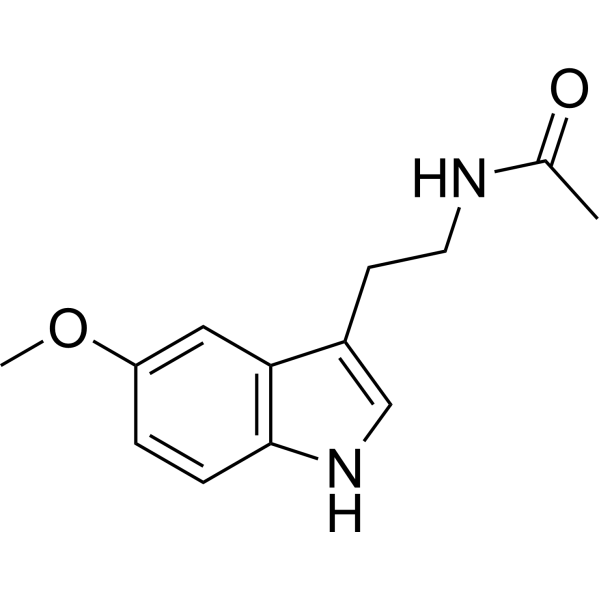
HY-B0075
MelatoninMelatonin Receptor Activator -
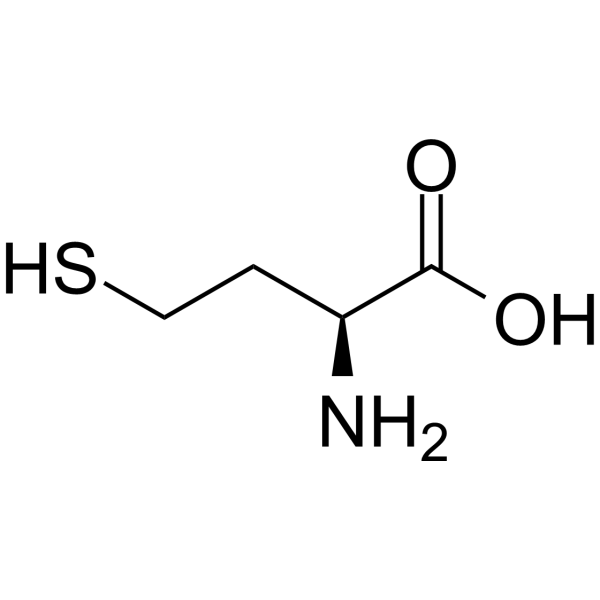
HY-W010347
L-HomocysteineAmino Acid -
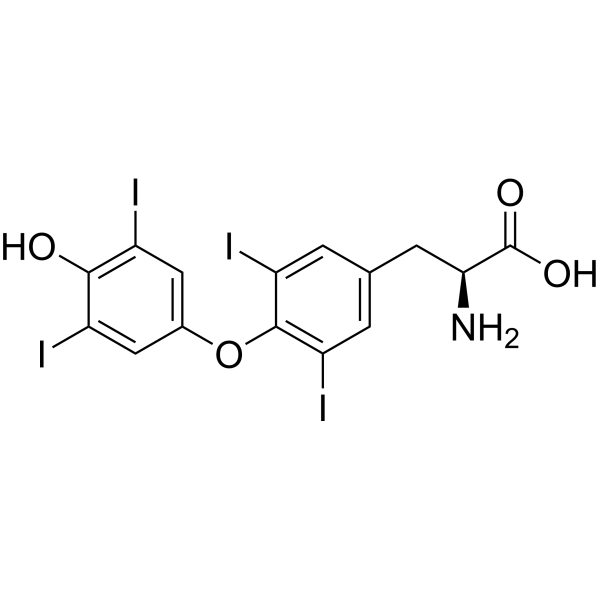
HY-18341
L-ThyroxineThyroid Hormone -
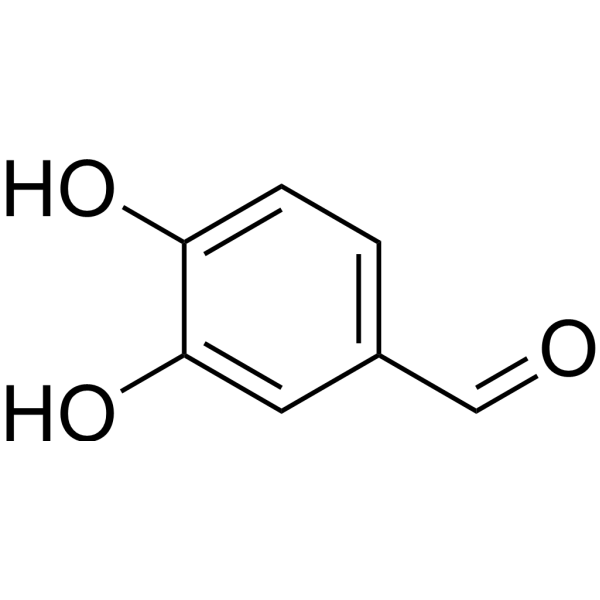
HY-N0295
ProtocatechualdehydePolyphenol Compound


Biological Activity
Description
IC50 & Target
[1]|
SIRT1 |
Collagen IV |
In Vitro
NSC 90469 (T2) (100 μM; 1-24 h) attenuates high glucose-induced profibrotic changes, restores the expression and activity of SIRT1, and inhibits the acetylation of NF-κB and phosphorylation of JNK in rat glomerular mesangial cells[1].
NSC 90469 (10-12-10-6 M; 30 min) dose-dependently stimulates cytochrome oxidase activity in brown adipose tissue homogenates from hypothyroid rats, with a half-maximal effective concentration of 10-11 M and a maximal activating concentration of 10-8 M[2].
NSC 90469 (0.1 nM-10000 nM; 24 h) exhibits differential thyroid-mimetic activity in GH3 cells, stimulates GH mRNA expression, and downregulates TRβ2 mRNA expression[3].
NSC 90469 (10-5 M) reduces lipid overload in primary rat hepatocytes exposed to Oleic acid (HY-N1446)/Palmitic acid (HY-N0830) by recruiting adipose triglyceride lipase (ATGL), stimulating mitochondrial function, and regulating the expression of lipid-related proteins[4].
NSC 90469 (10-7-10-5 M; 24 h) reduces lipid accumulation and stimulates mitochondrial uncoupling in FAO rat hepatocellular carcinoma cells exposed to Oleic acid (HY-N1446)/Palmitic acid (HY-N0830) via a non-receptor-mediated mechanism[4].
NSC 90469 inhibits lipid synthesis in HepG2 cells by activating multiple kinase pathways to block the proteolytic cleavage of SREBP-1[4].
NSC 90469 rapidly modulates intracellular Ca2+ and NO levels in pituitary GH3 cells, and activates the mitochondrial Na+/Ca2+ exchanger through the interaction between the plasma membrane and mitochondria[4].
NSC 90469 (0.3 nM; 5 min) stimulates mitochondrial respiration in isolated liver and muscle of goldfish Carassius auratus[4].
MedChemExpress (MCE) has not independently confirmed the accuracy of these methods. They are for reference only. Further protocols information, click here.
In Vivo
NSC 90469 (3,5-diiodo-L-thyronine) (250 μg/kg, i.p.; once daily for 1 week) increases resting energy expenditure by 13% in hypothyroid Wistar rats. It activates brown adipose tissue thermogenesis by enhancing mitochondrial function, sympathetic innervation and angiogenesis, while promoting the multilocular brown adipocyte phenotype, without affecting serum T3/T4 levels[2].
NSC 90469 (100 µg/kg, i.p.; single administration) enhances cold tolerance, increases energy expenditure, and prolongs survival time in hypothyroid rats exposed to low-temperature environments[4].
NSC 90469 (250 µg/kg; daily administration; for 4 consecutive weeks) prevents high-fat diet (HFD)-induced obesity, hepatic lipid accumulation, hyperlipidemia and insulin resistance in rats without inducing thyrotoxicosis[4].
NSC 90469 (1.25 mg/100 g body weight; p.o.; daily) reduces total cholesterol and low-density lipoprotein (LDL) cholesterol by 70% in Western diet-fed Ldlr knockout mice[4].
MedChemExpress (MCE) has not independently confirmed the accuracy of these methods. They are for reference only.
-
Animal Model:Sprague-Dawley (male, 8-10 weeks old, initial body weight ~200 g, streptozotocin-induced diabetic)[1]
-
Dosage:0.25 mg/kg
-
Administration:i.p.; daily; 12 weeks
-
Result:Reduced kidney weight/body weight ratio to 6.1 mg/g, compared to 13.6 mg/g in untreated diabetic rats.
Lowered blood glucose to 6.3 mM/L, compared to 22.1 mM/L in untreated diabetic rats.
Decreased 24-hour total urine protein to 13.5 mg, compared to 52.7 mg in untreated diabetic rats.
Reduced urine albumin to 20.7 μg/dL, compared to 29.7 μg/dL in untreated diabetic rats.
Lowered urine albumin/creatinine ratio to 68.4 μg/mg, compared to 108.3 μg/mg in untreated diabetic rats.
Attenuated glomerulosclerosis index and renal fibrosis percentage, compared to untreated diabetic rats.
Increased renal SIRT1 protein expression and activity, compared to untreated diabetic rats.
Reduced renal mRNA and protein levels of TGF-β1, fibronectin, and collagen IV, compared to untreated diabetic rats.
Suppressed renal acetylated NF-κB and phosphorylated JNK levels, compared to untreated diabetic rats.
-
Animal Model:Wistar rats (male, 275-300 g, hypothyroidism induced by 4 weeks of intraperitoneal injection of 1 mg/100 g body weight propylthiouracil plus weekly intraperitoneal injection of 6 mg/100 g body weight iopanoic acid)[2]
-
Dosage:250 μg/kg
-
Administration:i.p.; daily; 1 week; i.p.; single dose 1 hour before euthanasia
-
Result:Increased resting energy expenditure by 13% compared to untreated hypothyroid rats.
Raised brown adipose tissue contribution to total body weight by 31% compared to untreated hypothyroid rats.
Increased multilocular adipocyte percentage to 78% (from 59% in untreated hypothyroid rats).
Reduced unilocular adipocyte percentage to 2% (from 10% in untreated hypothyroid rats).
Decreased multilocular adipocyte area by 29% compared to untreated hypothyroid rats.
Decreased lipid droplet diameter by 38% compared to untreated hypothyroid rats.
Increased sympathetic innervation (TH immunoreactive fibers per adipocyte) by 140% compared to untreated hypothyroid rats.
Increased vascularization (BS-1 positive capillaries per adipocyte) by 43% compared to untreated hypothyroid rats.
Increased mitochondrial content by 35% compared to untreated hypothyroid rats.
Increased cytochrome oxidase (COX) activity by 65% compared to untreated hypothyroid rats, restoring it to euthyroid levels.
Restored citrate synthase activity and VDAC1 content to euthyroid levels from untreated hypothyroid rat reductions.
Increased α-glycerophosphate-energized mitochondrial respiration by 70% in whole brown adipose tissue homogenates compared to untreated hypothyroid rats.
Increased basal respiration by 30% in isolated mitochondria compared to untreated hypothyroid rats.
Increased arachidonic acid-induced respiration (at 180 μM) by 62% compared to baseline in treated rats, a greater response than the 31% increase in untreated hypothyroid rats.
Increased UCP1 protein levels compared to untreated hypothyroid rats.
Induced a transient increase in nuclear PGC-1α levels with a single injection 1 hour before euthanasia.
Increased mitochondrial PGC-1α levels to euthyroid levels with 1 week of daily administration.
Did not affect serum T3/T4 levels, which remained significantly lower than euthyroid levels.
-
Animal Model:(hypothyroid, P+I-induced)[4]
-
Dosage:100 µg/kg
-
Administration:i.p.; single dose
-
Result:Extended survival from 3-4 days to 3 weeks during cold exposure.
Increased energy expenditure and tissue-specific oxidative capacity.
-
Animal Model:(high-fat diet-induced overweight)[4]
-
Dosage:250 µg/kg
-
Administration:daily; 4 weeks
-
Result:Prevented body weight gain, liver adiposity, hyperlipidemia, and insulin resistance.
Detected no signs of thyrotoxicosis (tachycardia, cardiac hyperplasia, decreased thyroid stimulating hormone levels).
-
Animal Model:Ldlr knockout (fed Western-type diet)[4]
-
Dosage:1.25 mg/100 g body weight
-
Administration:p.o.; daily
-
Result:Reduced circulating total and LDL cholesterol by 70% compared to controls.
Reduced liver apoB levels and circulating apoB48 and apoB100 levels.
Reduced plasma T4 levels and caused signs of thyrotoxicosis.


Chemical Information
-
CAS No. 1041-01-6
-
Appearance Solid
-
Molecular Weight 525.08
-
Formula C15H13I2NO4
-
Color Off-white to light yellow
-
SMILES
N[C@@H](CC1=CC(I)=C(C(I)=C1)OC2=CC=C(O)C=C2)C(O)=O
-
Synonyms
3,5-Diiodo-L-thyronine
-
Structure Classification
-
Initial Source
-
Shipping
Room temperature in continental US; may vary elsewhere.
-
Storage
4°C, sealed storage, away from moisture and light
* In solvent : -80°C, 6 months; -20°C, 1 month (sealed storage, away from moisture and light)


Solvent & Solubility
In Vitro:
DMSO : 25 mg/mL (47.61 mM; ultrasonic and adjust pH to 2 with 1 M HCL; Hygroscopic DMSO has a significant impact on the solubility of product, please use newly opened DMSO)
Ethanol : 22.22 mg/mL (42.32 mM; ultrasonic and adjust pH to 2 with 1M HCl)
Please refer to the solubility information to select the appropriate solvent. Once prepared, please aliquot and store the solution to prevent product inactivation from repeated freeze-thaw cycles.
Storage method and period of stock solution: -80°C, 6 months; -20°C, 1 month (sealed storage, away from moisture and light). When stored at -80°C, please use it within 6 months. When stored at -20°C, please use it within 1 month.
Please refer to the solubility information to select the appropriate solvent. Once prepared, please aliquot and store the solution to prevent product inactivation from repeated freeze-thaw cycles.
Storage method and period of stock solution: -80°C, 6 months; -20°C, 1 month (sealed storage, away from moisture and light). When stored at -80°C, please use it within 6 months. When stored at -20°C, please use it within 1 month.
Concentration (start) × Volume (start) = Concentration (final) × Volume (final)
In Vivo:
Select the appropriate dissolution method based on your experimental animal and administration route.
- For the following dissolution methods, please ensure to first prepare a clear stock solution using an In Vitro approach and then sequentially add co-solvents:
- To ensure reliable experimental results, the clarified stock solution can be appropriately stored based on storage conditions. As for the working solution for In Vivo experiments, it is recommended to prepare freshly and use it on the same day.
- The percentages shown for the solvents indicate their volumetric ratio in the final prepared solution. If precipitation or phase separation occurs during preparation, heat and/or sonication can be used to aid dissolution.
Add each solvent one by one: 10% DMSO 40% PEG300 5% Tween-80 45% Saline
Solubility: ≥ 2.5 mg/mL (4.76 mM); Clear solution
This protocol yields a clear solution of ≥ 2.5 mg/mL (saturation unknown).
Taking 1 mL working solution as an example, add 100 μL DMSO stock solution (25.0 mg/mL) to 400 μL PEG300, and mix evenly; then add 50 μL Tween-80 and mix evenly; then add 450 μL Saline to adjust the volume to 1 mL.
Preparation of Saline: Dissolve 0.9 g sodium chloride in ddH₂O and dilute to 100 mL to obtain a clear Saline solution.
Add each solvent one by one: 10% DMSO 90% (20% SBE-β-CD in Saline)
Solubility: ≥ 2.5 mg/mL (4.76 mM); Clear solution
This protocol yields a clear solution of ≥ 2.5 mg/mL (saturation unknown).
Taking 1 mL working solution as an example, add 100 μL DMSO stock solution (25.0 mg/mL) to 900 μL 20% SBE-β-CD in Saline, and mix evenly.
Preparation of 20% SBE-β-CD in Saline (4°C, storage for one week): 2 g SBE-β-CD powder is dissolved in 10 mL Saline, completely dissolve until clear.
Add each solvent one by one: 10% EtOH 40% PEG300 5% Tween-80 45% Saline
Solubility: ≥ 2.22 mg/mL (4.23 mM); Clear solution
This protocol yields a clear solution of ≥ 2.22 mg/mL (saturation unknown).
Taking 1 mL working solution as an example, add 100 μL EtOH stock solution (22.2 mg/mL) to 400 μL PEG300, and mix evenly; then add 50 μL Tween-80 and mix evenly; then add 450 μL Saline to adjust the volume to 1 mL.
Preparation of Saline: Dissolve 0.9 g sodium chloride in ddH₂O and dilute to 100 mL to obtain a clear Saline solution.
Add each solvent one by one: 10% EtOH 90% (20% SBE-β-CD in Saline)
Solubility: ≥ 2.22 mg/mL (4.23 mM); Clear solution
This protocol yields a clear solution of ≥ 2.22 mg/mL (saturation unknown).
Taking 1 mL working solution as an example, add 100 μL EtOH stock solution (22.2 mg/mL) to 900 μL 20% SBE-β-CD in Saline, and mix evenly.
Preparation of 20% SBE-β-CD in Saline (4°C, storage for one week): 2 g SBE-β-CD powder is dissolved in 10 mL Saline, completely dissolve until clear.
In Vivo Dissolution Calculator
Please enter the basic information of animal experiments:
-
-
-
-
Recommended: Prepare an additional quantity of animals to account for potential losses during experiments.
Please enter your animal formula composition:
-
%DMSO +
Recommended: Keep the proportion of DMSO in working solution below 2% if your animal is weak.
-
%+
-
+%Tween-80 + +
-
%Saline +
The co-solvents required include: DMSO, . All of co-solvents are available by MedChemExpress (MCE). , Tween 80. All of co-solvents are available by MedChemExpress (MCE).
Working solution concentration: 0.22 mg/mL
Method for preparing stock solution: mg drug dissolved in μL DMSO. Stock solution concentration: mg/mL. * In solvent : -80°C, 6 months; -20°C, 1 month (sealed storage, away from moisture and light)
1. Take μL DMSO stock solution;
2. Add μL .
μL , mix evenly;
3. Then add μL Tween 80, mix evenly;
4. Then add μL
Please ensure that the stock solution in the first step is dissolved to a clear state, and add co-solvents in sequence. You can use ultrasonic heating (ultrasonic cleaner, recommended frequency 20-40 kHz), vortexing, etc. to assist dissolution.

Protocols
-
Kinase activity and phosphorylation assays
Kinase activity assays measure the ability of kinases to transfer phosphate groups from ATP to specific substrates, while phosphorylation assays detect the presence and levels of phosphorylated proteins. Common methods include radiolabeled ATP incorporation (e. g. ,), ADP release detection via bioluminescence (e. g. ,[3]), enzyme-linked immunosorbent assays (ELISA) for phospho-specific epitopes (e. g. ,[6]), and microtiter-based formats for high-throughput screening (e. g. ,[8]). The ADP-Glo assay quantifies kinase activity by measuring ADP produced during phosphorylation using a luciferase-based system. Radiometric assays involve autoradiography or scintillation counting after incorporation of 32P-labeled ATP into substrate proteins. ELISA-based approaches rely on phospho-specific antibodies to detect activated kinases in cell lysates or purified samples.
-
Fibrosis/Collagen Morphometry
Fibrosis and collagen morphometry is based on the quantitative visualization of fibrillar collagen deposition in tissue sections using histochemical stains such as Sirius Red (Picrosirius Red) or Masson's trichrome, followed by image-based or polarization-enhanced analysis to estimate collagen proportional area as a surrogate of extracellular matrix accumulation during fibrotic remodeling. Sirius Red combined with polarized light microscopy enhances detection of collagen fibers due to birefringence properties, enabling more specific visualization of collagen type I and III fibrils compared to conventional bright-field histology, while whole-section or region-restricted digital morphometry reduces field-selection bias in fibrosis assessment. Alternative quantitative approaches include second harmonic generation (SHG) and two-photon excited fluorescence microscopy, which enable label-free detection of fibrillar collagen and have been validated against histological staining and biochemica
-
Western Blot
Western blotting (WB) is a commonly used experimental method in molecular biology, biochemistry, and immunogenetics for identifying and quantifying target proteins. It combines gel electrophoresis with immunoassay, enabling researchers to analyze protein expression, post-translational modifications, and molecular weight.
-
RNA extraction experimental
By lysing cells, releasing RNA, and removing impurities such as proteins and DNA, high-purity RNA products are finally obtained. The commonly used traditional method is the guanidine isothiocyanate/phenol/chloroform method (Trizol), which is suitable for a variety of animal materials including animal tissues, microorganisms, cultured cells, etc., and most plant materials.
-
Collagen: Sirius Red Staining
Sirius Red or picrosirius red staining is a histochemical method for visualizing collagen-rich extracellular matrix in tissue sections, and collagen fibers are detected as red-stained structures under bright-field microscopy with enhanced birefringence under polarized light. Picrosirius red is useful for assessing total collagen organization, distribution, and fibrosis burden, but polarized color should not be interpreted as a definitive collagen type I versus type III readout because color is affected by fiber orientation, thickness, and packing.
-
Research Protocol for Endocrine Diseases
Endocrine diseases often arise from disrupted hormone production, hormone signaling, or target-tissue responsiveness; for diabetes-focused endocrine disease models, insulin signaling regulates glucose uptake, hepatic glucose output, lipid metabolism, and β-cell compensation. Type 2 diabetes develops through interacting defects in insulin resistance, β-cell dysfunction, adipose inflammation, hepatic glucose overproduction, altered incretin signaling, and ectopic lipid metabolism. A major unresolved question is whether endocrine dysfunction is driven primarily by target-tissue insulin resistance, intrinsic β-cell failure, immune/inflammatory stress, or combined multi-organ failure that differs by disease stage.
-
Connective Tissue: Masson's Trichrome/Collagen Trichrome Staining
Masson’s Trichrome (collagen/trichrome staining) is a histological technique that differentially stains tissue compartments using sequential acidic dyes to distinguish collagen from muscle and cytoplasmic components based on dye affinity and tissue permeability differences, enabling visualization of fibrosis and connective tissue architecture in histological sections. The classical formulation typically uses Weigert's iron hematoxylin for nuclear staining, Biebrich scarlet-acid fuchsin for cytoplasm and muscle, and aniline blue (or light green variants) for collagen, producing a characteristic blue/green collagen signal contrasted against red cytoplasm and dark nuclei. The staining principle relies on selective displacement of smaller dye molecules by larger anionic dyes in collagen-rich regions under controlled acidified conditions, which enhances collagen-specific dye retention. This property makes the method widely used for fibrosis assessment in organs such as heart, liver, lung, a
-
Protocol for Kinase activity and phosphorylation assays
Kinase activity assays measure transfer of phosphate from ATP to a protein or peptide substrate, generating phosphorylated substrate, ADP, or incorporated radiolabeled phosphate as the readout; phosphorylation assays measure site-specific phosphorylation in cells or tissues as a proxy for kinase-pathway activation, inhibition, or substrate regulation. Phosphorylation can be detected by phospho-specific Western blot, immunoprecipitation kinase assay, phospho-immunofluorescence, phospho-flow cytometry, luminescent ADP detection, radiolabeled ATP incorporation, or reporter-based pathway assays, and these readouts can be applied to cancer cells, primary neurons, mouse tumors, organoids, inflammatory macrophages, ferroptosis studies, and mitophagy studies when the kinase target is biologically relevant.
-
Research Protocol for Inflammation-related Diseases
The NLRP3 inflammasome is a cytosolic innate immune signaling platform that integrates priming signals and danger-signal activation to promote caspase-1 activation, maturation of IL-1β and IL-18, and gasdermin D-mediated pyroptotic cell death. The core experimental logic is to determine whether inflammatory disease phenotypes are driven by increased NLRP3 expression, ASC-containing inflammasome assembly, caspase-1 cleavage, GSDMD cleavage, and extracellular release of IL-1β/IL-18 rather than by nonspecific cell injury alone. The pathway is strongly linked to inflammation-related disease phenotypes because monosodium urate crystals activate NALP3/NLRP3 inflammasome signaling in gout-like crystal inflammation, cholesterol crystals activate NLRP3 inflammasomes in atherogenesis models, and DSS-induced intestinal inflammation has been reported to involve NLRP3 inflammasome activity. However, experimental colitis studies also show context-dependent protective effects of NLRP3 inflammasome co
-
Research Protocol for Metabolic Diseases
AMP-activated protein kinase, AMPK, is a conserved cellular energy sensor that responds to reduced cellular energy status and coordinates metabolism by increasing ATP-generating catabolic pathways while suppressing ATP-consuming anabolic processes. In metabolic disease research, the AMPK pathway is experimentally relevant because it regulates hepatic lipid synthesis, fatty acid oxidation, glucose production, skeletal-muscle glucose disposal, mTORC1-linked biosynthesis, autophagy, mitochondrial homeostasis, and whole-body energy balance. The central pathway logic is that energy stress, metformin, exercise-like stimulation, or direct AMPK activators increase AMPKα Thr172 phosphorylation and downstream substrate phosphorylation, including ACC and RAPTOR. Phosphorylation of ACC suppresses lipogenesis and supports fatty acid oxidation, whereas phosphorylation of RAPTOR suppresses mTORC1 signaling and links cellular energy status to growth and protein synthesis control. The pathway is linked
-
Protocol For Protein Expression And Purification
Recombinant protein expression in Escherichia coli followed by purification of a His-tagged soluble protein by immobilized metal affinity chromatography (IMAC), with optional MBP fusion and TEV tag removal when the construct includes these elements. The biological readout is production of the encoded target protein, detected as an inducible band at the expected molecular mass by SDS-PAGE and quantified by total protein assay or chromatographic absorbance; the purification readout is enrichment of the target protein in elution fractions after selective binding of polyhistidine residues to immobilized Ni2+/metal-chelate resin and elution by imidazole-containing buffer. Expression is driven by an inducible bacterial expression system, commonly T7/lac-based, in which IPTG or lactose/auto-induction activates transcription and translation of the cloned gene; lower induction temperature, lower inducer concentration, induction timing, and solubility-enhancing fusion tags can influence the frac


Purity & Documentation
-
Data Sheet (292 KB)
-
SDS (252 KB)
- English - EN (252 KB)
- Français - FR (252 KB)
- Deutsch - DE (252 KB)
- Norwegian - NO (252 KB)
- Español - ES (252 KB)
- Swedish - SV (252 KB)
- Italian - IT (252 KB)
- Korean - KR (252 KB)
- Portuguese - PT (252 KB)
-
Handling Instructions (2659 KB)
References
[1]. Shang G, et al. 3,5-Diiodo-l-thyronine ameliorates diabetic nephropathy in streptozotocin-induced diabetic rats. Biochim Biophys Acta. 2013;1832(5):674-684. [Content Brief]
[2]. Lombardi A, et al. 3,5-Diiodo-L-thyronine activates brown adipose tissue thermogenesis in hypothyroid rats. PLoS One. 2015;10(2):e0116498. Published 2015 Feb 6. [Content Brief]
[3]. Ball SG, et al. 3,5-Diiodo-L-thyronine (T2) has selective thyromimetic effects in vivo and in vitro. J Mol Endocrinol. 1997;19(2):137-147. [Content Brief]
[4]. Moreno M, et al. Direct and rapid effects of 3,5-diiodo-L-thyronine (T2). Mol Cell Endocrinol. 2017;458:121-126. [Content Brief]
[5]. Jonas W, et al. 3,5-Diiodo-L-thyronine (3,5-t2) exerts thyromimetic effects on hypothalamus-pituitary-thyroid axis, body composition, and energy metabolism in male diet-induced obese mice. Endocrinology. 2015;156(1):389-399. [Content Brief]


Complete Stock Solution Preparation Table
Please refer to the solubility information to select the appropriate solvent. Once prepared, please aliquot and store the solution to prevent product inactivation from repeated freeze-thaw cycles.
Storage method and period of stock solution: -80°C, 6 months; -20°C, 1 month (sealed storage, away from moisture and light). When stored at -80°C, please use it within 6 months. When stored at -20°C, please use it within 1 month.
| Optional Solvent | Concentration Solvent Mass | 1 mg | 5 mg | 10 mg | 25 mg |
|---|---|---|---|---|---|
| Ethanol / DMSO | 1 mM | 1.9045 mL | 9.5224 mL | 19.0447 mL | 47.6118 mL |
| 5 mM | 0.3809 mL | 1.9045 mL | 3.8089 mL | 9.5224 mL | |
| 10 mM | 0.1904 mL | 0.9522 mL | 1.9045 mL | 4.7612 mL | |
| 15 mM | 0.1270 mL | 0.6348 mL | 1.2696 mL | 3.1741 mL | |
| 20 mM | 0.0952 mL | 0.4761 mL | 0.9522 mL | 2.3806 mL | |
| 25 mM | 0.0762 mL | 0.3809 mL | 0.7618 mL | 1.9045 mL | |
| 30 mM | 0.0635 mL | 0.3174 mL | 0.6348 mL | 1.5871 mL | |
| 40 mM | 0.0476 mL | 0.2381 mL | 0.4761 mL | 1.1903 mL |


NSC 90469 Related Classifications
HY-114557 Related Classifications
 Powered by Bioz
Keywords
- NSC 90469
- 1041-01-6
- 3,5-Diiodo-L-thyronine
- NSC90469
- NSC-90469
- JNK
- NF-κB
- Sirtuin
- PGC-1α
- COX
- TGF-β Receptor
- Collagen
- rat glomerular mesangial cells
- hypothalamus-pituitary-thyroid axis
- Sprague-Dawley rats
- Wistar rats
- Carassius auratus
- primary rat hepatocytes
- GH3 cells
- C57BL/6J mice
- FAO rat hepatoma cells
- HepG2 cells
- Inhibitor
- inhibitor
- inhibit