



ALK2
ALK2, also known as ACVR1, is a type I serine/threonine kinase receptor of the transforming growth factor-β (TGF-β) superfamily that functions as a bona fide bone morphogenetic protein (BMP) receptor and transduces osteogenic signaling through BMP-dependent pathways[1][2]. Mechanistically, ALK2 forms ligand-induced receptor complexes that activate downstream SMAD1/5/8 signaling, thereby regulating cellular differentiation, skeletal development, and chondrogenic processes[3][4]. ALK2 has a central role in BMP receptor biology, and functional annotation of ACVR1 has established its importance in both physiological signaling and disease-associated pathway dysregulation[2][5]. In disease settings, gain-of-function mutations in ACVR1/ALK2 cause aberrant activation of BMP signaling and are strongly associated with fibrodysplasia ossificans progressiva (FOP), a disorder characterized by heterotopic ossification[2][6][7]. Activating ACVR1 mutations have also been identified in diffuse intrinsic pontine glioma (DIPG), extending the pathological relevance of ALK2 beyond skeletal disease[2][5]. Compared with related BMP type I receptors, ALK2 exhibits distinct ligand responsiveness and signaling regulation, including activation by specific BMP ligands and context-dependent interactions with activin receptor complexes that influence SMAD1/5/8 activity[4]. For experimental applications, selective inhibition of ALK2 signaling has become an important strategy for investigating pathological BMP pathway activation, and compounds such as LDN-212854 have been developed to achieve ALK2-biased inhibition with improved receptor selectivity[8]. Consequently, ALK2 serves as a critical molecular target for mechanistic studies of BMP signaling and for preclinical evaluation of therapeutic approaches directed at ACVR1-driven diseases[2][8].
Verweise:
- [1]. Katagiri T, et al. Accumulated Knowledge of Activin Receptor-Like Kinase 2 (ALK2)/Activin A Receptor, Type 1 (ACVR1) as a Target for Human Disorders. Biomedicines. 2021 Jun 26;9(7):736. [Content Brief]
- [2]. Ketter-Katz H, et al. Vision in chameleons-A model for non-mammalian vertebrates. Semin Cell Dev Biol. 2020 Oct;106:94-105. [Content Brief]
- [3]. Zhang D, et al. ALK2 functions as a BMP type I receptor and induces Indian hedgehog in chondrocytes during skeletal development. J Bone Miner Res. 2003 Sep;18(9):1593-604. [Content Brief]
- [4]. Olsen OE, et al. BMPR2 inhibits activin and BMP signaling via wild-type ALK2. J Cell Sci. 2018 Jun 11;131(11):jcs213512. [Content Brief]
- [5]. Valer JA, et al. ACVR1 Function in Health and Disease. Cells. 2019 Oct 31;8(11):1366. [Content Brief]
- [6]. Shore EM, et al. A recurrent mutation in the BMP type I receptor ACVR1 causes inherited and sporadic fibrodysplasia ossificans progressiva. Nat Genet. 2006 May;38(5):525-7. [Content Brief]
- [7]. Le VQ, et al. Hyperactive BMP signaling induced by ALK2(R206H) requires type II receptor function in a Drosophila model for classic fibrodysplasia ossificans progressiva. Dev Dyn. 2012 Jan;241(1):200-14. [Content Brief]
- [8]. Mohedas AH, et al. Development of an ALK2-biased BMP type I receptor kinase inhibitor. ACS Chem Biol. 2013;8(6):1291-302. [Content Brief]
All Product Categories
-
ALK2 Verwandte Produkte (31)
Verwandte Produkte (31)

-
Recombinant Proteins (14)
- 1
- 2
-
Dorsomorphin
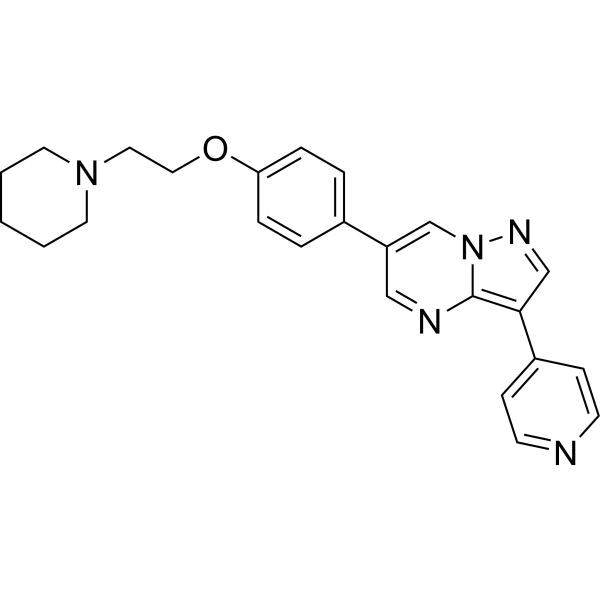 0 ImagesSynonyms: BML-275; Compound C
-
LDN193189
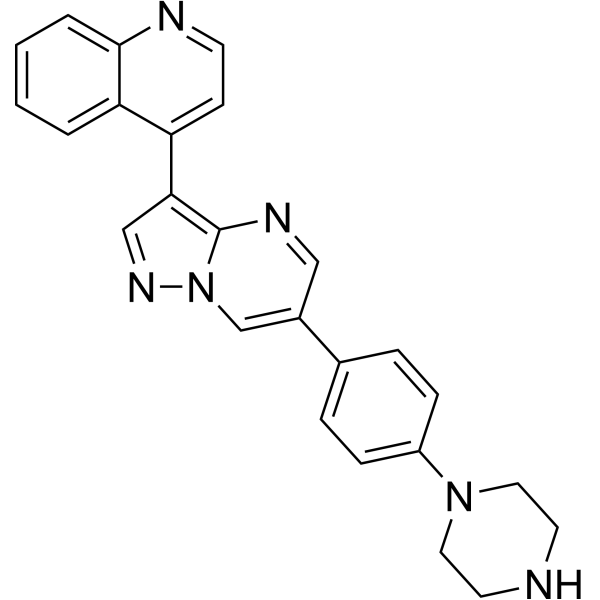 0 ImagesSynonyms: DM-3189LDN193189 (DM-3189) is a potent selective BMP type I receptor (BMP I) inhibitor. LDN193189 efficiently inhibits transcriptional activity of the BMP type I receptors ALK2 and ALK3 with IC50 values of 5 nM and 30 nM, respectively. LDN193189 can be used for the research of bone morphogenetic protein signalling, such as fibrodysplasia ossificans progressiva.
-
Dorsomorphin dihydrochloride
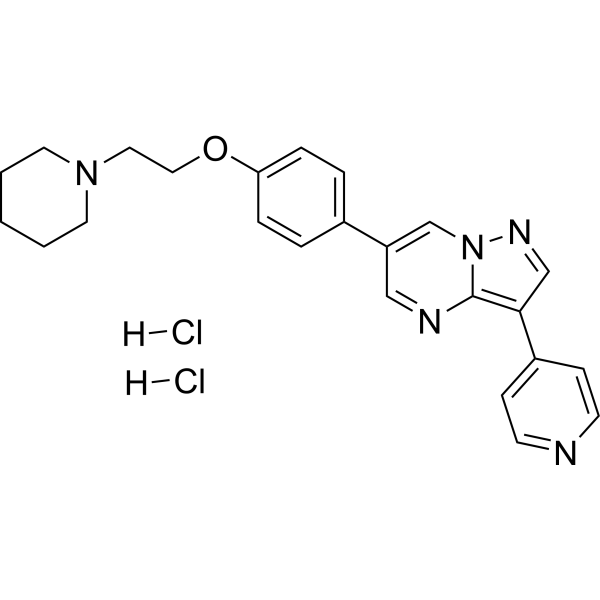 0 ImagesSynonyms: BML-275 dihydrochloride; Compound C dihydrochlorideDorsomorphin (Compound C) dihydrochloride is a potent, selective and ATP-competitive AMPK inhibitor, with a Ki of 109 nM. Dorsomorphin dihydrochloride inhibits BMP pathway by targeting the type I receptors ALK2, ALK3, and ALK6. Dorsomorphin dihydrochloride can reverse autophagy activation and anti-inflammatory effect of Urolithin A (HY-100599).
-
LDN193189 Tetrahydrochloride
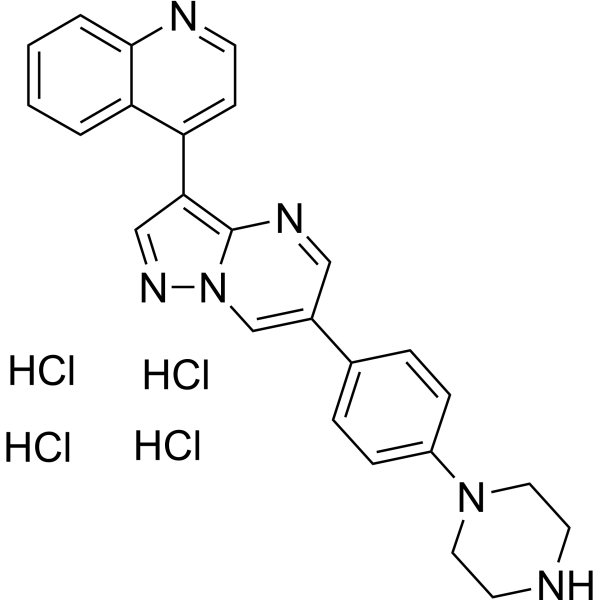 0 ImagesSynonyms: DM-3189 TetrahydrochlorideLDN193189 (DM-3189) Tetrahydrochloride is a potent selective BMP type I receptor (BMP I) inhibitor. LDN193189 efficiently inhibits transcriptional activity of the BMP type I receptors ALK2 and ALK3 with IC50 values of 5 nM and 30 nM, respectively. LDN193189 can be used for the research of bone morphogenetic protein signalling, such as fibrodysplasia ossificans progressiva.
-
LDN-214117
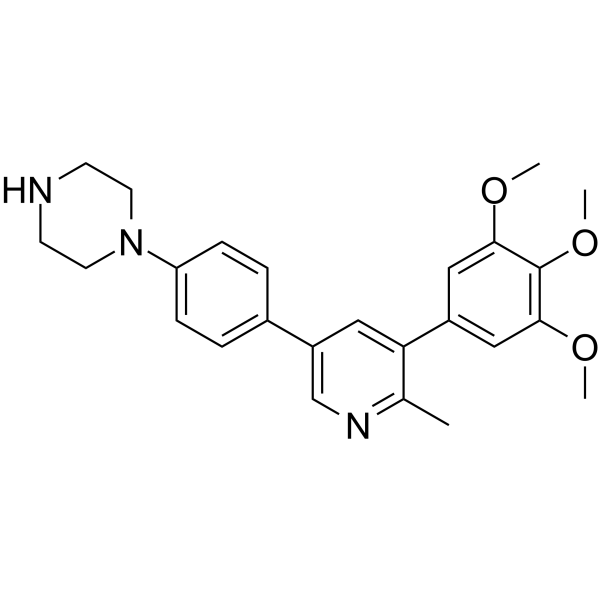 0 ImagesLDN-214117 is an orally active ALK2 inhibitor with well-tolerated and good brain penetration. LDN-214117 has a high selectivity and low cytotoxicity for ALK2 with an IC50 value of 24 nM. LDN-214117 also is a specific bone morphogenetic proteins (BMPs) signaling inhibitor and has relatively selective inhibition for BMP6 with an IC50 value of 100 nM. LDN-214117 can be used for the research of fibrodysplasia ossificans progressiva (FOP), diffuse intrinsic pontine glioma (DIPG) .
-
M4K-2009
 0 ImagesM4K2009 is an orally active, blood-brain barrier permeable type I ALK2 inhibitor, with an IC50 value of 8-13 nM against human ALK2. M4K2009 exhibits moderate off-target inhibitory activity against hERG potassium channels (Potassium Channel), with an IC50 of 8 μM against the human channel. M4K2009 can be used in studies related to diffuse intrinsic pontine glioma.
-
LDN-212854
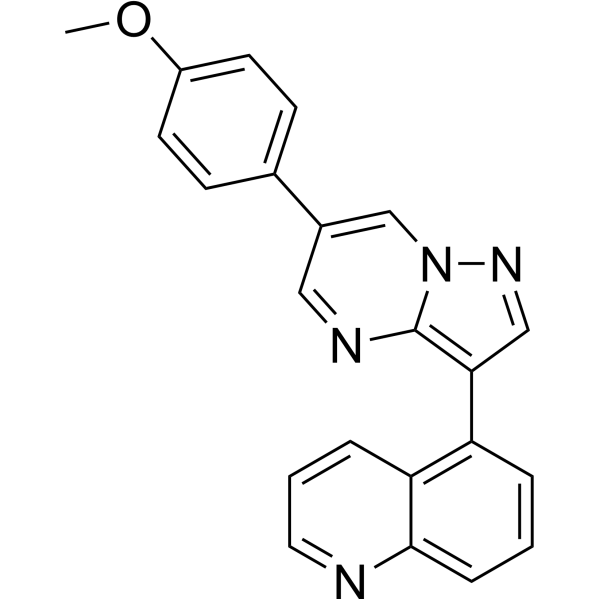
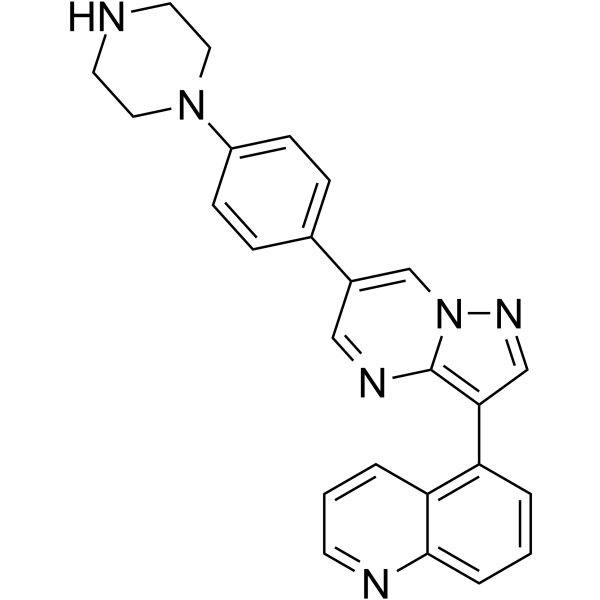 0 ImagesLDN-212854 is a bone morphogenetic protein (BMP) inhibitor that potently inhibits ALK2 (IC50: 1.3 nM). LDN-212854 also inhibits ALK1 (IC50: 2.40 nM). LDN-212854 can be used in the research of fibrodysplasia ossificans progressive and cancers, such as hepatocellular carcinoma (HCC).
-
Fidrisertib
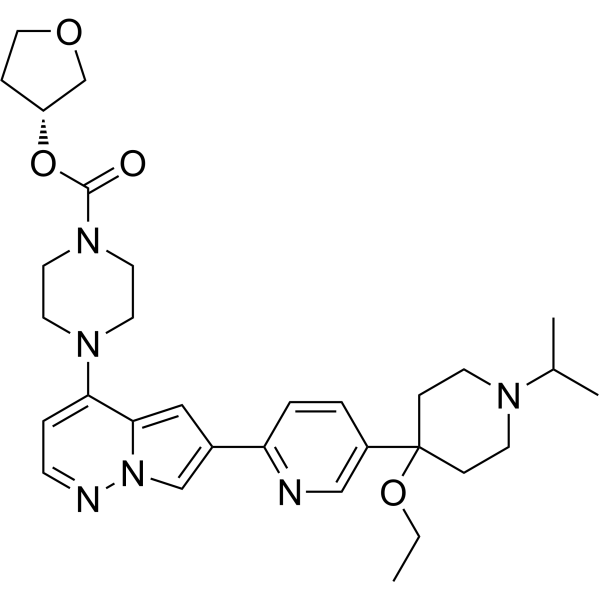 0 ImagesSynonyms: BLU-782; IPN-60130; ALK2-IN-1
-
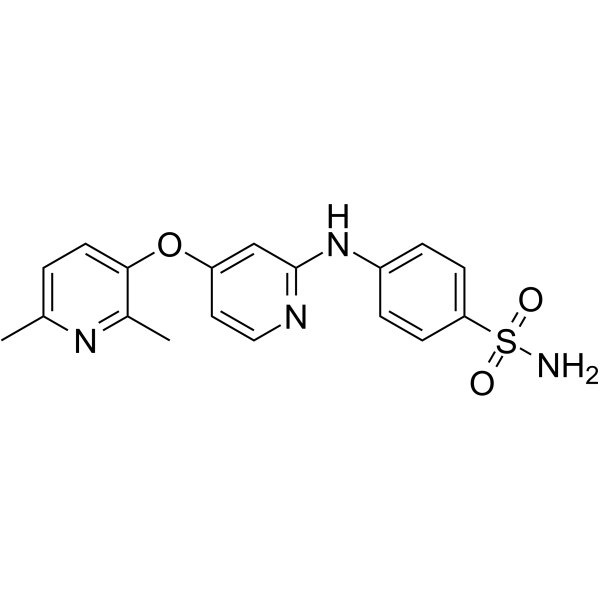
Zilurgisertib
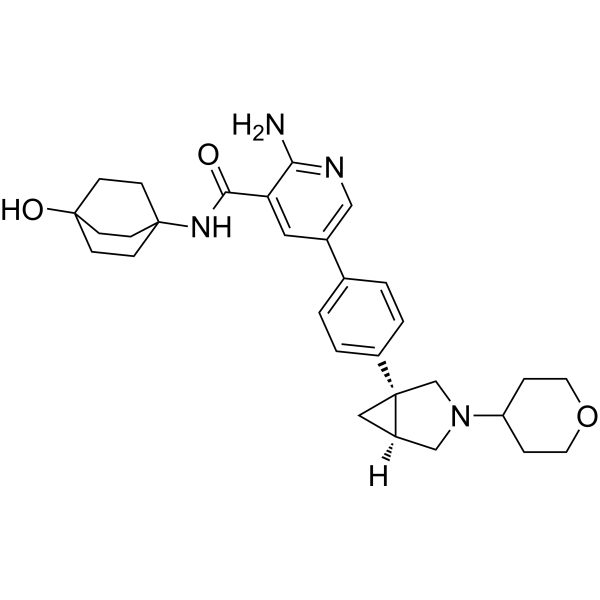 0 ImagesSynonyms: INCB-000928; NBU-928
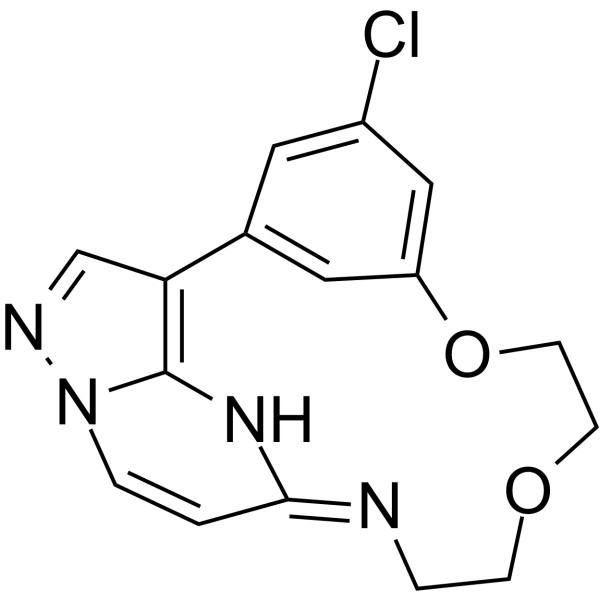
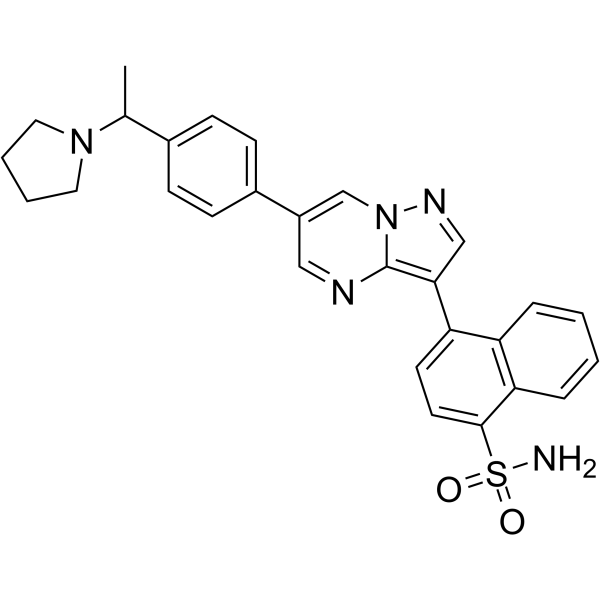
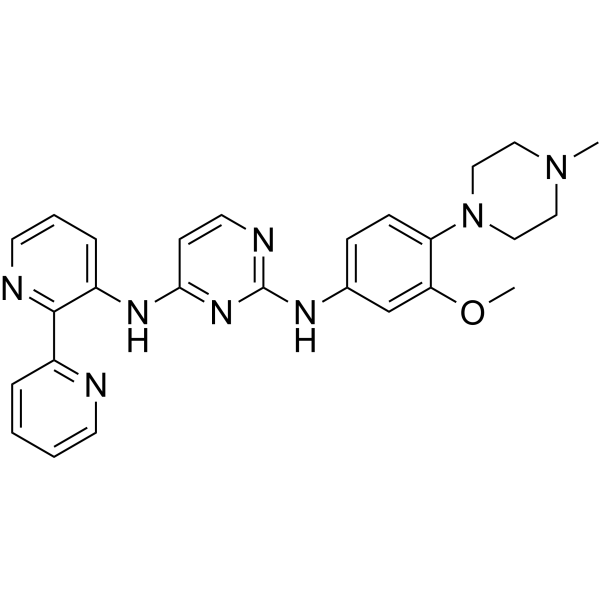
-
KER047
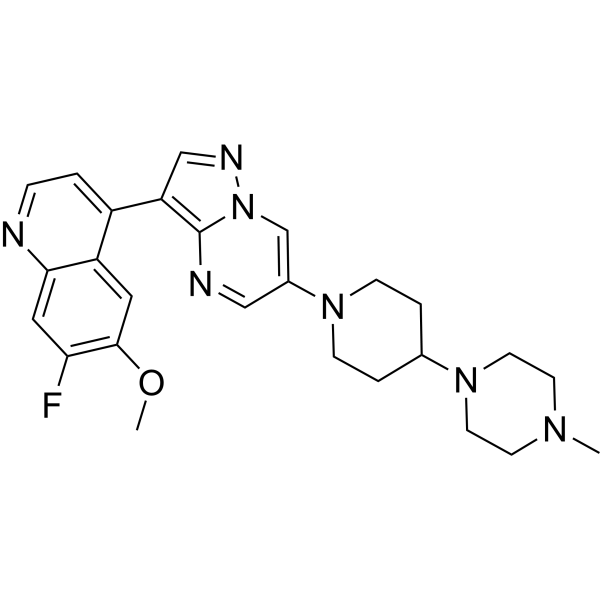 0 ImagesSynonyms: ALK2-IN-4KER047 (ALK2-IN-4) is a potent activin receptor-like kinase-2 (ALK2) inhibitor. KER047 can be used for the research of metabolic disease, such as fibrodysplasia ossificans progressiva (FOP).
-
Itacnosertib hydrochloride
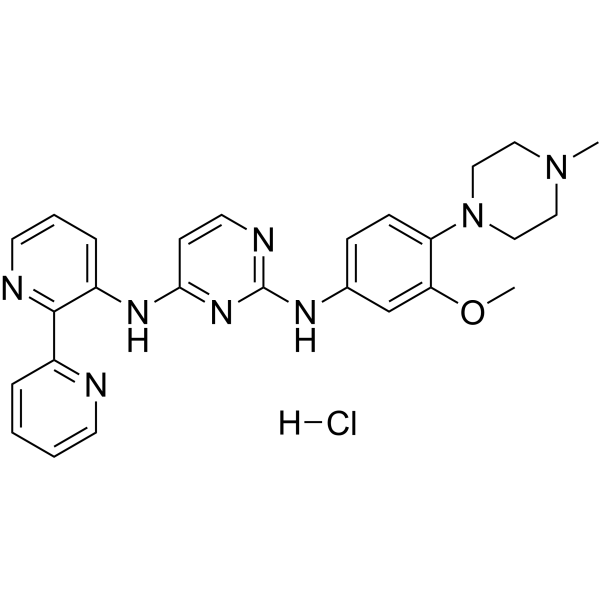 0 ImagesSynonyms: TP-0184 hydrochloride
-
KER047 succinate
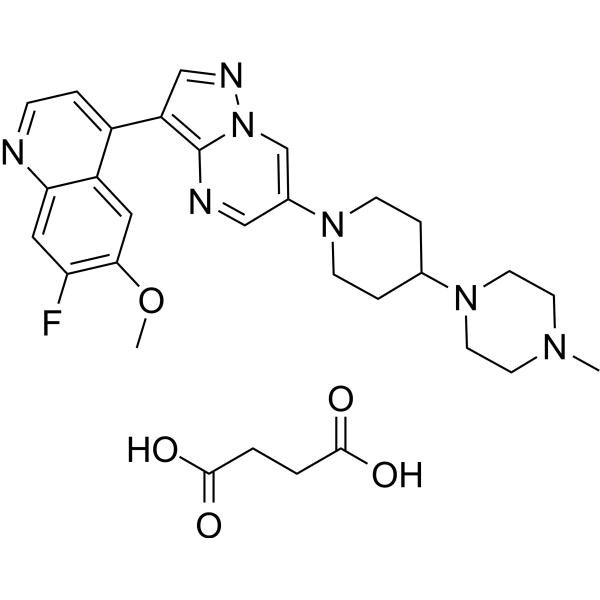 0 ImagesSynonyms: ALK2-IN-4 succinateKER047 succinate (ALK2-IN-4 succinate) is a potent activin receptor-like kinase-2 (ALK2) inhibitor. KER047 succinate can be used for the research of metabolic disease, such as fibrodysplasia ossificans progressiva (FOP).
-
CDD-2789
 0 ImagesArt. -Nr.: HY-173149CAS. Nr.: 3052084-77-9
-
OD36 hydrochloride
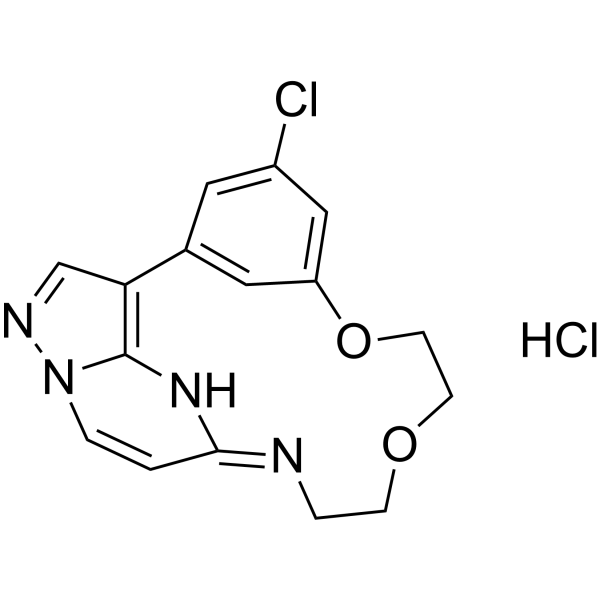 0 ImagesArt. -Nr.: HY-19628ACAS. Nr.: 2387510-88-3
-
M4K2281
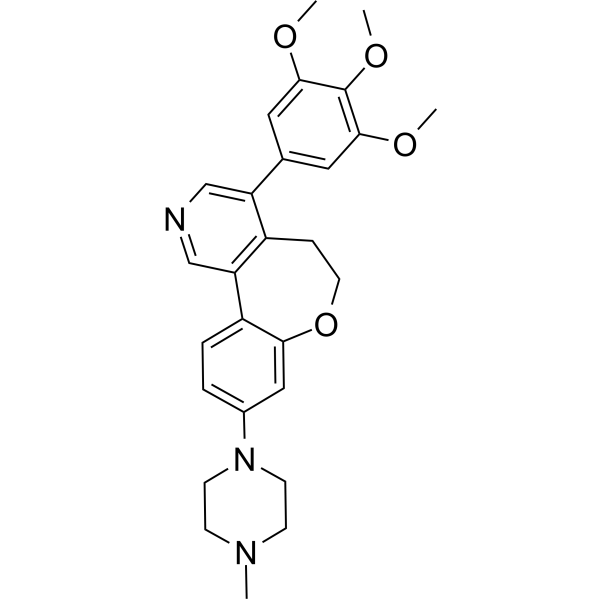 0 ImagesArt. -Nr.: HY-161376CAS. Nr.: 3034840-19-9M4K2281 is a selecitve inhibitor for activin receptor-like kinase-2 (ALK2) with an IC50 of 2 nM. M4K2281 exhibits a moderate blood brain permeability with a brain to plasma ratio of 3.7 at 4h.
- 1
- 2




