



ALK5
ALK5, also known as transforming growth factor-β type I receptor (TGFβRI/TβRI), is a serine/threonine kinase receptor that functions as a central mediator of canonical TGF-β signaling and transduces extracellular TGF-β cues into intracellular transcriptional responses through receptor-regulated signaling cascades[1][2]. Mechanistically, ALK5 forms a receptor complex with TGF-β type II receptor and mediates downstream signaling through phosphorylation-dependent pathways, including activation of Smad proteins that regulate gene expression and cellular responses[1][3]. Through these signaling mechanisms, ALK5 contributes to biological processes associated with extracellular matrix production, cellular proliferation, migration, and morphologic regulation, making it a widely used target in studies of fibrosis and cancer-related signaling[1][4]. In disease and experimental models, pharmacological inhibition of ALK5 suppresses TGF-β-induced extracellular matrix production, inhibits TGF-β-mediated cellular responses, and reduces proliferation or motility in multiple cell systems[1][4]. Compared with related activin receptor-like kinases, ALK5 belongs to the TGF-β signaling branch and is closely related to ALK4 and ALK7, whereas BMP-responsive receptors such as ALK1, ALK2, ALK3, and ALK6 exhibit distinct signaling specificities[3]. For experimental applications, the small-molecule inhibitor SB-431542 is one of the most extensively characterized ALK5 inhibitors and selectively targets ALK5 together with ALK4 and ALK7 while sparing BMP receptor signaling and several MAP kinase pathways, providing a valuable tool for dissecting TGF-β-dependent biological mechanisms[3].
References:
- [1]. Ungefroren H, et al. Signaling Crosstalk of TGF-β/ALK5 and PAR2/PAR1: A Complex Regulatory Network Controlling Fibrosis and Cancer. Int J Mol Sci. 2018 May 24;19(6):1568. [Content Brief]
- [2]. Wikipedia.
- [3]. Inman GJ, et al. SB-431542 is a potent and specific inhibitor of transforming growth factor-beta superfamily type I activin receptor-like kinase (ALK) receptors ALK4, ALK5, and ALK7. Mol Pharmacol. 2002 Jul;62(1):65-74. [Content Brief]
- [4]. Ali SR, et al. Nerve Density and Neuronal Biomarkers in Cancer. Cancers (Basel). 2022 Oct 1;14(19):4817. [Content Brief]
All Product Categories
-
ALK5 Related Products (31)
Related Products (31)

-
Recombinant Proteins (7)
- 1
- 2
-
SB-431542
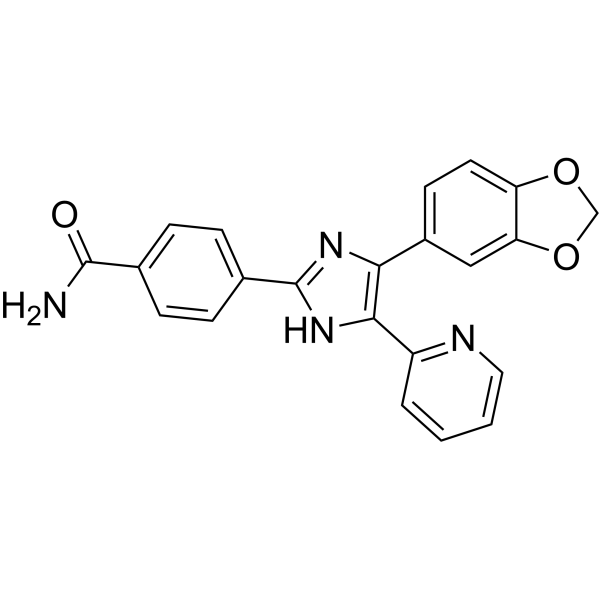 0 ImagesSB-431542 is a TGF-β receptor kinase inhibitor (TRKI). SB-431542 has inhibitory activity for ALK4, ALK5 and ALK7 with IC50 values of 1 μM, 0.75 μM and 2 μM, respectively. SB-431542 also inhibits TGF-β-induced transcription, gene expression, apoptosis, and growth suppression. SB-431542 can be used for the research of cancer and signal transduction pathways.
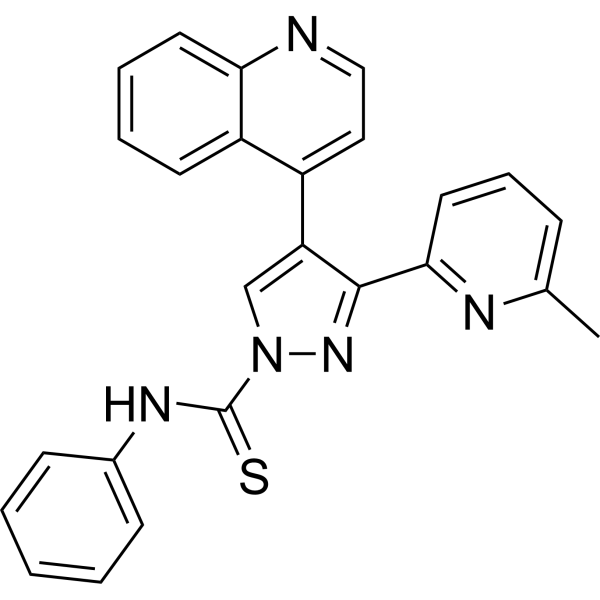
-
RepSox
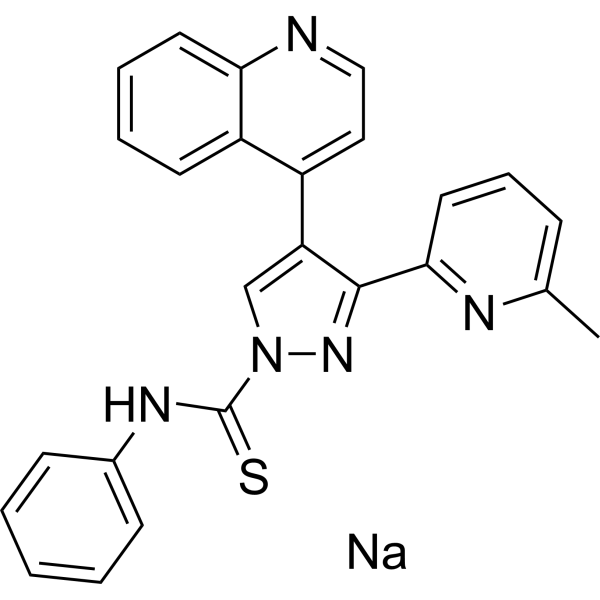
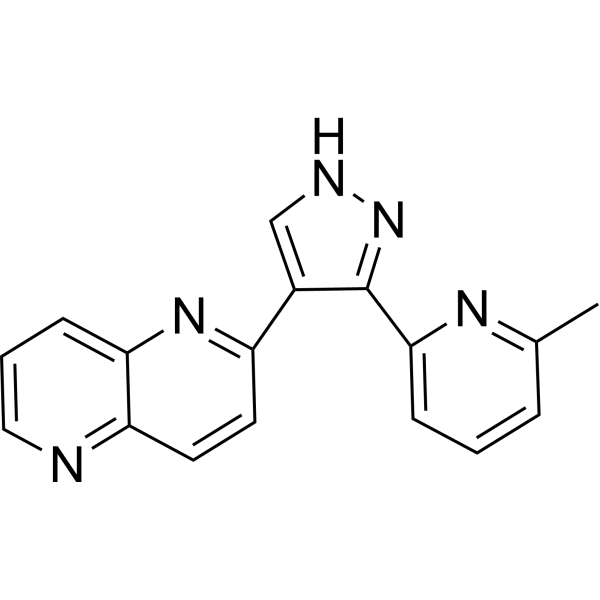 0 ImagesSynonyms: E-616452; SJN 2511RepSox (E-616452) is a potent and selective transforming growth factor-beta receptor I/activin like kinase 5 (TGF-β-RI/ALK5) inhibitor. RepSox inhibits ALK5 autophosphorylation with an IC50 value of 4 nM. RepSox can be used for the research of obesity and associated metabolic diseases such as type 2 diabetes.
-
Vactosertib
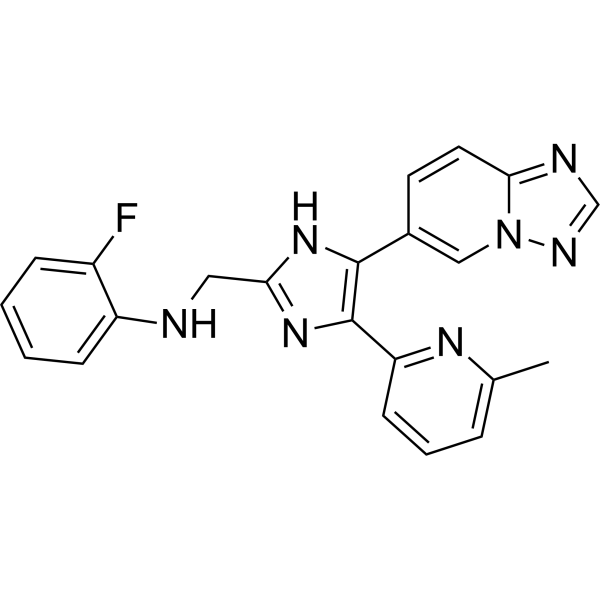 0 ImagesSynonyms: EW-7197; TEW-7197Vactosertib (EW-7197) is a potent, orally active and ATP-competitive activin receptor-like kinase 5 (ALK5) inhibitor with an IC50 of 12.9 nM. Vactosertib also inhibits ALK2 and ALK4 (IC50 of 17.3 nM) at nanomolar concentrations. Vactosertib has potently antimetastatic activity and anticancer effect.
-
HM-279
 0 ImagesCat. No.: HY-185430CAS No.: 3039954-64-5HM-279 is a potent and orally active ALK5 inhibitor with an IC50 of 4.7 nM. HM-279 shows cross-reactivity with ALK7 (IC50 = 6.8 nM), but HM-279 has fair to good selectivity against other TGF-β receptor family kinases, with 4.5-693-fold selectivity. HM-279 demonstrates antitumor activity in vivo through CD8+ T cell immunity. HM-279 can be used for the research of colon cancer.
-
SB-431542 (GMP)
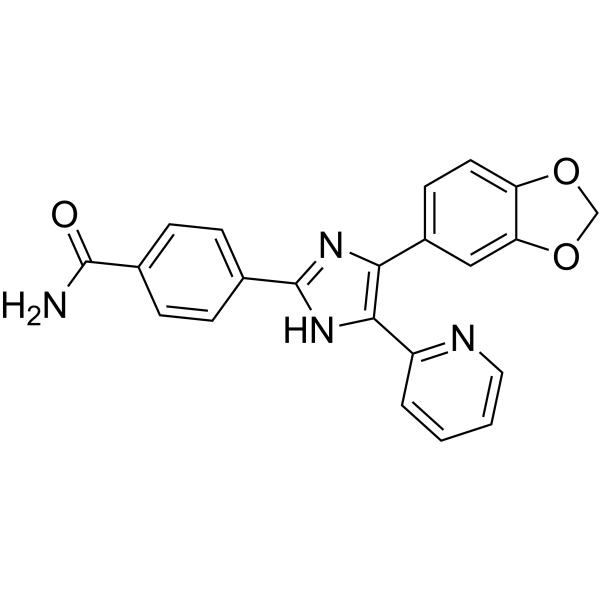 0 ImagesCat. No.: HY-10431GCAS No.: 301836-41-9SB-431542 (GMP) is SB-431542 (HY-10431) produced by using GMP guidelines. GMP small molecules works appropriately as an auxiliary reagent for cell therapy manufacture. SB-431542 is a TGF-β receptor kinase inhibitor (TRKI) in SMAD signaling.
-
LDN-214117
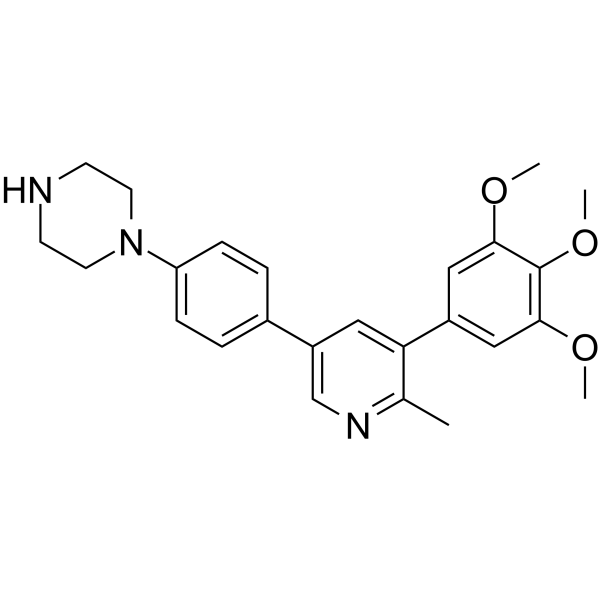 0 ImagesLDN-214117 is an orally active ALK2 inhibitor with well-tolerated and good brain penetration. LDN-214117 has a high selectivity and low cytotoxicity for ALK2 with an IC50 value of 24 nM. LDN-214117 also is a specific bone morphogenetic proteins (BMPs) signaling inhibitor and has relatively selective inhibition for BMP6 with an IC50 value of 100 nM. LDN-214117 can be used for the research of fibrodysplasia ossificans progressiva (FOP), diffuse intrinsic pontine glioma (DIPG) .
-
LDN-212854
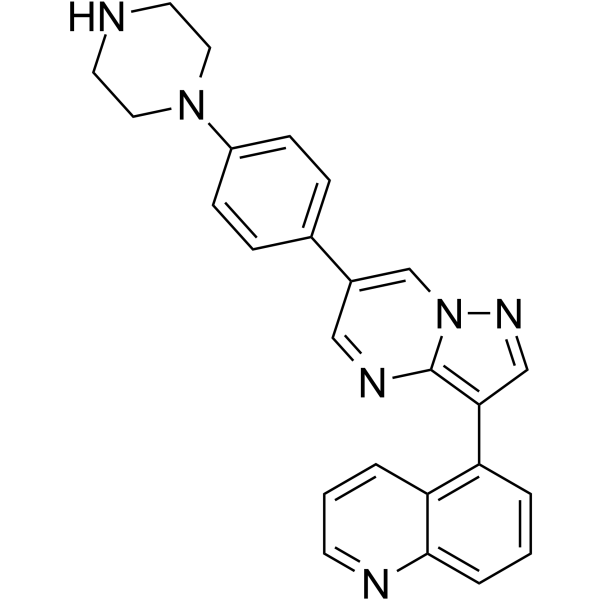 0 ImagesLDN-212854 is a bone morphogenetic protein (BMP) inhibitor that potently inhibits ALK2 (IC50: 1.3 nM). LDN-212854 also inhibits ALK1 (IC50: 2.40 nM). LDN-212854 can be used in the research of fibrodysplasia ossificans progressive and cancers, such as hepatocellular carcinoma (HCC).
-
R-268712
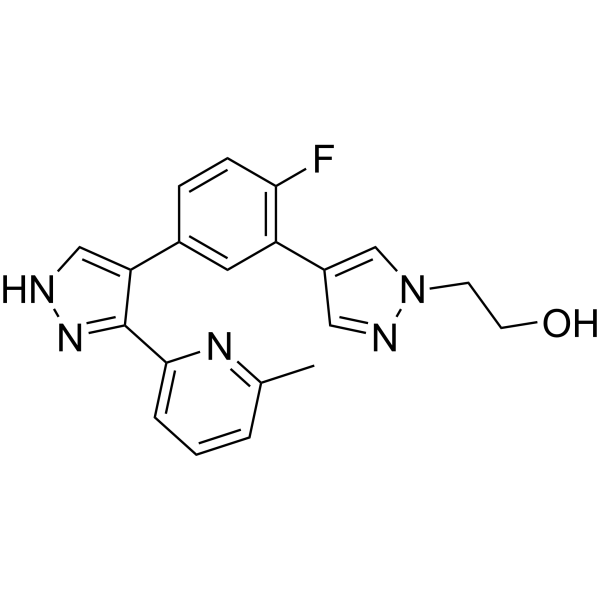 0 ImagesR-268712 is an orally active and selective ALK-5 inhibitor, with an IC50 of 2.5 nM. R-268712 inhibits the phosphorylation of Smad3 in a dose-dependent manner with an IC50 of 10.4 nM. R-268712 suppresses glomerulonephritis as well as glomerulosclerosis by inhibiting TGF-β signaling, which can be used in studies of renal fibrosis and cancer.
-
Vactosertib Hydrochloride
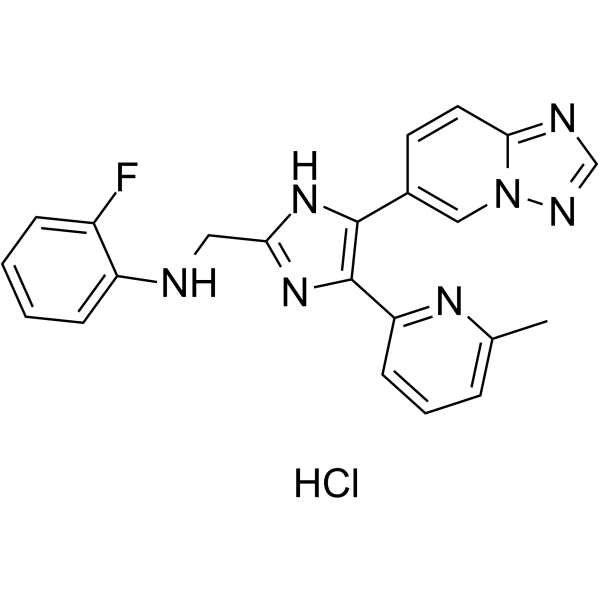 0 ImagesSynonyms: EW-7197 Hydrochloride; TEW-7197 HydrochlorideVactosertib Hydrochloride (EW-7197 Hydrochloride) is a potent, orally active and ATP-competitive activin receptor-like kinase 5 (ALK5) inhibitor with an IC50 of 12.9 nM. Vactosertib Hydrochloride also inhibits ALK2 and ALK4 (IC50 of 17.3 nM) at nanomolar concentrations. Vactosertib Hydrochloride has potently antimetastatic activity and anticancer effect.
-
Fidrisertib
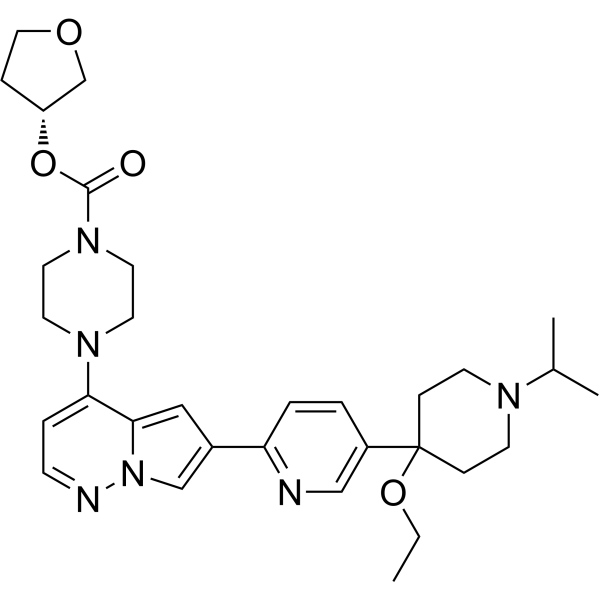 0 ImagesSynonyms: BLU-782; IPN-60130; ALK2-IN-1
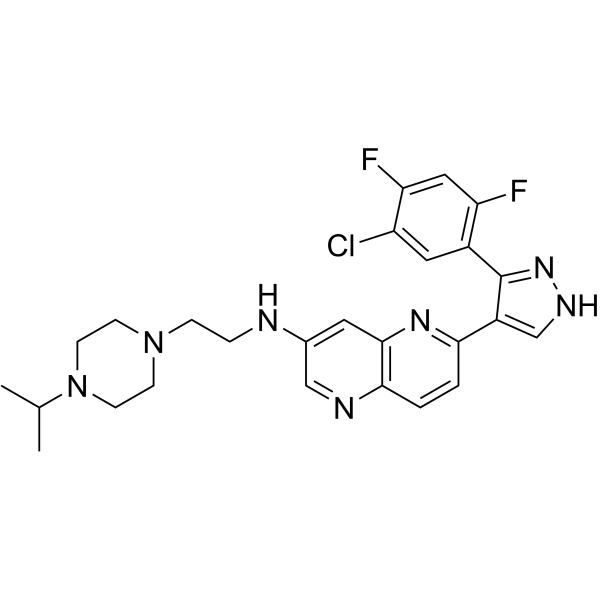

-
IN-1130
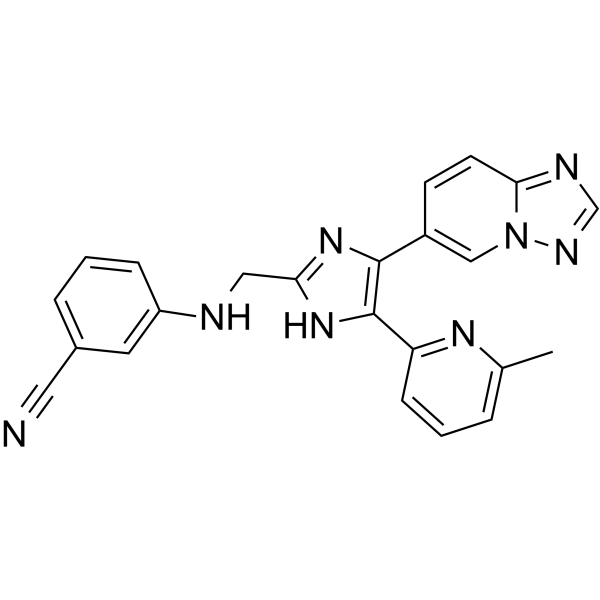
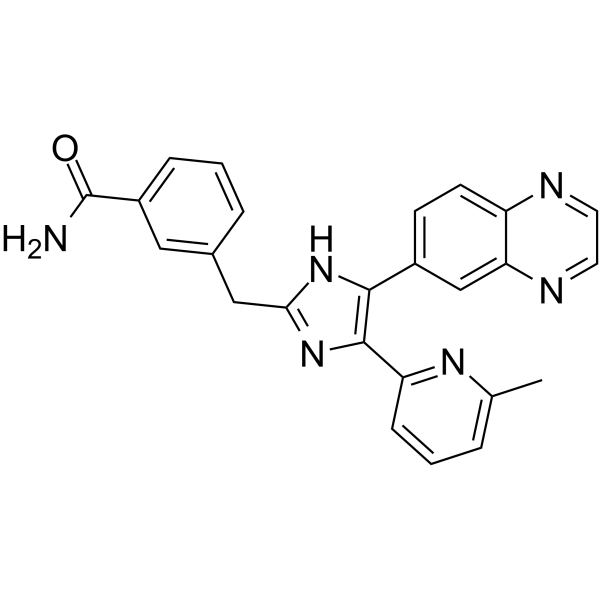 0 ImagesIN-1130 is a highly selective transforming growth factor-β type I receptor kinase (ALK5) inhibitor with an IC50 of 5.3 nM for ALK5-mediated Smad3 phosphorylation. IN-1130 inhibits ALK5 phosphorylation of casein (IC50=36 nM) and p38α mitogen-activated protein kinase (IC50=4.3 μM). IN-1130 suppresses renal fibrosis in obstructive nephropathy and blocks breast cancer lung metastasis.
-
A 83-01 (Standard)
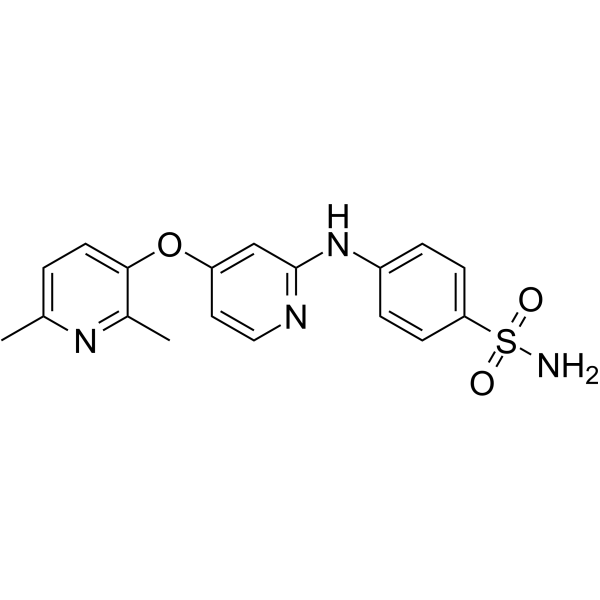
 0 ImagesCat. No.: HY-10432RCAS No.: 909910-43-6A 83-01 (Standard) is the analytical standard of A 83-01 (HY-10432). This product is intended for research and analytical applications. A 83-01 is a potent inhibitor of TGF-β type I receptor ALK5 kinase, type I nodal receptor ALK4 and type I nodal receptor ALK7, with IC50s of 12 nM, 45 nM and 7.5 nM against the transcription induced by ALK5, ALK4 and ALK7, respectively.
-
BI-4659
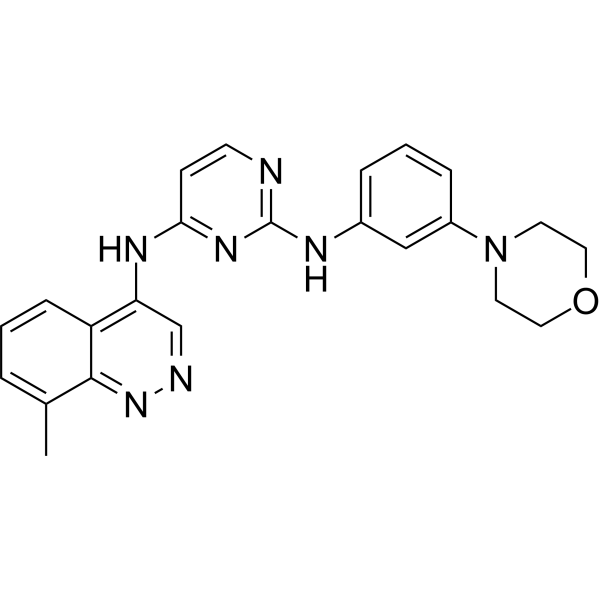
 0 ImagesBI-4659 is a TGFβRI and PDGFRα inhibitor with IC50 values of 19 nM and 99 nM, respectively. BI-4659 inhibits the kinase activities of TGFβRI and PDGFRα, blocks the downstream TGFβRI signaling pathway, and reduces the phosphorylation level of Smad2/3 without altering the expression of TGF-β1. BI-4659 is applicable to research related to pulmonary fibrosis, cancer, and renal ischemia-reperfusion injury.
- 1
- 2




