



PDGFR
PDGFR (platelet-derived growth factor receptor) is a receptor tyrosine kinase family that mediates cellular responses to platelet-derived growth factors and regulates proliferation, survival, migration, and tissue development through ligand-induced receptor dimerization and autophosphorylation mechanisms[1][2]. Mechanistically, activated PDGFR recruits multiple signaling mediators, including PI3K, PLCγ, Src-family kinases, and STAT-associated pathways, thereby coordinating cell growth, differentiation, and motility programs that are essential for normal tissue homeostasis and repair[1][2]. In developmental and physiological contexts, PDGFR signaling contributes to organogenesis, mesenchymal cell function, vascular development, and tissue regeneration, highlighting its central role in multicellular tissue organization[2][3]. In disease settings, dysregulated PDGFR activity, including constitutive receptor activation and excessive ligand-driven signaling, has been associated with malignancies, gastrointestinal stromal tumors, chronic eosinophilic leukemia, and other pathological proliferative processes[1][4]. Compared with the related isoforms, PDGFRα binds PDGF-A, PDGF-B, and PDGF-C ligands, whereas PDGFRβ preferentially binds PDGF-B and PDGF-D, resulting in overlapping but biologically distinct signaling capacities and cellular responses[1]. Furthermore, PDGFRβ displays strong chemotactic signaling activity, while PDGFRα can exert different context-dependent effects on cell migration, providing a useful framework for isoform-specific experimental design[1]. For research applications, small-molecule tyrosine kinase inhibitors targeting PDGFR signaling are widely used to investigate receptor-dependent mechanisms and disease-associated signaling networks[3].
References:
- [1]. Huber M. Activation/Inhibition of mast cells by supra-optimal antigen concentrations. Cell Commun Signal. 2013 Jan 22;11(1):7. doi: 10.1186/1478-811X-11-7. PMID: 23339289; PMCID: PMC3598417. et al. Activation/Inhibition of mast cells by supra-optimal antigen concentrations. Cell Commun Signal. 2013 Jan 22;11(1):7. [Content Brief]
- [2]. Andrae J, et al. Role of platelet-derived growth factors in physiology and medicine. Genes Dev. 2008 May 15;22(10):1276-312. [Content Brief]
- [3]. Kanaan R, et al. Use of multitarget tyrosine kinase inhibitors to attenuate platelet-derived growth factor signalling in lung disease. Eur Respir Rev. 2017 Oct 25;26(146):170061. [Content Brief]
- [4]. National Library of Medicine.
-
PDGFR Related Products (187)
Related Products (187)

-
Imatinib
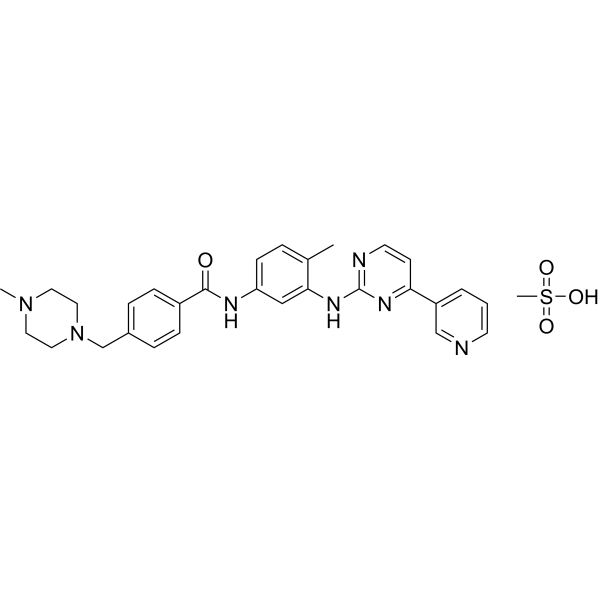
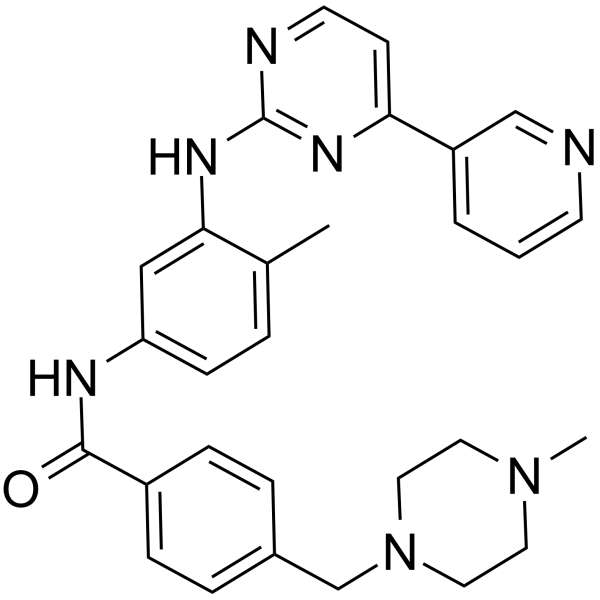 0 ImagesSynonyms: STI571; CGP-57148BImatinib (STI571) is an orally bioavailable tyrosine kinases inhibitor that selectively inhibits BCR/ABL, v-Abl, PDGFR and c-kit kinase activity. Imatinib (STI571) works by binding close to the ATP binding site, locking it in a closed or self-inhibited conformation, therefore inhibiting the enzyme activity of the protein semicompetitively. Imatinib also is an inhibitor of SARS-CoV and MERS-CoV.
-
Quizartinib
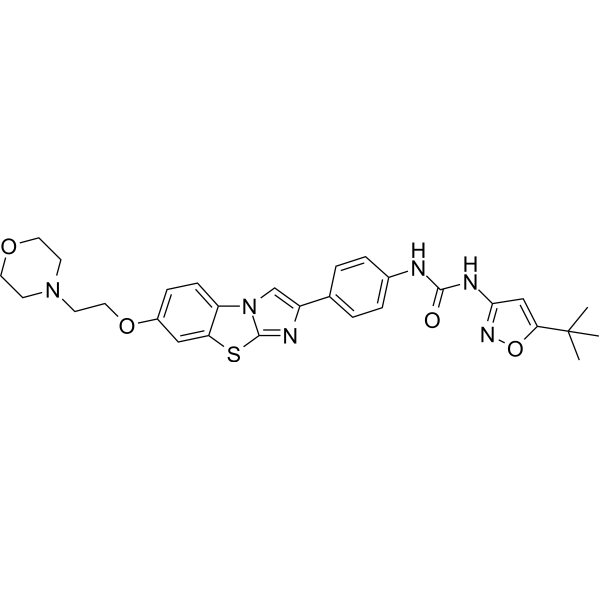 0 ImagesSynonyms: AC220Quizartinib (AC220) is an orally active, potent and selective FLT3 inhibitor. Quizartinib inhibits kinase activity of mutant-FLT3, -PDGFRA and -KIT isoforms and inhibits autophosphorylation. Quizartinib inhibits cellular proliferation, induces apoptosis in cancer cells. Quizartinib can be used for the research of cancer.
-
Avapritinib
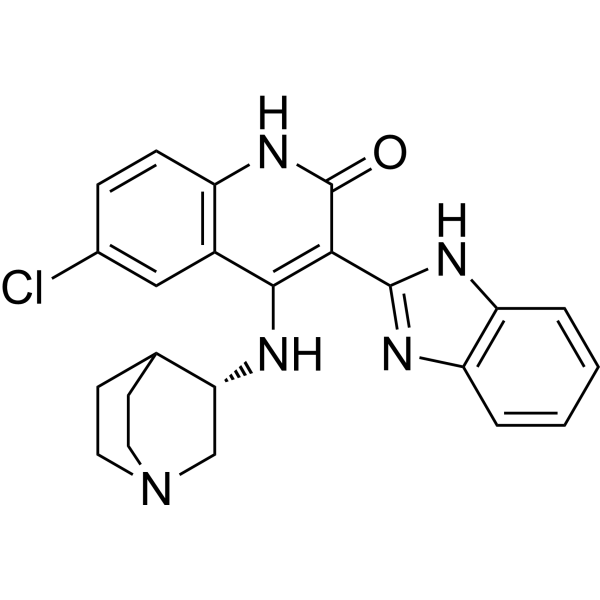
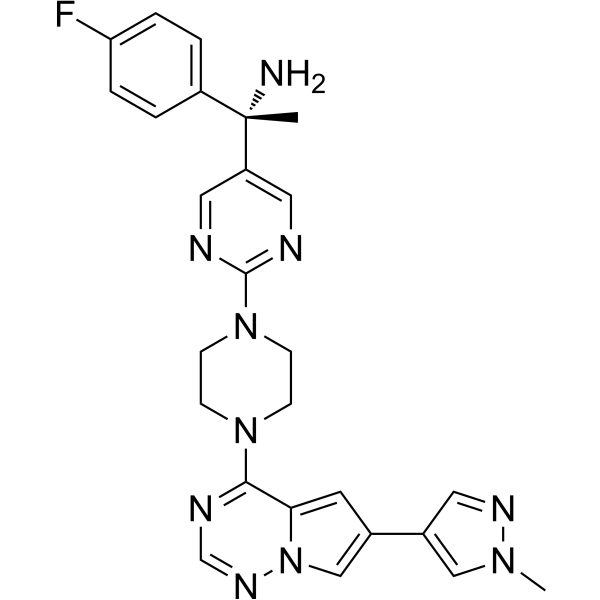 0 ImagesSynonyms: BLU-285Avapritinib (BLU-285) is a highly potent, selective, and orally active KIT and PDGFRA activation loop mutant kinases inhibitor with IC50s of 0.27 and 0.24 nM for KIT D816V and PDGFRA D842V, respectively. Avapritinib (BLU-285) binds the active conformation of the kinase and shows antitumor activity. Avapritinib (BLU-285) attenuates the transport function of both ABCB1 and ABCG2.
-
Masitinib
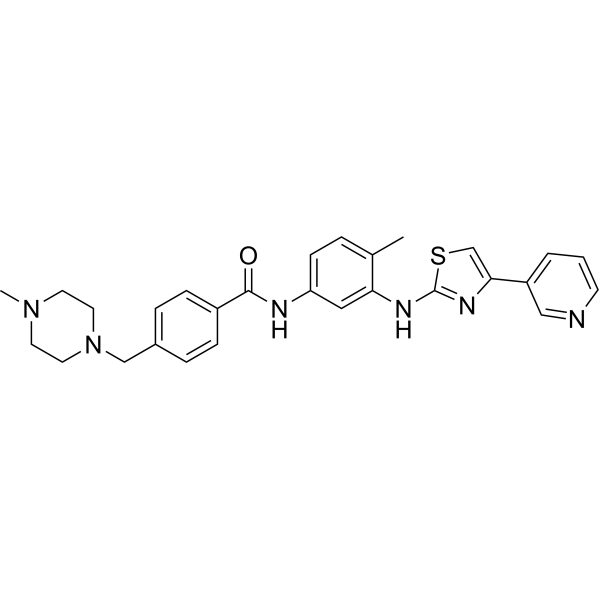 0 ImagesSynonyms: AB1010Masitinib (AB1010) is a potent, orally bioavailable, and selective inhibitor of c-Kit (IC50=200 nM for human recombinant c-Kit). It also inhibits PDGFRα/β (IC50s=540/800 nM), Lyn (IC50= 510 nM for LynB), Lck, and, to a lesser extent, FGFR3 and FAK. Masitinib (AB1010) has anti-proliferative, pro-apoptotic activity and low toxicity.
-
Methylnissolin
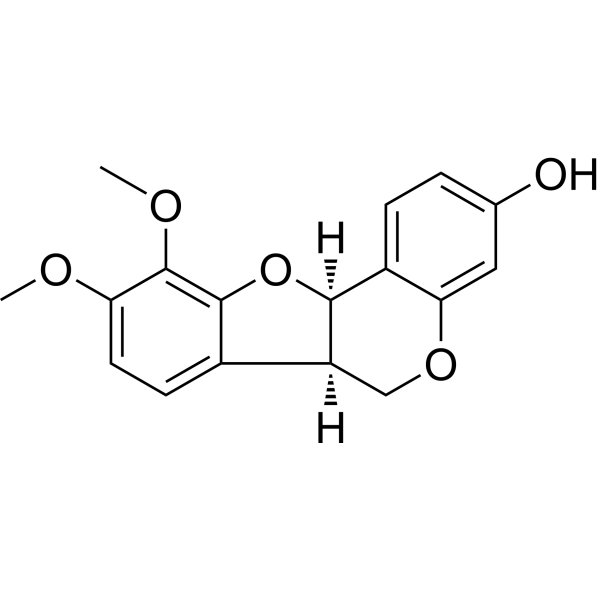 0 ImagesSynonyms: AstrapterocarpanMethylnissolin (Astrapterocarpan) is an osteoclast inhibitor with anti-inflammatory, neuroprotective and antioxidant activities. Methylnissolin downregulates the activation of the MAPK and PI3K/AKT pathways, inhibits the phosphorylation of MAPK1 and AKT1, and blocks PDGF-BB-induced phosphorylation of ERK1/2. Methylnissolin reduces the expression and secretion of proinflammatory mediators, decreases intracellular ROS levels, upregulates antioxidant enzymes, and downregulates osteoclastogenesis markers. Methylnissolin is applicable to research related to ischemic stroke, osteoporosis, cardiovascular diseases, skin aging, etc.
-
Vesencumab
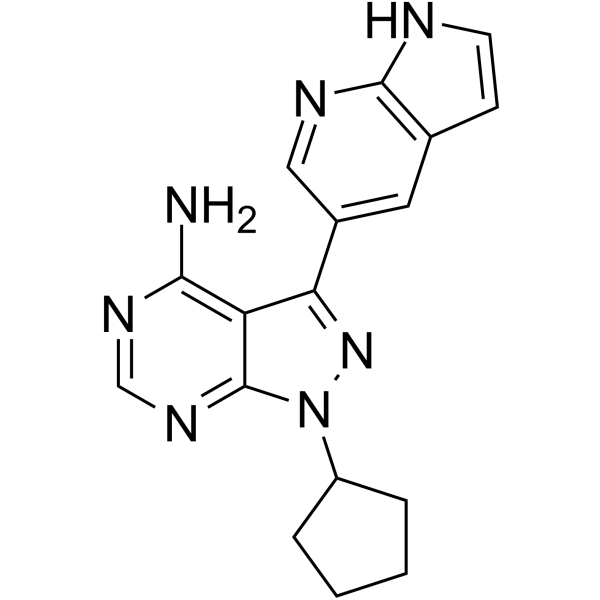
 0 ImagesSynonyms: MNRP-1685AVesencumab (MNRP-1685A) is IG1 antibody against neuropilin-1 (NRP-1). Vesencumab binds to NRP-1 and prevents the subsequent coupling of NRP-1 to VEGFR-2. Vesencumab has anti-angiogenic and anti-neoplastic activities. Vesencumab can be used in the research of metastatic solid tumors, including ovarian cancer.
-
Sennoside B
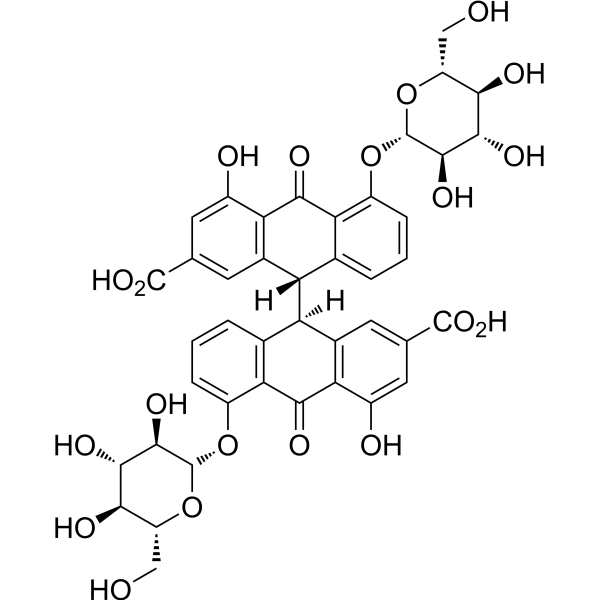 0 ImagesSennoside B is a potent and orally active platelet-derived growth factor (PDGF) inhibitor. Sennoside B inhibits cell proliferation and the expression of phosphorylation of PDGFR-β, STAT-5, AKT and ERK induced by PDGF-BB. Sennoside B shows gastroprotective activities. Sennoside B has the potential for the research of gastritis.

-
Pimicotinib
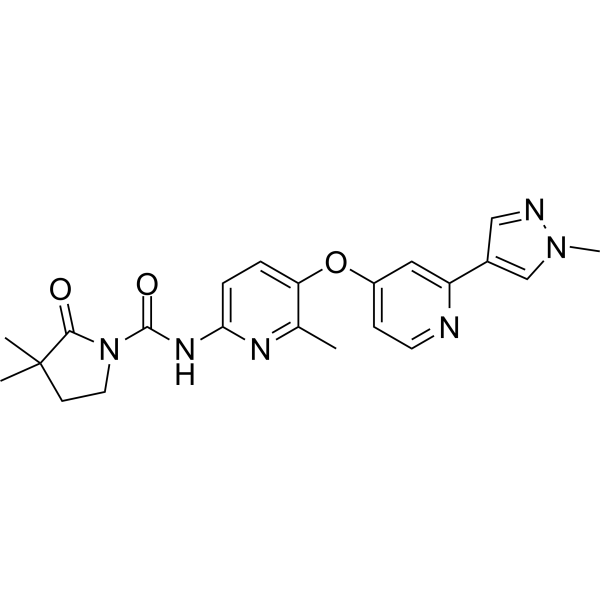 0 ImagesSynonyms: ABSK021Pimicotinib (ABSK021) is a selective and orally active CSF1R inhibitor with an IC50 value of 19.48 nM (determined by inhibiting ADP production). Pimicotinib exhibits anti-tumor activity.
-
Tyrphostin A9
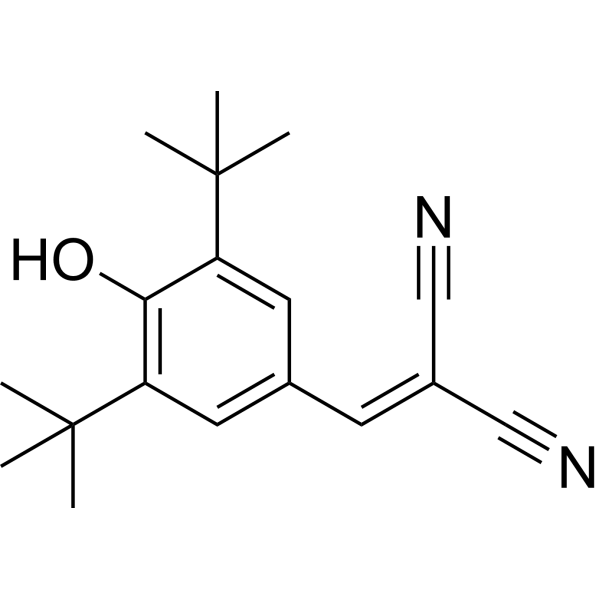 0 ImagesSynonyms: Tyrphostin 9; MalonobenTyrphostin A9, a PDGFR inhibitor, is a potent inducer of mitochondrial fission. Tyrphostin A9 emerged as the most potent and selective of 51 tyrosine kinase inhibitors tested against the TNF-induced respiratory burst. Tyrphostin A9 has anti-influenza virus activities.
-
β-Glucogallin
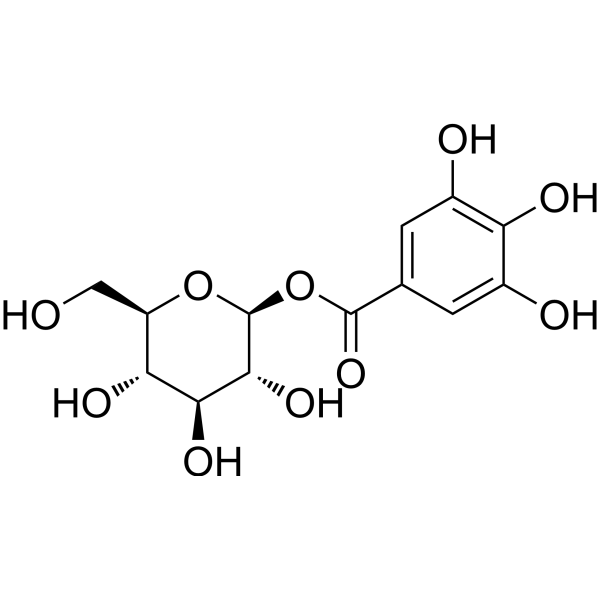 0 ImagesSynonyms: Glucogallin; 1-O-Galloyl-β-D-glucoseβ-Glucogallin is an orally active and selective aldose reductase (AKR1B1) inhibitor with an IC50 value of 58 μM when using Glyceraldehyde (HY-128748) as AKR1B1 substrate. β-Glucogallin reduces ROS, PDGF, RAGE, and NF-κB. β-Glucogallin increases SOD. β-Glucogallin has antioxidant and hepatoprotective effects. β-Glucogallin can be used in retinal research.
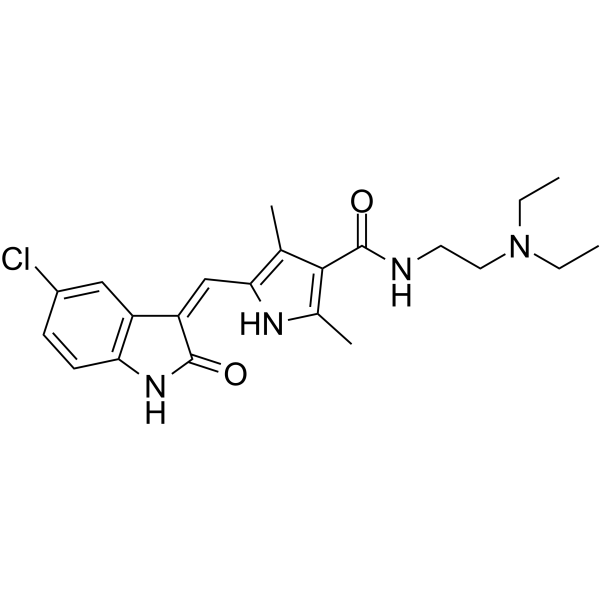
-
Ki20227
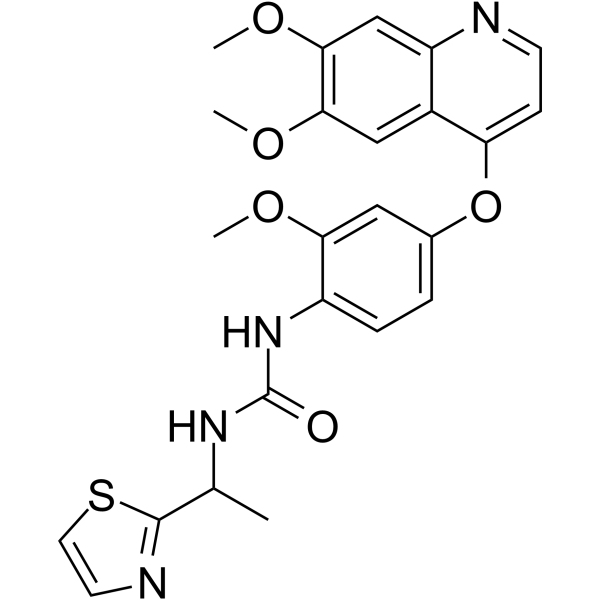 0 ImagesKi20227 is an orally active and highly selective c-Fms tyrosine kinase (CSF1R) inhibitor with IC50s of 2 nM, 12 nM, 451 and 217 nM for CSF1R, VEGFR2 (vascular endothelial growth factor receptor-2), c-Kit (stem cell factor receptor) and PDGFRβ (platelet-derived growth factor receptor β). Ki20227 suppresses osteoclast differentiation and osteolytic bone destruction.
-
Masitinib mesylate
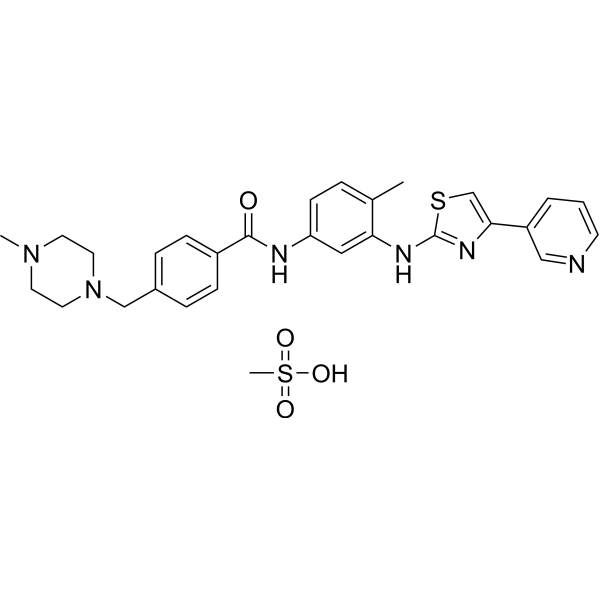 0 ImagesSynonyms: AB-1010 mesylateMasitinib mesylate (AB-1010 mesylate) is a potent, orally bioavailable, and selective inhibitor of c-Kit (IC50=200 nM for human recombinant c-Kit). It also inhibits PDGFRα/β (IC50s=540/800 nM), Lyn (IC50= 510 nM for LynB), Lck, and, to a lesser extent, FGFR3 and FAK. Masitinib mesylate (AB-1010 mesylate) has anti-proliferative, pro-apoptotic activity and low toxicity.
-
Quizartinib dihydrochloride
 0 ImagesSynonyms: AC220 dihydrochlorideQuizartinib (AC220) dihydrochloride is an orally active, potent and selective FLT3 inhibitor. Quizartinib dihydrochloride inhibits kinase activity of mutant-FLT3, -PDGFRA and -KIT isoforms and inhibits autophosphorylation. Quizartinib dihydrochloride inhibits cellular proliferation, induces apoptosis in cancer cells. Quizartinib dihydrochloride can be used for the research of cancer.



