



ERK5
ERK5 (MAPK7), also known as big mitogen-activated protein kinase 1 (BMK1), is a distinct member of the mitogen-activated protein kinase (MAPK) family that integrates extracellular signals to regulate proliferation, differentiation, survival, transcriptional control, and tissue homeostasis[1][2]. Mechanistically, ERK5 is uniquely activated by MEK5 and contains an N-terminal kinase domain together with a large C-terminal transcriptional activation domain, enabling coordinated regulation of kinase-dependent and transcriptional responses[1][3]. Through the MEK5/ERK5 signaling axis, ERK5 participates in endothelial adaptation to laminar shear stress, promotes cell survival, and contributes to cardiovascular homeostasis by regulating protective transcriptional programs such as KLF2 expression[2]. In disease settings, aberrant ERK5 signaling has been associated with cancer progression, including enhanced migration, invasion, epithelial-mesenchymal transition, and metastatic behavior in multiple tumor models[1][4]. Compared with related ERK isoforms, ERK5 is distinguished by its unusually large C-terminal region containing transcriptional activation and nuclear localization elements, which confer functions beyond classical MAPK catalytic signaling[1][3]. Alternative ERK5 isoforms further diversify its biological activity, and a short isoform lacking the C-terminal transcriptional domain and nuclear localization signal has been linked to altered nucleocytoplasmic trafficking, increased cell migration, epithelial-mesenchymal transition, and poor outcomes in breast cancer models[5]. For experimental applications, selective ERK5 inhibitors and chemical probes have been developed to investigate ERK5-dependent signaling networks and disease mechanisms, supporting its continued use as a pharmacological target in cancer and vascular biology research[3].
参考文献:
- [1]. Le NT. The significance of ERK5 catalytic-independent functions in disease pathways. Front Cell Dev Biol. 2023 Aug 4;11:1235217. doi: 10.3389/fcell.2023.1235217. PMID: 37601096; PMCID: PMC10436230. et al. The significance of ERK5 catalytic-independent functions in disease pathways. Front Cell Dev Biol. 2023 Aug 4;11:1235217. [Content Brief]
- [2]. Paudel R, et al. The MEK5/ERK5 Pathway in Health and Disease. Int J Mol Sci. 2021 Jul 15;22(14):7594. [Content Brief]
- [3]. Elkins JM, et al. X-ray crystal structure of ERK5 (MAPK7) in complex with a specific inhibitor. J Med Chem. 2013 Jun 13;56(11):4413-21. [Content Brief]
- [4]. Villalba M, et al. Is the MAPK ERK5 the nexus from FAO to NK cell-mediated metastasis immune surveillance? Front Immunol. 2025 Oct 8;16:1641865. [Content Brief]
- [5]. Miranda M, Saunus J M, Akgül S, et al. A short ERK5 isoform modulates nucleocytoplasmic shuttling of active ERK5 and associates with poor survival in breast cancer[J]. bioRxiv, 2021: 2021.03. 23.436061.
-
ERK5 関連製品 (20)
関連製品 (20)

-
抗体 (1)
- 1
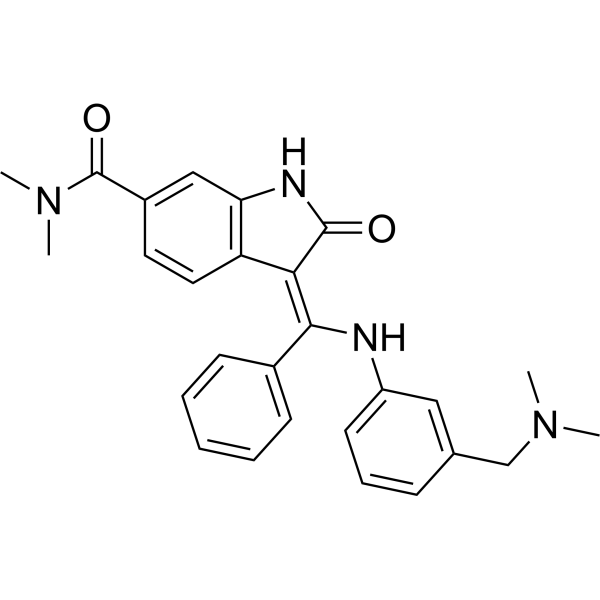
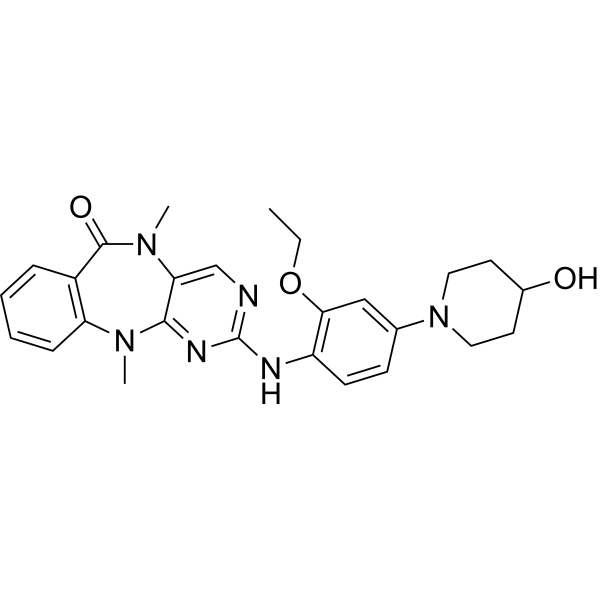
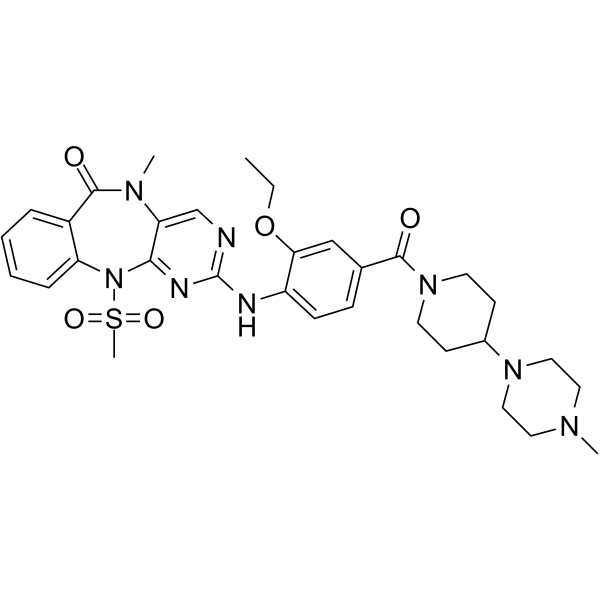
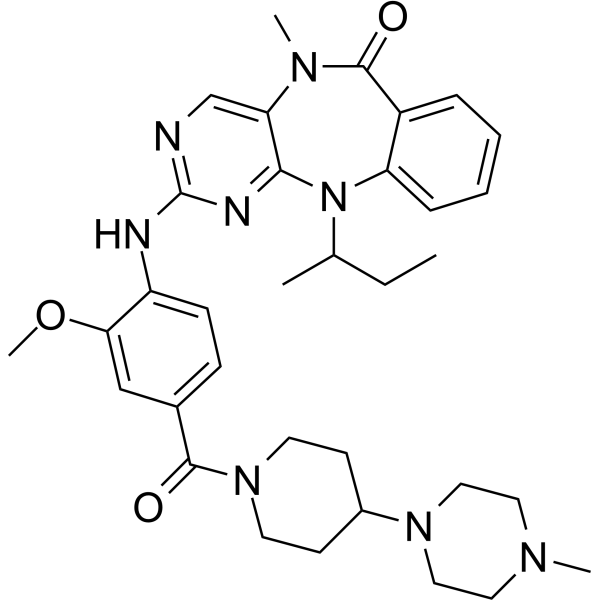
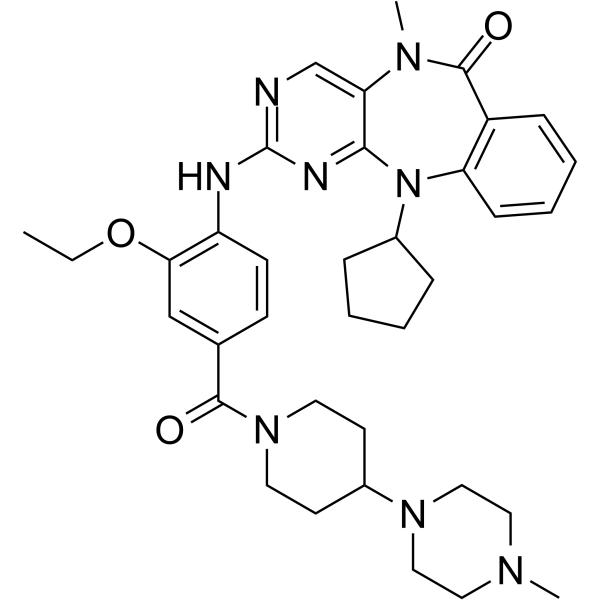
-
PPM-3
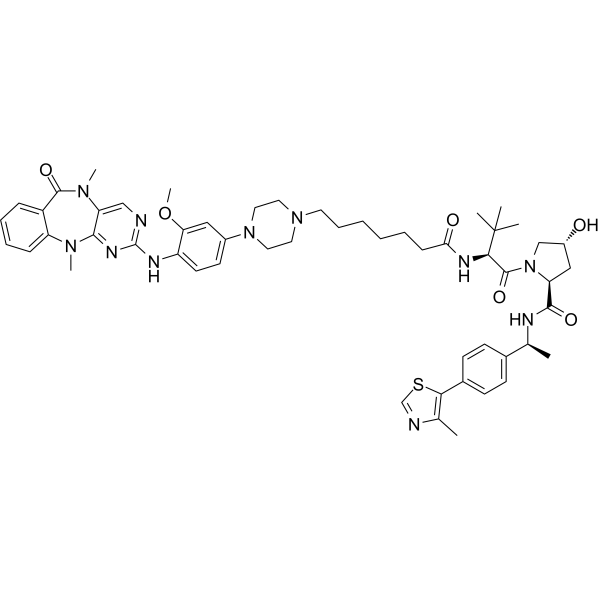 0 ImagesPPM-3 is a highly selective ERK5 PROTAC degrader that mediates the degradation of ERK5 protein by recruiting VHL. PPM-3 inhibits ERK5 kinase activity with an IC50 of 62.4 nM. PPM-3-mediated ERK5 degradation exhibits a hook effect. PPM-3 exerts no significant direct inhibitory effect on the proliferation and migration of cancer cells. PPM-3 can be used in studies related to macrophage polarization and tumor immunity.

-
BAY-693
 0 Images製品番号: HY-182398CAS 番号: 2306302-48-5
-
ERK5-IN-2
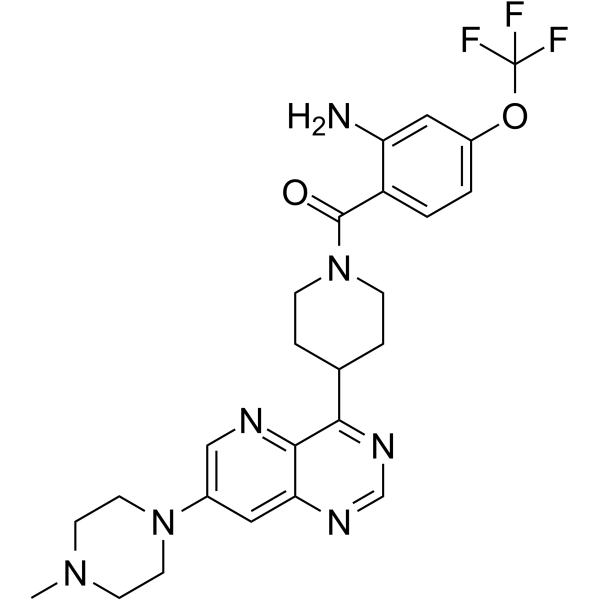
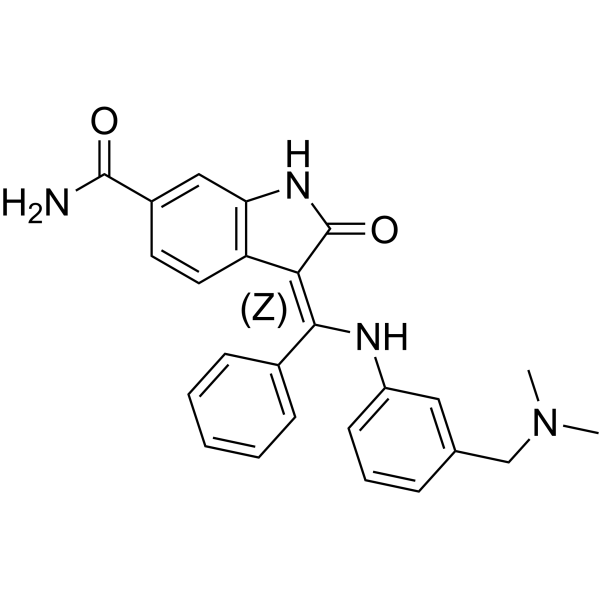
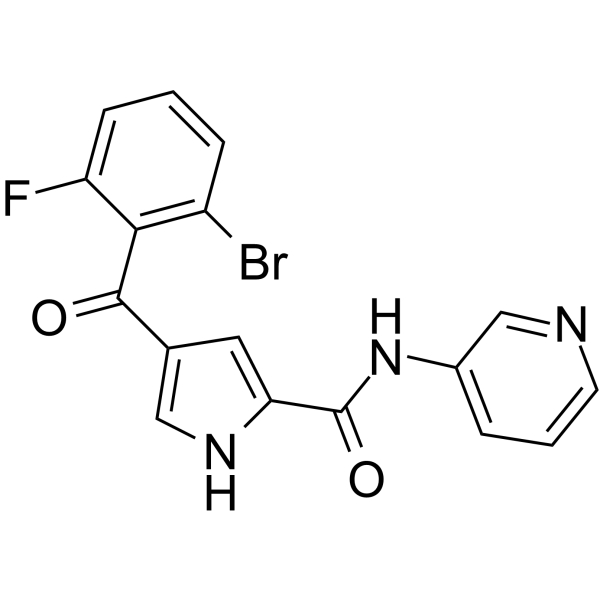 0 ImagesERK5-IN-2 is an orally active, sub-micromolar, selective ERK5 inhibitor with IC50s of 0.82 μM, 3 μM for ERK5 and ERK5 MEF2D, respectively. ERK5-IN-2 does not interact with the BRD4 bromodomain. ERK5-IN-2 suppresses both tumor xenograft growth and basic fibroblast growth factor (bFGF) driven Matrigel plug angiogenesis.
-
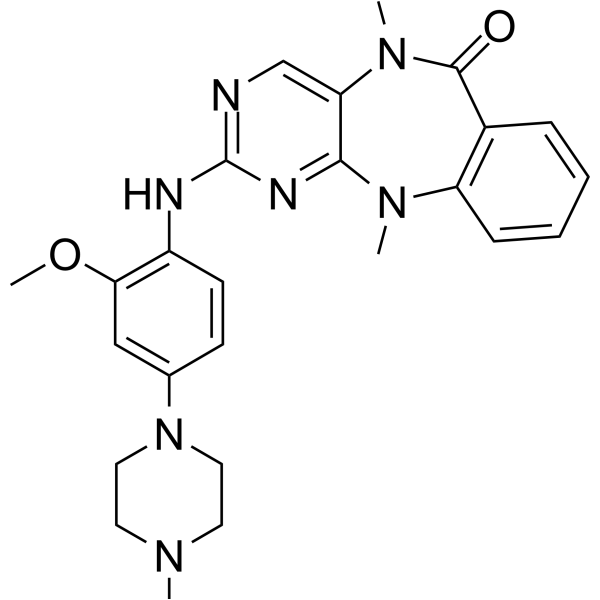
SKLB-D18
 0 Images製品番号: HY-173119純度: 98.06%SKLB-D18 is an orally active ERK1/2/ERK5 inhibitor, with an IC50 of 38.69 nM and a Kd of 126.9 nM against human ERK1, an IC50 of 40.12 nM and a Kd of 209.8 nM against ERK2, and an IC50 of 59.72 nM and a Kd of 468.2 nM against ERK5. SKLB-D18 inhibits cancer cell proliferation, induces G0/G1 cell cycle arrest and apoptosis. SKLB-D18 reduces the levels of p-ERK5, p-RSKp90, p-c-Myc and c-Myc, and upregulates the level of p-ERK1/2, thereby inhibiting the ERK1/2/5 pathway in cells. SKLB-D18 increases LC3B-II accumulation, and decreases the levels of p62, p-mTOR and p-p70S6K. SKLB-D18 elevates the levels of ROS, lipid peroxidation and free ferrous ions, reduces the levels of NCOA4 and GPX4, and induces ferritin autophagy-dependent ferroptosis in cancer cells. SKLB-D18 exhibits antitumor activity in a triple-negative breast cancer xenograft mouse model. SKLB-D18 can be used in research related to triple-negative breast cancer.
-
ERK5-IN-5
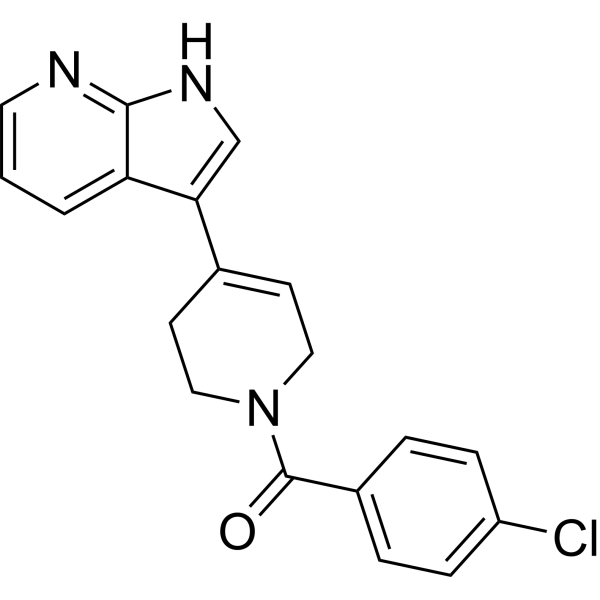 0 ImagesERK5-IN-5 (compound 4a) is an ERK5 kinase inhibitor with anticancer activity. ERK5-IN-5 exhibits good anti-proliferative activity with the IC50 value of 6.23 µg/mL for A549 cells.

-
ERK5-IN-3
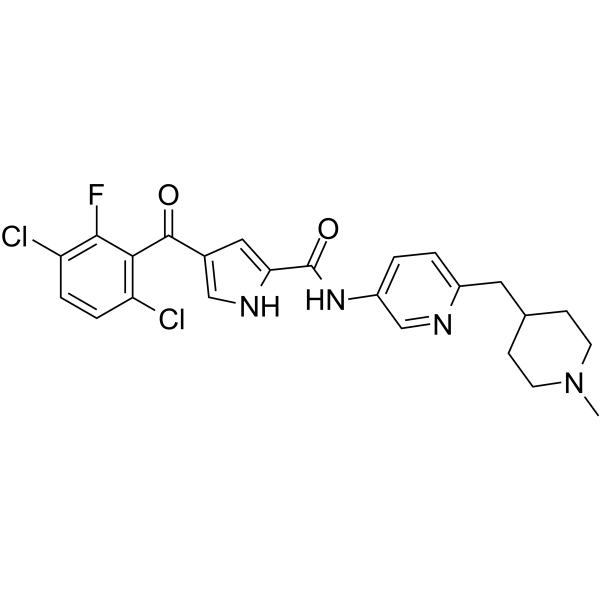 0 Images製品番号: HY-150605CAS 番号: 1888305-85-8ERK5-IN-3 (compound 33j) is a potent and selective ERK5 (extracellular signal-related kinase 5) inhibitor, with an IC50 of 6 nM. ERK5-IN-3 shows antiproliferation activity against Hela cells, with an IC50 of 31 nM.
-
JWG-045
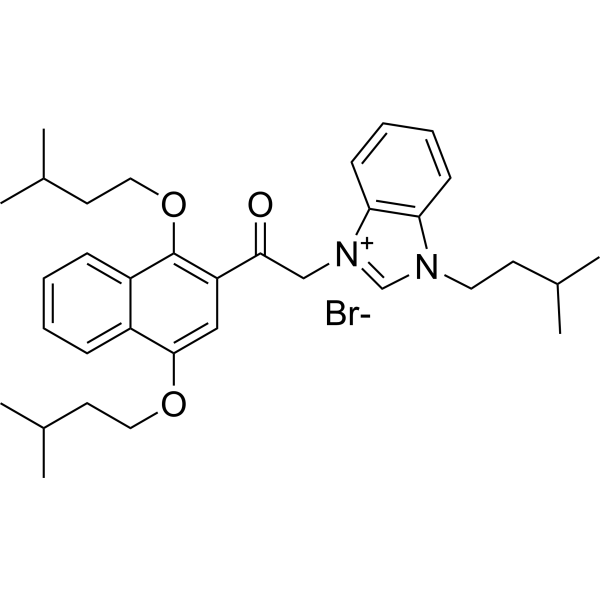
 0 Images製品番号: HY-181968CAS 番号: 1234480-61-5JWG-045 is a selective ERK5 inhibitor. JWG-045 exhibits unique ferroptosis-resistant activity independent of ERK5 inhibition. JWG-045 can be used in breast cancer research.
-
ERK5-IN-7
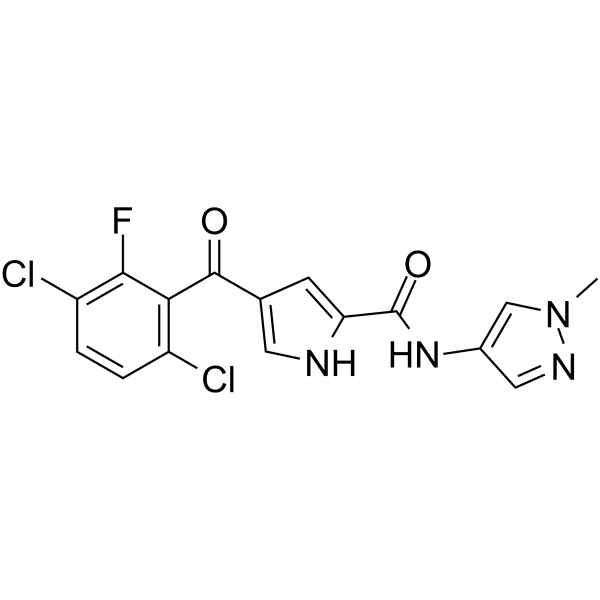
 0 Images製品番号: HY-181477ERK5-IN-7 is an orally active ERK5 inhibitor with an IC50 of 403.4 nM. ERK5-IN-7 directly inhibits ERK5 kinase activity, and downregulates the phosphorylation level and total protein expression of ERK5. ERK5-IN-7 induces Apoptosis (upregulates Bax, downregulates Bcl-2, and induces Caspase-3 cleavage). ERK5-IN-7 induces ROS accumulation. ERK5-IN-7 exhibits anticancer effects against Lewis lung cancer.
- 1




