



Chronic Obstructive Pulmonary Disease
-
Chronic Obstructive Pulmonary Disease (52)


- Formula: C172H265N43O51
- Molecular Weight: 3751.20
Liraglutide is a glucagon-like peptide-1 (GLP-1) receptor agonist used clinically to treat type 2 diabetes mellitus.
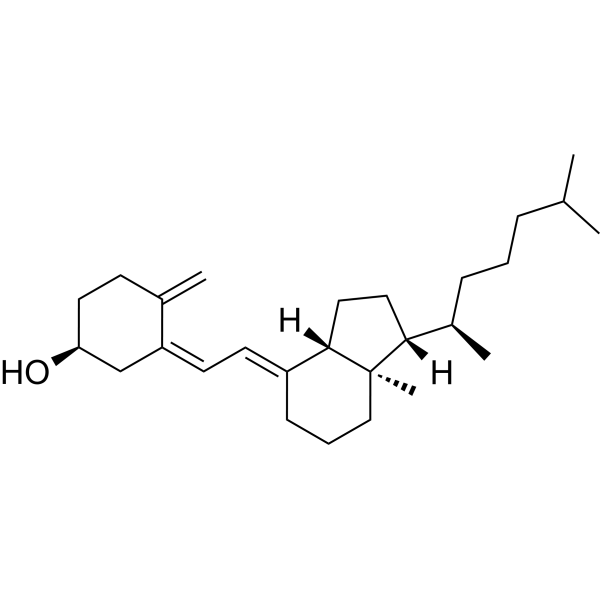
- Formula: C27H44O
- Molecular Weight: 384.64
Vitamin D3 (Cholecalciferol; Colecalciferol) is a naturally occuring form of vitamin D. Vitamin D3 induces cell differentiation and prevents proliferation of cancer cells.
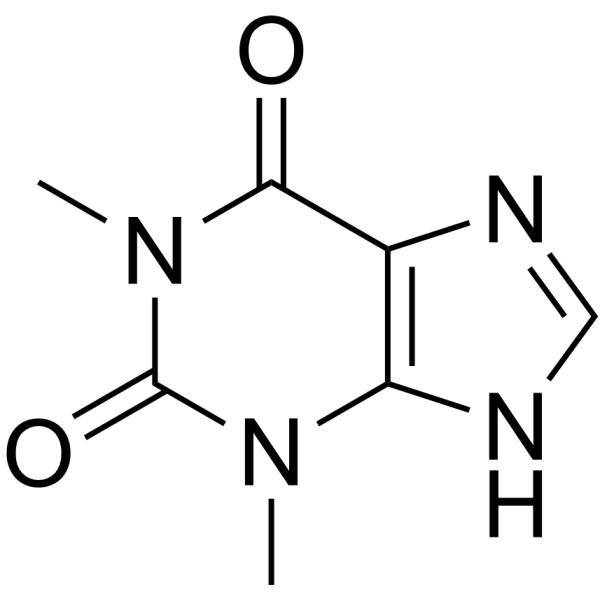
- Formula: C7H8N4O2
- Molecular Weight: 180.17
Theophylline (1,3-Dimethylxanthine) is a potent phosphodiesterase (PDE) inhibitor, adenosine receptor antagonist, and histone deacetylase (HDAC) activator. Theophylline (1,3-Dimethylxanthine) inhibits PDE3 activity to relax airway smooth muscle. Theophylline (1,3-Dimethylxanthine) has anti-inflammatory activity by increase IL-10 and inhibit NF-κB into the nucleus. Theophylline (1,3-Dimethylxanthine) induces apoptosis. Theophylline (1,3-Dimethylxanthine) can be used for asthma and chronic obstructive pulmonary disease (COPD) research.
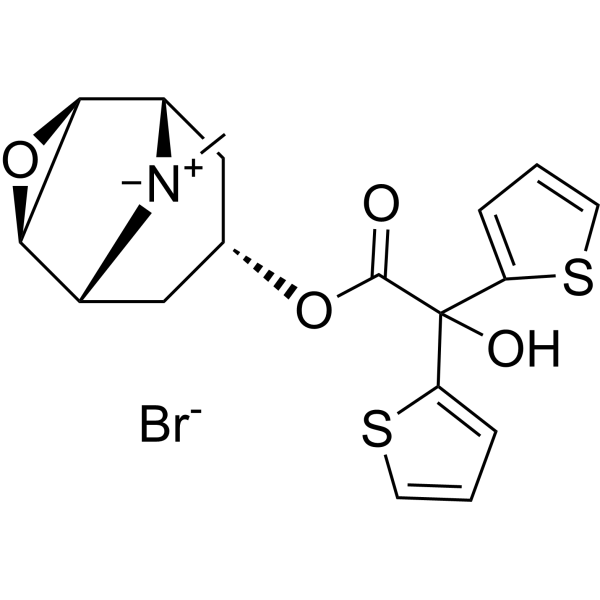
- Formula: C19H22BrNO4S2
- Molecular Weight: 472.42
Tiotropium bromide (BA-679 BR) is a long-acting anticholinergic bronchodilator. Tiotropium bromide blocks the action of acetylcholine at muscarinic M1, M2, and M3 receptors, prevents bronchoconstriction, and dilates bronchial airways. Tiotropium bromide is applicable to research related to chronic obstructive pulmonary disease and asthma.

- Molecular Weight: 143.56 kDa
Basiliximab (CHI 621) is a recombinant chimeric murine/human IgG1 monoclonal anti-interleukin-2 receptor antibody. Basiliximab can be used for the research of renal transplantation.
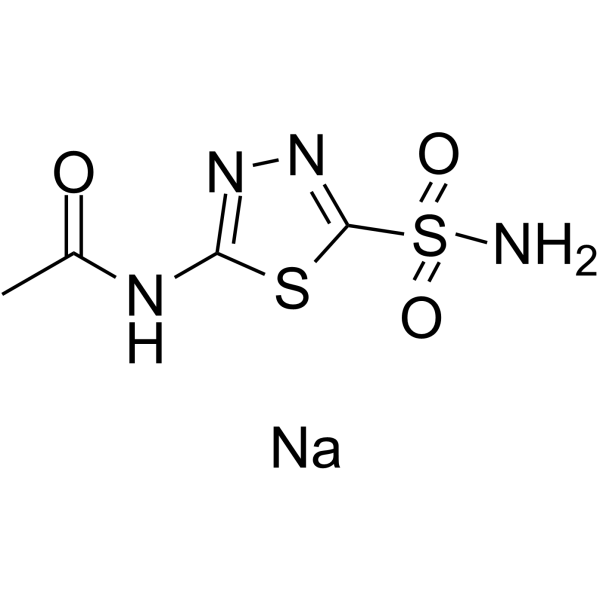
- Formula: C4H6N4NaO3S2
- Molecular Weight: 245.24
Acetazolamide sodium is a carbonic anhydrase (CA) IX inhibitor with an IC50 of 30 nM for hCA IX. Acetazolamide sodium has diuretic, antihypertensive and anti-gonococcal activities.
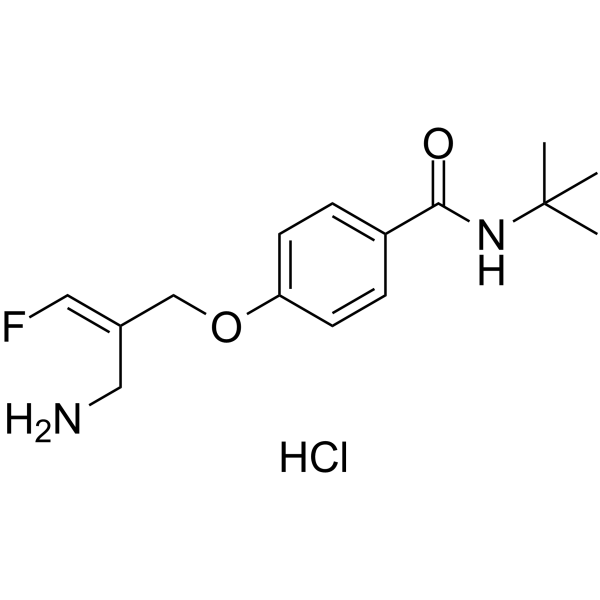
- Formula: C15H22ClFN2O2
- Molecular Weight: 316.80
PXS-4728A is an orally active, selective VAP-1/SSAO inhibitor with an IC50 of 5 nM and a Ki of 175 nM. PXS-4728A inhibits the expression of MMP-9. It reduces cell rolling, adhesion and migration, decreases cell infiltration levels, pro-inflammatory cytokines, chemokines and collagen deposition, and improves pulmonary function. PXS-4728A reduces the formation and progression of atherosclerotic plaques, and decreases blood lipid and blood glucose levels as well as body weight gain. PXS-4728A can be used in research related to chronic obstructive pulmonary disease, cystic fibrosis, acute pulmonary inflammation, acute lung injury, bronchiolitis obliterans syndrome, rhinovirus-exacerbated asthma, sepsis, Klebsiella pneumoniae pulmonary infection and atherosclerosis.
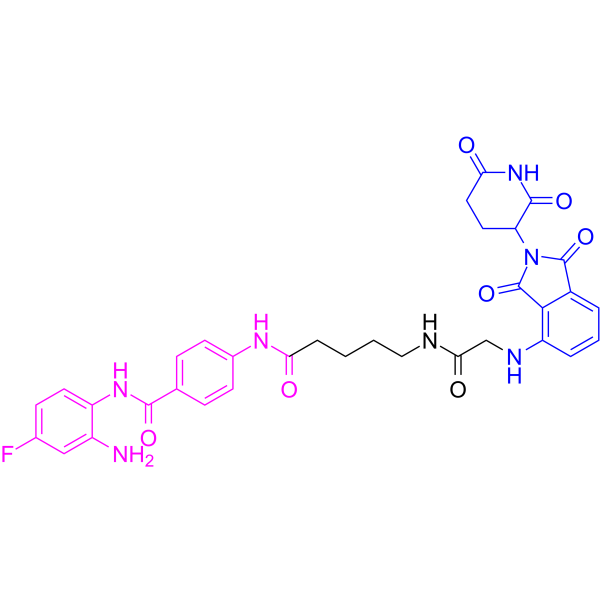
- Formula: C33H32FN7O7
- Molecular Weight: 657.65
HD-TAC7 is a selective HDAC3 PROTAC degrader with an IC50 of 1.1 μM. By recruiting the CRBN E3 ligase, HD-TAC7 induces ubiquitin-proteasome degradation and selective downregulation of HDAC3, which in turn increases H3K27 acetylation levels and downregulates the NF-κB subunit p65, exerting anti-inflammatory activity. HD-TAC7 is used in research on COVID-19, SARS-CoV-2 infection, asthma, chronic obstructive pulmonary disease, and colon cancer.

- Molecular Weight: 144 kDa
Verekitug (ASP-7266; TRAB-1; UPB-101) is a human monoclonal antibody targeting the thymic stromal lymphopoietin receptor (TSLPR), with a mean half-life of approximately 20 days. At doses of Verekitug ≥100 mg, complete and sustained TSLPR-specific occupancy is achieved, and the antibody does not bind to IL-7Rα. By inhibiting TSLP-driven inflammatory responses, Verekitug blocks TSLP-induced cell proliferation and TARC expression, while reducing fractional exhaled NO levels, blood eosinophil counts, and levels of IL-5 and IgE. Verekitug significantly improves scores for nasal polyps, nasal congestion and olfactory dysfunction, with favorable safety and good tolerability; potential adverse reactions include headache, upper respiratory tract infection, sinusitis and nasopharyngitis. Verekitug is used in relevant studies on asthma, chronic rhinosinusitis with nasal polyps and chronic obstructive pulmonary disease.
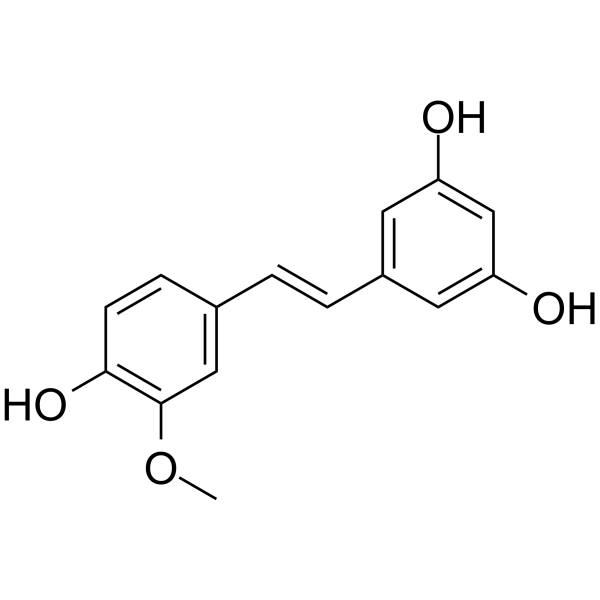
- Formula: C15H14O4
- Molecular Weight: 258.27
Isorhapontigenin is an orally active dietary polyphenol. Isorhapontigenin acts as a potent antioxidant that reduces the production of reactive oxygen species (ROS). Isorhapontigenin promotes the binding of JUN to the AP-1 site on the SESN2 promoter, induces SESN2 transcription, triggers MAPK8-dependent JUN activation, and upregulates the expression of PPAR-α, PGC-1α and CPT-1A to facilitate fatty acid oxidation. Isorhapontigenin induces autophagy, apoptosis and preadipocyte differentiation; it inhibits tumor growth, cell invasion, NF-κB transcriptional activity, the PI3K/Akt signaling pathway, STAT1 phosphorylation and MMP-2 expression. Isorhapontigenin alleviates oxidative stress, inflammatory cytokine release and triglyceride accumulation; it increases intracellular ATP levels and promotes Nrf2 nuclear translocation. Isorhapontigenin improves insulin sensitivity in adipose tissue and glucose tolerance, and reduces postprandial blood glucose, insulin and free fatty acid levels. Isorhapontigenin is applicable to research on bladder cancer, liver injury, chronic obstructive pulmonary disease, acute lung injury and type 2 diabetes.
Acyl coenzyme A synthetase (ACS), namely acetyl coenzyme A synthetase, is often used in biochemical research. Acyl coenzyme A synthetase can catalyze the activation of fatty acids by coenzyme A through a two-step thioesterification reaction to produce acyl coenzyme A, and then participate in a variety of anabolic and catabolic lipid metabolism pathways, and participate in the TCA cycle in aerobic respiration.
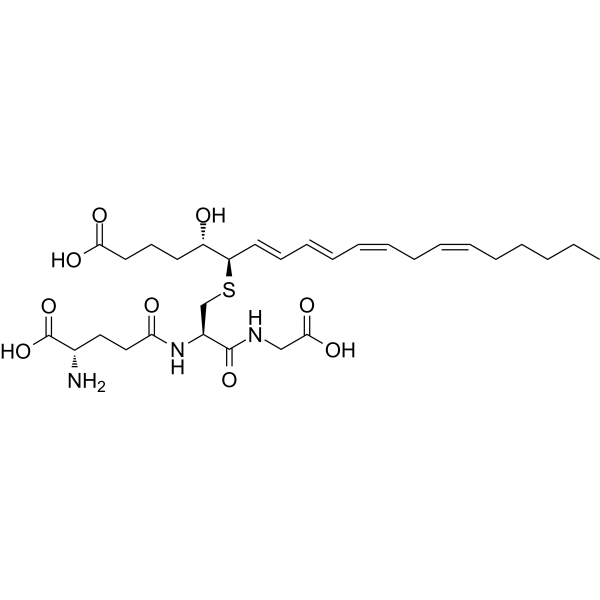
- Formula: C30H47N3O9S
- Molecular Weight: 625.77
Leukotriene C4 is a eicosanoid lipid mediator and produced by immune cells during type 2 inflammation. Leukotriene C4 can mediate inflammation,allergy, bronchoconstriction, and vascular leakage.
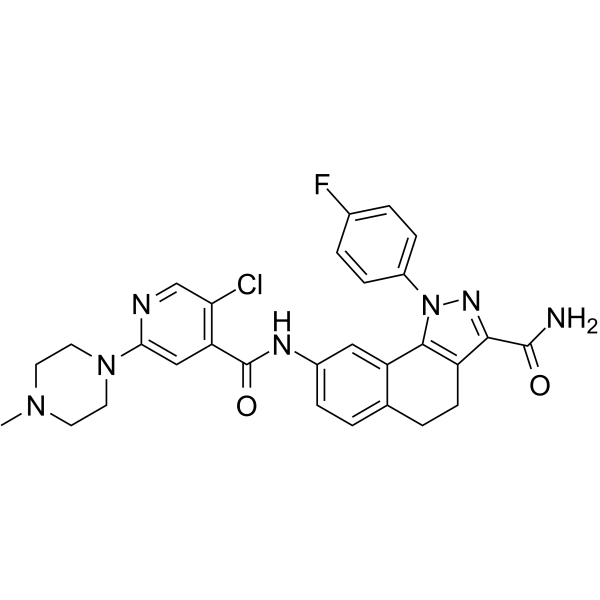
- Formula: C29H27ClFN7O2
- Molecular Weight: 560.02
PHA-408 is a highly selective, orally active and ATP-competitive IKK-2 inhibitor with an IC50 of 40 nM. PHA-408 blocks NF-κB signaling by suppressing IκBα phosphorylation and degradation, p65 phosphorylation, and pro-inflammatory cytokine production, and prevents TNF-α-induced premature senescence in HUVECs. PHA-408 alleviates LPS-and cigarette smoke-triggered pulmonary inflammation, reduces LPS-stimulated serum TNF-α release, and ameliorates joint damage in SCW-induced arthritis in rats. PHA-408 is applicable for the research of rheumatoid arthritis, chronic obstructive pulmonary disease (COPD), and Duchenne muscular dystrophy.
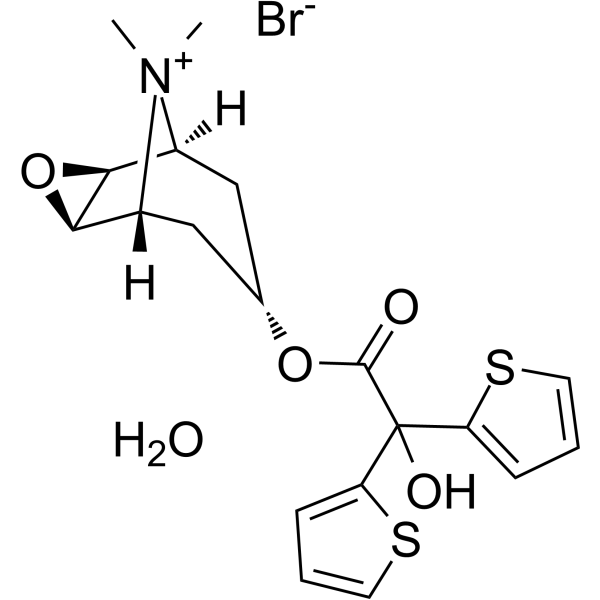
- Formula: C19H24BrNO5S2
- Molecular Weight: 490.43
Tiotropium bromide monohydrate (BA-679 BR monohydrate) is a long-acting anticholinergic bronchodilator. Tiotropium bromide monohydrate blocks the action of acetylcholine at muscarinic M1, M2, and M3 receptors, prevents bronchoconstriction, and dilates bronchial airways. Tiotropium bromide monohydrate is applicable to research related to chronic obstructive pulmonary disease and asthma.

- Formula: C17H10Cl2F3N3O3
- Molecular Weight: 432.18
SCH 351591 is a highly selective, orally active PDE4 inhibitor, with IC50 values of 58 nM and 153 nM in humans and rats, respectively. SCH 351591 effectively inhibits pathological processes such as cytokine production, eosinophilia, airway hyperresponsiveness and bronchospasm. SCH 351591 also induces microvascular injury, activates mast cells and endothelial cells, and causes increases in serum histamine and various inflammatory factors, leading to early vascular damage. SCH 351591 has been widely used in studies related to asthma, chronic obstructive pulmonary disease and drug-induced vascular injury.
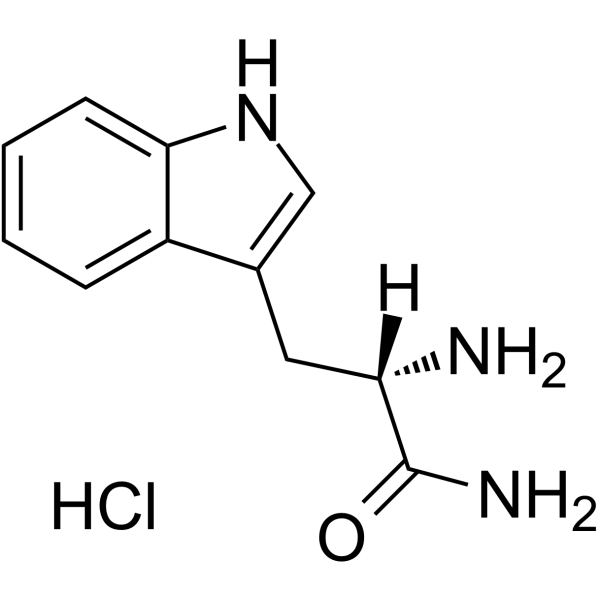
- Formula: C11H14ClN3O
- Molecular Weight: 239.71
H-Trp-NH2.HCl is an amide derivative of tryptophan. H-Trp-NH2.HCl has potential effects in inducing cell proliferation, apoptosis, necrosis, and angiogenesis-related activities. H-Trp-NH2.HCl also exhibits anti-Leishmania activity. H-Trp-NH2.HCl can be used in research on ulcerative colitis, wet age-related macular degeneration, skin diseases, chronic obstructive pulmonary disease, and leishmaniasis.

- Formula: C16H11N3O
- Molecular Weight: 261.28
Neutrophil elastase inhibitor 1 is a competitive, pseudo-reversible inhibitor of human neutrophil elastase (HNE) with an IC50 of 7 nM. Neutrophil elastase inhibitor 1 also exhibits inhibitory activity against thrombin, chymotrypsin and urokinase, with IC50 values of 1.9 μM, 66 nM and 6.6 μM, respectively. Neutrophil elastase inhibitor 1 can be used in research related to acute respiratory distress syndrome, chronic obstructive pulmonary disease and other conditions.
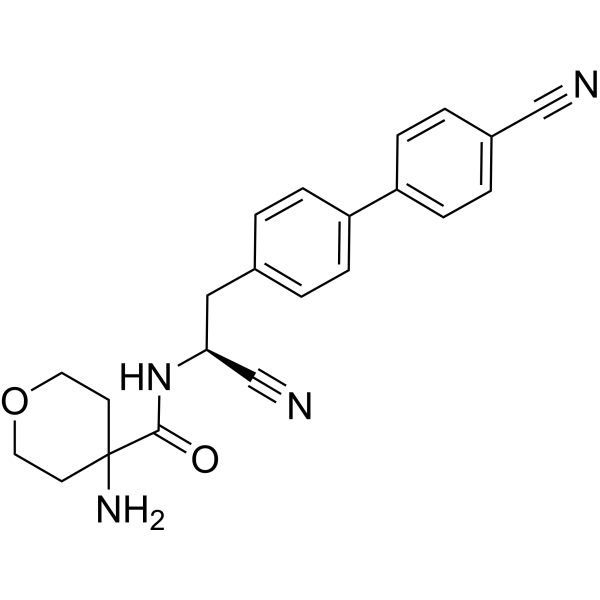
- Formula: C22H22N4O2
- Molecular Weight: 374.44
AZD5248 is an orally active, selective dipeptidyl peptidase 1 (cathepsin C) inhibitor, with IC50 values of 1 nM and 17 nM against human CatC, 44 nM against human DPP1, and 67 nM against rat DPP1. It exhibits low clearance and high bioavailability in animal models. AZD5248 forms an irreversible covalent bond with the catalytic Cys234 residue of CatC, exerts reversible inhibition via its nitrile moiety, blocks CatC-dependent amyloid formation, and reduces the activation levels of neutrophil serine proteases in bone marrow and blood. AZD5248 reacts with aortic elastin aldehydes to form stable 4-imidazolinones, induces ultrastructural changes in aortic tissue, and has an α-amino acid-based backbone. AZD5248 reduces the severity of acute pancreatitis in mouse models. AZD5248 can be used in research on chronic obstructive pulmonary disease, acute pancreatitis, neurodegenerative diseases, lysosomal storage disorders, acute lung injury, cystic fibrosis, and neutrophil-mediated inflammatory diseases.

- Formula: C25H18N4O3
- Molecular Weight: 422.44
MK-0873 is a selective phosphodiesterase-4 (PDE4) inhibitor with an IC50 value of < 38 nM. MK-0873 inhibits LPS-induced TNF-α production. MK-0873 suppresses bronchoconstriction. MK-0873 is applicable to research related to chronic obstructive pulmonary disease, plaque psoriasis and asthma.

- Formula: C11H13N3O
- Molecular Weight: 203.24
L-Tryptophanamide is an amide derivative of tryptophan. L-Tryptophanamide has potential effects in inducing cell proliferation, apoptosis, necrosis, and angiogenesis-related activities. L-Tryptophanamide also exhibits anti-Leishmania activity. L-Tryptophanamide can be used in research on ulcerative colitis, wet age-related macular degeneration, skin diseases, chronic obstructive pulmonary disease, and leishmaniasis.



