



HSP70
HSP70 (Heat Shock Protein 70) is a highly conserved ATP-dependent molecular chaperone that maintains proteostasis by promoting protein folding, preventing aggregation of misfolded proteins, facilitating protein complex remodeling, and supporting protein translocation across cellular membranes[1][2]. Mechanistically, HSP70 functions through an ATP-regulated chaperone cycle in which substrate recognition, ATP hydrolysis, and co-chaperone interactions determine whether client proteins are refolded or directed toward degradation pathways[1]. This central role links HSP70 to cellular stress adaptation, because its expression increases in response to environmental and physiological stressors and helps preserve protein homeostasis under conditions that promote protein damage[3][4]. In disease models, impaired proteostasis and reduced chaperone capacity are associated with the accumulation of toxic misfolded proteins, whereas enhanced HSP70 activity has been linked to reduced protein aggregation, inflammation, and neuronal loss in neurodegenerative disorders including Alzheimer’s disease, Parkinson’s disease, Huntington’s disease, and amyotrophic lateral sclerosis[5]. Compared with related heat shock protein families such as HSP90, HSP70 is distinguished by its direct engagement with unfolded polypeptides and its prominent role in determining protein refolding versus degradation outcomes through co-chaperone-dependent quality-control mechanisms[1]. For experimental applications, HSP70 has become an important therapeutic research target, and both pharmacological modulators and recombinant HSP70-based approaches are widely investigated to manipulate proteostasis, cytoprotection, and stress-response pathways in models of neurodegenerative, inflammatory, and other protein-misfolding-associated diseases[1][6].
Références:
- [1]. Evans CG, et al. Heat shock protein 70 (hsp70) as an emerging drug target. J Med Chem. 2010 Jun 24;53(12):4585-602. [Content Brief]
- [2]. Nguyen B, et al. Thermodynamic Bounds on the Ultra- and Infra-affinity of Hsp70 for Its Substrates. Biophys J. 2017 Jul 25;113(2):362-370. [Content Brief]
- [3]. Singh MK, et al. Heat Shock Response and Heat Shock Proteins: Current Understanding and Future Opportunities in Human Diseases. Int J Mol Sci. 2024 Apr 10;25(8):4209. [Content Brief]
- [4]. Yusof NA, et al. Can heat shock protein 70 (HSP70) serve as biomarkers in Antarctica for future ocean acidification, warming and salinity stress? Polar Biol. 2022 Jan 24;45:371-394.
- [5]. Ben Khalaf N. Heat shock proteins (Hsp70 and Hsp90) in neurodegeneration: pathogenic roles and therapeutic potential. Front Aging Neurosci. 2026 Feb 12;18:1711422. [Content Brief]
- [6]. Evgen'ev MB, et al. The Role of Hsp70 in Adaptation to Adverse Conditions and Its Possible Medical Application. Front Biosci (Landmark Ed). 2023 Feb 8;28(2):25. [Content Brief]
All Product Categories
-
HSP70 Inhibitors
(42)
View all products
-
HSP70 Agonist
(1)
View all products
-
HSP70 Antagonist
(1)
View all products
-
HSP70 Activators
(22)
View all products
-
HSP70 Modulator
(1)
View all products
-
HSP70 Inducers
(4)
View all products
-
HSP70 Degrader
(1)
View all products
-
HSP70 Ligands
(4)
View all products
-
HSP70 Produits associés (84)
Produits associés (84)

-
Anticorps (6)
-
Palmitic acid
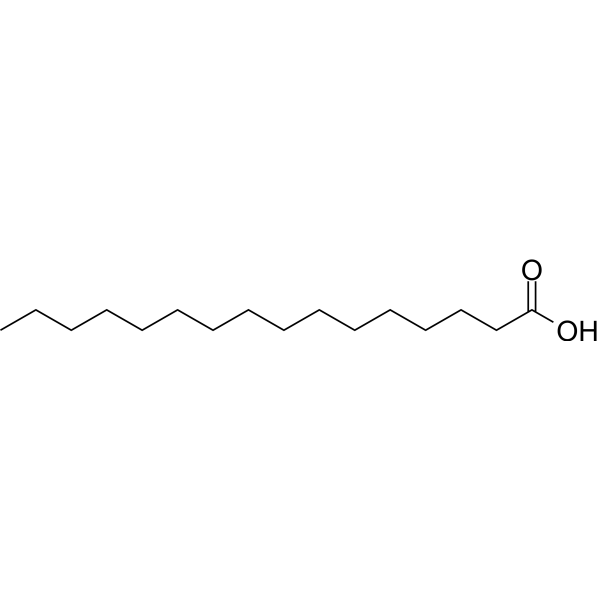 0 ImagesPalmitic acid is a long-chain saturated fatty acid commonly found in both animals and plants. PA can induce the expression of glucose-regulated protein 78 (GRP78) and CCAAT/enhancer binding protein homologous protein (CHOP) in in mouse granulosa cells. Palmitic acid is used to establish a cell steatosis model.
-
Polyinosinic-polycytidylic acid
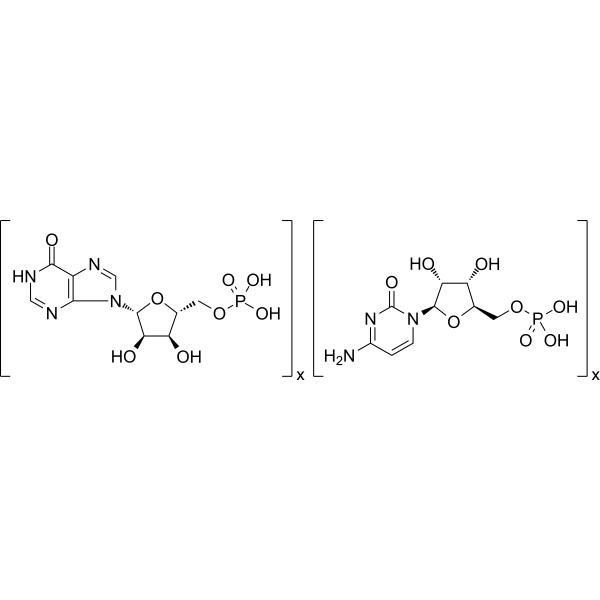 0 ImagesSynonyms: Poly(I:C)Polyinosinic-polycytidylic acid (Poly(I:C)) is a synthetic analog of double-stranded RNA and an agonist of toll-like receptor 3 (TLR3) and retinoic acid inducible gene I (RIG-I)-like receptors (RIG-I and MDA5). Polyinosinic-polycytidylic acid can be used as a vaccine adjuvant to enhance innate and adaptive immune responses, and to alter the tumor microenvironment. Polyinosinic-polycytidylic acid can directly trigger cancer cells to undergo apoptosis.
-
Palmitic acid sodium
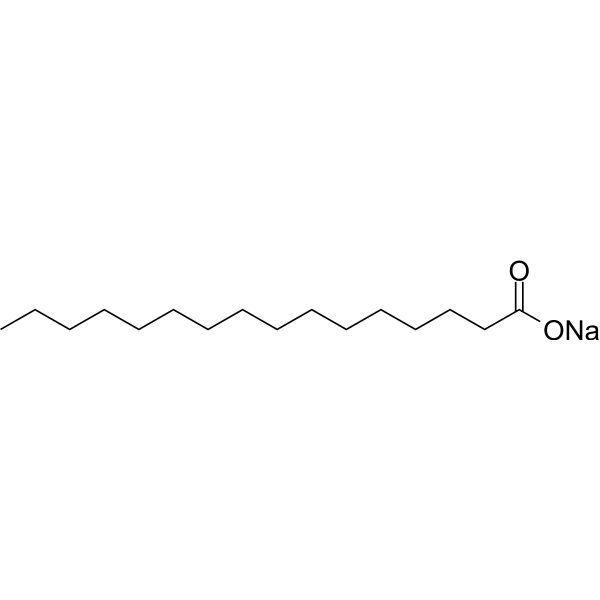 0 ImagesPalmitic acid sodium is a long-chain saturated fatty acid commonly found in both animals and plants. Palmitic acid sodium can induce the expression of glucose-regulated protein 78 (GRP78) and CCAAT/enhancer binding protein homologous protein (CHOP) in in mouse granulosa cells. Palmitic acid sodium is used to establish a cell steatosis model .
-
HA15
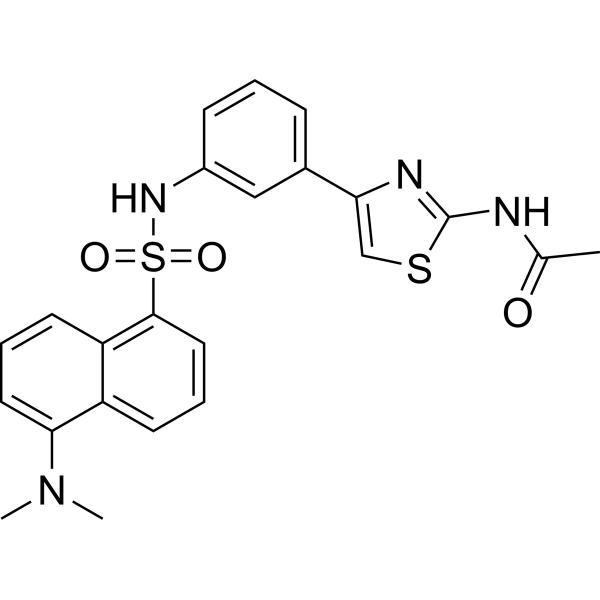 0 ImagesHA15 is a potent and specific inhibitor of ER chaperone BiP/GRP78/HSPA5, inhibits the ATPase activity of BiP, with anti-cancerous activity.
-
Plecstatin-1 hydrochloride
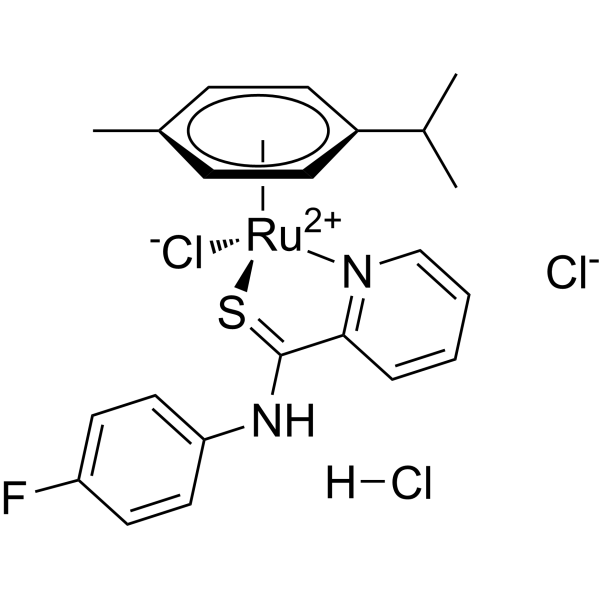 0 ImagesCat. No.: HY-156675APureté: 98.96%Plecstatin-1 hydrochloride is a metal complex that drives the aggregation and collapse of the plectin network, and disrupts the cytoskeletal structures of α‑tubulin and F‑actin. Plecstatin-1 hydrochloride triggers oxidative stress, mediates the phosphorylation of eIF2α, and induces molecular features associated with immunogenic cell death, including calreticulin membrane exposure, membrane localization of HSP70/HSP90, ATP secretion, and HMGB‑1 release. Plecstatin-1 hydrochloride induces apoptosis via the intrinsic mitochondrial pathway and exerts anti-invasive activity. Plecstatin-1 hydrochloride inhibits sphere proliferation and reduces clonogenicity in the 3D tumor spheroid model of colon cancer cells. Plecstatin-1 hydrochloride is applicable to relevant research on colorectal cancer.
-
Prostaglandin A1
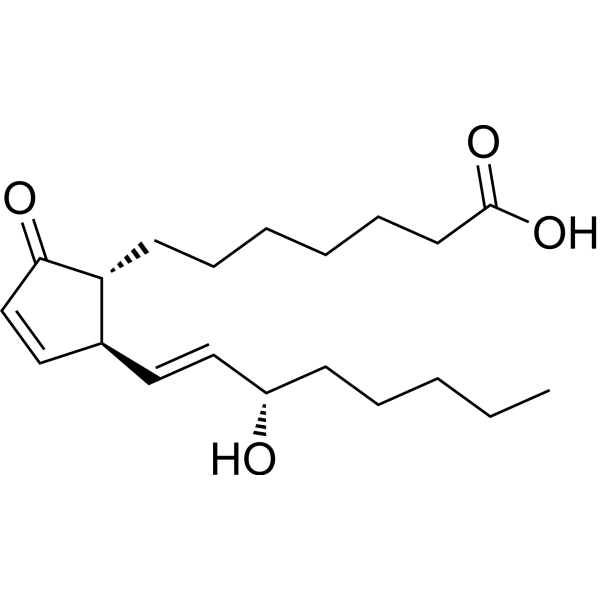 0 ImagesProstaglandin A1 is a dehydrated derivative of Prostaglandin E1. Prostaglandin A1 exhibits antiviral, anti-inflammatory, antitumor, neuroprotective, and antihypertensive activities. Prostaglandin A1 covalently binds to cysteine residues of target proteins through Michael addition, or activates pathways such as PPARγ and HSPs via transcriptional regulation. Prostaglandin A1 is used in research on Mayaro virus infection, stroke, Alzheimer's disease, neuroblastoma, melanoma, and severe gestational hypertension.
-
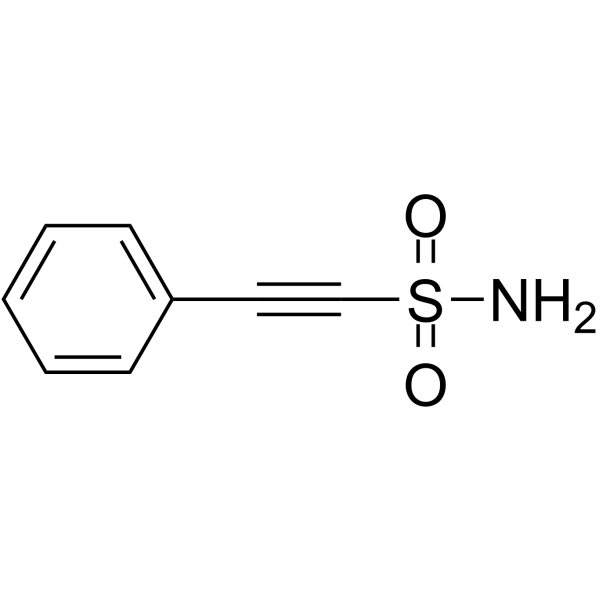
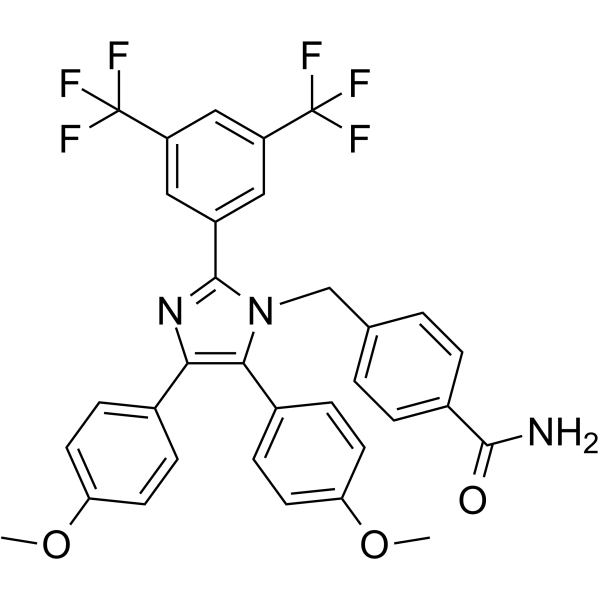
HSP70-IN-9
 0 ImagesCat. No.: HY-184106CAS No.: 1268273-85-3HSP70-IN-9 is an Hsp70 inhibitor that induces caspase-3,7 activation with an IC50 of 25.2 μM. HSP70-IN-9 reversibly binds to the allosteric pocket of the N-terminal domain, disrupts the Hsp70-HOP-Hsp90 mega-complex, and inhibits client protein refolding, thereby inducing apoptosis and degradation of Hsp90-Hsp70 tumor client proteins, ultimately inhibiting cancer cell growth. HSP70-IN-9 can be used for research on breast cancer, pancreatic cancer, and acute myeloid leukemia.
-
MKT-077
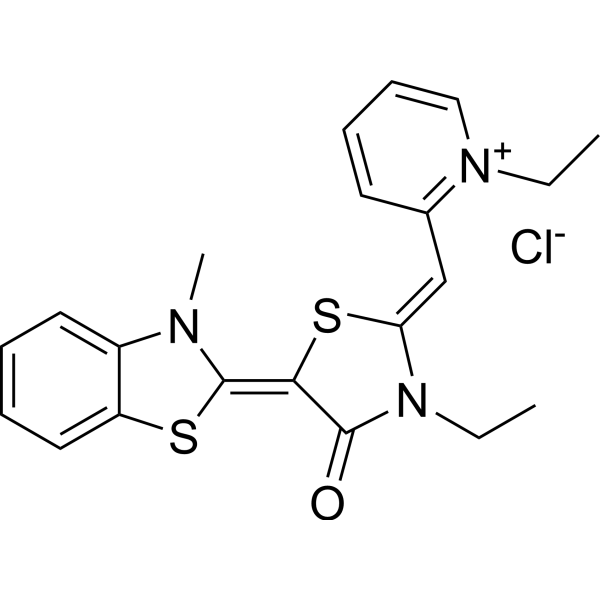 0 ImagesSynonyms: FJ-776MKT-077 (FJ-776), a highly water-soluble mitochondrial dye, has significant antitumor activity. MKT-077 exhibits low cytotoxicity, and inhibits broad-spectrum human cancer cell lines (colon cancer, breast cancer, pancreatic cancer). MKT-077 inhibits the growth of tumor in nude mice enograft tumor model. Ex/Em=488/543 nm.
-
Poly (I:C):Kanamycin (1:1)
 0 ImagesCat. No.: HY-107202APoly(I:C):Kanamycin (1:1) is a mixture of Poly(I:C) (HY-107202) and Kanamycin (HY-16566). Poly(I:C) is a synthetic analog of double-stranded RNA and an agonist of toll-like receptor 3 (TLR3) and retinoic acid inducible gene I (RIG-I)-like receptors (RIG-I and MDA5). Poly(I:C) can be used as a vaccine adjuvant to enhance innate and adaptive immune responses, and to alter the tumor microenvironment. Poly(I:C) can directly trigger cancer cells to undergo apoptosis. Kanamycin stabilizes Poly(I:C).
-
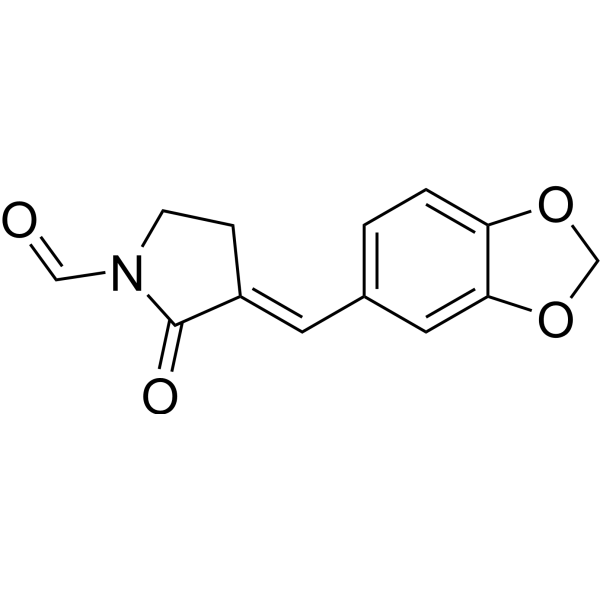
ML346
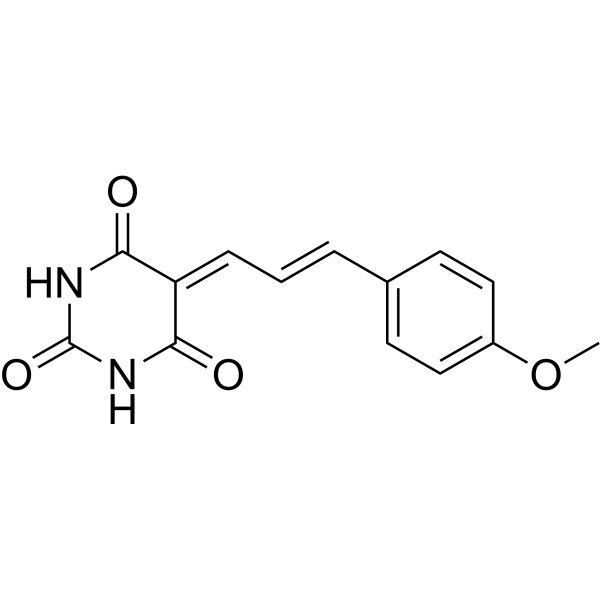 0 ImagesML346 is an activator of Hsp70 expression and HSF-1 activity, with an EC50 of 4.6 μM for Hsp70. ML346 restores protein folding in conformational disease models, without significant cytotoxicity or lack of specificity. ML346 induces specific increases in genes and protein effectors of the heat shock response (HSR), including chaperones such as Hsp70, Hsp40, and Hsp27.
-
Glutamic acid sodium salt
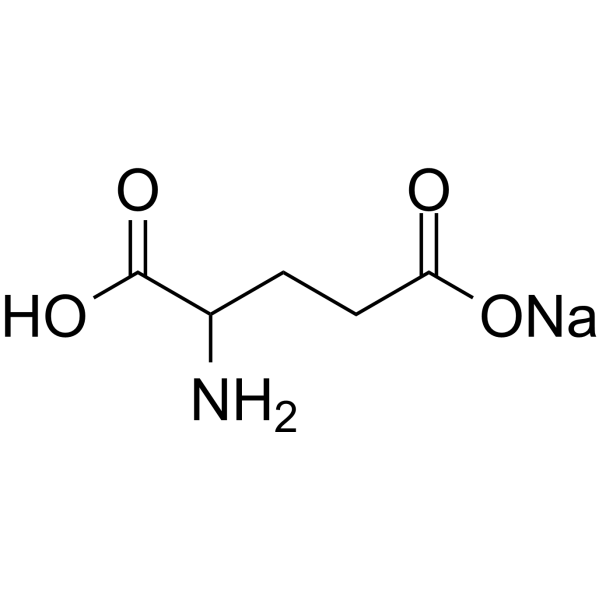 0 ImagesSynonyms: Monosodium glutamateGlutamic acid sodium salt (Monosodium glutamate) is an orally active food flavor enhancer. Glutamic acid sodium salt causes ROS generation, mitochondrial dysfunction, and Apoptosis. Glutamic acid sodium salt upregulates CHOP, Grp78, and Bcl-2. Glutamic acid sodium salt impairs cognition, induces depressive-like behavior, induces hyperalgesia, and induces obesity and insulin resistance. Glutamic acid sodium salt can be used to study neurotoxicity (e.g., brain damage, cognitive impairment), metabolic disorders (e.g., obesity, insulin resistance), hepatotoxicity, and renal toxicity, as well as pain-related disorders.
-
SNX-2112
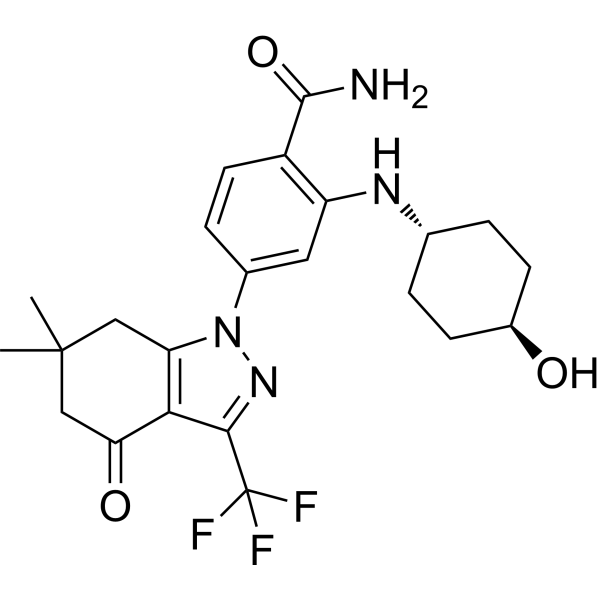 0 ImagesSynonyms: PF-04928473SNX-2112 (PF 04928473) is an orally active Hsp90 inhibitor, with a Kd of 16 nM for Hsp90 and IC50s of 30 nM, 30 nM for Hsp90 α and Hsp90 β, also induces Her-2 degradation, and inhibits Grp94 and Trap-1, with IC50s of 10 nM, 4.275 μM and 0.862 μM, respectively. SNX-2112 (PF 04928473) binds Hsp90 isoforms Hsp90α, Hsp90β and Hsp90b1/Grp94 with Kds of 4 nM, 6 nM and 484 nM, respectively.
-
YUM70
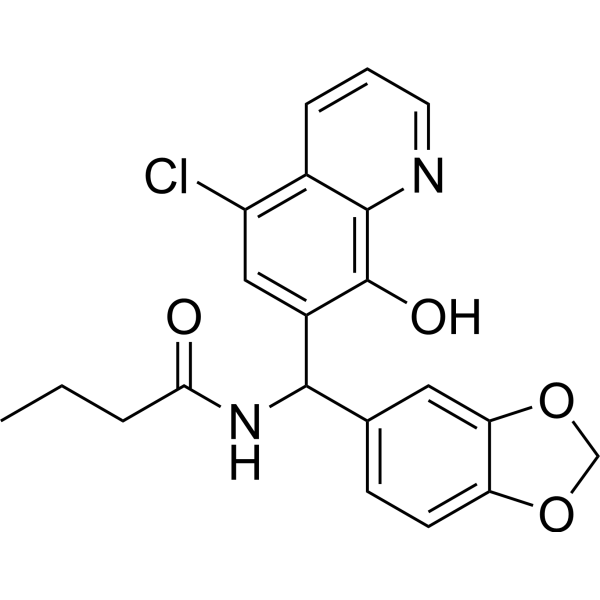 0 ImagesYUM70 is a potent and selective inhibitor of glucose-regulated protein 78 (GRP78), with an IC50 of 1.5 μM for inhibiting GRP78 ATPase activity of the full-length protein. YUM70 induces endoplasmic reticulum (ER) stress-mediated apoptosis in pancreatic cancer. YUM70 also has in vivo efficacy in a pancreatic cancer xenograft model.
-
Palmitic acid-13C
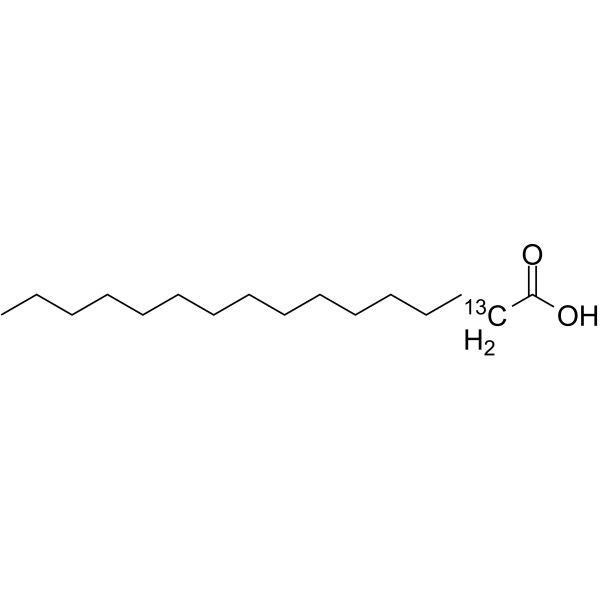 0 ImagesPalmitic acid-13C is the 13C-labeled Palmitic acid (HY-N0830). Palmitic acid is a long-chain saturated fatty acid commonly found in both animals and plants. Palmitic acid can induce the expression of glucose-regulated protein 78 (GRP78) and CCAAT/enhancer binding protein homologous protein (CHOP) in in mouse granulosa cells.
-
TRC051384
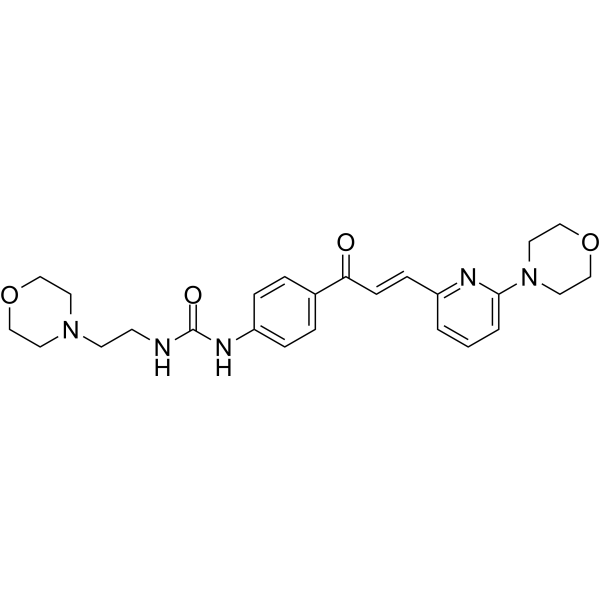 0 ImagesTRC051384 is a potent inducer of heat shock protein 70 (HSP70). TRC051384 exhibits protective effects against neuronal trauma via inhibition of necroptosis. TRC051384 can be used for the research of ischemic stroke.
-
Solanesol
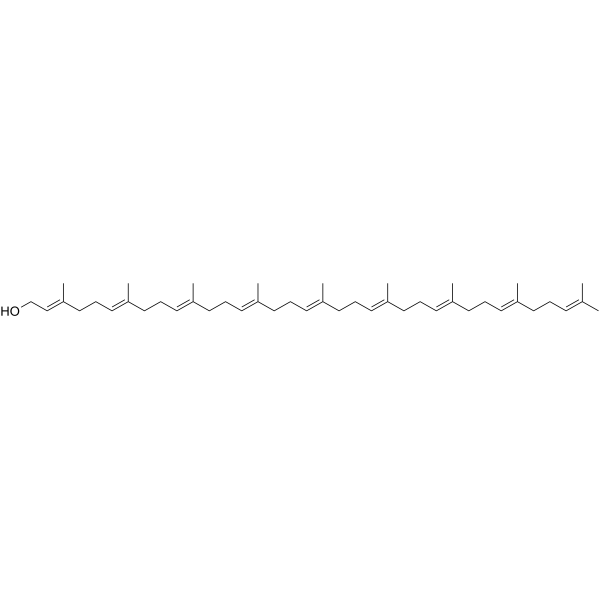 0 ImagesSolanesol is an orally active aliphatic terpene alcohol. Solanesol is mainly found in tobacco and other Solanaceae plants. Solanesol induces HO-1 and Hsp70 expression, activates p38 and Akt signaling pathways, and inhibits Apoptosis (reduces caspase-3 and PARP cleavage). Solanesol has antioxidant, anti-inflammatory, and neuroprotective activities. Solanesol can be used in the research of Huntington's disease, alcoholic liver disease, chronic inflammatory pain, anxiety, Alzheimer's disease, and bipolar disorder.




