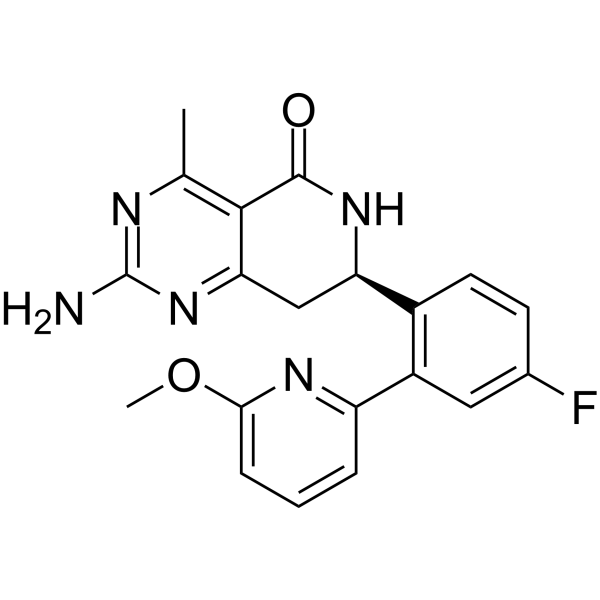
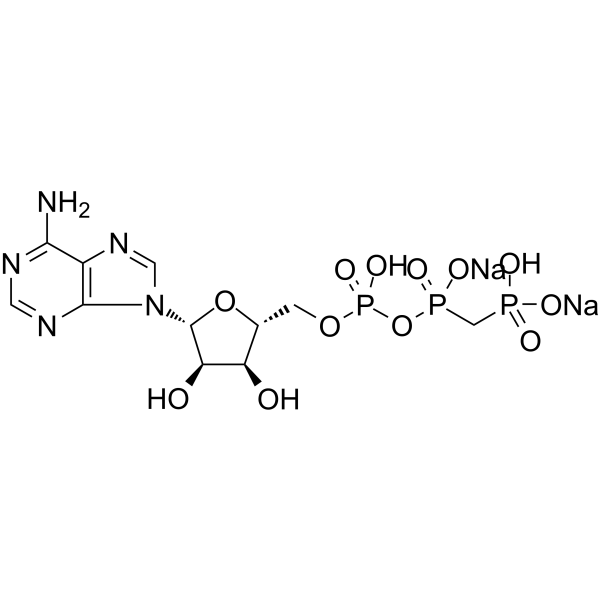
HSP90
Heat shock protein 90 (HSP90) functions as an ATP-dependent molecular chaperone that regulates the folding, stability, and activity of numerous signaling proteins[1][2]. HSP90 participates in essential cellular processes, including signal transduction, cell cycle control, stress management, and protein quality control, and operates in coordination with HSP70, HSP40, and co-chaperones such as Hop and p23 to ensure proper client maturation[3][4][5][6]. The cytosolic isoforms, HSP90α and HSP90β, exhibit distinct biological roles: HSP90β is constitutively expressed and critical for cellular survival, whereas HSP90α is stress-inducible and supports extracellular functions under pathological conditions[3][2][7]. Mechanistically, HSP90 interacts with clients by recognizing hydrophobic residues across multiple domains, and its chaperone activity is fine-tuned by tetratricopeptide repeat (TPR) domain-containing co-chaperones and post-translational modifications[3][2][8]. In disease models, HSP90 supports oncogenic signaling, promotes metastasis via extracellular HSP90α-mediated MMP-2 activation, and regulates protein homeostasis in neurodegenerative and renal stress conditions[9][10][11][7]. Compared with HSP90α, HSP90β shows higher structural stability, distinct thermal unfolding properties, and isoform-specific interactions with selective clients, which are exploited in experimental pharmacological interventions[2][7][12]. Selective inhibitors targeting HSP90β demonstrate therapeutic potential by modulating protein folding and proteostasis while minimizing compensatory HSP90α upregulation and extracellular secretion[7][13]. Overall, understanding isoform-specific mechanisms and co-chaperone interactions facilitates the rational design of HSP90-targeted research and therapeutic strategies[14][3].
Verweise:
- [1]. Young JC, et al. Hsp90: a specialized but essential protein-folding tool. J Cell Biol. 2001 Jul 23;154(2):267-73. [Content Brief]
- [2]. Karagöz GE, et al. Hsp90 interaction with clients. Trends Biochem Sci. 2015 Feb;40(2):117-25. [Content Brief]
- [3]. Ausili A. Despite their structural similarities, et al. Despite their structural similarities, the cytosolic isoforms of human Hsp90 show different behaviour in thermal unfolding due to their conformation: An FTIR study. Arch Biochem Biophys. 2023 May 15;740:109599. [Content Brief]
- [4]. Assimon VA, et al. Specific Binding of Tetratricopeptide Repeat Proteins to Heat Shock Protein 70 (Hsp70) and Heat Shock Protein 90 (Hsp90) Is Regulated by Affinity and Phosphorylation. Biochemistry. 2015 Dec 8;54(48):7120-31. [Content Brief]
- [5]. Albakova Z. HSP90 multi-functionality in cancer. Front Immunol. 2024 Aug 1;15:1436973. doi: 10.3389/fimmu.2024.1436973. PMID: 39148727; PMCID: PMC11324539. et al. HSP90 multi-functionality in cancer. Front Immunol. 2024 Aug 1;15:1436973. [Content Brief]
- [6]. Rabezanahary H, et al. Live virus neutralizing antibodies against pre and post Omicron strains in food and retail workers in Québec, Canada. Heliyon. 2024 May 21;10(10):e31026. [Content Brief]
- [7]. Chang C, et al. The Distinct Assignments for Hsp90α and Hsp90β: More Than Skin Deep. Cells. 2023 Jan 11;12(2):277. [Content Brief]
- [8]. Sims JD, et al. Extracellular heat shock protein (Hsp)70 and Hsp90α assist in matrix metalloproteinase-2 activation and breast cancer cell migration and invasion. PLoS One. 2011 Apr 14;6(4):e18848. [Content Brief]
- [9]. Donnelly BF, et al. Hsp70 and Hsp90 multichaperone complexes sequentially regulate thiazide-sensitive cotransporter endoplasmic reticulum-associated degradation and biogenesis. J Biol Chem. 2013 May 3;288(18):13124-35. [Content Brief]
- [10]. Chen B, et al. Comparative genomics and evolution of the HSP90 family of genes across all kingdoms of organisms. BMC Genomics. 2006 Jun 17;7:156. [Content Brief]
- [11]. Chaudhury S, et al. The Hsp90β Isoform: An Attractive Target for Drug Development. Med Res Rev. 2025 Sep;45(5):1452-1465. [Content Brief]
- [12]. El-Kasaby A, et al. A cytosolic relay of heat shock proteins HSP70-1A and HSP90β monitors the folding trajectory of the serotonin transporter. J Biol Chem. 2014 Oct 17;289(42):28987-9000. [Content Brief]
- [13]. Morishima Y, et al. The hsp90 cochaperone p23 is the limiting component of the multiprotein hsp90/hsp70-based chaperone system in vivo where it acts to stabilize the client protein: hsp90 complex. J Biol Chem. 2003 Dec 5;278(49):48754-63. [Content Brief]
- [14]. Vogt M, et al. Co-targeting HSP90 alpha and CDK7 overcomes resistance against HSP90 inhibitors in BCR-ABL1+ leukemia cells. Cell Death Dis. 2023 Dec 6;14(12):799. [Content Brief]
-
HSP90 Verwandte Produkte (157)
Verwandte Produkte (157)

-
Antibodies (2)
-
Tamoxifen
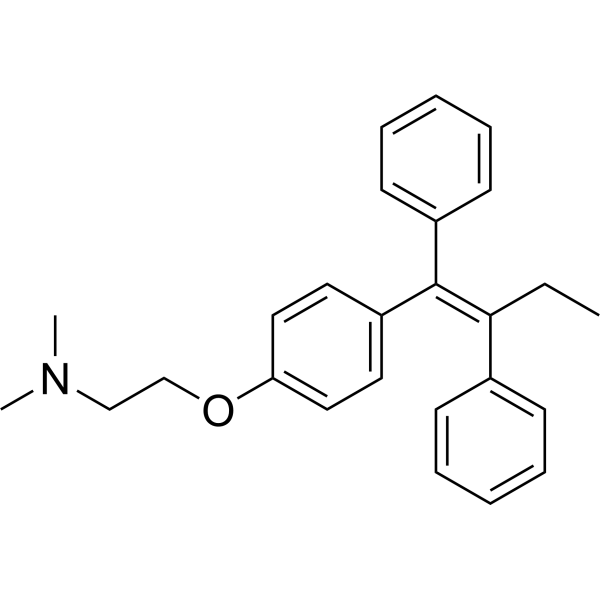 0 ImagesSynonyms: ICI 47699; (Z)-Tamoxifen; trans-TamoxifenTamoxifen (ICI 47699) is an orally active, selective estrogen receptor modulator (SERM) which blocks estrogen action in breast cells and can activate estrogen activity in other cells, such as bone, liver, and uterine cells. Tamoxifen is a potent Hsp90 activator and enhances the Hsp90 molecular chaperone ATPase activity. Tamoxifen also potent inhibits infectious EBOV Zaire and Marburg (MARV) with IC50 of 0.1 μM and 1.8 μM, respectively. Tamoxifen activates autophagy and induces apoptosis. Tamoxifen can also be dissolved in corn oil (HY-Y1888) for use in inducing gene knockout in CreER transgenic mice. Tamoxifen has better solubility in corn oil compared to Tamoxifen Citrate (HY-13757).
-
Tanespimycin
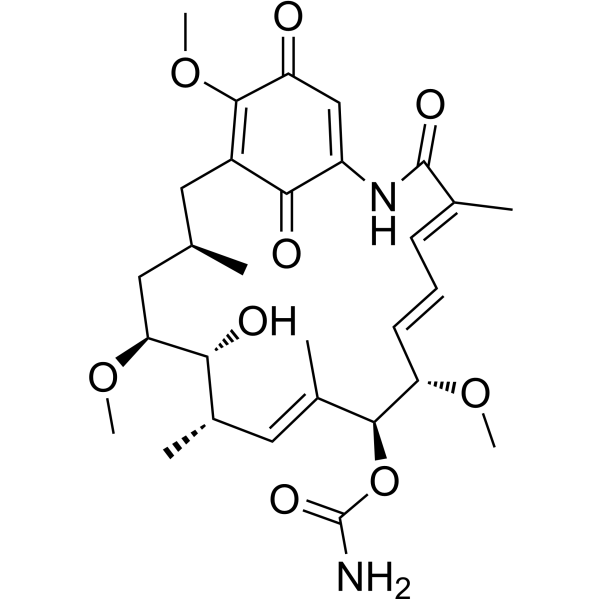
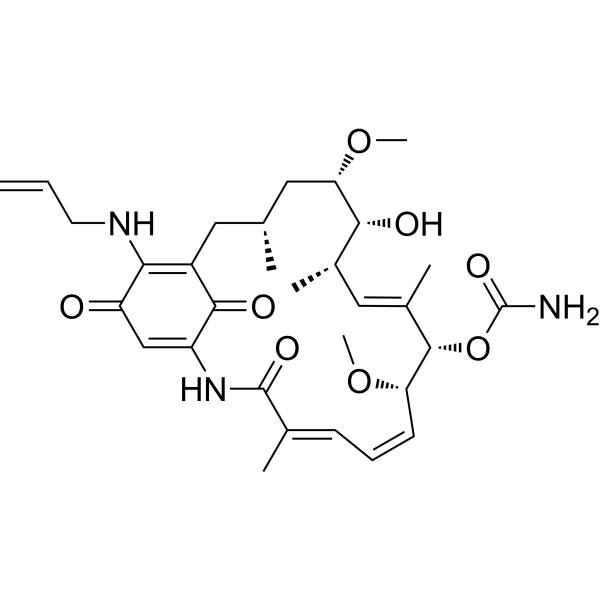 0 ImagesSynonyms: 17-AAG; NSC 330507; CP 127374Tanespimycin (17-AAG) is a potent HSP90 inhibitor with an IC50 of 5 nM, having a 100-fold higher binding affinity for tumour cell derived HSP90 than normal cell derived HSP90. Tanespimycin depletes cellular STK38/NDR1 and reduces STK38 kinase activity. Tanespimycin also downregulates the stk38 gene expression.
-
Tamoxifen Citrate
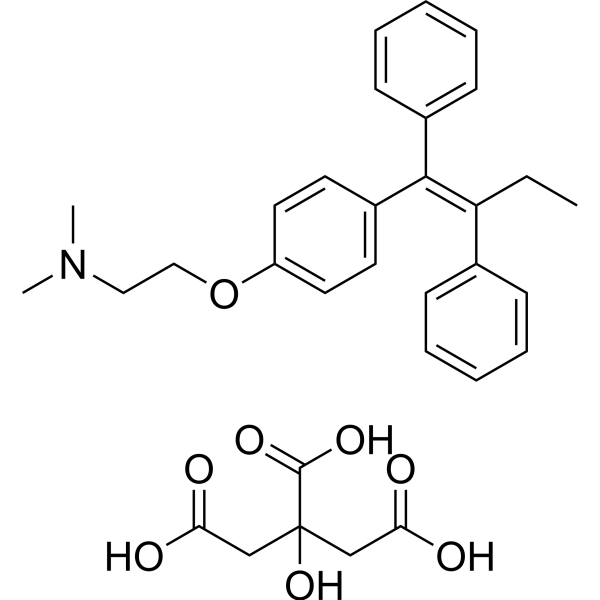 0 ImagesSynonyms: ICI 46474; (Z)-Tamoxifen Citrate; trans-Tamoxifen CitrateTamoxifen Citrate (ICI 46474) is an orally active, selective estrogen receptor modulator (SERM) which blocks estrogen action in breast cells and can activate estrogen activity in other cells, such as bone, liver, and uterine cells.Tamoxifen Citrate is a potent Hsp90 activator and enhances the Hsp90 molecular chaperone ATPase activity. Tamoxifen Citrate also potent inhibits infectious EBOV Zaire and Marburg (MARV) with IC50 of 0.1 μM and 1.8 μM, respectively. Tamoxifen Citrate activates autophagy and induces apoptosis. Tamoxifen Citrate can also be used to induce gene knockout in CreER transgenic mice.
-
Ganetespib
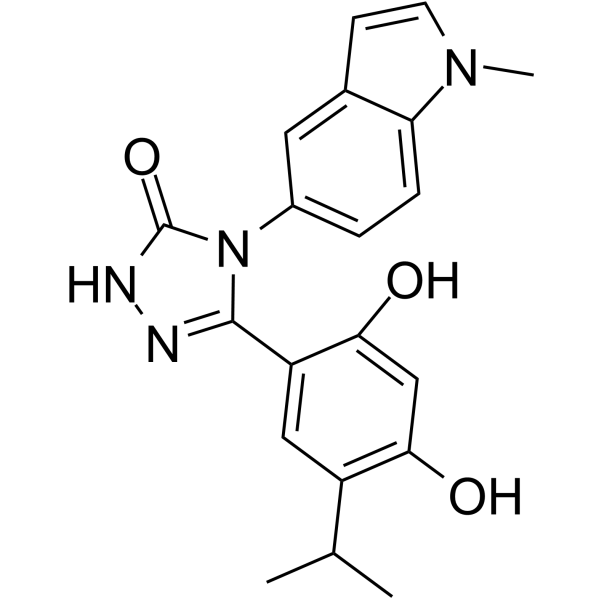 0 ImagesSynonyms: STA-9090Ganetespib (STA-9090) is a heat shock protein 90 (HSP90) inhibitor which exhibits potent cytotoxicity in a wide variety of hematological and solid tumor cell lines. Ganetespib has antiangiogenic effects in colorectal cancer mediated through inhibition of HIF-1α and STAT3.
-
Novobiocin sodium
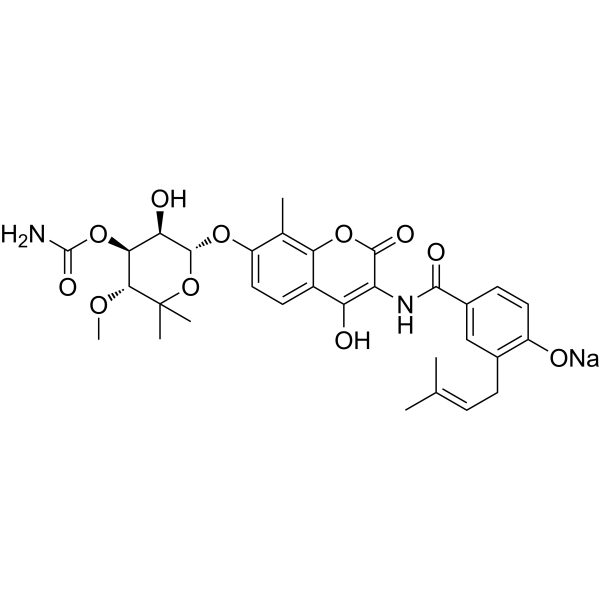 0 ImagesSynonyms: Albamycin sodium; Cathomycin sodiumNovobiocin (Albamycin; Cathomycin) sodium is an orally active antibiotic and Hsp-90 antagonist that also inhibits the Polθ helicase/ATPase domain with IC50 values of 24 μM and 15-17 μM, respectively. Novobiocin sodium binds to Hsp90, GyrB, and POLθ, inhibiting their ATPase activity and ssDNA binding. Novobiocin sodium inhibits molecular chaperone function and DNA repair, and induces apoptosis and genomic instability. Novobiocin sodium exhibits bactericidal and antiparasitic activities. Novobiocin sodium inhibits tumor growth in vivo. Novobiocin sodium is used for research on equine piroplasmosis, ovarian cancer, breast cancer, anthrax, and melioidosis.
-
Novobiocin
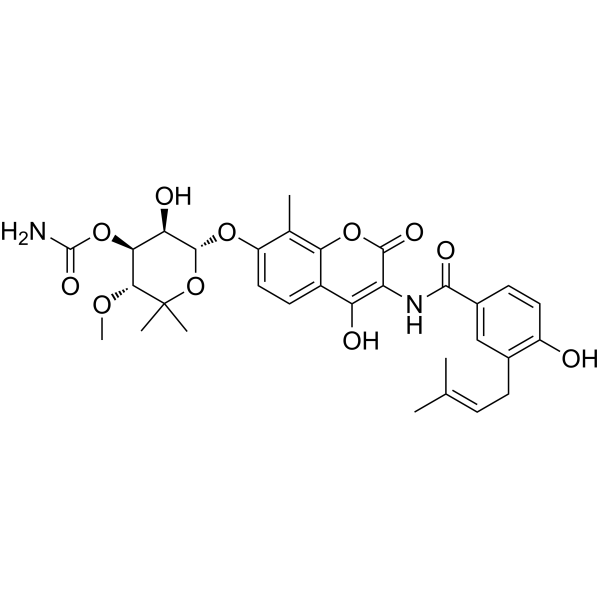 0 ImagesNovobiocin (Albamycin; Cathomycin) is an orally active antibiotic and Hsp-90 antagonist that also inhibits the Polθ helicase/ATPase domain with IC50 values of 24 μM and 15-17 μM, respectively. Novobiocin binds to Hsp90, GyrB, and POLθ, inhibiting their ATPase activity and ssDNA binding. Novobiocin inhibits molecular chaperone function and DNA repair, and induces apoptosis and genomic instability. Novobiocin exhibits bactericidal and antiparasitic activities. Novobiocin inhibits tumor growth in vivo. Novobiocin is used for research on equine piroplasmosis, ovarian cancer, breast cancer, anthrax, and melioidosis.
-
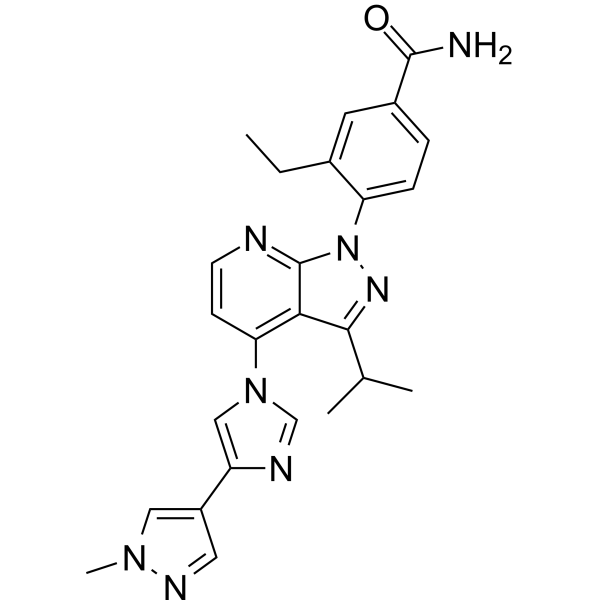
PROTAC HSP90 degrader BP3
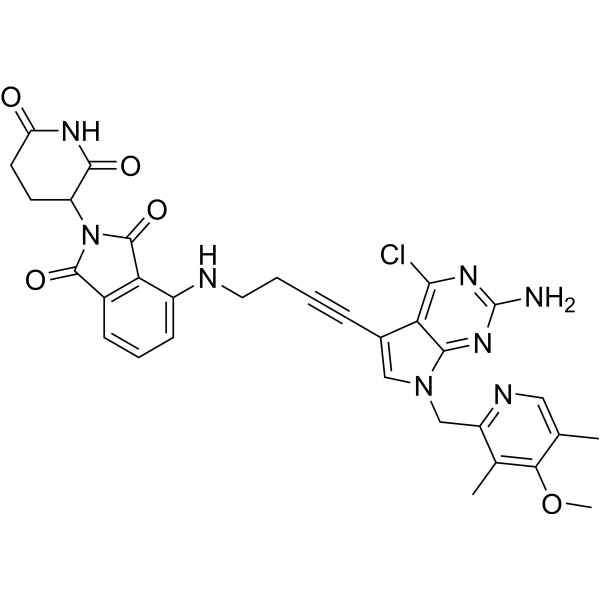 0 ImagesPROTAC HSP90 degrader BP3 is a potent and selective degradation of HSP90 in a CRBN-dependent fashion. PROTAC HSP90 degrader BP3 has a certain degradation effect on HSP90 protein in MCF-7 cells (DC50=0.99 μM). PROTAC HSP90 degrader BP3 inhibits the growth of breast cancer cell. PROTAC HSP90 degrader BP3 is a click chemistry reagent, it contains an Alkyne group and can undergo copper-catalyzed azide-alkyne cycloaddition (CuAAc) with molecules containing Azide groups.
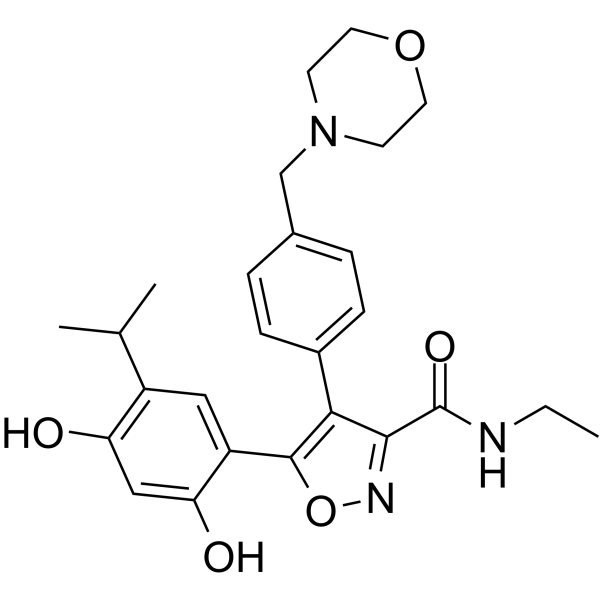
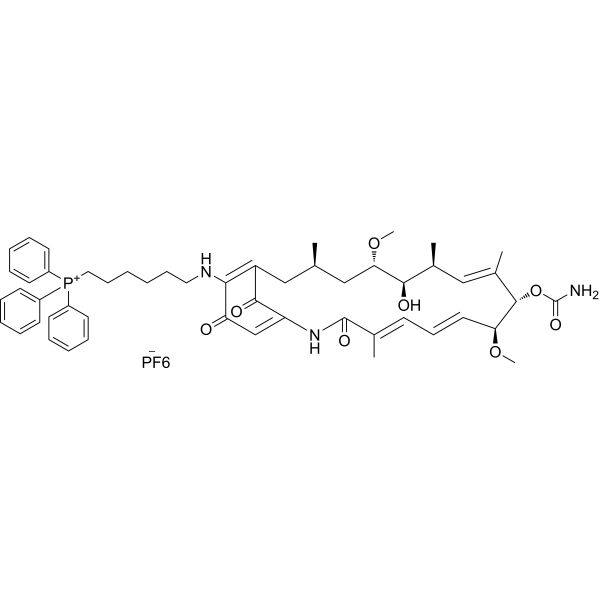
-
Onalespib
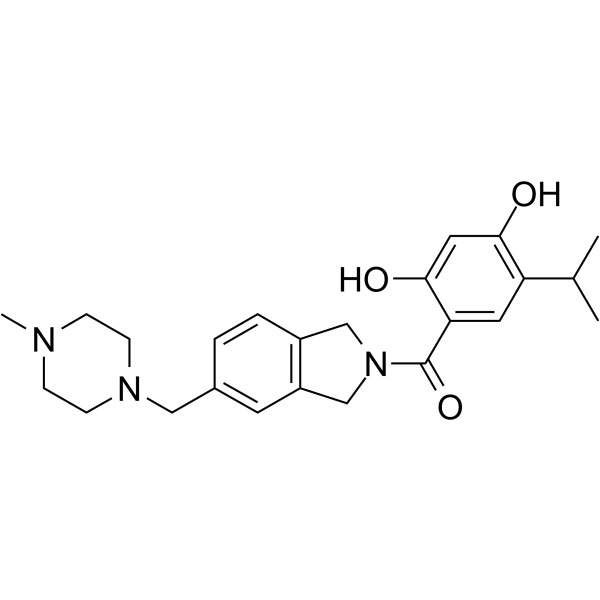 0 ImagesSynonyms: AT13387Onalespib (AT13387) is a potent and cross the blood-brain barrier heat-shock-protein-90 (Hsp90) inhibitor. Onalespib inhibits the proliferation, survival and migration. Onalespib decreases the expression of EGFR, p-EGFR, AKT, P-AKT, ERK1/2, P-ERK1/2, S6, P-S6 protein. Onalespib shows antitumor activity. Onalespib has the potential for the research of non-small cell lung cancer (NSCLC).
-
Tamoxifen (Standard)
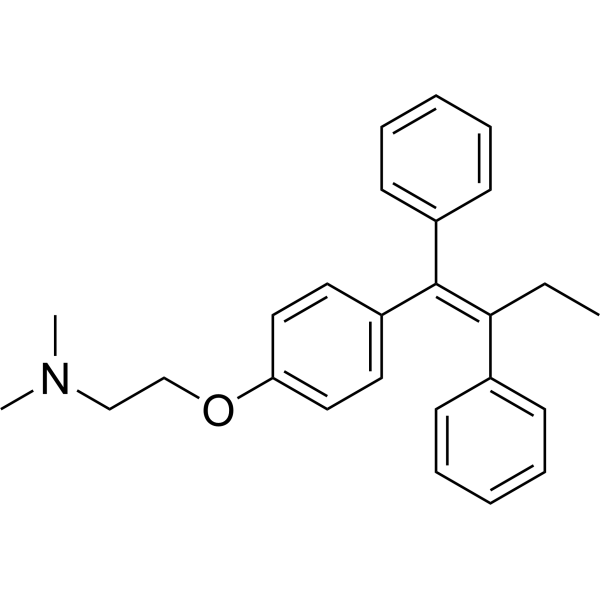 0 ImagesSynonyms: ICI 47699(Standard); (Z)-Tamoxifen(Standard); trans-Tamoxifen (Standard)Tamoxifen (Standard) is the analytical standard of Tamoxifen (HY-13757A). This product is intended for research and analytical applications. Tamoxifen (ICI 47699) is an orally active, selective estrogen receptor modulator (SERM) which blocks estrogen action in breast cells and can activate estrogen activity in other cells, such as bone, liver, and uterine cells. Tamoxifen is a potent Hsp90 activator and enhances the Hsp90 molecular chaperone ATPase activity. Tamoxifen also potent inhibits infectious EBOV Zaire and Marburg (MARV) with IC50 of 0.1 μM and 1.8 μM, respectively. Tamoxifen activates autophagy and induces apoptosis. Tamoxifen also can induce gene knockout of CreER(T2) transgenic mouse.
-
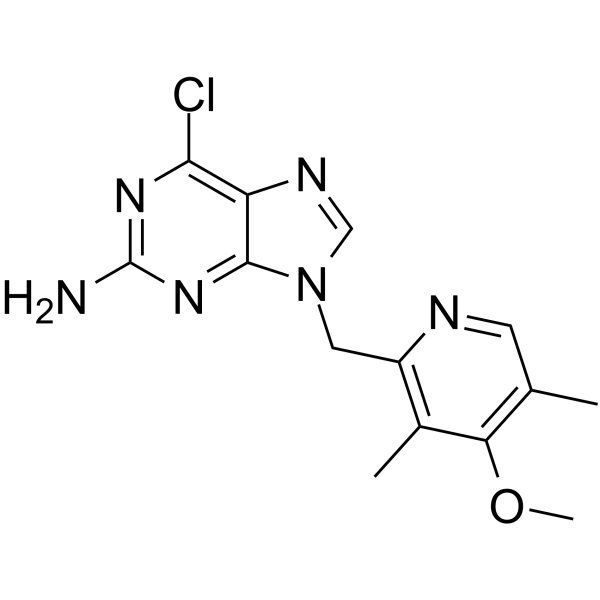
Alvespimycin
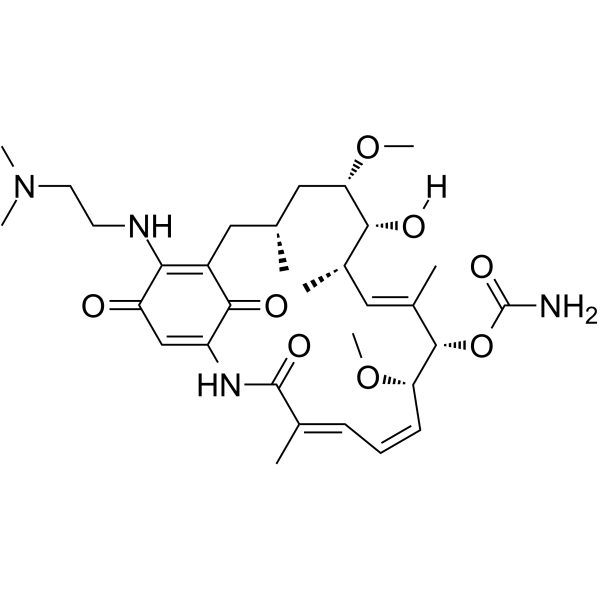 0 ImagesSynonyms: 17-DMAG; KOS-1022; NSC 707545
-
Alvespimycin hydrochloride
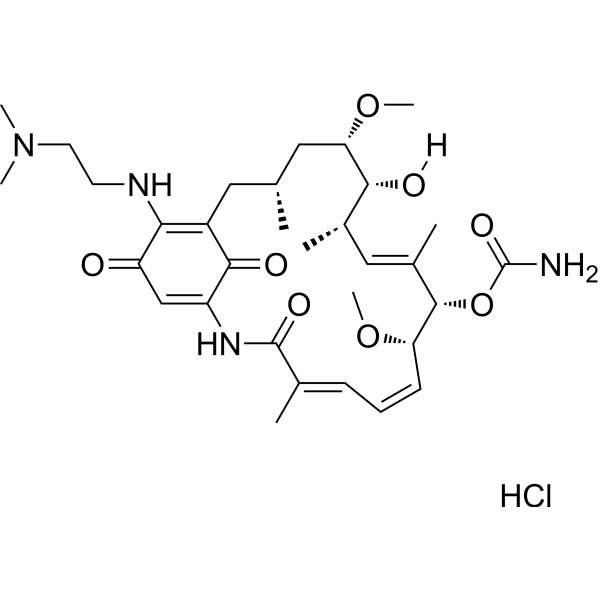 0 ImagesSynonyms: 17-DMAG hydrochloride; KOS-1022 hydrochloride; BMS 826476