



Tamoxifen (Standard)

Based on 1 Customer Validation
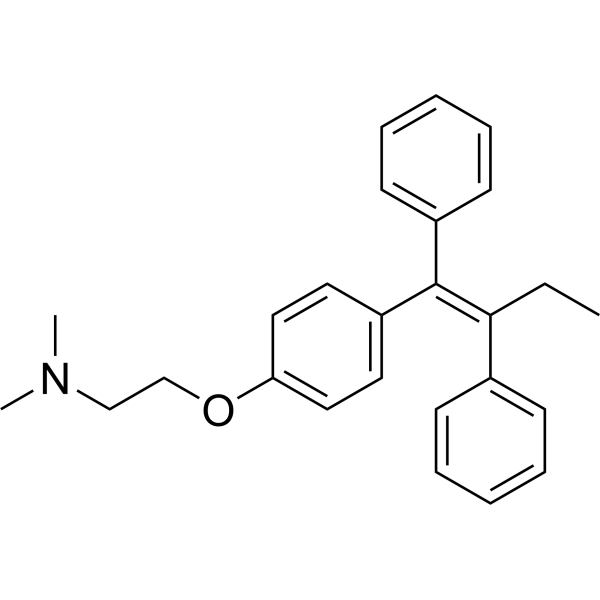
Tamoxifen (Standard) is the analytical standard of Tamoxifen (HY-13757A). This product is intended for research and analytical applications. Tamoxifen (ICI 47699) is an orally active, selective estrogen receptor modulator (SERM) which blocks estrogen action in breast cells and can activate estrogen activity in other cells, such as bone, liver, and uterine cells. Tamoxifen is a potent Hsp90 activator and enhances the Hsp90 molecular chaperone ATPase activity. Tamoxifen also potent inhibits infectious EBOV Zaire and Marburg (MARV) with IC50 of 0.1 μM and 1.8 μM, respectively. Tamoxifen activates autophagy and induces apoptosis. Tamoxifen also can induce gene knockout of CreER(T2) transgenic mouse.
For research use only. We do not sell to patients.
- Purity : 99.94%
- CAS No.: 10540-29-1
- Formula: C26H29NO
- Molecular Weight:371.51
-
Storage:
Please store the product under the recommended conditions in the Certificate of Analysis.

To place orders, for customer services and technical support, please contact: MedChemExpress USA
Tel: 609-228-6898 E-mail: [email protected] [email protected]


-
 Product Information
-
Chemical Information
- Purity & Documentation
-
 Help & FAQs


-
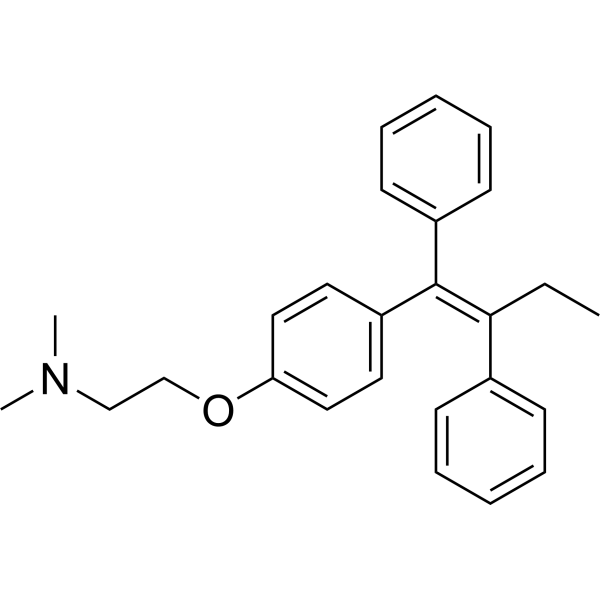
HY-13757A
TamoxifenEstrogen Receptor Modulator -

HY-Y1888
Corn oil -
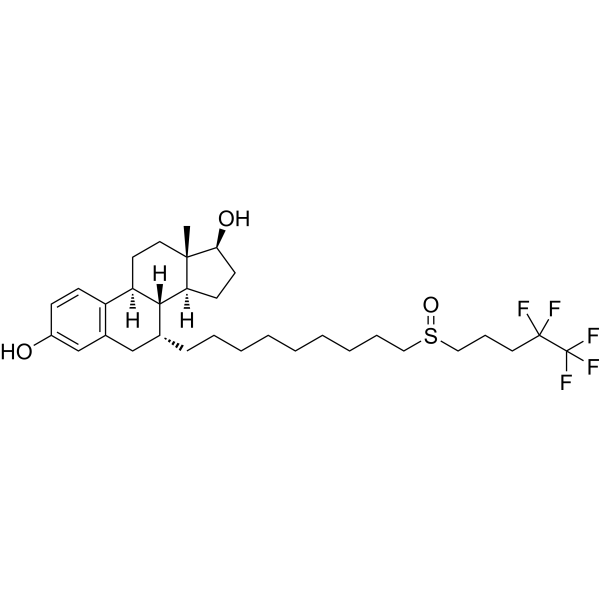
HY-13636
FulvestrantEstrogen Receptor Antagonist -
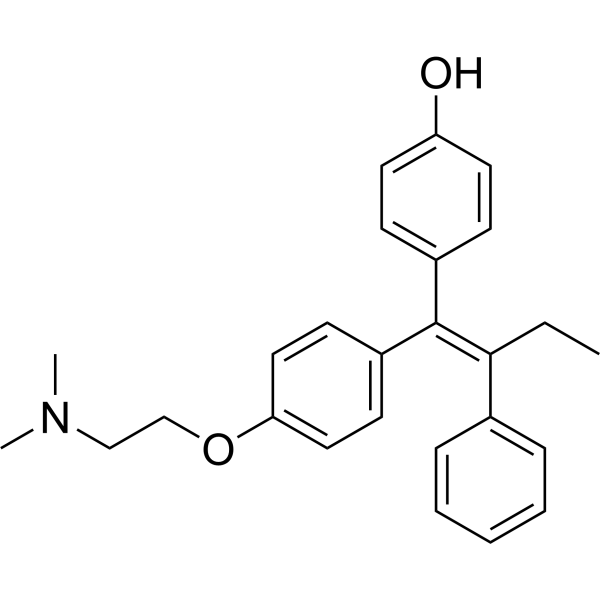
HY-16950
4-HydroxytamoxifenEstrogen Receptor Modulator -
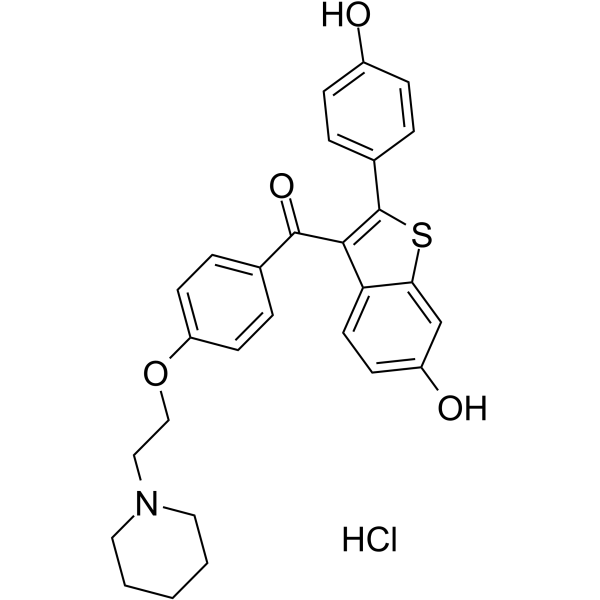
HY-13738A
Raloxifene hydrochlorideEstrogen Receptor Modulator -
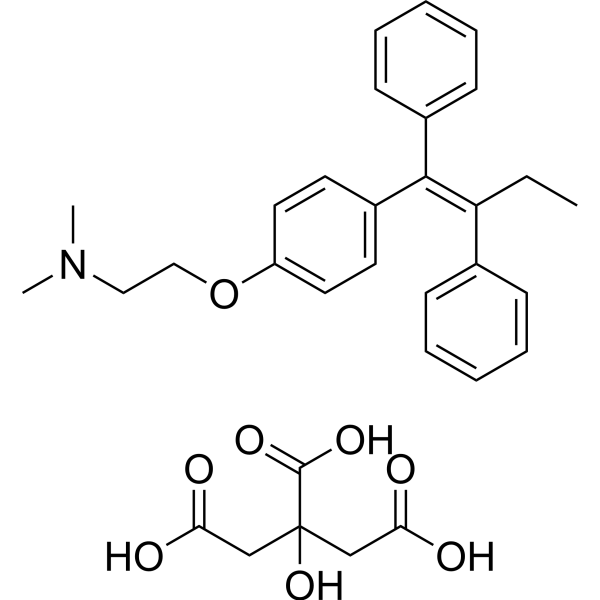
HY-13757
Tamoxifen CitrateEstrogen Receptor Modulator -
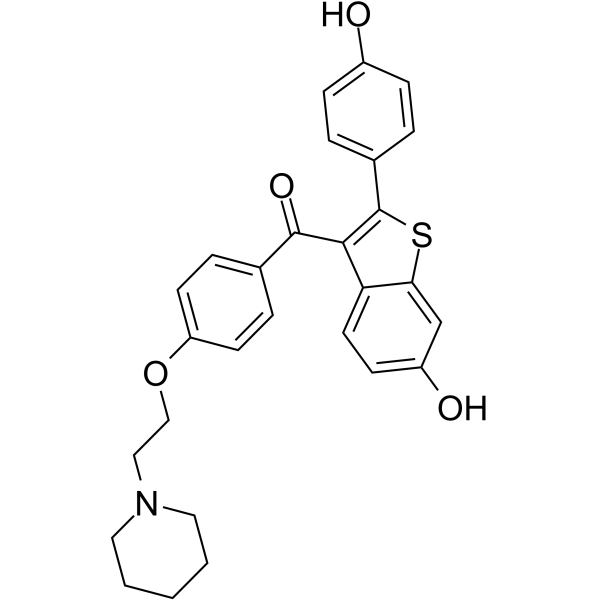
HY-13738
RaloxifeneSelective Estrogen Receptor Modulator -
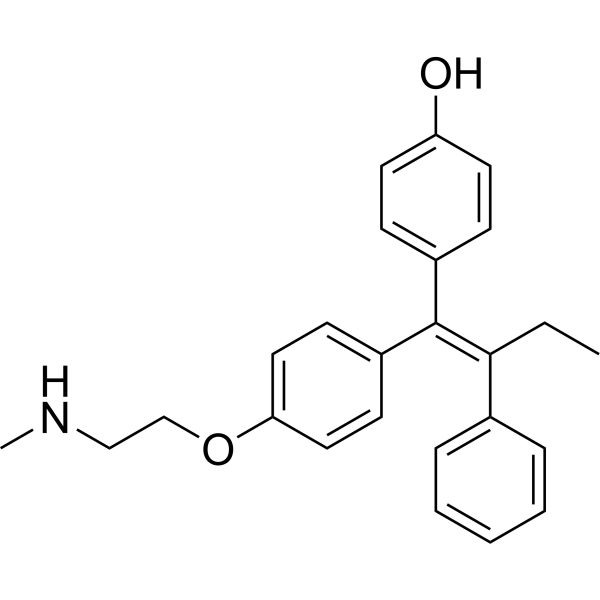
HY-18719
Endoxifen (Z-isomer)PKCβ1 Inhibitor -
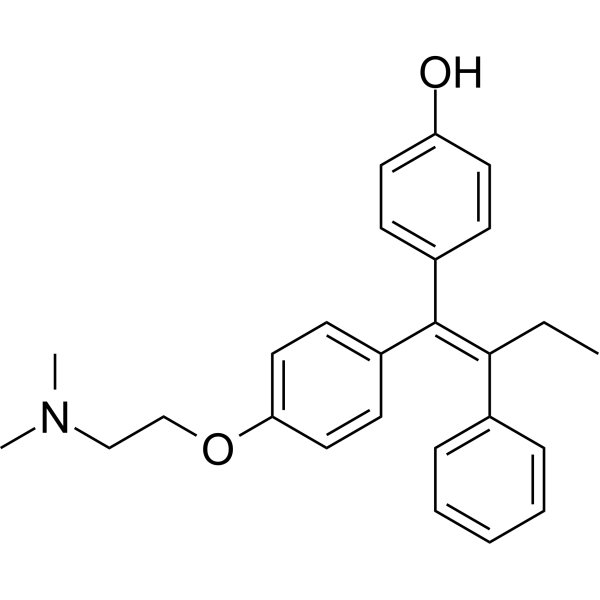
HY-16950A
(E/Z)-4-HydroxytamoxifenEstrogen Receptor Modulator -
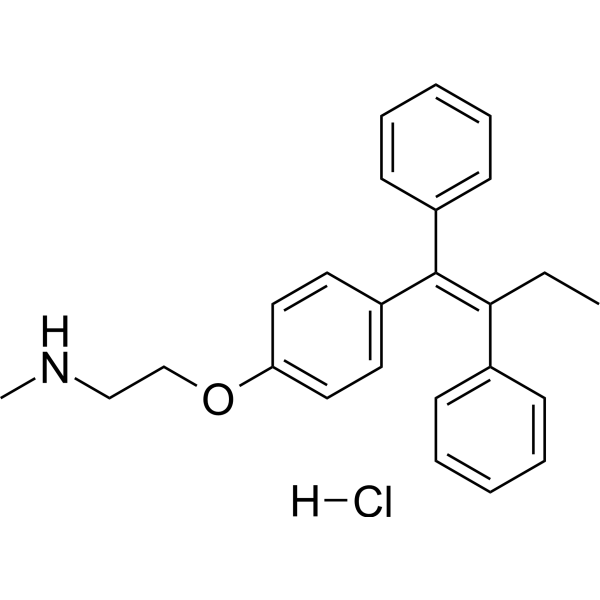
HY-129099A
N-Desmethyltamoxifen hydrochloridePKC Inhibitor -
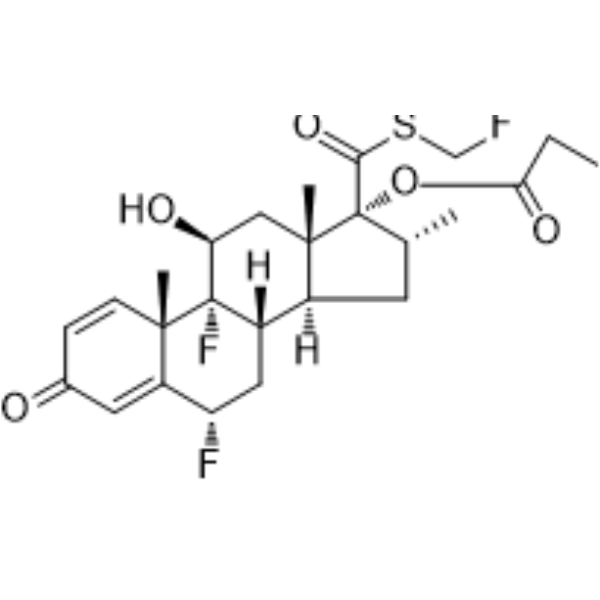
HY-B0154
Fluticasone propionateGlucocorticoid Receptor Agonist -
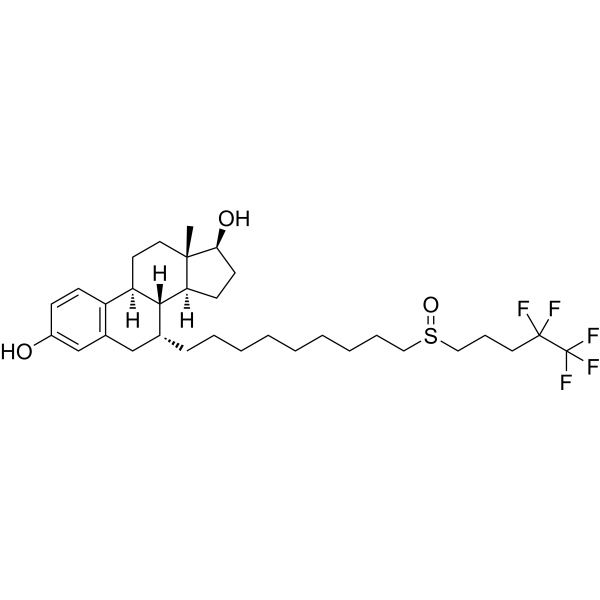
HY-13636R
Fulvestrant (Standard)


Product Information
Information
Application
The compound is the grade of analytical standard, which is the reference standard supplied assay. It is commonly used in qualitative, quantitative and methodological research experiments in HPLC, GC and MS.


Chemical Information
-
CAS No. 10540-29-1
-
Appearance Solid
-
Molecular Weight 371.51
-
Formula C26H29NO
-
Color White to off-white
-
SMILES
CC/C(C1=CC=CC=C1)=C(C2=CC=C(OCCN(C)C)C=C2)\C3=CC=CC=C3
-
Synonyms
ICI 47699(Standard); (Z)-Tamoxifen(Standard); trans-Tamoxifen (Standard)
-
Shipping
Room temperature in continental US; may vary elsewhere.
-
Storage
Please store the product under the recommended conditions in the Certificate of Analysis.


Purity & Documentation
-
SDS (701 KB)
- English - EN (701 KB)
- Français - FR (701 KB)
- Deutsch - DE (701 KB)
- Norwegian - NO (701 KB)
- Español - ES (701 KB)
- Swedish - SV (701 KB)
- Italian - IT (701 KB)
- Korean - KR (701 KB)
- Portuguese - PT (701 KB)
-
Handling Instructions (2659 KB)
References
[1]. Osborne CK. Tamoxifen in the treatment of breast cancer. N Engl J Med. 1998 Nov 26;339(22):1609-18. [Content Brief]
[2]. Hawariah A, et al. In vitro response of human breast cancer cell lines to the growth-inhibitory effects of styrylpyrone derivative (SPD) and assessment of its antiestrogenicity. Anticancer Res. 1998 Nov-Dec;18(6A):4383-6. [Content Brief]
[3]. Jun Nagai, et al. Hyperactivity with Disrupted Attention by Activation of an Astrocyte Synaptogenic Cue. Cell. 2019 May 16;177(5):1280-1292.e20. [Content Brief]
[4]. Zhao R, et al. Tamoxifen enhances the Hsp90 molecular chaperone ATPase activity. PLoS One. 2010 Apr 1;5(4):e9934. [Content Brief]
[5]. Kedjouar B, et al. Molecular characterization of the microsomal tamoxifen binding site. J Biol Chem. 2004 Aug 6;279(32):34048-61. [Content Brief]
[6]. Feil S, et, al. Inducible Cre mice. Methods Mol Biol. 2009;530:343-63. [Content Brief]
[7]. Laura Cooper, et al. Screening and Reverse-Engineering of Estrogen Receptor Ligands as Potent Pan-Filovirus Inhibitors. J Med Chem. 2020 Sep 4. [Content Brief]
[8]. El-Beshbishy HA. Hepatoprotective effect of green tea (Camellia sinensis) extract against tamoxifen-induced liver injury in rats. J Biochem Mol Biol. 2005 Sep 30;38(5):563-70. [Content Brief]
[9]. El-Beshbishy H A. The effect of dimethyl dimethoxy biphenyl dicarboxylate (DDB) against tamoxifen-induced liver injury in rats: DDB use is curative or protective[J]. BMB Reports, 2005, 38(3): 300-306. [Content Brief]

Calculators
Concentration (start) × Volume (start) = Concentration (final) × Volume (final)


Tamoxifen (Standard) Related Classifications
HY-13757AR Related Classifications
 Powered by Bioz