



Luminal Breast Cancer
-
Luminal Breast Cancer (50)

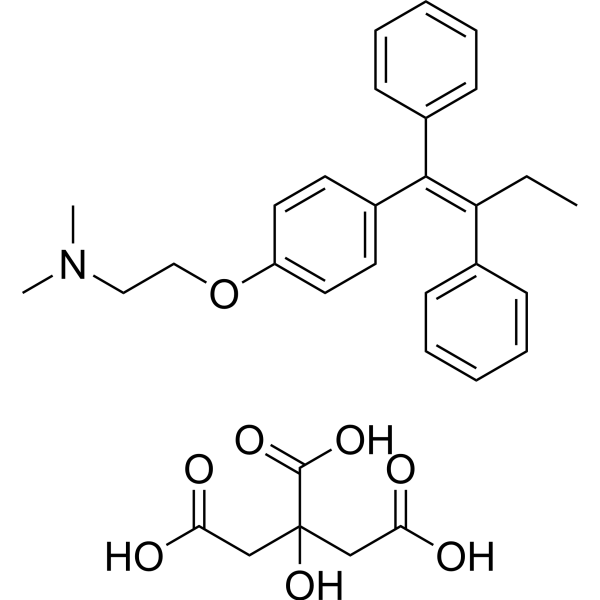
- Formula: C32H37NO8
- Molecular Weight: 563.64
Tamoxifen Citrate (ICI 46474) is an orally active, selective estrogen receptor modulator (SERM) which blocks estrogen action in breast cells and can activate estrogen activity in other cells, such as bone, liver, and uterine cells.Tamoxifen Citrate is a potent Hsp90 activator and enhances the Hsp90 molecular chaperone ATPase activity. Tamoxifen Citrate also potent inhibits infectious EBOV Zaire and Marburg (MARV) with IC50 of 0.1 μM and 1.8 μM, respectively. Tamoxifen Citrate activates autophagy and induces apoptosis. Tamoxifen Citrate can also be used to induce gene knockout in CreER transgenic mice.
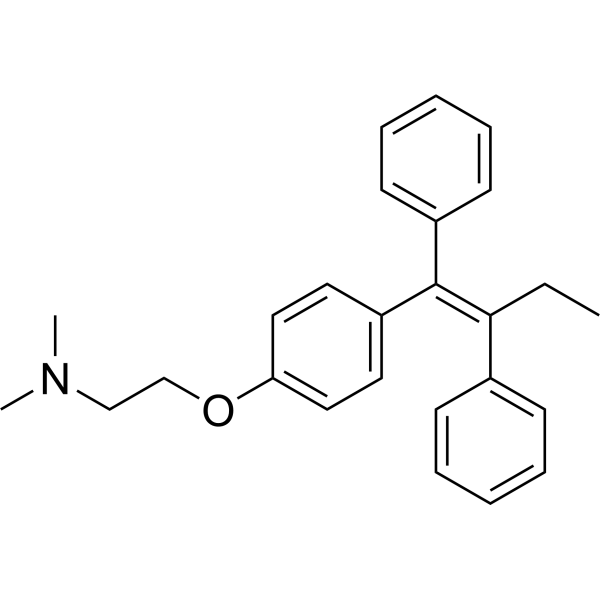
- Formula: C26H29NO
- Molecular Weight: 371.51
Tamoxifen (ICI 47699) is an orally active, selective estrogen receptor modulator (SERM) which blocks estrogen action in breast cells and can activate estrogen activity in other cells, such as bone, liver, and uterine cells. Tamoxifen is a potent Hsp90 activator and enhances the Hsp90 molecular chaperone ATPase activity. Tamoxifen also potent inhibits infectious EBOV Zaire and Marburg (MARV) with IC50 of 0.1 μM and 1.8 μM, respectively. Tamoxifen activates autophagy and induces apoptosis. Tamoxifen can also be dissolved in corn oil (HY-Y1888) for use in inducing gene knockout in CreER transgenic mice. Tamoxifen has better solubility in corn oil compared to Tamoxifen Citrate (HY-13757).
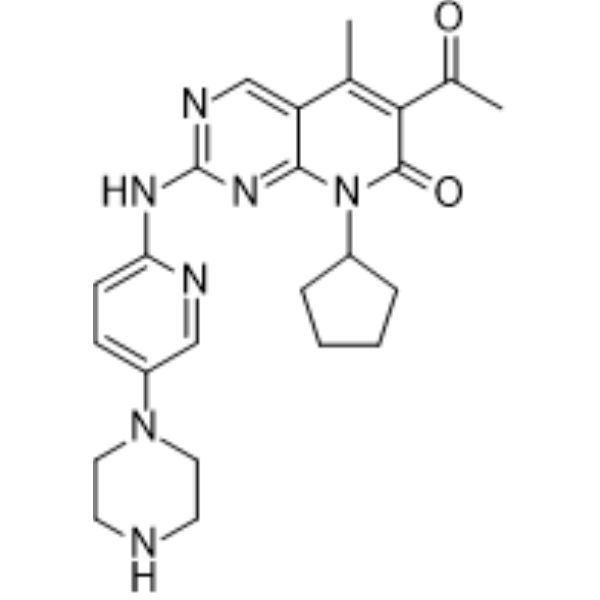
- Formula: C24H29N7O2
- Molecular Weight: 447.53
Palbociclib (PD 0332991) is an orally active selective CDK4 and CDK6 inhibitor with IC50 values of 11 and 16 nM, respectively. Palbociclib has potent anti-proliferative activity and induces cell cycle arrest in cancer cells, which can be used in the research of HR-positive and HER2-negative breast cancer and hepatocellular carcinoma.

- Molecular Weight: 145.36 kDa
Trastuzumab is a humanized IgG1 monoclonal antibody that selectively binds to HER2 with high affinity. Trastuzumab can be used for the research of HER2-positive metastatic breast cancer and gastric cancer. (Note: The product specifications below only indicate the effective content of Trastuzumab. The component ratio of this product is Trastuzumab : excipients = 1:0.6-1:0.9.)
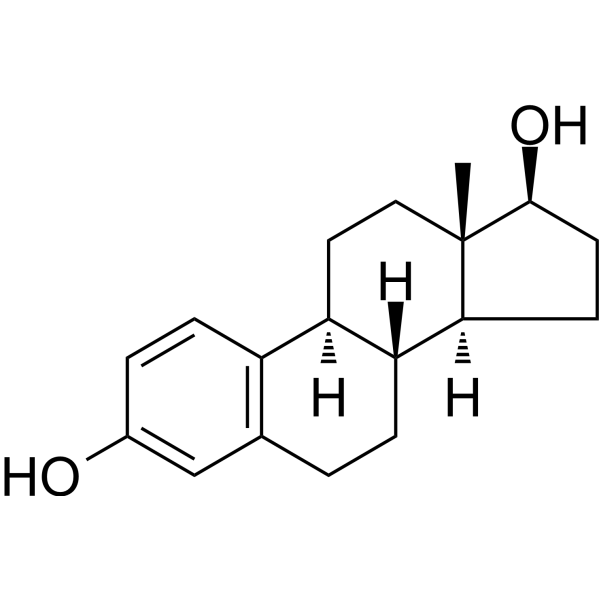
- Formula: C18H24O2
- Molecular Weight: 272.39
Estradiol (β-Estradiol) is a steroid hormone and the major female sex hormone. Estradiol can up-regulate the expression of neural markers of human endometrial stem cells (hEnSCs) and promote their neural differentiation. Estradiol can be used for the research of cancers, neurodegenerative diseases and neural tissue engineering.
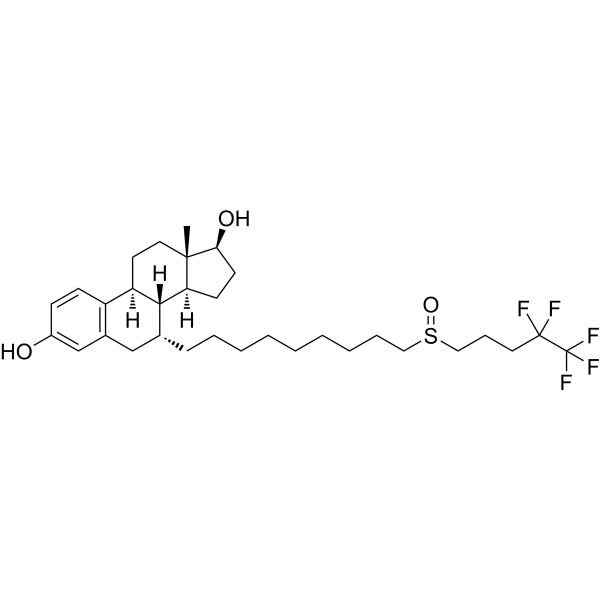
- Formula: C32H47F5O3S
- Molecular Weight: 606.77
Fulvestrant (ICI 182780) is a pure antiestrogen and a potent estrogen receptor (ER) antagonist with an IC50 of 9.4 nM. Fulvestrant is also a GPR30 agonist. Fulvestrant effectively inhibits the growth of ER-positive MCF-7 cells with an IC50 of 0.29 nM. Fulvestrant also induces autophagy and has antitumor efficacy.
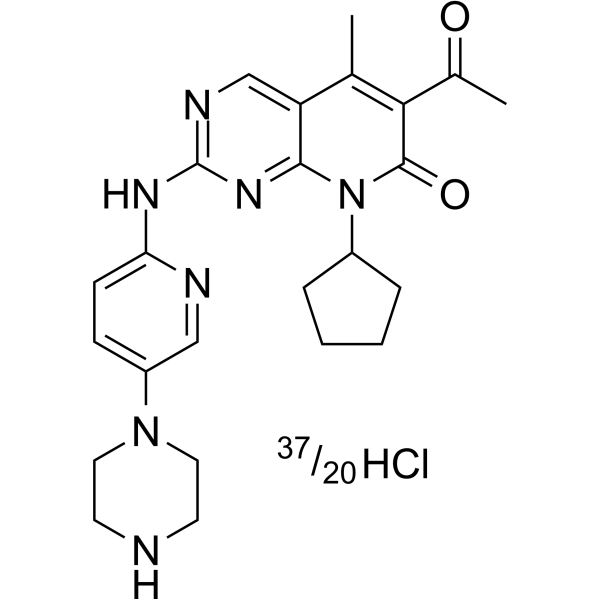
- Formula: C24H30ClN7O2
- Molecular Weight: 514.99
Palbociclib (PD 0332991) hydrochloride is an orally active selective CDK4 and CDK6 inhibitor with IC50 values of 11 and 16 nM, respectively. Palbociclib hydrochloride has potent anti-proliferative activity and induces cell cycle arrest in cancer cells. Palbociclib hydrochloride can be used in the research of HR-positive and HER2-negative breast cancer and hepatocellular carcinoma.
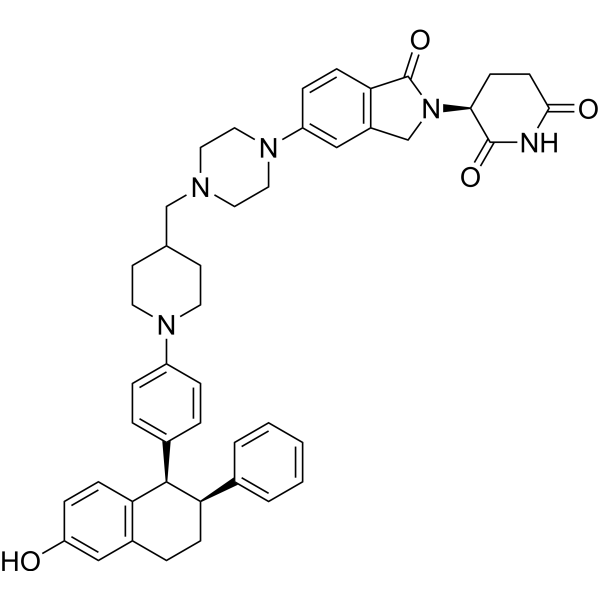
- Formula: C45H49N5O4
- Molecular Weight: 723.90
Vepdegestrant (ARV-471) is an orally active PROTAC estrogen receptor degrader against breast cancer. Vepdegestrant is a hetero-bifunctional molecule that facilitates the interactions between estrogen receptor alpha and an intracellular E3 ligase complex. Vepdegestrant leads to the ubiquitylation and subsequent degradation of estrogen receptors via the proteasome. Vepdegestrant robustly degrades ER in ER-positive breast cancer cell lines with a half-maximal degradation concentration (DC50) of about 2 nM.
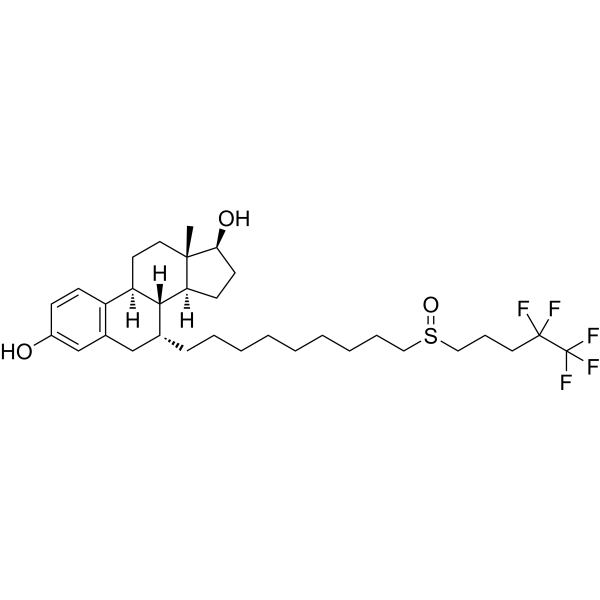
- Formula: C32H47F5O3S
- Molecular Weight: 606.77
Fulvestrant (Standard) is the analytical standard of Fulvestrant. This product is intended for research and analytical applications. Fulvestrant (ICI 182780) is a pure antiestrogen and a potent estrogen receptor (ER) antagonist with an IC50 of 9.4 nM. Fulvestrant is also a GPR30 agonist. Fulvestrant effectively inhibits the growth of ER-positive MCF-7 cells with an IC50 of 0.29 nM. Fulvestrant also induces autophagy and has antitumor efficacy.
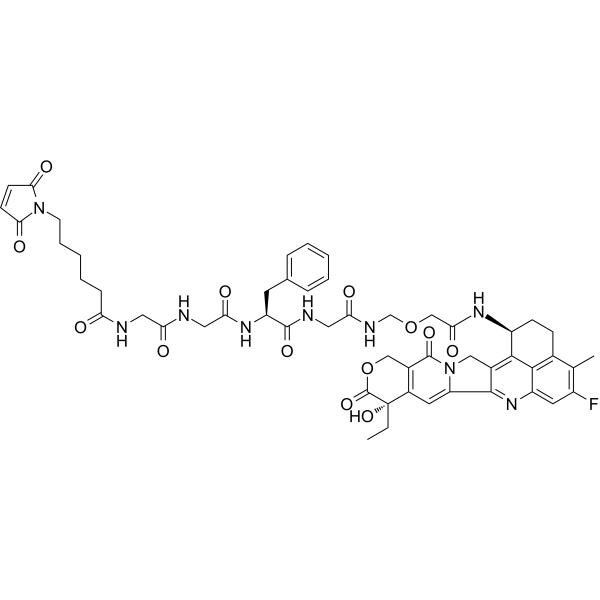
- Formula: C52H56FN9O13
- Molecular Weight: 1034.05
Deruxtecan is an ADC drug-linker conjugate composed of an DX-8951 derivative (DXd) and a maleimide-GGFG peptide linker, used for synthesizing Trastuzumab deruxtecan (HY-138298A) and Patritumab deruxtecan (HY-P99813).
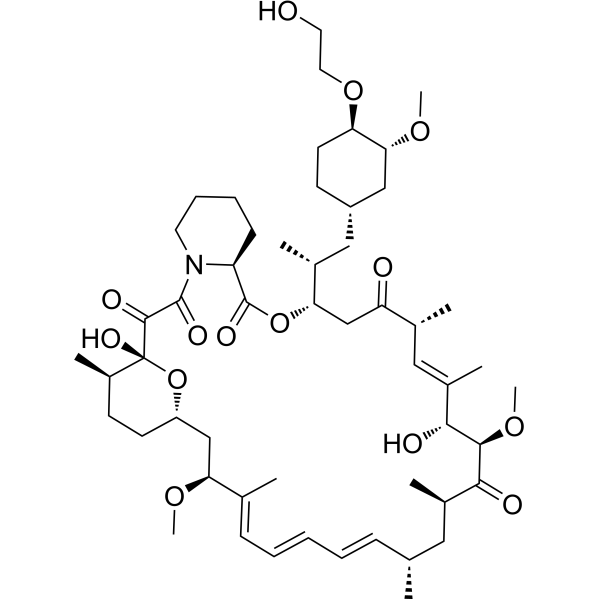
- Formula: C53H83NO14
- Molecular Weight: 958.22
Everolimus (RAD001) is a Rapamycin (HY-10219) derivative and a potent, selective, orally active, blood-brain barrier-permeable mTOR1 inhibitor. Everolimus binds to FKBP-12 to generate an immunosuppressive complex. Everolimus inhibits tumor cells proliferation and induces cell apoptosis and autophagy. Everolimus has potent immunosuppressive and anticancer activities.
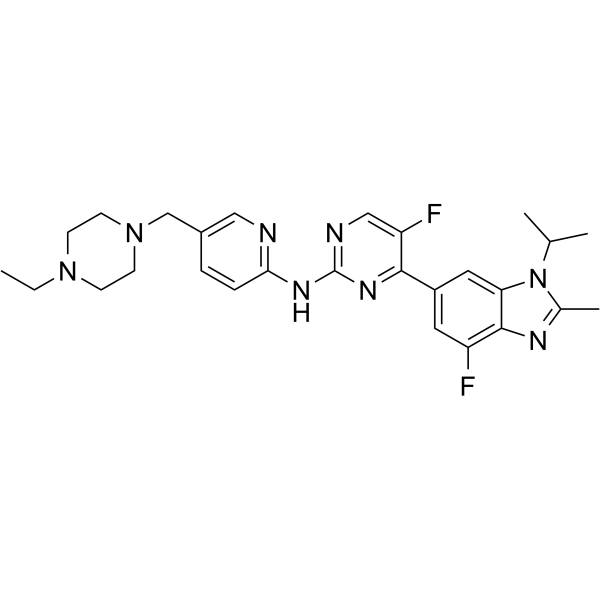
- Formula: C27H32F2N8
- Molecular Weight: 506.59
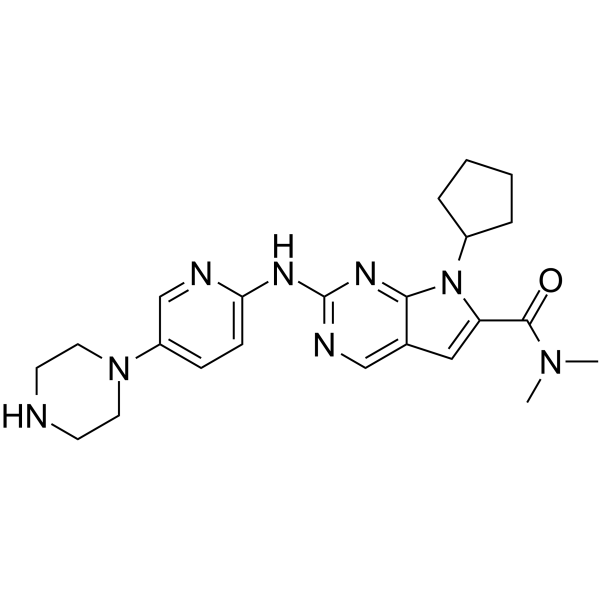
- Formula: C23H30N8O
- Molecular Weight: 434.54
RRibociclib (LEE011) is an ATP-competitive and orally active CDK4/6 inhibitor that crosses the blood-brain barrier with IC50 values of 10 nM and 39 nM, respectively, and is over 1,000-fold less potent against the cyclin B/CDK1 complex.

- Molecular Weight: 145.42 kDa
Trastuzumab (anti-HER2) is a humanized IgG1 monoclonal antibody for patients with invasive breast cancers that overexpress HER2. Trastuzumab (anti-HER2) has the potential for HER2 Positive Metastatic Breast Cancer and HER2 Positive Gastric Cancer research.

- Molecular Weight: 124.65kDa
Zanidatamab (ZW25) is a humanised, bispecific monoclonal antibody targeting 2 distinct HER2 epitopes (ECD2 and ECD4). Zanidatamab has anti-tumour activity.
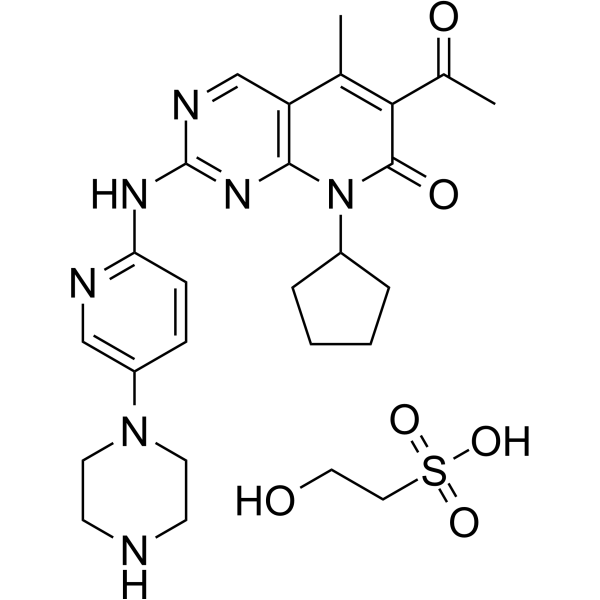
- Formula: C26H35N7O6S
- Molecular Weight: 573.66
Palbociclib (PD 0332991) isethionate is an orally active selective CDK4 and CDK6 inhibitor with IC50 values of 11 and 16 nM, respectively. Palbociclib isethionate has potent anti-proliferative activity and induces cell cycle arrest in cancer cells, which can be used in the research of HR-positive and HER2-negative breast cancer and hepatocellular carcinoma.
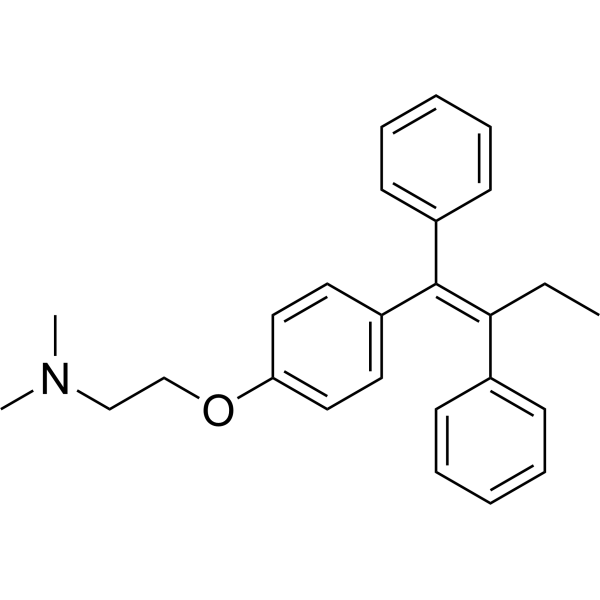
- Formula: C26H29NO
- Molecular Weight: 371.51
Tamoxifen (Standard) is the analytical standard of Tamoxifen (HY-13757A). This product is intended for research and analytical applications. Tamoxifen (ICI 47699) is an orally active, selective estrogen receptor modulator (SERM) which blocks estrogen action in breast cells and can activate estrogen activity in other cells, such as bone, liver, and uterine cells. Tamoxifen is a potent Hsp90 activator and enhances the Hsp90 molecular chaperone ATPase activity. Tamoxifen also potent inhibits infectious EBOV Zaire and Marburg (MARV) with IC50 of 0.1 μM and 1.8 μM, respectively. Tamoxifen activates autophagy and induces apoptosis. Tamoxifen also can induce gene knockout of CreER(T2) transgenic mouse.
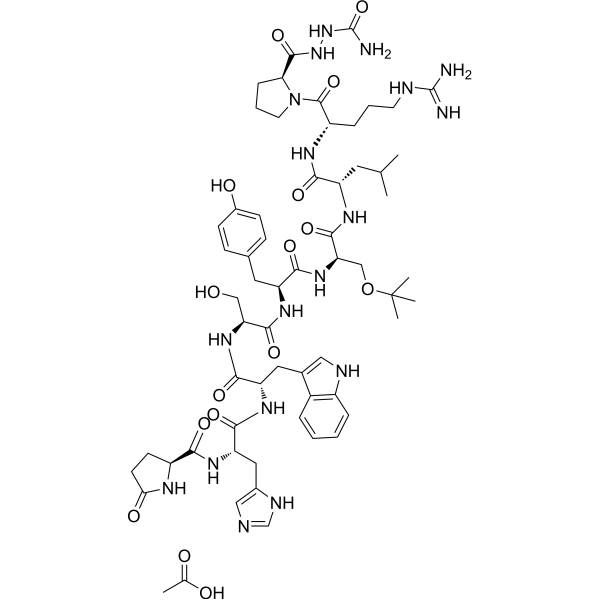
- Formula: 醋酸戈舍瑞林 C59H84N18O14·xC2H4O2
- Molecular Weight: 1269.41 (free base)
Goserelin acetate (ICI-118630 acetate), a decapeptide analogue of gonadotropin-releasing hormone (GnRH/LHRH), functions as a GnRH agonist. Goserelin acetate can be used for the research of breast cancer, epithelial ovarian cancer and prostate cancer.
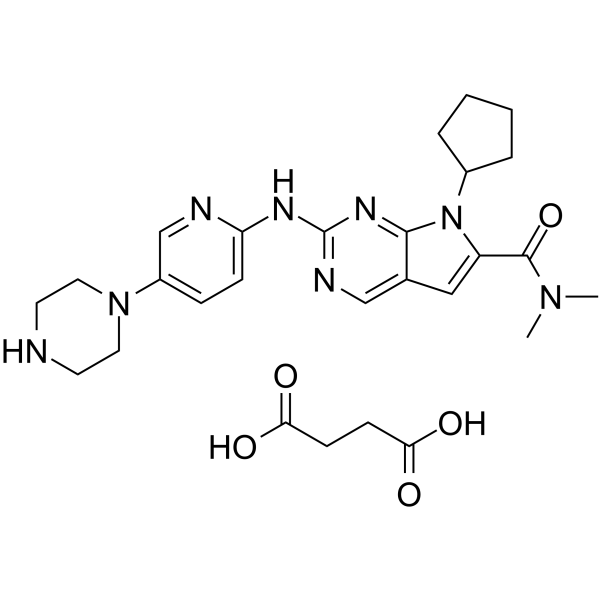
- Formula: C27H36N8O5
- Molecular Weight: 552.63
RRibociclib (LEE011) succinate is an ATP-competitive and orally active CDK4/6 inhibitor that crosses the blood-brain barrier with IC50 values of 10 nM and 39 nM, respectively, and is over 1,000-fold less potent against the cyclin B/CDK1 complex.
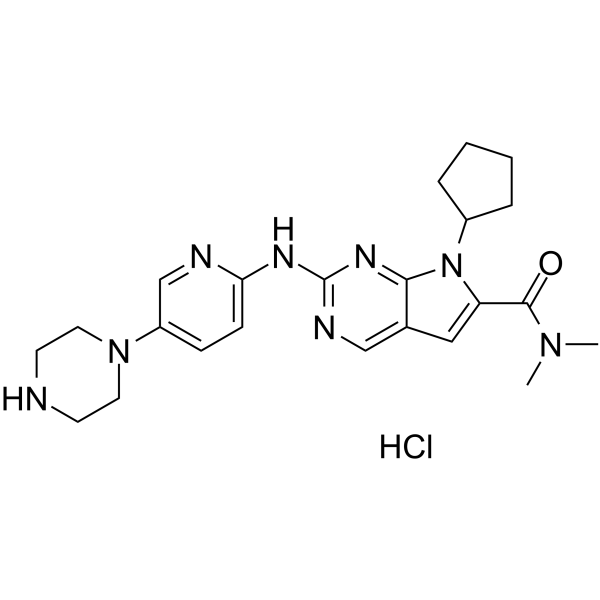
- Formula: C23H31ClN8O
- Molecular Weight: 471.00
RRibociclib (LEE011) hydrochloride is an ATP-competitive and orally active CDK4/6 inhibitor that crosses the blood-brain barrier with IC50 values of 10 nM and 39 nM, respectively, and is over 1,000-fold less potent against the cyclin B/CDK1 complex.



