



Novobiocin sodium
Based on 14 publication(s) in Google Scholar
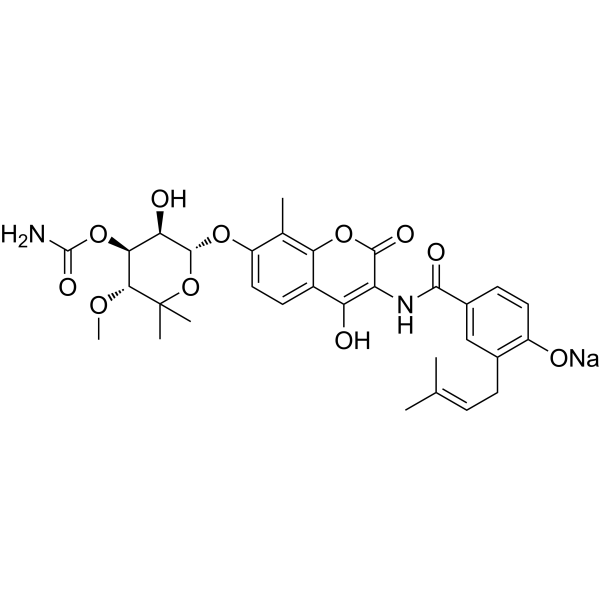
Novobiocin (Albamycin; Cathomycin) sodium is an orally active aminocoumarin antibiotic (Antibiotic) and Hsp90 inhibitor. Novobiocin sodium binds to the C-terminal nucleotide-binding site of Hsp90 and inhibits the function of this chaperone; Novobiocin sodium competitively blocks ATP binding to GyrB, targets ParE in N. gonorrhoeae, inhibits human POLθ ATPase and the POLθ helicase-like domain in a non-ATP-competitive manner, and inhibits the catalytic activity of human TOP2A and TOP2B. Novobiocin sodium inhibits MMEJ, blocks the recruitment of POLθ to DNA damage sites, induces ssDNA gap formation and apoptosis (Apoptosis), and exhibits synthetic lethality in HR-deficient tumors. Novobiocin sodium can be used for research on equine piroplasmosis, gonorrhea, HR-deficient tumors, anthrax, melioidosis, and acute promyelocytic leukemia.
For research use only. We do not sell to patients.
- Purity : 99.07%
- CAS No.: 1476-53-5
- Formula: C31H35N2NaO11
- Molecular Weight:634.61
-
Storage:
4°C, sealed storage, away from moisture
* In solvent : -80°C, 1 year; -20°C, 6 months (sealed storage, away from moisture)

To place orders, for customer services and technical support, please contact: MedChemExpress USA
Tel: 609-228-6898 E-mail: [email protected] [email protected]


-
 Biological Activity
-
Chemical Information
-
Solvent & Solubility
- Protocols
- Purity & Documentation
- References
-
 Help & FAQs


-
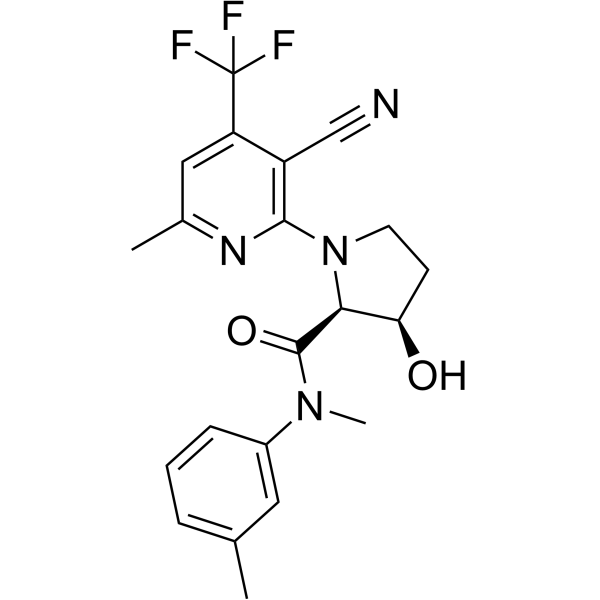
HY-141520
ART558Polθ Inhibitor -
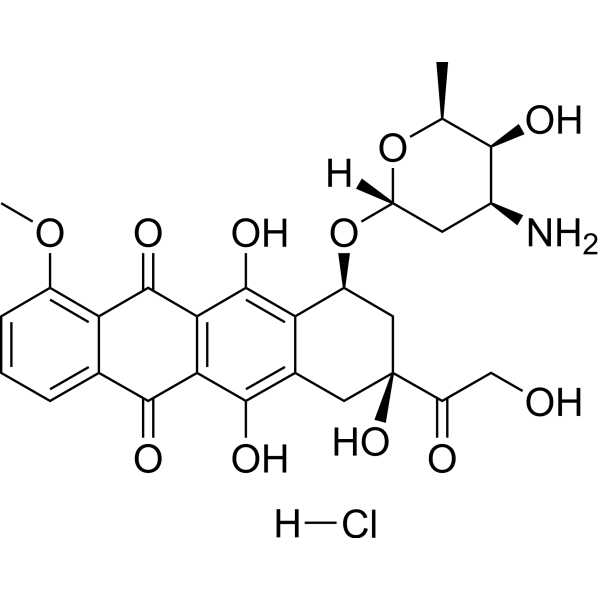
HY-15142
Doxorubicin hydrochlorideTopoisomerase Inhibitor -
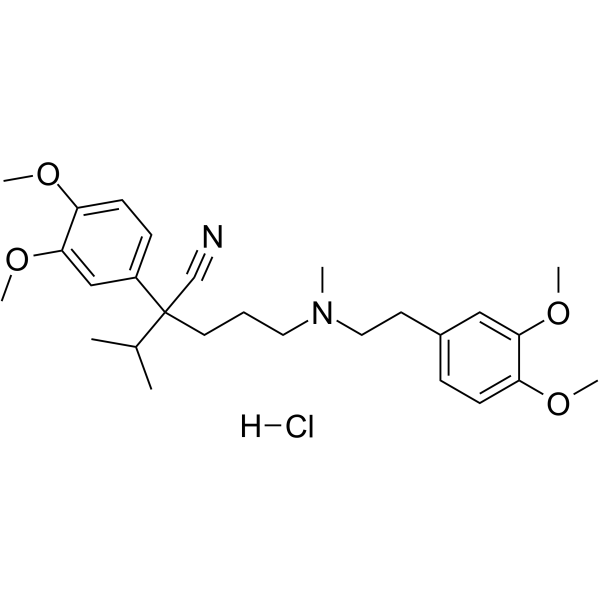
HY-A0064
Verapamil hydrochlorideCalcium Channel Blocker -
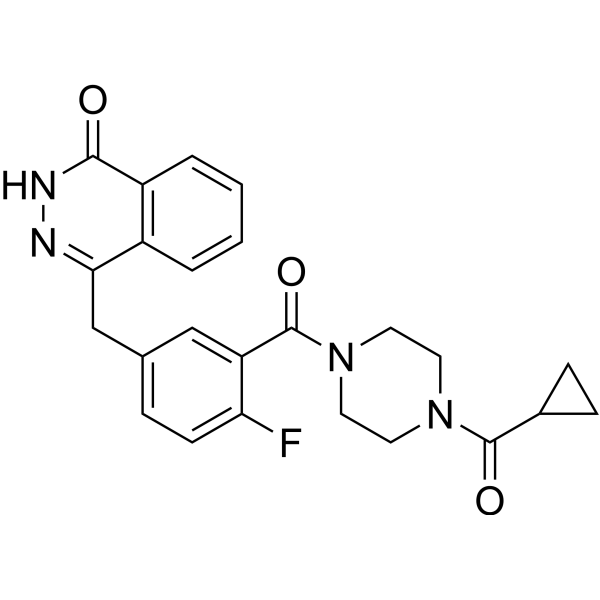
HY-10162
OlaparibPARP Inhibitor -
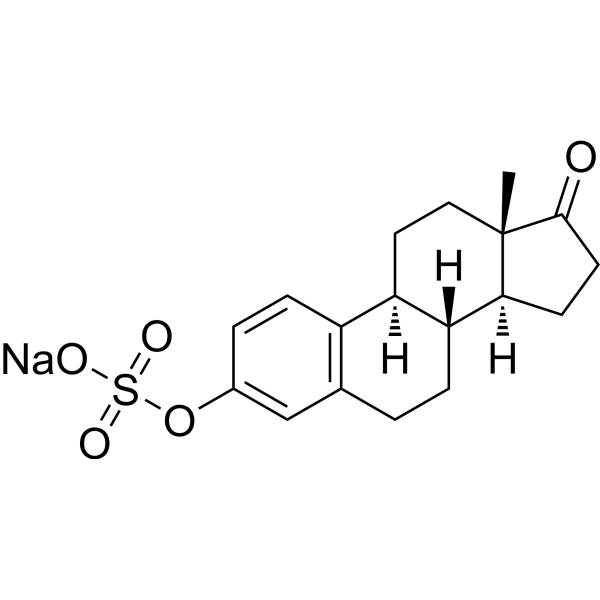
HY-113293B
Estrone sulfate sodiumEndogenous Estrogen -
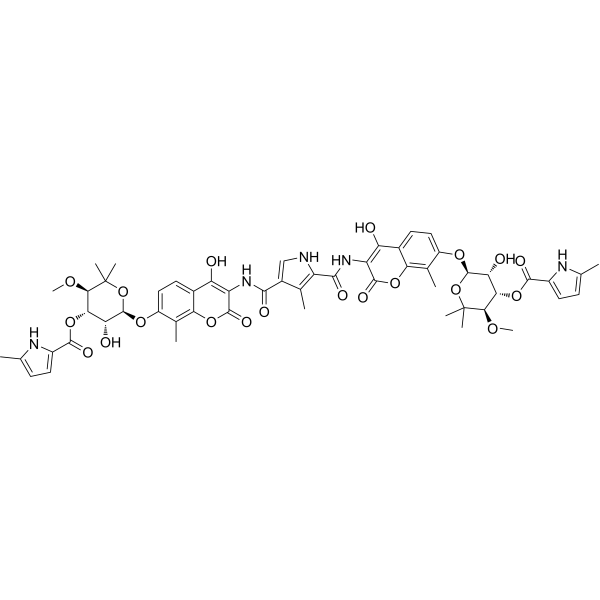
HY-N7452
Coumermycin A1JAK2 Signal Activator -
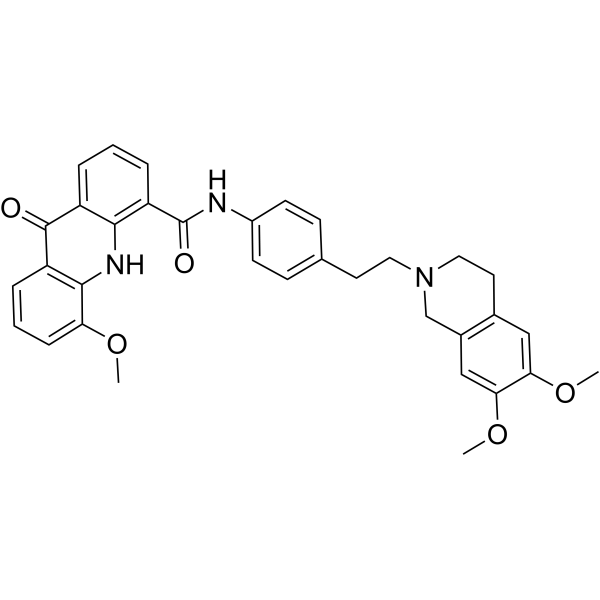
HY-50879
ElacridarP-gp And BCRP Dual-Inhibitor -
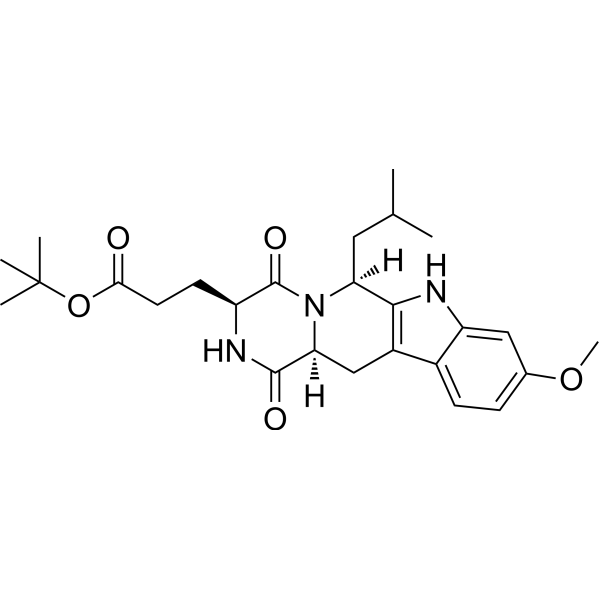
HY-10010
Ko 143BCRP/ABCG2 Inhibitor -
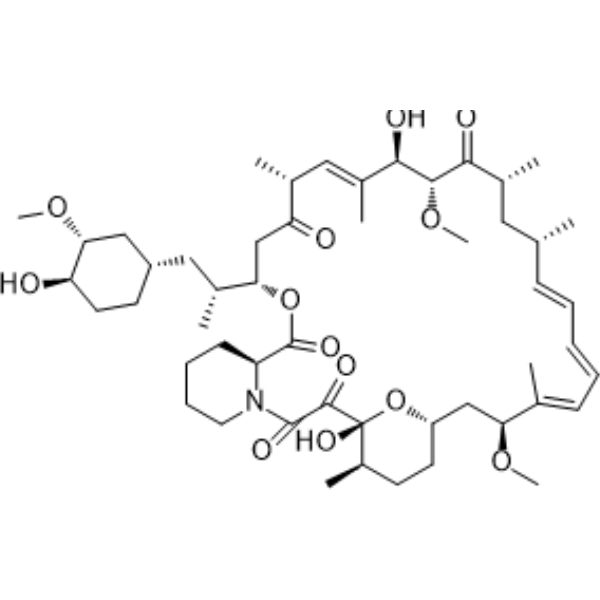
HY-10219
RapamycinmTOR Inhibitor -
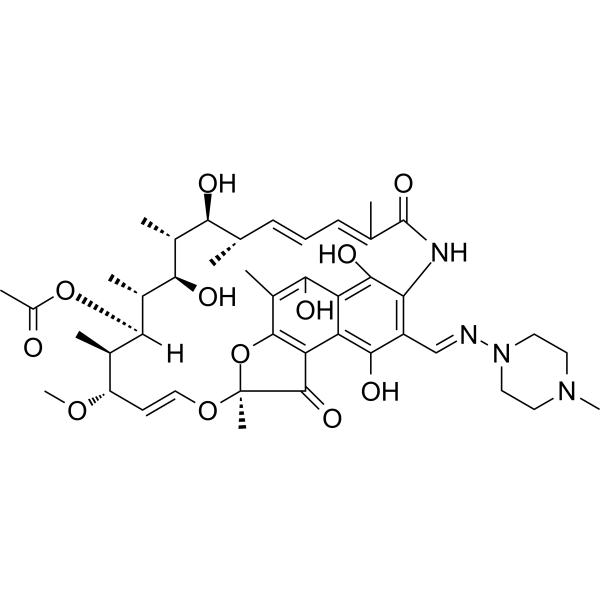
HY-B0272
RifampicinAntivirus Agent -
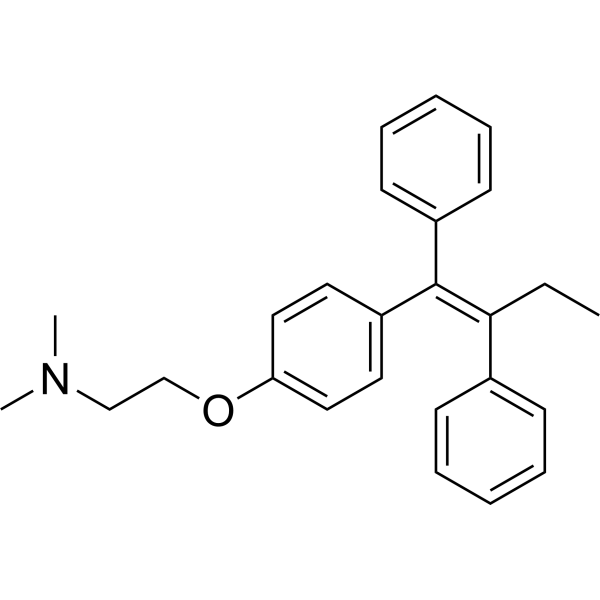
HY-13757A
TamoxifenEstrogen Receptor Modulator -
HY-B0220
ErythromycinAntibiotic
Publications Citing Use of MedChemExpress (MCE) Novobiocin sodium
More- Nat Methods. 2023 Sep;20(9):1388-1399. [Abstract]
- Blood. 2018 Jul 19;132(3):307-320. [Abstract]
- Adv Sci (Weinh). 2022 Dec;9(34):e2203088. [Abstract]
- Cell Rep Med. 2024 Jun 18;5(6):101592. [Abstract]
- Mol Ther. 2026 Jul 20:S1525-0016(26)00602-7.
- Mol Cancer Ther. 2026 Jul 15:10.1158/1535-7163.MCT-26-0182.
- Int J Mol Sci. 2019 Mar 5;20(5):1125. [Abstract]
- PLoS Pathog. 2026 Jan 26;22(1):e1013903. [Abstract]
- Mol Pharm. 2022 Nov 7;19(11):4320-4332. [Abstract]
- Cancer Res Commun. 2024 Apr 9;4(4):1024-1040. [Abstract]
- J Med Virol. 2025 Oct;97(10):e70655. [Abstract]
- Surgery. 2024 Nov;176(5):1380-1387. [Abstract]
- Vet Microbiol. 2026 May:316:110992. [Abstract]
- bioRxiv. 2025 Sep 15.
 Customer Validation & Images

-
Cell Imaging/Staining
-
Cell Proliferation/Viability Assay
-
Bio/Physico-chemical Assay
-
Cell Proliferation/Viability Assay
-
WB
All Antibiotic Isoforms
MoreAll Parasite Isoforms
MoreAll DNA/RNA Synthesis Isoforms
MoreAll Topoisomerase Isoforms
More

Biological Activity
Description
IC50 & Target
[6]|
HSP90 |
topoisomerase II alpha 40 μM (IC50) |
topoisomerase II beta 600 μM (IC50) |
In Vitro
Novobiocin sodium synergizes with Olaparib (HY-10162) in HR-deficient TOV21G + EV cells, reducing the IC50 of Olaparib by more than 40-fold[3].
Novobiocin (1-600 μM; 72 h) sodium reduces proliferation in HL-60 cells starting from 60 μM after 72 h and does not attenuate the antiproliferative activity of Daunorubicin (19 nM) sodium[6].
Novobiocin (serial dilution; 1 day) sodium exhibits MIC values ranging from 0.25 to 8 μg mL-1 against N. gonorrhoeae DSM9188 and its genetically modified strains, in which the amino acid residues corresponding to Ile76 in ParE and Met82 in GyrB significantly affect Novobiocin sodium sensitivity[2].
Novobiocin sodium exhibits low in vitro effective concentrations against both Bacillus anthracis and Burkholderia pseudomallei[5].
Novobiocin (1-2000 μM; 90 min) sodium exhibits very low hemolytic activity against horse erythrocytes, with a CC50 of 261.97 mM and an SSI of 1587, indicating that it is safe for host erythrocytes[1].
Novobiocin (30 min) sodium directly binds to and stabilizes the POLθ ATPase domain in a dose-dependent manner[3].
Novobiocin (24 h) sodium inhibits MMEJ repair but not HR repair in U2OS cells[3].
Novobiocin (50-100 μM; 24 h) sodium increases IR-induced RAD51 and γH2AX foci formation in U2OS cells[3].
Novobiocin (12-14 days) sodium selectively reduces the viability of BRCA1-/- and BRCA2-/- RPE1 cells compared with isogenic WT cells[3].
Novobiocin sodium induces chromosomal aberrations and radial chromosomes in BRCA1-/- RPE1 cells[3].
Novobiocin sodium is cytotoxic to multiple PARPi-resistant clones derived from RPE1-BRCA1-/- cells[3].
Novobiocin (120 nM-1 mM; preincubation for 1 h, reaction for 2 h) sodium is a non-ATP-competitive inhibitor of Polθ-ATPase activity[4].
Novobiocin (4 mM; 30 min) sodium binds to an allosteric site in the Polθ-ATPase domain, affecting ATP hydrolysis and stabilizing the domain core[4].
Novobiocin (500 μM; 30 min) sodium stabilizes the Polθ-ATPase domain[4].
Novobiocin (500 μM; 1 h) sodium promotes tetramerization of the Polθ-ATPase domain[4].
Novobiocin (50-200 μM; 24 h) sodium blocks the binding of intracellular Polθ to ssDNA in a dose-dependent manner[4].
Novobiocin (200 μM; 2 h) sodium exposure leads to the accumulation of ssDNA gaps in RPE1 TP53-/- BRCA1-/- cells[4].
Novobiocin (30 min) sodium is a preferential TOP2A inhibitor in the recombinant human kDNA decatenation assay, with an IC50 of 40 μM for TOP2A and 600 μM for TOP2B[6].
Novobiocin (1-100 μM; 24 h) sodium shows only a trend toward decreased TOP2 immunoreactivity in primary neonatal rat cardiomyocytes[6].
Novobiocin (100 μM; pretreatment for 30 min; co-exposure with 1.2 μM Daunorubicin for 90 min) sodium reduces Daunorubicin-induced γH2AX accumulation by 48% in neonatal rat primary cardiomyocytes[6].
MedChemExpress (MCE) has not independently confirmed the accuracy of these methods. They are for reference only.
-
Cell Line:Theileria equi and Babesia caballi parasitized horse red blood cells (RBCs)
-
Concentration:1, 5, 10, 20, 50, 100, 200 μM (T. equi); 10, 20, 50, 100, 200 μM (B. caballi)
-
Incubation Time:96 h
-
Result:Inhibited the in vitro growth of Theileria equi with an IC50 of 165 μM.
Inhibited the in vitro growth of Babesia caballi with an IC50 of 84.85 μM.
Showed significant growth inhibition of T. equi at 100 μM and 200 μM at 24 h and 48 h.
Showed significant growth inhibition of T. equi at ≥ 20 μM at 72 h and 96 h.
Showed significant growth inhibition of B. caballi at 100 and 200 μM at 24, 48, 72, and 96 h.
Caused parasite death at 100 μM and 200 μM after 96 h.
Failed to inhibit growth at 1-50 μM (T. equi) and 10-50 μM (B. caballi) in viability studies.
Induced dot-shaped/distorted nuclear material at 100 and 200 μM after 96 h.
Showed no recrudescence at 100 and 200 μM in viability testing.
-
Cell Line:Equine peripheral blood mononuclear cells (PBMCs)
-
Concentration:1, 5, 10, 25, 50, 100, 1000, 2000 μM
-
Incubation Time:24 h
-
Result:Showed less than 10% cytotoxicity at 1000 μM.
Exhibited a CC50 of 11.63 mM.
Demonstrated a specific selective index (SSI) of 70.47.
-
Cell Line:U2OS POLQ knockout cells expressing Myc-tagged Polθ
-
Concentration:50, 100, 200 μM
-
Incubation Time:24 h
-
Result:Reduced Polθ recruitment to ssDNA in cells in a dose-dependent manner.
Blocked 96% of Polθ from being recruited to damage sites at the highest dose of 200 μM.
-
Cell Line:HL-60 human acute promyelocytic leukaemia cells
-
Concentration:1, 10, 30, 60, 100, 300, 600 μM
-
Incubation Time:72 h
-
Result:Produced concentration-dependent antiproliferative effects, with the lowest reported effective concentration at 60 μM.
When co-administered with 19 nM Daunorubicin, did not attenuate Daunorubicin antiproliferative activity; at higher concentrations tended to enhance cytotoxicity.
In Vivo
Novobiocin (100 mg/kg; i.p.; twice daily; 4 weeks) sodium specifically inhibits the growth of FANCF-deficient HR-defective tumors in vivo[3].
Novobiocin (75 mg/kg; i.p.; twice daily; 4 weeks) sodium as a single agent induces tumor regression, and in combination with Olaparib achieves complete tumor regression in the HR-deficient DF83 PDX model[3].
Novobiocin (75 mg/kg; i.p.; twice daily; 4 weeks) sodium significantly reduces tumor growth in the PARPi (HY-156982)-resistant DF59 PDX model, indicating that no cross-resistance exists between PARP inhibition and Novobiocin sodium [3].
Novobiocin (2.5 mg; i.p.; 2-5 doses) sodium significantly prolongs the time to death in the highly lethal inhalational anthrax model in A/J mice (up to 8.3 days with the 4-dose regimen), but does not significantly improve overall survival[5].
Novobiocin (2.5 mg; i.p.; 4 doses; 7 days) sodium provides 70% protection against lethal aerosol B. pseudomallei infection in BALB/c mice, and bacterial burden is typically undetectable in tissues of surviving mice[5].
Novobiocin (2.5 mg; i.p.; 3 doses) sodium significantly synergizes with live attenuated vaccine, improving survival (80% at day 21) and prolonging time to death in a lethal aerosol B. pseudomallei model[5].
Novobiocin (75 mg/kg; i.p.; twice daily; 4 weeks) sodium does not inhibit tumor growth in the HR-proficient DF149 PDX model, which is associated with low POLθ expression[3].
MedChemExpress (MCE) has not independently confirmed the accuracy of these methods. They are for reference only.
-
Animal Model:Mice (strain not specified)[1]
-
Dosage:5, 10, 20, 50, and 100 mg/kg
-
Administration:i.p.; single dose
-
Result:Induced a significant rise in serum glutamic oxaloacetic transaminase (SGOT) and serum glutamic pyruvic transaminase (SGPT) in mice at 100 mg/kg at 24 h, which decreased to non-significant levels thereafter.
Showed non-significant differences in kidney biochemical markers (creatinine, blood urea nitrogen) and other parameters (bilirubin and total protein) at different time intervals.
Exhibited minimal diffuse cytoplasmic rarefaction and vacuolation in hepatocytes at 100 mg/kg.
Showed no adverse histopathological changes in any organ at other doses.
Identified 50 mg/kg as the No Observed Adverse Effect Level (NOAEL).
-
Animal Model:FVB/129P2 (female, at least 6 weeks old, K14-Cre-Brca1f/f;Trp53f/f GEMM tumor transplanted into mammary fat pad)[3]
-
Dosage:100 mg/kg
-
Administration:i.p.; twice a day; 35 days
-
Result:Significantly suppressed tumor growth after 7 days of treatment and beyond.
Prolonged overall survival by 3-fold compared to vehicle, with median survival times of 29 and 10 days for treated and vehicle groups, respectively.
-
Animal Model:NU(NCr)-Foxn1nu athymic nude (female)[3]
-
Dosage:100 mg/kg
-
Administration:i.p.; twice a day; 4 weeks
-
Result:Specifically impaired the growth of FANCF-deficient tumors, with no effect on FANCF-complemented tumors.
Strongly induced RAD51 foci in the treated tumors.
-
Animal Model:NSG (female, 8 weeks old)[3]
-
Dosage:75 mg/kg
-
Administration:i.p.; twice daily; 4 weeks
-
Result:Led to tumor regression as a single agent, while tumors in vehicle-treated mice showed exponential growth.
Achieved complete tumor regression in combination with olaparib, with few tumor cells detectable via BLI on day 28.\nSubstantially reduced tumor growth as monotherapy.
In combination with Olaparib, further inhibited tumor growth with regression in the first two weeks.
Exhibited higher levels of phospho-RPA32 compared to vehicle-treated samples.
Exhibited a strong increase in RAD51 staining when treated alone or in combination with olaparib.\nDid not inhibit tumor growth in the HR-proficient DF149 PDX model.
-
Animal Model:A/J mice[5]
-
Dosage:5 mg; 1.25 mg; 2.5 mg
-
Administration:i.p.; 1, 2, or 3 doses
-
Result:Administered 5 mg once, achieving 60% protection.
Administered 5 mg in 2 or 3 doses, resulting in 100% lethality.
Administered 1.25 mg in 3 doses, protecting 10% of mice.
Administered 1.25 mg in 2 or 3 doses, extending time-to-mortality compared to PBS control.
Administered 2.5 mg in 3 doses, protecting 90% of mice.
-
Animal Model:BALB/c mice[5]
-
Dosage:1.25 mg; 2.5 mg
-
Administration:i.p.; 1, 2, or 3 doses
-
Result:Administered 1.25 mg or 2.5 mg in 1, 2, or 3 doses, achieving 70-90% protection except for a single 1.25 mg dose.
Administered 1.25 mg in 3 doses, achieving 90% protection.
Extended time-to-mortality in all treatment groups compared to PBS control.
Resulted in no detectable bacterial burden in spleens of most survivors.
-
Animal Model:A/J mice[5]
-
Dosage:2.5 mg
-
Administration:i.p.; 2, 3, 4, or 5 doses
-
Result:Administered 2.5 mg in 2 doses, resulting in a time-to-mortality of 5.8 days.
Administered 2.5 mg in 3 doses, resulting in a time-to-mortality of 6.7 days.
Administered 2.5 mg in 5 doses, resulting in a time-to-mortality of 6.9 days.
Administered 2.5 mg in 4 doses over 7 days, resulting in a time-to-mortality of 8.3 days.
Did not significantly improve overall survival rates by day 21.
-
Animal Model:BALB/c mice[5]
-
Dosage:2.5 mg
-
Administration:i.p.; 2, 3, 4, or 5 doses
-
Result:Administered 2.5 mg in 4 doses over 7 days, protecting 70% of mice.
Administered 2.5 mg in 5 doses over 3 days, protecting 60% of mice.
Administered 2.5 mg in 2 doses, protecting 22% of mice.
Administered 2.5 mg in 3 doses, protecting 20% of mice.
Resulted in no detectable bacteria in lung or spleen tissues of any survivors, except for one mouse in the 3-dose group with a bacterial burden of approximately 1.2 × 10⁸ CFU/g in the spleen.
-
Animal Model:BALB/c mice (vaccinated)[5]
-
Dosage:2.5 mg
-
Administration:i.p.; 3 doses
-
Result:Achieved 80% survival at day 21.
Resulted in a geometric mean time-to-mortality of 35.1 days.
Yielded a synergy score of 3.15.


Chemical Information
-
CAS No. 1476-53-5
-
Appearance Solid
-
Molecular Weight 634.61
-
Formula C31H35N2NaO11
-
Color White to off-white
-
SMILES
CC1=C(OC2=O)C(C(O)=C2NC(C3=CC(C/C=C(C)/C)=C(O[Na])C=C3)=O)=CC=C1O[C@H](OC(C)(C)[C@H](OC)[C@H]4OC(N)=O)[C@@H]4O
-
Synonyms
Albamycin sodium; Cathomycin sodium
-
Initial Source
Streptomyces niveus
-
Shipping
Room temperature in continental US; may vary elsewhere.
-
Storage
4°C, sealed storage, away from moisture
* In solvent : -80°C, 1 year; -20°C, 6 months (sealed storage, away from moisture)


Publications (14)
-
Journal Impact Factor
-
Most Recent
-
Nat Methods
2023 Sep;20(9):1388-1399. PMID: 37474806
Novobiocin sodium purchased from MedChemExpress. Usage Cited in: Nat Methods. 2023 Sep;20(9):1388-1399. [Abstract]
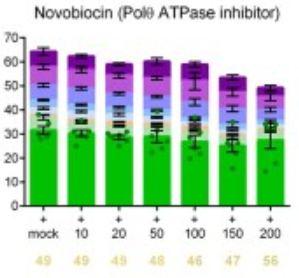
Editing efficiencies of the VCAN target using Cas9D10A double nicking in H9 hESCs carrying the K3753R mutation and additional small molecules to inhibit the MMEJ repair proteins Polϴ, PARP or Ligase I/III: Novobiocin.
-
Blood
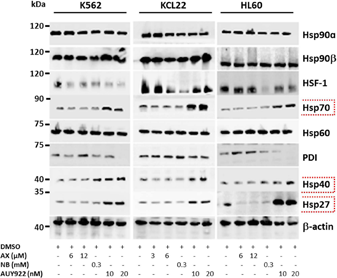
Targeting HSP90 dimerization via the C terminus is effective in imatinib-resistant CML and lacks the heat shock response. [Abstract]2018 Jul 19;132(3):307-320. PMID: 29724897
Novobiocin sodium purchased from MedChemExpress. Usage Cited in: Blood. 2018 Jul 19;132(3):307-320. [Abstract]
K562, KCL22 and HL60 are treated with the indicated (cytotoxic) concentration of Amidopyrine (AX), Novobiocin (NB) and AUY922 for 48h and later protein lysates are subjected to immunoblot analysis.
-
Adv Sci (Weinh)
SRSF5-Mediated Alternative Splicing of M Gene is Essential for Influenza A Virus Replication: A Host-Directed Target Against Influenza Virus. [Abstract]2022 Dec;9(34):e2203088. PMID: 36257906 -
Cell Rep Med
A CD36-dependent non-canonical lipid metabolism program promotes immune escape and resistance to hypomethylating agent therapy in AML. [Abstract]2024 Jun 18;5(6):101592. PMID: 38843841 -
-
-
Int J Mol Sci
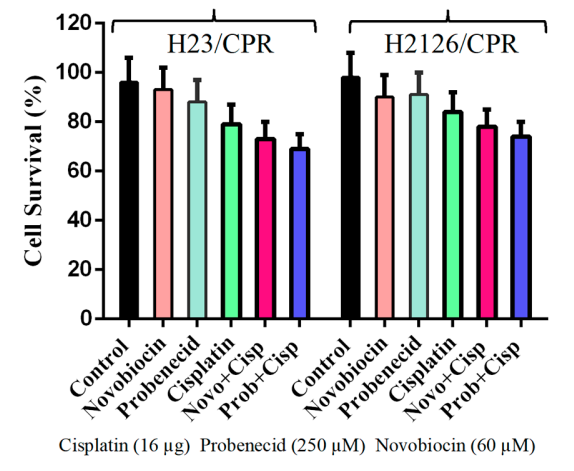
Cisplatin Synergistically Enhances Antitumor Potency of Conditionally Replicating Adenovirus via p53 Dependent or Independent Pathways in Human Lung Carcinoma. [Abstract]2019 Mar 5;20(5):1125. PMID: 30841620
Novobiocin sodium purchased from MedChemExpress. Usage Cited in: Int J Mol Sci. 2019 Mar 5;20(5):1125. [Abstract]
Cell viability assay to analyze the impact of Probenecid and Novobiocin treatments on resistance.
-
PLoS Pathog
Anti-orthopoxvirus drugs inhibit lumpy skin disease virus replication by targeting viral DNA polymerase. [Abstract]2026 Jan 26;22(1):e1013903. PMID: 41587213 -
Mol Pharm
2022 Nov 7;19(11):4320-4332. PMID: 36269563 -
Cancer Res Commun
Inhibition of NEK2 Promotes Chemosensitivity and Reduces KSHV-positive Primary Effusion Lymphoma Burden. [Abstract]2024 Apr 9;4(4):1024-1040. PMID: 38592451 -
J Med Virol
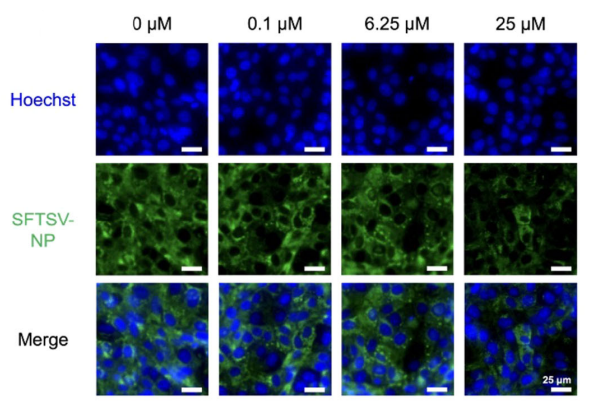
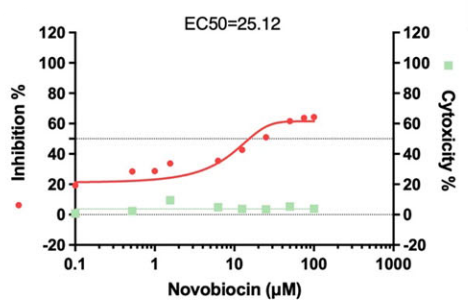
Drug Repurposing: In Vitro Evaluation of Simeprevir as a Novel Antiviral Drug Against Severe Fever With Thrombocytopenia Syndrome Virus. [Abstract]2025 Oct;97(10):e70655. PMID: 41117261
Novobiocin sodium purchased from MedChemExpress. Usage Cited in: J Med Virol. 2025 Oct;97(10):e70655. [Abstract]
Novobiocin also reduced NP expression at 25 μM, with mean fluorescence intensities significantly lower than those of the untreated control.
Novobiocin sodium purchased from MedChemExpress. Usage Cited in: J Med Virol. 2025 Oct;97(10):e70655. [Abstract]
Cytoxicity and inhibition of Novobiocin, EC50 = 25.12 μM.
-
Surgery
Overexpression of human DNA polymerase theta is a biomarker of aggressive and DNA repair-deficient papillary thyroid cancers. [Abstract]2024 Nov;176(5):1380-1387. PMID: 38897886 -
Vet Microbiol
The Chinese medicine monomer Schisandrin C inhibits PRRSV infection by regulating the OGT-PI3K/AKT/mTOR signaling pathway. [Abstract]2026 May:316:110992. PMID: 41865607 -


Solvent & Solubility
In Vitro:
DMSO : ≥ 100 mg/mL (157.58 mM; Hygroscopic DMSO has a significant impact on the solubility of product, please use newly opened DMSO)
H2O : 50 mg/mL (78.79 mM; Need ultrasonic)
* "≥" means soluble, but saturation unknown.
Please refer to the solubility information to select the appropriate solvent. Once prepared, please aliquot and store the solution to prevent product inactivation from repeated freeze-thaw cycles.
Storage method and period of stock solution: -80°C, 1 year; -20°C, 6 months (sealed storage, away from moisture). When stored at -80°C, please use it within 1 year. When stored at -20°C, please use it within 6 months.
* Note: If you choose water as the stock solution, please dilute it to the working solution, then filter and sterilize it with a 0.22 μm filter before use.
Concentration (start) × Volume (start) = Concentration (final) × Volume (final)
In Vivo:
For the following dissolution methods, please prepare the working solution directly:
It is recommended to prepare fresh solutions and use them promptly within a short period of time.
The percentages shown for the solvents indicate their volumetric ratio in the final prepared solution. If precipitation or phase separation occurs during preparation, heat and/or sonication can be used to aid dissolution.
Add each solvent one by one: PBS
Solubility: 100 mg/mL (157.58 mM); Clear solution; Need ultrasonic and warming and heat to 60°C
In Vivo Dissolution Calculator
Please enter the basic information of animal experiments:
-
-
-
-
Recommended: Prepare an additional quantity of animals to account for potential losses during experiments.
Working solution concentration: 0.22 mg/mL
This product has good water solubility, please refer to the measured solubility data in water/PBS/Saline for details.


Purity & Documentation
-
Data Sheet (312 KB)
-
SDS (393 KB)
- English - EN (393 KB)
- Français - FR (393 KB)
- Deutsch - DE (393 KB)
- Norwegian - NO (393 KB)
- Español - ES (393 KB)
- Swedish - SV (393 KB)
- Italian - IT (393 KB)
- Korean - KR (393 KB)
- Portuguese - PT (393 KB)
-
Handling Instructions (2659 KB)
References
[2]. Ishizaki Y, Hayashi C, Matoba K, Igarashi M. Novobiocin primarily targets ParE in Neisseria gonorrhoeae. J Antibiot (Tokyo). 2025 Feb;78(3):159-165. [Content Brief]
[3]. Zhou J, et al. A first-in-class Polymerase Theta Inhibitor selectively targets Homologous-Recombination-Deficient Tumors. Nature cancer. 2021 Jun;2(6):598-610. [Content Brief]
[4]. Syed A, et al. Novobiocin blocks nucleic acid binding to Polθ and inhibits stimulation of its ATPase activity. Nucleic Acids Res. 2023 Oct 13;51(18):9920-9937. [Content Brief]
[5]. Klimko CP, et al. Efficacy of Treatment with the Antibiotic Novobiocin against Infection with Bacillus anthracis or Burkholderia pseudomallei. Antibiotics (Basel). 2022 Nov 23;11(12):1685. [Content Brief]
[6]. Kubeš J, et al. Pharmacological correlates of topoisomerase II-directed protection against anthracycline-induced DNA damage and cardiotoxicity: a comparative evaluation of catalytic topoisomerase II inhibitors. Archives of toxicology. 2026 Oct 23. [Content Brief]
[7]. Nitiss JL, et al. Targeting DNA topoisomerase II in cancer chemotherapy. Nature reviews. Cancer. 2009 May;9(5):338-50. [Content Brief]


Complete Stock Solution Preparation Table
Please refer to the solubility information to select the appropriate solvent. Once prepared, please aliquot and store the solution to prevent product inactivation from repeated freeze-thaw cycles.
Storage method and period of stock solution: -80°C, 1 year; -20°C, 6 months (sealed storage, away from moisture). When stored at -80°C, please use it within 1 year. When stored at -20°C, please use it within 6 months.
| Optional Solvent | Concentration Solvent Mass | 1 mg | 5 mg | 10 mg | 25 mg |
|---|---|---|---|---|---|
| H2O / DMSO | 1 mM | 1.5758 mL | 7.8789 mL | 15.7577 mL | 39.3943 mL |
| 5 mM | 0.3152 mL | 1.5758 mL | 3.1515 mL | 7.8789 mL | |
| 10 mM | 0.1576 mL | 0.7879 mL | 1.5758 mL | 3.9394 mL | |
| 15 mM | 0.1051 mL | 0.5253 mL | 1.0505 mL | 2.6263 mL | |
| 20 mM | 0.0788 mL | 0.3939 mL | 0.7879 mL | 1.9697 mL | |
| 25 mM | 0.0630 mL | 0.3152 mL | 0.6303 mL | 1.5758 mL | |
| 30 mM | 0.0525 mL | 0.2626 mL | 0.5253 mL | 1.3131 mL | |
| 40 mM | 0.0394 mL | 0.1970 mL | 0.3939 mL | 0.9849 mL | |
| 50 mM | 0.0315 mL | 0.1576 mL | 0.3152 mL | 0.7879 mL | |
| 60 mM | 0.0263 mL | 0.1313 mL | 0.2626 mL | 0.6566 mL | |
| DMSO | 80 mM | 0.0197 mL | 0.0985 mL | 0.1970 mL | 0.4924 mL |
| 100 mM | 0.0158 mL | 0.0788 mL | 0.1576 mL | 0.3939 mL |
* Note: If you choose water as the stock solution, please dilute it to the working solution, then filter and sterilize it with a 0.22 μm filter before use.


Novobiocin sodium Related Classifications
HY-B0425A Related Classifications
 Powered by Bioz