



Prostaglandins
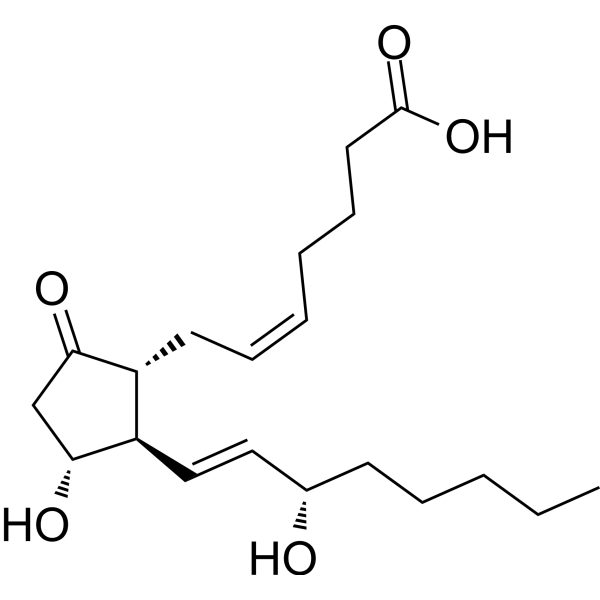
- Formula: C20H32O5
- Molecular Weight: 352.47
Prostaglandin E2 (PGE2) is a hormone-like substance that participate in a wide range of body functions such as the contraction and relaxation of smooth muscle, the dilation and constriction of blood vessels, control of blood pressure, and modulation of inflammation.
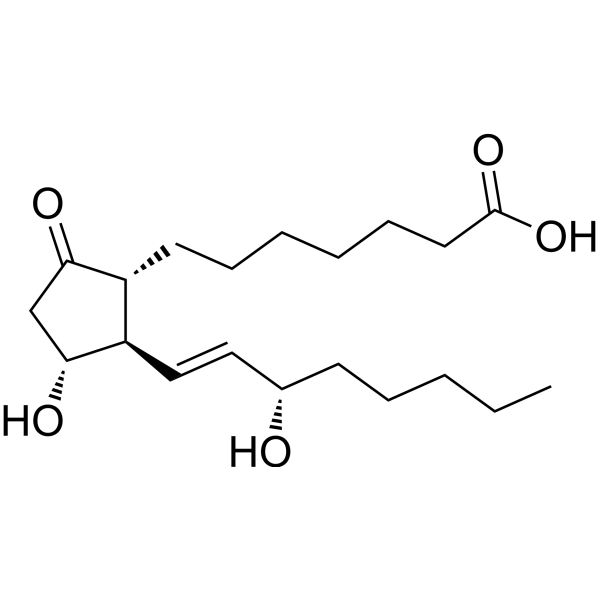
- Formula: C20H34O5
- Molecular Weight: 354.48
Prostaglandin E1 (Alprostadil) is a prostanoid receptor ligand, with Kis of 1.1 nM, 2.1 nM, 10 nM, 33 nM and 36 nM for mouse EP3, EP4, EP2, IP and EP1, respectively. Prostaglandin E1 induces vasodilation and inhibits platelet aggregation. Prostaglandin E1 can be used as a vasodilator for the research of peripheral vascular diseases.
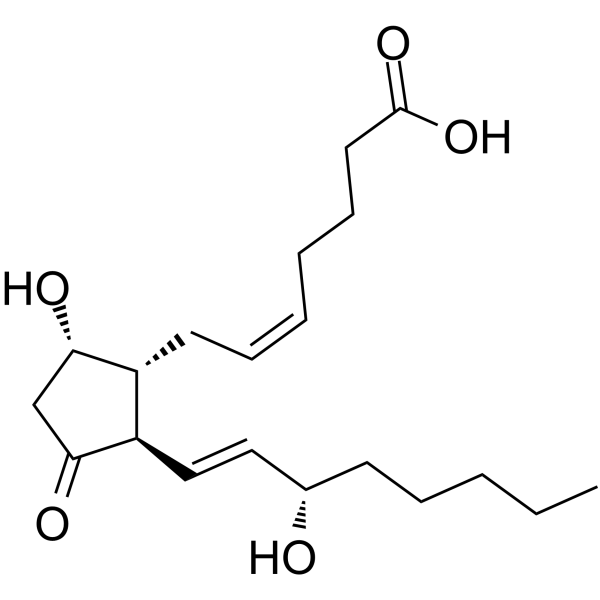
- Formula: C20H32O5
- Molecular Weight: 352.47
Prostaglandin D2 (PGD2) is one of the major PGs actively produced in the brain of various mammals. Prostaglandin D2 is one of the most potent endogenous sleep promoting substances. PGD2 plays a protective role by suppressing inflammation.
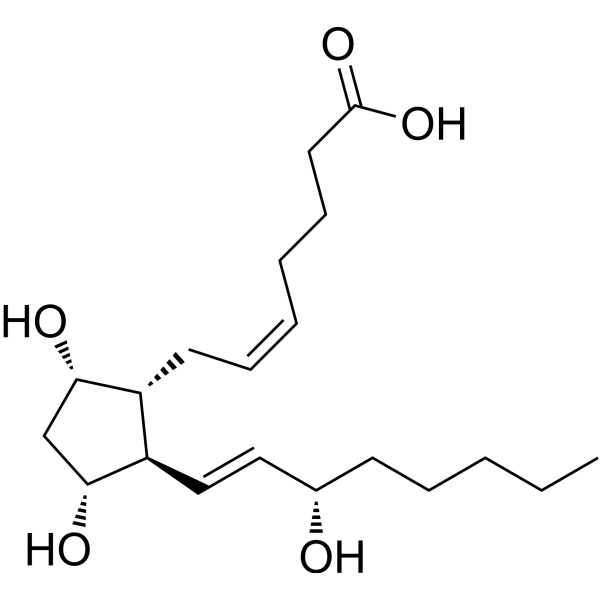
- Formula: C20H34O5
- Molecular Weight: 354.48
Dinoprost (Prostaglandin F2α) is an orally active, potent prostaglandin F (PGF) receptor (FP receptor) agonist. Dinoprost is a luteolytic hormone produced locally in the endometrial luminal epithelium and corpus luteum (CL). Dinoprost plays a key role in the onset and progression of labour.
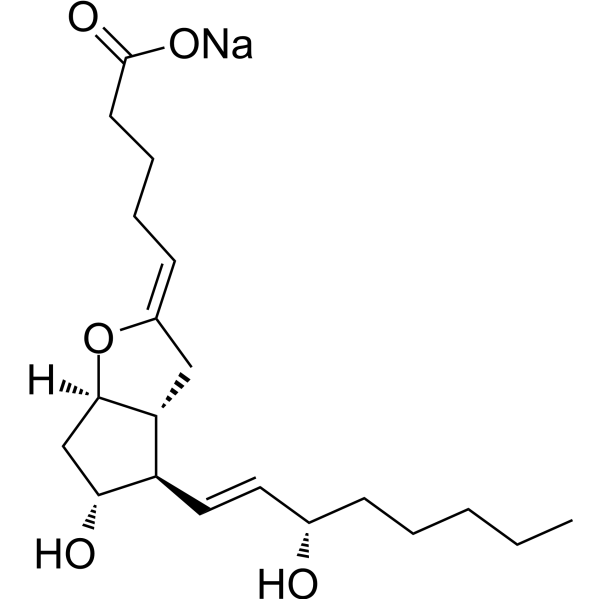
- Formula: C20H31NaO5
- Molecular Weight: 374.45
Epoprostenol sodium (Prostaglandin I2) sodium salt, the synthetic form of the natural prostaglandin derivative prostacyclin (prostaglandin I2), is registered worldwide for the treatment of Pulmonary arterial hypertension (PAH). Epoprostenol sodium is used in pulmonary hypertension and transplantation as a potent inhibitor of platelet aggregation.
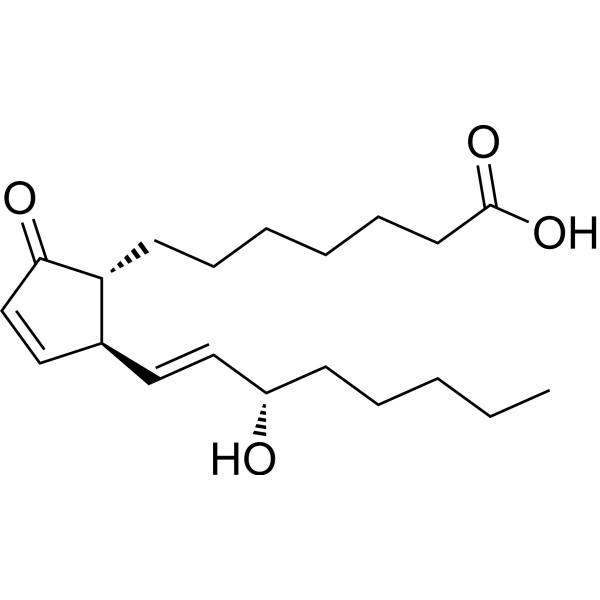
- Formula: C20H32O4
- Molecular Weight: 336.47
Prostaglandin A1 is a dehydrated derivative of Prostaglandin E1. Prostaglandin A1 exhibits antiviral, anti-inflammatory, antitumor, neuroprotective, and antihypertensive activities. Prostaglandin A1 covalently binds to cysteine residues of target proteins through Michael addition, or activates pathways such as PPARγ and HSPs via transcriptional regulation. Prostaglandin A1 is used in research on Mayaro virus infection, stroke, Alzheimer's disease, neuroblastoma, melanoma, and severe gestational hypertension.
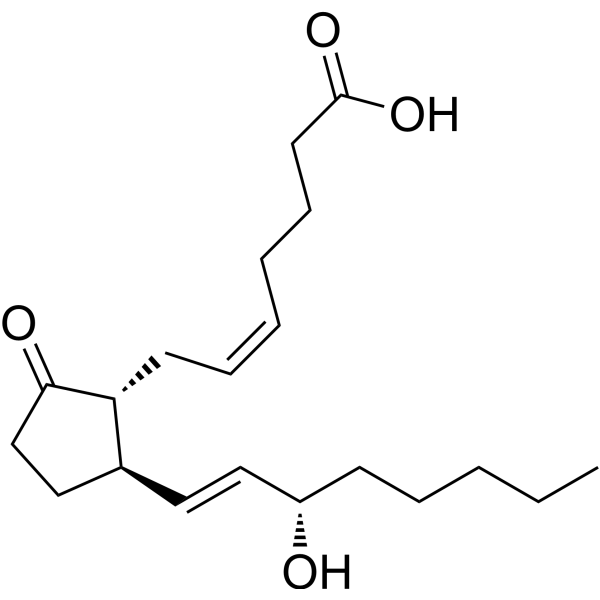
- Formula: C20H32O4
- Molecular Weight: 336.47
11-Deoxy Prostaglandin E2 is a selective agonist of EP4 with an EC50 of 0.66 nM. 11-Deoxy Prostaglandin E2 is an analog of prostaglandin E2. 11-Deoxy Prostaglandin E2 can be used in study bone healing, heart failure, and other receptor associated conditions.

- Formula: C20H30O4
- Molecular Weight: 334.45
15-deoxy-Δ12,14-Prostaglandin D2 (15-Deoxy-Δ12,14-PGD2) is a metabolite of prostaglandin D₂ (PGD₂) (HY-101988), which can undergo further dehydration metabolism to 15-deoxy-Δ12,14-PGJ₂. 15-deoxy-Δ12,14-Prostaglandin D2 is a highly selective agonist for DP2 receptor and PPARγ. 15-deoxy-Δ12,14-Prostaglandin D2 causes morphological changes in eosinophils and migration of type II innate lymphoid cells (ILC2). 15-deoxy-Δ12,14-Prostaglandin D2 has a growth inhibitory effect on prostate cancer cells expressing PPARγ, induces cell cycle arrest and promotes apoptosis. 15-deoxy-Δ12,14-Prostaglandin D2 can be used in related research on asthma and prostate cancer.
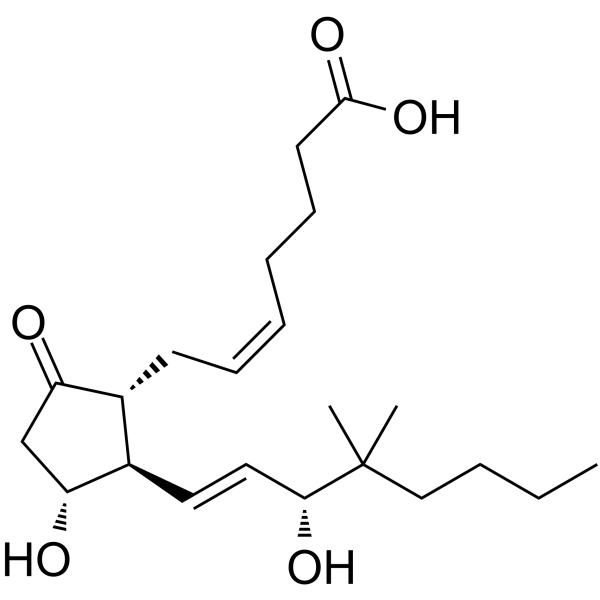
- Formula: C22H36O5
- Molecular Weight: 380.52
16,16-Dimethyl prostaglandin E2 (16,16-dimethyl PGE2) is an orally active vertebrate Hematopoietic stem cells (HSCs) homeostasis critical regulator. 16,16-Dimethyl prostaglandin E2 can act through EP2/EP4 and has an interaction with the Wnt pathway.
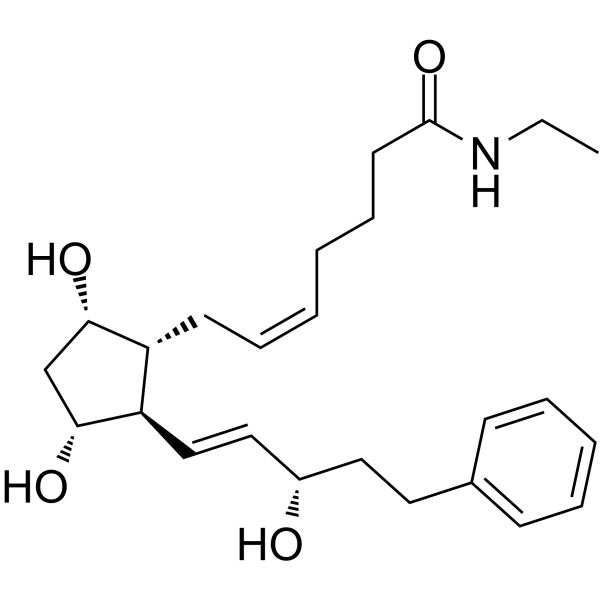
- Formula: C25H37NO4
- Molecular Weight: 415.57
Bimatoprost is a prostaglandin analog that reduces intraocular pressure by regulating scleral and trabecular outflow. Bimatoprost is used in the study of open-angle glaucoma, ocular hypertension, and other forms of glaucoma. Topical application of bimatoprost induces fat atrophy and causes a deepening of the eyelid sulcus.
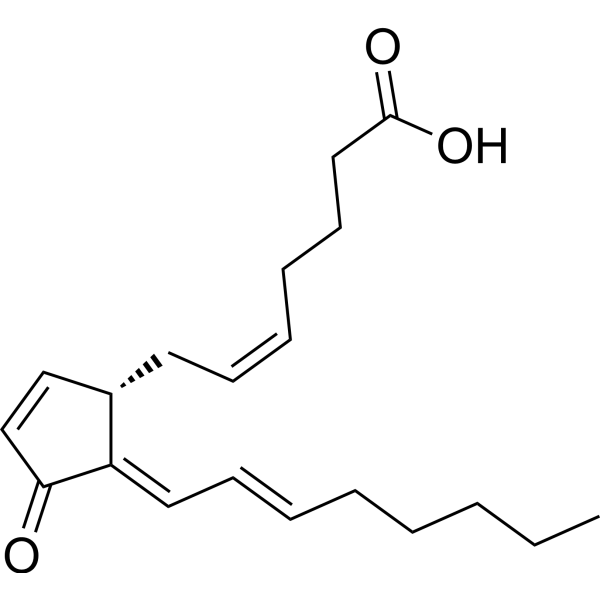
- Formula: C20H28O3
- Molecular Weight: 316.43
15-Deoxy-Δ-12,14-prostaglandin J2 (15d-PGJ2) is a cyclopentenone prostaglandin and a metabolite of PGD2. 15-Deoxy-Δ-12,14-prostaglandin J2 is a selective PPARγ (EC50 of 2 µM) and a covalent PPARδ agonist. 15-Deoxy-Δ-12,14-prostaglandin J2 promotes efficient differentiation of C3H10T1/2 fibroblasts to adipocytes with an EC50 of 7 μM.
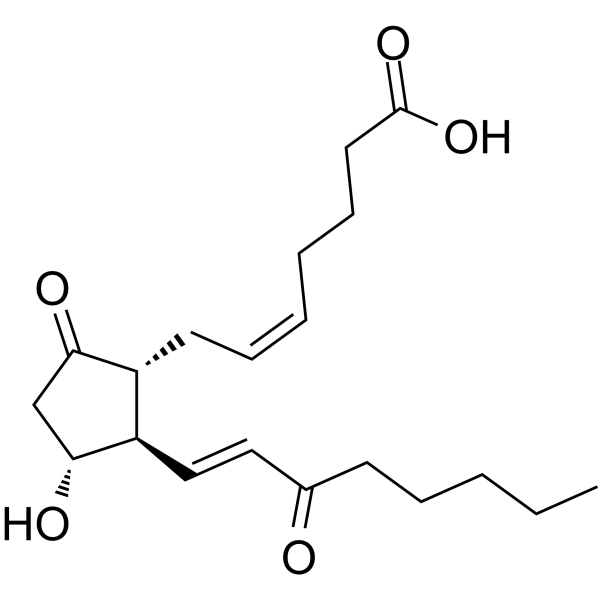
- Formula: C20H30O5
- Molecular Weight: 350.45
15-keto-Prostaglandin E2 (15-keto-PGE2) is an endogenous PGE2 metabolite. 15-keto-Prostaglandin E2 inhibits STAT3 activation by binding to the Cys259 residue of STAT3. 15-keto-Prostaglandin E2 binds to and stabilizes EP2 and EP4 receptors. 15-keto-Prostaglandin E2 inhibits the growth and progression of breast cancer cells. 15-keto-Prostaglandin E2 activates PPAR-γ and promotes fungal growth. 15-keto-Prostaglandin E2 disrupts glomerular vascularization during zebrafish development and reduces the surface area of the glomerular filtration barrier.
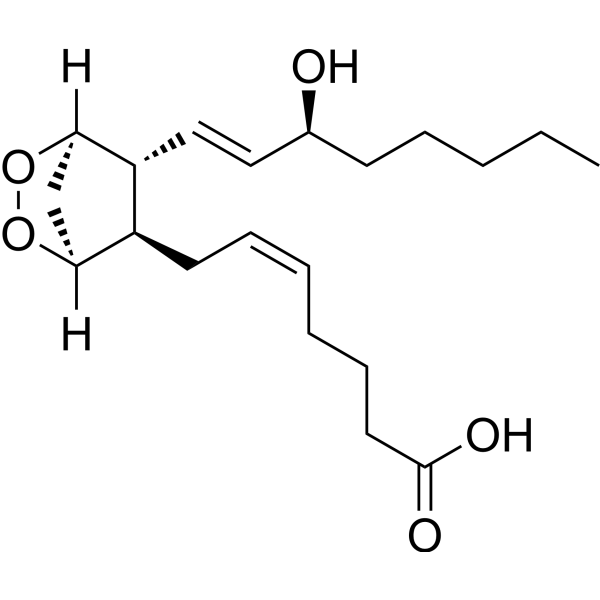
- Formula: C20H32O5
- Molecular Weight: 352.47
Prostaglandin H2 (PGH2) is an endothelium-derived contracting factor. Prostaglandin H2 can cause vasoconstriction. Prostaglandin H2 is the common precursor of all PGs and is produced by several cells that express cyclooxygen-ases. Prostaglandin H2 can activate PGD2 receptors CRTH2 and DP via interacting directly with the receptors and/or by giving rise to PGD2 after catalytic conversion by plasma proteins. Prostaglandin H2 can induce eosinophils migration and inhibit platelet aggregation. Prostaglandin H2 can accelerate the formation of dimers and higher oligomers of amyloid β1-42. Prostaglandin H2 can be used for the researches of inflammation and neurological disease, such as Alzheimer disease.
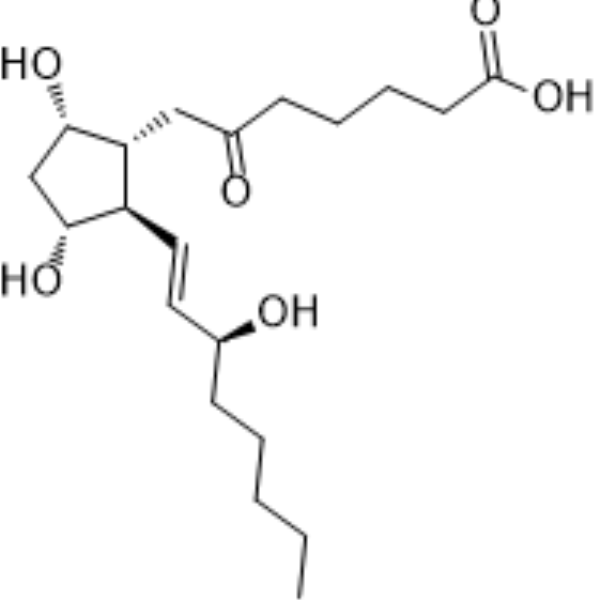
- Formula: C20H34O6
- Molecular Weight: 370.48
6-keto Prostaglandin F1α is an endogenous metabolite present in Cerebrospinal_Fluid, Urine and Blood that can be used for the research of Meningitis, Rheumatoid Arthritis and Cardiopulmonary Resuscitation.
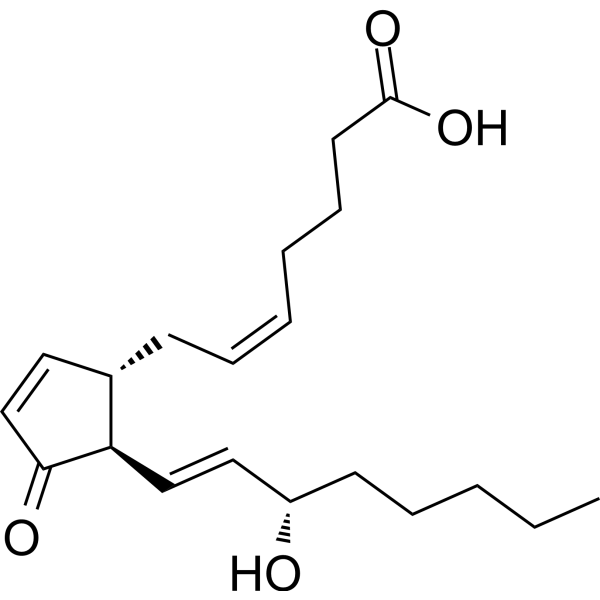
- Formula: C20H30O4
- Molecular Weight: 334.45
Prostaglandin J2 (PGJ2), an endogenous metabolite of Prostaglandin D2 (PGD2; HY-101988), is a potent PGD2 receptor (DP) agonist with Kis of 0.9 nM and 6.6 nM for hDP and hCRTH2, respectively. Prostaglandin J2 stimulates intracellular cyclic AMP production with an EC50 value of 1.2 nM. Prostaglandin J2 induces oxidative stress and neuronal apoptosis. Prostaglandin J2 induces the accumulation/aggregation of ubiquitinated (Ub) proteins. Prostaglandin J2 is highly neurotoxic and potentially contributes to many neurodegenerative conditions, including Alzheimer's (AD) and Parkinson's diseases (PD).
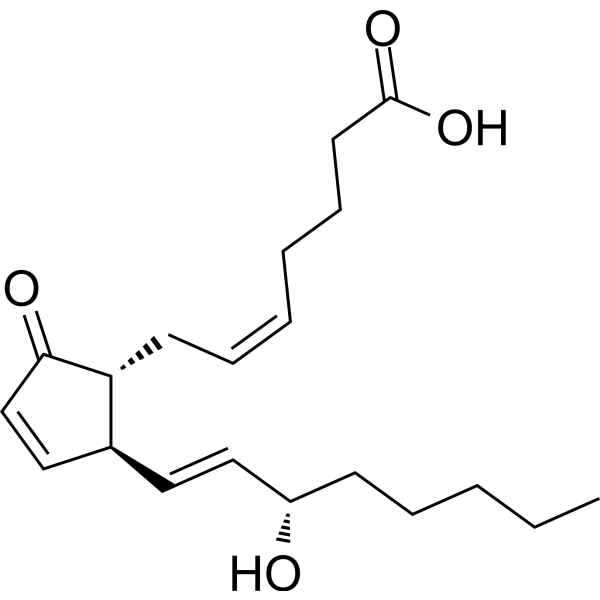
- Formula: C20H30O4
- Molecular Weight: 334.45
Prostaglandin A2 (PGA2) is a Cyclopentenone prostaglandin. Prostaglandin A2 induces Caspase-dependent Apoptosis, activates p53. Prostaglandin A2 activates ERK2 and JNK1/SAPK. Prostaglandin A2 shows antiviral activity against HSV-1. Prostaglandin A2 has anti-tumor effects. Prostaglandin A2 can be used for the research of colorectal cancer, colorectal carcinoma, breast carcinoma, and herpetic keratitis.
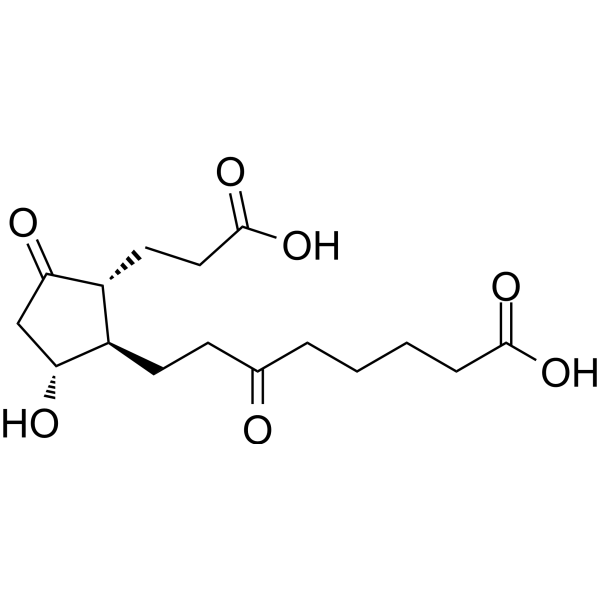
- Formula: C16H24O7
- Molecular Weight: 328.36
PGE-M (tetranor-PGEM) is a metabolite of Prostaglandin E2 (HY-101952) and also an inflammatory biomarker. Urinary PGE-M is a potential biomarker for detecting advanced colorectal tumors. PGE-M can be used in studies related to colorectal cancer, obesity, aging and breast cancer.

- Formula: C20H32O5
- Molecular Weight: 352.47
13,14-Dihydro-15-keto-PGE2 participates in Bifidobacterium animalis F1-7 to alleviate opioid-induced constipation by 5-HT pathway.
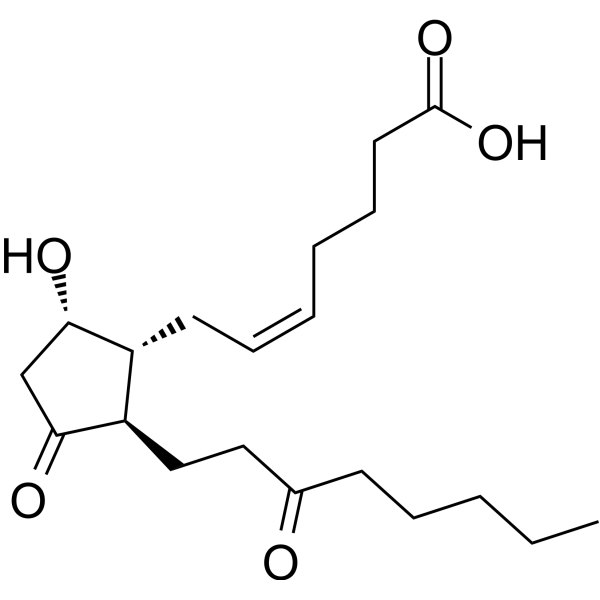
- Formula: C20H32O5
- Molecular Weight: 352.47
13,14-Dihydro-15-keto prostaglandin D2 (DK-PGD2; 15-Oxo-13,14-dihydro-PGD2; 13,14-Dihydro-15-keto-PGD2) is a metabolite of Prostaglandin D2 (HY-101988) and acts as a CRTH2 agonist. 13,14-Dihydro-15-keto-prostaglandin D2 exhibits binding activity to CRTH2, induces cellular calcium signaling flux, and mediates eosinophilia in vivo. 13,14-Dihydro-15-keto-prostaglandin D2 activates the CRTH2 receptor, triggering Gi-dependent intracellular calcium mobilization and promoting the migration and recruitment of leukocytes from bone marrow to peripheral blood in vivo. 13,14-Dihydro-15-keto prostaglandin D2 is used in research on inflammation-related diseases, such as bronchial asthma.
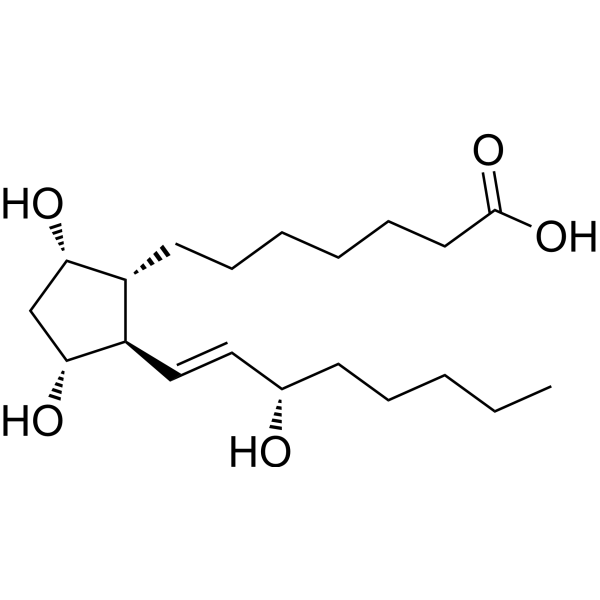
- Formula: C20H36O5
- Molecular Weight: 356.50
Prostaglandin F1a is an endogenous metabolite and a cyclooxygenase product with platelet activity inhibitory effects. Prostaglandin F1a can be used as a marker in coagulation-related studies.



