



Stachydrine
Based on 9 publication(s) in Google Scholar
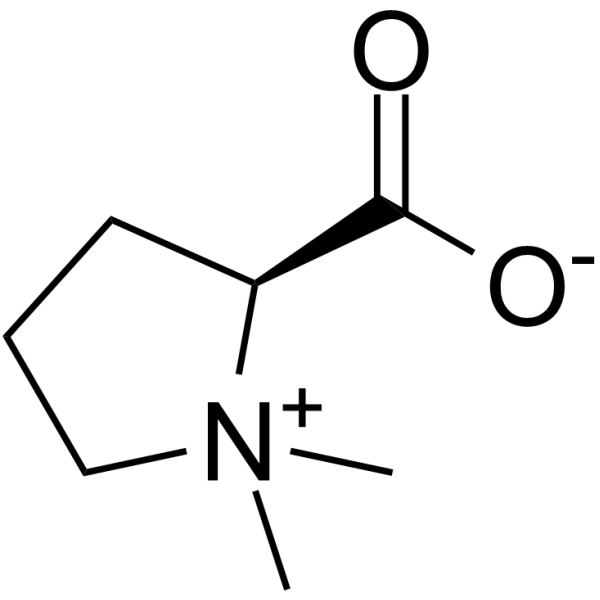
Stachydrine is a major constituent of Chinese herb leonurus heterophyllus sweet used to promote blood circulation and dispel blood stasis. Stachydrine can inhibit the NF-κB signal pathway.
Nur für Forschungszwecke. Wir verkaufen nicht an Patienten.
- Reinheit : 99.95%
- CAS. Nr.: 471-87-4
- Formel: C7H13NO2
- Molecular Weight:143.18
-
Speicherung:Powder -20°C, 3 years , 4°C, 2 years ; In solvent -80°C, 2 years , -20°C, 1 year

To place orders, for customer services and technical support, please contact: MedChemExpress USA
Tel: 609-228-6898 E-mail: [email protected] [email protected]


-
 Biologische Aktivität
-
Chemical Information
-
Lösungsmittel & Löslichkeit
- Protokoll
- Reinheit & Dokumentation
- Verweise
-
 Help & FAQs


-
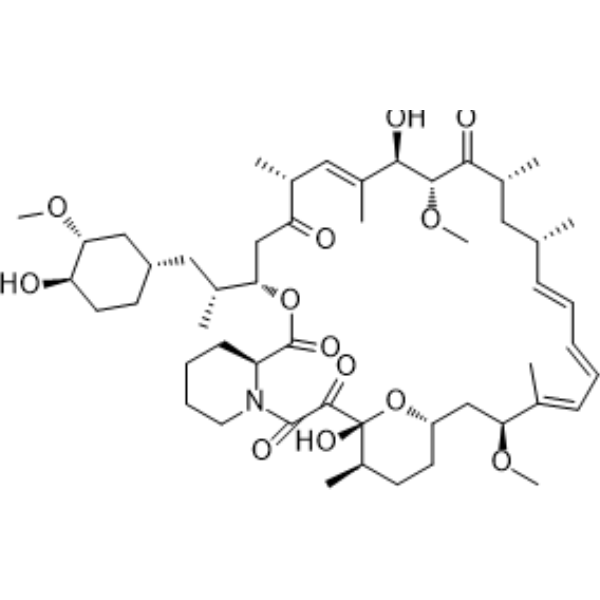
HY-10219
RapamycinmTOR Inhibitor -
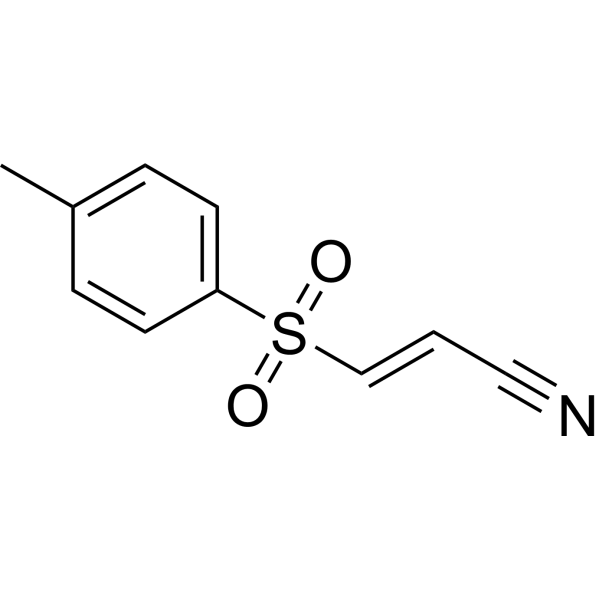
HY-13453
BAY 11-7082IκBα/NF-κB Inhibitor -
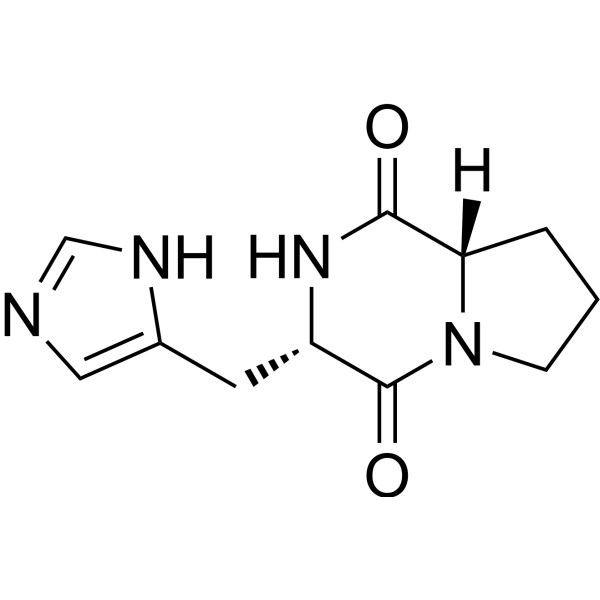
HY-101402
Cyclo(his-pro)NF-κB Nuclear Accumulation Inhibitor -
HY-Y0069
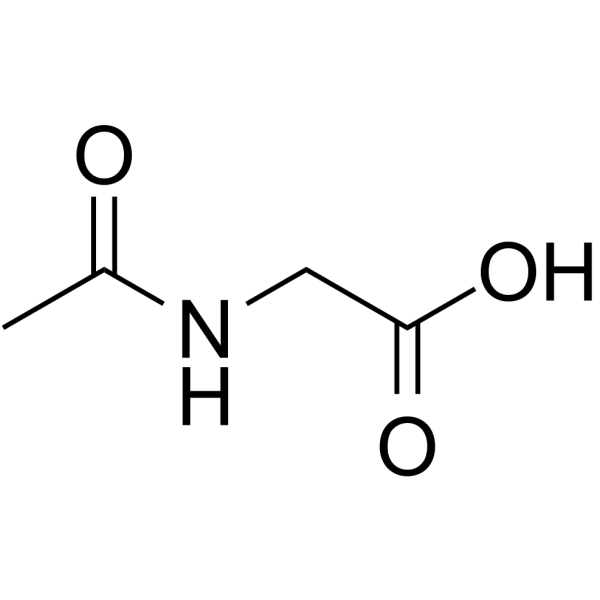
N-AcetylglycineFlavor Enhancer -
HY-13812
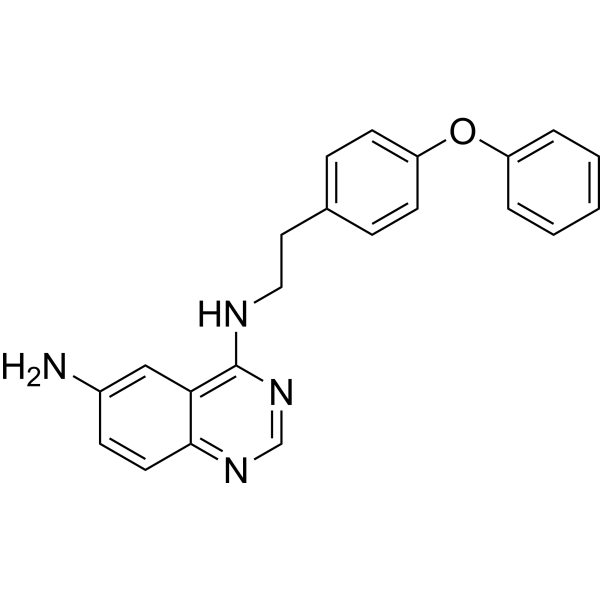
QNZTNF Receptor Inhibitor -
HY-10496
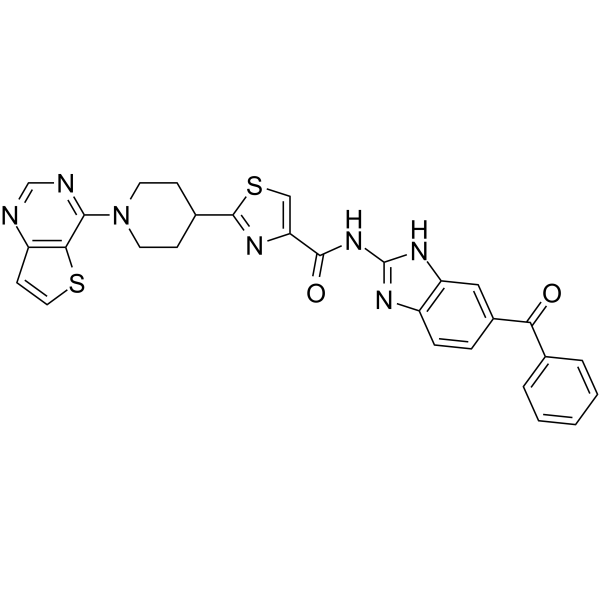
SC75741NF-κB Inhibitor -
HY-N0274
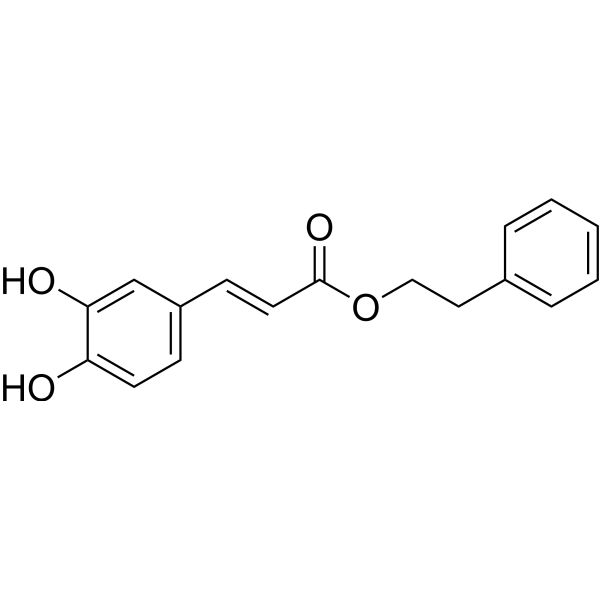
Caffeic acid phenethyl esterApoptosis Inducer -

HY-N0298R
Stachydrine (Standard)Endogenous Metabolite -
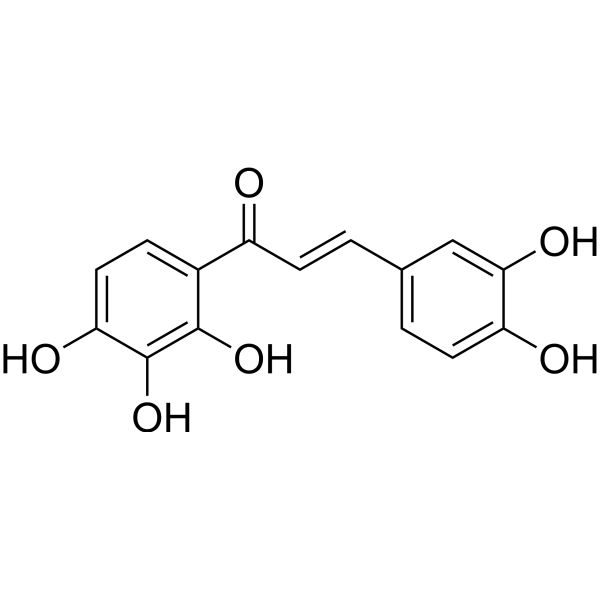
HY-N6673
OkaninToll-like Receptor (TLR) Inhibitor -
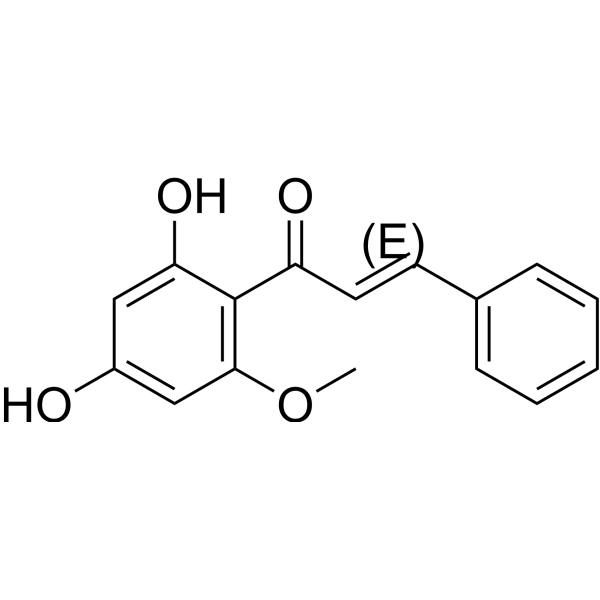
HY-N1378
(E)-CardamoninhTRPA1 Antagonist -
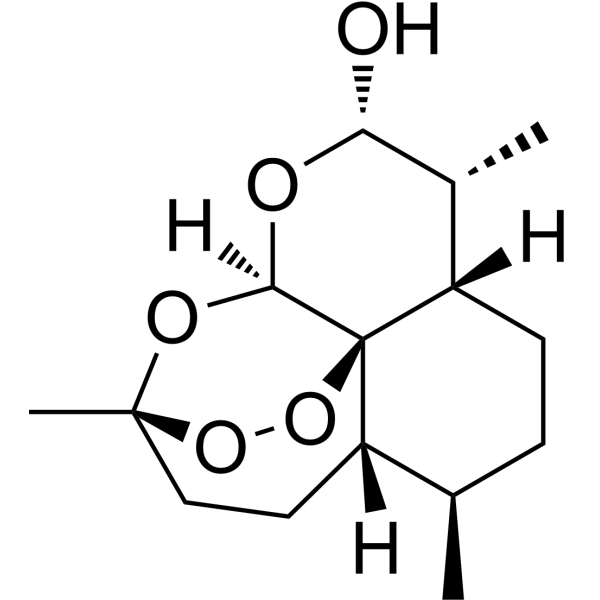
HY-N0176
DihydroartemisininAntimalarial Agent -

HY-N0274R
Caffeic acid phenethyl ester (Standard)Apoptosis Inducer
Publications Citing Use of MedChemExpress (MCE) Stachydrine
More- Phytomedicine. 2025 Sep:145:156951. [Abstract]
- J Agric Food Chem. 2019 Sep 4;67(35):9805-9811. [Abstract]
- Food Funct. 2020 Dec 1;11(12):10864-10875. [Abstract]
- Mol Plant Microbe Interact. 2025 Aug 10. [Abstract]
- Toxicol Appl Pharmacol. 2025 May:498:117301. [Abstract]
- J Food Meas Charact. 2024 Jul 12.
- Exp Eye Res. 2025 Nov:260:110568. [Abstract]
- Rev Bras Farmacogn. 2025 Sep 4.
- J Cardiothorac Surg. 2023 Sep 26;18(1):265. [Abstract]
 Customer Validation & Images

-
Cell Proliferation/Viability Assay
-
Cell Imaging/Staining
-
WB
Alle Endogenous Metabolite Isoform-spezifische Produkte anzeigen
More

Biologische Aktivität
Beschreibung
IC50 & Target
[1]|
p65 |
In Vitro
Stachydrine can inhibit the NF-κB signal pathway, and this may be related to the mechanism of anti-hypertrophic. Intervention of stachydrine significantly suppresses the level of p-IκB protein in the cytosol and NF-κB protein in the nucleus [1]. Tissue factor mRNA is decreased in stachydrine-treated human umbilical vein endothelial cells. Stachydrine attenuates the decline of human umbilical vein endothelial cells viability and the increase of LDH activity induced by anoxia-reoxygenation[2]. A dose dependent decrease in expression of mRNA, and protein levels are observed in stachydrine-treated human prostate cancer cells (PC-3 and LNcaP)[3].
MedChemExpress (MCE) has not independently confirmed the accuracy of these methods. They are for reference only. Further protocols information, click here.
In Vivo
MedChemExpress (MCE) has not independently confirmed the accuracy of these methods. They are for reference only.


Chemical Information
-
CAS. Nr. 471-87-4
-
Appearance Solid
-
Molecular Weight 143.18
-
Formel C7H13NO2
-
Color White to off-white
-
SMILES
C[N+]1(C)[C@H](C([O-])=O)CCC1
-
Structure Classification
-
Versand
Room temperature in continental US; may vary elsewhere.
-
Speicherung
Powder -20°C 3 years 4°C 2 years In solvent -80°C 2 years -20°C 1 year


Publications (9)
-
Journal Impact Factor
-
Most Recent
-
Phytomedicine
Motherwort synergized with oxytocin for postpartum hemorrhage prevention: Integrated clinical efficacy and mechanism exploration. [Abstract]2025 Sep:145:156951. PMID: 40527062 -
J Agric Food Chem
Stachydrine Mediates Rapid Vascular Relaxation: Activation of Endothelial Nitric Oxide Synthase Involving AMP-Activated Protein Kinase and Akt Phosphorylation in Vascular Endothelial Cells. [Abstract]2019 Sep 4;67(35):9805-9811. PMID: 31407895 -
Food Funct
Stachydrine ameliorates the progression of intervertebral disc degeneration via the PI3K/Akt/NF-κB signaling pathway: in vitro and in vivo studies. [Abstract]2020 Dec 1;11(12):10864-10875. PMID: 33245081 -
Mol Plant Microbe Interact
Stachydrine Catabolism Contributes to an Optimal Root Nodule Symbiosis Between Sinorhizobium meliloti and Medicago sativa. [Abstract]2025 Aug 10. PMID: 40783937 -
Toxicol Appl Pharmacol
2025 May:498:117301. PMID: 40089188 -
-
Exp Eye Res
Stachydrine mitigates high glucose-induced apoptosis in human lens epithelial cells by activating mitophagy. [Abstract]2025 Nov:260:110568. PMID: 40816531 -
-
J Cardiothorac Surg
Stachydrine ameliorates hypoxia reoxygenation injury of cardiomyocyte via enhancing SIRT1-Nrf2 pathway. [Abstract]2023 Sep 26;18(1):265. PMID: 37752609
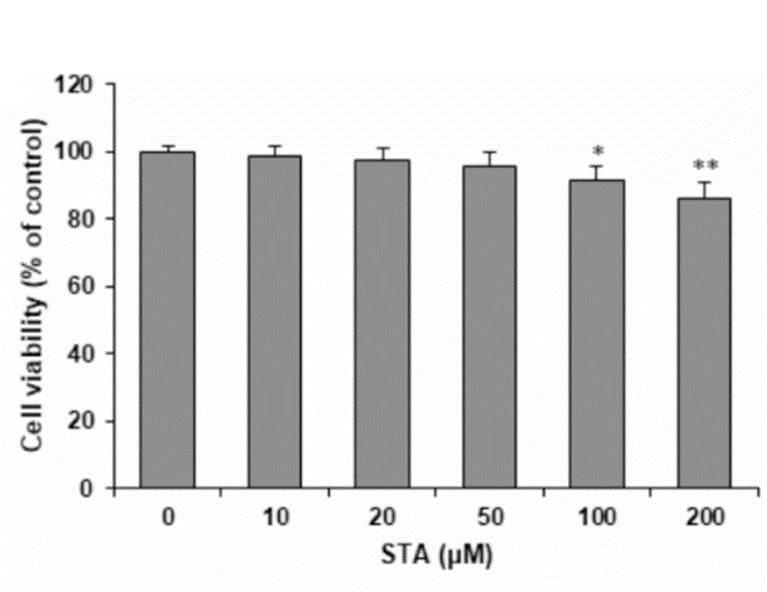
Stachydrine purchased from MedChemExpress. Usage Cited in: J Cardiothorac Surg. 2023 Sep 26;18(1):265. [Abstract]
H9c2 cells were incubated with Stachydrine (STA) (0, 10, 20, 50, 100, 200 µM) for 24 h. Cell viability was evaluated by CCK-8 assay.
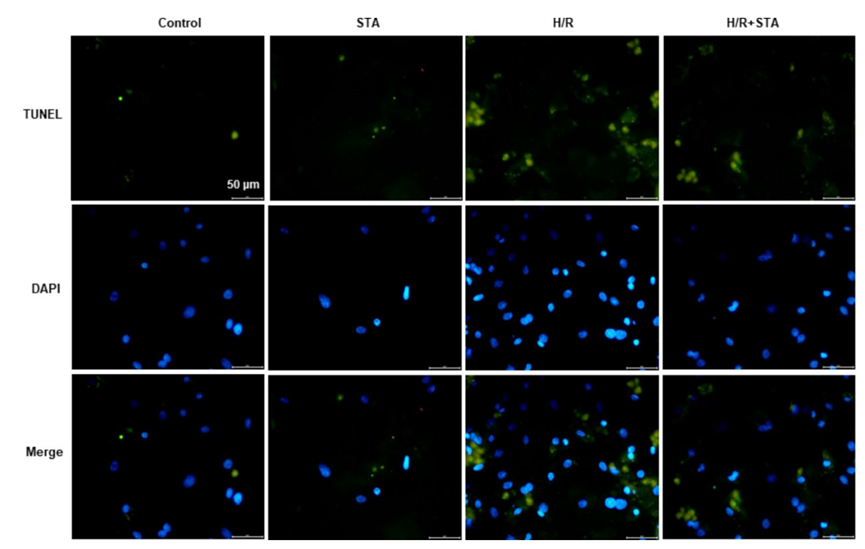
Stachydrine purchased from MedChemExpress. Usage Cited in: J Cardiothorac Surg. 2023 Sep 26;18(1):265. [Abstract]
STA inhibits apoptosis in cardiomyocytes with H/R. H9c2 cells were pretreated with 50 µM Stachydrine (STA) for 2 h and then subjected to 16 h H/R stained with TUNEL.
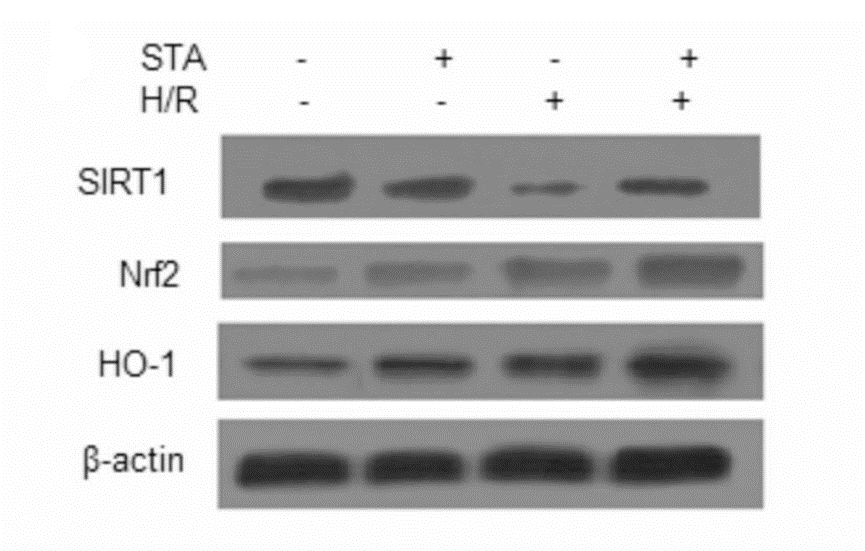
Stachydrine purchased from MedChemExpress. Usage Cited in: J Cardiothorac Surg. 2023 Sep 26;18(1):265. [Abstract]
H9c2 cells were pretreated with 50 µM Stachydrine (STA) for 2 h and then subjected to H/R for 16 h. Antioxidative protein levels were determined by western blot


Lösungsmittel & Löslichkeit
In Vitro:
H2O : 100 mg/mL (698.42 mM; Need ultrasonic)
DMSO : 100 mg/mL (698.42 mM; Need ultrasonic; Hygroscopic DMSO has a significant impact on the solubility of product, please use newly opened DMSO)
Please refer to the solubility information to select the appropriate solvent. Once prepared, please aliquot and store the solution to prevent product inactivation from repeated freeze-thaw cycles.
Storage method and period of stock solution: -80°C, 2 years; -20°C, 1 year. When stored at -80°C, please use it within 2 years. When stored at -20°C, please use it within 1 year.
* Note: If you choose water as the stock solution, please dilute it to the working solution, then filter and sterilize it with a 0.22 μm filter before use.
Please refer to the solubility information to select the appropriate solvent. Once prepared, please aliquot and store the solution to prevent product inactivation from repeated freeze-thaw cycles.
Storage method and period of stock solution: -80°C, 2 years; -20°C, 1 year. When stored at -80°C, please use it within 2 years. When stored at -20°C, please use it within 1 year.
* Note: If you choose water as the stock solution, please dilute it to the working solution, then filter and sterilize it with a 0.22 μm filter before use.
Konzentration (Stammlösung) × Volumen (Stammlösung) = Konzentration (Ziellösung) × Volumen (Ziellösung)
In Vivo:
Select the appropriate dissolution method based on your experimental animal and administration route.
- For the following dissolution methods, please ensure to first prepare a clear stock solution using an In Vitro approach and then sequentially add co-solvents:
- To ensure reliable experimental results, the clarified stock solution can be appropriately stored based on storage conditions. As for the working solution for In Vivo experiments, it is recommended to prepare freshly and use it on the same day.
- The percentages shown for the solvents indicate their volumetric ratio in the final prepared solution. If precipitation or phase separation occurs during preparation, heat and/or sonication can be used to aid dissolution.
Add each solvent one by one: 10% DMSO 40% PEG300 5% Tween-80 45% Saline
Solubility: ≥ 2.5 mg/mL (17.46 mM); Clear solution
This protocol yields a clear solution of ≥ 2.5 mg/mL (saturation unknown).
Taking 1 mL working solution as an example, add 100 μL DMSO stock solution (25.0 mg/mL) to 400 μL PEG300, and mix evenly; then add 50 μL Tween-80 and mix evenly; then add 450 μL Saline to adjust the volume to 1 mL.
Preparation of Saline: Dissolve 0.9 g sodium chloride in ddH₂O and dilute to 100 mL to obtain a clear Saline solution.
Add each solvent one by one: 10% DMSO 90% (20% SBE-β-CD in Saline)
Solubility: ≥ 2.5 mg/mL (17.46 mM); Clear solution
This protocol yields a clear solution of ≥ 2.5 mg/mL (saturation unknown).
Taking 1 mL working solution as an example, add 100 μL DMSO stock solution (25.0 mg/mL) to 900 μL 20% SBE-β-CD in Saline, and mix evenly.
Preparation of 20% SBE-β-CD in Saline (4°C, storage for one week): 2 g SBE-β-CD powder is dissolved in 10 mL Saline, completely dissolve until clear.
For the following dissolution methods, please prepare the working solution directly:
It is recommended to prepare fresh solutions and use them promptly within a short period of time.
The percentages shown for the solvents indicate their volumetric ratio in the final prepared solution. If precipitation or phase separation occurs during preparation, heat and/or sonication can be used to aid dissolution.
Add each solvent one by one: PBS
Solubility: 110 mg/mL (768.26 mM); Clear solution; Need ultrasonic
In Vivo Dissolution Calculator
Please enter the basic information of animal experiments:
-
-
-
-
Recommended: Prepare an additional quantity of animals to account for potential losses during experiments.
Working solution concentration: 0.22 mg/mL
This product has good water solubility, please refer to the measured solubility data in water/PBS/Saline for details.

Protokoll
-
Research Protocol for Inflammation-related Diseases
The NLRP3 inflammasome is a cytosolic innate immune signaling platform that integrates priming signals and danger-signal activation to promote caspase-1 activation, maturation of IL-1β and IL-18, and gasdermin D-mediated pyroptotic cell death. The core experimental logic is to determine whether inflammatory disease phenotypes are driven by increased NLRP3 expression, ASC-containing inflammasome assembly, caspase-1 cleavage, GSDMD cleavage, and extracellular release of IL-1β/IL-18 rather than by nonspecific cell injury alone. The pathway is strongly linked to inflammation-related disease phenotypes because monosodium urate crystals activate NALP3/NLRP3 inflammasome signaling in gout-like crystal inflammation, cholesterol crystals activate NLRP3 inflammasomes in atherogenesis models, and DSS-induced intestinal inflammation has been reported to involve NLRP3 inflammasome activity. However, experimental colitis studies also show context-dependent protective effects of NLRP3 inflammasome co


Reinheit & Dokumentation
-
Data Sheet (283 KB)
-
SDS (254 KB)
- English - EN (254 KB)
- Français - FR (254 KB)
- Deutsch - DE (254 KB)
- Norwegian - NO (254 KB)
- Español - ES (254 KB)
- Swedish - SV (254 KB)
- Italian - IT (254 KB)
- Korean - KR (254 KB)
- Portuguese - PT (254 KB)
-
Handling Instructions (2659 KB)
Verweise
[1]. Guo W, et al. Effect of Leonurus stachydrine on myocardial cell hypertrophy. Zhong Yao Cai. 2012 Jun;35(6):940-3. [Content Brief]
[2]. Yin J, et al. Stachydrine, a major constituent of the Chinese herb leonurus heterophyllus sweet, ameliorates human umbilical vein endothelial cells injury induced by anoxia-reoxygenation. Am J Chin Med. 2010;38(1):157-71. [Content Brief]
[3]. Rathee P, et al. In vitro anticancer activity of stachydrine isolated from Capparis decidua on prostate cancer cell lines. Nat Prod Res. 2012;26(18):1737-40. [Content Brief]
[4]. Zhang C, et al. Effects of stachydrine on norepinephrine-induced neonatal rat cardiac myocytes hypertrophy and intracellular calcium transients. BMC Complement Altern Med. 2014 Dec 8;14:474. [Content Brief]
[5]. Zhang C, et al. Effect of stachydrine on endoplasmic reticulum stress-induced apoptosis in rat kidney after unilateral ureteral obstruction. J Asian Nat Prod Res. 2013;15(4):373-81. [Content Brief]


Complete Stock Solution Preparation Table
Please refer to the solubility information to select the appropriate solvent. Once prepared, please aliquot and store the solution to prevent product inactivation from repeated freeze-thaw cycles.
Storage method and period of stock solution: -80°C, 2 years; -20°C, 1 year. When stored at -80°C, please use it within 2 years. When stored at -20°C, please use it within 1 year.
| Optional Solvent | Concentration Solvent Mass | 1 mg | 5 mg | 10 mg | 25 mg |
|---|---|---|---|---|---|
| H2O / DMSO | 1 mM | 6.9842 mL | 34.9211 mL | 69.8422 mL | 174.6054 mL |
| 5 mM | 1.3968 mL | 6.9842 mL | 13.9684 mL | 34.9211 mL | |
| 10 mM | 0.6984 mL | 3.4921 mL | 6.9842 mL | 17.4605 mL | |
| 15 mM | 0.4656 mL | 2.3281 mL | 4.6561 mL | 11.6404 mL | |
| 20 mM | 0.3492 mL | 1.7461 mL | 3.4921 mL | 8.7303 mL | |
| 25 mM | 0.2794 mL | 1.3968 mL | 2.7937 mL | 6.9842 mL | |
| 30 mM | 0.2328 mL | 1.1640 mL | 2.3281 mL | 5.8202 mL | |
| 40 mM | 0.1746 mL | 0.8730 mL | 1.7461 mL | 4.3651 mL | |
| 50 mM | 0.1397 mL | 0.6984 mL | 1.3968 mL | 3.4921 mL | |
| 60 mM | 0.1164 mL | 0.5820 mL | 1.1640 mL | 2.9101 mL | |
| 80 mM | 0.0873 mL | 0.4365 mL | 0.8730 mL | 2.1826 mL | |
| 100 mM | 0.0698 mL | 0.3492 mL | 0.6984 mL | 1.7461 mL |
* Note: If you choose water as the stock solution, please dilute it to the working solution, then filter and sterilize it with a 0.22 μm filter before use.


Stachydrine Related Classifications
HY-N0298 Related Classifications
 Powered by Bioz