



PAK1
PAK1 is a p21-activated serine/threonine kinase that links Rac/Cdc42 signaling to cell motility, survival, proliferation, cytoskeletal organization, transcription, and translation[1]. Mechanistically, PAK family kinases act as downstream effectors of Rho GTPases, with vertebrate PAKs supporting cytoskeletal remodeling, focal adhesion assembly, cell migration, and synaptic plasticity[2]. In cancer models, PAK1 functions as a signaling node downstream of HGF/MET in pancreatic adenocarcinoma, where PAK1 inhibition blocks cytoskeletal effector signaling, tumor cell motility, tumor growth, and metastasis[3]. In colorectal cancer, Group I Pak inhibition impedes adenoma-to-carcinoma transition by reducing β-catenin activity and suppressing an epithelial-mesenchymal transition program[4]. In neurological disease models, PAK1 knockdown reduces ATXN1 levels in mammalian cells, and pharmacological PAK inhibition decreases ATXN1 levels in an SCA1 mouse model[5]. Compared with related isoforms, PAK1 belongs to Group I PAKs, and inhibitor development must address whether to target one isoform or multiple PAK isoforms[1][5]. For experimental applications, ATP-competitive inhibitors, allosteric inhibitors, and peptide inhibitors provide laboratory tools for studying PAK1 biology and disease contexts[6].
References:
- [1]. Kichina JV, et al. PAK1 as a therapeutic target. Expert Opin Ther Targets. 2010 Jul;14(7):703-25. [Content Brief]
- [2]. Field J, et al. The PAKs come of age: Celebrating 18 years of discovery. Cell Logist. 2012 Apr 1;2(2):54-58. [Content Brief]
- [3]. Zhou W, et al. PAK1 mediates pancreatic cancer cell migration and resistance to MET inhibition. J Pathol. 2014 Dec;234(4):502-13. [Content Brief]
- [4]. Chow HY, et al. Group I Paks are essential for epithelial- mesenchymal transition in an Apc-driven model of colorectal cancer. Nat Commun. 2018 Aug 27;9(1):3473. [Content Brief]
- [5]. Bondar VV, et al. PAK1 regulates ATXN1 levels providing an opportunity to modify its toxicity in spinocerebellar ataxia type 1. Hum Mol Genet. 2018 Aug 15;27(16):2863-2873. [Content Brief]
- [6]. Semenova G, et al. Targeting PAK1. Biochem Soc Trans. 2017 Feb 8;45(1):79-88. [Content Brief]
-
PAK1 Related Products (30)
Related Products (30)

-
Recombinant Proteins (1)
- 1
- 2
-
5-Aminosalicylic Acid
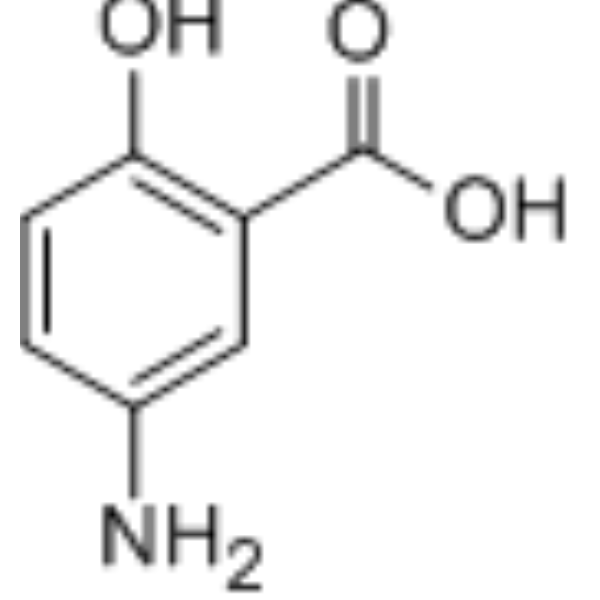 0 Images5-Aminosalicylic acid (Mesalamine) acts as a specific PPARγ agonist and also inhibits p21-activated kinase 1 (PAK1) and NF-κB. 5-Aminosalicylic acid can inhibit the activity of osteopontin (OPN).
-
PF-3758309
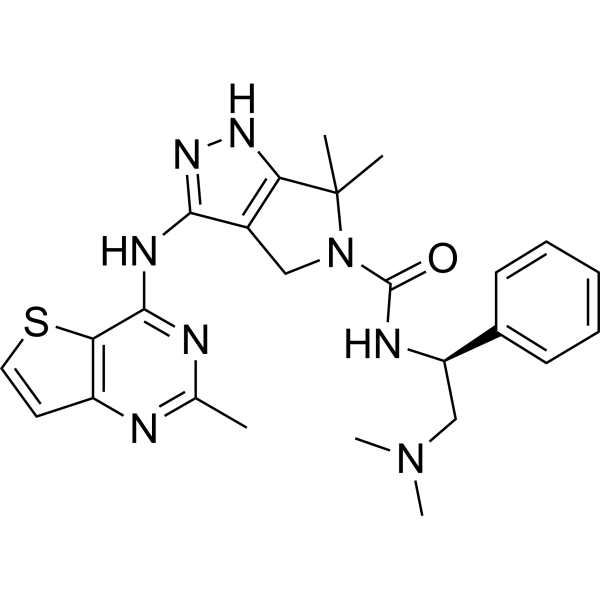 0 ImagesSynonyms: PF-03758309PF-3758309 (PF-03758309) is a potent, orally available, and reversible ATP-competitive inhibitor of PAK4 (Kd= 2.7 nM; Ki=18.7 nM). PF-3758309 has the expected cellular functions of a PAK4 inhibitor: inhibition of anchorage-independent growth, induction of apoptosis, cytoskeletal remodeling, and inhibition of proliferation.
-
BJG-05-039
 0 ImagesBJG-05-039 is an inhibitor targeting PAK1, with an IC50 of 233 nM against human PAK1. BJG-05-039 induces the selective degradation of PAK1 and inhibits its kinase activity by conjugating NVS-PAK1-1 (HY-100519) with Lenalidomide (HY-A0003) to recruit Cereblon. BJG-05-039 can be used in research related to breast cancer and ovarian cancer.
-
AKT1-IN-13
 0 ImagesCat. No.: HY-184145AKT1-IN-13 is an orally active AKT1 inhibitor with an IC50 of 5.17 μM. AKT1-IN-13 also exhibits high inhibitory activity against PAK1, PKA, MAP2K1 (MEK1 / MAPKK1) and MAPK1 (ERK2). AKT1-IN-13 induces cell apoptosis, activates the pro-apoptotic protein BAX, inhibits the anti-apoptotic protein Bcl-2, and activates caspase 3 simultaneously. As a cytotoxic agent, AKT1-IN-13 exerts a killing effect on orthotopically transplanted liver cancer in an AKT1-dependent manner. AKT1-IN-13 can be used in studies related to hepatocellular carcinoma.
-
YDH-704
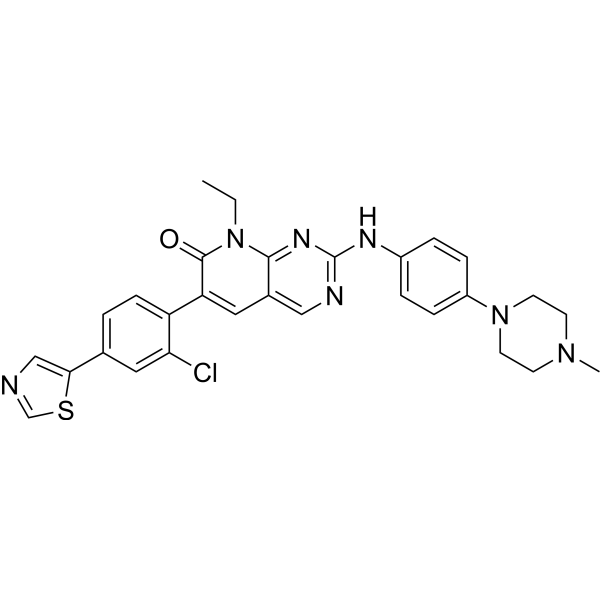
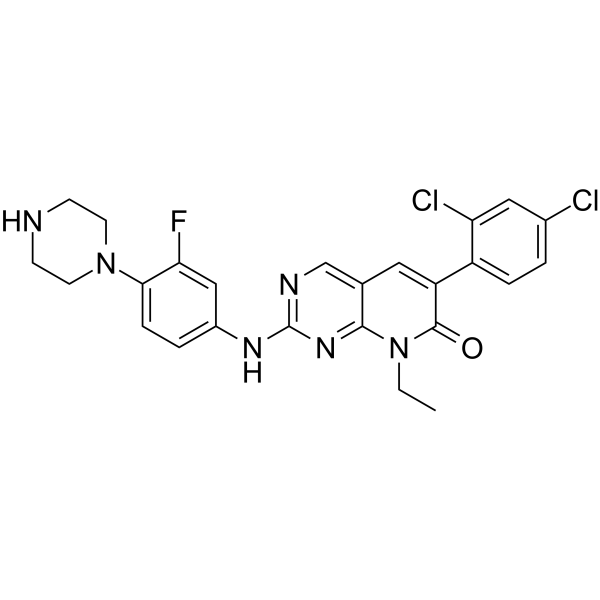
 0 ImagesCat. No.: HY-187370YDH-704 is a PAK1/HDAC10 inhibitor, with IC50 values of 0.05 μM and 0.02 μM against human targets, respectively. YDH-704 blocks PAK1-mediated oncogenic signaling pathways, inhibits the proliferation and migration of tumor cells, suppresses the epigenetic regulatory function of HDAC10, downregulates PD-L1 expression, and regulates polyamine metabolism. YDH-704 reduces MDSC/Treg infiltration, enhances the infiltration and activation of CD8+ T cells, and inhibits tumor growth and lung metastasis. YDH-704 can be used for research on triple-negative breast cancer.
-
G-5555
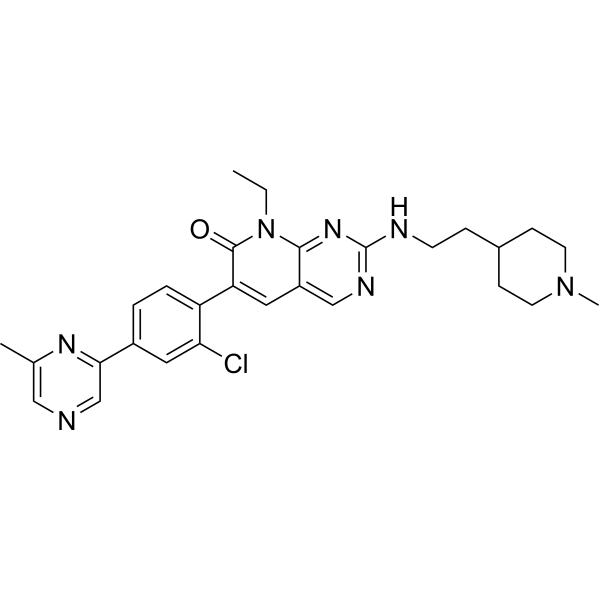
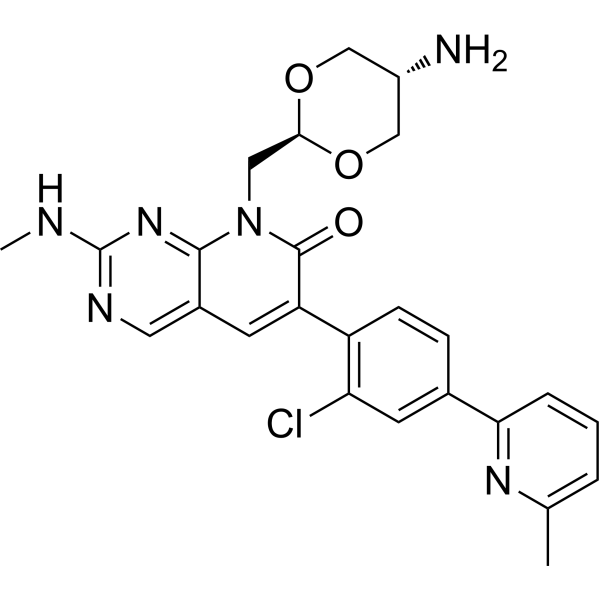 0 ImagesG-5555 is a potent p21-activated kinase 1 (PAK1) inhibitor with Kis of 3.7 nM and 11 nM for PAK1 and PAK2, respectively.
-
G-5555 hydrochloride
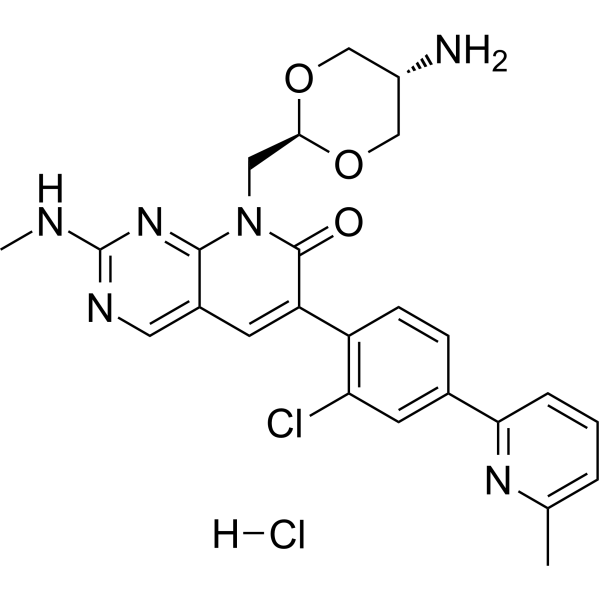 0 ImagesG-5555 hydrochloride is a potent and selective p21-activated kinase 1 (PAK1) inhibitor with a Ki of 3.7 nM.
-
AZ13705339 hemihydrate
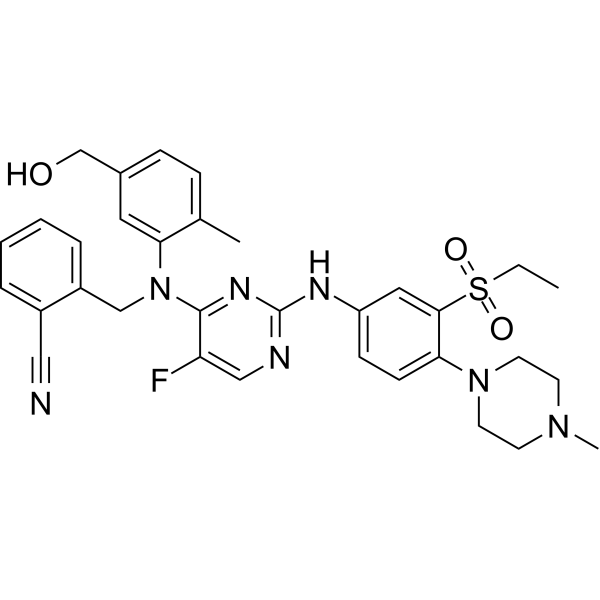
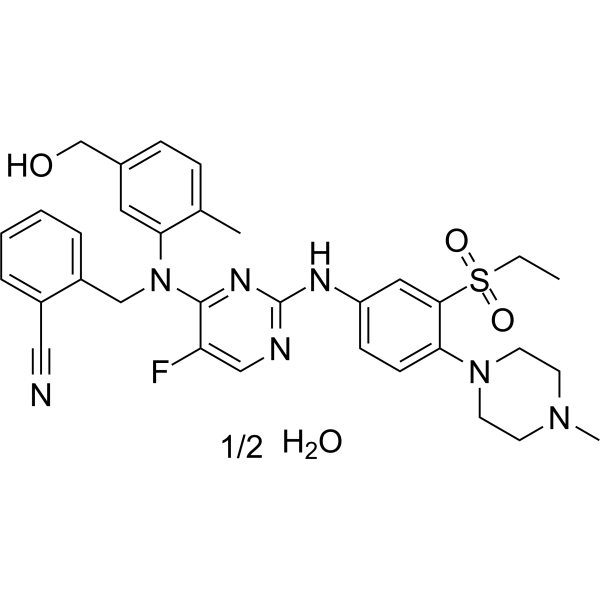 0 ImagesCat. No.: HY-120940APurity: 99.77%AZ13705339 hemihydrate is a highly potent and selective PAK1 inhibitor with IC50s of 0.33 nM and 59 nM for PAK1 and pPAK1, respectively. AZ13705339 hemihydrate has binding affinities to PAK1 and PAK2, with Kds of 0.28 nM and 0.32 nM, respectively. AZ13705339 hemihydrate can be used in the research of cancers.
-
SIK2/3-IN-2
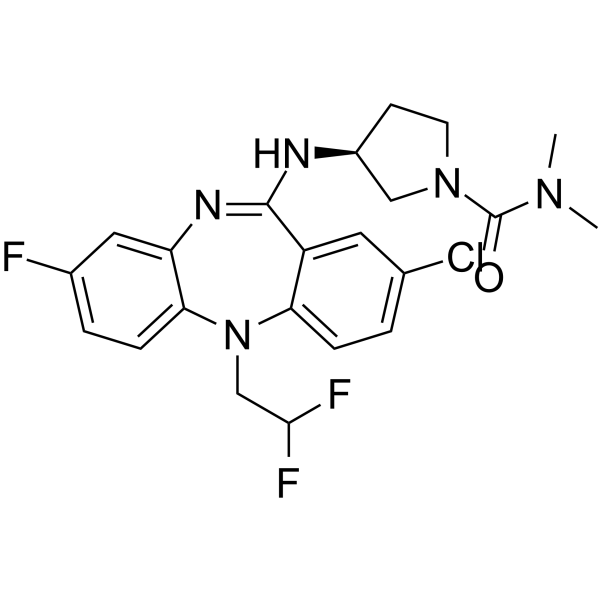
 0 ImagesCat. No.: HY-164534CAS No.: 1648864-21-4SIK2/3-IN-2 (compound 12, compound I-200) is a potent SIK2/3 inhibitor (SIK2 IC50 = 65 nM, SIK3 IC50 = 14 nM). SIK2/3-IN-2 is also a p21-activated protein kinase (PAK) 1 inhibitor with a Ki of 20.7 nM. SIK2/3-IN-2 can be used for hyperproliferative diseases and cancer research, such as Paclitaxel (HY-B0015)-resistant ovarian cancer.
-
PAK1-IN-1
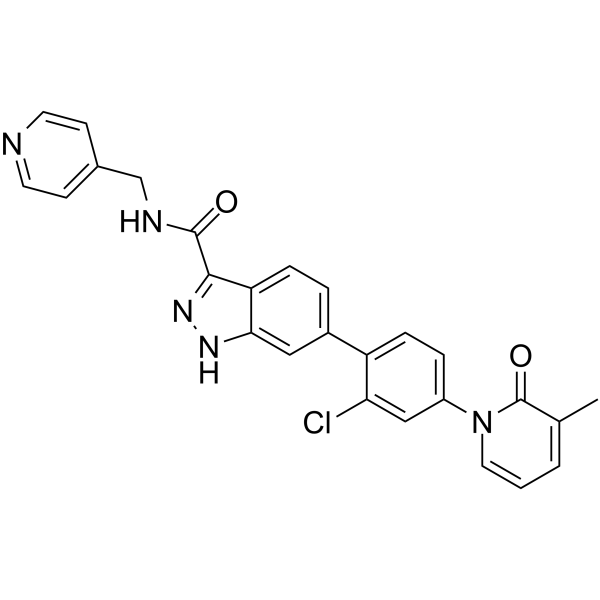 0 ImagesCat. No.: HY-146681CAS No.: 2485732-30-5PAK1-IN-1 is a potent and selective PAK1 inhibitor with an IC50 of 9.8 nM. PAK1-IN-1 inhibits the migration and invasion of PAK1-related tumour cells in a dose-dependent manner.
-
PF-3758309 hydrochloride
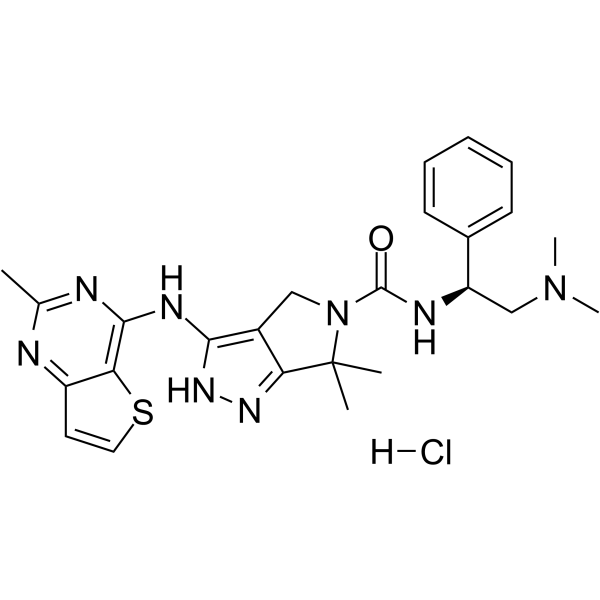 0 ImagesCat. No.: HY-13007ACAS No.: 1279034-84-2Synonyms: PF-03758309 hydrochloridePF-3758309 (PF-03758309) hydrochloride is a potent, orally available, and reversible ATP-competitive inhibitor of PAK4 (Kd= 2.7 nM; Ki=18.7 nM). PF-3758309 hydrochloride has the expected cellular functions of a PAK4 inhibitor: inhibition of anchorage-independent growth, induction of apoptosis, cytoskeletal remodeling, and inhibition of proliferation.
-
PAK4-IN-5
 0 ImagesCat. No.: HY-159897PAK4-IN-5 (Compound 12i) is a PAK4 inhibitor (IC50: 7.68 nM for PAK4, 1872.01 nM for PAK1). PAK4-IN-5 binds to PAK4 stably via multiple interactions. PAK4-IN-5 inhibits the proliferation and the migratory potential of MDA-MB-231 cells by inhibiting the phosphorylation of PAK4 and LIMK1. PAK4-IN-5 arrests cell cycle in the G0/G1 phase, induces apoptosis and ROS production. LD50: >500 mg/kg for mice (p.o.).
- 1
- 2




