



PAK4
PAK4 is a Cdc42-linked serine/threonine kinase that reorganizes the actin cytoskeleton and promotes filopodia formation[1]. Mechanistically, PAK4 cooperates with LIMK1 and cofilin to control cytoskeletal remodeling, linking upstream Rho GTPase signaling to cell-shape regulation[2]. This core function connects directly with cell proliferation and survival because PAK4 regulates cytoskeletal architecture, p21 expression, and cell-cycle progression[3]. In Wnt-related signaling, PAK4 shuttles between the cytoplasm and nucleus, phosphorylates β-catenin at Ser675, and increases β-catenin stability and TCF/LEF transcriptional activity[4]. In developmental models, PAK4 loss causes embryonic lethality and neuronal-development defects, supporting its use in cytoskeletal, developmental, and disease-relevant experimental systems[5]. In cancer models, PAK4 or PAK1 knockdown inhibits mutant KRAS colon cancer cell proliferation independently of RAF/MEK/ERK and PI3K/AKT signaling[6]. Compared with group I PAKs, PAK4 belongs to group II PAKs and uses an autoinhibitory pseudosubstrate mechanism, giving it distinct regulatory biology[7]. For experimental applications, PF-3758309 inhibits PAK4-dependent oncogenic signaling, whereas KPT-9274 inhibits PAK4 and blocks triple-negative breast cancer tumor growth in models[8][9].
References:
- [1]. Abo A, et al. PAK4, a novel effector for Cdc42Hs, is implicated in the reorganization of the actin cytoskeleton and in the formation of filopodia. EMBO J. 1998 Nov 16;17(22):6527-40. [Content Brief]
- [2]. Dan C, et al. Cytoskeletal changes regulated by the PAK4 serine/threonine kinase are mediated by LIM kinase 1 and cofilin. J Biol Chem. 2001 Aug 24;276(34):32115-21. [Content Brief]
- [3]. Nekrasova T, et al. PAK4 is required for regulation of the cell-cycle regulatory protein p21, and for control of cell-cycle progression. J Cell Biochem. 2011 Jul;112(7):1795-806. [Content Brief]
- [4]. Li Y, et al. Nucleo-cytoplasmic shuttling of PAK4 modulates β-catenin intracellular translocation and signaling. Biochim Biophys Acta. 2012 Feb;1823(2):465-75. [Content Brief]
- [5]. Qu J, et al. PAK4 kinase is essential for embryonic viability and for proper neuronal development. Mol Cell Biol. 2003 Oct;23(20):7122-33. [Content Brief]
- [6]. Tabusa H, et al. Knockdown of PAK4 or PAK1 inhibits the proliferation of mutant KRAS colon cancer cells independently of RAF/MEK/ERK and PI3K/AKT signaling. Mol Cancer Res. 2013 Feb;11(2):109-21. [Content Brief]
- [7]. Ha BH, et al. Type II p21-activated kinases (PAKs) are regulated by an autoinhibitory pseudosubstrate. Proc Natl Acad Sci U S A. 2012 Oct 2;109(40):16107-12. [Content Brief]
- [8]. Murray BW, et al. Small-molecule p21-activated kinase inhibitor PF-3758309 is a potent inhibitor of oncogenic signaling and tumor growth. Proc Natl Acad Sci U S A. 2010 May 18;107(20):9446-51. [Content Brief]
- [9]. Rane C, et al. A novel orally bioavailable compound KPT-9274 inhibits PAK4, and blocks triple negative breast cancer tumor growth. Sci Rep. 2017 Feb 15;7:42555. [Content Brief]
All Product Categories
-
PAK4 Related Products (20)
Related Products (20)

- 1
-
PF-3758309
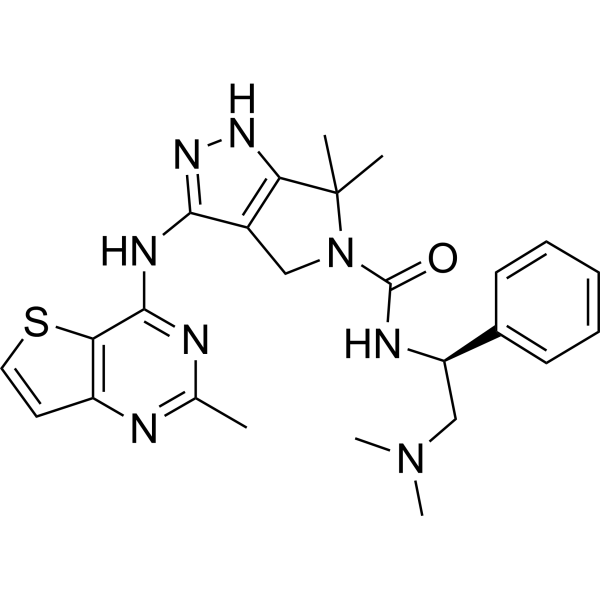 0 ImagesSynonyms: PF-03758309PF-3758309 (PF-03758309) is a potent, orally available, and reversible ATP-competitive inhibitor of PAK4 (Kd= 2.7 nM; Ki=18.7 nM). PF-3758309 has the expected cellular functions of a PAK4 inhibitor: inhibition of anchorage-independent growth, induction of apoptosis, cytoskeletal remodeling, and inhibition of proliferation.
-
Padnarsertib
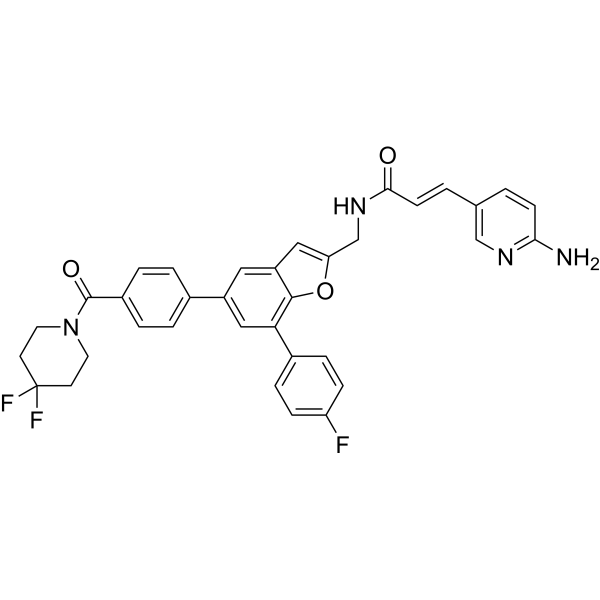 0 ImagesSynonyms: KPT-9274
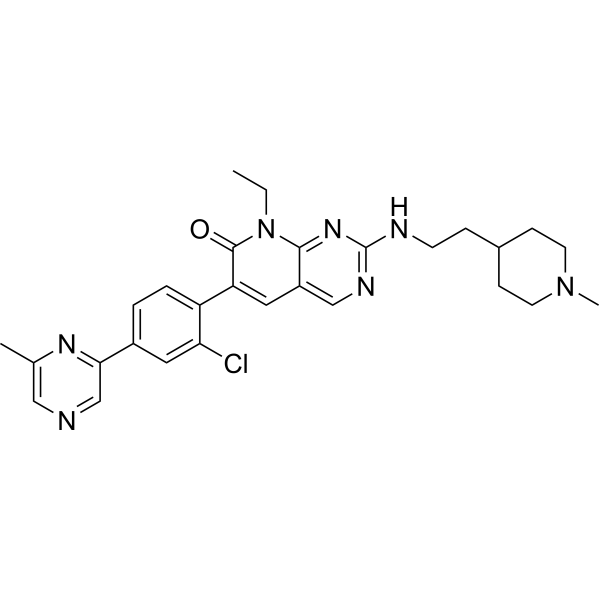
-
LCH-7749944
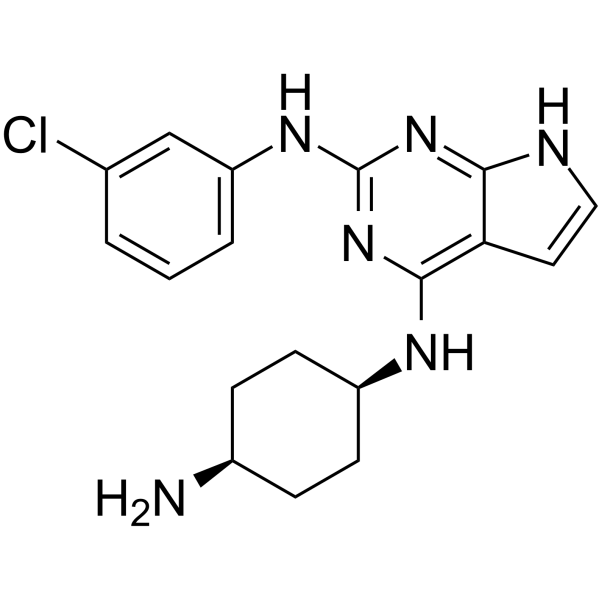
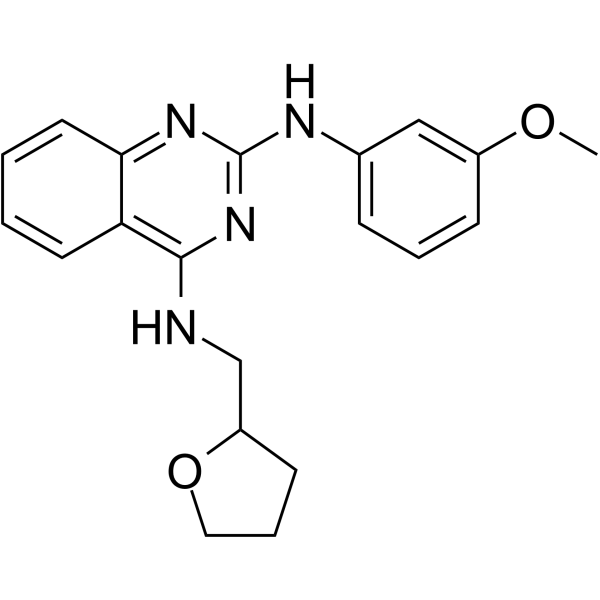 0 ImagesSynonyms: GNF-PF-2356LCH-7749944 (GNF-PF-2356) is a potent PAK4 inhibitor with an IC50 of 14.93 μM. LCH-7749944 effectively suppresses the proliferation of human gastric cancer cells through downregulation of PAK4/c-Src/EGFR/cyclin D1 pathway and induces apoptosis.
-
SPU-106
 0 ImagesCat. No.: HY-183941CAS No.: 713080-84-3SPU-106 is a p21 activated kinase 4 (PAK4) inhibitor with a target IC50 of 21.36 μM. SPU-106 selectively binds to the C-terminal kinase domain of PAK4 to inhibit its kinase activity. SPU-106 inhibits the PAK4/LIMK1/cofilin and PAK4/SCG10 signaling pathways. SPU-106 inhibits invasion of gastric cancer cells and lacks cytotoxicity against cancer cells. SPU-106 can be used for the research of gastric cancer.
-
JH-XIII-05-01
 0 ImagesCat. No.: HY-133616CAS No.: 2374699-35-9JH-XIII-05-01 is a cereblon-recruiting PROTAC degrader targeting IRAK1 and IRAK4, with DC50 values of 0.065 μM and 3.63 μM, respectively (TMD8 cells). JH-XIII-05-01 reduces cancer cell viability, induces apoptosis in primary MYD88-mutant WM cells and MYD88-mutant/wild-type lymphoma cells, and selectively degrades additional cereblon neosubstrates and kinases IKZF1, IKZF3, CSNK1A1, CSNK1D, CSNK1E, and PAK4. JH-XIII-05-01 can be used for research on Waldenström macroglobulinemia, diffuse large B-cell lymphoma, and B-cell lymphoma.
-
GR2-128
 0 ImagesCat. No.: HY-184396GR2-128 is a dual inhibitor targeting MLK3 and NAMPT with IC50 values of 84 nM and 14 nM, respectively. GR2-128 inhibits downstream JNK/c‑Jun signaling and reduces NAD+ levels. GR2-128 exhibits antiproliferative and pro-apoptotic activities in triple-negative breast cancer cells without significant toxicity to normal cells. GR2-128 suppresses tumor growth, reduces macrophage and neutrophil infiltration, and increases tumor T-cell markers in a syngeneic mouse model, and can be used for triple-negative breast cancer research.
-
Globulol
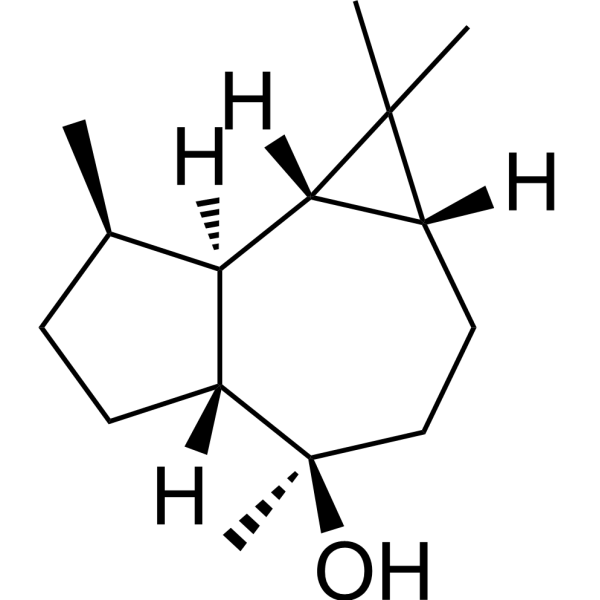 0 ImagesGlobulol is a terpenoid metabolite and Antimicrobial agent. Globulol can be isolated from Alpinia oxyphylla Miq. Globulol binds to PAK4, reduces the expression level of PAK4 in cancer cells, decreases the phosphorylation of AKT, and downregulates the expressions of STAT3, phosphorylated STAT3, and PD-L1. Globulol promotes the secretion of CCL4 by cancer cells. Globulol reduces the viability and proliferation ability of cancer cells, induces G0/G1 cell cycle arrest and Apoptosis in cancer cells, and inhibits cancer cell migration and the integrity of 3D tumor spheres. Globulol enhances the relevant effects of anti-PD-1 agents in the cancer cell microenvironment. Globulol exhibits anticancer activity against liver cancer. Globulol inhibits the mycelial growth of phytopathogenic fungi and the growth of phytopathogenic bacteria. Globulol can be used in studies related to hepatocellular carcinoma.
-
PAK1-IN-1
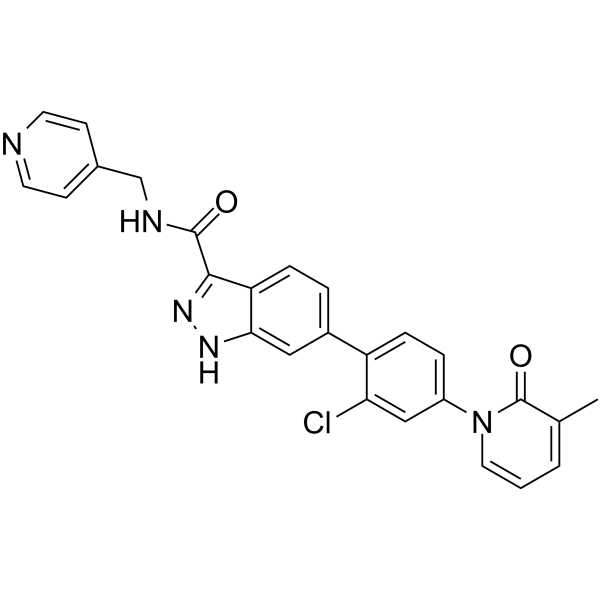 0 ImagesCat. No.: HY-146681CAS No.: 2485732-30-5PAK1-IN-1 is a potent and selective PAK1 inhibitor with an IC50 of 9.8 nM. PAK1-IN-1 inhibits the migration and invasion of PAK1-related tumour cells in a dose-dependent manner.
-
PF-3758309 hydrochloride
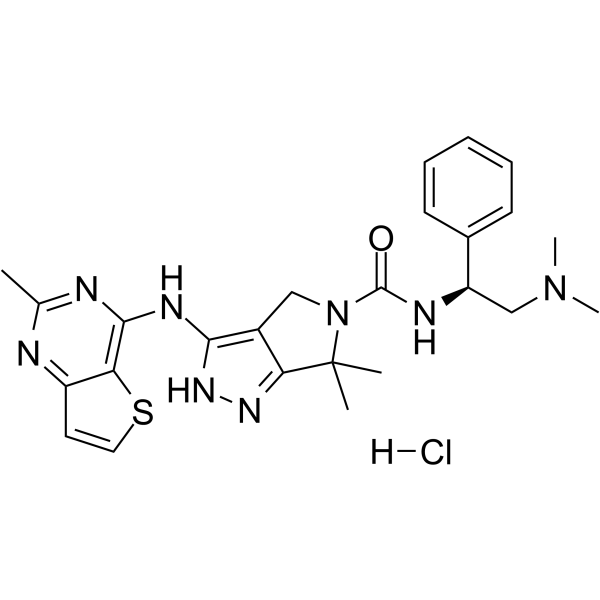 0 ImagesCat. No.: HY-13007ACAS No.: 1279034-84-2Synonyms: PF-03758309 hydrochloridePF-3758309 (PF-03758309) hydrochloride is a potent, orally available, and reversible ATP-competitive inhibitor of PAK4 (Kd= 2.7 nM; Ki=18.7 nM). PF-3758309 hydrochloride has the expected cellular functions of a PAK4 inhibitor: inhibition of anchorage-independent growth, induction of apoptosis, cytoskeletal remodeling, and inhibition of proliferation.
-
PAK4-IN-5
 0 ImagesCat. No.: HY-159897PAK4-IN-5 (Compound 12i) is a PAK4 inhibitor (IC50: 7.68 nM for PAK4, 1872.01 nM for PAK1). PAK4-IN-5 binds to PAK4 stably via multiple interactions. PAK4-IN-5 inhibits the proliferation and the migratory potential of MDA-MB-231 cells by inhibiting the phosphorylation of PAK4 and LIMK1. PAK4-IN-5 arrests cell cycle in the G0/G1 phase, induces apoptosis and ROS production. LD50: >500 mg/kg for mice (p.o.).
-
PF-3758309 dihydrochloride
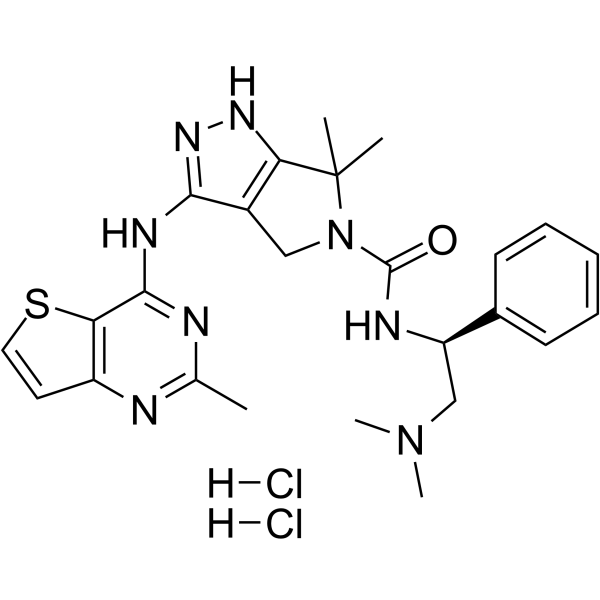 0 ImagesCat. No.: HY-13007BSynonyms: PF-03758309 dihydrochloridePF-3758309 (PF-03758309) dihydrochloride is a potent, orally available, and reversible ATP-competitive inhibitor of PAK4 (Kd= 2.7 nM; Ki=18.7 nM). PF-3758309 dihydrochloride has the expected cellular functions of a PAK4 inhibitor: inhibition of anchorage-independent growth, induction of apoptosis, cytoskeletal remodeling, and inhibition of proliferation.
-
CPS-021
 0 ImagesCat. No.: HY-174247CPS-021 is a selective PAK4 PROTAC degrader with a DC50 of 50 nM. CPS-021 degrades PAK4 via the ubiquitin-proteasome system. CPS-021 inhibits the migration and invasion of tumor cells, suppresses TGFβ-induced epithelial-mesenchymal transition (EMT) in tumor cells, and can be used in studies related to lung cancer metastasis.
-
CZh226 hydrochloride
 0 ImagesCat. No.: HY-111103ACAS No.: 2231440-94-9CZh226 hydrochloride is a potent and selective PAK4 inhibitor with an IC50 of 18 nM, and its selectivity for PAK1 is 346 times. The oral bioavailability of CZh226 hydrochloride is poor, and it requires the use of the prodrug PAK4-IN-1 (HY-130628) to improve absorption and metabolic stability. CZh226 hydrochloride can be used for research on colorectal cancer and melanoma.
-
PAK4-IN-1
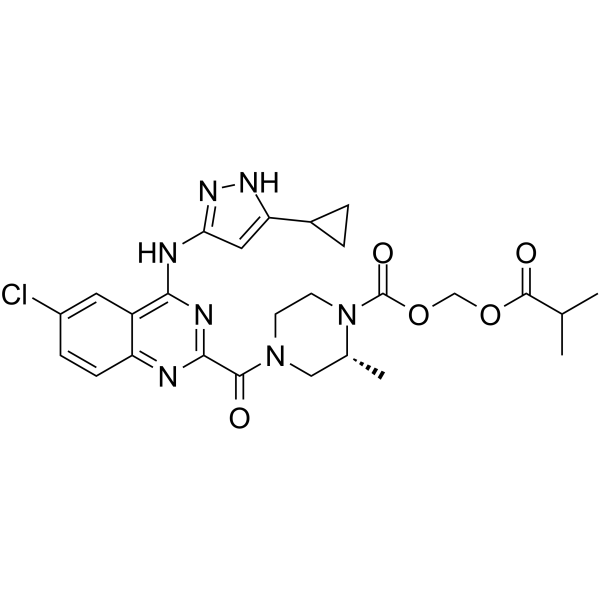 0 ImagesCat. No.: HY-130628CAS No.: 2396529-58-9PAK4-IN-1 (Compound 19) is a potent, selective, orally active PAK4 inhibitor with robust anti-tumor efficacy in vivo. PAK4-IN-1 is stable under both acidic and neutral conditions.
-
PAK4-IN-7
 0 ImagesCat. No.: HY-181092PAK4-IN-7 is a selective ATP-competitive inhibitor of p21-activated kinase 4 (PAK4), with an IC50 of 1.88 μM. PAK4-IN-7 inhibits the proliferation of cancer cells. PAK4-IN-7 is applicable for research on tumors such as colorectal cancer and lung cancer.
-
CZh226
 0 ImagesCat. No.: HY-111103CAS No.: 2196199-00-3CZh226 is a selective PAK4 inhibitor with an IC50 of 0.0111 μM and a Ki of 0.009 μM. CZh226 functionally inhibits PAK4 activity and reduces the phosphorylation level of downstream signaling molecules. CZh226 inhibits the migration and invasion of tumor cells. CZh226 is applicable to lung cancer-related research.
-
PAK4-IN-8
 0 ImagesCat. No.: HY-190490PAK4-IN-8 is an orally active and selective PAK4 inhibitor (IC50 = 8.32 nM) that exhibits antiproliferative activity against TNBC cells. PAK4-IN-8 inhibits PAK4 kinase activity and its downstream LIMK1‑Cofilin and AKT signaling axes, and downregulates c‑Src phosphorylation. PAK4-IN-8 induces cell cycle arrest, apoptosis, and elevated intracellular ROS, while inhibiting TNBC cell migration and invasion. PAK4-IN-8 inhibits tumor growth in an orthotopic xenograft tumor model, and when combined with Gefitinib (HY-50895) achieves synergistic inhibition and reduces lung metastasis. PAK4-IN-8 can be used for research on triple-negative breast cancer.
-
KY-04045
 0 ImagesCat. No.: HY-117218CAS No.: 1223284-75-0KY-04045 is a PAK4 specific inhibitor (IC50=8.7 μM) that can be used for the development of anticancer drugs targeting PAK4.
- 1



