



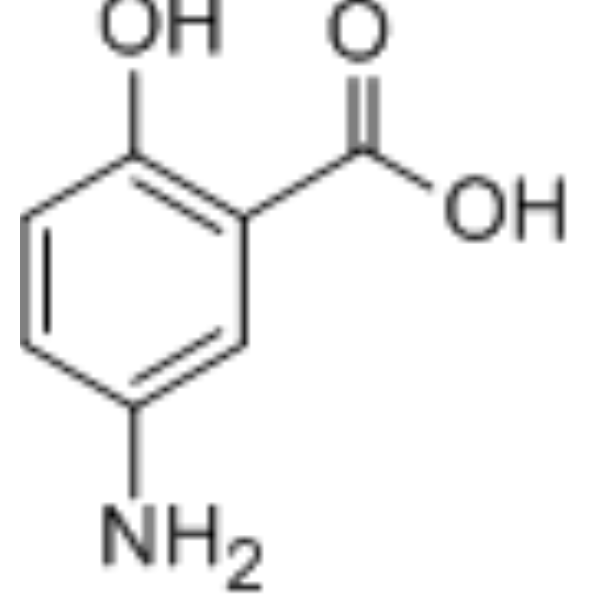
5-Aminosalicylic Acid
Based on 43 publication(s) in Google Scholar
5-Aminosalicylic acid (Mesalamine) acts as a specific PPARγ agonist and also inhibits p21-activated kinase 1 (PAK1) and NF-κB. 5-Aminosalicylic acid can inhibit the activity of osteopontin (OPN).
For research use only. We do not sell to patients.
- Purity : 99.97%
- CAS No.: 89-57-6
- Formula: C7H7NO3
- Molecular Weight:153.14
-
Storage:
RT, protect from light, stored under nitrogen.
In solvent -80°C, 1 year , -20°C, 6 months

To place orders, for customer services and technical support, please contact: MedChemExpress USA
Tel: 609-228-6898 E-mail: [email protected] [email protected]


-
 Biological Activity
-
Chemical Information
-
Solvent & Solubility
- Protocol
- Purity & Documentation
- References
-
 Help & FAQs


-
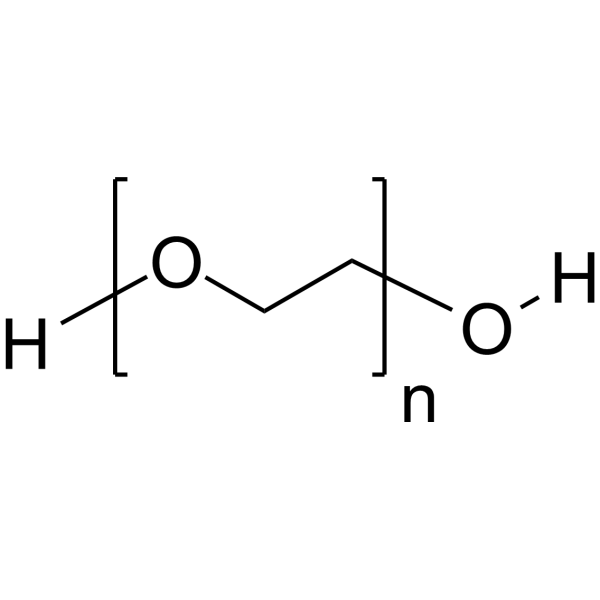
HY-Y0873
PEG300 -
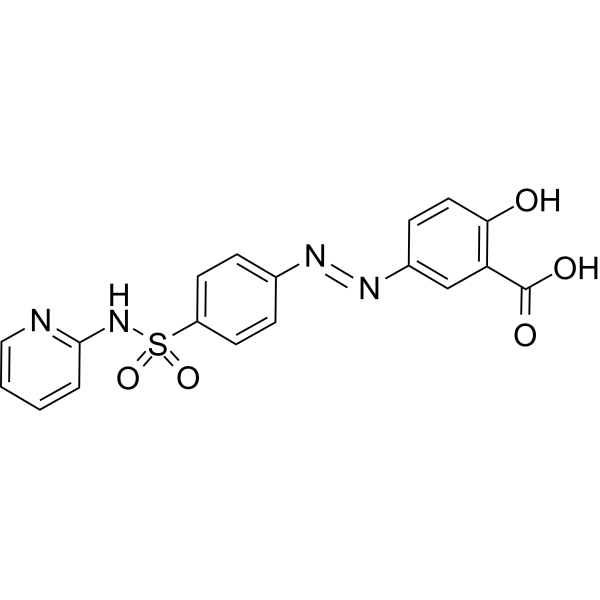
HY-14655
Sulfasalazine -
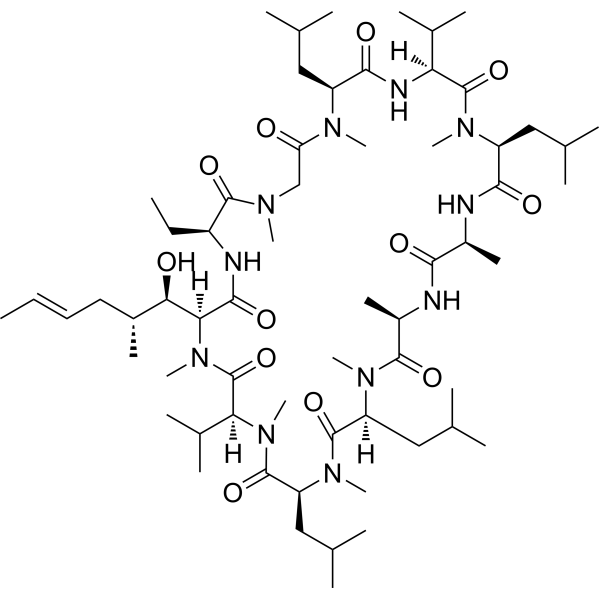
HY-B0579
Cyclosporin A -

HY-Y1891
Tween 80 -
HY-Y0703
Sodium carboxymethyl cellulose (Viscosity:800-1200 mPa.s) -
HY-B0260
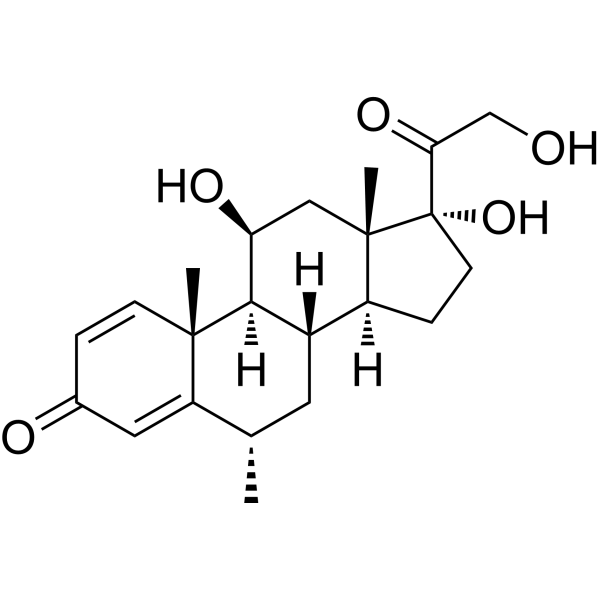
Methylprednisolone -
HY-19569
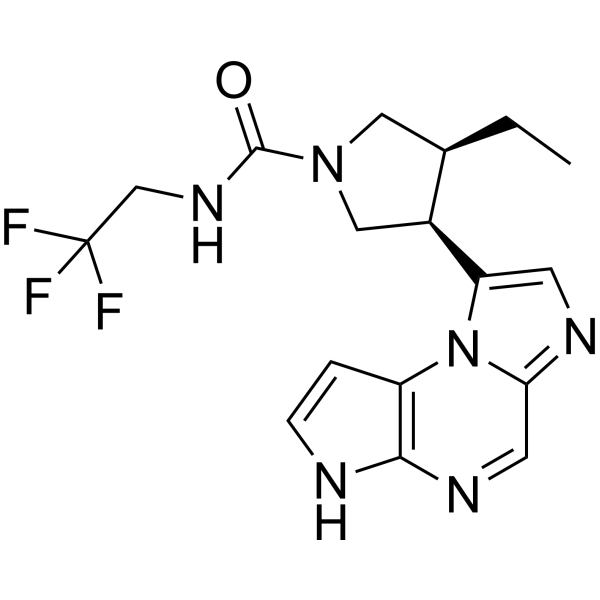
Upadacitinib -
HY-14648
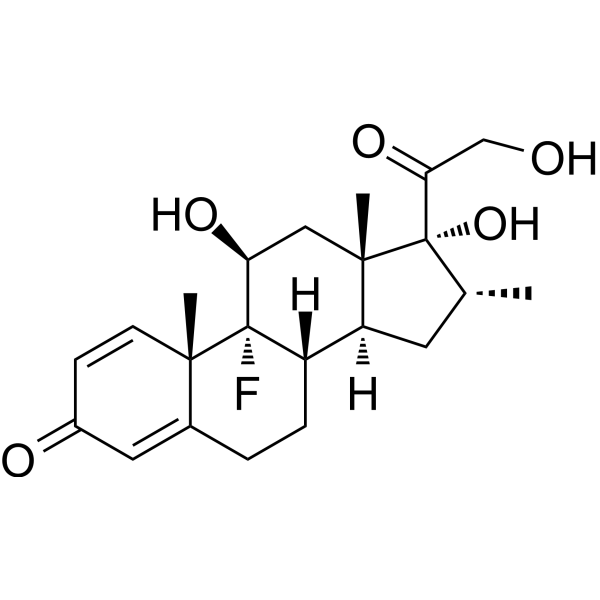
Dexamethasone -

HY-15027R
5-Aminosalicylic Acid (Standard) -
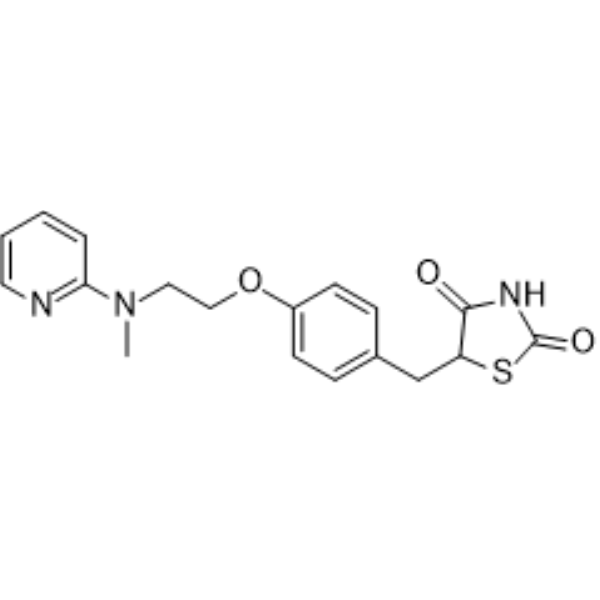
HY-17386
Rosiglitazone -
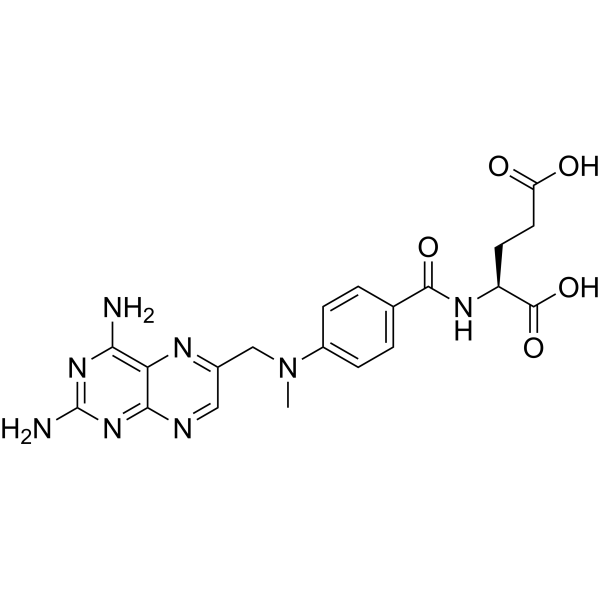
HY-14519
Methotrexate -
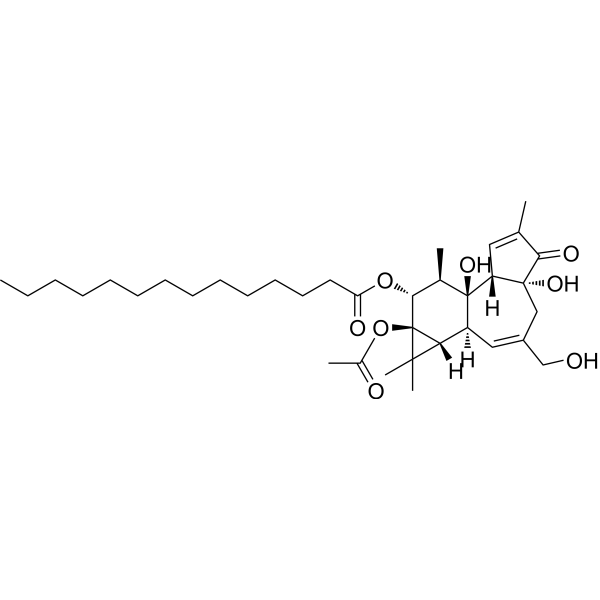
HY-18739
Phorbol 12-myristate 13-acetate
Publications Citing Use of MedChemExpress (MCE) 5-Aminosalicylic Acid
More- Adv Mater. 2025 Jan;37(4):e2412429. [Abstract]
- J Adv Res. 2026 Apr 13:S2090-1232(26)00337-1. [Abstract]
- Adv Sci (Weinh). 2025 Jan;12(4):e2410360. [Abstract]
- Carbohydr Polym. 2023 Feb 15:302:120329. [Abstract]
- Phytomedicine. 2025 Oct:146:157153. [Abstract]
- Phytomedicine. 2025 Jun:141:156671. [Abstract]
- Phytomedicine. 2024 Jan:123:155223. [Abstract]
- Phytomedicine. 2023 Apr:112:154713. [Abstract]
- Phytomedicine. 2022 Nov:106:154438. [Abstract]
- Phytomedicine. 2022 Apr:98:153961. [Abstract]
- EBioMedicine. 2026 Apr:126:106232. [Abstract]
- Int J Biol Macromol. 2025 Sep;321(Pt 3):146421. [Abstract]
- Int J Mol Med. 2023 Nov;52(5):107. [Abstract]
- Mater Des. 2026 Apr 19;266:116048.
- Brain Behav Immun. 2020 Nov:90:108-137. [Abstract]
- J Ethnopharmacol. 2026 Mar 1:358:120992. [Abstract]
- J Ethnopharmacol. 2026 Feb 28:357:120892. [Abstract]
- J Ethnopharmacol. 2025 Feb 10;338(Pt 1):119025. [Abstract]
- J Ethnopharmacol. 2023 Jun 28:310:116396. [Abstract]
- J Ethnopharmacol. 2023 Apr 6:305:116125. [Abstract]
- J Ethnopharmacol. 2023 Mar 25:304:116075. [Abstract]
- J Ethnopharmacol. 2022 Nov 15:298:115647. [Abstract]
- J Agric Food Chem. 2025 Dec 22. [Abstract]
- J Agric Food Chem. 2024 Jun 7. [Abstract]
- Ecotoxicol Environ Saf. 2026 Sep 1:322:120482.
- Biochem Pharmacol. 2026 May:247:117771. [Abstract]
- Biochem Pharmacol. 2021 Aug:190:114645. [Abstract]
- Food Funct. 2026 Jun 22;17(12):5521-5537. [Abstract]
- Inflammopharmacology. 2025 Sep;33(9):5563-5581. [Abstract]
- Food Biosci. 2026 Jan 21;77:108340.
- Nat Prod Bioprospect. 2026 Feb 4;16(1):31. [Abstract]
- Eur J Pharmacol. 2023 Sep 5:954:175876. [Abstract]
- Int Immunopharmacol. 2026 Jul 1:180:116653. [Abstract]
- Cell Signal. 2025 Oct:134:111932. [Abstract]
- Naunyn Schmiedebergs Arch Pharmacol. 2026 May 16. [Abstract]
- Tissue Cell. 2026 May 28:103:103646. [Abstract]
- Fitoterapia. 2026 Sep:193:107361.
- Mol Cell Biol. 2026;46(4):475-486. [Abstract]
- APMIS. 2025 Nov;133(11):e70078. [Abstract]
- SSRN. 2026 Jun 9.
- SSRN. 2026 Apr 1.
- Biomed Pharmacother. 2026 Jan:194:118951. [Abstract]
- Research Square Preprint. 2021 Feb.
 Customer Validation & Images

-
In Vivo Efficacy Study
-
In Vivo Imaging
-
In Vivo Efficacy Study
-
In Vivo Efficacy Study
-
In Vivo Efficacy Study
All Endogenous Metabolite Isoforms
More

Biological Activity
Description
IC50 & Target
[1]|
PPARγ |
PAK1 |
p65 |
Cellular Effect
|
Cell Line

|
Type | Value | Description | References |
|---|---|---|---|---|
| HEK293 | IC50 |
>15 mM
Compound: 12
|
Cytotoxicity against HEK293 cells harboring pendrin P123S mutant after 72 hrs by MTT assay
Cytotoxicity against HEK293 cells harboring pendrin P123S mutant after 72 hrs by MTT assay
|
[PMID: 28341401] |
| HT-29 | IC50 |
18.1 mM
Compound: 5-ASA
|
Antiinflammatory activity in human HT-29 cells assessed as inhibition of TNF-alpha induced BCECF-AM labeled human U937 cell adhesion preincubated for 1 hr followed by stimulation with TNF-alpha for 3 hrs followed by further co-incubation with BCECF-AM lab
Antiinflammatory activity in human HT-29 cells assessed as inhibition of TNF-alpha induced BCECF-AM labeled human U937 cell adhesion preincubated for 1 hr followed by stimulation with TNF-alpha for 3 hrs followed by further co-incubation with BCECF-AM lab
|
[PMID: 27597248] |
| HT-29 | IC50 |
20.4 mM
Compound: 5-ASA
|
Inhibition of TNF-alpha-induced adhesion of BCECF-labeled human U937 cells to human HT-29 cells preincubated for 1 hr followed by TNF-alpha challenge measured after 3 hrs by fluorescence microscopic method
Inhibition of TNF-alpha-induced adhesion of BCECF-labeled human U937 cells to human HT-29 cells preincubated for 1 hr followed by TNF-alpha challenge measured after 3 hrs by fluorescence microscopic method
|
[PMID: 28646757] |
| HT-29 | IC50 |
20 mM
Compound: 98; 5-ASA
|
Antiproliferative activity against human HT-29 cells assessed as reduction in cell viability
Antiproliferative activity against human HT-29 cells assessed as reduction in cell viability
|
[PMID: 33445154] |
| MDCK | EC50 |
>100000 nM
Compound: ME
|
Antiviral activity against Influenza A virus (A/WSN/1933(H1N1)) infected in MDCK cells assessed as inhibition of virus induced cytopathic effect
Antiviral activity against Influenza A virus (A/WSN/1933(H1N1)) infected in MDCK cells assessed as inhibition of virus induced cytopathic effect
|
[PMID: 22963087] |
| U-87MG ATCC | IC50 |
>1000 μM
Compound: 4
|
Inhibition of xc-cystine-glutamate antiporter-mediated cystine uptake in human U87 cells using L-[14C]cystine as substrate after 15 mins by liquid scintillation counting
Inhibition of xc-cystine-glutamate antiporter-mediated cystine uptake in human U87 cells using L-[14C]cystine as substrate after 15 mins by liquid scintillation counting
|
[PMID: 21889337] |
In Vitro
5-Aminosalicylic acid (5-ASA) is a specific agonist for PPARγ, and only PPARγ but not PPARα or PPARδ induces p65 degradation. 5-Aminosalicylic acid induces degradation of p65 protein indicative of PPARγ's E3 ubiquitin ligase activity. 5-Aminosalicylic acid also inhibits PAK1 at the mRNA level which is suggestive of an additional mechanism independent of PPARγ ligand activation. 5-Aminosalicylic acid blocks NF-κB in intestinal epithelial cells (IECs) through inhibition of PAK1[1]. Pretreatment with 5-Aminosalicylic acid (5-ASA) or Nimesulide at different concentration (10-1000 μmol/L) for 12-96 h, inhibits the growth of HT-29 colon carcinoma cells in a dose and time-dependent manner. However, the suppression of 5-Aminosalicylic acid or Nimesulide has no statistical significance. The growth of HT-29 colon carcinoma cells is inhibited dose-dependently when pretreated with different doses of combined 5-Aminosalicylic acid and Nimesulide. Combined 5-Aminosalicylic acid (final concentration 100 μM) and Nimesulide (final concentration 10-1000 μM) inhibits the proliferation of HT-29 colon carcinoma cells in a dose-dependent manner, being more potent than corresponding dose of Nimesulide. Similarly, combined Nimesulide (final concentration 100 μM) and 5-Aminosalicylic acid (final concentration 10-1000 μM) also inhibits the proliferation of these cells dose-dependently, being more potent than corresponding dose of 5-Aminosalicylic acid[2].
MedChemExpress (MCE) has not independently confirmed the accuracy of these methods. They are for reference only.
In Vivo
MedChemExpress (MCE) has not independently confirmed the accuracy of these methods. They are for reference only.
Clinical Trial
| NCT Number | Sponsor | Condition | Start Date |
Phase
|
|---|---|---|---|---|
| NCT01329991 | Plexxikon| | 2011-05 | PHASE1 |


Chemical Information
-
CAS No. 89-57-6
-
Appearance Solid
-
Molecular Weight 153.14
-
Formula C7H7NO3
-
SMILES
OC1=C(C(O)=O)C=C(N)C=C1
-
Synonyms
Mesalamine; 5-ASA; Mesalazine
-
Structure Classification
-
Initial Source
-
Shipping
Room temperature in continental US; may vary elsewhere.
-
Storage
RT, protect from light, stored under nitrogen
In solvent -80°C 1 year -20°C 6 months


Publications (43)
-
Journal Impact Factor
-
Most Recent
-
Adv Mater
Probiotics Bi-Enzymatic Cascade Repair System for Editing the Inflammatory Microenvironment to Boost Probiotic Therapy in Inflammatory Bowel Disease. [Abstract]2025 Jan;37(4):e2412429. PMID: 39641224
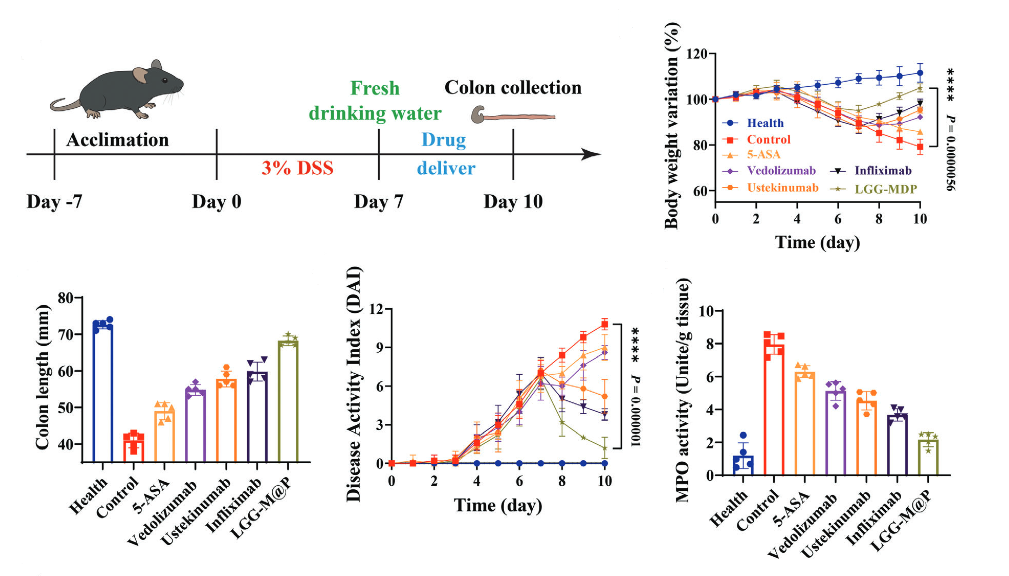
5-Aminosalicylic Acid purchased from MedChemExpress. Usage Cited in: Adv Mater. 2025 Jan;37(4):e2412429. [Abstract]
Cascade repair probiotic gene editing system improves DSS-induced UC compared with clinical drugs. Daily change in body weight for each group, including Health, Control, 5-ASA (5-Aminosalicylic acid; 40 mg/kg; oral), vedolizumab (5 mg/kg; iv), ustekinumab (5 mg/kg; iv), infliximab (5 mg/kg; iv), and LGG-M@P, over 10 days. The above drugs were administered once every two days. Measurements of colonic tissue length in various groups on day 10. DAI changes throughout 10 days, calculated as the total of the stool consistency (0–3), fecal bleeding (0–4), and weight loss (0–4) indexes.
5-Aminosalicylic Acid purchased from MedChemExpress. Usage Cited in: Adv Mater. 2025 Jan;37(4):e2412429. [Abstract]
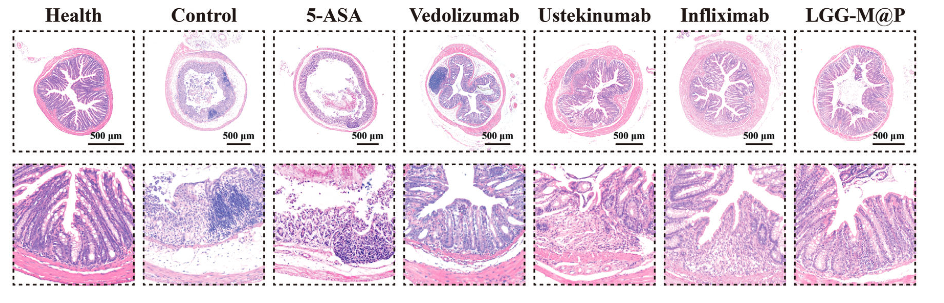
Cascade repair probiotic gene editing system improves DSS-induced UC compared with clinical drugs. The groups are: Health, Control, 5-ASA (5-Aminosalicylic acid; 40 mg/kg; oral), vedolizumab (5 mg/kg; iv), ustekinumab (5 mg/kg; iv), infliximab (5 mg/kg; iv), and LGG-M@P, over 10 days. The above drugs were administered once every two days. Mice colonic sections stained with HE on day 10 following the indicated treatments.
5-Aminosalicylic Acid purchased from MedChemExpress. Usage Cited in: Adv Mater. 2025 Jan;37(4):e2412429. [Abstract]
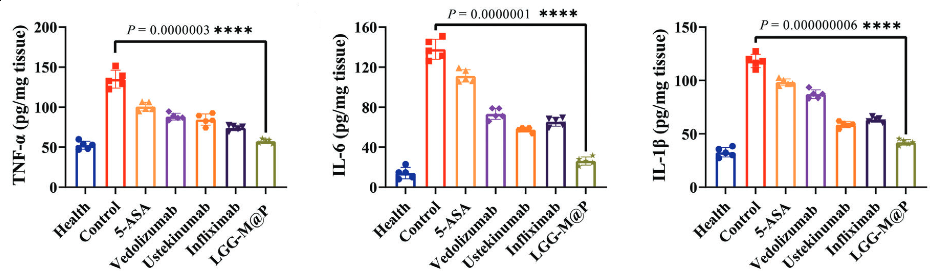
Cascade repair probiotic gene editing system improves DSS-induced UC compared with clinical drugs. The groups are: Health, Control, 5-ASA (5-Aminosalicylic acid; 40 mg/kg; oral), vedolizumab (5 mg/kg; iv), ustekinumab (5 mg/kg; iv), infliximab (5 mg/kg; iv), and LGG-M@P, over 10 days. The above drugs were administered once every two days. Colonic MPO levels on day 10.) Colonic TNF-α, IL-6, and IL-1β levels on day 10.
-
J Adv Res
Portulaca oleracea L. polysaccharide alleviates colitis-associated bone loss through Muribaculaceae-enriched gut microbiota and elevated colonic melatonin. [Abstract]2026 Apr 13:S2090-1232(26)00337-1. PMID: 41980626 -
Adv Sci (Weinh)
Targeted SPP1 Inhibition of Tumor-Associated Myeloid Cells Effectively Decreases Tumor Sizes. [Abstract]2025 Jan;12(4):e2410360. PMID: 39639496 -
Carbohydr Polym
Starch from Pueraria lobata and the amylose fraction alleviates dextran sodium sulfate induced colitis in mice. [Abstract]2023 Feb 15:302:120329. PMID: 36604040 -
Phytomedicine
Lianweng formula restores intestinal barrier function in ulcerative colitis through the β-arrestin 1/NF-κB signaling axis. [Abstract]2025 Oct:146:157153. PMID: 40815948 -
Phytomedicine
Diosmin alleviates colitis by inhibiting PANoptosis of intestinal epithelial cells and regulating gut microbiota and metabolites. [Abstract]2025 Jun:141:156671. PMID: 40138774 -
Phytomedicine
Arjunolic acid protects the intestinal epithelial barrier, ameliorating Crohn's disease-like colitis by restoring gut microbiota composition and inactivating TLR4 signalling. [Abstract]2024 Jan:123:155223. PMID: 38134862 -
Phytomedicine
Total flavone of flowers of Abelmoschus manihot (L.) Medic inhibits the expression of adhesion molecules in primary mesenteric arterial endothelial cells and ameliorates dextran sodium sulphate-induced ulcerative colitis in mice. [Abstract]2023 Apr:112:154713. PMID: 36857970 -
Phytomedicine
Fructus ligustri lucidi suppresses inflammation and restores the microbiome profile in murine colitis models. [Abstract]2022 Nov:106:154438. PMID: 36108373 -
Phytomedicine
2022 Apr:98:153961. PMID: 35121392 -
EBioMedicine
A next-generation probiotic strain for gut health: Bacteroides cellulosilyticus LYH2 variant with anti-inflammatory and metabolic advantages. [Abstract]2026 Apr:126:106232. PMID: 41886971 -
Int J Biol Macromol
A novel glucomannan from Bletilla striata ameliorates colitis: Restores intestinal barrier, alleviates inflammation, and modulates the gut flora. [Abstract]2025 Sep;321(Pt 3):146421. PMID: 40752704 -
Int J Mol Med
Curculigoside mitigates dextran sulfate sodium‑induced colitis by activation of KEAP1‑NRF2 interaction to inhibit oxidative damage and autophagy of intestinal epithelium barrier. [Abstract]2023 Nov;52(5):107. PMID: 37772380 -
-
Brain Behav Immun
Protective effect of Indole-3-carbinol, an NF-κB inhibitor in experimental paradigm of Parkinson's disease: In silico and in vivo studies. [Abstract]2020 Nov:90:108-137. PMID: 32800927 -
J Ethnopharmacol
Quyushengxin formula restores the integrity of intestinal barrier by regulating the gut microbiota to ameliorate DSS-induced ulcerative colitis in mice. [Abstract]2026 Mar 1:358:120992. PMID: 41344523 -
J Ethnopharmacol
Integrated multi-omics, network pharmacology, and experimental validation reveal that Yinmeikuijie decoction alleviates ulcerative colitis by inhibiting arachidonic acid metabolism. [Abstract]2026 Feb 28:357:120892. PMID: 41241212 -
J Ethnopharmacol
Glycyrrhizic acid and patchouli alcohol in Huoxiang Zhengqi attenuate intestinal inflammation and barrier injury via regulating endogenous corticosterone metabolism mediated by 11β-HSD1. [Abstract]2025 Feb 10;338(Pt 1):119025. PMID: 39489360 -
J Ethnopharmacol
The potential mechanism of qinghua quyu jianpi decoction in the treatment of ulcerative colitis based on network pharmacology and experimental validation. [Abstract]2023 Jun 28:310:116396. PMID: 36933873 -
J Ethnopharmacol
The San-Qi-Xue-Shang-Ning formula protects against ulcerative colitis by restoring the homeostasis of gut immunity and microbiota. [Abstract]2023 Apr 6:305:116125. PMID: 36603786 -
J Ethnopharmacol
The Wu-Shi-Cha formula protects against ulcerative colitis by orchestrating immunity and microbiota homeostasis. [Abstract]2023 Mar 25:304:116075. PMID: 36572328 -
J Ethnopharmacol
The pharmacological validation of the Xiao-Jian-Zhong formula against ulcerative colitis by network pharmacology integrated with metabolomics. [Abstract]2022 Nov 15:298:115647. PMID: 35987415 -
J Agric Food Chem
Natural Dietary Flavonoid Apigenin Mitigates Ulcerative Colitis via Modulating the AMPK/NF-κB/NLRP3 Signaling Axis. [Abstract]2025 Dec 22. PMID: 41428381
5-Aminosalicylic Acid purchased from MedChemExpress. Usage Cited in: J Agric Food Chem. 2025 Dec 22. [Abstract]
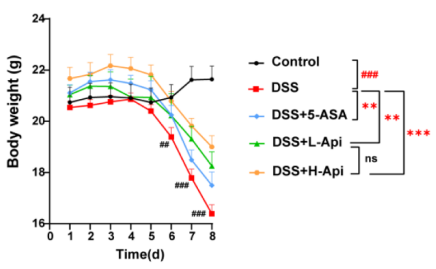
Body weight changes in the Control, DSS, DSS + 5-ASA (300 mg/kg, daily, oral, 8 days), DSS + L-Api, and DSS + H-Api groups during modeling.
5-Aminosalicylic Acid purchased from MedChemExpress. Usage Cited in: J Agric Food Chem. 2025 Dec 22. [Abstract]
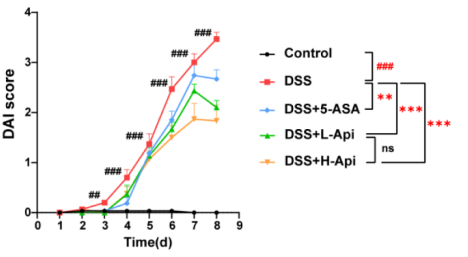
Disease Activity Index (DAI) scores during modeling were measured in the control group, DSS group, DSS + 5-ASA (300 mg/kg, daily, oral, 8 days) group, DSS + L-Api group, and DSS + H-Api group.
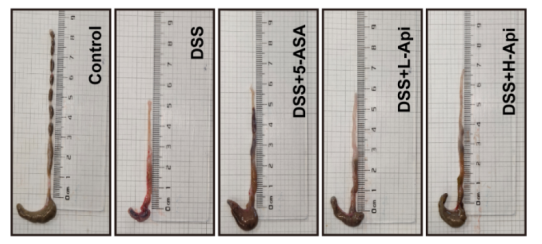
5-Aminosalicylic Acid purchased from MedChemExpress. Usage Cited in: J Agric Food Chem. 2025 Dec 22. [Abstract]
Colon length measurements during modeling in the control group, DSS group, DSS + 5-ASA (300 mg/kg, daily, oral, 8 days) group, DSS + L-Api group, and DSS + H-Api group.
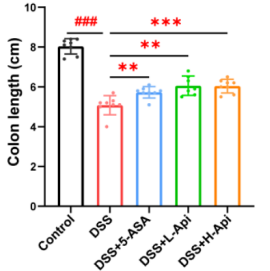
5-Aminosalicylic Acid purchased from MedChemExpress. Usage Cited in: J Agric Food Chem. 2025 Dec 22. [Abstract]
Colon length measurements during modeling in the control group, DSS group, DSS + 5-ASA (300 mg/kg, daily, oral, 8 days) group, DSS + L-Api group, and DSS + H-Api group.
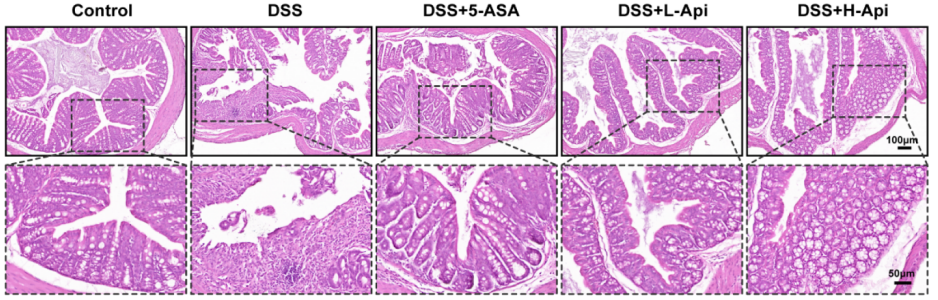
5-Aminosalicylic Acid purchased from MedChemExpress. Usage Cited in: J Agric Food Chem. 2025 Dec 22. [Abstract]
Representative H&E staining patterns of the control group, DSS group, DSS + 5-ASA (300 mg/kg, daily, oral, 8 days) group, DSS + L-Api group, and DSS + H-Api group during modeling.
-
J Agric Food Chem
Molecular Mechanism Study of Dietary Fiber Lignin Intervention in Ulcerative Colitis through GPR37. [Abstract]2024 Jun 7. PMID: 38845410 -
-
Biochem Pharmacol
Mairin polarizes Macrophages into M2-phenotype and alleviates Ulcerative colitis through activating IRF4-CD5L pathway. [Abstract]2026 May:247:117771. PMID: 41651133 -
Biochem Pharmacol
Identification of Tubocapsanolide A as a novel NLRP3 inhibitor for potential treatment of colitis. [Abstract]2021 Aug:190:114645. PMID: 34090877 -
Food Funct
Integrated RNA-seq and network pharmacology analyses suggest PI3K-Akt and NF-κB pathway modulation in the protective effects of diosmin against experimental colitis. [Abstract]2026 Jun 22;17(12):5521-5537. PMID: 42191164 -
Inflammopharmacology
Therapeutic potential of alpha-lipoic acid on mitochondrial dynamics, oxidative/nitrosative stress, and histopathological changes in rat ulcerative colitis model. [Abstract]2025 Sep;33(9):5563-5581. PMID: 40889013 -
-
Nat Prod Bioprospect
Combined treatment with naringin and osthole ameliorates colitis through microbiota-amino acid metabolism and the JNK pathway. [Abstract]2026 Feb 4;16(1):31. PMID: 41634527 -
Eur J Pharmacol
Eriocalyxin B ameliorated Crohn's disease-like colitis by restricting M1 macrophage polarization through JAK2/STAT1 signalling. [Abstract]2023 Sep 5:954:175876. PMID: 37391008 -
Int Immunopharmacol
The water-soluble alkaloid from Sophora moorcroftiana enhances Tregs populations and ameliorate ulcerative colitis in mice. [Abstract]2026 Jul 1:180:116653. PMID: 42030889 -
Cell Signal
IL-10 alleviates ulcerative colitis by regulating mitochondrial function through reducing ISG15 expression. [Abstract]2025 Oct:134:111932. PMID: 40541818 -
Naunyn Schmiedebergs Arch Pharmacol
Asiaticoside alleviates inflammation and intestinal barrier dysfunction in Crohn's disease-like colitis in a manner associated with the RhoA/ROCK/MLC pathway. [Abstract]2026 May 16. PMID: 42142140 -
Tissue Cell
Gancao Xiexin decoction alleviates 5-fluorouracil-induced intestinal mucositis by inhibiting ACSL4 and activating Keap1-Nrf2 pathway. [Abstract]2026 May 28:103:103646. PMID: 42235381 -
-
Mol Cell Biol
Qi Lian Jie Ning Ameliorates DSS-Induced Colitis in Rats by Inhibition of JAK2/STAT3 and TLR4/NF-kB Pathways. [Abstract]2026;46(4):475-486. PMID: 41289504 -
APMIS
Mesalazine Suppresses Colorectal Cancer Liver Metastasis via the HDAC3/Wnt/β-Catenin Axis Through Downregulating Bacteroides fragilis Abundance. [Abstract]2025 Nov;133(11):e70078. PMID: 41199687 -
-
-
Biomed Pharmacother
Multi-target mechanisms of glabrone in ulcerative colitis: Synergistic restoration of mucosal barrier and inhibition of inflammation through SRC/HSP90 Co-modulation. [Abstract]2026 Jan:194:118951. PMID: 41496348 -


Solvent & Solubility
In Vitro:
DMSO : 25 mg/mL (163.25 mM; ultrasonic and warming and heat to 60°C; Hygroscopic DMSO has a significant impact on the solubility of product, please use newly opened DMSO)
Please refer to the solubility information to select the appropriate solvent. Once prepared, please aliquot and store the solution to prevent product inactivation from repeated freeze-thaw cycles.
Storage method and period of stock solution: -80°C, 1 year; -20°C, 6 months. When stored at -80°C, please use it within 1 year. When stored at -20°C, please use it within 6 months.
Please refer to the solubility information to select the appropriate solvent. Once prepared, please aliquot and store the solution to prevent product inactivation from repeated freeze-thaw cycles.
Storage method and period of stock solution: -80°C, 1 year; -20°C, 6 months. When stored at -80°C, please use it within 1 year. When stored at -20°C, please use it within 6 months.
Concentration (start) × Volume (start) = Concentration (final) × Volume (final)
In Vivo:
Select the appropriate dissolution method based on your experimental animal and administration route.
- For the following dissolution methods, please ensure to first prepare a clear stock solution using an In Vitro approach and then sequentially add co-solvents:
- To ensure reliable experimental results, the clarified stock solution can be appropriately stored based on storage conditions. As for the working solution for In Vivo experiments, it is recommended to prepare freshly and use it on the same day.
- The percentages shown for the solvents indicate their volumetric ratio in the final prepared solution. If precipitation or phase separation occurs during preparation, heat and/or sonication can be used to aid dissolution.
Add each solvent one by one: 10% DMSO 40% PEG300 5% Tween-80 45% Saline
Solubility: ≥ 2.5 mg/mL (16.32 mM); Clear solution
This protocol yields a clear solution of ≥ 2.5 mg/mL (saturation unknown).
Taking 1 mL working solution as an example, add 100 μL DMSO stock solution (25.0 mg/mL) to 400 μL PEG300, and mix evenly; then add 50 μL Tween-80 and mix evenly; then add 450 μL Saline to adjust the volume to 1 mL.
Preparation of Saline: Dissolve 0.9 g sodium chloride in ddH₂O and dilute to 100 mL to obtain a clear Saline solution.
Add each solvent one by one: 10% DMSO 90% (20% SBE-β-CD in Saline)
Solubility: ≥ 2.5 mg/mL (16.32 mM); Clear solution
This protocol yields a clear solution of ≥ 2.5 mg/mL (saturation unknown).
Taking 1 mL working solution as an example, add 100 μL DMSO stock solution (25.0 mg/mL) to 900 μL 20% SBE-β-CD in Saline, and mix evenly.
Preparation of 20% SBE-β-CD in Saline (4°C, storage for one week): 2 g SBE-β-CD powder is dissolved in 10 mL Saline, completely dissolve until clear.
For the following dissolution methods, please prepare the working solution directly:
It is recommended to prepare fresh solutions and use them promptly within a short period of time.
The percentages shown for the solvents indicate their volumetric ratio in the final prepared solution. If precipitation or phase separation occurs during preparation, heat and/or sonication can be used to aid dissolution.
Add each solvent one by one: 50% PEG300 50% Saline
Solubility: 7.14 mg/mL (46.62 mM); Suspended solution; Need ultrasonic
In Vivo Dissolution Calculator
Please enter the basic information of animal experiments:
-
-
-
-
Recommended: Prepare an additional quantity of animals to account for potential losses during experiments.
Please enter your animal formula composition:
-
%DMSO +
Recommended: Keep the proportion of DMSO in working solution below 2% if your animal is weak.
-
%+
-
+%Tween-80 + +
-
%Saline +
The co-solvents required include: DMSO, . All of co-solvents are available by MedChemExpress (MCE). , Tween 80. All of co-solvents are available by MedChemExpress (MCE).
Working solution concentration: 0.22 mg/mL
Method for preparing stock solution: mg drug dissolved in μL DMSO. Stock solution concentration: mg/mL.
1. Take μL DMSO stock solution;
2. Add μL .
μL , mix evenly;
3. Then add μL Tween 80, mix evenly;
4. Then add μL
Please ensure that the stock solution in the first step is dissolved to a clear state, and add co-solvents in sequence. You can use ultrasonic heating (ultrasonic cleaner, recommended frequency 20-40 kHz), vortexing, etc. to assist dissolution.

Protocol
Cell Assay[2]
Cytostatic effects are measured by MTT assay. HT-29 colon carcinoma cells are detached with a 0.25% trypsin solution for 5 min. Subsequently, the cells are seeded onto 96-well plates (1×10⁶ cells/well), supplemented with 10% FCS and allowed to attach for 24 h before the addition of test compounds (5-Aminosalicylic acid 10, 50, 100, 500, and 1000 μM; Nimesulide; and their combination). Test compounds are diluted in serum-free culture medium. Then the cells are incubated in a medium or at different concentrations of drugs for 48 h, 20 μL of MTT solution (5 g/L) in PBS is added. Four hours later, the medium in each well is removed, and 120 μL of 0.04 mM muriatic isopropanol is added, slightly concussed for 10 min. Dye uptake is measured at 490 nm with an ELISA reader. Five wells are used for each concentration or as a control group. On the other hand, the cells are seeded onto 96-well plates (1×10⁶ cells/well) and allowed to attach for 24 h, then treated with test compounds (5-Aminosalicylic acid, Nimesulide, and their combination). The final concentration is 100 μM. The same medium is added into the control group and dye uptake is then measured. Five wells are used for each test compound or control group[2].
MedChemExpress (MCE) has not independently confirmed the accuracy of these methods. They are for reference only.
Animal Administration[3]
Mice[3]
Six to seven weeks old pathogen-free BALB/c SCID mice are used. Human colon cancer cells (107 HT-29 cells) pretreated or not with GW9662 for 24 h are implanted subcutaneously in the flank of animals. Two days after cell inoculation, mice are treated with 5-Aminosalicylic acid (5 or 50 mM) administered daily by peritumoral injection for 10 or 21 days. The effect of PPARγ during 5-Aminosalicylic acid treatment is evaluated by daily intraperitoneal injection of GW9662 (1 mg/kg/day). The control group receives saline instead of 5-Aminosalicylic acid. Mice are checked three times a week for tumor development. After killing at 10 or 21 days, tumor size and volume are calculated. Tumors are weighted before paraffin embedding for histological examination.
MedChemExpress (MCE) has not independently confirmed the accuracy of these methods. They are for reference only.


Purity & Documentation
-
Data Sheet (295 KB)
-
SDS (394 KB)
- English - EN (394 KB)
- Français - FR (394 KB)
- Deutsch - DE (394 KB)
- Norwegian - NO (394 KB)
- Español - ES (394 KB)
- Swedish - SV (394 KB)
- Italian - IT (394 KB)
- Korean - KR (394 KB)
- Portuguese - PT (394 KB)
-
Handling Instructions (2659 KB)
References
[1]. Dammann K, et al. PAK1 modulates a PPARγ/NF-κB cascade in intestinal inflammation. Biochim Biophys Acta. 2015 Oct;1853(10 Pt A):2349-60. [Content Brief]
[2]. Rousseaux C, et al. The 5-aminosalicylic acid antineoplastic effect in the intestine is mediated by PPARγ. Carcinogenesis. 2013 Nov;34(11):2580-6. [Content Brief]
[3]. Fang HM, et al. 5-aminosalicylic acid in combination with Nimesulide inhibits proliferation of colon carcinoma cells in vitro. World J Gastroenterol. 2007 May 28;13(20):2872-7. [Content Brief]
[4]. Ramadan A, et al. Mesalazine, an osteopontin inhibitor: The potential prophylactic and remedial roles in induced liver fibrosis in rats. Chem Biol Interact. 2018 Jun 1;289:109-118. [Content Brief]


Complete Stock Solution Preparation Table
Please refer to the solubility information to select the appropriate solvent. Once prepared, please aliquot and store the solution to prevent product inactivation from repeated freeze-thaw cycles.
Storage method and period of stock solution: -80°C, 1 year; -20°C, 6 months. When stored at -80°C, please use it within 1 year. When stored at -20°C, please use it within 6 months.
| Optional Solvent | Concentration Solvent Mass | 1 mg | 5 mg | 10 mg | 25 mg |
|---|---|---|---|---|---|
| DMSO | 1 mM | 6.5300 mL | 32.6499 mL | 65.2997 mL | 163.2493 mL |
| 5 mM | 1.3060 mL | 6.5300 mL | 13.0599 mL | 32.6499 mL | |
| 10 mM | 0.6530 mL | 3.2650 mL | 6.5300 mL | 16.3249 mL | |
| 15 mM | 0.4353 mL | 2.1767 mL | 4.3533 mL | 10.8833 mL | |
| 20 mM | 0.3265 mL | 1.6325 mL | 3.2650 mL | 8.1625 mL | |
| 25 mM | 0.2612 mL | 1.3060 mL | 2.6120 mL | 6.5300 mL | |
| 30 mM | 0.2177 mL | 1.0883 mL | 2.1767 mL | 5.4416 mL | |
| 40 mM | 0.1632 mL | 0.8162 mL | 1.6325 mL | 4.0812 mL | |
| 50 mM | 0.1306 mL | 0.6530 mL | 1.3060 mL | 3.2650 mL | |
| 60 mM | 0.1088 mL | 0.5442 mL | 1.0883 mL | 2.7208 mL | |
| 80 mM | 0.0816 mL | 0.4081 mL | 0.8162 mL | 2.0406 mL | |
| 100 mM | 0.0653 mL | 0.3265 mL | 0.6530 mL | 1.6325 mL |


5-Aminosalicylic Acid Related Classifications
HY-15027 Related Classifications
 Powered by Bioz